First Food That I Want To Eat When I Revisit A Country

First Food That I Want To Eat When I Revisit a Country

“Like I said before. Your body is not a temple, it’s an amusement park. Enjoy the ride.”Anthony Bourdain

 Japan Sushi at Tsukiji Market, any dessert made with yuzu or green tea.

IMG_2295

 Turkey Pide, fresh pomegranate juice, anything with eggplant, and any dessert made with semolina.

IMG_4166

 Croatia Fresh tuna and bean salad, grilled calamari and swiss chard.

Screen Shot 2016-05-03 at 10.11.59 PM

Cambodia Fresh coconut water and amok (I loved Cambodian food).

IMG_2683

 Greece Avgolemono soup, baklava and Greek salad (feta, tomatoes and olive oil don’t taste the same anywhere else).

Screen Shot 2016-05-03 at 10.14.48 PM

 Italy Pizza, pasta with fresh tomato sauce and basil.  (My dream is to go to Sicily and eat pizza).

Screen Shot 2016-05-03 at 10.44.58 PM

South Africa Biltong (Im not even a meateater and I love it).

Screen Shot 2016-05-03 at 10.09.26 PM

Israel  Falafel and Hummus.

Screen Shot 2016-05-31 at 11.55.40 PM

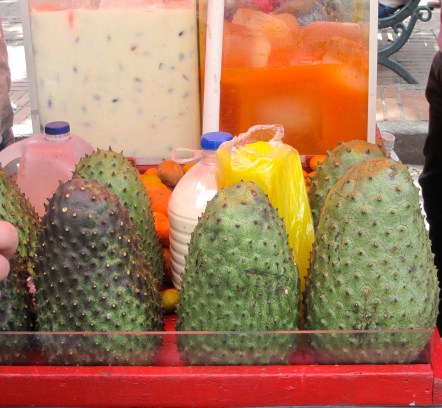
Colombia Guanabana juice and Arepa con Quisito.

IMG_3818

Spain Churros, hot chocolate and real gazpacho.

Screen Shot 2016-05-03 at 11.17.34 PM

 Panama Sancocho soup.

Screen Shot 2016-05-03 at 10.46.16 PM

Netherlands Pofferjes and poached egg on brioche with smoked salmon, (first time that I have had that).

IMG_9094

Brazil Tacaca with shrimp and fresh acai ( not the watered down sugary stuff we get here) in the Amazon.

IMG_4520

 Thailand Thai iced coffee.

Screen Shot 2016-05-03 at 10.43.21 PM

 Peru Ceviche with giant corn.

Screen Shot 2016-05-03 at 10.19.39 PM

Argentina Alfajores from Havanna.

Screen Shot 2016-05-03 at 10.18.02 PM

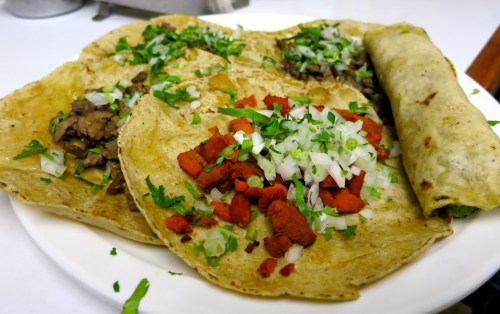
Mexico Tacos, guacamole, mole or really anything in Oaxaca. (except not a fan of the crickets every day)

IMG_0019

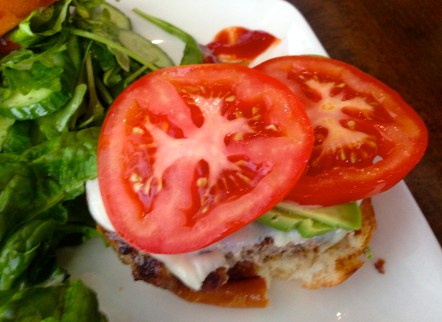
USA When I come home I want a turkey burger from Golden State in LA.

IMG_2055

Fly safe,
JAZ

Around The World With Beaded Bracelets

Around The World With Beaded Bracelets

“I learned that you should feel when writing, not like Lord Byron on a mountain top, but like a child stringing beads in kindergarten, – happy, absorbed and quietly putting one bead on after another.” Brenda Ueland

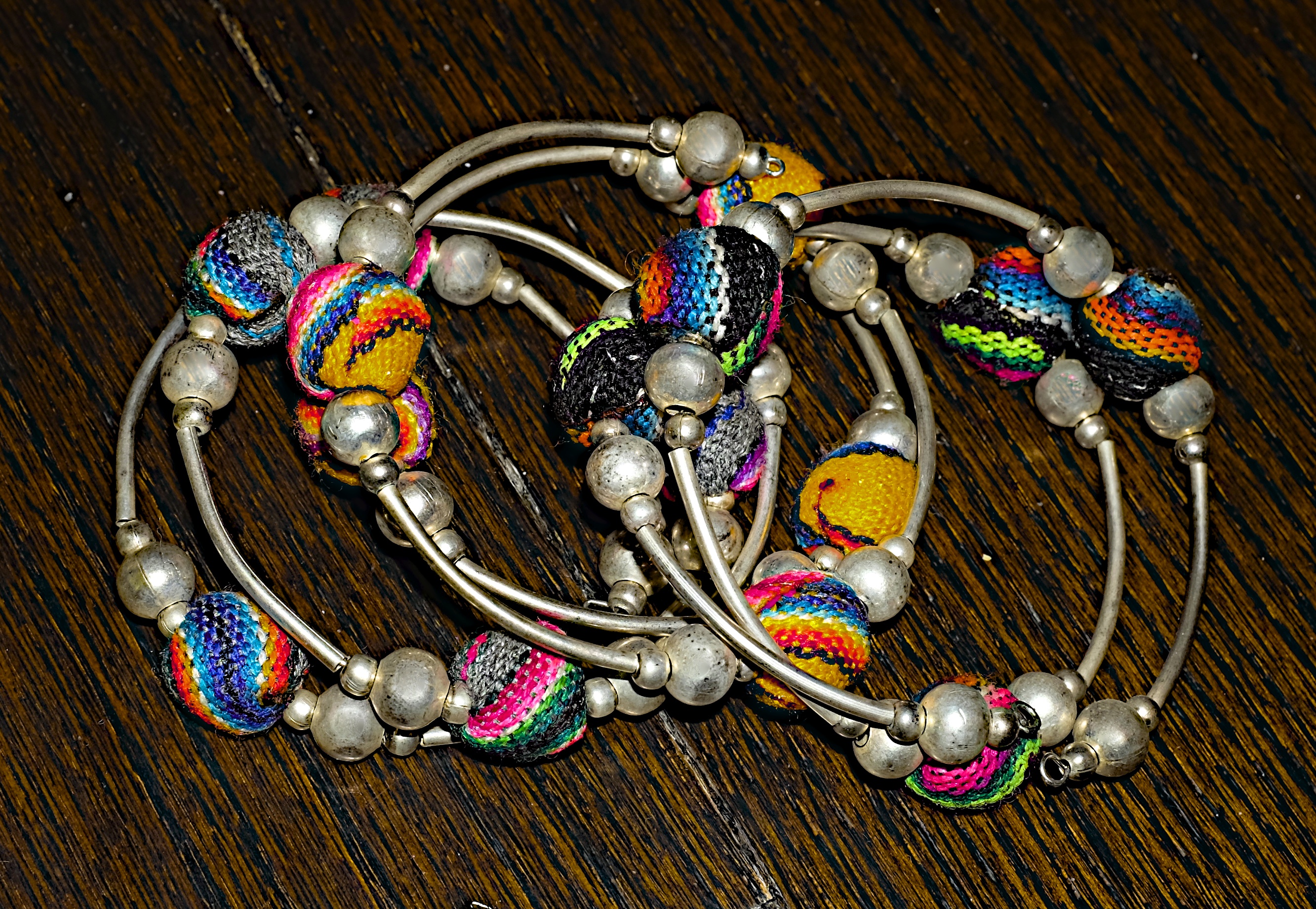
That should really be the name of my blog. I don’t know when it started but I buy cheap ethnic bracelets in different countries around the world for myself and gifts. People like them. (temple cedar bracelets – Viet Nam)

DSCF4946

I try to spend under five dollars a bracelet and buy them in markets or from street vendors. A dollar or two is even better. (ceramic – Mexico)

DSCF4943

It is an easy to pack gift and a nice memory for me of a country I have been to. I mix them all up and wear them almost every day. Today I am wearing Argentina, Mexico, Myanmar and Thailand. (Myanmar, Thailand)

DSCF4952

It’s good to buy indigenous jewelry because it helps the local communities. Many countries have stores or markets that feature local artisans. The bracelets are made from wood from local trees, nuts, seeds, glass, silver, tin, brass, bamboo, woven, pottery and even plastic. Sometimes they have religious significance and sometimes only decorative.(Peru)

DSCF4939

My favorite one comes from Panama and is made from a tagua nut which is known as vegetable ivory. Due to tagua’s properties in color, appearance, hardness and feel like those of natural ivory, it is being substituted for the latter one. This helps in the depredation of elephants while at the same time keeps rain forests from being deforested which in turn favors the ecosystems and the environment.

DSCF4922

I also buy ethnic designed bracelets for myself. When I wear them, they remind of the special day in the country where I bought them. (Myanmar, Cambodia, Murano glass – Italy, Argentina, real coral-Croatia)

DSCF4935

DSCF4924

DSCF4941

DSCF4926

DSCF4950

Another important factor to consider is that making things by hand provides work to thousands of people in these poor countries giving them and their families a better life and the opportunity of offering their children a better education. (shells-Panama)

DSCF4928

Shopping for bracelets is perfect street consumerism for me.(Coca nut -Argentina)

DSCF4944

There is the thrill of finding the bracelet among the crafts and tourist crap. I know these look touristy but there was a beach in Panama that was covered in these pinkish orange shells so they remind me of that beautiful beach. Yes I brought home a bag of the shells also.  (Panama)

DSCF4945

IMG_3752

Then there is the delicate negotiation of getting the right price without insulting anyone.There is the danger of going too low and the stupidity of paying too much. (plastic- Turkey or anywhere that has real Turquoise)

DSCF4954

Finally we have the adrenalin rush of the purchase. (Aborigine – Australia)

DSCF4948

It makes my world better and their world better. It’s a win – win situation.

Fly safe,

JAZ

What To Bring Or Not Bring To Someone’s Home In A Foreign Country

What To Bring Or Not Bring To Someone’s Home In A Foreign Country

“What you consider gross—dead rats—I consider considerate gifts.” Jarod Kintz

I’m a person who always likes to bring the right gift so having dinner in foreign country at someone’s house always requires a bit of research for me.

To the Japanese, gift giving is a way of communicating respect, friendship, and appreciation. It is good to be ready for the gift giving ritual that has been deeply rooted in the Japanese culture for centuries. Everything should be beautifully wrapped and ripping open the paper is bad form. Downplay the importance of the gift. This is typical in all Asian cultures. Always present the gift with two hands.

Do not give wine as a hostess gift in Argentina because it is considered common. Champagne or hard liquor is fine. Don’t bring scissors or knives because that means you want to sever the relationship.

What can you bring to someone in China? They make everything there. First off gift giving is not easy. They don’t open their gifts in front of you and they refuse them several times. You have to be persistent but not pushy. It’s a delicate balance. Again no knives or scissors to break the relationship. I am missing something. When people in these countries get invited for dinner is the go to gift a pair of scissors? Why do they have even have to say that? Also no clocks or anything in sets of four. Four is an unlucky number in Chinese because it sounds like death. This is true in most Asian countries. Avoid white chrysanthemums because they are used at funerals.

In Malaysia pay attention to the Muslim culture. Avoid pork, knives, alcohol, and highly personal gifts. Present gifts in the right hand only. In Indian sections of Malaysia, avoid black and white colors. Instead, opt for yellow, red or green which symbolize happiness.

Israelis have a tendency to overdo gift giving and put a lot of thought into choice and presentation. If you are going to the home of Orthodox Jews or Muslim Arabs remember that the gifts must not violate any of their religious beliefs. Candy, flowers and gifts for the kids are always appreciated.

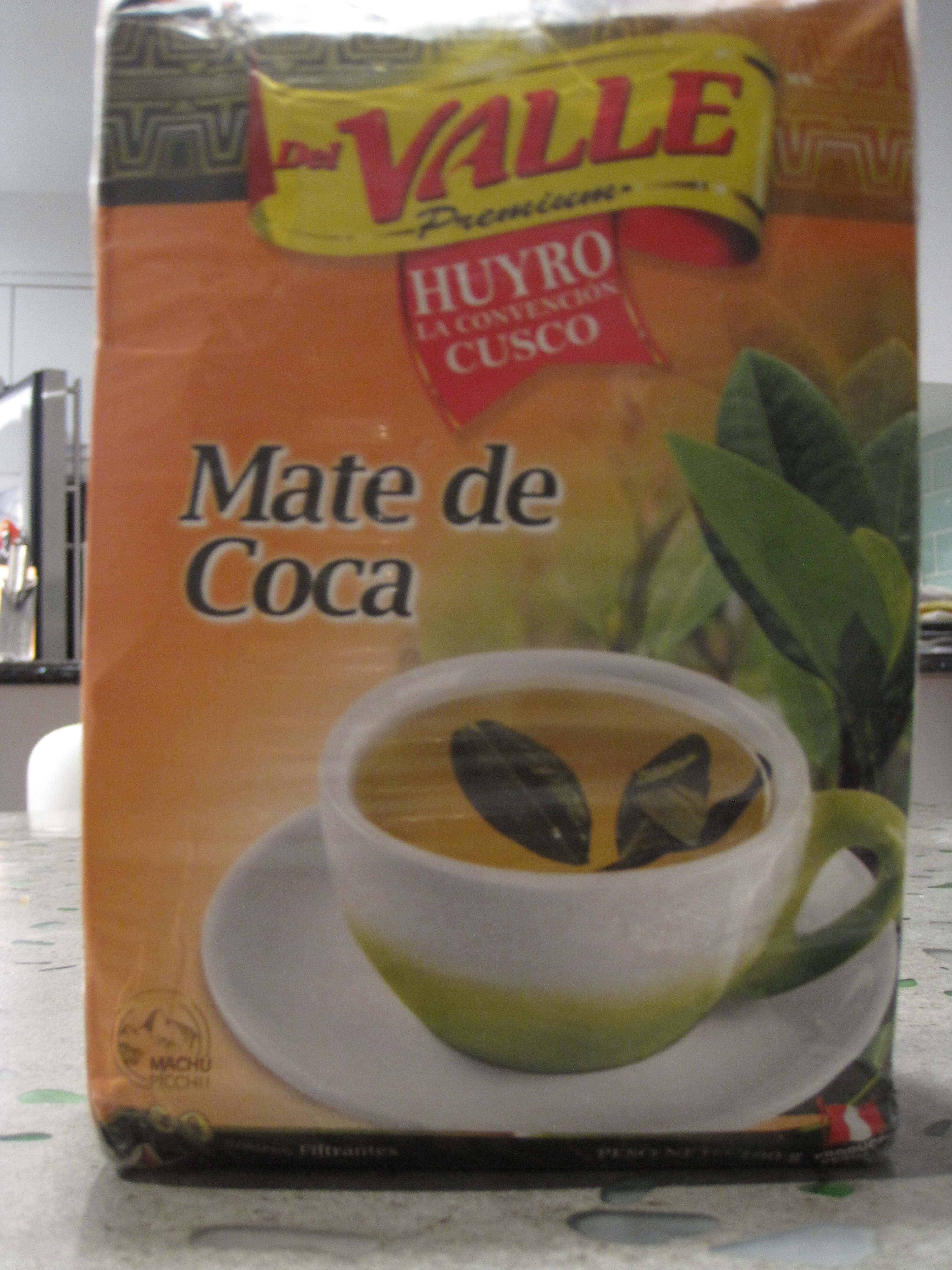
If you are invited to a Quechua home in the mountains of Peru, coca leaves are an acceptable gift. Coca leaves have always been present at all important moments of community life. Today, the history and traditional use of the coca leaf in Peru are a solid part of ethnic and national identity.

In Korea, generosity is a highly valued personal trait. Give expensive gifts if possible.

When invited to a home in Russia, bring something other than vodka. If you bring flowers only present them to a woman. Avoid yellow flowers (unless you picked them yourself in the countryside). White flowers should be given with caution. Same with red as they usually mean love. Fine chocolates are always appreciated.

In Italy, it is nice to bring cakes for coffee when invited to dinner. The cakes have to be of a special kind, bought in a pasticceria by weight. These delicious cakes are placed in intricate patterns on a golden paper tray and wrapped in paper nicely folded with carrying handles After opening the present the hosts and the other guests will take pains to point out which cakes, they each do not like. In the end the cakes are pushed aside in the assumption that nobody can eat another bite after having partaken of a full delicious meal.

You must bring a gift if you are invited to someone’s house in India. Chocolates or flowers is acceptable. Different flowers have different meanings in India so always check with the florist about what is a proper choice. When in doubt red roses usually work. If they have children (and many do) it is nice to bring something for them. If you are visiting during a festival always carry a box of sweets with you. Be cautious in giving leather as a gift. The cow is sacred in India and many Hindus are vegetarians.

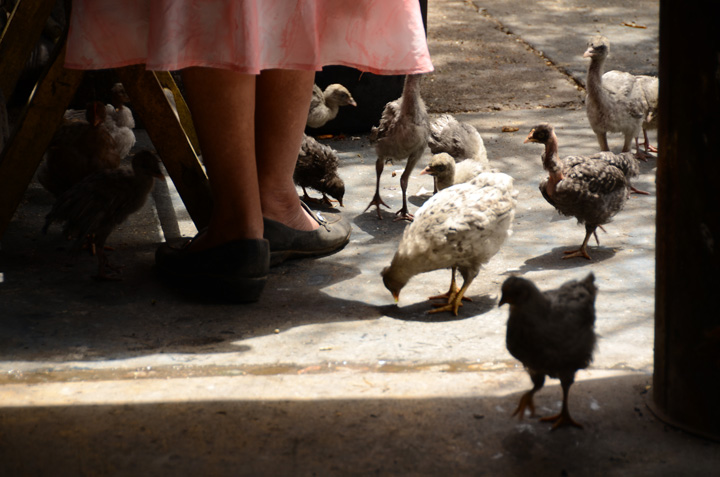
In Ethiopia a traditional gift if you are visiting someone’s home is coffee. However a chicken from the market may be well appreciated. They cost anywhere from $5-12. The average weekly wage is around $25 a month in a government job. So a chicken is quite a gift. If they have room the family may keep it for eggs. If not then it will make the next meal. To transport them, just pick them up by their feet. When chickens are upside down they do not move or make noise. They are very easy to handle. See this is where they lose me, I feel bad to carry an upside-down chicken around.

Fly safe,

JAZ

Animals I Met When Traveling

Animals I Met When Traveling

“Animals are reliable, many full of love, true in their affections, predictable in their actions, grateful and loyal. Difficult standards for people to live up to.” Alfred Montaper

Kangaroos Australia

IMG_3249

Tasmanian Devil Australia

IMG_3210

Baby Wombat  Australia

IMG_3195

Koalas Australia

IMG_3215

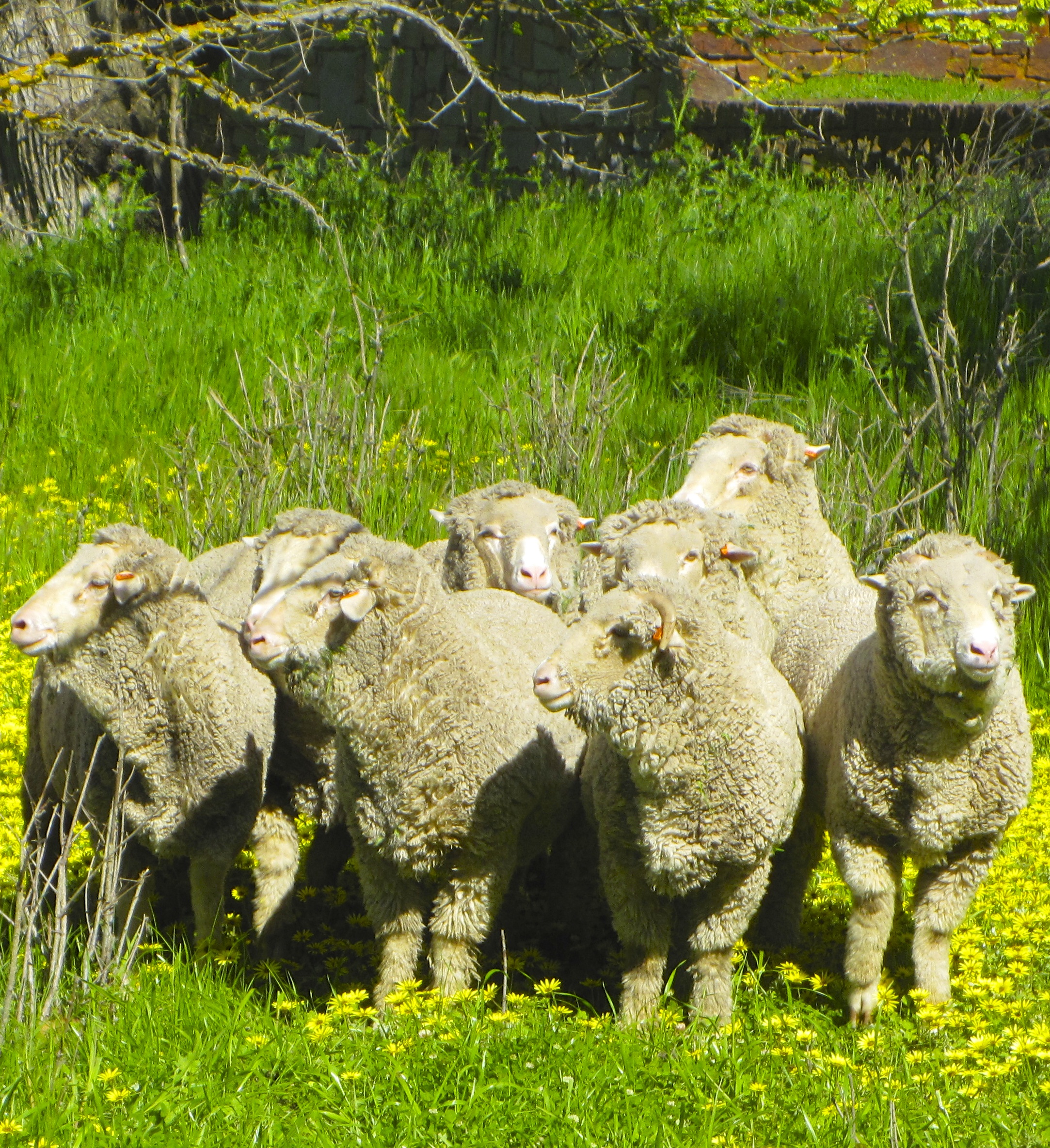
Sheep Australia

IMG_2042

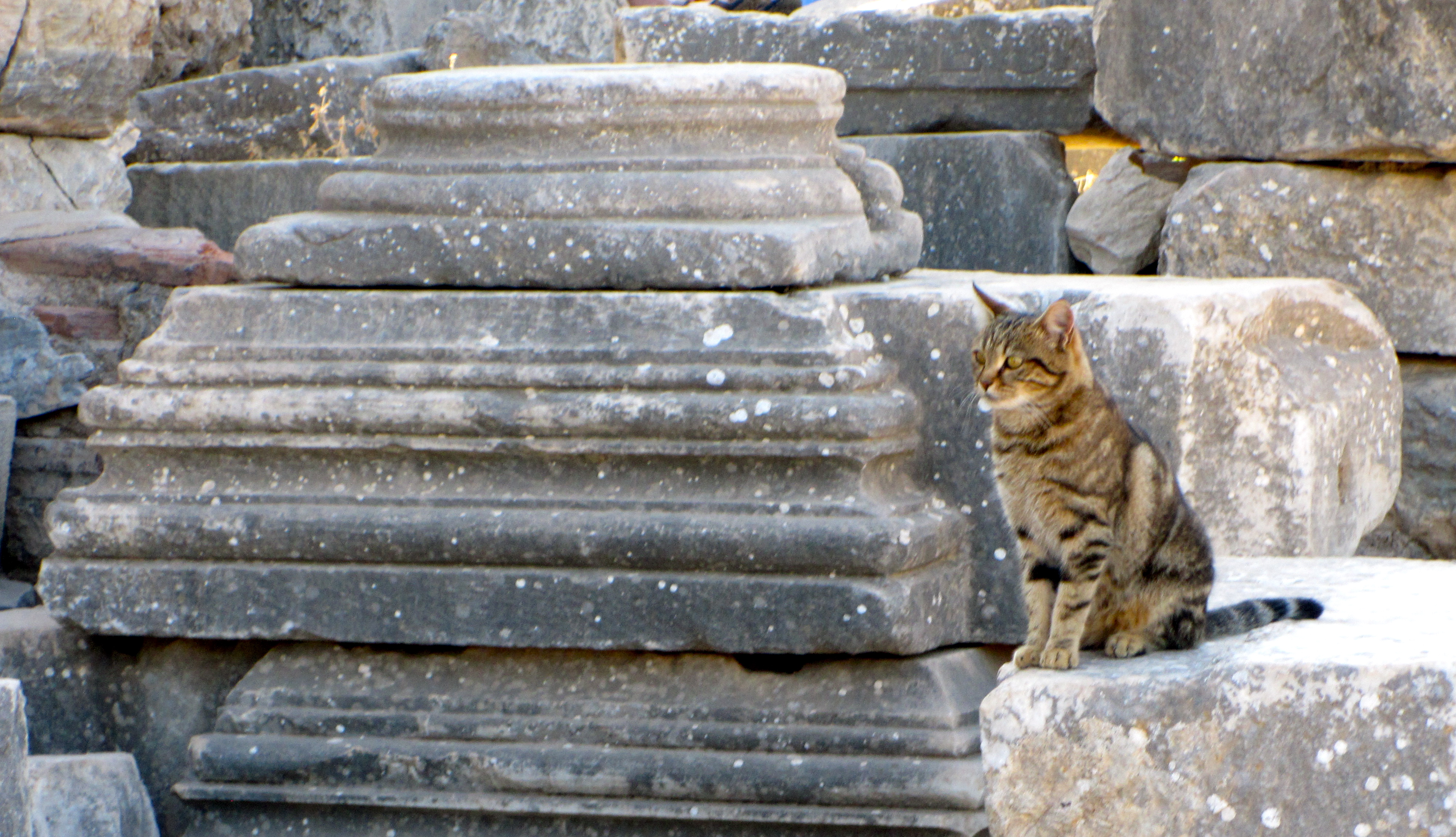
Cat Turkey IMG_4504

Deer Japan

IMG_1160

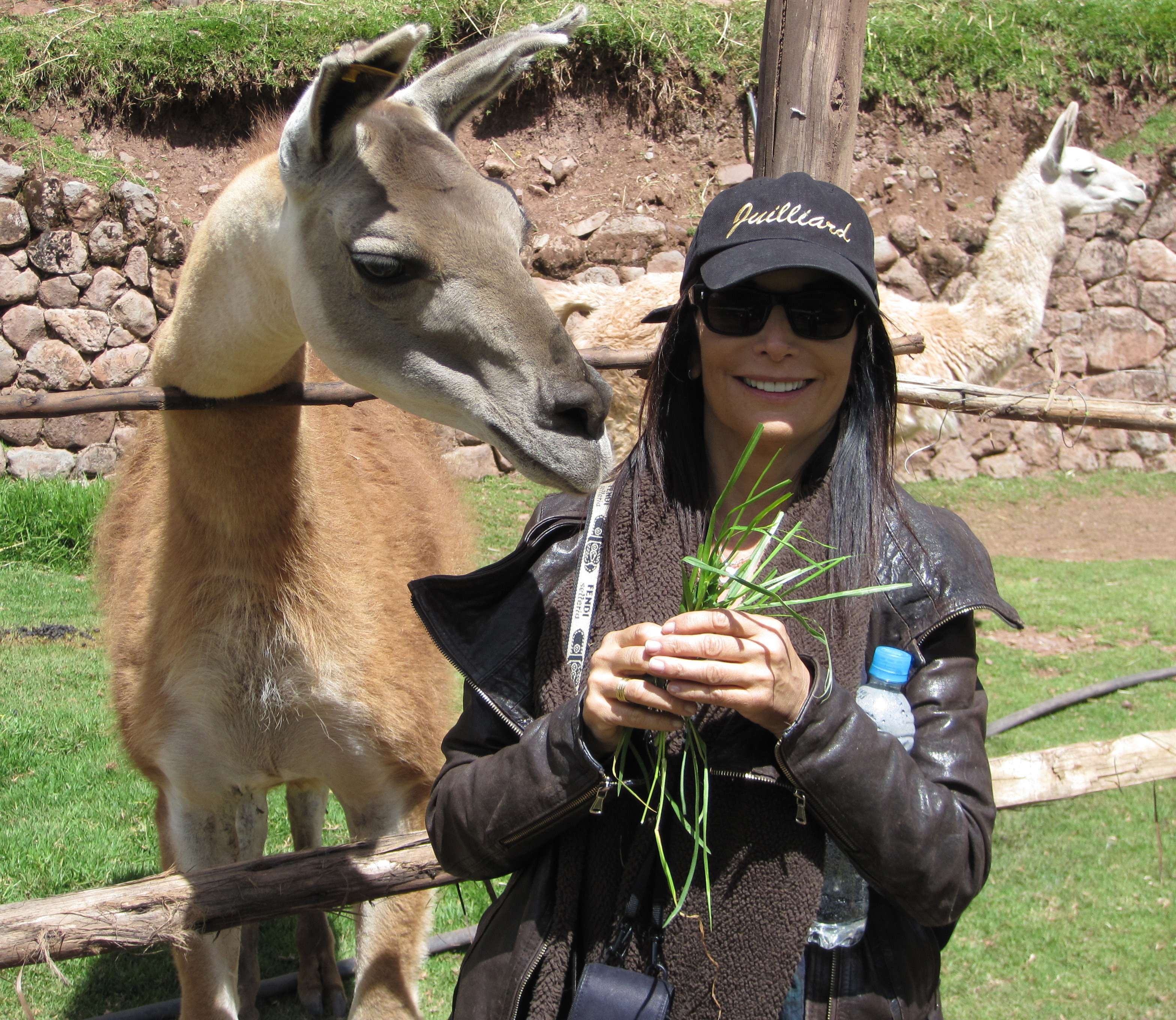
Llama Peru

IMG_2550

Iguana Panama

IMG_3409

Elephant Thailand

IMG_3244

Parakeets (Emilio White) Argentina

mail-37

Coati Argentina

IMG_1388

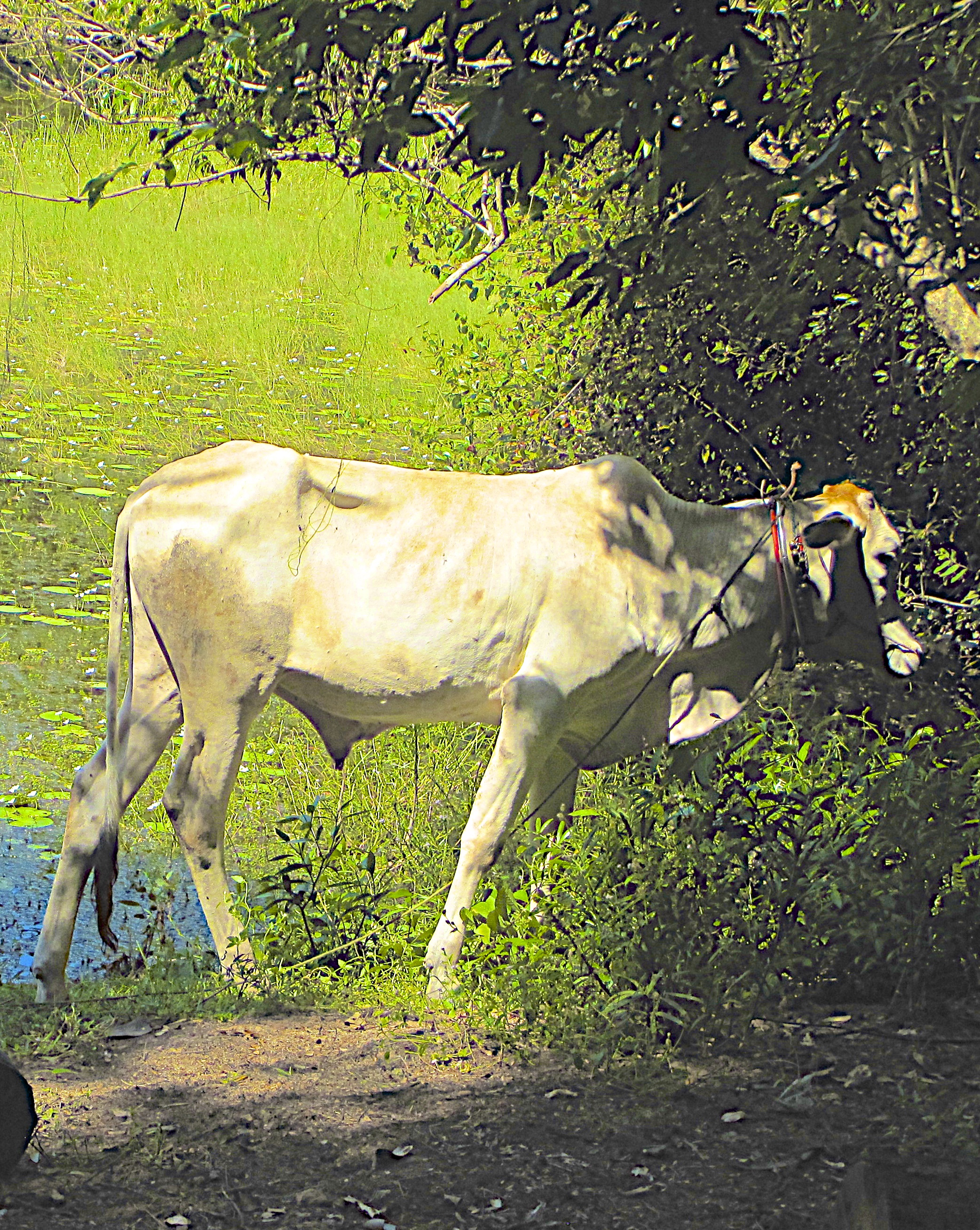
Cow Cambodia

IMG_6380

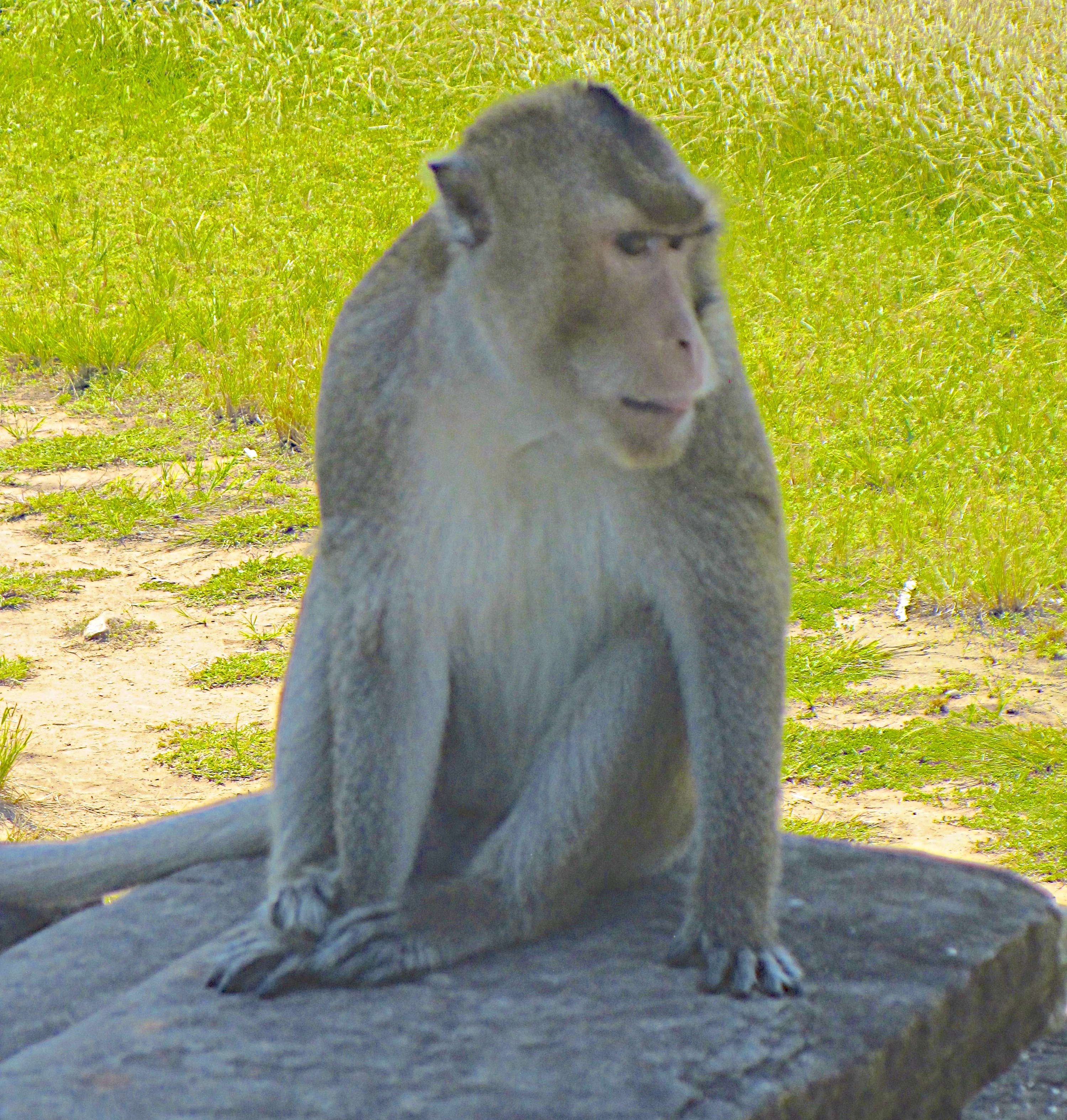
Monkey Cambodia

IMG_6172

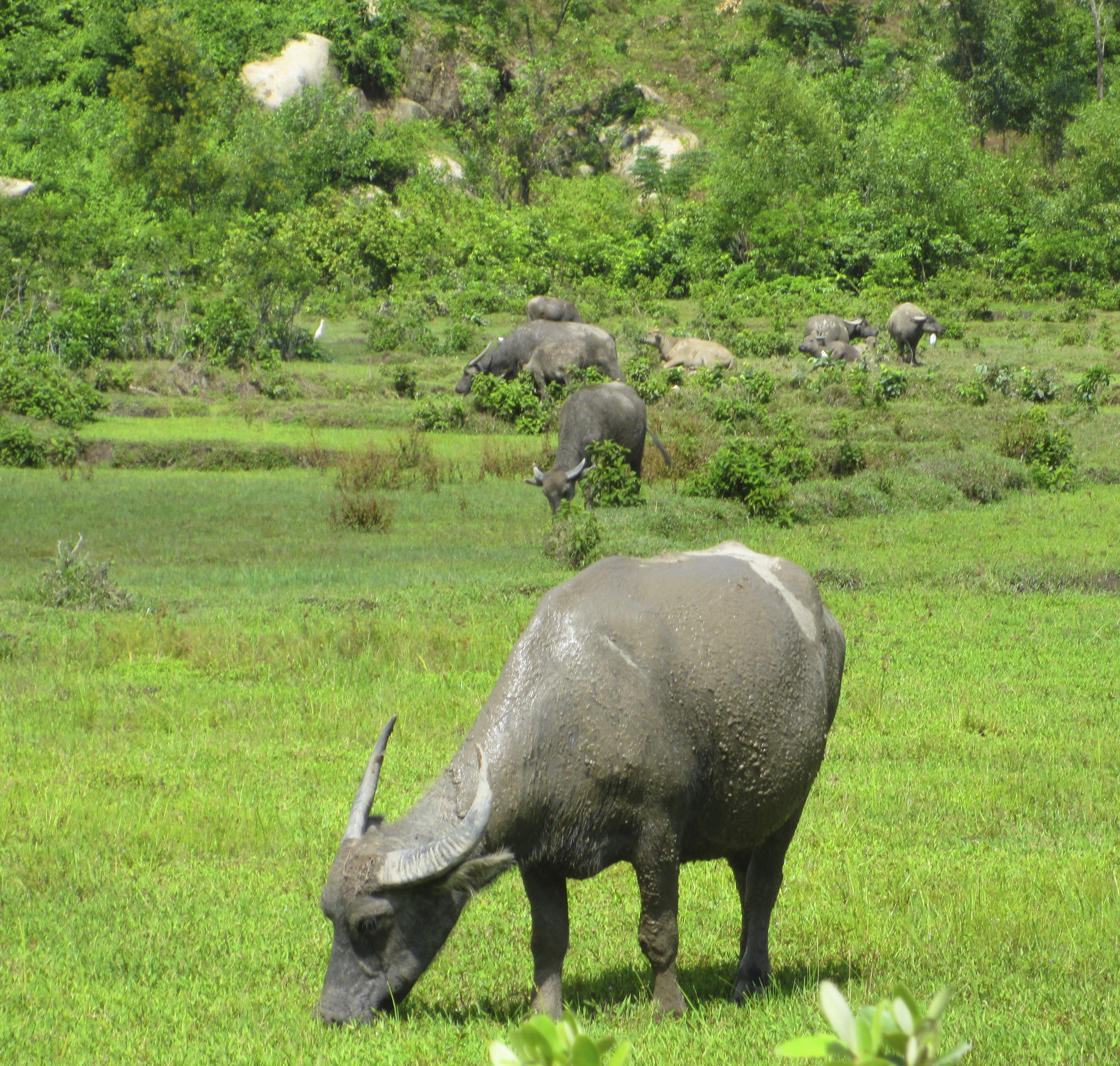
Water Buffalo Viet Nam

IMG_5444

Louie Miami

IMG_3289

Fly safe,

JAZ

DSCF0129


How To Be An Explorer Of The World

How To be An Explorer Of The World

“The list is the origin of culture,” Umberto Eco 

How To be An Explorer Of The World by Keri Smith  is a book with 59 ideas for how to get creatively unstuck. It began with  a simple list by the author scribbled on a piece of paper in the middle of the night.

Always be looking (notice the ground beneath your feet). (Oaxaca, Mexico, Ben Goodman)

DSC_6932-lo

Consider everything alive and animate. ( Barro Colorado Island, rainforest, Panama)

IMG_3606

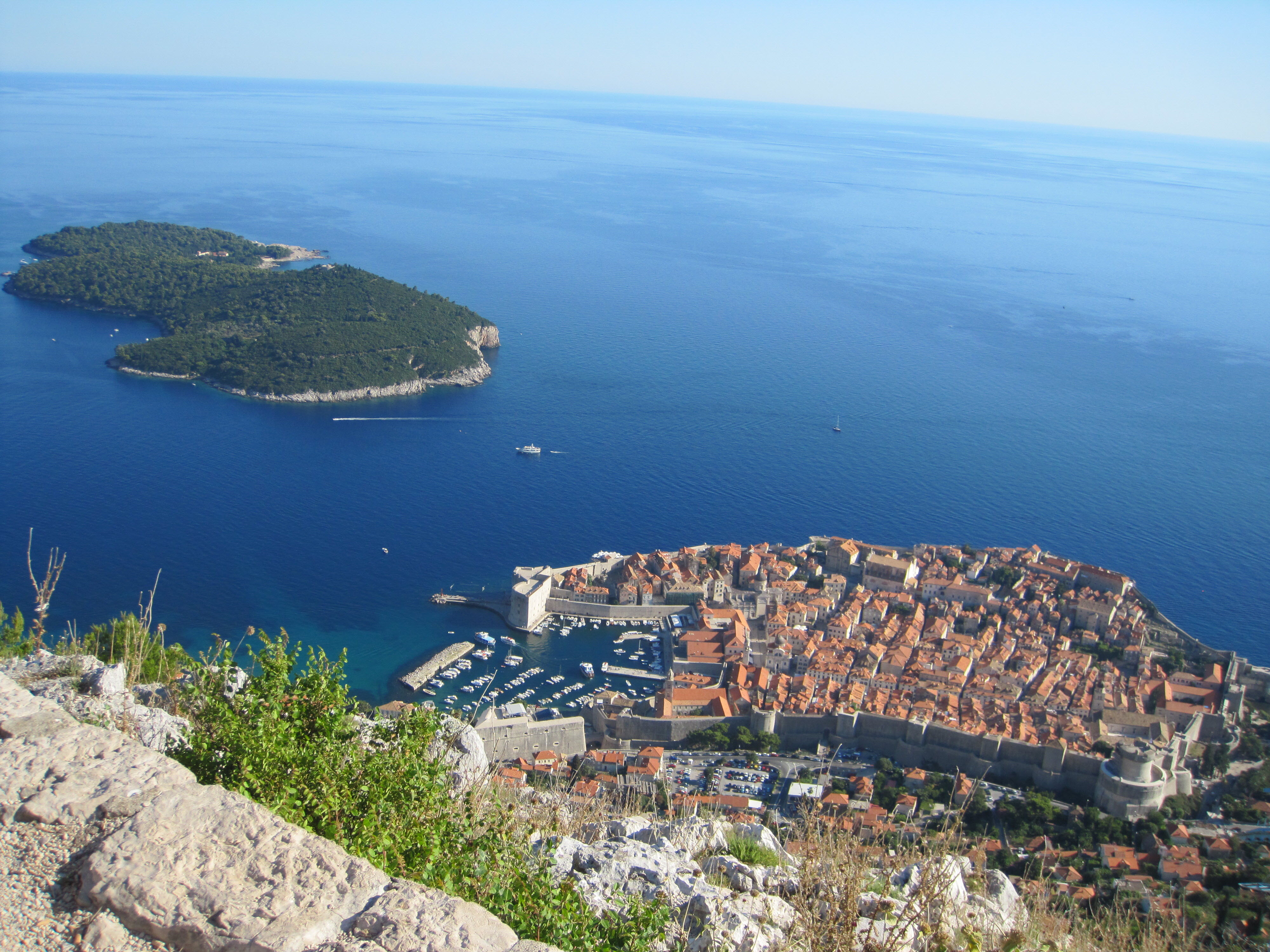
Everything is Interesting. Look closer. (Dubrovnik, Croatia)

IMG_0329

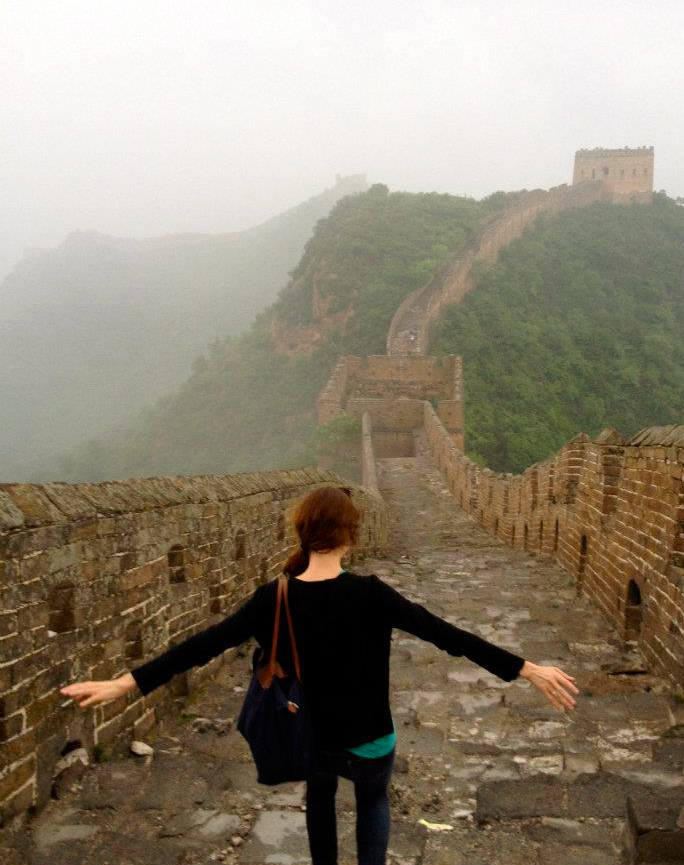
Alter your course often. (Great Wall, China)

547537_10101212049375139_1484645590_n

Observe for Long Durations (and short ones). (Vancouver, Canada)

IMG_1906

Notice the stories going on around you.(Museumplatz, Vienna)

IMG_1594

Notice Patterns. Make connections. (Istanbul, Turkey)

IMG_4971

Document your findings (Field notes)   in a variety of ways. ( Beijing,China )

380291_10101211649825839_1113827234_n

Incorporate indeterminacy. (no photos  because we don’t know how it will turn out)

Observe movement. (Intha fishermen,  Lake Inle Burma)

295524_592634070765871_371522602_n

Create a personal dialog with your environment. Talk to it. (Silver Pavilion, Kyoto)

IMG_0839

Trace things back to their origins. (Machu Picchu, Peru)

893989003311

Use all of the senses in your investigations. ( Bangkok, Thailand)

IMG_3053

Fly Safe,

JAZ

Top Ten Coffee Travel Moments

“This coffee falls into your stomach, and straightway there is a general commotion.  Ideas begin to move like the battalions of the Grand Army of the battlefield. Things remembered arrive at full gallop, ensuing to the wind.  The light cavalry of comparisons deliver a magnificent deploying charge, the artillery of logic hurry up with their train and ammunition.  Similes arise, the paper is covered with ink; for the struggle commences and is concluded with torrents of black water, just as a battle with gun powder. “

Honore de Balzac

Top Ten Coffee Travel Moments

I realized by writing this blog that I am addicted to caffeine. There are way too many references to coffee.  It is the only vice I have left.  I thought I would embrace it by writing my top ten coffee travel moments.

!. I am seventeen and in Europe for the first time.  We  are  in CERVINA in the Italian Alps. There is a cappuccino bar that we go to every morning and have fresh cappuccino before a day of skiing. It is pre cell phones and Starbucks.  The only cappuccino  you got in NY  was in the Italian restaurants  after dinner.  There was no decaf cap. Cappuccino every morning was as big a deal as skiing in the Alps for the first time.

2.   The island of SANTORINI in Greece is where i am spending my twenty third summer.   I am staying at my friend’s house on a mountain overlooking the sea.  It is one of those  Santorini white houses with blue tile.  We have to walk halfway down the mountain every morning to have coffee and fresh bread with butter and honey, at a café run by a family that doesn’t speak English. Santorini was  not the five-star  tourist destination it is now but it always had five-star views of the sea, volcano and black sand beaches. .  “kafe me gala  sketos parakalo” The grandmother always dressed in black would smile at my bad Greek pronunciation and bring me my coffee. They used condensed milk all the time with coffee and I love the taste.  I think they wear black  because someone in their family close to them has died – usually they are widows.

545319_436959296360980_1027944743_n

3.  My daughter who is twelve and her tap company have performed at the Cuban Ballet Festival throughout Cuba.  We are driving back to HAVANA from Santa Clara.  Since Petrol is scarce, members of the Columbian Ballet Company are sharing the bus with us. We get back around five and I have a serious lack of  caffeine headache.  I invite the Columbian dancers who I have spoken to in bad Spanish  for a coffee at the hotel.  I order a double espresso and drink it down  like I am doing a shot of tequila.   First they stare at me and then they laugh and do the same.  We start by drinking espresso shots –we move on to Mojitos. No one slept that night. (Cuba,Jim Kane)

734564_622571224426673_1184425465_n

4. We have arrived at the SACRED VALLEY in Urubumba, Peru.  We are spending the night at the beautiful Sol Y Luna  hotel and the altitude is 9000 feet. (2400 m)  It is our first night in the Andes.  I start to have this headache and feel dizzy. As we are going to our rooms someone says to me, “Be careful, the headache is the first sign of altitude sickness”.  I go right to the worst case scenario.  I remember my mindfulness training as I am going into high anxiety mode. I investigate the feeling in my body and think it isn’t that severe. It feels like a lack of caffeine headache.   I remember I didn’t have coffee that afternoon. I relax and go right to sleep. I wake up early and have a wonderful Peruvian breakfast  of yogurt , fruit, kikucha cereal ( grain like quinoa) and coffee. No more headache.

601689003311

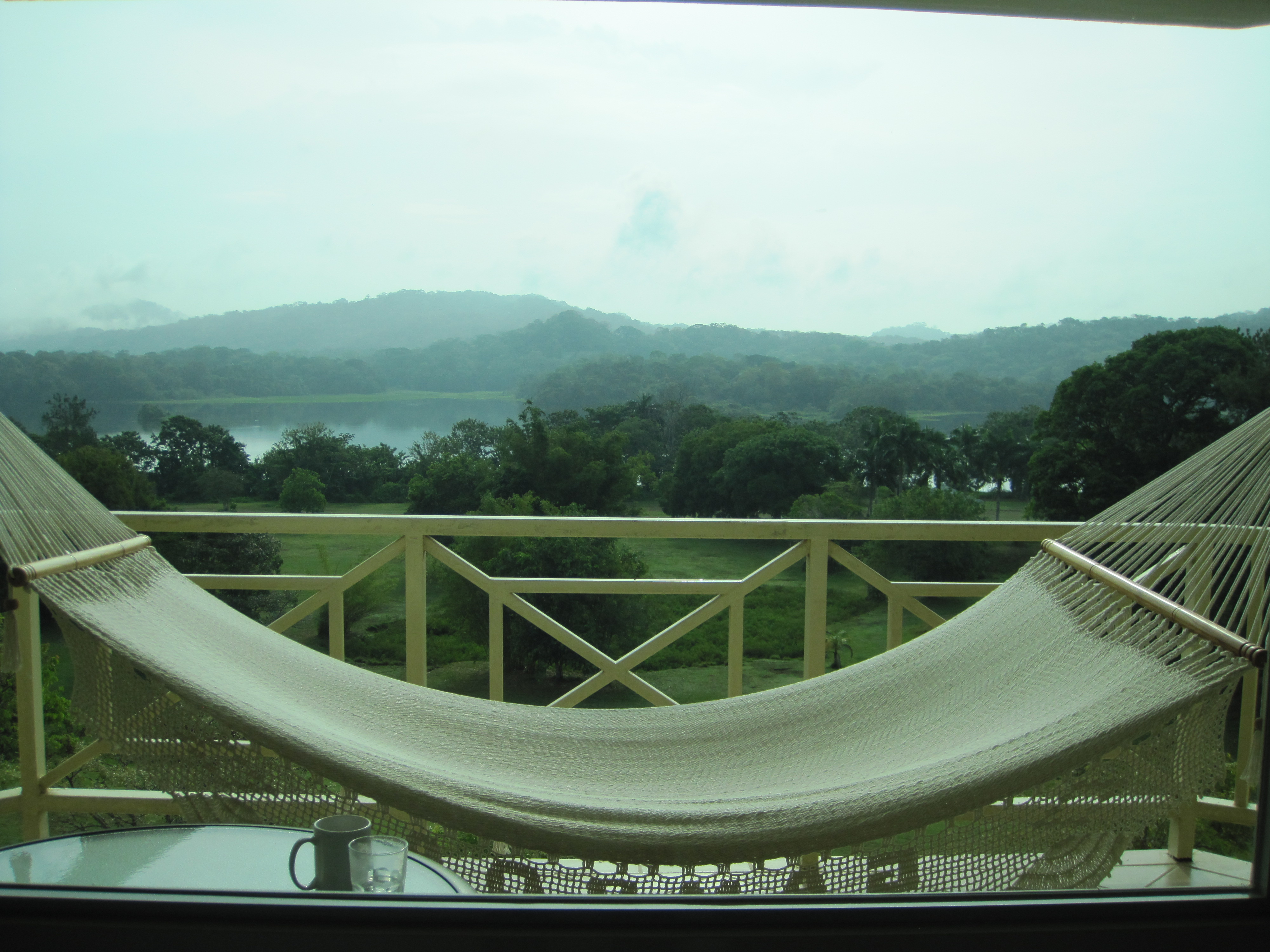
5. I usually hate instant room coffee.  But in PANAMA it was really good. It is called Puro and I brought some home.   I have a confession. I kind of like non dairy creamer   Sometimes your diet needs a few chemicals.  I got up every morning in  Gamboa  to watch the sunrise over the rainforest and had a coffee while lying in a hammock on the terrace.

IMG_3727

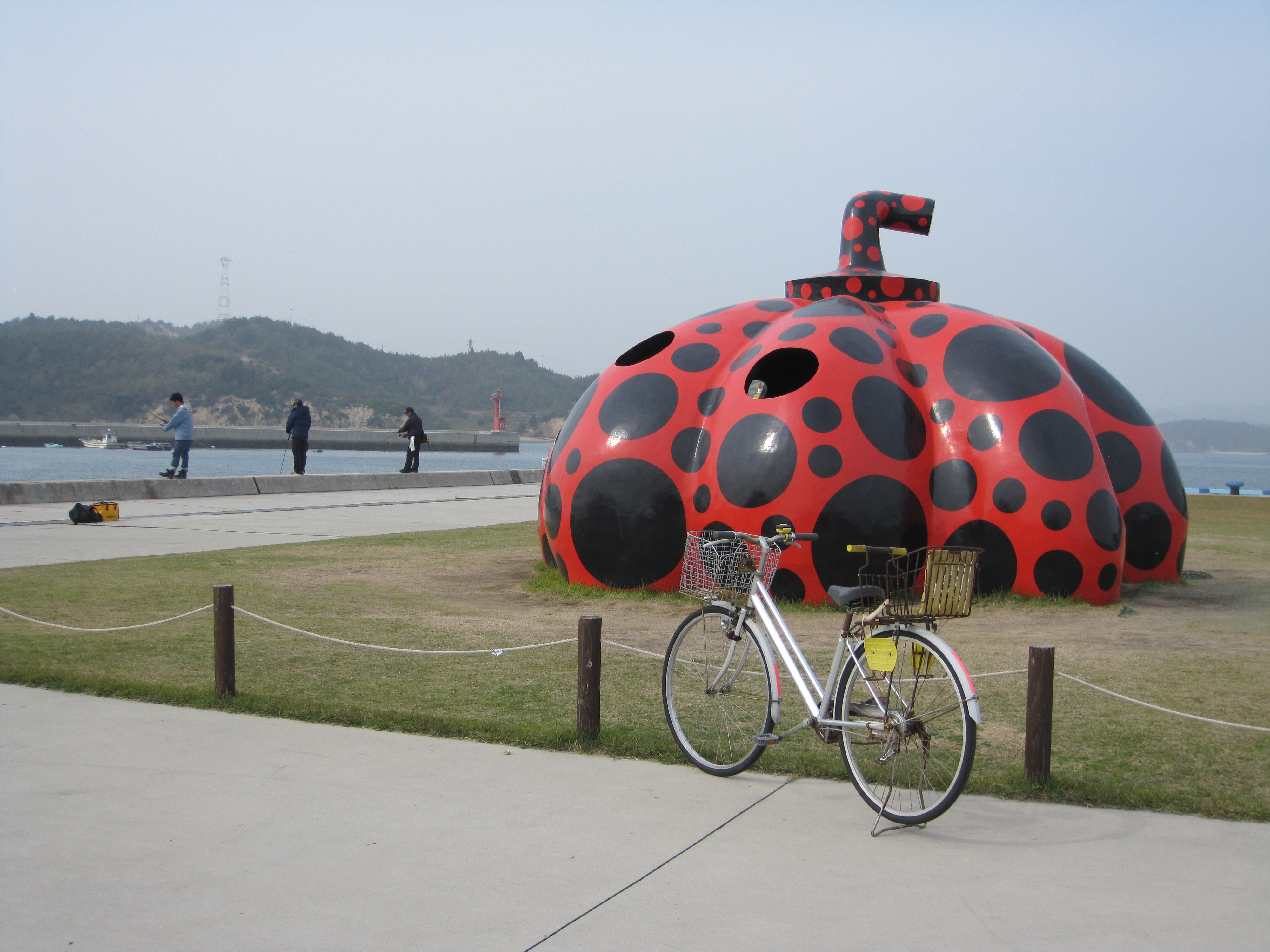
6. Anna and I have spent the day on  the island of NAOSHIMA in Japan.  It is the island that Tadao Ando has designed and dedicated to art and nature.  There are museums, outdoor sculptures, galleries and installations in houses throughout the island.  It is a bit like a scavenger  hunt trying to see everything.  But we did it. We are at a small  ferry at the other end of the island that locals use to head back to the mainland . I am looking for coffee. We see something that looks like it might be open. We walk in. There is cool music and magazines and interesting furniture and art . It is  like a Japanese Greenwich village coffee-house  on this little island street.  We can’t believe our luck.  We have coffee and wait in this beautiful restaurant for the ferry and talk about our amazing day.

IMG_2345

7. I had been  in the  incredible  city of VENICE for a few days with my daughter and a friend. My son arrived after traveling around Europe alone.  He had a lot to say and wanted to have  a coffee in Venice and talk about his travels. We sat in a café on the canal and he told me his stories. I was happy sitting there listening to him  and I could hear  that he loved to travel as much as I did.  Family travel moments are few and far between now. It was a beautiful trip.

IMG_0258

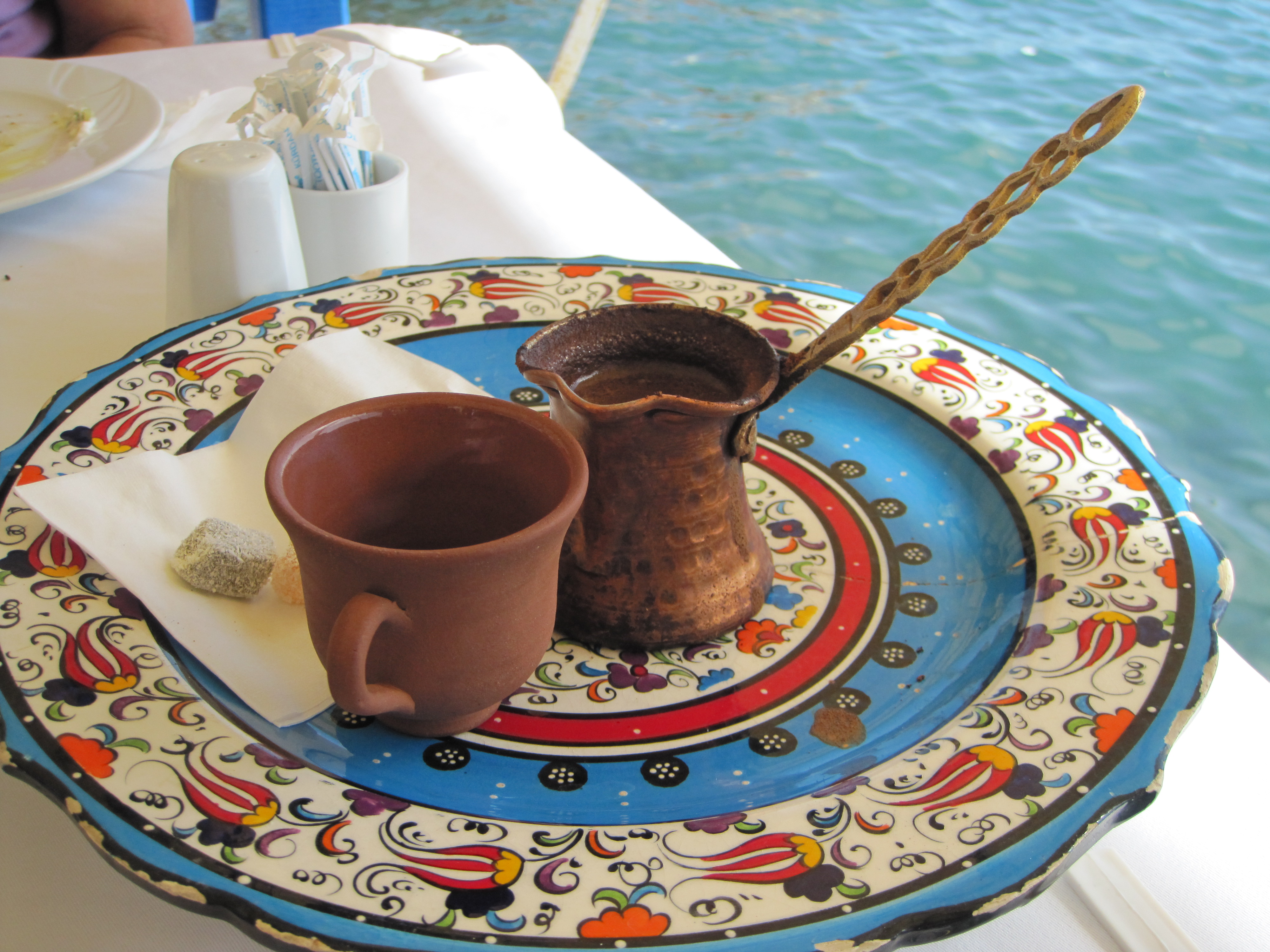
8.  It was my first day in ISTANBUL. I had shopped at the Grand Bazaar with my guide for the day Renan.  We stopped for lunch.  We met  carpet salesmen from Los Angeles.  Suddenly, it didn’t seem so far away.  This was my first experience with Turkish food. Hot yogurt soup and something with my favorite vegetable –eggplant.  – delicious. I had my first Turkish coffee. (a lot like Greek coffee) I loved the thickness and the feeling of the grounds in my mouth ( coffee that you can chew).  It isn’t bitter either so I am able to drink it without milk. She read the coffee grinds to me.  We used to do this in Greece. It was my first coffee fortune in a very long time.  It wasn’t bad. My next one wasn’t great. So I stopped doing it and just drank the coffee.

IMG_4382

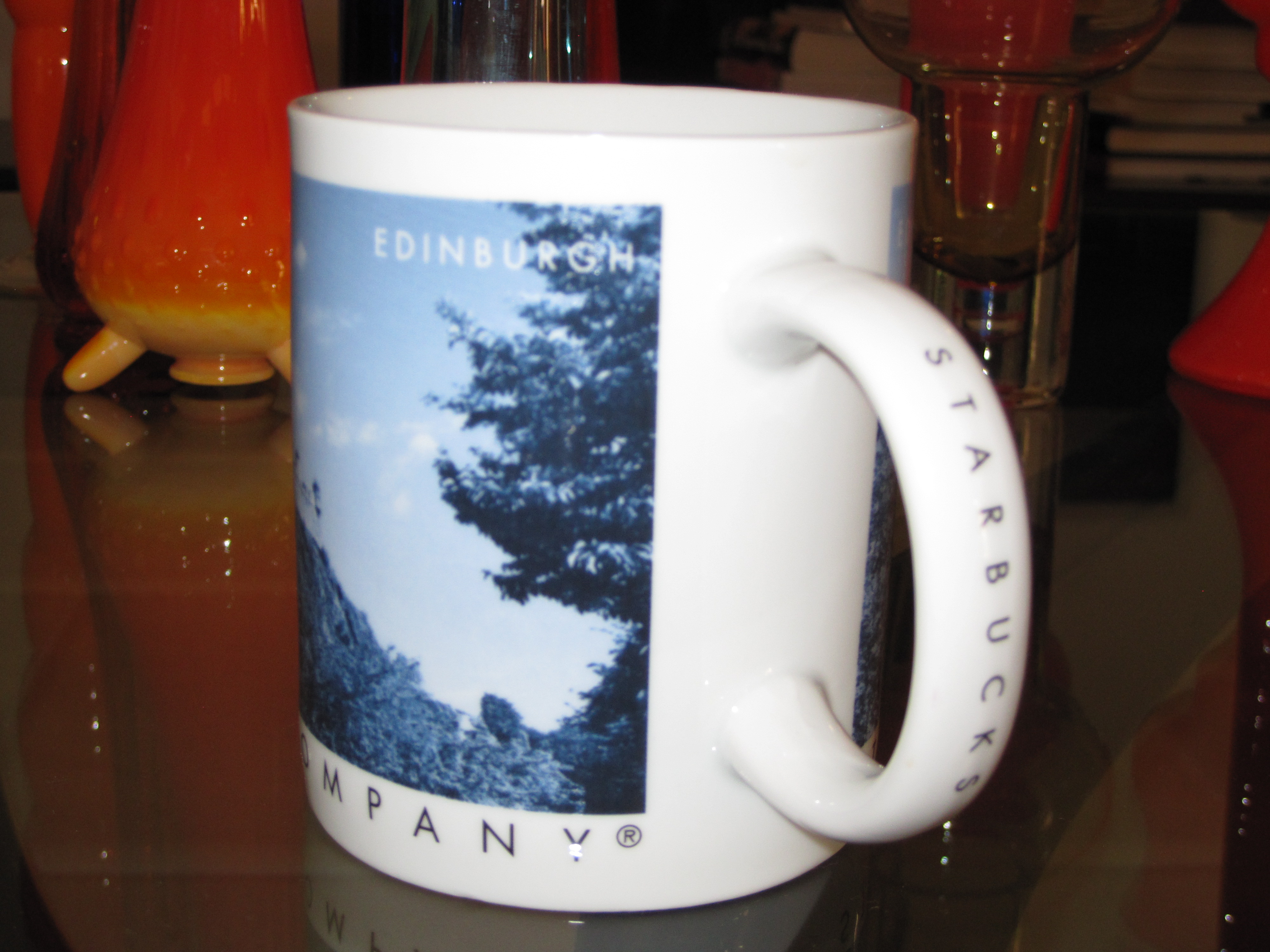
9. I am in EDINBURGH, Scotland for the Fringe Festival. My daughter is performing there with her high school theatre group. In the summer, walking down the Royal Mile is crazy. Everyone is in costume and giving out flyers and performing and begging to get you to go their shows. The Starbucks is right at the beginning of the Royal Mile, next to the Fringe Ticket Office. I meet a friend for coffee after picking up some tickets. We are surrounded by Vikings and Elizabethans all having cappuccinos and lattes. In fact, only the barristers are   dressed in modern-day clothing.  I felt  a little underdressed.

IMG_5252

10.   A few weeks ago, I was walking down Portobello Road in LONDON with my college friend Suzie.  Suzie was the first person I traveled around Europe with . We were about eighteen. We lost touch after college but reconnected  a few years ago through the magic of facebook.  We were both going to be in London at the same time. We aren’t looking for vintage clothes like we used to  (and still do) but vintage housewares.  It is freezing out. We go into a coffee house and see a long queue. It is called the Coffee Planner. The girl in front of me says it is the best coffee on Portobello Road and worth waiting for. Suzie buys an unbelievably good sandwich from a vendor outside and we sit and drink our coffees eating this sandwich.   Jayne and Suzie together again in Europe. ( St. Paul’s Cathedral from the Millennium Bridge)

IMG_0456

Do you have any good coffee moments?

Fly safe,

JAZ

Things I Have Carried

“Though we travel the world over to find the beautiful we must carry it with us or we find it not “             Ralph Waldo Emerson

Things  I   Have Carried

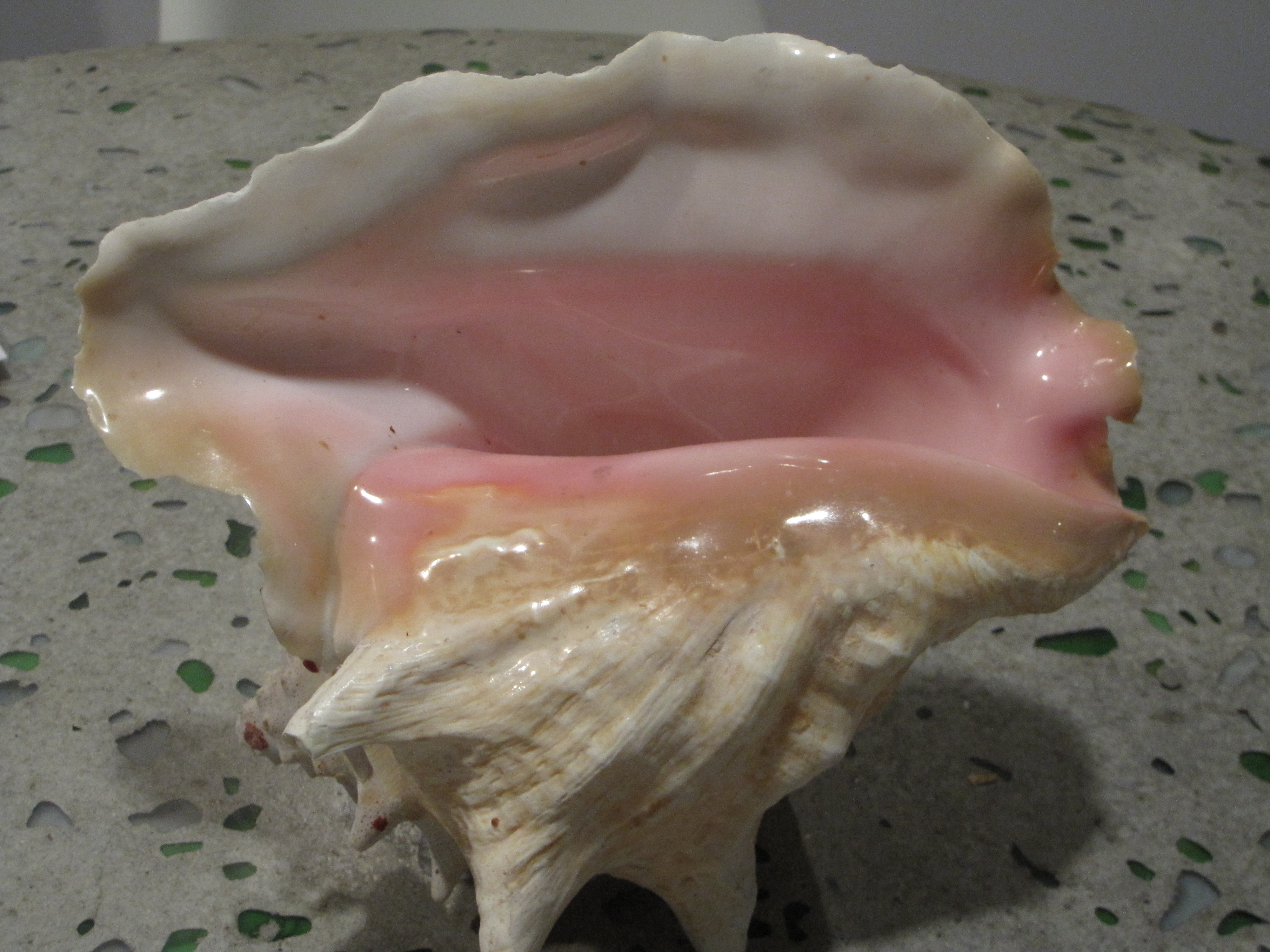
1. I have this GIANT CONCH SHELL on my kitchen table. It is from a pink sand beach in Eleuthera,Bahamas.  It is one of those giant shells you see in stores and think it isn’t real. There it was on the beach one morning when I was walking. I carried it back to my room and then proceeded to carry it back on the plane with a three-year old and a six-year-old. I see that shell every morning and it reminds me of a pink sand beach and a happy  very young family.

2. My friends told me about the perfect gift to bring  from Munich – DAS MURMELTIER DER ALPEN  ( singing  animal in the chipmunk family) They told me to buy them at the airport –more carry on bags. I  put them in the overhead compartment and went to sleep. Weisswurst breakfast is very heavy in the morning (white sausages and a pretzel) Suddenly everyone on the plane is in a panic. There is a  clicking noise and no one can figure out what it is.  Our first thought is that it must be a bomb. As they are about to call security, the yodeling and drinking songs in German  begin. The chipmunks had started singing in the overhead compartment.  Travelers are way too stressed out these days.

3 The Maneki-neko (beckoning cat) is a sign of good luck in Japan. They are made of ceramic  ( most common) and usually come in pairs.  You can find them everywhere in Japan. The beckoning right hand means money and the left hand means happiness. BECKONING CATS are found often in Japanese businesses and homes. Since I felt that everyone in my family needed Japanese luck, I bought several pairs of the cats. Between the Starbucks mugs from every city in Japan and the several pairs of cats, they overflowed into my carry on luggage.  I’m  pretty sure airport security in Osaka would have laughed at me while looking at  the x-ray machine, if it wasn’t Japan and they weren’t so polite.

4. The following year I had to carry  the protective and breakable lions from Okinawa.  They are called SHISAS and are half lion half dog from Okinawan mythology. They come in pairs. The shisa on the left traditionally has a closed mouth, and the one on the right has an open mouth. The open mouth is to ward off evil spirits and the closed mouth is to keep the good spirits in. They are usually guarding the entrances to homes and businesses.  They are sold everywhere in Okinawa. I feel that anything to ward off evil spirits makes an excellent gift.

5 Betel nut is a mild stimulant that is chewed throughout Asia.  It involves, betel nut, fresh pepper leaves (or other spices), powdered lime and damp tobacco leaves. It is wrapped in a betel vine leaf forming a wad or quid. The last ingredient is saliva . ,Your gums , teeth and tongue turn bright red when chewing it.  Eventually, you spit it out.  It is one of the most used addictive substances in the world. It creates a buzz and curbs hunger. The streets and stairwells of Burma are stained with red betel nut. It is customary to use special compartmentalized boxes to hold the ingredients for the betel nut quids. When guests visit, they are presented with a fully stocked box. Some of them are quite beautiful. I brought BETEL NUT BOXES back from Burma.(but no betel nut)

6  There is a Shang Hai Tang store in the Hong Kong airport and it was having a sale.  Shang Hai Tang is DESIGNER CHINESE CLOTHES. Their flagshop store is in Hong Kong but was always one of my shopping stops in NY.   Changing planes in Hong Kong, I managed to add to my already bulging hand luggage , two sweaters, a shawl and some Chinese shirts in beautiful fabrics.  You can’t go to Hong Kong without shopping – even if it is just in the airport.

7.  My goal when skiing in  Cervina, Italy was to find a pair of those FLUFFY WHITE AFTER SKI BOOTS It was many years ago and I had never seen them  when I was  skiing in Vermont.  I finally found the perfect pair in a shop next to my favorite cappuccino bar. The best thing was to wear them on the plane since they took up so much space.  It was April and we had been spring skiing. Changing planes in Brussels,  we were walking slowly and my friends and I got bumped from the plane.  I remember thinking it was odd that the teacher left us there.  The four of us were sixteen and seventeen.   I felt really embarrassed walking around the city in those after ski boots, ( the weather was quite warm) but having an unexpected   free day and night in Brussels was very cool.

8.  There is a craft  market  in the Plaza del Armas in Old Havana not far from El Floridita.   (Hemingway’s hangout where he used to drink his daiquiris not mojitos) They sold  WOOD CARVINGS OF DANCERS   The woman who was helping me spoke English with no accent. She told me her father was the linguistics professor at the university and she spoke twenty languages . She was selling wood carvings for a dollar.   They were quite nice but very delicate . .   I had to put them in my carry on bag and hold it very carefully. Still,many of them  arrived with missing limbs. It  looked a bit like a war when I unpacked them. Arms and Legs all over. –luckily there is no shortage of crazy glue here.  They were great gifts for all our dancer friends.

9. Hvar,Croatia is where some of the highest quality of lavender is grown in Europe. I bought a lot of small glass bottles of LAVENDER OIL I figured if something broke, it would be better  in my carry on bag. . Lavender would have a calming effect on the nervous  post 9/11 fliers.

10 Coca leaves have been part of the Andean Culture for 5000 years. COCA TEA   is made from the coca plant.  It is not cocaine  like grapes are not wine.  Neither drinking  or chewing turns it into cocaine. It is a mild stimulant without the speedy effect of caffeine.  However when airport security sees a word like coca, they are paranoid.  I thought the best thing to do was put some  in my luggage and carry a few in my hand luggage as well.  If I got stopped, this would show that I was innocent. (I watch a lot of Locked Up Abroad episodes)   The guide in Peru was trying to find out once if it was ok to bring back coca tea to the states. She asked airport security in Miami and was questioned for four hours.   I didn’t want to bring it up.I walked through customs in Miami right  passed the sniffing dogs with no problem.

Some things are good to carry with us and others should be put down or left where they were. We choose the things we carry.

Fly Safe,

JAZ

Things I Have Learned In Peru

“A man of knowledge chooses a path with a heart and follows it. He looks and rejoices and laughs and then he sees and knows. “  Carlos Casteneda  (born in Peru)

Things  I Have Learned In Peru

Don’t drop your camera.

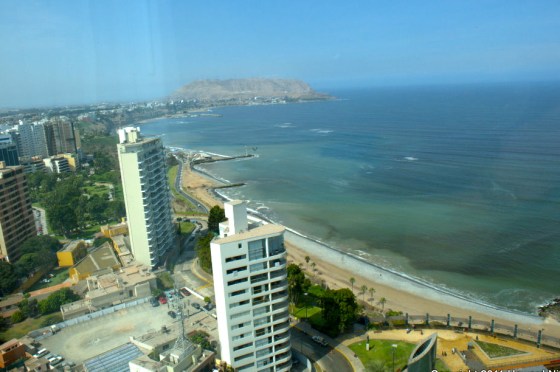
According to a Stanford University study, seventy-five per cent of taxi drivers in Lima are psychotic.(view of Lima)
397759003311

Beaches in Lima are not just for swimming but a good place to play soccer and park your car.
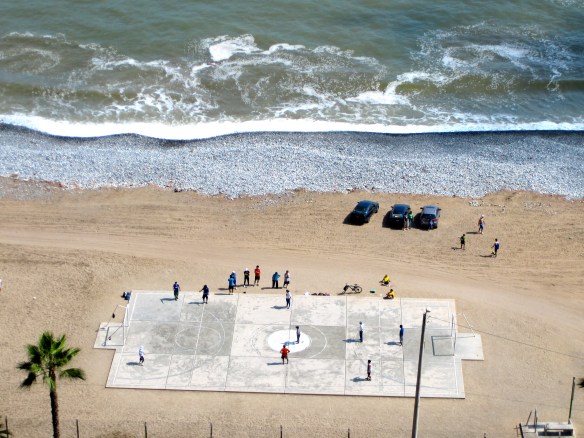
IMG_2495

Millions of guinea pigs are eaten  in Peru every year. No special occasion is complete without them. They are served whole with the head and feet intact. The word in Spanish is Cuya if you do or don’t want to eat it by mistake.

If you are with a Peruvian, you will get a better exchange rate for your money from the man standing on the corner outside the bank.  Don’t try this alone.

Plaza de Armas or Plaza Mayor (“Main Square” in Spanish) is the place where Lima city was born in 1535, founded by Spanish conquistador Francisco Pizarro. It is also the spot from where Jose San Martin announced Peru’s independence from Spain in 1821.

IMG_2483

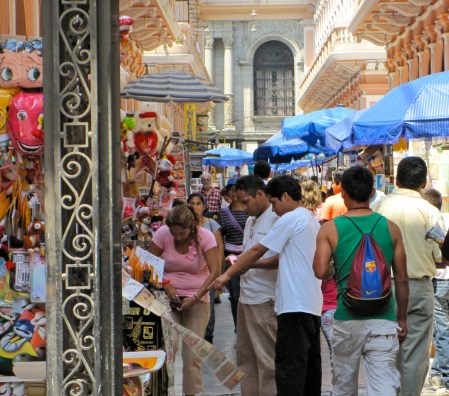
As in other countries if you want real silver or real alpaca, buy from a store with a door. Otherwise you will not be sure if you bought baby alpaca or maybe alpaca.

Taxis in Peru do not have meters and you must negotiate a rate before you get in. Anyone can put up a taxi sign in their car and often do to supplement their income. There are no regulations. Many people do it on their way to their regular jobs – if they are late for work, watch out.

If you happen to be in Lima on Palm Sunday, you can see the Archbishop.

IMG_2458

IMG_2469

Need stamps? Or anything else?  Palm Sunday at the Post Office.
IMG_2485

There are two seasons in Peru. There is summer when it rains and winter when it is foggy.  The temperature is about the same but sometimes your pictures come out clearer.

We are a bit late with quinoa (the new it food in LA) . It predates the Incas and has been a staple in the Peruvian diet for years. They have many other grains that are high in protein  since quinoa is getting so expensive for them. Check Whole Foods for kikucha.

Soccer is the first second and third sport in Peru. They are very enthusiastic and very bad at it.

Due to the bad state of the economy and the massive inflation in the 1980s , the government got rid of the inti and brought the new Peru currency “nuevo sol” as the country’s new money. The Peruvian nuevo sol is a stable and reliable currency, it is also the least affected by the weak dollar global tendency.

 Peru’s geography yields diverse ingredients: abundant seafood from the coast, tropical fruits from the jungle, and unusual varieties of grains and potatoes from the Andes. Peruvian cuisine is recognized around the world as one of the best in South America. It was surprisingly delicious. The immigrant population throughout the years has strongly influenced the cuisine.  African, Italian, Japanese , Chinese , Spanish, Inca,  Quechua as well as surrounding South American has created the original fusion cuisine.

Peru was the last colony in South America.

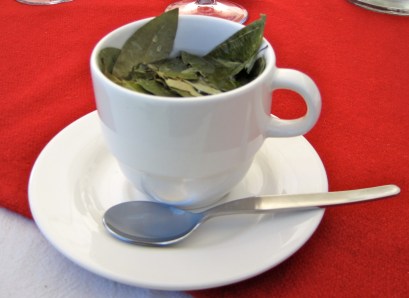
Coca tea is helpful in preventing altitude sickness among other things.
IMG_2577

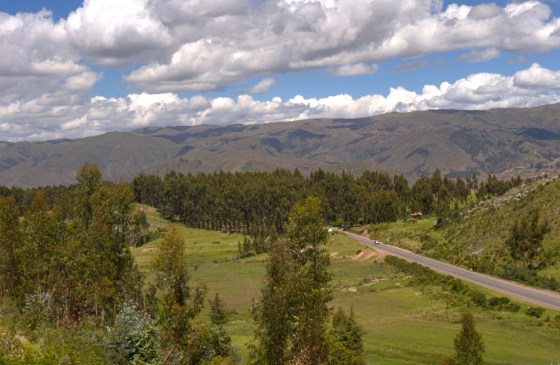
The Andes is the world’s longest mountain chain. (the Himalayas are the highest  -you know I had to look that up)
176669003311

Llamas are pronounced yamas, unlike yams, sweet potatoes, yellow potatoes, white potatoes purple potatoes, large corn, small corn and plaintains which are often found at the same meal.  No meal is complete without potato. There are 3000 varieties grown in the Andes. They will eat a different kind of potato for breakfast lunch and dinner. (potatoes at the food market, Cusco)

482499003311

I only eat cooked vegetables and fruits and bottled water when I travel to third world countries but had no problem eating raw fish (ceviche) at every meal.

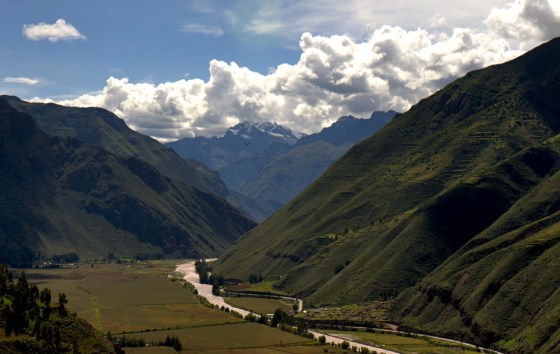
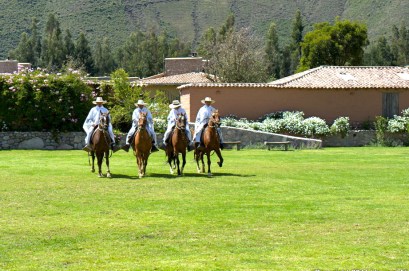
It was just another day in the Sacred Valley with quick stop for lunch.
637569003311

518769003311-1

For centuries Peruvians have turned to natural remedies to cure their ailments. Medicinal and hallucinogenic plants have been used since pre-Inca times for healing. A variety of healers (referred to as shamans in North America) exist throughout the country with a wide range of techniques. While healers from Northern Peru use San Pedro cactus in their ceremonies, healers from the Amazon work with ayahuasca, which in Quechua translates to ‘vine of the dead’. Ayahuasca is a hallucinogen that induces visions and helps to diagnose illness. Healing ceremonies take place late at night, when the energies are at their highest, especially during a full moon. Westerners have come to Peru specifically to visit with these healers about a variety of issues including cancer and depression. There are mystical Andes tours that include ayahuasca sessions. It is best to do these things in Peru with a real shaman and not in your living room with friends.

The one on the end is not me.
802779003311

The first day of hiking at 9000 feet is hard. The first day of shopping at 12,000 feet is no problem.

Pisaq Market  sells handicrafts, jewelry, minerals, herbs, spices and local foods and is the biggest market in Cusco. it’s a good way to learn about the local way of life, get a taste of how herbal medicine works, see how paints and dyes are made using natural minerals and sample the various local foods.

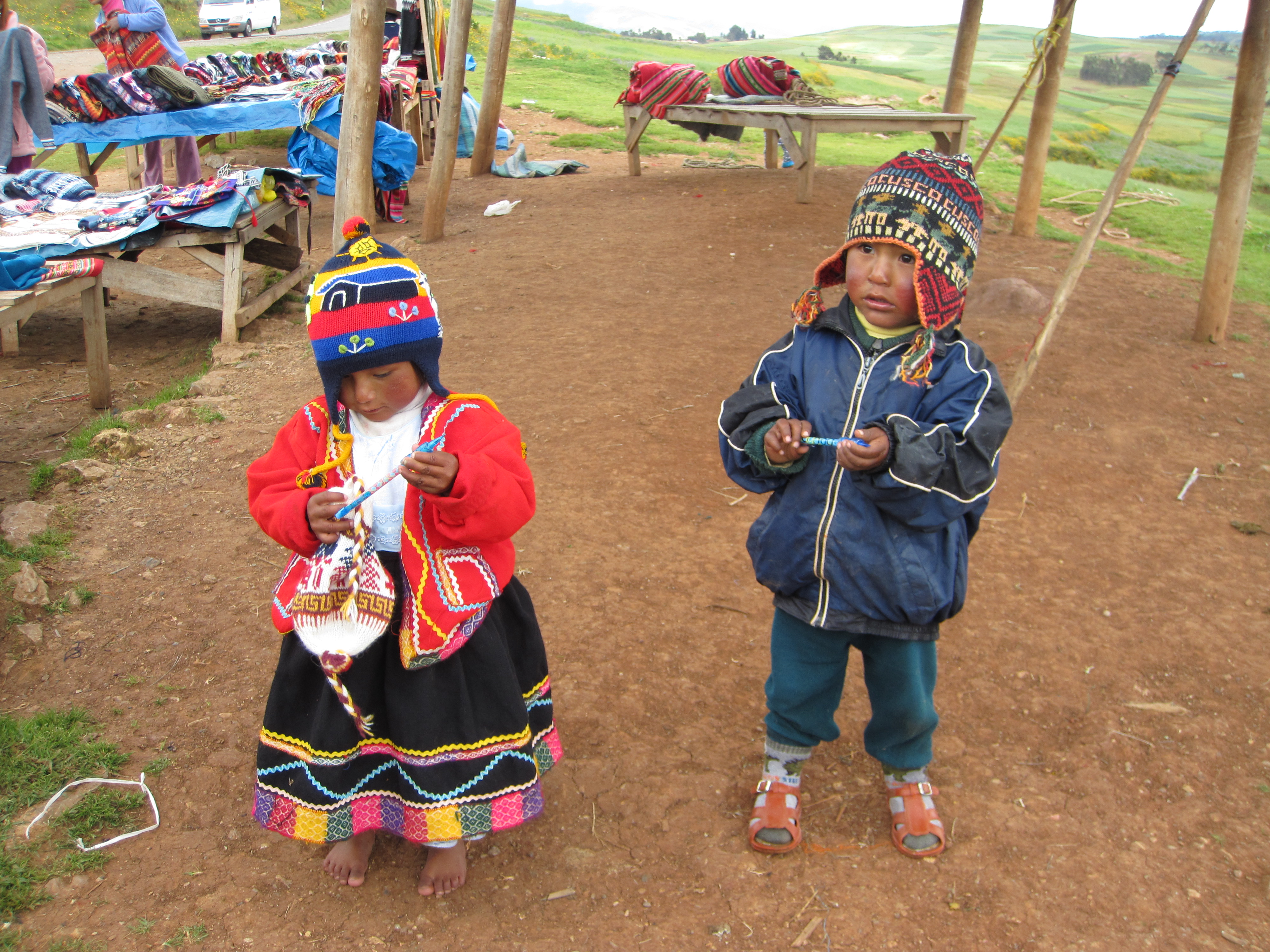
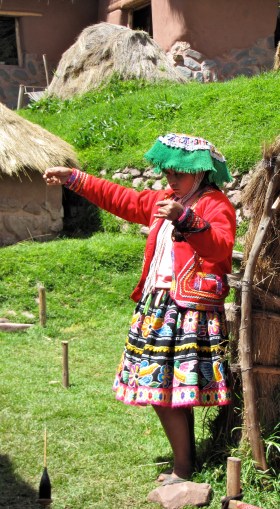
The Quechuas are the descendents of the Incas. You see them all over Cusco and the Sacred Valley in their native dress.  I find the women’s outfits most unflattering. But what is beauty and  who defines it?
IMG_2557

IMG_2581

In Cusco, never say maybe later to someone selling you something in the street, somehow they will always find you later. ( Cusco view)

630299003311

Pisco ( pure grape brandy) is the national drink of Peru. There are Pisco Sours , Piscopolitans and Piscotinis.

Walking a short distance, from where the bus drops you in Ollytambo, to the train to Cuzco ( due to construction and flooding) is still shorter than changing gates at any major airport.

The potato, tomato, lima bean and avocado come from Peru. (Get it – lima-Lima?)

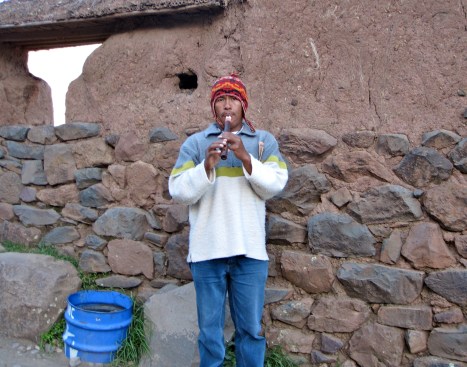
The Peruvian national Anthem ”El Condor Pasa” sounds a lot like Paul Simon’s “Id Rather Be A Hammer Than a Nail. “  At first I thought, these Peruvians must  love Paul Simon. Hopefully, he gave them some money. Guess what song he is playing?
IMG_2600

Peru is the world’s second-largest producer of cocaine. (yes, Columbia has retained its number one status)

Peruvian corn has the biggest kernels in the world.
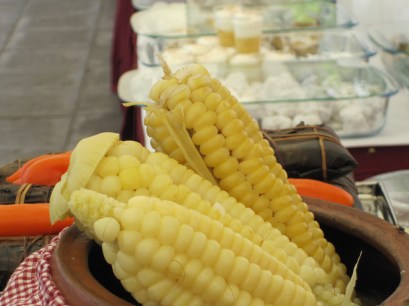
IMG_2489

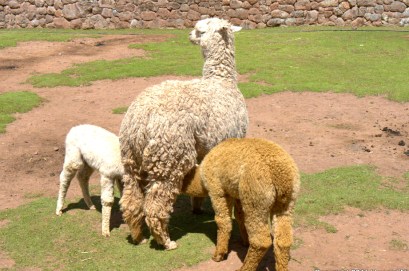
Llamas have the right of way at Machu Picchu, should you be on a narrow road and meet one.  From far away, it is hard to tell the difference between an alpaca, a vicuna and a llama.  It is easier to tell by the feel of the sweaters.

IMG_2536

947669003311

The Peruvian root Magra is what they make Viagra from.

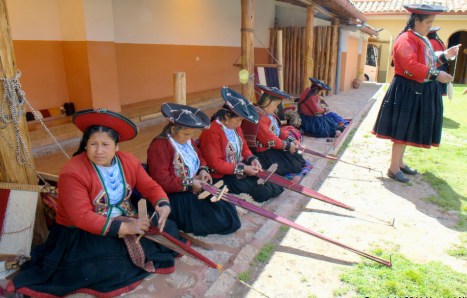
Like their grandmothers, the Quechua women of Chinchero weave textiles. They have formed the Chinchero Textile Center. Dressed in their native clothes, they spin, thread, weave and dye with natural dyes.  They are prepared using wild plants, to color the wool. The red is from cochineal and the green  is chilca or ragwort, with drops of lemon for a more intense color.
922479003311-1

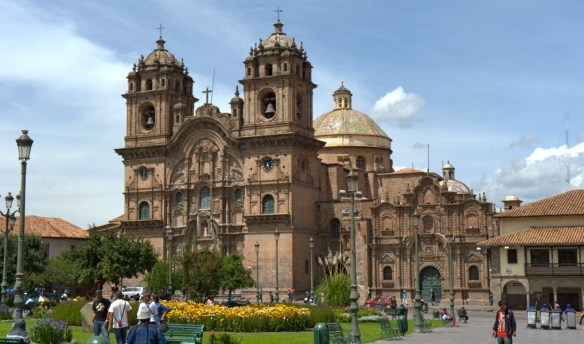
The Cuzco School Of Art is a series of religious paintings.  The Spaniards taught the Inca artists how to paint their icons in the style of Flemish and Gothic masters.   There are no names on the paintings and though the subject  is Christianity, the Indians have managed to put in many hidden symbols from their own culture. They moved from the traditional style and added their own interpretation.  The best pieces are in the Cuzco  Cathedral.
530399003311

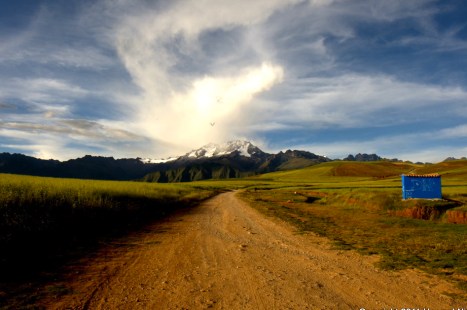
The magic of the Andes is that every time you turn around, the colors are different. (yes its the picture at the top of my page)
677099003311 wp 13-21-30

If you want to learn about the  Incas, it is another blog.

https://havefunflysafe.wordpress.com/2012/09/15/things-i-have-learned-from-the-incas-in-peru/

Things i have Learned from the Incas In Peru

Viajen con cuidado,

JAZ

Holiday Traditions With Friends

Holiday Traditions With Friends

“Write it on your heart that every day is the best day in the year.”Ralph Waldo Emerson

I was in the Bahamas one Christmas when I was nineteen.  The Monday after Christmas I needed to go to a pharmacy. They were all closed because it was Boxing Day. That was my first real experience with  a holiday that we don’t celebrate here.  You never think about that until you are in a country that is celebrating their holiday.  It gives you a little more insight into a place when you see them observing their traditions.

Boxing day is traditionally the day following Christmas Day, when servants and trades people would receive gifts from their superiors or employers, known as a “Christmas box”. Today, Boxing Day is better known as a bank or public holiday that occurs on 26 December, or the first or second weekday after Christmas Day, depending on national or regional laws. It is observed in the United Kingdom, Hong Kong, Australia, Canada, New Zealand, and some other Commonwealth Nations. I always remember that Dec 26 is Boxing Day though I don’t celebrate it. JZ, BAHAMAS

Cuban families in Miami have a delicious Cuban tradition that we carry on with zeal. Every Christmas Eve starting early in the morning, all the men in the family set up a ‘caja China’ (direct translation: Chinese box) in the front yard of the house. They sit outside, smoke their cigars, drink their rum and cokes and roast a full pig in this box for hours on end. When the whole family comes over for dinner, the pig is still cooking and the men cut off the skin to serve as ‘chicharron’ while the rest of the pig roasts. It’s undeniably good. Our ‘kosher’ Jewish neighbors will tell you the same.   MA, CUBA

All Saints Day on Nov 1 is big day. Croatia is a strongly Catholic country and November  1st – the day of the dead – is a big family occasion.  All Saints Day is the day that people go to  visit the cemeteries . They bring flowers , light candles and say a prayer. All the businesses are closed and it is a time for families to be together in peace and quiet. ( spirituality)  to celebrate the lives of their deceased relatives.  PV, CROATIA

In Colombia, the Christmas traditions come from Spain. They make nativity scenes  called Pesebre.  Columbia is deeply rooted in Catholic tradition. From the 16th till the 24th everyone gets together and prays to the Novena and sing Christmas songs called Villancicos.    On Christmas Eve, the families gather around the Nativity Scene    and eat pork or ham,  dulce de guayaba , dulce de guanabana,bunuelos  ( fried dough) and natilla  (special pudding dessert with sugar, cloves, panela and milk). They drink Aguardiente (fire water) and dance and sing all night. The kids write letters to Nino Dios ( baby Jesus) and wait for him to bring them presents. On Christmas Day everyone makes their own brightly colored balloons and fills them with hot air and lets them into the sky at the same time. Feliz Navidad. AN, COLOMBIA

Shavuot is a holiday that usually  occurs in May, fifty days after Passover. It is  the end of the harvest season for grain and wheat.  People brought  the first fruits  of the season to the temple to thank God. It is fun to celebrate Shavuot on a kibbutz in Israel. Everyone wears white . The girls braid their hair and  make crowns of greens and flowers .  Families bring blankets and carpets and sit out on the grass and have a picnic. They eat dairy food.  The kids bring decorated baskets of fruit. There is a “parade” of tractors and farm equipment decorated for the holiday. This is followed by a lot of dancing and singing to celebrate the day that the Torah was given to the Jewish People on Mount Sinai.   KR ISRAEL

Peruvians put up a nativity scene at Christmas, not a tree.  In the Andean city of Cusco they buy the pieces for their nativity on Christmas Eve at the festival of Santorantikuy  — “buying of saints”. The city fills up as people come to Cusco from all over the region to sell little figures they have made of Jesus, Mary and Joseph, the Magi, the star and the stable animals, along with an array of ornaments, moss, lichen, ferns, bromeliads and other wild plants to create the backdrop. PF, PERU

One of the events I’m going to is Maha Kumbh Mela in February.  Maha Kumbh Mela held in Allahabad , India is the “ largest pilgrimage on earth.” It attracts between thirty and seventy million people.  The Maha Kumbh Mela comes every 144 years and will occur this Feb 2013.  Hindus gather at the Ganges for a purification bathing ceremony during the auspicious days. Other activities include religious discussions, devotional singing, mass feeding of holy men and women and the poor, and religious assemblies. The devout –including mystics, yogis and sadhus (in saffron sheets with powder and ashes on their skin), spend a month there. Kumbh Mela is the most sacred of all the pilgrimages in India- the Maha being the most important. DL, INDIA  (if you are interested, some of the other videos that appear at the end are fascinating)

People prepare their homes for Christmas. Dubrovnik  is covered in Christmas lights and a lot of Christmas trees on the Stradun. On Christmas Eve, lunch is traditionally fish. (codfish-usually)That is the same in many Catholic and Eastern European countries. In the afternoon we go to our first neighbors to wish them  a good Christmas Eve. We sing the traditional Christmas song from door to door. (Colenda song – a song that has been sung for centuries). In the evening most people go to confession to wait for Christmas in the best spirit. Then we go to midnight mass.On Christmas Day our families are altogether for lunch. It is a time of happiness and celebration. PV CROATIA

New Year is a special holiday in Japan. It is leaving of old and starting of new. At the end of the year, we clean the house and decorate the entrance gate with ornaments made of pine, bamboo and plum. Bonenkai parties (forget the year gathering) are held everywhere to leave the old worries behind, and on New Years Eve, just before the temple bells ring at midnight, we eat toshikoshi soba (end of year buckwheat noodle) wishing for another healthy new year to come.

Viewing the first sunrise of the New Year is the best way for a fresh start.  We visit the shrine or temple, buy o-mikuji ( random fortune written on strips of paper) and hope for another happy year. RH, JAPAN

Happy Holidays and Fly Safe,

JAZ

Things I Have Learned From The Incas In Peru

“Before our white brothers came to civilize us we had no jails. Therefore we had no criminals. You can’t have criminals without a jail. We had no locks or keys, and so we had no thieves. If an Indian  was so poor that he had no horse, tipi or blanket, someone gave him these things. We were too uncivilized to set much value on personal belongings. We wanted to have things only in order to give them away. We had no money, and therefore a man’s worth couldn’t be measured by it. We had no written law, no attorneys or politicians, therefore we couldn’t cheat. We really were in a bad way before the white men came, and I don’t know how we managed to get along without these basic things which, we are told, are absolutely necessary to make a civilized society.”

― John Lame DeerLame Deer, Seeker of Visions

Things I Have Learned from the Incas In Peru

The Inca culture is part myth part Peruvian history. There are no written historical records of  people that lived for three hundred years and ruled  the West Coast of South America for one hundred years.

Their recording system (mathematical) system was colored strings with knots to keep records of everything that could possibly be counted (livestock and business transactions), and some things that couldn’t – like instructions, people’s names etc.   They were  required to remember to understand what the strings or quipu meant .  Most people couldn’t do it.  They had a  class of royal quipu specialists who knew how to make and read them. (the first accountants and business managers)

Archaeologists believe now that the Incas  were possibly inventing written language just as the Europeans were destroying their civilization.

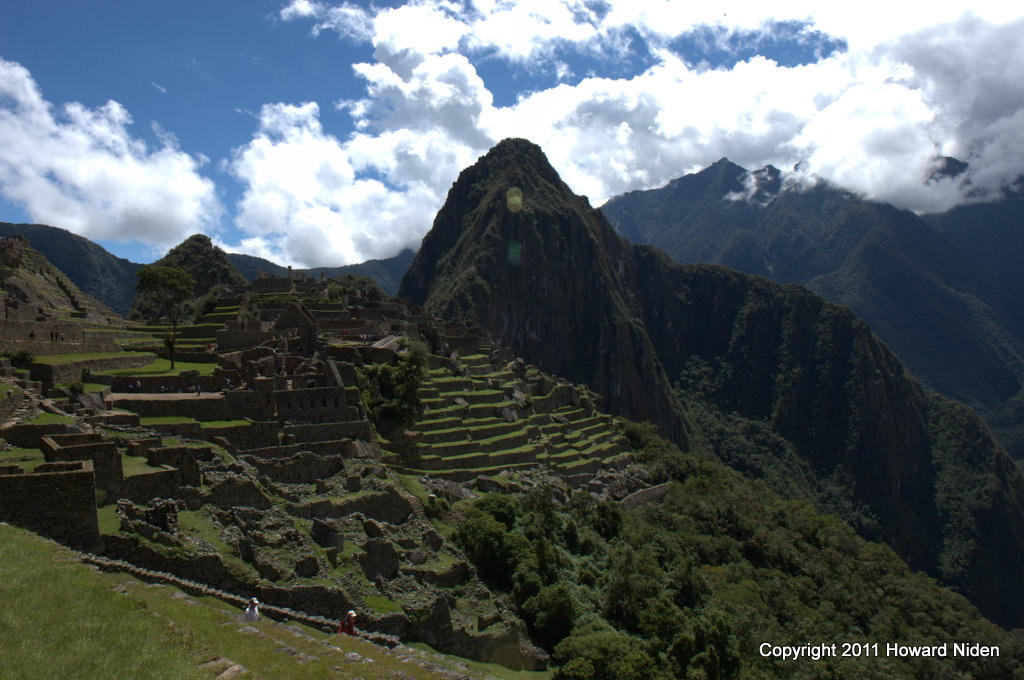
.No other civilization has managed to assemble so many colossal stone blocks so seamlessly cut with stones or bronze.  The edges of the stone were rubbed smooth until they merged together perfectly like a puzzle. There is no mortar holding them together and they are earthquake proof constructions. ( Sacsayhuaman fortress)

How they  transported all that granite up there  to Machu Picchu remains a mystery.  It is believed that they quarried  it on site. 

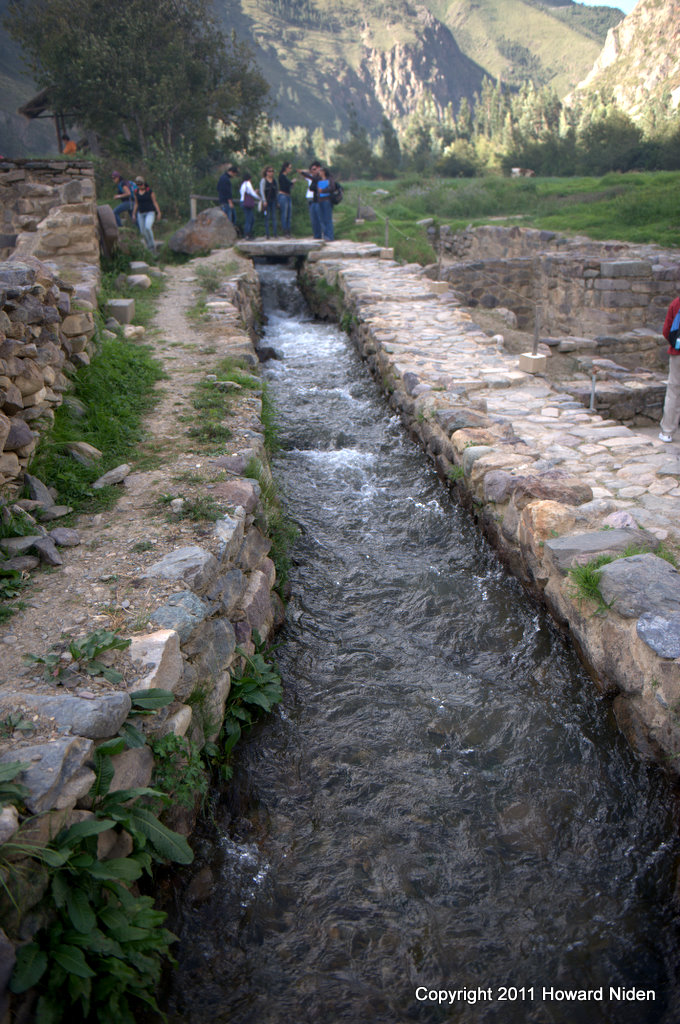
The Incas knew how important water was and treated it with great respect but we did not. (Ollaytantambo)

but we

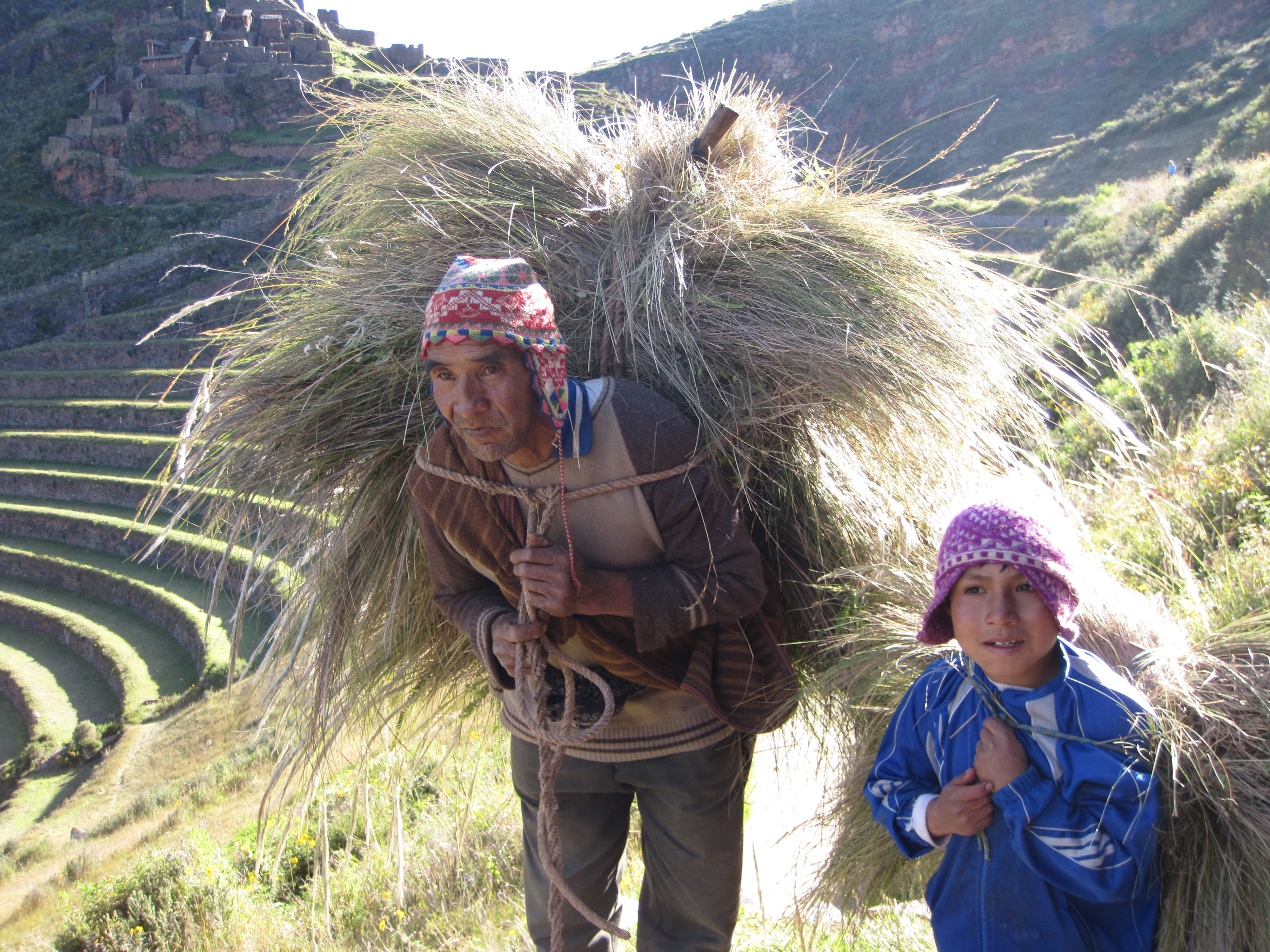
When the descendants of the Incas are planting to this day, they put flowers in their hair to dress the earth. They live with shortages but they have the mountains and the sky and that gives them peace. They are always chewing coca leaves.

Inca dances are traditional and also a way to pray.

The Inca manhood initiation rite lasted a full month, during which the boys who were training to be warriors were flogged repeatedly, had huge holes cut in their ear lobes, ran dangerous races, and danced till they dropped.

There was a lot of building going on in the Inca civilization ( third largest after Egypt and Mesapotamia)  They built palaces, aqueducts, storehouses, terraces, temples, houses, gateways etc. Looking at Machu Picchu you could see their “tax dollars at work”.

 We know very little about Inca women because the only written records are by the Spaniards. Spain was a patriarchal society and they were not interested in recording information about women.

The Inca emperor married his sister seemingly because this helped to resolve the problems they had with succession when an Inca died.  ( a good way to prevent inheritance problems but not birth defects). Her name was Coya and she was powerful in her own right.

 Pizzaro and his men were not heroic explorers but an extremely desperate group of foreign invaders who brutally murdered the Inca civilization  ( where have we heard this before?)

The Incas were skilled craftsmen and artists. Most of  their gold and silver art was melted down by the Spaniards.

There were no homeless people in the Inca civilization. If criminals were not killed, they had to beg for food everyday and tell their stories so other people would not commit the same crime. (sounds a lot better than twenty years without parole) 

The spirit of Ayni  (rhymes with Hi-ni)   exists in the Quechua  culture today. We don’t talk  about Incas as a surviving culture anymore.  It is “I help you so you must help me later.”

Also today we have Inka Kola, Inka rail and a ton of Inka traffic going to all the historic sites.

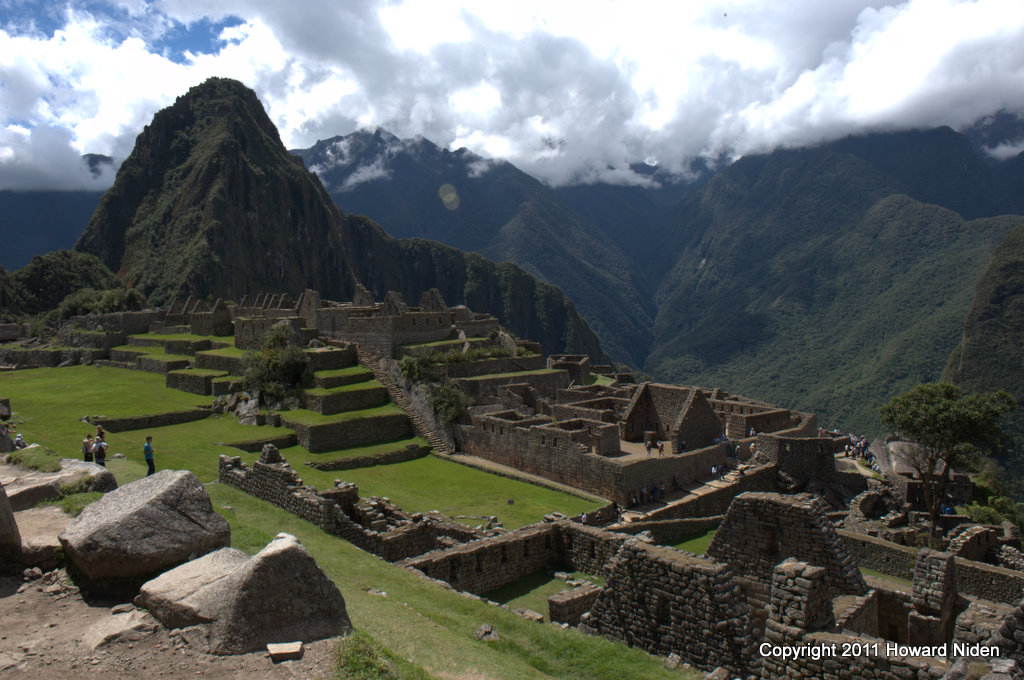
Machu Picchu was the royal estate of Inca  King Pachacuti.

Th Incas were good at organizing labor. When Pachacuti’s grandson Huayna Capac built his royal estate  (in Urubumba) he had 150,000 workers on site. The corn-growing Cochabamba valley of Bolivia was short of local labor, so they had 28,000 workers migrate there from Lake Titicaca and back (a distance of about three hundred miles) twice a year, once to plant and once to harvest.  On foot, of course.

They had nice roads to travel on. The Incas built a network of stone-paved highways all over the empire. Archaeologists have so far logged about 50,000 miles of remaining highways in modern Peru alone, not counting the other nations that once formed part of the Inca empire.

Machu Picchu has brilliant engineering, drainage and foundations. They filled the terraces with layers, starting with topsoil for the crops and then river sand, stone chippings from the quarries, and big rocks. Underneath that are subterranean drainage channels which still carry water down the mountain   No matter how hard it rains, no standing water ever remains for long on the surface.( Estimate: 60% of construction at Machu Picchu is invisible, underground.) i believe we could learn something here because it rains a lot in Macchu Picchu.
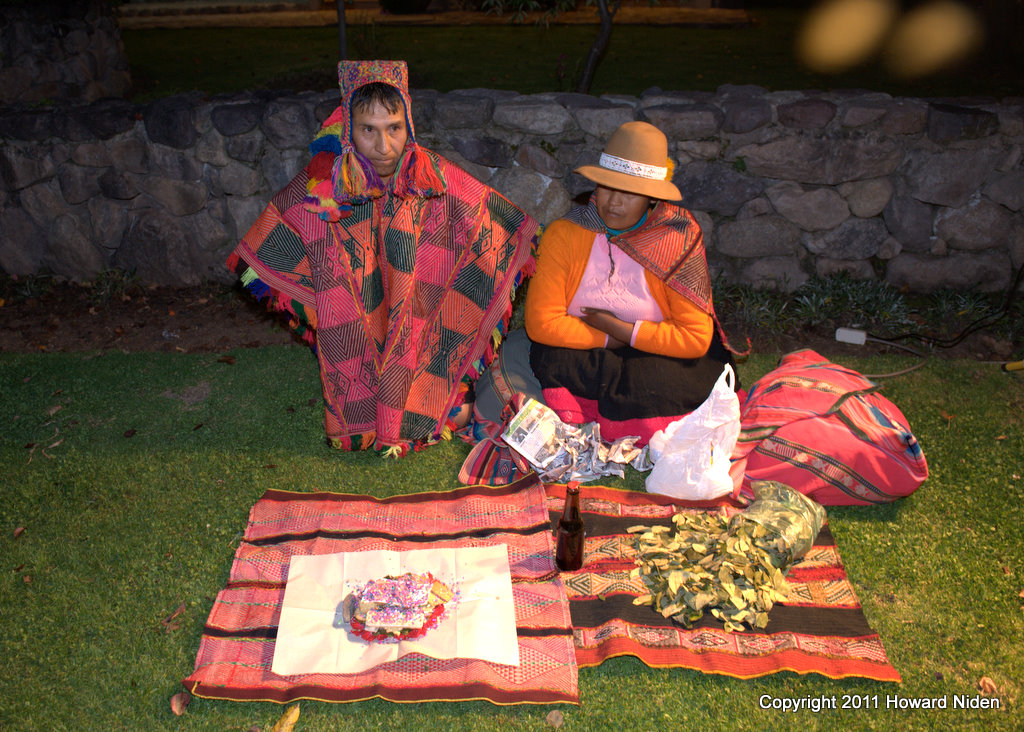
The Incas worshipped the earth goddess Pachamama . Before our trip to Machu Picchu we met with a shaman to make an offering to Pachamama for safe journey.

The purpose of Macchu Picchu will always remain a mystery. It is probably a religious and spiritual site.  It is the work of man echoing the work of nature. The Inca trail leading up to Machu Picchu ( it takes four days  of camping out in the Andes if you want to do it) was built to always face the snow capped mountains because that is what they worshipped. The architectural style is sacred geography.  For me, if God isn’t at Machu Picchu, he isn’t anywhere.


Viajen con cuidado,

JAZ

PS.  I had help on this one . It is advantageous  when you are writing about the Incas to have made a friend in Peru who happens to be one of the leading authorities on the Inca civilization .  Peter Frost is an explorer, author, photographer and National Geographic expert on Peru and the  Incas.  He has made one of the most important discoveries of Inca civilization since Machu Picchu. Check out his website  (www.peterfrost.org).  If you are traveling to  Peru you will find his books very beautiful,  helpful and informative.