Escaderia Selaron or Selaron’s Stairs, Rio, Brazil

Escadaria Selarón or Selaron’s stairs, Rio Brazil

“Every great dream begins with a dreamer. Always remember, you have within you the strength, the patience, and the passion to reach for the stars to change the world.”
-Harriet Tubman

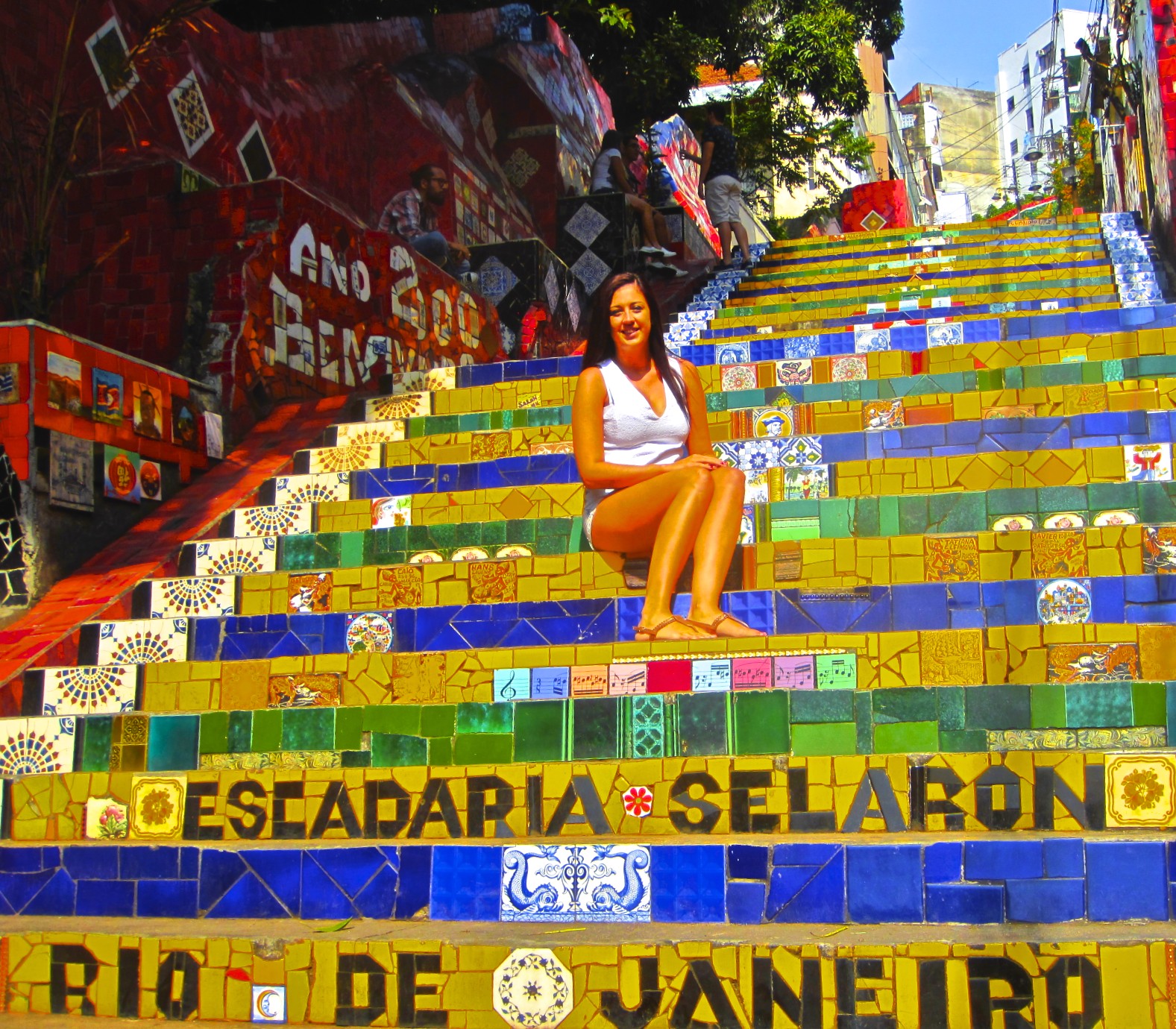
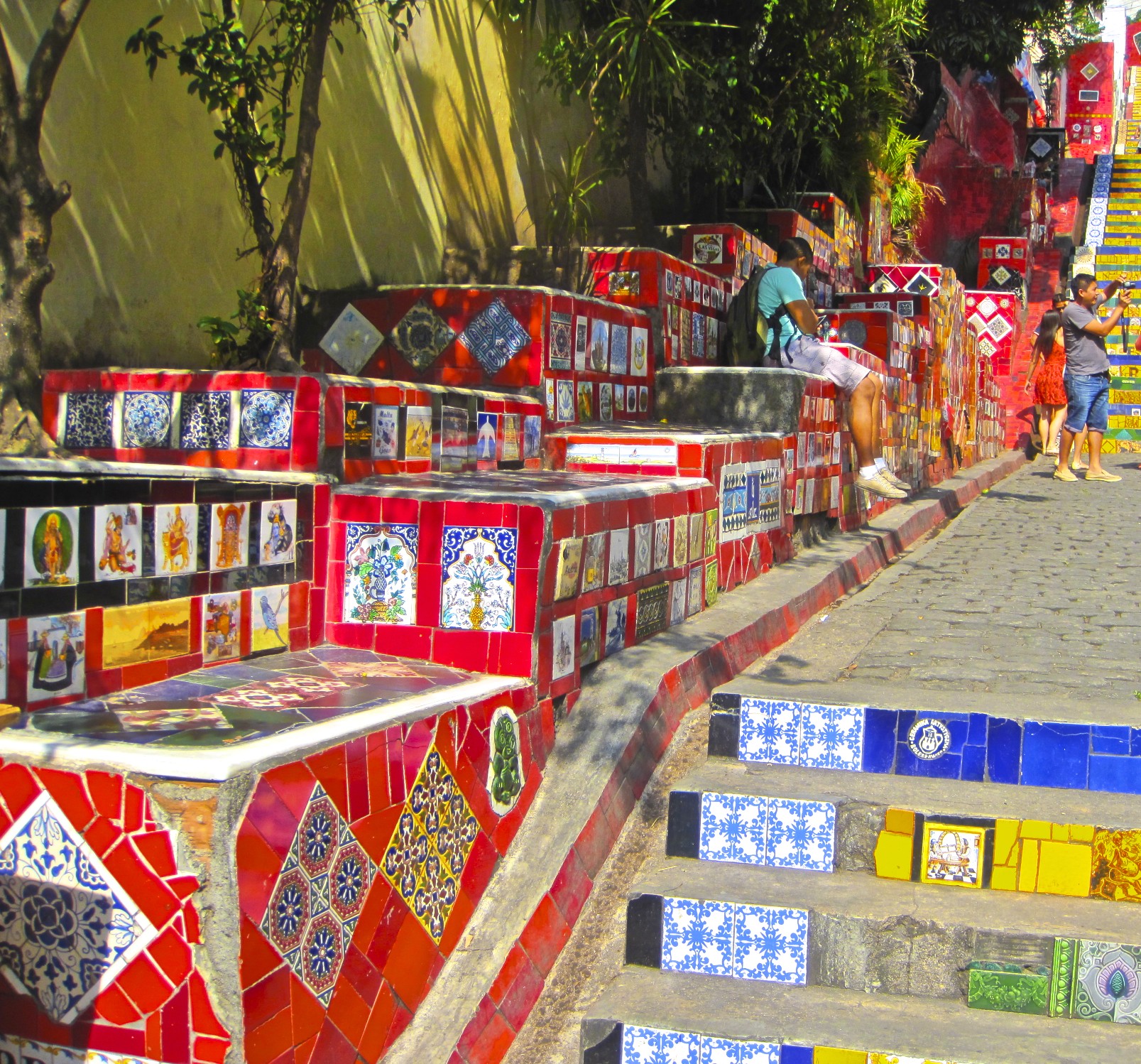
Chilean artist Jorge Selarón moved into a house next to these dilapidated steps in between the Lapa and Santa Theresa neighborhoods of Rio. He had left his hometown at the age of 17 to travel to 57 countries, staying anywhere from a few weeks to a few years, before landing in Brazil in 1983. After living in Rio for 7 years, he began decorating the steps. It became a tribute to the Brazilian people, using the bright blue, green and yellow colors of the Brazilian flag as his inspiration.

IMG_1280

As with many artists and new ideas, the project was originally criticized and mocked. Selaron with more obsession and passion in his veins than blood continued the work unfazed by the physical and verbal attacks. He called his piece “The Great Madness.”

Screen Shot 2015-11-02 at 12.23.34 PM
When his project began, he was consistently out of money, so Selarón sold paintings to fund his work.

IMG_1295

He scavenged both tiles and porcelain from various construction sites and piles of urban waste found on the street of Rio.

IMG_1274
As word of his project began to spread, he accepted tiles donated by friends and supporters from around the world.

IMG_1279

It is 250 steps and 125 meters long and has over 2000 tiles collected from sixty countries.

IMG_1290

Don’t just stop and take a photo.

IMG_1292

Walk up and down a few times because there are gems and treasures everywhere.

IMG_1293

IMG_1294

Many tourists had the privilege to be photographed with Jorge Selaron as he was constantly working on the steps. He was the face of this bohemian and artistic neighbourhood.

IMG_1277

Unfortunately, I was not able to meet this legend as he was found dead on the very steps he decorated on January 11, 2013.  His body was found on the 215th step in front of his house. It is not known whether it was murder or suicide. He was found burned and covered with paint thinner. He had received death threats which made him depressed and reclusive.

Escadaria Selarón or Selaron’s stairs were officially declared a city landmark in 2005, and were continuously worked on and evolving until his death.

IMG_1278

It is the third most visited attraction in Rio after the Christ and Sugarloaf. It is unclear as to the future of the stairs as Selaron changed the tiles regularly for his living work of art.

IMG_1288

The lesson of Selaron was his life and not his death. I think it is to follow your passion at any age ( he was 43 when he started), use whatever materials you have at hand, and don’t listen to what anyone has to say about it.

IMG_1291

Fly safe,

JAZ

Sugarloaf and Christ The Redeemer, Rio, Brazil

Sugarloaf and Christ The Redeemer

“Some people travel for the culture, or the place’s history, or the sheer experience. Our aim is total dissolution. We travel from Egypt to Estonia, big clunky blocks of metal hanging from our necks, naïve and stuttering and asking all the right questions at all the right times—“Is this the Great Wall I’ve been hearing so much about?”—flashing a few photos and no one looks twice, except maybe to point and laugh but we are just harmless Americans come for a tour of life on the other side.”  Chris Campanion

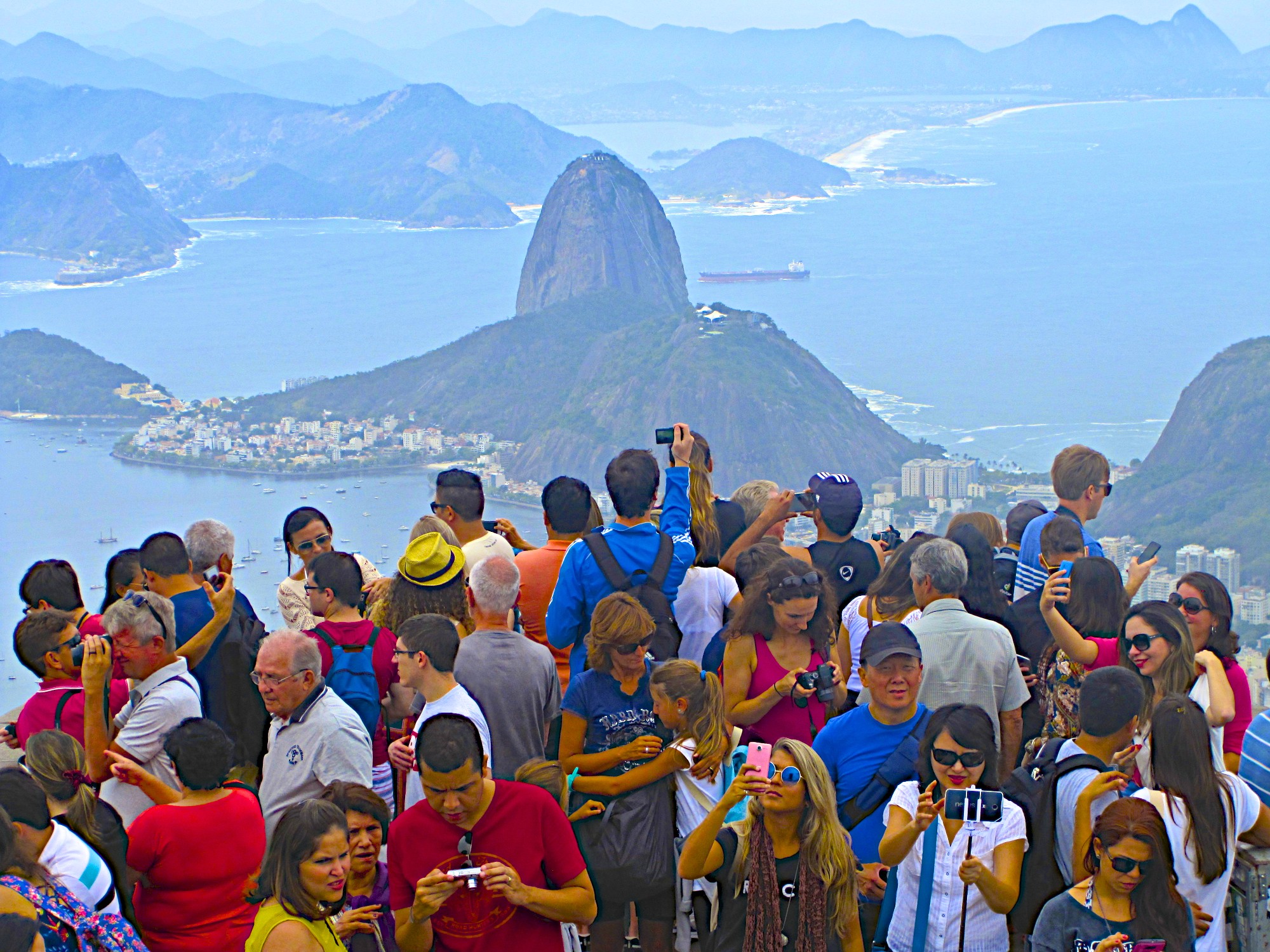
Rio’s two biggest tourist attractions are on two famous hills overlooking the city.

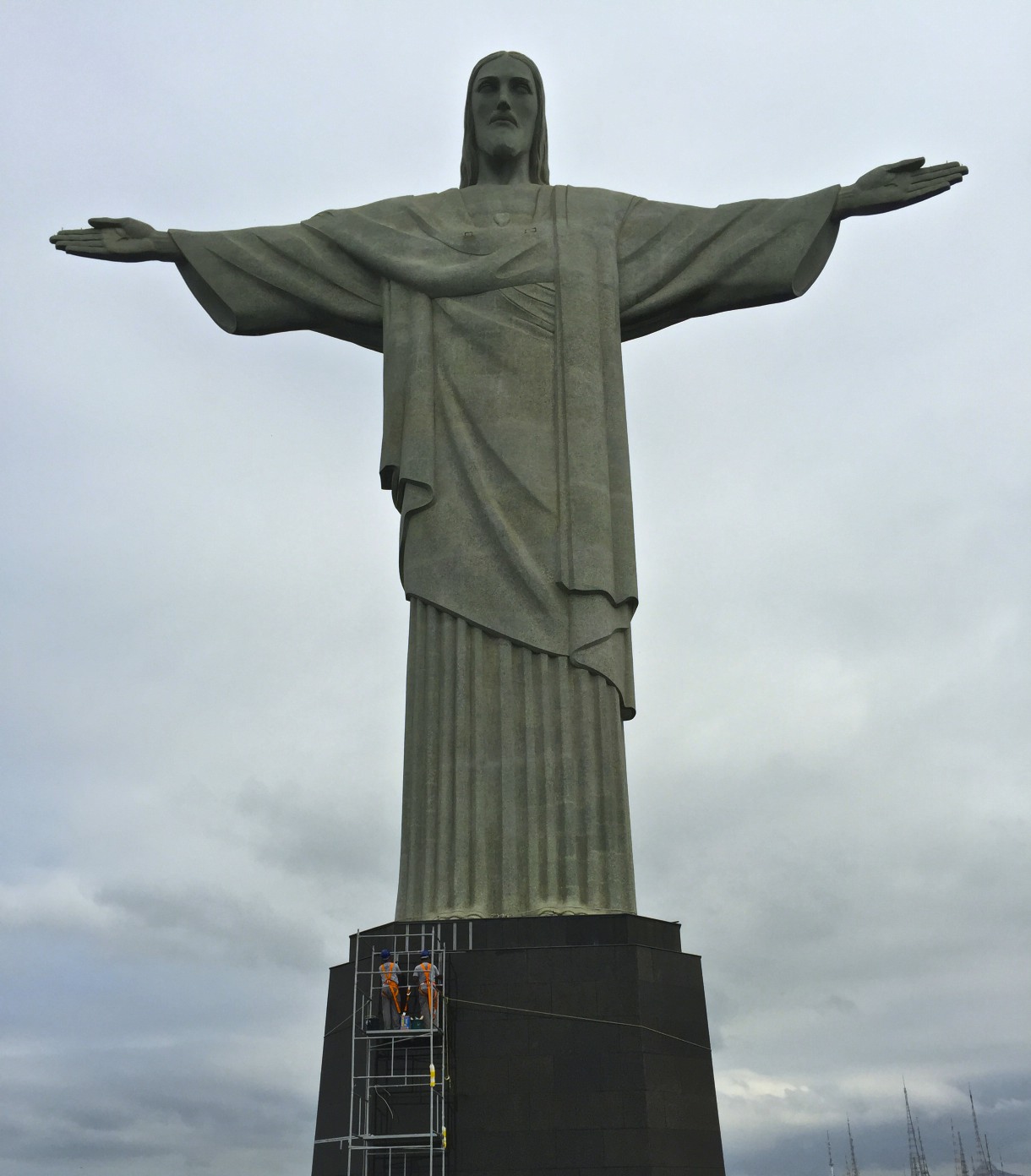
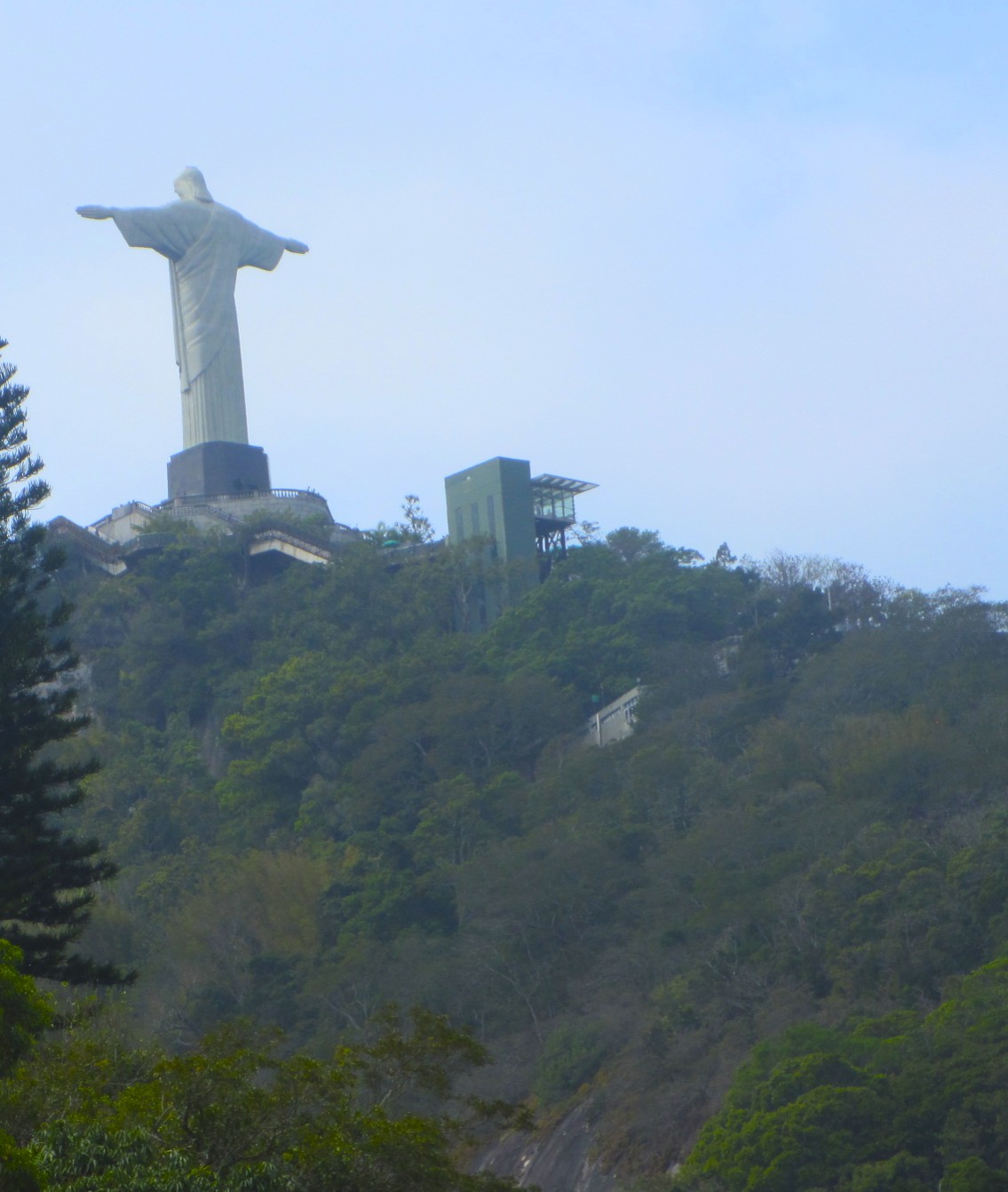
Christ the Redeemer is one of the most visited sites in Rio.The famous statue is the largest Art Deco statue in the world and the second largest of Christ. The largest is in Świebodzin, Poland, built in 2010. Designed by Polish-French sculptor Paul Landowski, it took nine years to build and finally opened in 1931. The ceremony was supposed to have been lit by electric lights remotely turned on by Marconi in Rome, but the weather was so bad the signal couldn’t get through.

it is located on the top of a mountain known as Corcovado. You can take a van or a train from Cosmic Velho. If you go during any global sporting event, the lines will be ridiculous.

IMG_1329

If you are adventurous, you can hike up. We took a jeep tour with a tour guide who knew everything about everything. We got a lot of World Cup and Olympic inside information.

IMG_1362

You will experience the ninety eight foot statue with hordes of tourists all trying to take the perfect selfie.

IMG_5138

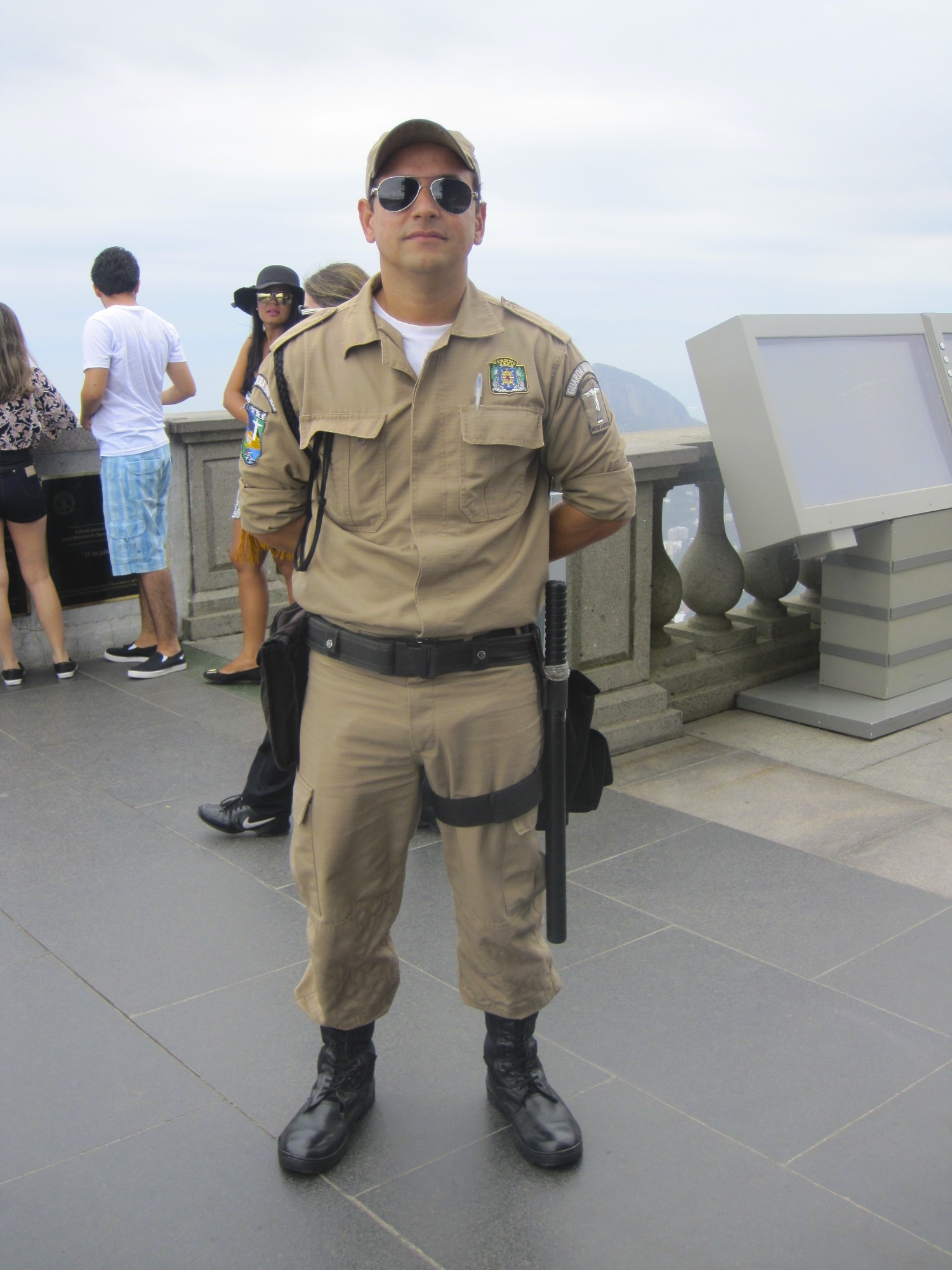
The security guards are the nicest ones in the world. If you climb on something to get a better photo, they so nicely ask you to get down that you aren’t sure if they mean it.

IMG_1361

The guards are busy taking pictures of everyone and showing you where to go to get the perfect shot. Im so used to security guards who think their uniform means they have to be large and in charge.

IMG_1360

Risto Redentor (as it is called in Portuguese) is an architecture wonder, a tourist attraction, a religious symbol and a Rio de Janeiro’s landmark. The views from up there are amazing but check the weather before you go up because the weather in Rio changes quickly and the Christ is often covered in clouds.

IMG_1217

The giant statue is struck by lightning several times a year and is constantly being repaired. The city seems willing to pay for multiple restorations, even though the pale gray-green soapstone that covers the statue is becoming hard to find.

IMG_5120
The other must do in Rio is Sugarloaf Mountain, located in Urca and probably no where near where you are staying. (View from the Christ)

IMG_1343

It is at the mouth of Guanabara Bay on a peninsula jutting out into the Atlantic Ocean. (Olympic water events will be here)

IMG_1223

Sugarloaf Mountain is 1,299 ft high above the harbor in Rio de Janeiro.

IMG_5102

The mountain is named for its resemblance to a traditional shape of a concentrated refined loaf of sugar.

IMG_1238

You can take a bus, taxi or tour to get there. It is called Pao De Acucar in Portuguese if you need to tell the driver. (my name is there now)

IMG_1245

A glass-walled cable car carries 65 passengers on to the mountain every 20 minutes. (the first cable car is there)

IMG_1195

Sugar Loaf Mountain is also one of the largest and most popular urban rock climbing destinations in the world. There are 270 different routes to explore in the area as you climb high above the Atlantic Ocean and the sprawling Rio de Janeiro. Or if you are like me, you can watch.

IMG_1233

The views are stunning and even with a lot of people, you dont feel cramped and can always a find a good place for photographs.

IMG_1251

Fly safe,

JAZ

Paraty, Brazil

Paraty

You can fall in love at first sight with a place as with a person. ~Alec Waugh

IMG_1002
Halfway between São Paulo and Rio on the Costa Verde is the perfectly preserved Portuguese colonial town of Paraty. ( pronounced pa ra chee)

IMG_0813

In the seventeenth century,it was decided that all merchandise shipped to Portugal would pass through the state of Rio de Janeiro. Paraty’s whole existence was based on shipping gold mined from further inland Brazil. Huge finds of gold in the mines of Minas Gerais led to soaring tax incomes and the town quickly expanded with the new wealth. It was during this period that most of the houses you can see today were built. Paraty (which means “river of fish” in the Tupi language) became an important gold port and was the end of the infamous “Gold Trail”.

IMG_0837

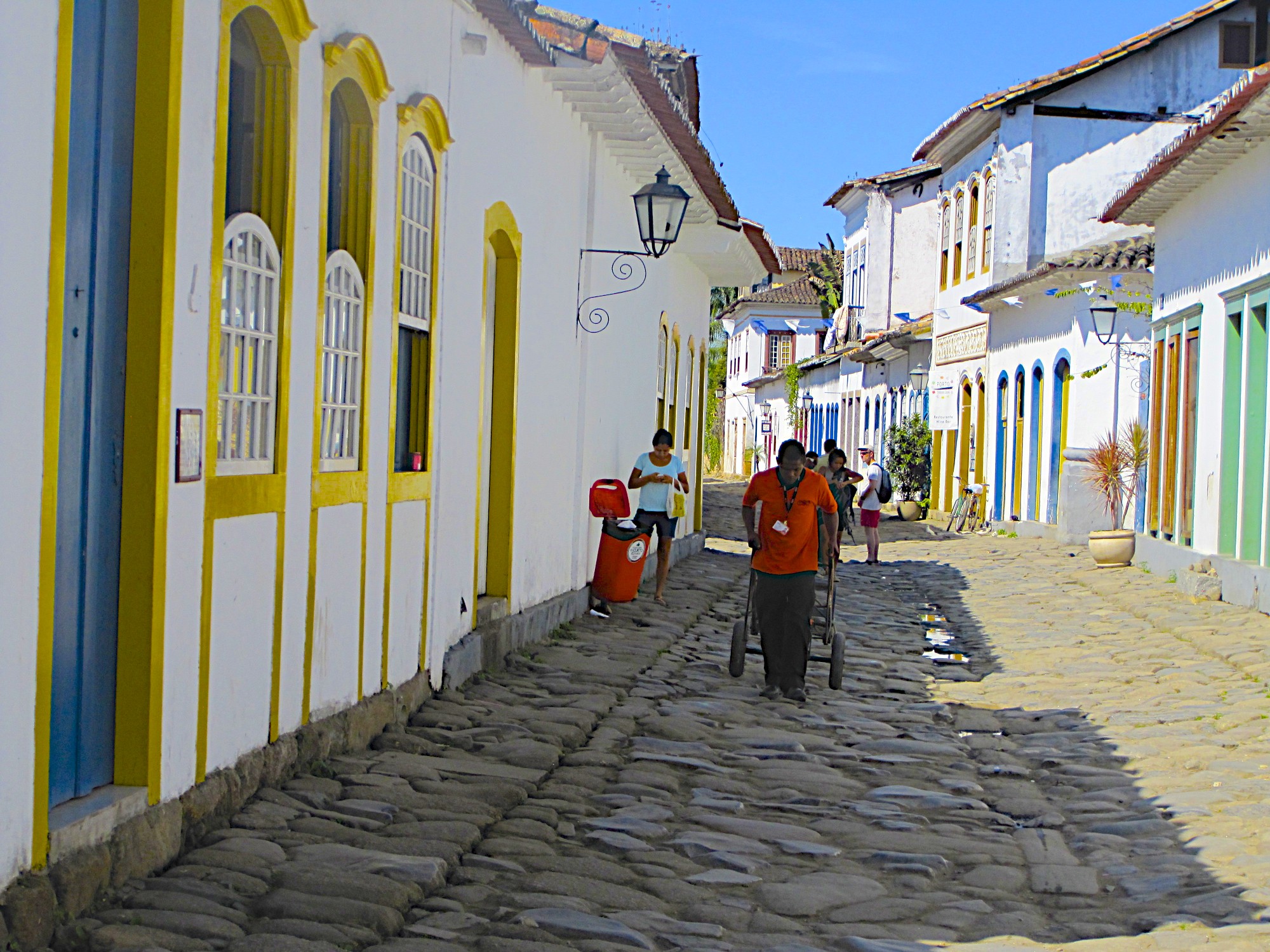
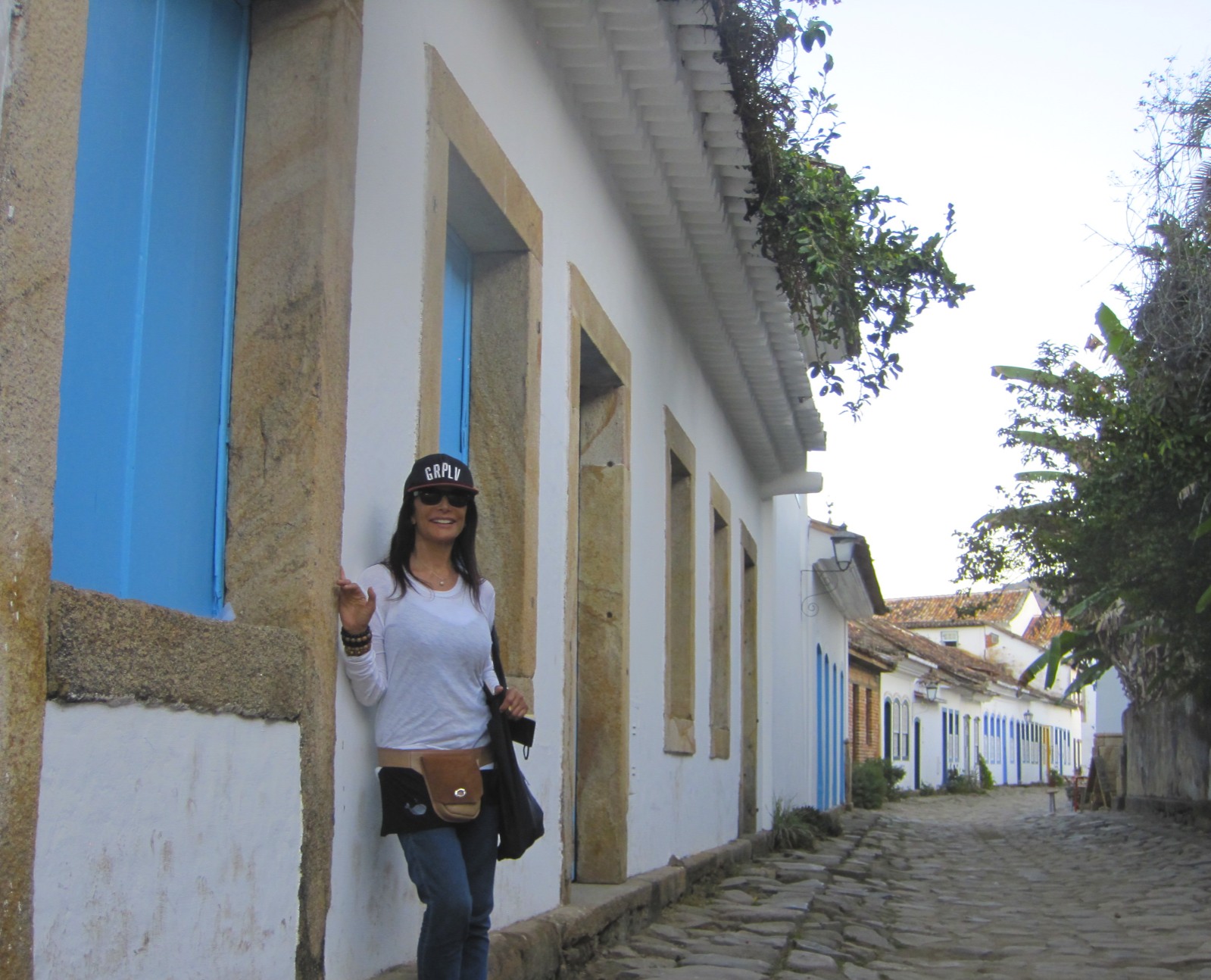
Walking those streets is like entering a time capsule. Cars are not allowed in the historic city center. Horse and carts stand around like it is the eighteen hundreds.

IMG_0922

The huge cobblestones were from the ships coming to load up gold. Slaves pounded them into place, at least the ones who were not mining. Portuguese engineers deliberately constructed Paraty so that the high tide could enter the streets at full moon, flooding the streets and taking the garbage out to sea.

IMG_0891

Never wear heels. The cobblestones are uneven and difficult to walk on even if you have lived there all your life. It is even harder when they are wet.

IMG_0878

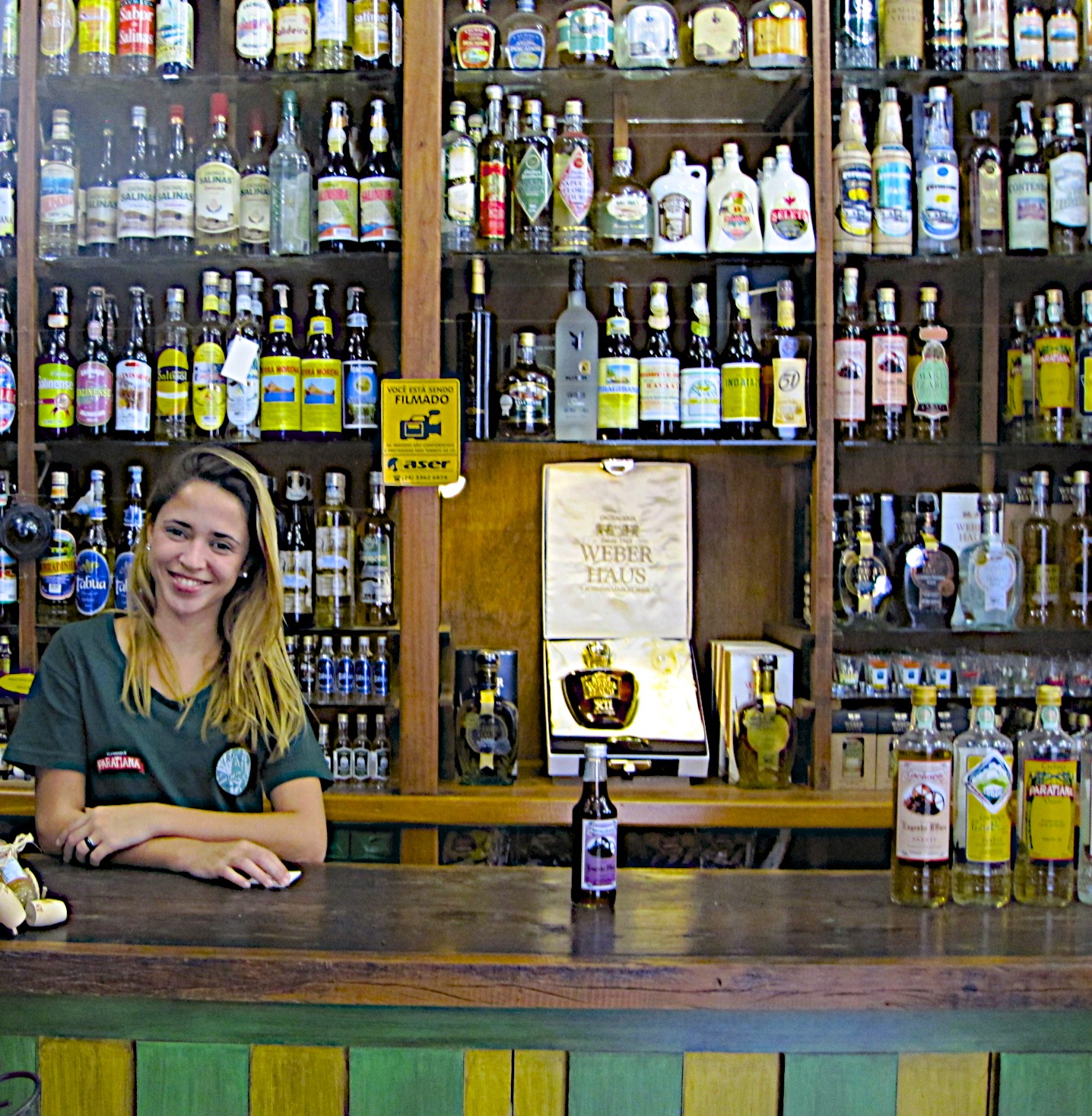
With mines running dry of gold in the late 18th century the importance of Paraty diminished. A lucrative slave trade continued, labour was needed for the ever-growing coffee plantations. When that ended so did Paraty´s importance. Production of cachaça, the Brazilian sugarcane grew considerably. and the name Paraty became synonymous with the liquor. At one point there were over 150 distilleries in the area.

IMG_1135

There are three colonial era churches, each with their own splendor and history. One for slaves, one for free mulattoes and one for the élite.

IMG_4969

The town stayed pretty quiet after that until 1973 with the opening of the highway BR-101 which started a tourist cycle that continues today. ( We ran into a Portuguese- African holiday celebration- tourists and locals)

IMG_5022

The historic town center is about thirty blocks filled with stores, restaurants, galleries and history.

IMG_0807

The buildings are painted white with the doors and window frames painted a particular bright color.

IMG_0910

Mail can still be delivered based on writing down the color of the doors.

IMG_0877

Doors always invite you to imagine who lives behind them and who enters through them. Rules about remodeling these Unesco houses are strict. Doors can be windows. Windows can not be doors.

IMG_5091

The first International Literary Festival of Paraty in 2003 put Brazil, and Paraty, on the map of international literary festivals. I stayed at Posada Literatura which has a book store attached, a reading room and  books in your room.

IMG_1129

IMG_4717

IMG_5089

We had dinner and a cooking class and the home of Richard and Yara Roberts. Richard began with a caipirinha lesson followed by Yara’s delicious food from Bahia.

IMG_5055

Their knowledge of Brazilian cuisine and history made the evening both delicious and fascinating.

IMG_5062

Their house and art is beautiful as well. It was a wonderful way to spend a rainy night in Paraty.http://www.chefbrasil.com

IMG_5056
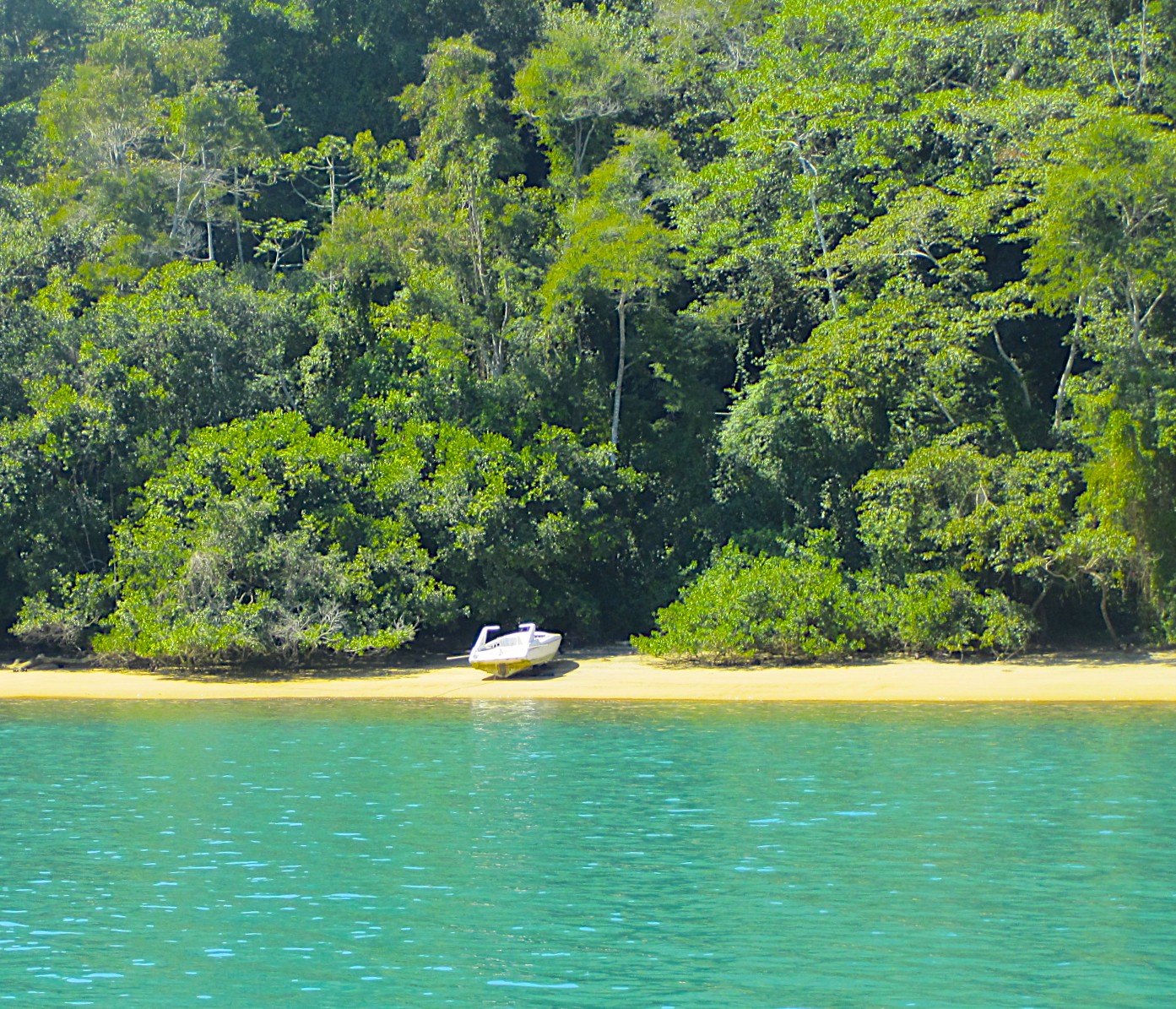
Paraty is a beach paradise.

IMG_1013

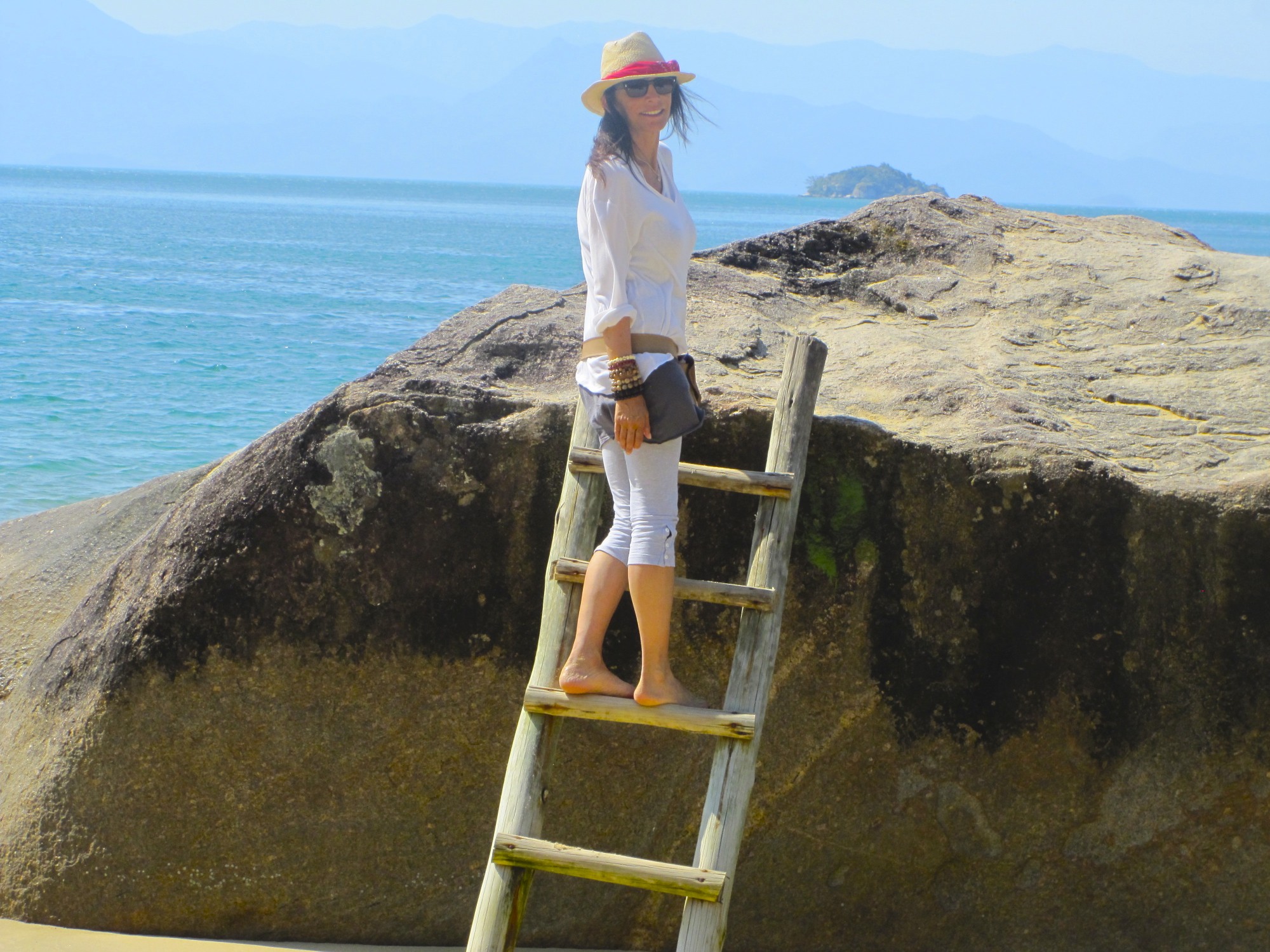
If the weather is good take a day boat tour of the islands and beaches in the Bay of Paraty.

IMG_1077

Though there are no really good beaches in walking distance, there are sixty-five islands and three hundred beaches in the bay.

IMG_1087

There is always fresh fish for lunch.

IMG_1085

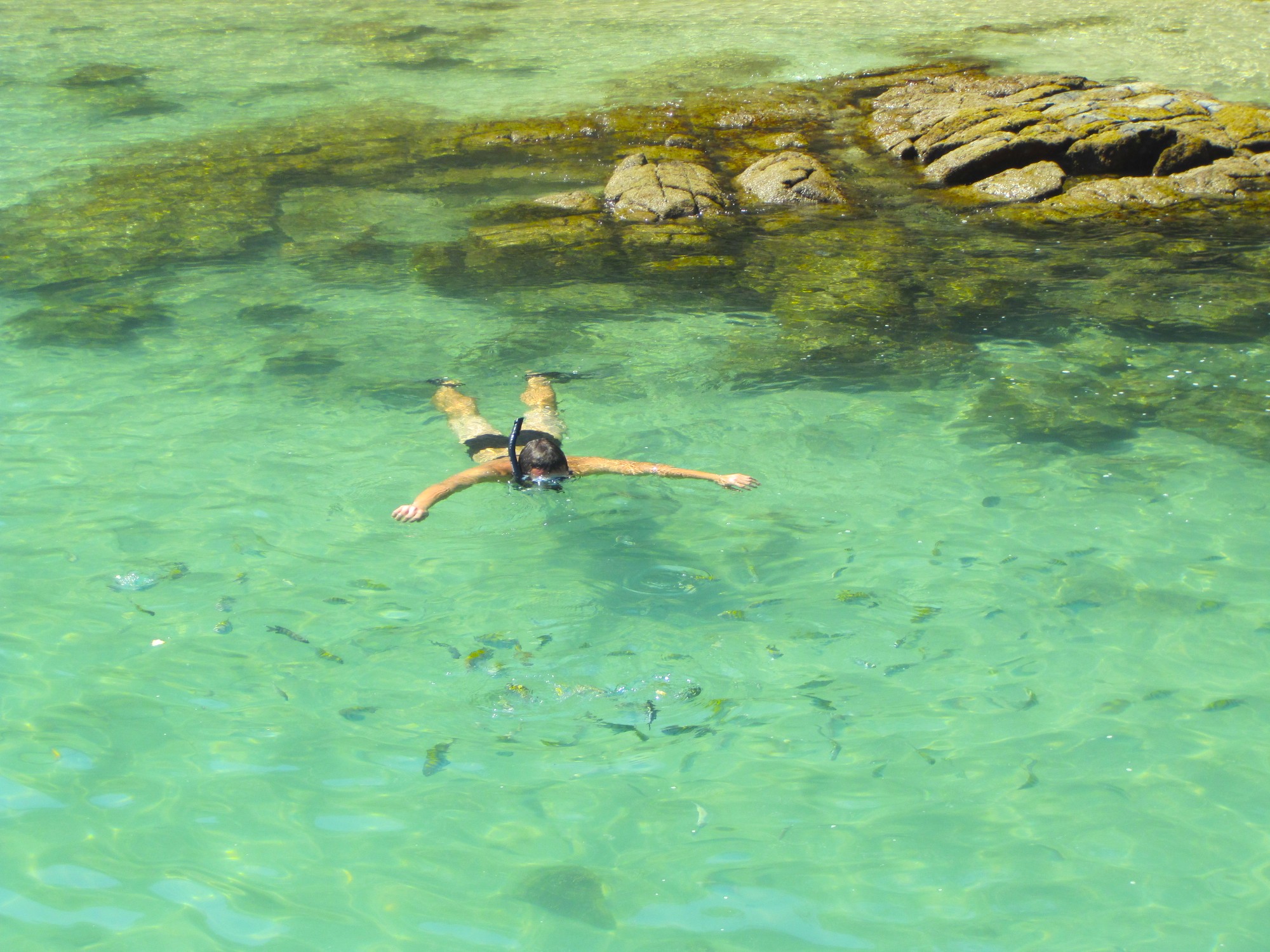
and snorkeling.

IMG_1050

The boats range from about nine dollars to private yachts and everything in between

IMG_0938

Being on boat, going to these beautiful beaches makes life feel pretty easy.

IMG_1012

Gabriel, thanks for the interesting history lesson and for sharing the stories of the place where you grew up.

IMG_0806

Tenha Uma Boa Viagem,

JAZ

Things I’ve Learned In Sao Paulo, Brazil

Things I’ve Learned In São Paulo, Brazil

“Cities were always like people, showing their varying personalities to the traveler. Depending on the city and on the traveler, there might begin a mutual love, or dislike, friendship, or enmity. Where one city will rise a certain individual to glory, it will destroy another who is not suited to its personality. Only through travel can we know where we belong or not, where we are loved and where we are rejected.” Roman Payne

Metropolitan São Paulo is more that 3 times the size of Moscow and 6,5 times the of
size of New York. With almost twenty million inhabitants, it is the biggest city in both Americas and the Southern hemisphere.

I guess that is why they have some really bad traffic jams.

São Paulo is inland. Los Angeles is on the ocean. They have the same air pollution.

There is coffee on almost every street corner in São Paulo. Brazilians love a coffee after lunch. (non Brazilians also at Casa Mathilde)

IMG_4562

Manhattan has many skyscrapers and tall buildings. So does São Paulo.

DSCF5497
Between the tall buildings, traffic, air pollution and coffee, I felt right at home.

Parque Ibirapuera is the city’s largest green space and one of the largest city parks in Latin America. The name means a rotten tree in the Tupi language and despite the unfortunate name there are many beautiful trees.

DSCF5496

There is plenty to do here…paths to walk or bike or people watch, museums, Niemeyer architecture, a lake, and more.

DSCF5385

It is rated as one of the best urban parks in the world.

DSCF5453

Most of the buildings are designed by Oscar Niemeyer and the landscaping is by famed landscape artist Roberto Burle Marx. (The Auditorium by Niemeyer)

DSCF5441

The opulent park is so big that you can easily forget you’re sitting in the middle of one of the most populated cities in the world.

DSCF5499

The São Paulo Museum of Modern Art (MAM) is located in the park. It was built in 1948 and modeled after the Museum of Modern Art in NY (MOMA).(lunch at MAM)

DSCF5396

It has over 4000 mostly Brazilian works of art. The commissioned mural in the front is by graffiti artist Os Gemeos.

DSCF5404

The Marquise is a large covered construction by Oscar Niemeyer that links several of the buildings together. Every day, skateboarders, cyclists, athletes, families and friends gather there.

DSCF5413

It provides a shaded paved area for young people to roller blade, roller skate and skateboard.

DSCF5422

It is very crowded on Sundays and people sell food, drinks and crafts as well.

DSCF5437

Many streets in Sao Paulo  are named for Portuguese explorers and Brazilian Revolutionaries.

Uber is banned at the moment due to protests from the taxi drivers unions. The mayor is hoping to find a middle ground that appeases both parties.

People who live in the state of São Paulo are called Paulistas. People who live in the city of São Paulo are called Paulistanos. Paulistanos love Pizza.

MASP is one of the cities best art museums.

Screen Shot 2015-10-05 at 10.52.50 PM

On Sundays, the area around MASP on Avenida Paulista hosts two great outdoor markets. The space under the museum becomes a huge antiques market, and the space across the street is a handicrafts market where great street food is sold

Screen Shot 2015-10-13 at 5.12.53 PM

The world’s largest gay pride parade takes place here in May/June. It’s also supposedly the most expensive real estate in Latin America. The whole avenue runs along a subway line and so easily reached by public transport. (Kobra paints on Avenue Paulista)

IMG_4608

Another lovely museum in São Paulo, the Pinacoteca houses a huge collection of Brazilian art that serves as a visual story of the country’s history and cultural evolution.

DSCF5320

It is the oldest gallery in São Paulo and visited by many school children.

DSCF5327

The venerable public art museum was masterfully restored in exposed-brick style in the 1990s by Paulo Mendes da Rocha, a winner of the Pritzker Architecture Prize.

DSCF5328
The museum has a beautiful café downstairs and is connected to Parque da Luz, a public park that includes outdoor sculptures and a European-style garden area.

DSCF5342

There are dividers between “good and “bad” parts of the city. The Pinacoteca is located across the street from the Luz train station.

IMG_5431

Estação da Luz is a beautiful 19th-century train station with high ceilings, intricate ironwork and narrow walkways  which separates the park from one of the worst drug areas in São Paulo.

DSCF5369

It is called Cracolandia or Crackland. Prostitutes line the walkways in search of customers. Crack cocaine has become a big problem in Brazil It is the second biggest crack epidemic since the US in the eighties.

DSCF5372
In the City Center, keep your eyes moving, put away your cell phone and camera. Keep your money hidden and walk with a purpose like you know what you are doing. ( just like growing up in NY)

IMG_0744

Se (cathedral) is located in the historic city center ( where the city was founded).

IMG_0739

The Neo-Gothic building took fifty years to complete because two world wars made it difficult to get materials from Italy. I have no exterior photos because see above.

IMG_4607
The Patio do Colegio was the original center of São Paulo.All that remains of the 16th-century building are the doors and a stretch of clay wall. It is now a historical museum the gardens of the museum is a pleasant café.

IMG_0756

The old center with its beautiful architecture and churches is still more homeless and drug infested than gentrified. There are a few good coffee places so change is near.

IMG_0764

Casa Mathilde is a great Portuguese bakery that serves the famous pastel de nata.

IMG_0772

I  have not been to Portugal ( where it is called pastel de Belem) but from the lines and conversations these are probably the best pastries outside of Portugal.

IMG_0770

Mocoto is located in Vila Medeiros, a neighbourhood in the north of São Paulo. Chef Rodrigo Oliveira attracts food-lovers with his distinctive take on Brazilian cuisine from the north-eastern state of Pernambuco where  his family is from. ( mocoto broth  – signature dish from original recipe, rice and beans, Brazilian dried, salted beef)

IMG_4546

IMG_4548IMG_4552

Mocotó is also a cachaçaria, selling more than 500 cachaças.

IMG_4541

Alex Atala is the chef at D.O.M. who became famous for using Brazilian ingredients in beautifully executed contemporary dishes. It is the ninth best restaurant in the world.

Gastromotiva is a Brazilian organization which uses gastronomy to promote social change for at risk students.They have a vocational education program for eighteen to thirty-five year olds who are passionate about food and cooking who’s families make below a certain income.

IMG_4681

They have also instituted a cooking program in the prisons but there is a lot of bureaucracy in Brazil when it comes to prison change.

IMG_4684

We were lucky enough to spend some time with the students and have a delicious meal cooked by students and alumni. It’s a great organization for foodies to get involved with. https://gastromotiva.org

IMG_4673

IMG_4687

São Paulo is considered one of the best cities in the world for the development of creativity in street art.

DSCF5482

The city’s streets are filled with wonderful examples of street, especially in the city center.

IMG_0789

For some of the best, visit the area Villa Magdalena, especially Beco do Batman (Batman’s Alley).

DSCF5540

DSCF5504

Vila Madalena is an artsy neighborhood with rows of pastel colored townhouses. There are nice art galleries, arts & crafts shops, bookstores and great nightlife in its restaurants, corner bars, and botecos (small bar/restaurants). Come here for samba, or just mingle with locals enjoying live music and petiscos (tapas) at the botecos.

DSCF5533
Botecos are everywhere. The doors open to the street, tiled walls and floors, a counter stocked with fried stuff, and sometimes peanuts are served. You can make a quick stop for a coxinha and a soda, or sit down for a prato feito with a bottle of cold beer. Most botecos are very simple, but there are also “modern”ones.

Screen Shot 2015-10-14 at 7.36.09 PM

Brazil has the largest number of Japanese living outside Japan of any country in the world, and many of these Japanese Brazilians live in São Paulo. The Japanese neighborhood, called Liberdade, is a fun place to explore and see how the influence of Japan has influenced Brazilian life here and, of course, try some great food. On Sundays, an enormous market takes place in the public square of Liberdade, and thousands of people from around the city attend.

Screen Shot 2015-10-05 at 10.53.46 PM
São Paulo is a huge city. I believe that you do what you can and next time I will see more. Thanks so much to our guide Arthur Simoes (who likes that painting) for his  sense of humor, energy (we had some long days), patience and knowledge of São Paulo. Obrigada until the next time.

IMG_4577

Tenha Uma Boa Viagem,

JAZ

Acai In The Amazon Gets Its Own Blog Post

Acai In The Amazon Gets Its Own Blog Post

“Let your food be your medicine and your medicine be your food.” Hippocrates

DSCF5171

As froyo begins to lose ground to kale smoothies, the trendy. spendy acai bowl continues to gain in popularity. (Pinkberry gets in the game)

IMG_5540

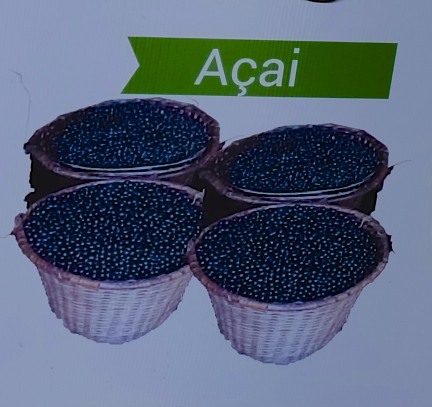
Though there is no scientific proof, acai is the new superfood because it is high in antioxidants and it tastes better than wheatgrass (an old superfood). It is more expensive than blueberries and raspberries (which also have antioxidants) and usually added to healthy smoothies or served in a bowl.

IMG_5503

The acai outside of the Amazon region  is frozen puree and mixed with banana or strawberries, soy. almond or coconut milk. It is served with oatmeal, granola, nuts or fresh fruit and is definitely a fun ice-cream like breakfast alternative.

IMG_5597

We as  Americans who mostly only speak English are poorly equipped to pronounce foreign words. Acai is Portuguese and is particularly difficult for us. The pronunciation in Brazil is Ah – Sa – Ee.

In the Amazon region, acai is not a superfood, it is just food. It is grown in the forest on the acai palm and harvested between July and December. (acai palm)

DSCF5258

It was definitely acai season and we ate it a lot.  (Osvaldo finds acai in the jungle)

DSCF5259

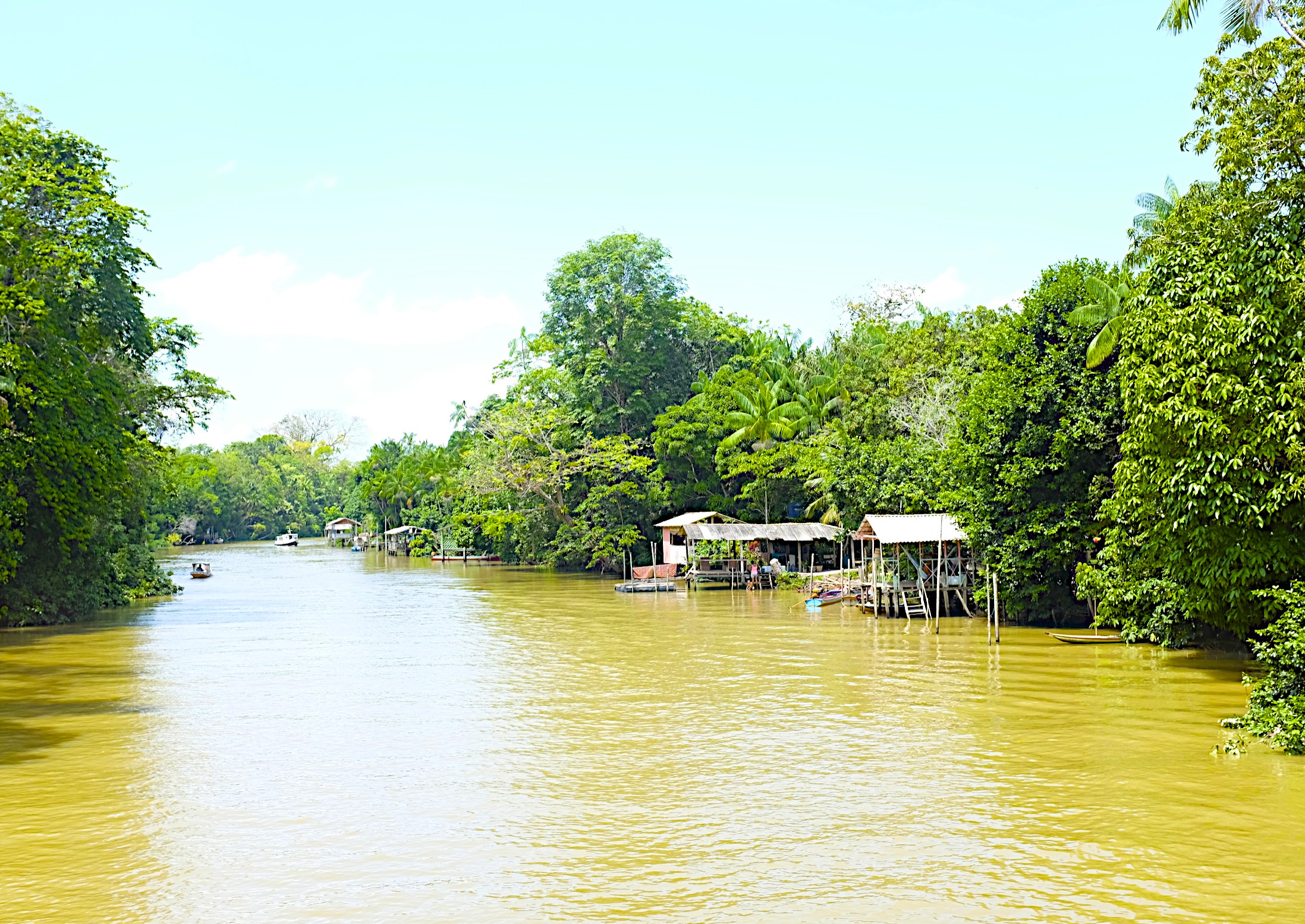
Till recently acai was a staple food for the poor in the Amazon region. A porridge of acai and manioc flour was not full of nutrition but cheap and very filling. Many families who live on the river now harvest acai.

DSCF5232

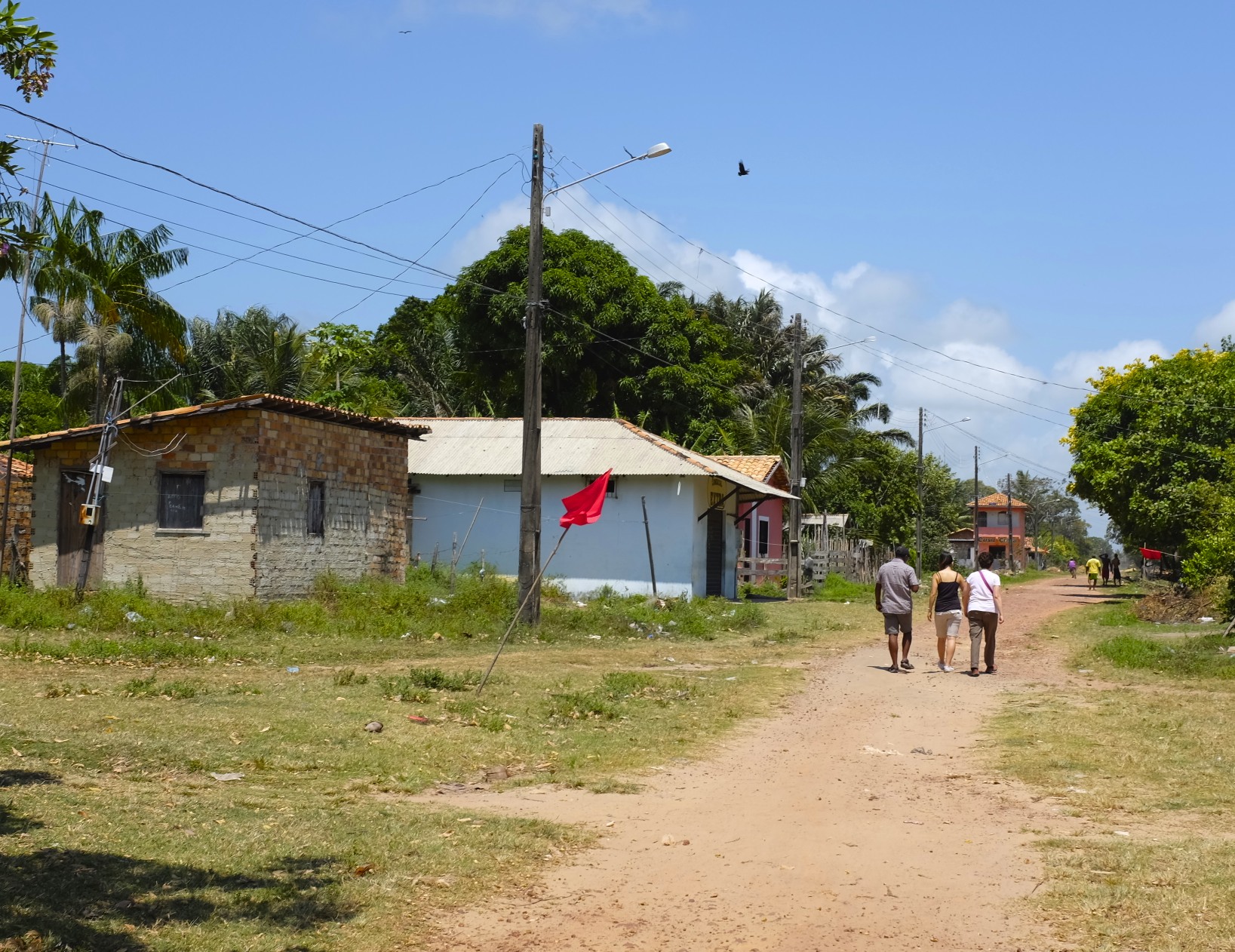
It is always made fresh from the berries found in the Amazon rainforest. In Marajo, when a fresh batch of acai has been prepared, red flags appear on the road. If you see a red flag, it means that they are selling acai nearby. When the batch is sold they take the flags down.

DSCF5087

We bought bags of fresh acai juice.

DSCF5091

It is a good idea to check and make sure that is made with filtered water or what kind of water they use to clean the berries or the equipment.

DSCF5090

Belém’s most famous açaí market, the Feira do Açaí, near Ver-o-Peso market building, bustles before dawn as wholesalers stack baskets of the fruit on the cobblestone square.

Screen Shot 2015-09-30 at 9.34.34 PM

Acai is  also made fresh here from cylindrical machines known as batedores de açaí, “açaí beaters,” that remove the thin layer of fruit from the pit. ( ‘acai beater”, acai pits, bracelets made from acai pits)

DSCF5097

DSCF5099

IMG_5545

When the merchants are ready they hang red signs to show that açaí is for sale.

DSCF5112

DSCF5116

As in towns throughout the region, in Belém residents pick up pulp by the liter to have with lunch or dinner. (acai to go menu)

IMG_0531

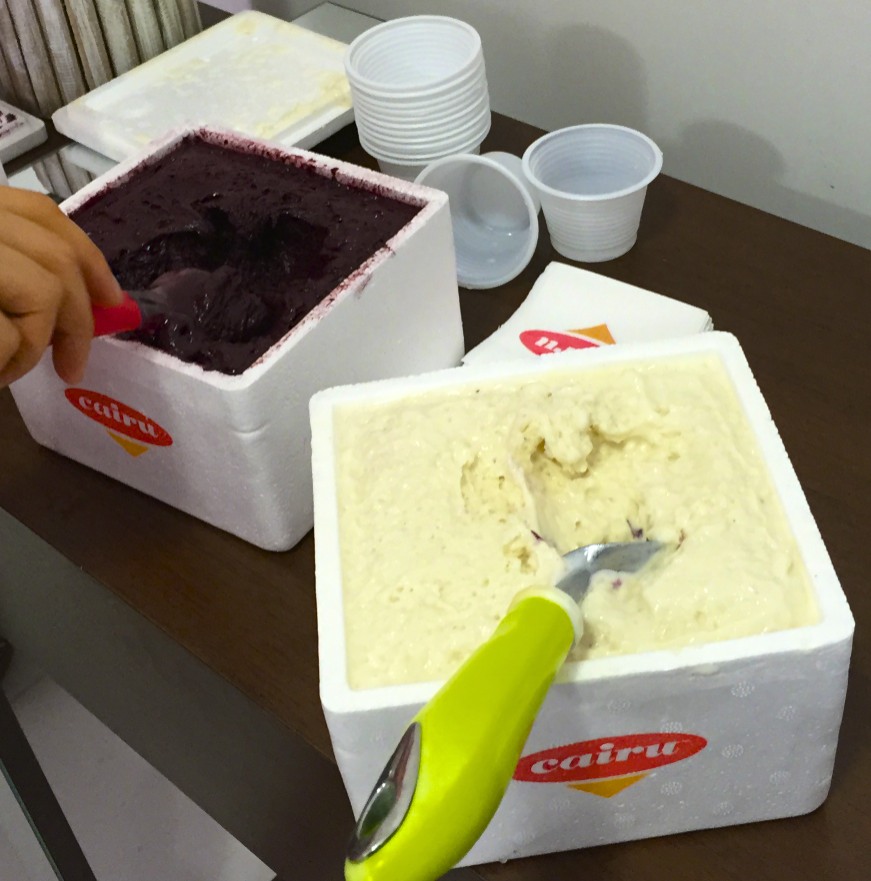
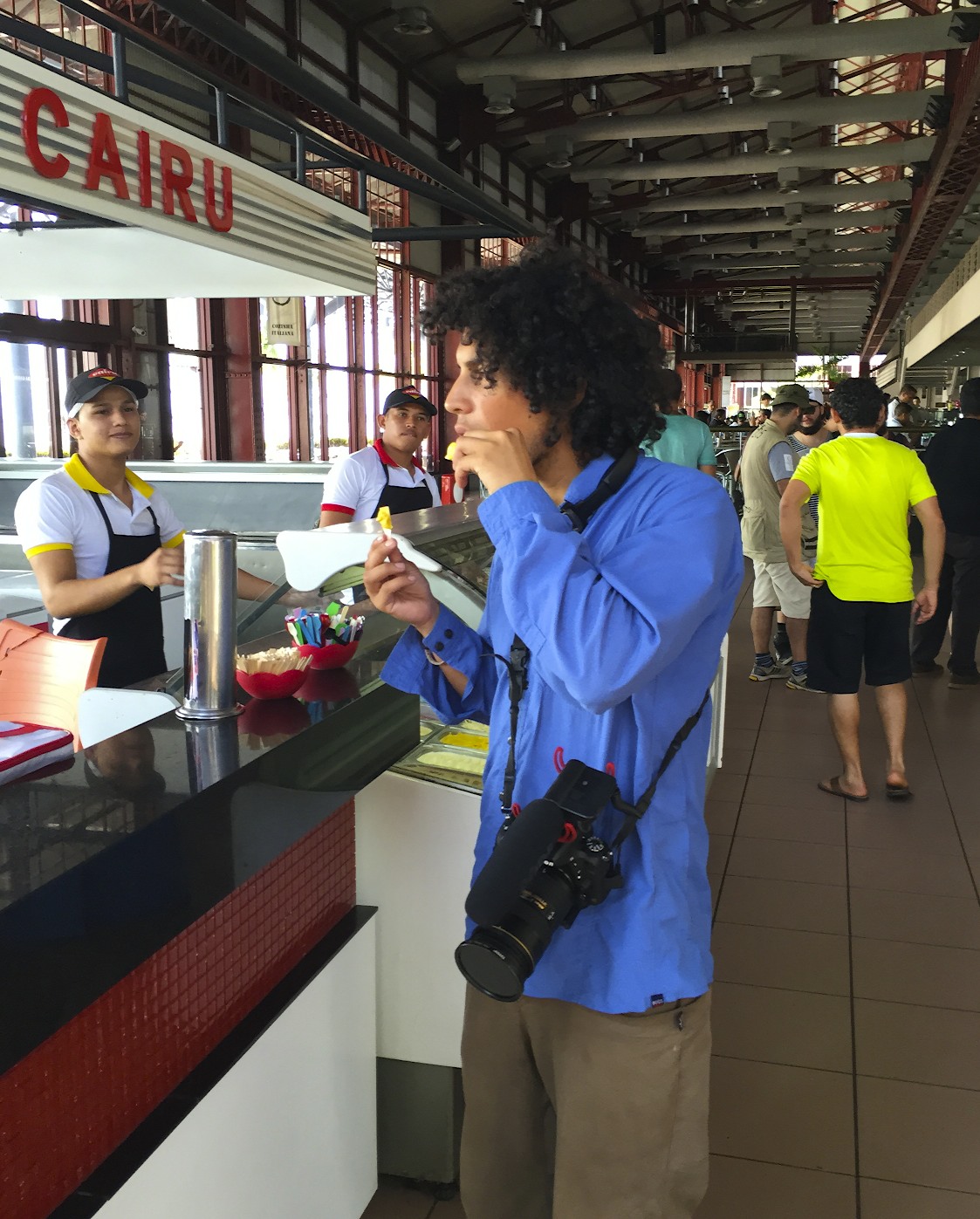
My first taste of fresh acai was acai ice cream mixed with the tapioca ice-cream and it was creamy delicious. There is no comparison between something made with fresh acai and what we get in the States. (Cairu –  best ice cream in the Amazon region)

IMG_4137

We had  fresh acai at several meals. It is often served with dried tapioca. (La Em Casa)

IMG_4426

Purists say that acai should be eaten without sugar but it is a personal choice. I had it without sugar and I liked it. It is hard to explain the flavor –  kind of like a refreshing, earthy berry. If you mix it with the manioc flour (which most do), it gives it a grainy consistency.

Point Do Acai is a restaurant in Belem known for serving acai.

IMG_0518

You can have it as a juice, dessert or in bowl as a side to fried fish. (different tapioca flours)

IMG_0521

IMG_0536

IMG_0534

In the Amazon region people think it is funny that acai is the new energy drink. They say that they usually have it with their midday meal and fall asleep after.

Tenha Uma Boa Viagem,

JAZ

And So The Buffalo Swam To Marajo (Amazon, Brazil)

And So The Buffalo Swam To Marajo (Amazon, Brazil)

“There is a time when it is necessary to abandon the used clothes, which already have the shape of our body and to forget our paths, which takes us always to the same places. This is the time to cross the river: and if we don’t dare to do it, we will have stayed, forever beneath ourselves” Fernando Pessoa

IMG_4212
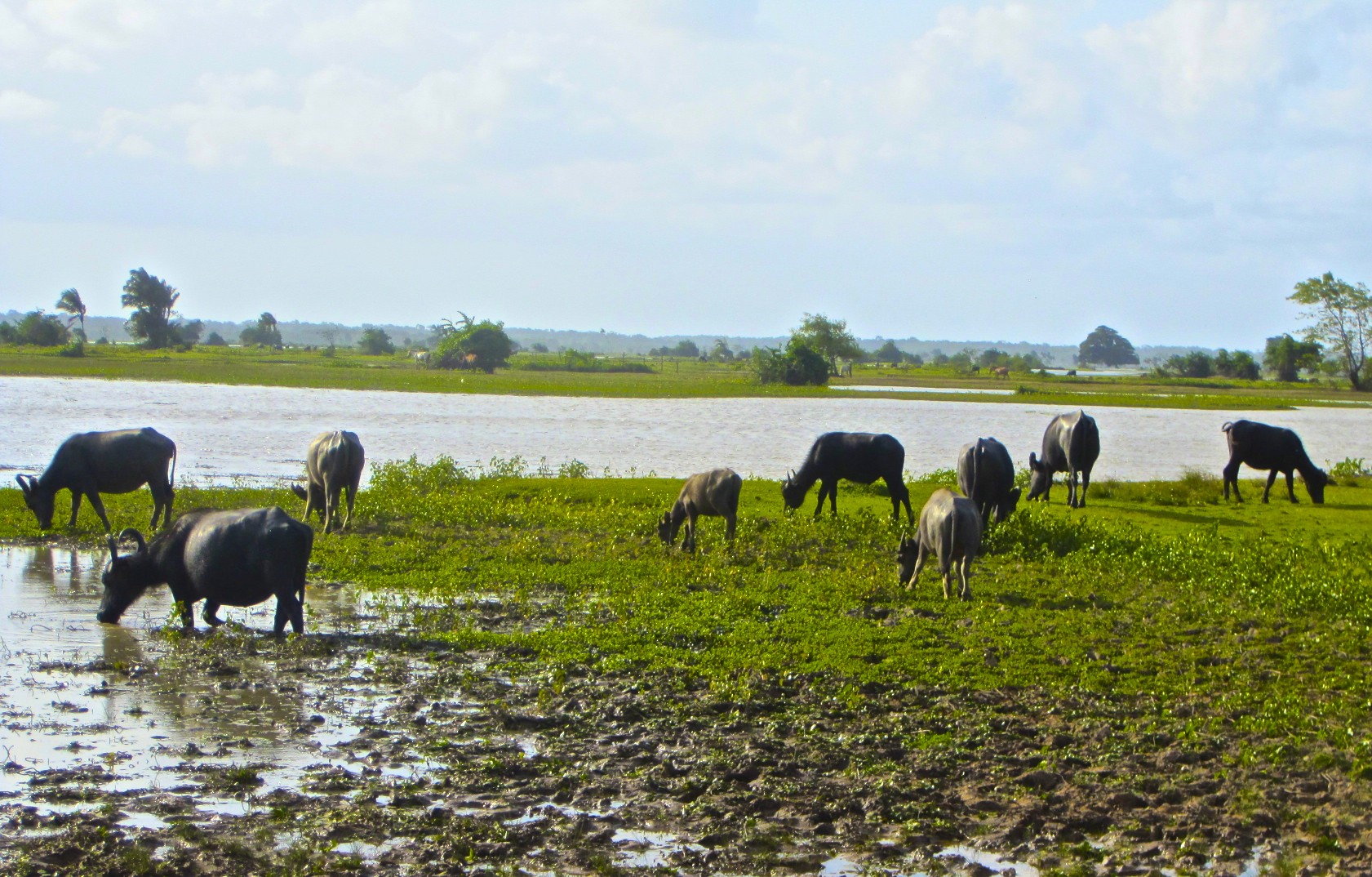
Marajo is an island in Brazil in the state of Para at the mouth of the Amazon. It is the size of Switzerland and home to many beautiful birds and water buffalo. The story goes that a ship on route to French Guyana ladened with goods and water buffalo from India hit a reef and sank off the coast of Marajo. Some of the buffalo escaped the wreck and swam to shore. The buffalo are descendants of this shipwreck though now more have been brought in. There are large herds of domesticated water buffalo on the island.

IMG_0363

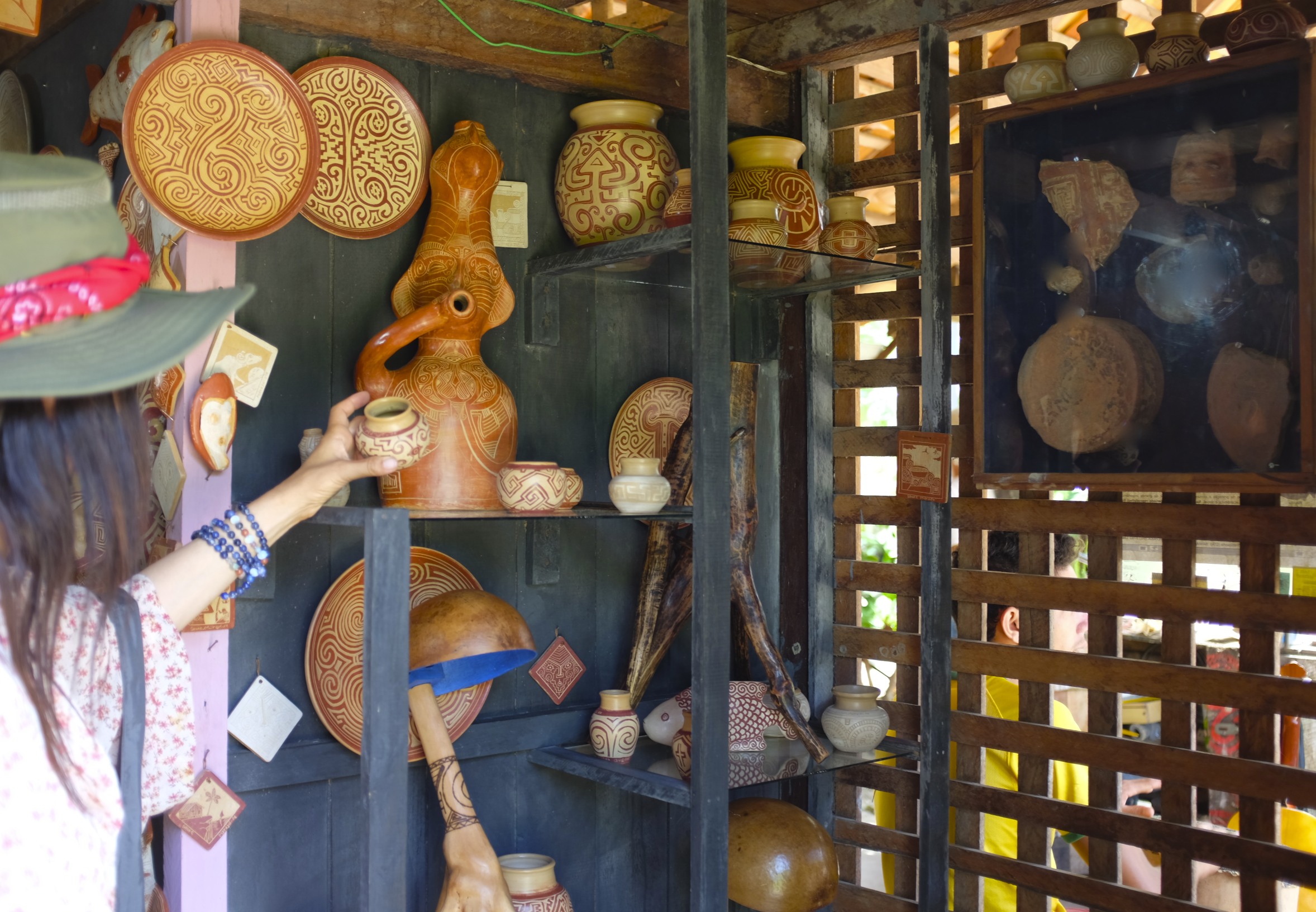
Marajo had an advanced pre Colombian society  from 400AD. The arrival of the Portuguese in the sixteenth century wiped out ninety per cent of the natives  due to lack of immunities to the European diseases. They left behind great examples of pre Colombian pottery. Artisans on the island recreate the designs.

DSCF5070

Soure is a sleepy fishing village.

IMG_0021

The people have a peaceful life, take things slowly and keep up their traditions.

IMG_4413

Fisherman shacks, modern homes and large faziendas (farms) exist side by side on the island, It is the only place to have a water buffalo police force. They say it is used for looking for drugs in the forest but most of the crime is pilfering or the occasional lost drunk or “misplaced” bicycle.( newest police recruit)

DSCF5036

Fazenda Sanjo is a ranch and hotel owned by Ana and Carlos Nunes. http://www.sanjo.tur.br You take a boat down a tributary of the Amazon to get there from Soare.

IMG_0053

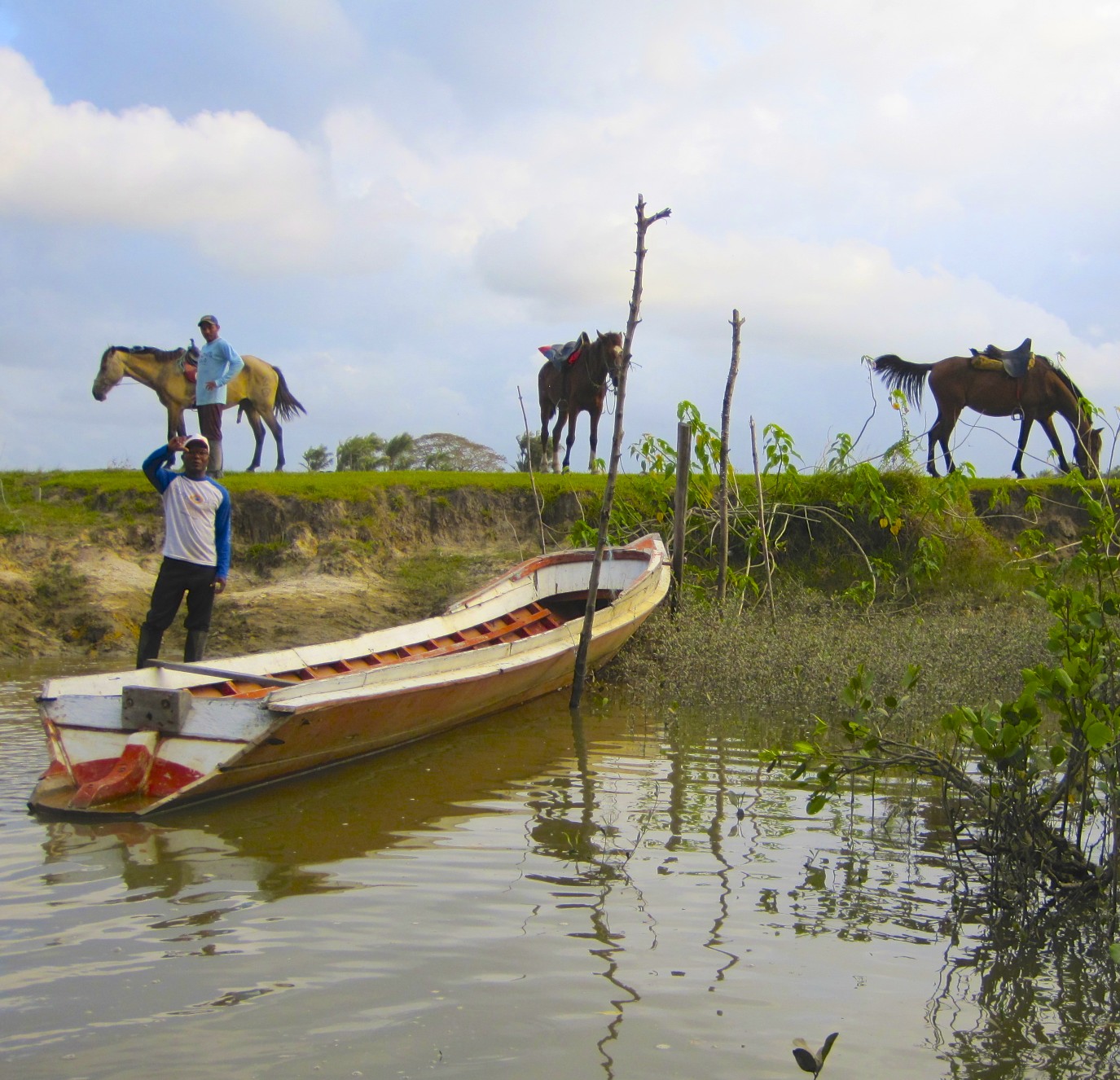
Then you have a choice of walking a mile or doing it on horseback to get to the fazenda.IMG_0236IMG_4269

The hammocks are an inviting place for a nap. (and I made a friend)

IMG_4288

IMG_4349

You can experience the daily life on a Fazenda in the Amazon.

IMG_0093

There are many activities and nature is your host.

IMG_0150

There is piranha fishing, riding and milking buffalo, canoeing and horseback riding through the river with the buffalo.

IMG_0140

We did that.

IMG_0169

I think pictures are better than words.

IMG_0175

IMG_0205

It was definitely the most different thing I have ever seen up close and pretty amazing.

IMG_0184

IMG_0216

On the boat ride back, it was very windy and I lost my hat in the Amazon.
It is one of those lifetime jungle, sun and mosquito repellant hats and luckily, it floats. The hat is usually on my head in my travels where there are mosquitos. I live in fear of malaria or dengue so I was glad to get it back.

IMG_0139

A hotel in Soure is the lovely Hotel Casarao da Amazonia which occupies a restored blue colonial mansion. The breakfast is good and the atmosphere is immediately relaxed. There is not a lot of English but if you need it, they find someone.(http://www.casaraoamazonia.com.br)

DSCF5023

The island is a spectacular visual feat of nature.

IMG_4387

The marshlands attract many varieties of birds like the scarlet ibis.

IMG_0158

IMG_0376

Vultures fly overhead on the miles of quiet beach.

IMG_0322

Marajo is located at the mouth of the Amazon River where the fresh water pours into the Atlantic Ocean. The fish can be fresh or salty depending on what the fisherman has found that day.

IMG_0024

The Amazon rainforest has foods and flavors that dont exist anywhere else in the world.Every meal is juxtaposition of the intermingling of cultures of 400 years – European, Brazilian and African.
We eat buffalo steak topped with slabs of queijo do Marajo, sweet, soft buffalo milk cheese followed by fresh fruit.

IMG_0117

In the morning there is buffalo butter on home-made toast and jams made from fruits that I never heard of till now.


IMG_4347

There is always ground cassava (manioc) at the table and sometimes there is jambu a wild green that numbs your mouth while you are eating it. There is acai served with dried balls of cassava flour. In cities very far away acai has become the new superfood because it is loaded with antioxidants, but here you eat it in a bowl alone usually with fish. When red flags are up a fresh batch of acai has been made.

DSCF5084

DSCF5091

The weirdest thing to eat here is uncooked turu and we were on a mission to find some. (Gelderson)

IMG_0261

(apparently Survivor was filmed here and they had it regularly) Turu are tree worms.

IMG_0281

They are rich in calcium and can be eaten raw and like oysters are taken as an aphrodisiac.

IMG_0286

I couldn’t decide if i wanted to eat it or not and when I finally said yes, they ran out of bottled water to wash it. I declined to clean it in the river. ( turu in motion – or my photo is blurry)

IMG_0293

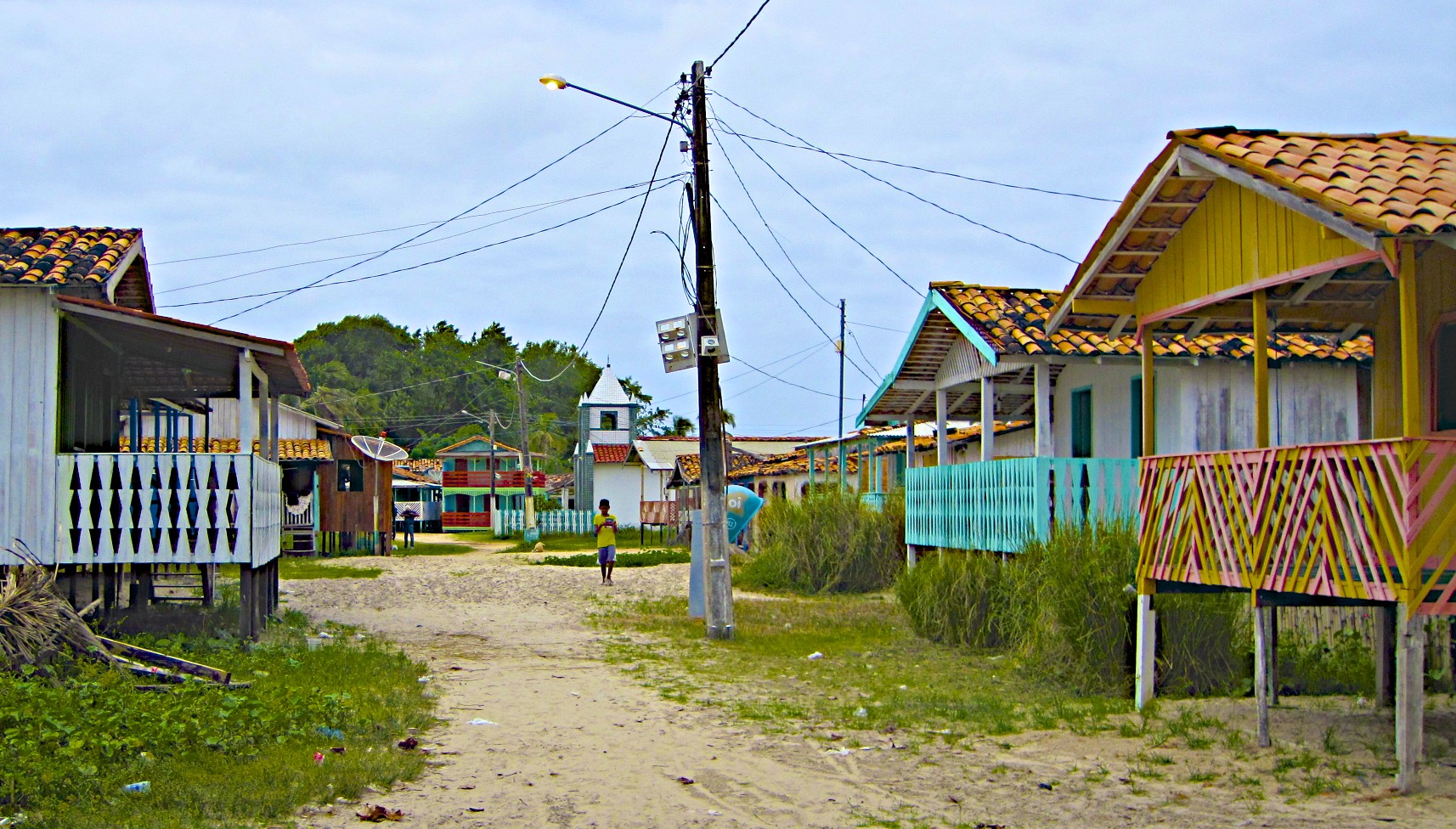
There is a small fishing village on a beautiful beach with houses set on stilts.

IMG_0305

A woman is washing her dishes and setting her cups to dry on the posts children laugh and play quietly.

IMG_0300

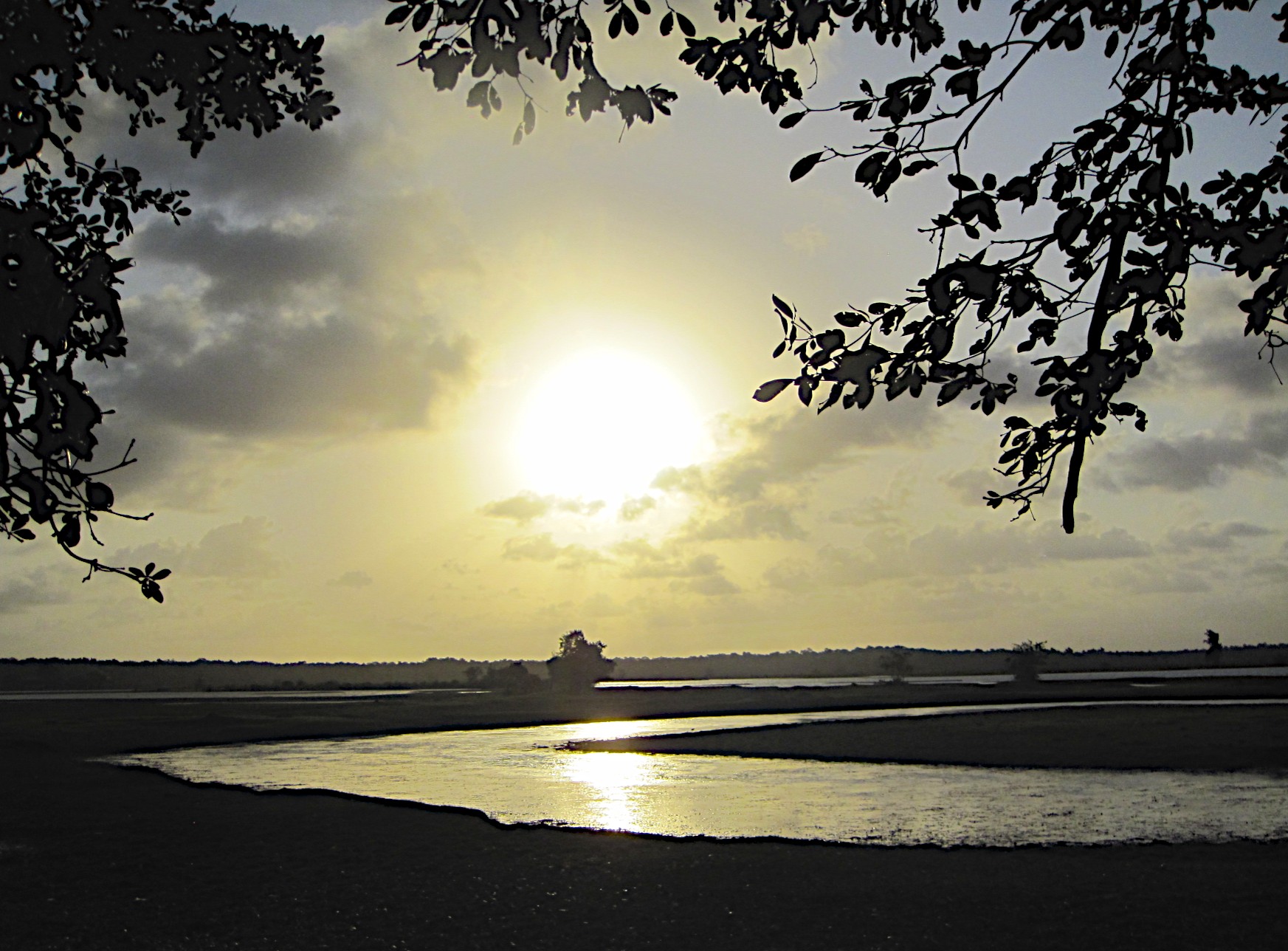
The beach is impossibly wide and the sand gives way to the Para River which joins the Amazon downstream and disappears into the horizon.

IMG_0328

There are a few hut umbrellas and small restaurants serving cold beer, fresh fish and always fresh coconut water.

IMG_4385

I walk for miles on this beach alone fascinated by the patterns in the soft sand surrounded only by vultures.

IMG_0265
I can hear my thoughts and the only noise is the kind you make yourself.

IMG_0338
I leave Marajo with my volume turned on low.

IMG_0386

I have to thank my tour guides Osvaldo and Gelderson, who’s knowledge, kindness, patience, excellent English, sense of humor and nothing is a problem attitude made the trip to the Amazon even more wonderful. People like them always remind me of how small the world really is.

Tenha Uma Boa Viagem,

JAZ

Belem Part 2 – More Food In The Amazon

Belem Part 2 – More Food In The Amazon

“I am not a glutton. I am an explorer of food.” Erma Bombeck

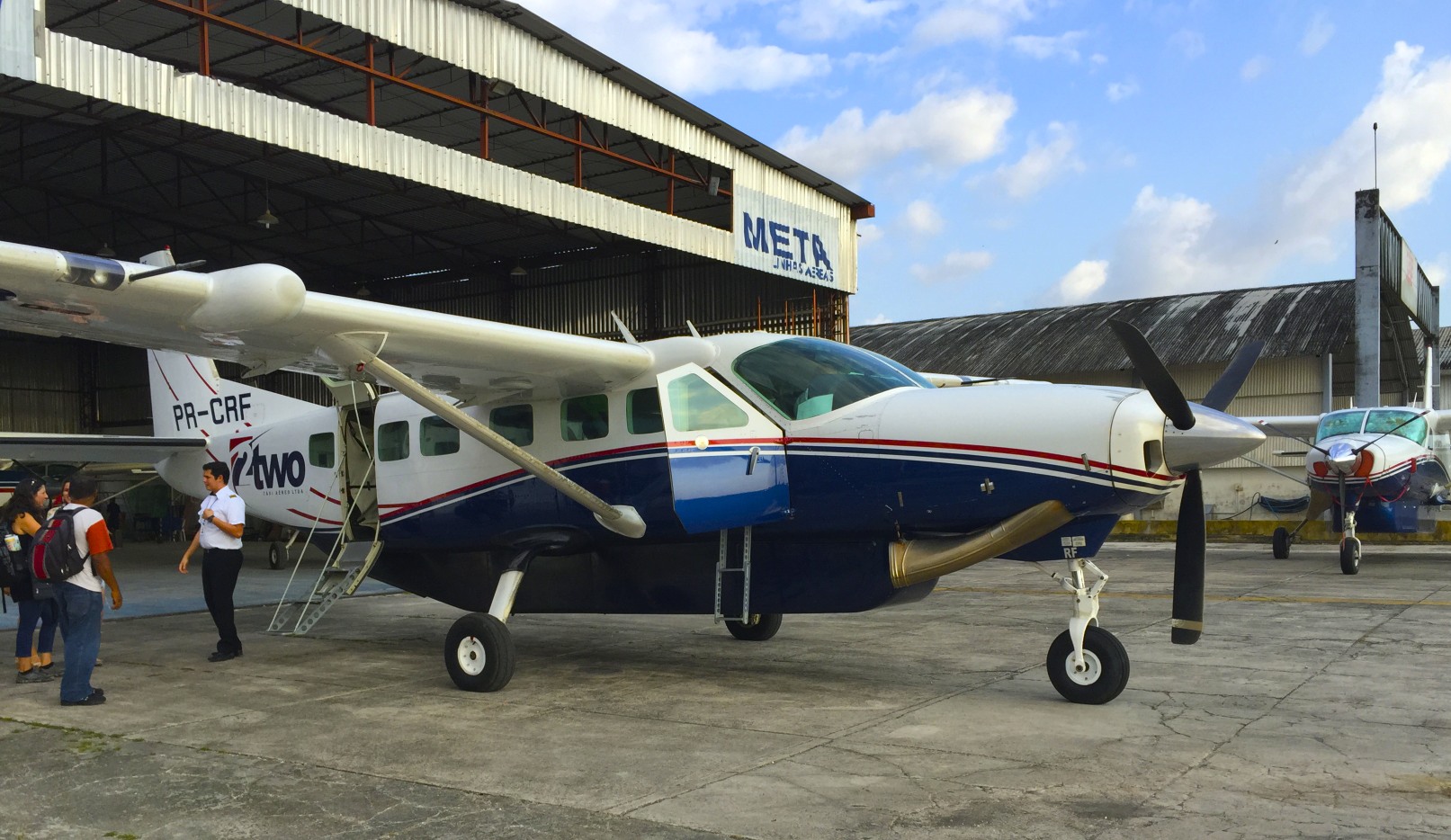
We arrive in Belem on a small plane from the island of Marajo at the mouth of the Amazon.

IMG_4142

I thought I was afraid of small planes.

IMG_0399

But the flights were smooth and the scenery was spectacular.

IMG_4239

We started our visit  with lunch at La Em Casa. http://www.laemcasa.com/ It is located in Estacao Das Docas mall a remodeled train station with a beautiful river view.. There is a buffet lunch serving all the traditional dishes.

IMG_0418

The restaurant was started by Anna Marie Martins and it was her son Paulo who brought attention to Brazil, South America and the world about the quality and flavors of regional Amazon cooking. His daughters Joanna and Daniella continued the tradition. Daniella works as a chef in the restaurant and Joanna runs the Paulo Martins Institute and Ver o Peso of Para Food, a festival (Feria Queso)l promoting the flavors and cooking techniques of the Amazon. Joanna is interested in having chefs come from all over the world so any who are reading this should contact her. You won’t be disappointed and you will learn a lot. Its a great time for all foodies to start their visit to the Amazon. contato@institutopaulomartins.org.br  I was lucky to meet both of them and saw how passionate they are about the world getting to know their delicious food. At the rate they are going, we will all soon be eating tucupi and jambu and loving it.

IMG_4430

After that huge lunch we had to try the ice cream at the most famous ice cream parlor in the country,Cairu because there is also a branch in the Estacao Das Docas mall. sorveteriacairu.com.br/ There are Amazonian flavors made from local fruits such as bacuri, muruci, sapoti, graviola, and açai, and“mestiços” (mixed breeds) such as carimbó (cupuaçu and Brazil nut) and maria isabel (bacuri, shortbread, and coconut). The ice creams are so good that five-star restaurants in Rio and São Paulo proudly feature them on their dessert menus.

IMG_4441

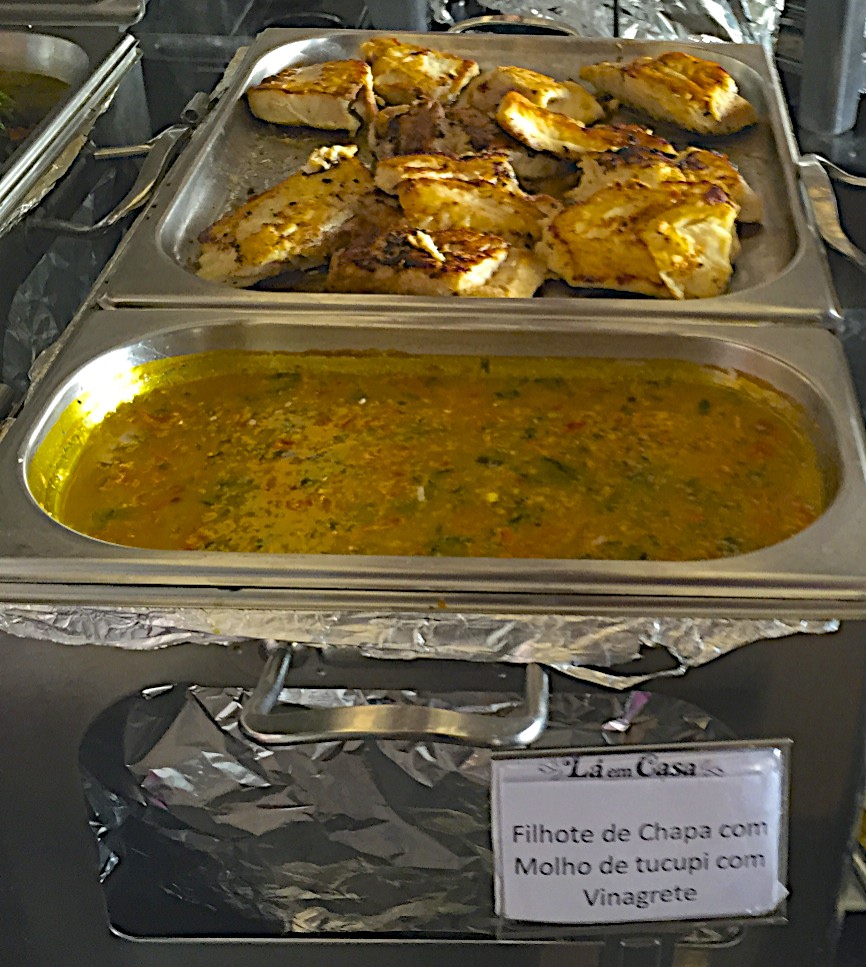
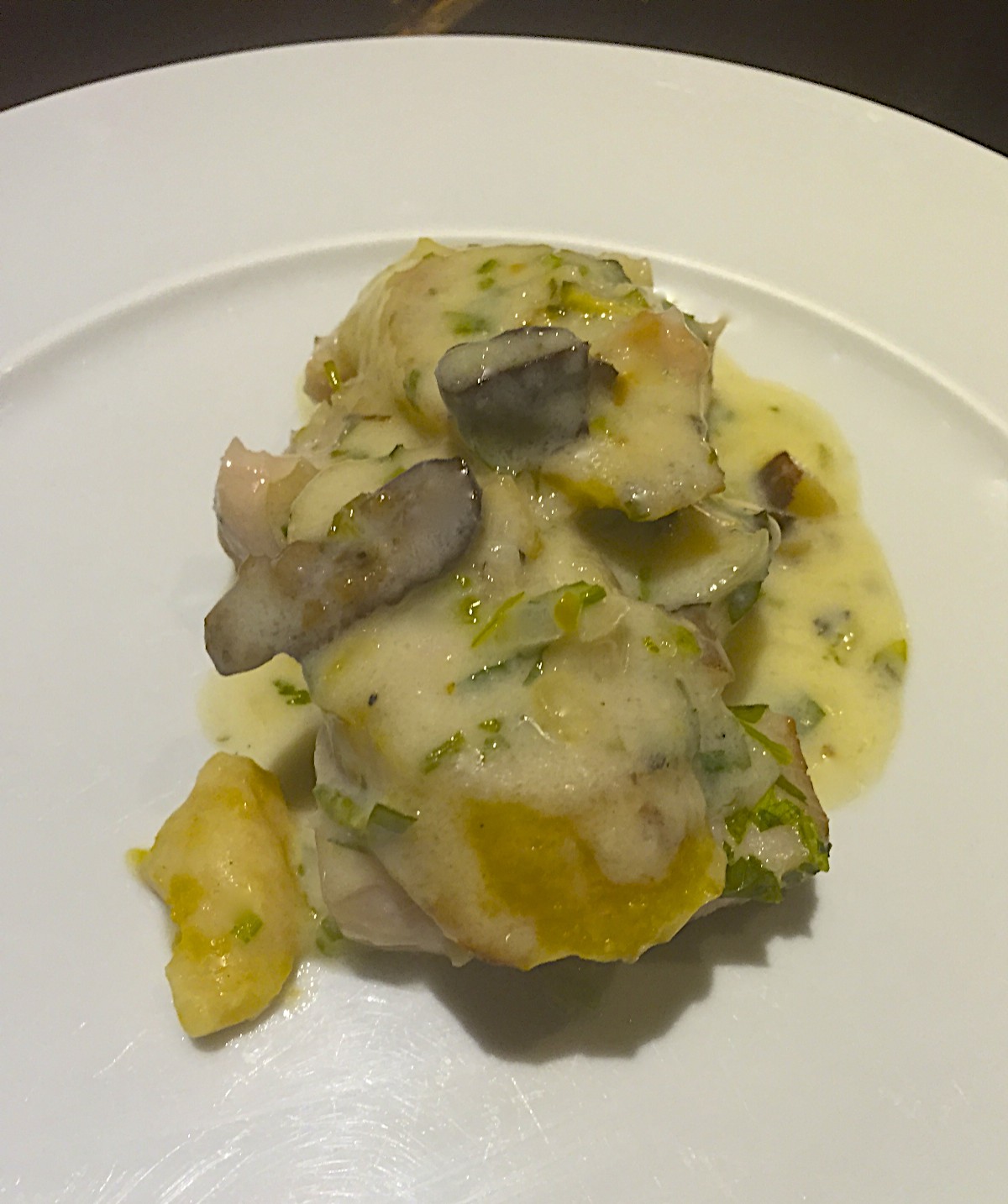
Among the many fish we ate in the Amazon region, are filhote and pirarucu. Filhote is the main ingredient in peixada, a stew that includes potatoes, tomatoes, garlic, and cilantro.  (from La Em Casa)

IMG_4427

Pirarucu is Brazil’s largest fish, measuring up to 2.5 meters (8 feet) and weighing up to 80 kilograms (176 pounds). It is usually dried and salted before being grilled on a hot tile or cooked in coconut milk, and then served with farinha and light, buttery feijão manteguinha,  (from Romanso do Bosque)

IMG_4488

We saw Pirarucu at Ver o Peso market.

DSCF5203

It is an outdoor market selling Amazonian products with about 2000 stalls on the Amazon River.

DSCF5192

The unusual name of the Ver-o-Peso Market dates back to colonial times, when the market housed the offices of the Portuguese colonial tax collector.

DSCF5205

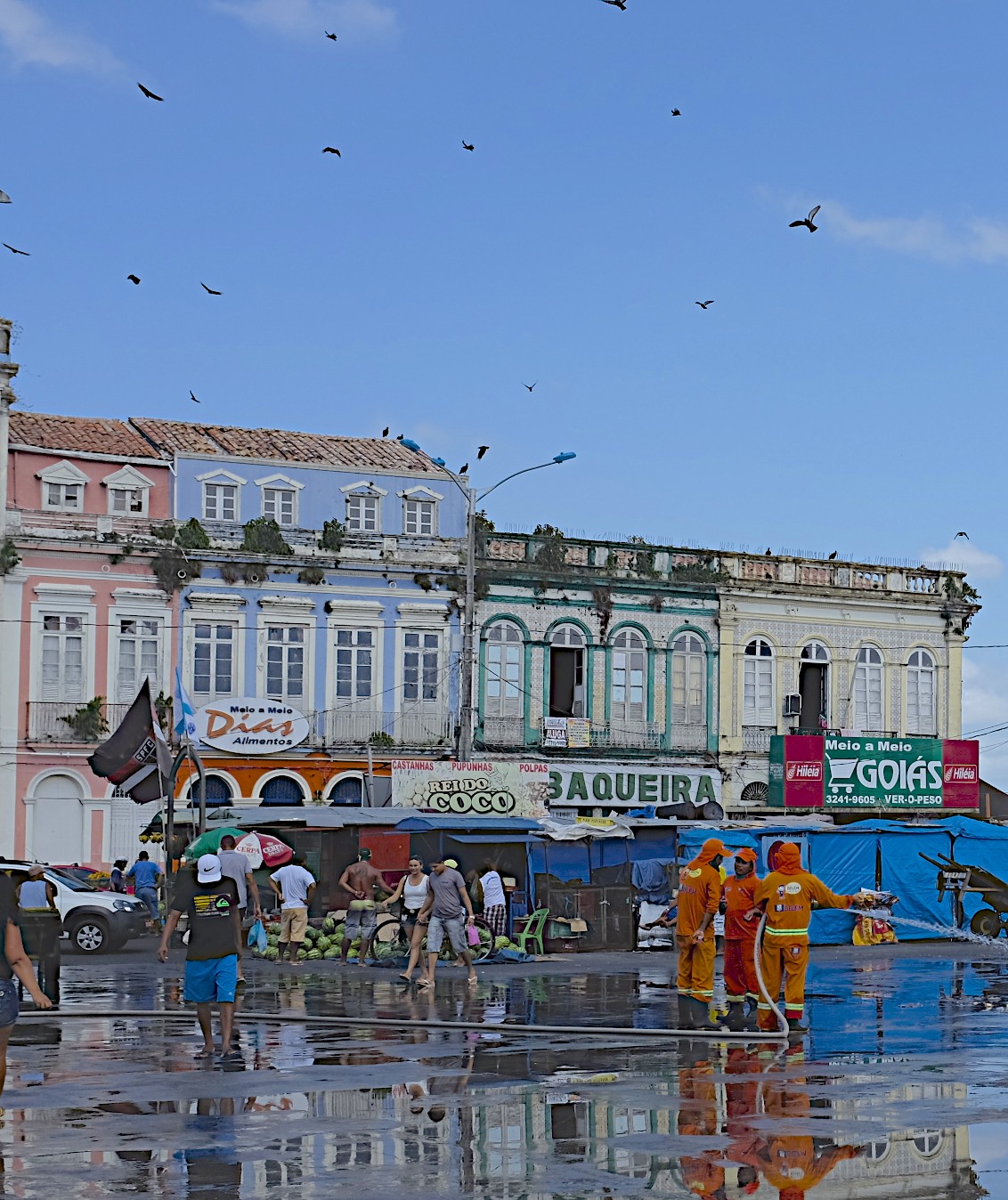
Ver-o-Peso is a shortened form of the Portuguese phrase “Haver-o-Peso” meaning “possess or obtain the weight.” The tax collector was charged with collecting a tariff on all goods coming down the river  based not on monetary value of goods but on their weight. It is now a Unesco World Heritage site. (cleaning off the fish smell as vultures fly overhead)

DSCF5215

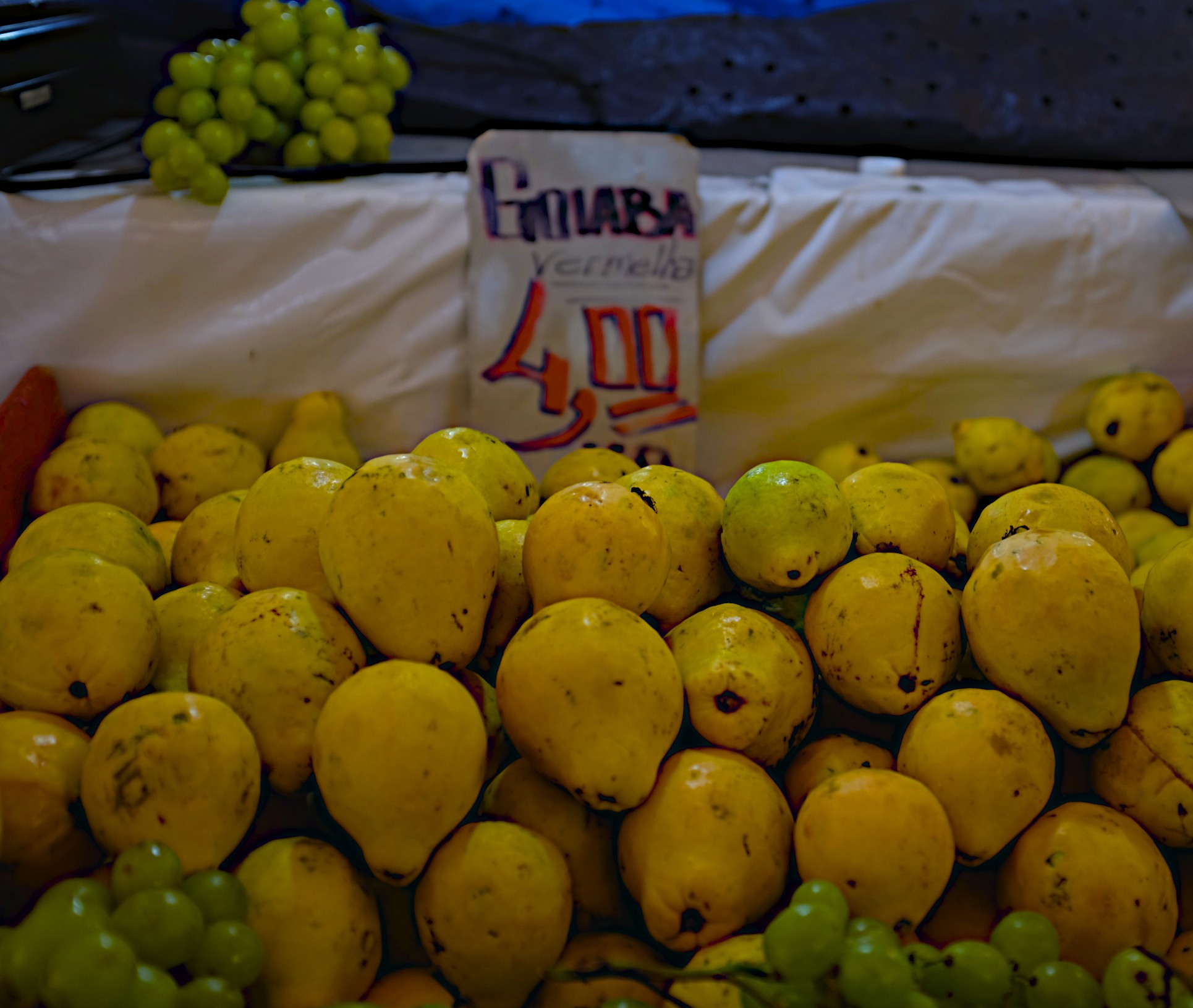
There are things you know like acai berries and brazil nuts and wealth of produce from the Amazon that is sold nowhere else in the world. (acerola berries)

DSCF5145
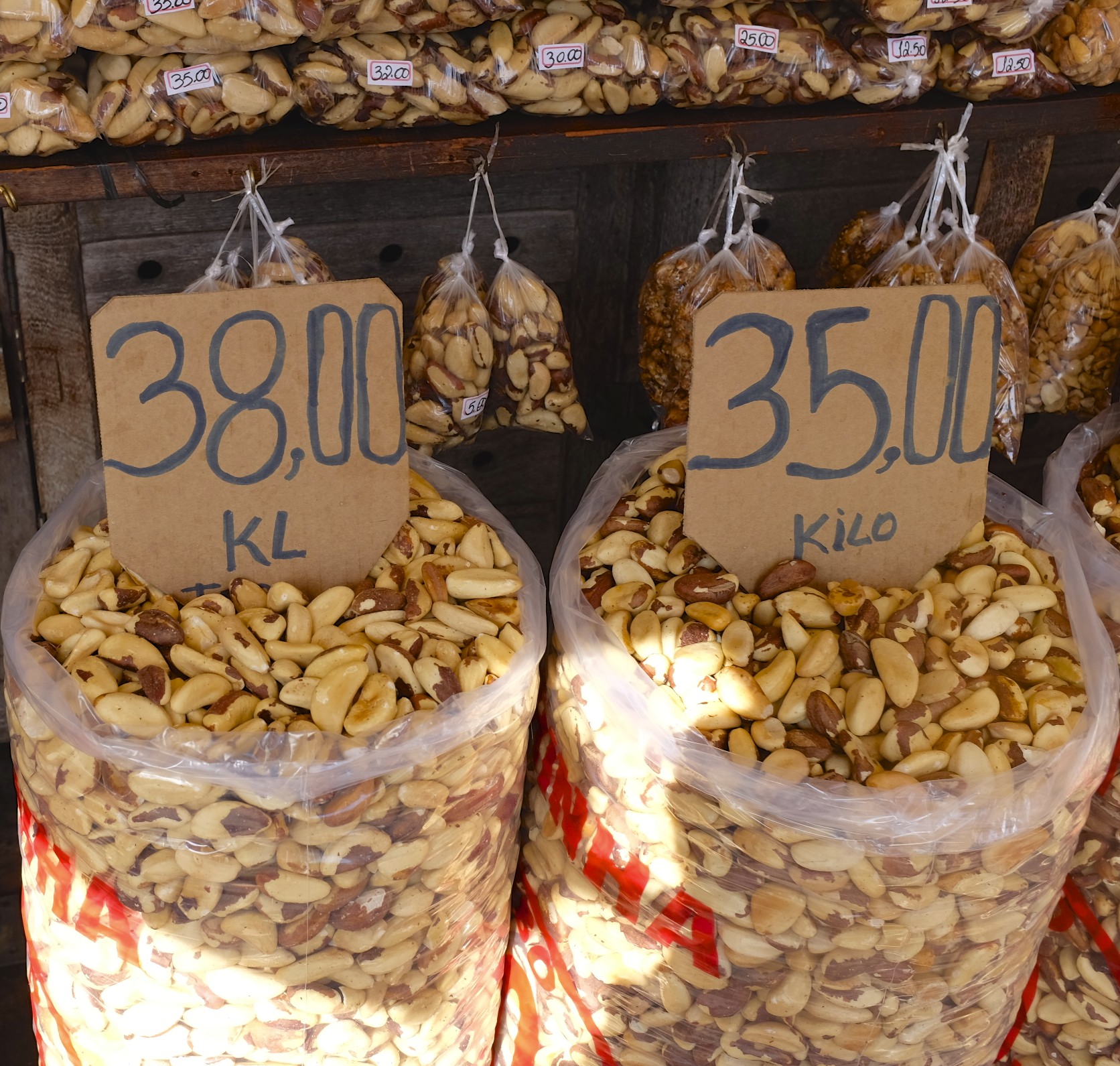
if you’re a fan of large, oily, and irresistibly rich Brazil nuts, you’ll find them all over in Pará, where they’re known as castanhas-do-Pará, and are sold — plain, salted, or caramelized — by vendors on the streets of Belém.

DSCF5121
There are fruits with names like cupuaçu, bacuri, muruci, uxi, taperabá, tucumã, bacaba, and pupunha.

DSCF5141

Wait until you smell and taste them, which you can do in forms that include juices, compotes, jellies, cremes, puddings, liqueurs, and sorvetes.

DSCF5139

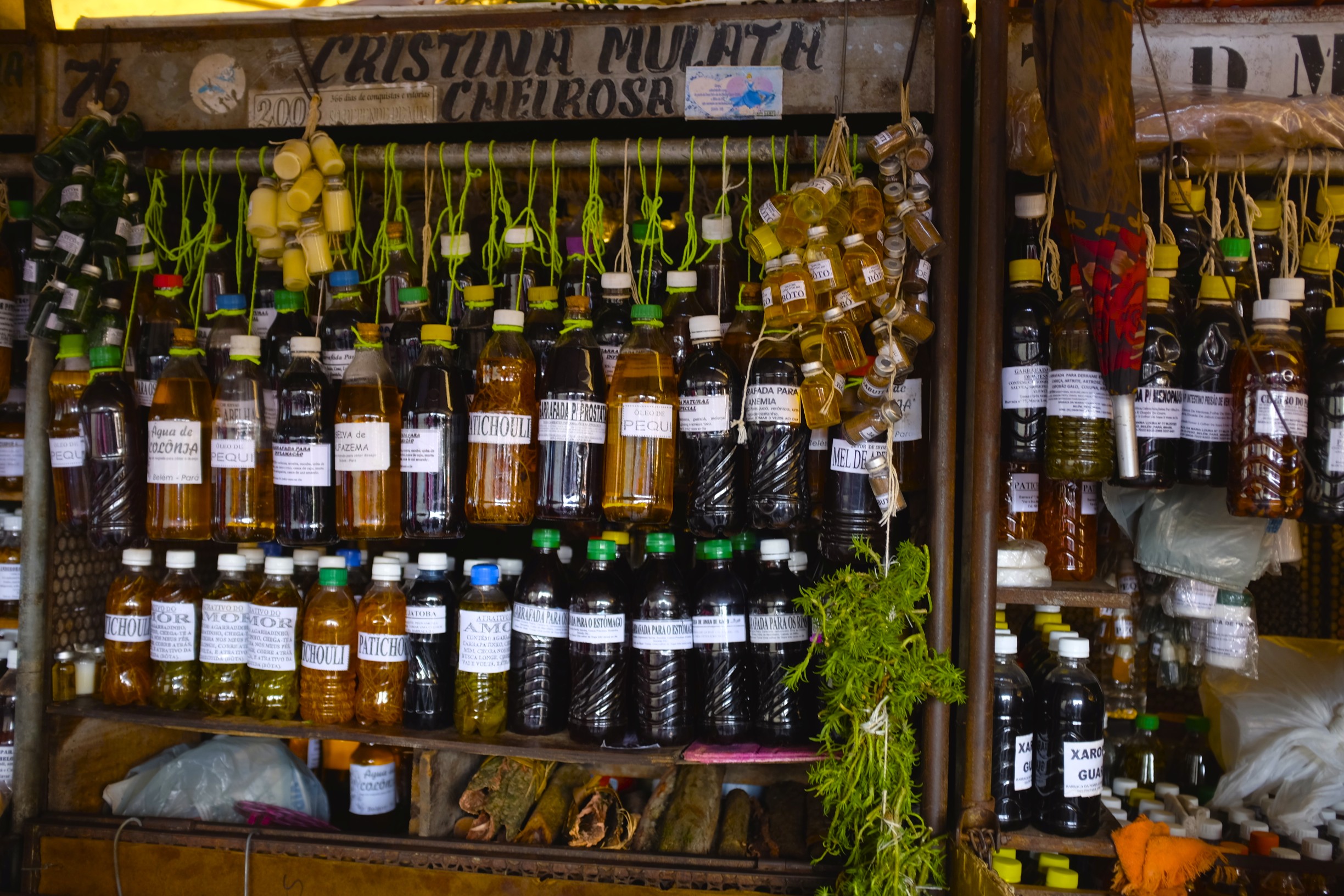
There are herbs that cure everything and many types of natural viagra, different cachacas (Brazil’s liquor used in caipirinhas) and all kinds of stuff used for religious and spiritual ceremonies that look fascinating.

DSCF5177

I could have spent a lot of time with the herb ladies and in those questionable spiritual ceremony stores.

DSCF5180

DSCF5178

Who knows what I would have brought home if I spoke Portuguese?

DSCF5189

DSCF5199

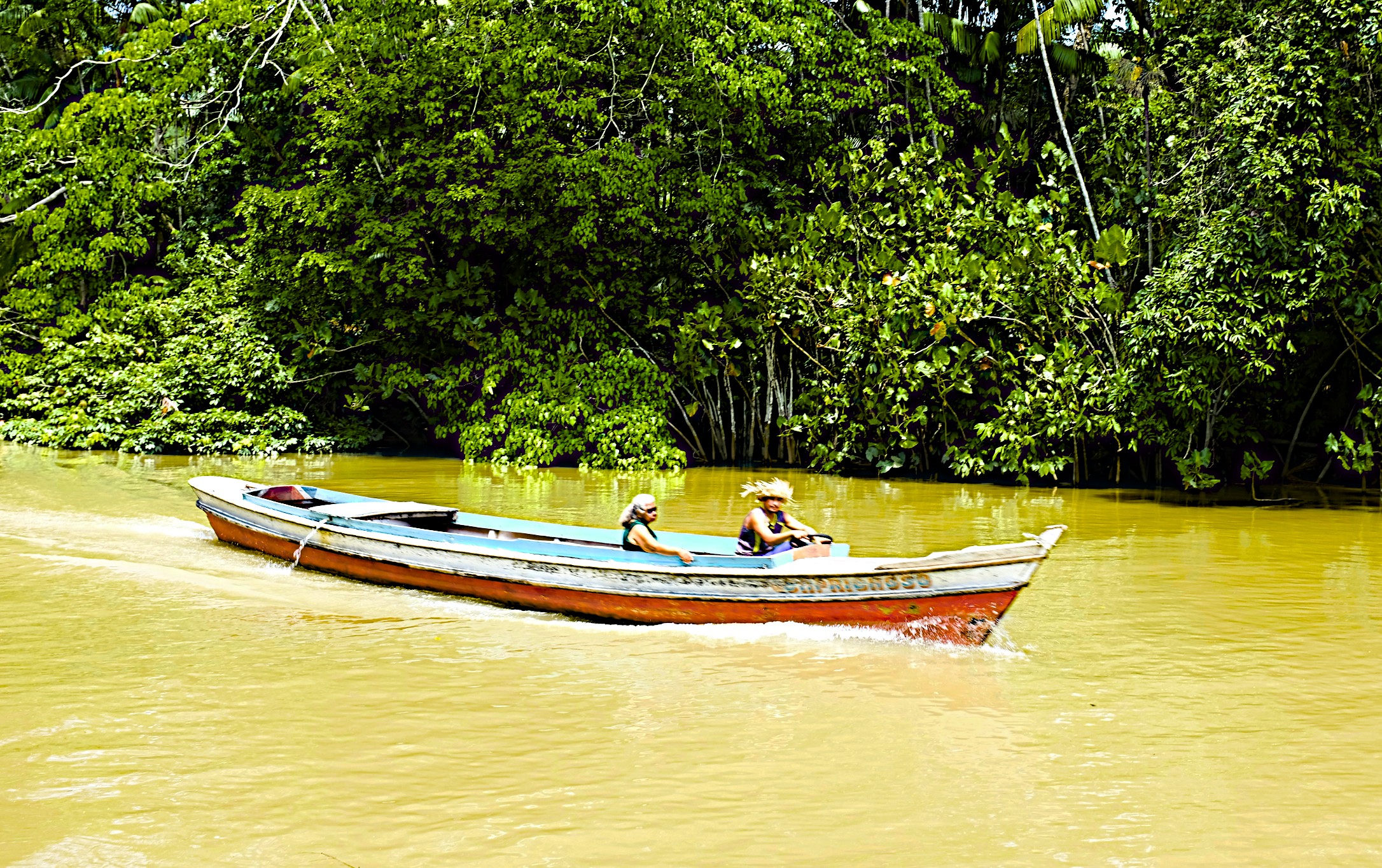
We take a ride through the jungle up the Guama River.

DSCF5232

DSCF5245

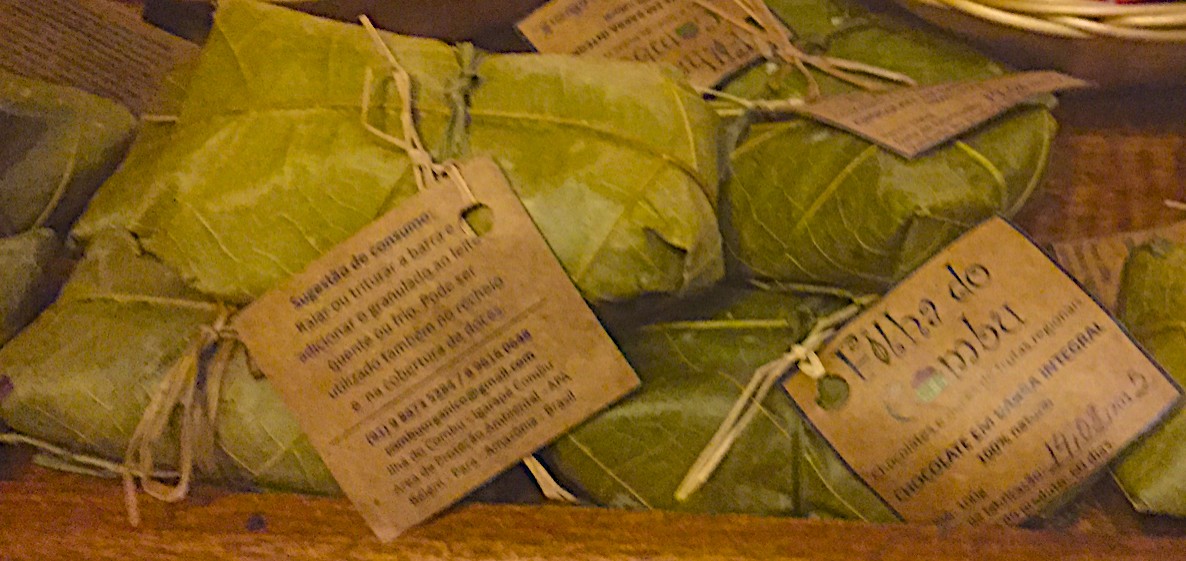
We are headed to the island of Combu where Dona Nena harvests cacao from trees on the island and makes chocolate wrapped in banana leaves and chocolate drinks with carnation milk (my fav).

DSCF5254

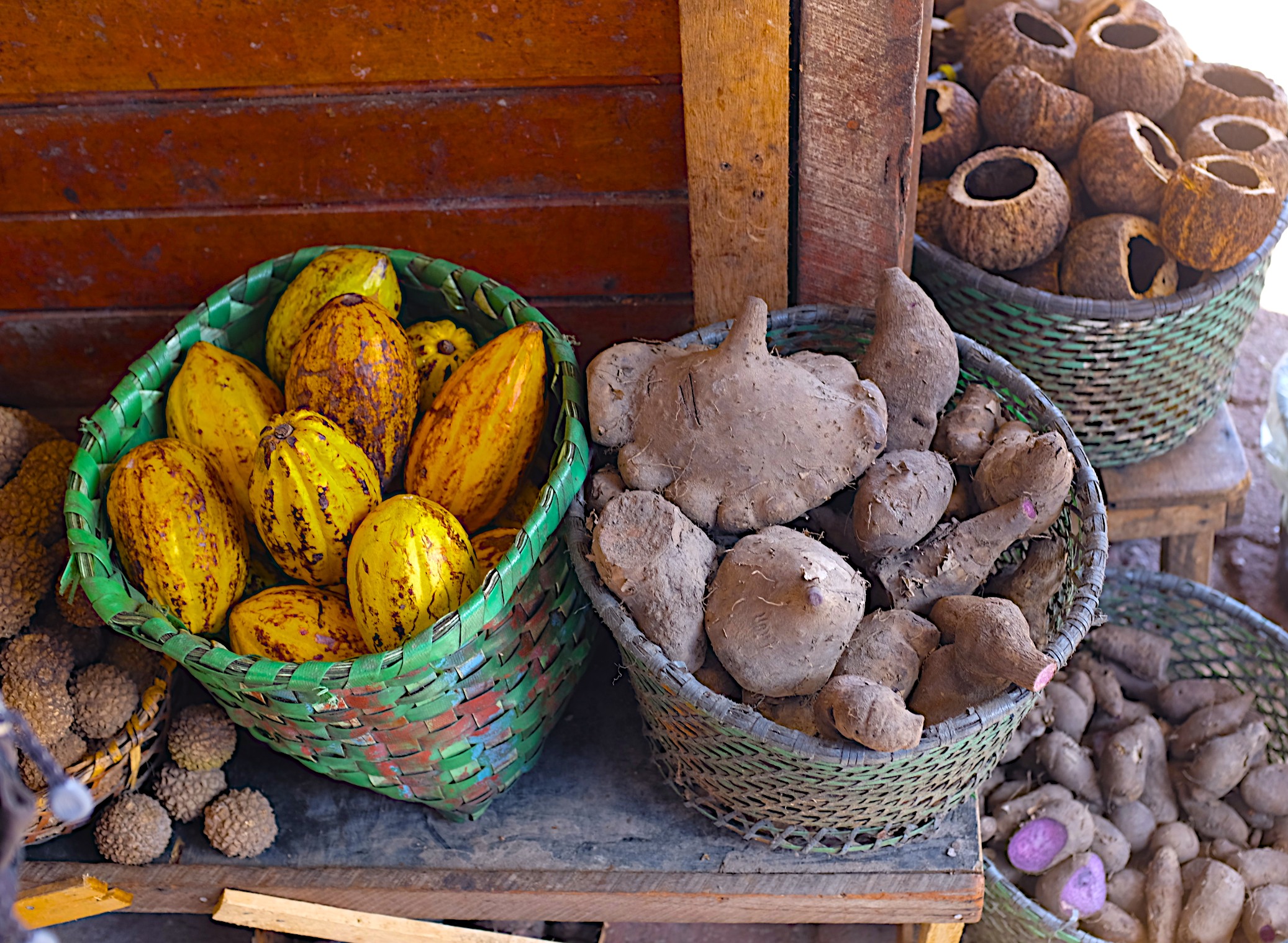
Everything is laboriously and lovingly done by hand – a far cry from the Hershey factory in Pennsylvania I visited as a kid. (cacao)

DSCF5249

While most of the families living on the jungle river make their living harvesting acai and brazil nuts, Dona Nena is bringing back the ancient way of making chocolate and the chefs in Brazil can’t get enough.

DSCF5236

It’s delicious and not too sweet – just the way I like it. Brazilian designer chocolate from the Amazon – why not?

IMG_4495

DSCF5251

One of our dinners was at Romanso do Bosque which is an inviting beautifully designed restaurant. http://www.restauranteremanso.com.br   Indigenous ingredients and traditional Brazilian cooking combined with new ideas was the basis for an interesting tasting menu. Chef Thiago Castanho’s modern take on ancient flavors was creative and delicious. By then, I was starting to recognize the flavors of the Amazon. I tasted the jambu in the tucupi and honey sauced pork sausage (not normally being a meat eater, I loved that one)

IMG_4483

There were shrimp covered in tapioca, balls of fresh fish, smoked Pirarucu and filhote.

IMG_4481

IMG_4486

IMG_4487

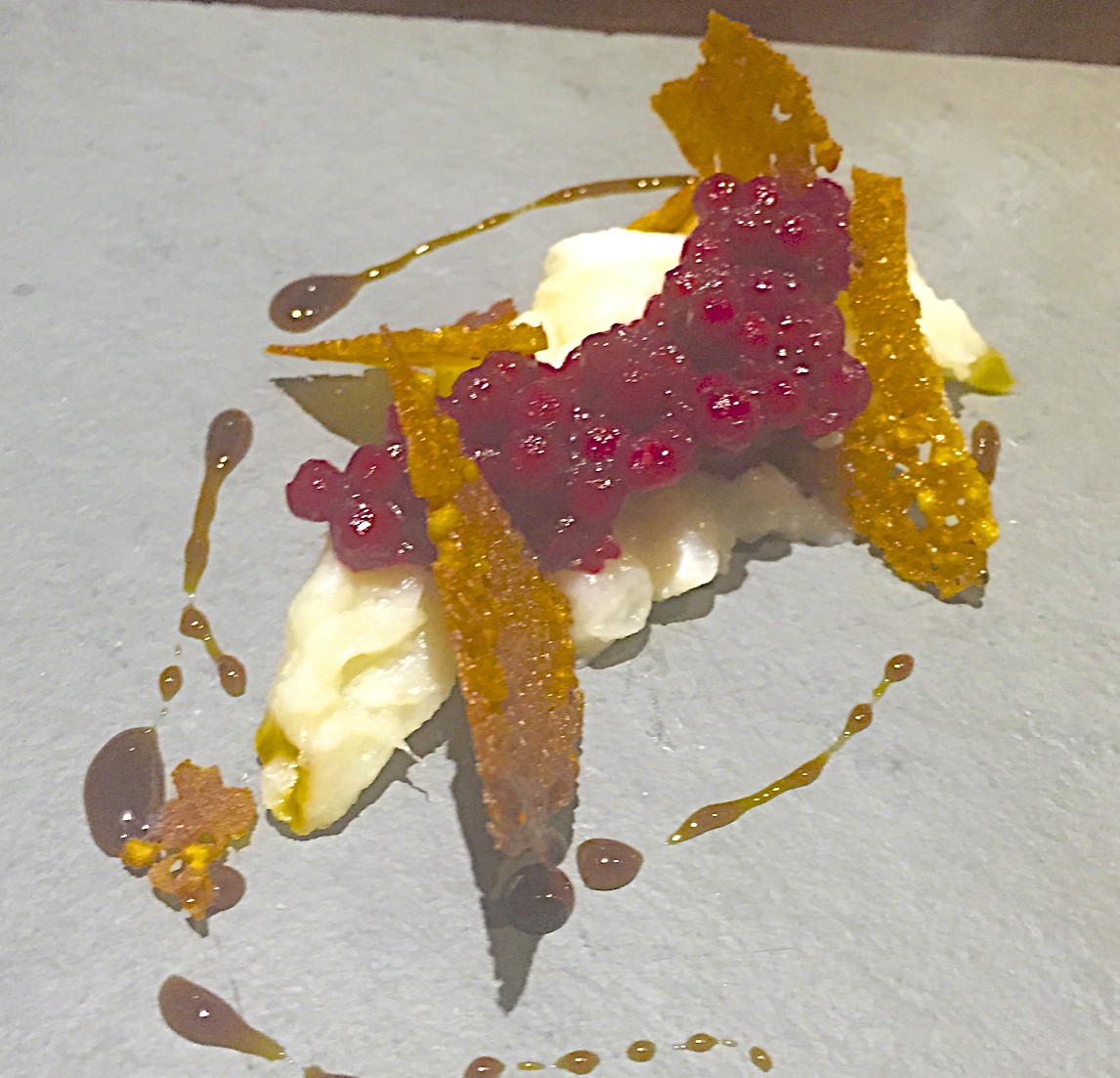
There were two desserts. The first was tapioca, tapioca ice cream and brazil nut sauce.

IMG_4489

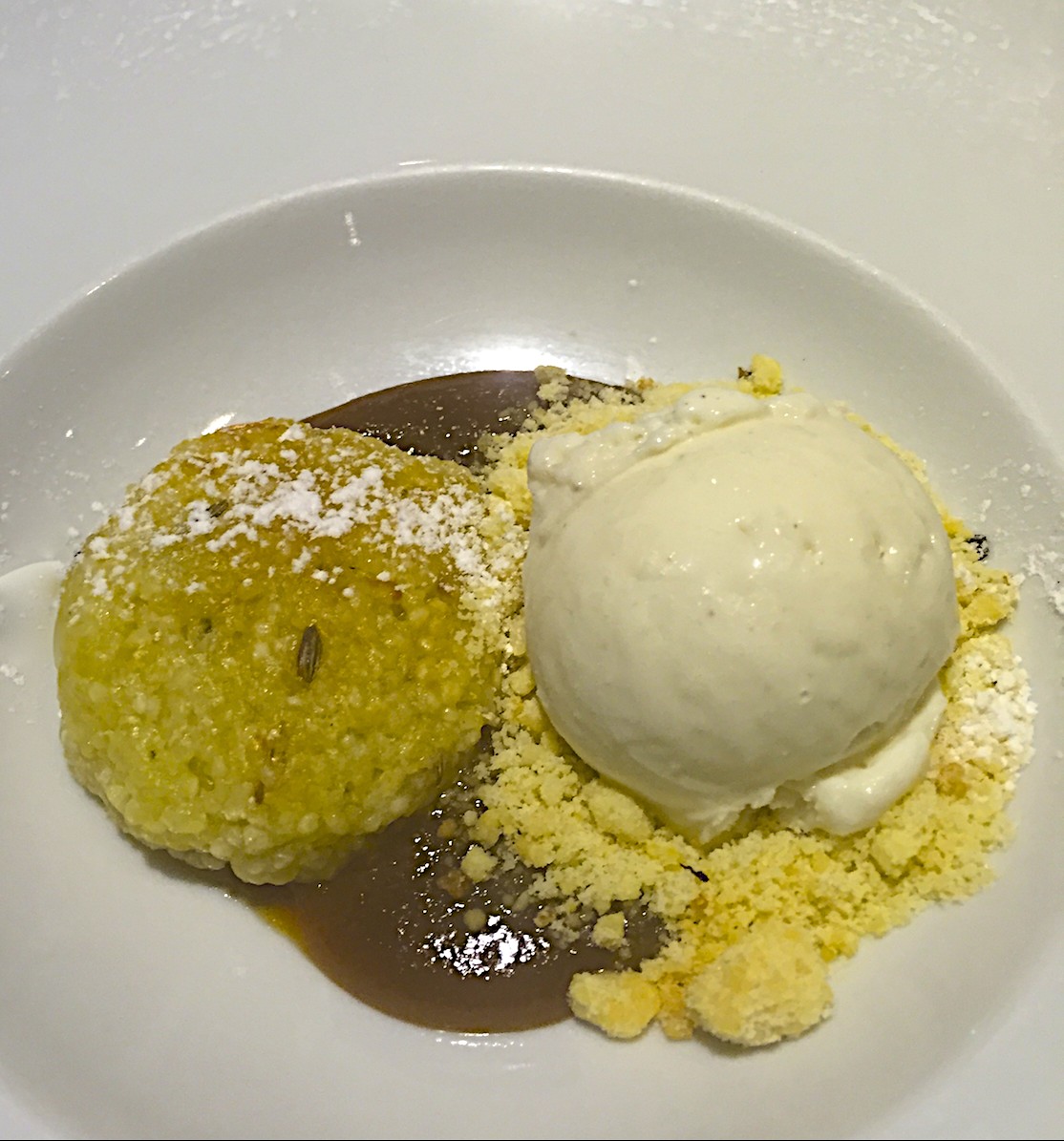
When I couldn’t eat another bite, they brought this. I didn’t even ask what it was but I finished it.

IMG_4492

The flavors of the Amazon are the flavors of the forest and the river. They are in the mystical ceremonies, potions and celebrations. They are in the lives of the fishermen, farmers, ranchers, healers, cooks, musicians and artists. The flavors of the Amazon are the flavors of the myths and stories of the Amazonian natives who came before. I bite off a piece of my modern chocolate from Combu and read about the origin of cassava, fire and the story of the woman who gathered the brazil nuts.

Bom apetite,

JAZ

Food In The Amazon – Belem Part One or How Did They Figure Out That Tucupi Had To Be Cooked For Seven Days To Not Be Poisonous?

Food In the Amazon – Belem Part One or How Did They Figure Out That Tucupi Had To Be Cooked For Seven Days To Not Be Poisonous?

“I have long believed that good food, good eating is all about risk. Whether we’re talking about unpasteurized Stilton, raw oysters or working for organized crime “associates,” food, for me, has always been an adventure.” Anthony Bourdain

When you think of eating food in the Amazon, your mind pictures a few scantily clad natives drinking from coconut bowls. That may happen deep in the Amazon but in the city of Belem they are taking the flavors, food and traditions of the Amazon and serving it to locals, Brazilians and tourists like me from all over the world.

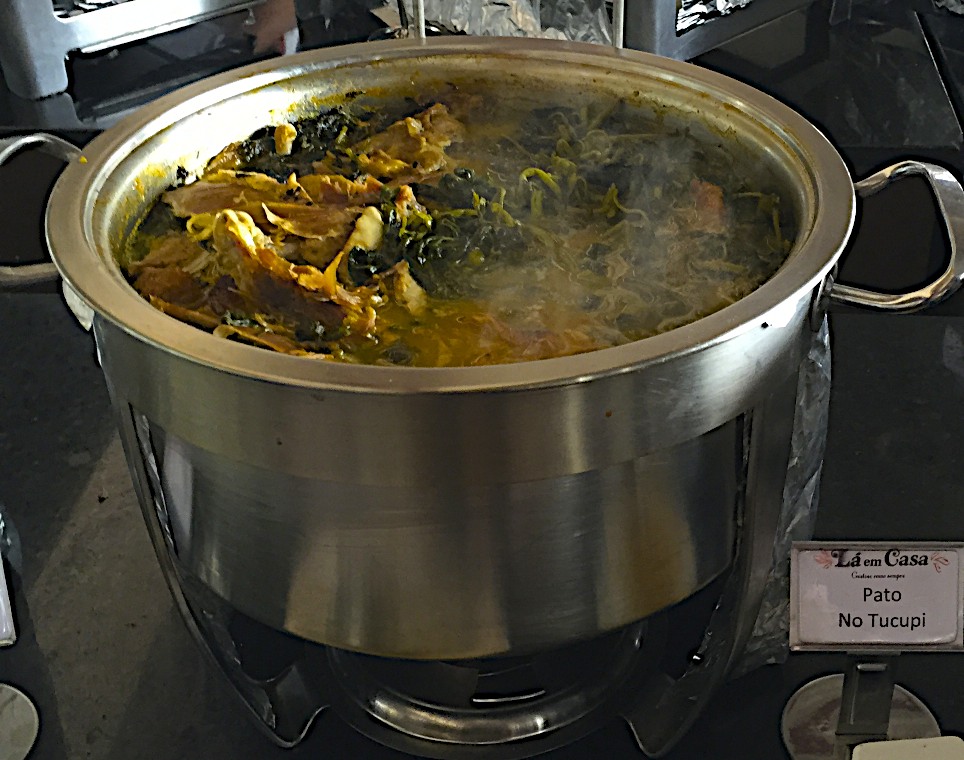
Each of the dishes, ingredients, flavors, and aromas invite us to discover the mixture of the Portuguese, European, Hispanic, Indian, and African influences. Among the typical specialties of Belém you can find “Pato no Tucupi”, made with duck cooked in cassava juice and seasoned with “jambu. (restaurant La Em Casa)

IMG_4423

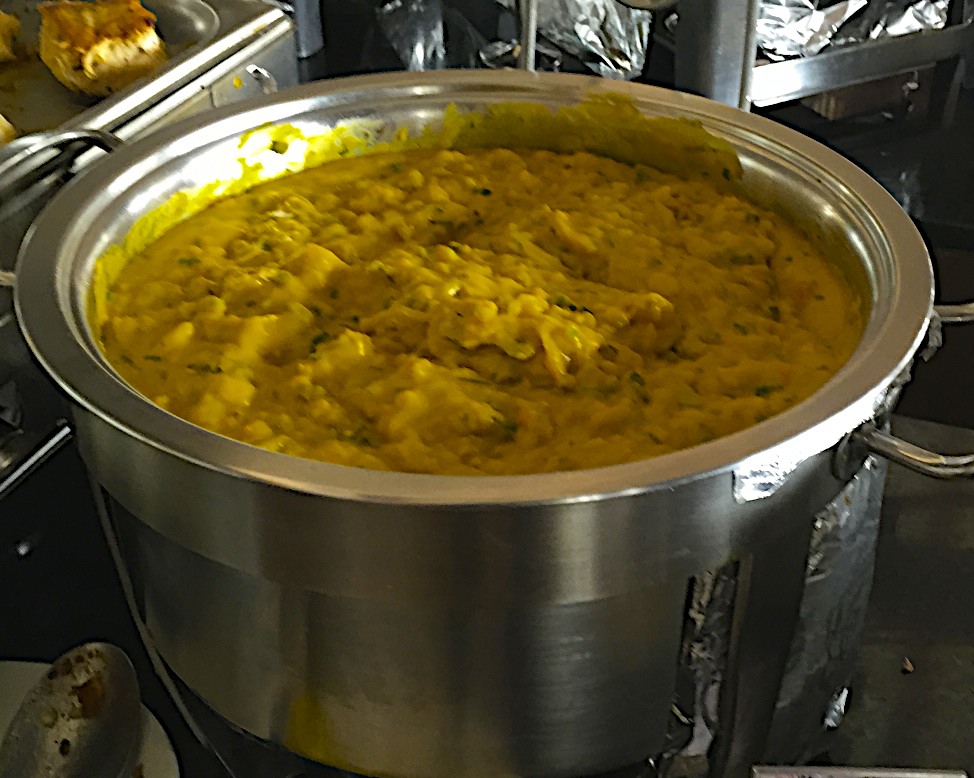
“Vatapá” is a dish made with bread crumbs, ginger, pepper, allspice, peanuts, coconut milk, palm oil, and onion, with a creamy consistency. it is usually served with shrimp, fish, or beef and accompanied with rice. (La Em Casa)

IMG_4424
The region’s rivers and rain forests provide an endless supply of exotic ingredients, and nowhere else in Brazil will you find so much indigenous influence. (Ver O Paso Market)

DSCF5131

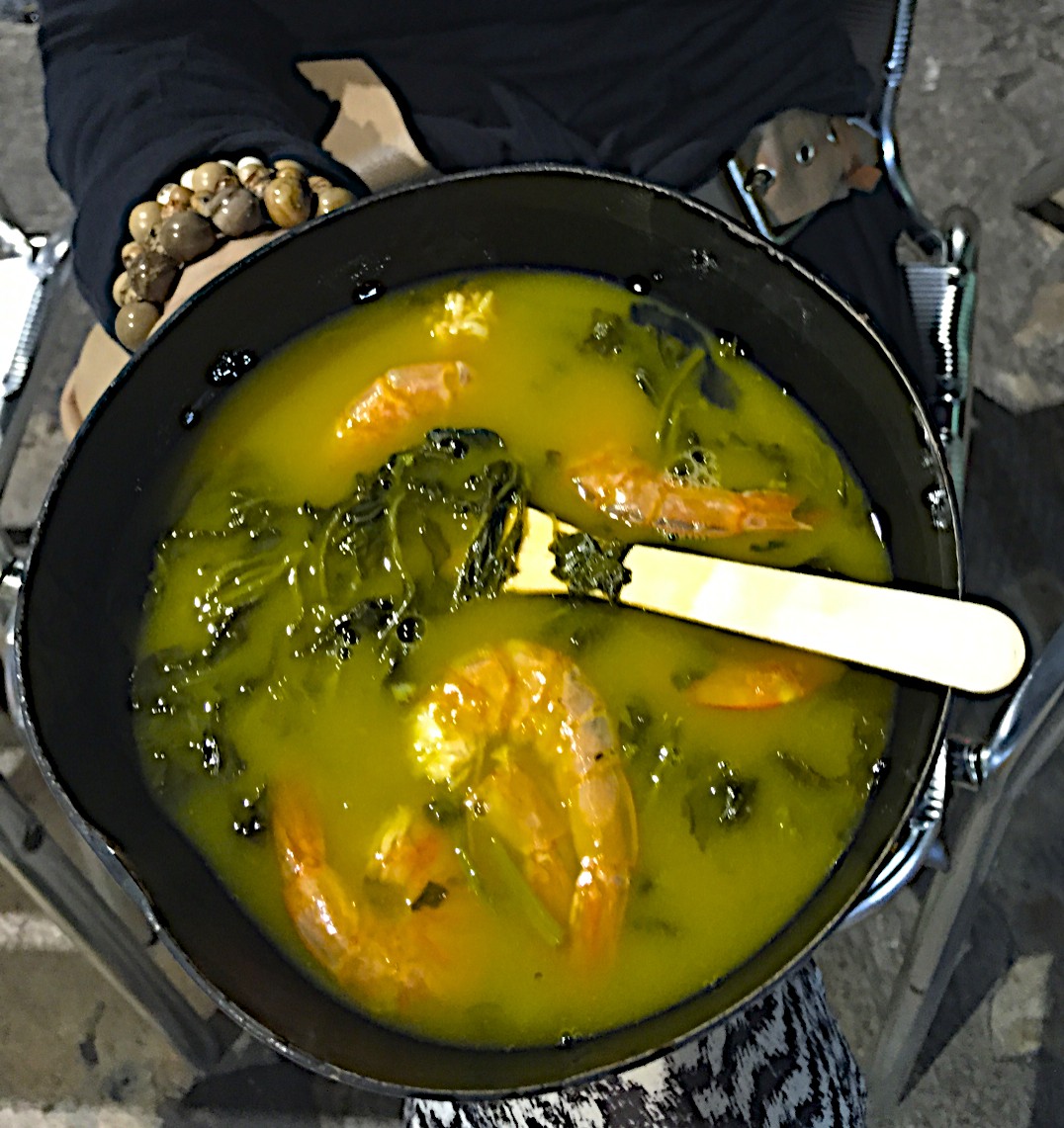
Belém is the Amazon’s culinary capital, and the city’s signature dish, tacacá, is a fusion of the region’s key ingredients. When you mention that you have been to Belem (named for Bethlehem) to a Brazilian they always ask if you tried the tacaca. I was glad I knew what it was. Tacacá is is a soup . It mixes shrimp with tucupi, a thick yellow liquid extracted from the roots of the manioc plant, and jambu, a creeping plant whose leaves when covered with tucupi cause a pleasant tingling and numbness of your lips.

IMG_4520

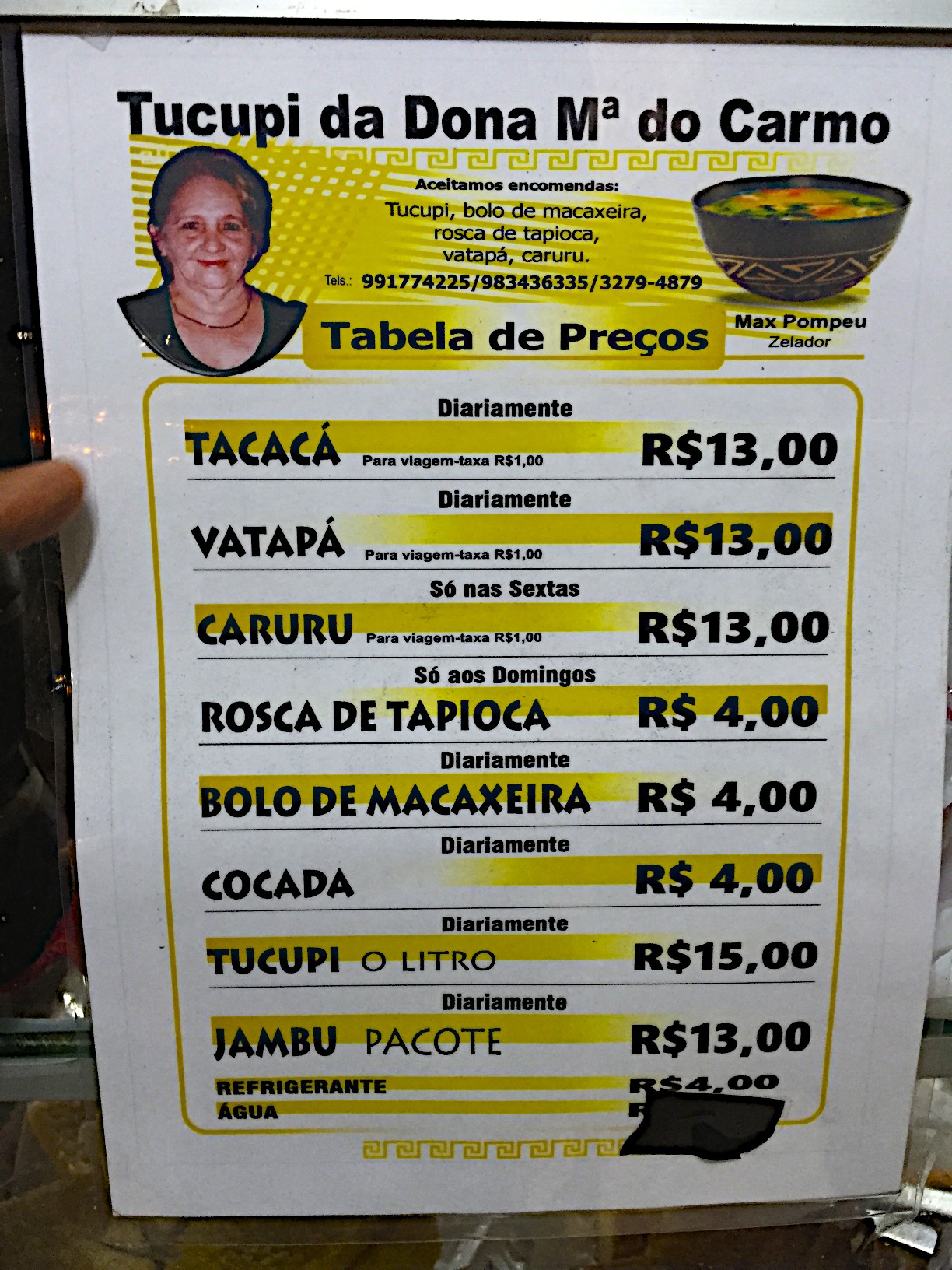
Manioc is also called cassava, yuca ( which is not yucca) or tapioca and is a staple of the Amazonian diet.  The soup is served hot in cuias (hollowed-out gourds) and I brought some of the bowls home.  One of the best places to have it is on the street at the stand of Dona M Do Carmo. It was amazing and one of the most delicious things I have eaten in Brazil.

IMG_4523

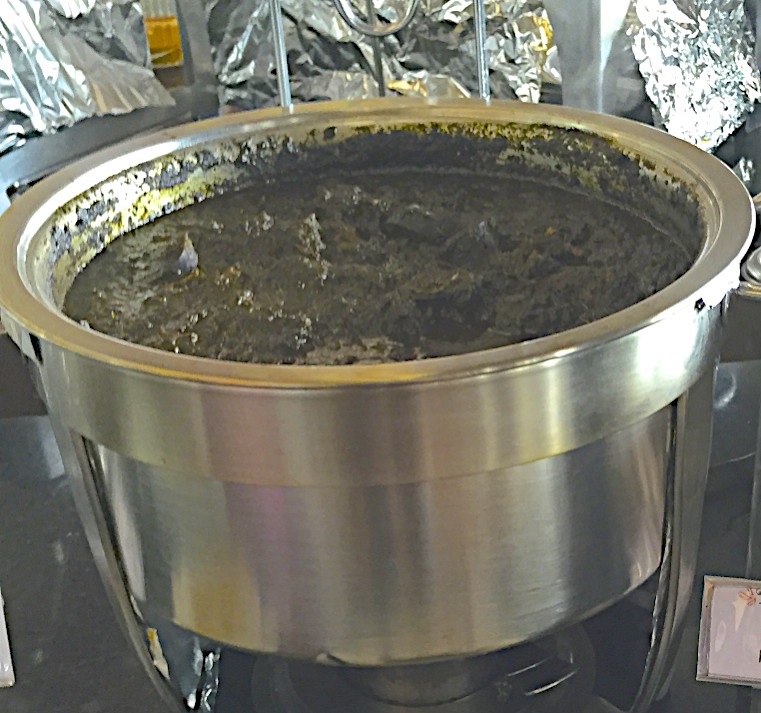
Tucupi (which is cooked for some 12 hours to remove poisonous components) shows up in a lot of Amazonian dishes, such as pato no tucupi, an aromatic duck stew, and maniçoba, the Paraense (Belem is in the state of Para) equivalent of feijoada ( Brazilian signature dish). Different portions of pork and sausage are cooked together along with jambu the dark-green leaves from the manioc plant. (La Em Casa)

IMG_4422

The story goes that the manioc plant has to be cooked for seven days to get rid of the toxins. This involved a lot of group discussion of how that came to be. When someone died after eating it the first day, did the natives decide to cook it for two days and when more died did they decide to try for three etc? How many people died before they came up with seven days and why did they keep trying? Were they using it on their enemies and then it did not work? Did someone forget to turn the fire off and got hungry?

The manioc dough  (it’s a tuber) is pushed through a long woven basket like instrument called a tipiti to get the liquid out. You can buy them in Ver o Peso market on the Amazon River along with my bowls. Such dishes are often accompanied by arroz de jambu (rice flavored with jambu leaves) and farinha d’água, manioc flour that, having been left to soak in the river, has a soft, fluffy consistency.

DSCF5168

The man holding the tipiti was our wonderful guide in the Amazon Osvaldo.  I have many photos of Osvaldo’s hands holding something edible he picked up while we were in the  market or rainforest. Unfortunately I was unable to make notes on my photos of what they were. I knew this would happen. I said I was going to include photos of his hands.

DSCF5123

DSCF5289

DSCF5259

DSCF5263

I am happy to say that  all the tucupi i ate  at every meal was cooked correctly. I am grateful to the Amazonian chefs for doing that .But how did they figure out that it took seven days to get the poison out?

Tenha Uma Boa Viagem,

JAZ

Things I Have Learned In Brazil

Things I Have Learned In Brazil

“The world lies in the hands of those who have the courage to dream and who take the risk of living out their dreams – each according to his or her own talent.” Paul Coelho

The name Brazil comes from the brazilwood tree (which I’m sure I took pictures of but have so many tree photos in the Amazon). In Portuguese it is called pau brazil. The tree produces a deep red dye, highly valued in the European clothing industry and was the first commercially exploited product in Brazil.

The Brazil nut tree is a different tree only found in the Amazon. (Belem)

DSCF5121

Brazil is the only country in South America that speaks Portuguese and the largest Portuguese speaking country. It is very hard to understand Portuguese but easy to read if you speak Spanish. The pronunciation is very different from the spelling that we are used to. Very few people speak Spanish which is interesting considering all their neighboring countries do. They teach English in the schools instead. (Paraty, pronounced para-chee.  We have cold beer and cake?)

IMG_1097

Brazil does not like conflict or war. They don’t even like to say the word war.  When a civil war breaks out they call it a revolution.

Brazil sent three thousand soldiers to World War II reluctantly on the side of Italy and Germany but quickly changed sides when the opportunity presented itself to do so.

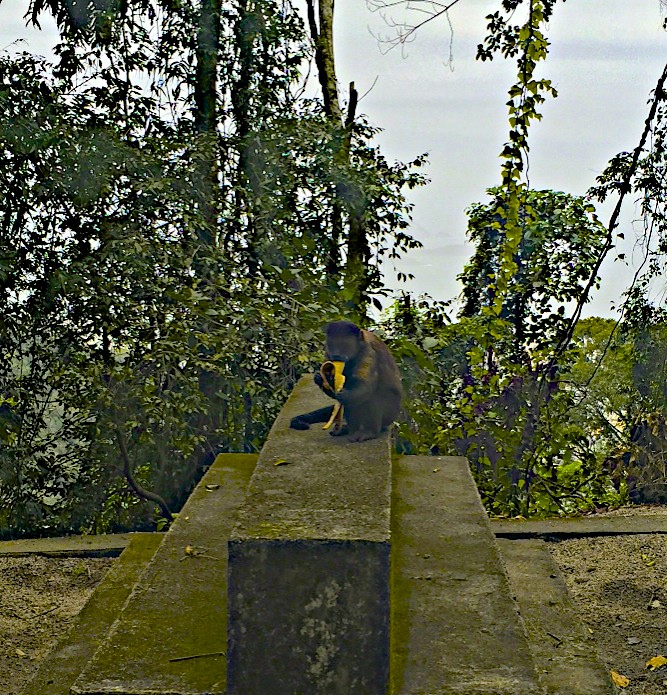
There are more species of monkeys in Brazil than anywhere else in the world. This is a very hungry marmoset. I was being nice and offered to share my banana because I was hungry also. He  came very close to me and started screaming and showing his teeth for the rest of it. They may look cute but they are predators. Everyone else got the good pictures. I was dealing with the banana. Guess who won?  (Rio pronounced Rio)

IMG_5146

Brazilian food is super good. (Belem street food -Tacaca with shrimp and jambu)

IMG_4520

Caipirinha is the national drink of Brazil. it is made with cachaca. (pronounced ca-chasa) (Paraty)

IMG_1135

Brazil’s homicide rate is 25 per 100,000 people. This is the closest photo I had. I was getting a tour of the opera house in Belem when I turned my head and saw a cop with a gun in someone’s back. If it was the US, they probably would have shot him.

IMG_0428

The longest traffic jam in the world took place in Brazil.

There are at least 15 girls in every favela more beautiful than Beyoncé.

Street art is all over Brazil ,from professional or crude to tagging. (São Paulo – Cobra)

IMG_4608

54% of the population has European ancestry.
.
The Acai berry is grown in Brazil, which is believed to prevent cancer, help with weight loss, detoxification and general health issues. There is a lot of acai in the Amazon. It is not a superfood – it is just food usually eaten with dried cassava balls on top or as a juice served in a plastic bag. (Marajo)

DSCF5091

Almost everything from the Amazon can be like Viagra. ( Marajo, turu – grey tree worms -there are many in that tree. usually eaten raw – luckily they ran out of clean water and wanted to wash mine in the river, I declined)

IMG_0286

The highest point in Brazil is Pico da Neblina, which is 2,994 m high.

Brazil is presently one of the fastest growing economies, with an annual GDP growth rate of 5%.

The Brazilian bikini wax was invented in New York in 1987 by 7 Brazilian born sisters .

Brazil produces the most oranges in the world.

The world’s widest road is the Monumental Axis in Brazil. Here, 160 cars can drive side by side!

Brazil has won the World Cup 5 times (more than any other country!) They feel shame from the last World Cup and don’t really want to talk about it.

IMG_5215

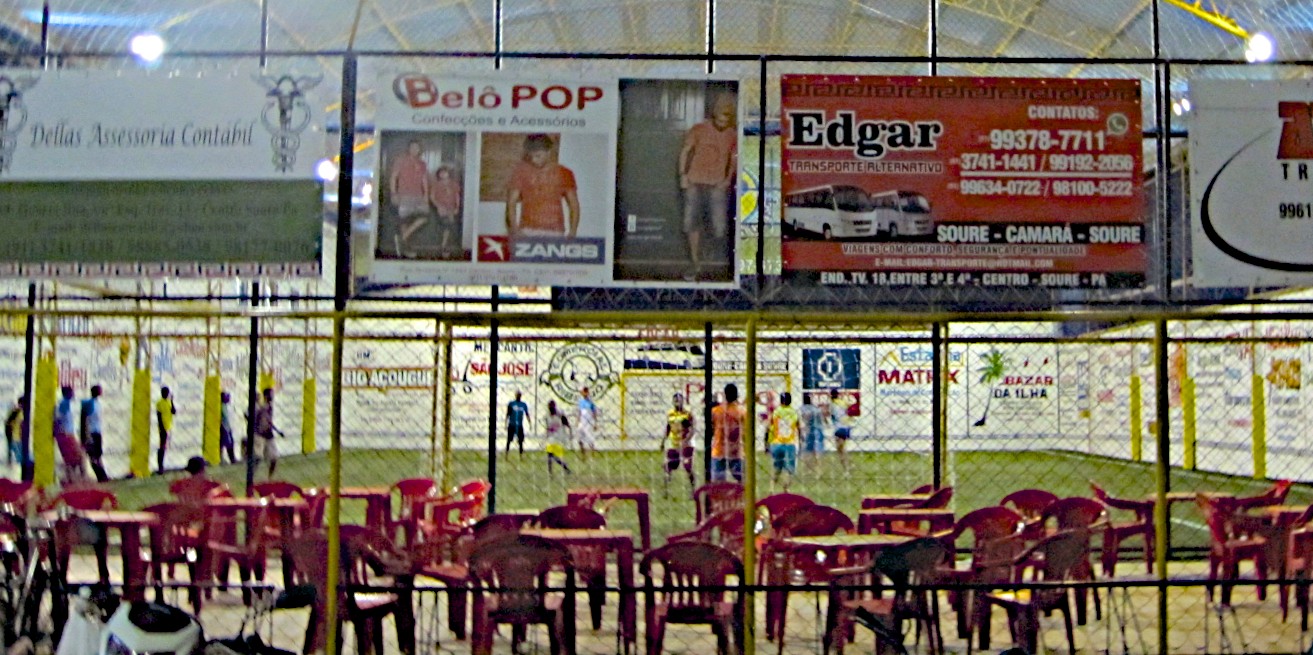
Every city in Brazil has at least one soccer stadium. In 1967, a 48-hour ceasefire was declared in Nigeria so that Federal and Rebel troops could watch the Brazilian soccer legend Pele play on a visit to the war-torn nation. (Soare, indoor soccer)

IMG_0392

Coca-Cola in Brazil sponsors a Pele museum on wheels that travels across the country.

IMG_5265

Brazil has never lost a game when Pele and Garrincha played together. Kaka paid for his brother’s education at the best college in São Paulo before Rodrigo himself became a football player.

Kaka was twice voted as Brazil’s sexiest footballer. In 2005, a Nike ad starring Ronaldinho was the first video on YouTube to break 1 million views.

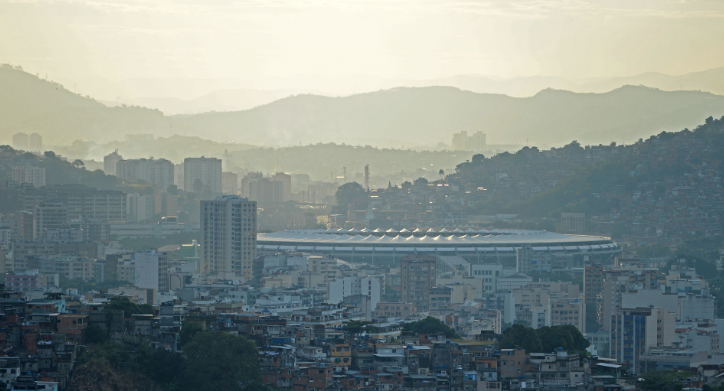
Brazil has the largest stadium in the continent – the Maracana Stadium.

Screen Shot 2015-09-07 at 9.24.11 AM

It is another one of those countries that knows how to blow dry curly hair straight very well. (Sao Paulo)

DSCF5327

It has the second highest number of airports in the world.

Brazil has a drink named after Jesus.

IMG_5295

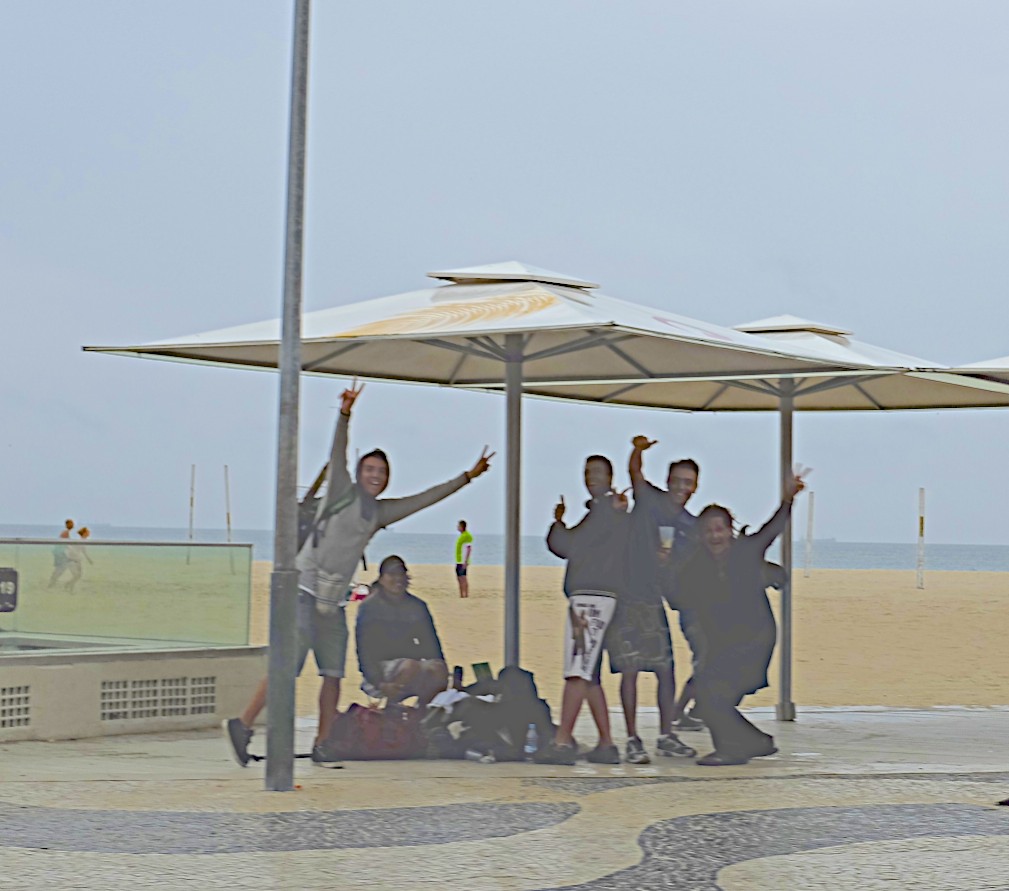
In Brazil there is a new futbol beach volleyball where they don’t use their hands. (players in Rio at Copacabana Beach posing)

DSCF5716

It is one of the world’s leading producers of hydroelectric power.

Brazil has the fifth highest number of visits from the pope in the world.

Brazilian women attained the right to vote in 1931.

Brazil is the 5th country to make seat belts compulsory.

Brazil literacy rate is 86.4%- the lowest in the continent.

IMG_5103

Brazil shares a border with every country in the continent except Chile and Ecuador.

The motto of Brazil is “Order and Progress”.

Brazil has the longest beach at 7500km.( Marajo – not the longest but long and beautiful)

IMG_0328

Brazil has the most number of species on the continent. (Marajo – vulture flying over not the longest beach)

IMG_0322

Brazil has the highest number of AIDS victims in the world.

Brazil has the ninth highest number of billionaires in the world.

A Brazilian model is considered one of the most gorgeous women in the world.

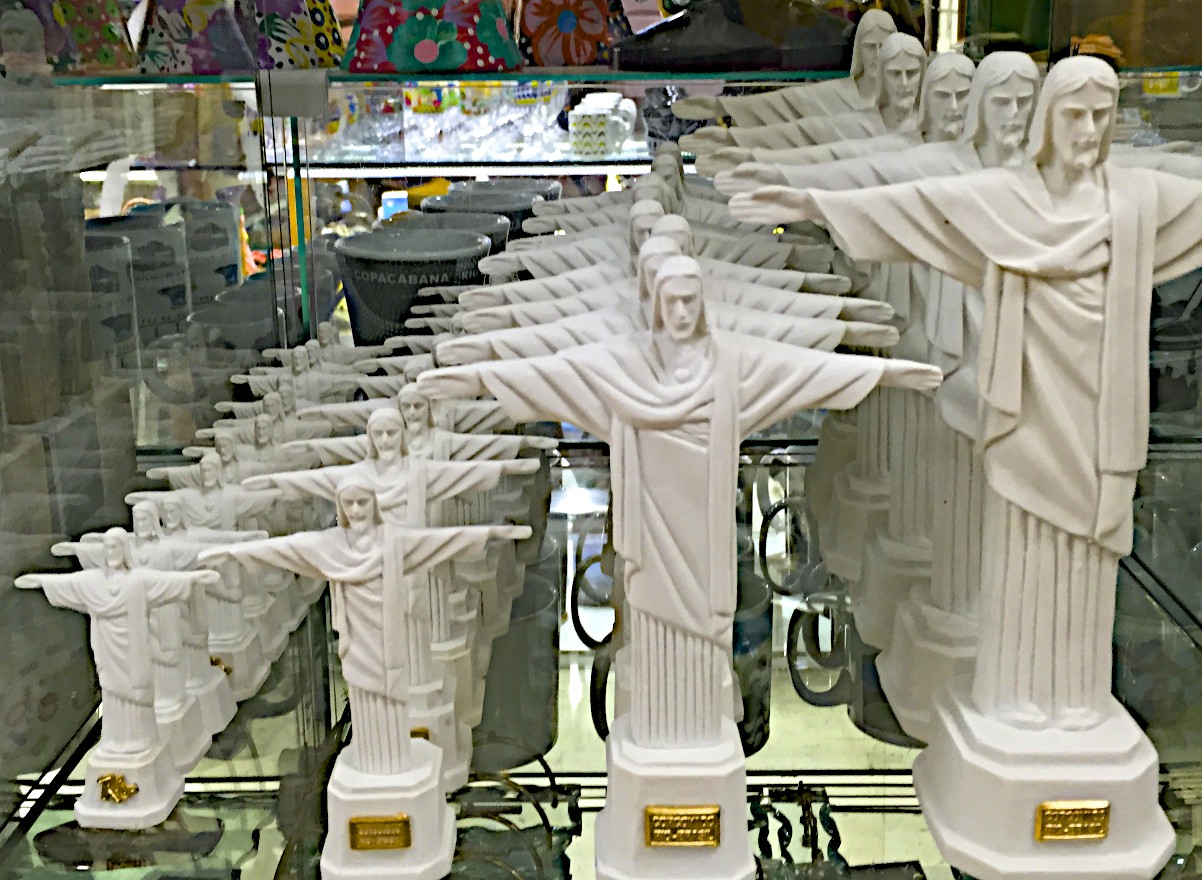
There is no official religion any more in Brazil. There are a lot of these statues around Rio.

IMG_5218

The Portuguese were very different colonizers than the Spanish. They immediately intermarried with the Indians and the first Brazilians are born. Brazil really is a melting pot of races, foods, religions and cultures.

The currency of Brazil has both horizontal and vertical pictures.

Brazil is the longest country in the world, spanning about 2,800 miles from north to south via land.

I loved Brazil and I’m already planning to go back next year. I can say good morning, good evening, thank you, you’re welcome, goodbye and soy milk in Portuguese so I think I’m good. (Paraty)

IMG_1002

Obrigada and Ciao,

JAZ

Ten Reasons To Go To Brazil

Ten Reason To Go To Brazil

“I can choose either to be a victim of the world or an adventurer in search of treasure. It’s all a question of how I view my life.” Paulo Coelho (yes he is Brazilian)

1. The beach – there are over 1500 beaches and five hundred islands.

2. Amazon Rainforest and Eco Tourism –  It is important to support and help preserve our environment in a responsible way.

3. Sao Paulo Street Art – It’s my thing.

4. It is the home of the acai berry.  If you live anywhere that is health trendy like LA, acai is the food of the moment. It comes in a bowl or in a drink as far as I can tell. No one really knows why it is healthy – kind of like the chia seed. You order it at a trendy expensive juice bar in a voice that sounds like you just know. I’m shallow like that. I’m going to learn the  Brazilian way to pronounce it as well so I can correct all the wannabe healthy people.

5. Christ the Redeemer statue in Rio De Janeiro. It’s one of those iconic Brazilian symbols that I always see in photos and movies and wonder if I will ever be there.

6. It’s another one of the best coffee in the world countries. Those are my favorite.

7. I can practice my Spanish. I mean because I will have the time. They speak Portuguese in Brazil. The languages sound similar to us because they are romance languages and not English. I am hopeful that as in any country but America people speak more than one language and Spanish will be one of them. Otherwise I will rely on my third language of hand motions and charades.

8. I’m not a big drinker but I do love Caipirinhas which happens to be the national beverage of Brazil. It is made with cachaca a sweet Brazilian rum made from sugar cane, lime juice and more sugar. I feel as with all cheap liquor now, the market is changing and when I get to Brazil there will be many premium cachacas to try.

9. Capoira combines dance, martial arts, music and acrobatics. It is known for quick and complex moves, using mainly power, speed, and leverage for a variety of kicks, spins, and highly mobile techniques. It was started as a fighting technique between African slaves who were forced to fight each other. They found a way to make dance like fighting.

10. The yellow soccer jersey. My first live professional soccer game was in Buenos Aires and I have been hooked ever since. Though they lost the World Cup on their home turf and were humiliated by Germany, they have still won more World Cups then any other country. It is the “o pais do futebol.” – the country of futbol.

Tenha Uma Boa Viagem,

JAZ
JAZ