‘If God had really intended men to fly, he’d make it easier to get to the airport”. ~George Winters
I love hanging out in airports. It means I’m going somewhere. It’s a comfortable transitional place for me. Even in the most foreign feeling country an airport feels like an airport.
1. Buy trashy magazines.
2. Try a new kind of gum and if it’s a foreign country add in different kinds of sweets and snacks. Use up all my foreign coins.
3. Shop or look. Even if it isn’t Heathrow, Tokyo, Bangkok or Hong Kong there are always fun stores in airports no matter how small. I love the tourist gift shops to see what they think you should be bringing home. Heathrow has great sales in July in their designer stores.
4. If it is Heathrow,Tokyo or Bangkok get a massage or get my nails done. Yes it’s weird doing that in front of strangers but it passes the time.
5. Sit in the lounge, check my emails, listen to music, read, write my blog and sleep.
6. If its Miami – have Café Cubano, LA – Chaya Brasserie, Chicago – Einsteins bagels, London – Gordon Ramseys Plane Food, Boston – Legal Seafood and Hong Kong – Hungs Delicacies. When I am in Tokyo I buy green tea Kit Kats like everyone else does. . In all other airports, explore!!!!!!!! Try some food place that isn’t Subway or Mcdonalds.
7. Try to guess where people are going. Try to guess what Asian language they are speaking or what Spanish-speaking country they are from. Speak in a fake foreign language and watch people try to guess what language I am speaking. Pick out the people who might be terrorists.
8. Try to guess who’s carry on luggage is bigger than regulation size and will they get stopped. Try to guess by looking at them what kind of stuff they have packed in their carry on luggage, why they bought or borrowed that particular piece of luggage and how they fit everything in.
9. If it’s early in the morning wait on the line at a Starbucks – that could take a half hour in a large airport. If I’m bored I’ll change my drink order a few times and ask questions. I’ve always wondered about people who do that. Are they just looking for someone to talk to or are they really so undecided about coffee?
10.Take a moment to be grateful that I’m in an airport and going somewhere,
“To create a garden is to search for a better world. Whether the result is a horticultural masterpiece or a modest vegetable patch, it is based on the expectation of a glorious future. This hope for the future is at the heart of all gardening.” Marina Schinz
Nothing says hipster in a trendy city neighborhood more than an urban garden plot. Twenty to forty somethings who work in technology, startups or hedge funds are out there on the weekends digging in the dirt.
But urban organic gardens are showing up in some surprisingly unhip neighborhoods in countries around the world. People who don’t have access to a nearby Whole Foods and weekend farmer’s markets are growing food for themselves and their communities. It is changing their lives and the lives of the people around them.
The favelas (slums) of Brazil started after the ‘Guerra de Canudos’ (Canudos War) in Bahia (1895-1896). Government soldiers, who had lived among the favela trees, marched to Rio de Janeiro to await their payment. They settled on what is one of Rio’s hills and renamed the hill ‘Morro da Favela’ after the shrubby tree that thrived at the location of their victory. The government never paid and the soldiers never left and so the first favela came to be. The freed slaves in the late nineteenth century had nowhere to go so they built shacks and were squatters on public and private land. Urbanization in the 1950’s brought mass migration from the countryside for opportunities and employment. The favelas became settlements for the urban poor in the hills of the cities.(Rio)
The poor people began to erect hundreds of shantytowns without sanitation, police or electricity. The shacks were made with what they could find, wood, corrugated aluminum and if they were lucky bricks and concrete blocks. Problems of drug trafficking, gangs, crime, disease, government and police corruption, malnutrition, overcrowding, housing and land safety were rampant. Favelas in Rio are easy to spot. It is a word you will hear during the Olympic coverage because they are very present in the city.
In São Paulo they are on the outskirts of the city. Eventually the Brazilian government stepped in and though the land that most of the favelas are on are considered illegal and unsafe for housing, the city put in electricity and sanitation. They are trying to clean them up and build better housing and public programs but with so many people living below the poverty line it is an ongoing process.
How does change happen in communities like these? It happens by creating programs that teach problem solving, teamwork. financial responsibility and job training. Programs need to be focused on physical health and well-being. You have to involve the local community. The people who live in the favelas have a build your own mentality and a do it yourself community spirit so the right kind of help can make a difference, .
Cities Without Hunger is building community organic gardens in the favelas in the East Zone of São Paulo. They developed community gardens, school gardens and greenhouses on public and private unused land. The gardeners are selling their fresh vegetables to the residents in the favelas at a fair price. Some restaurants have bought as well but the community comes first. I was lucky to be given a tour of a few of the gardens by Hans DieterTemp, Jonas Steinfeld and the people in the favelas who proudly and successfully run their gardens and produce business. Jonas Steinfeld came as a volunteer from Germany and has stayed on as an employee. We were glad to have him translating.
We saw three gardens The first was Horta Sao Mateus. Four families take care of it. It is run by Genival de Farias who spent a long time explaining how the garden worked.
Senhor Genival was talking about the fact that no one wants to use the land under the power lines so that is where they put their garden.
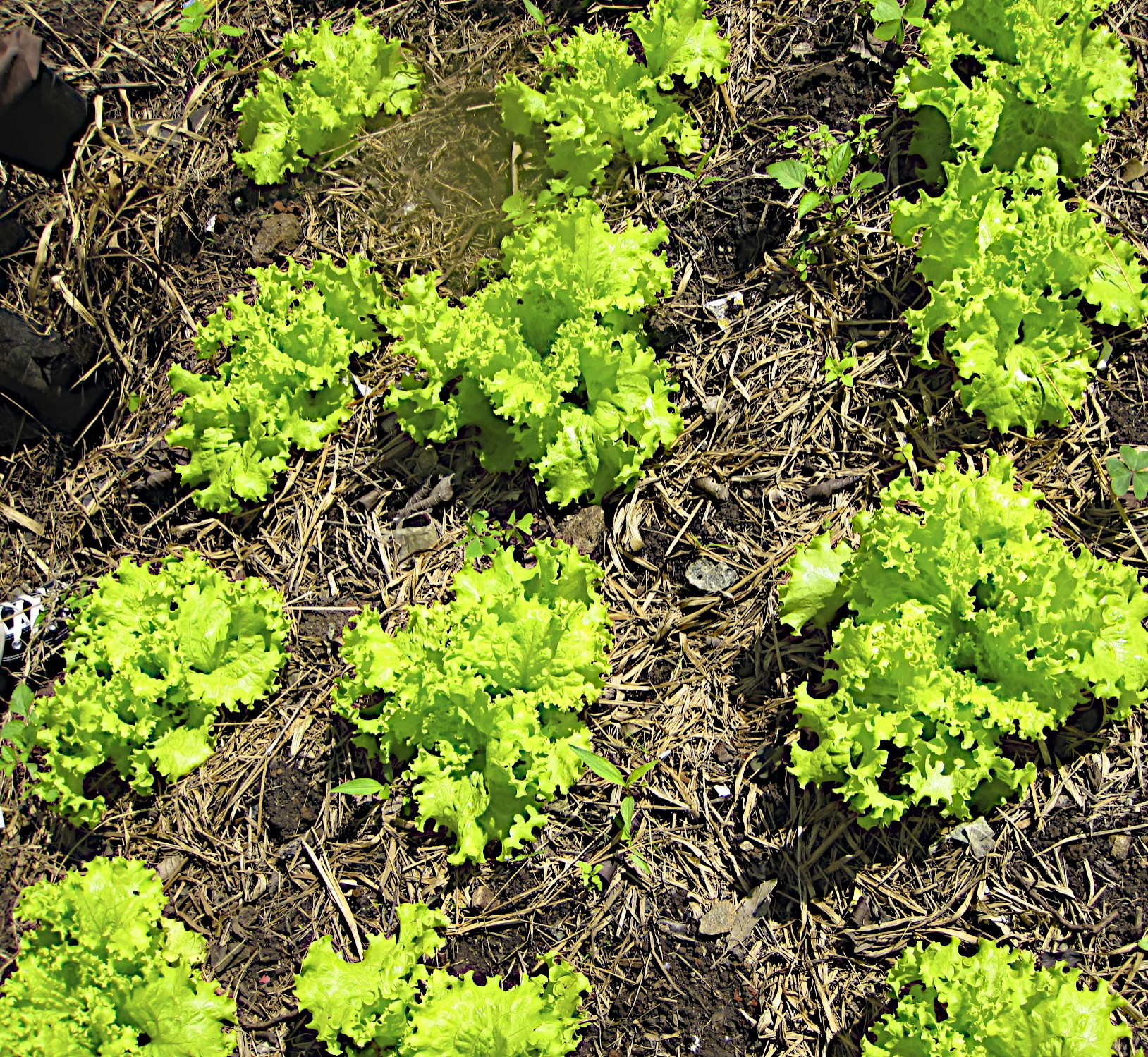
They grow mostly leafy green vegetables which I was told grow fast which makes them a good thing to plant. They also have a variety of medicinal herbs and organic bananas.
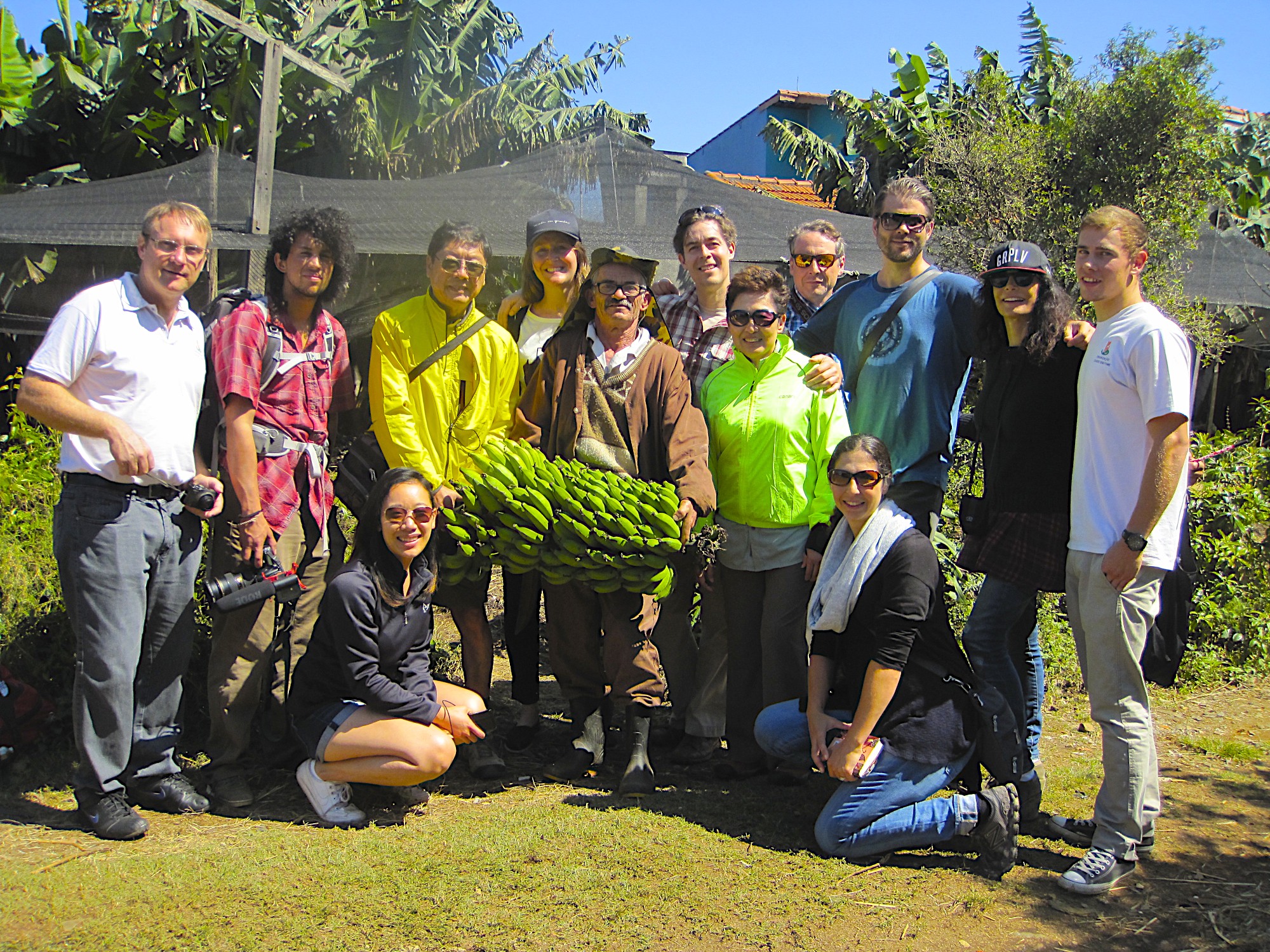
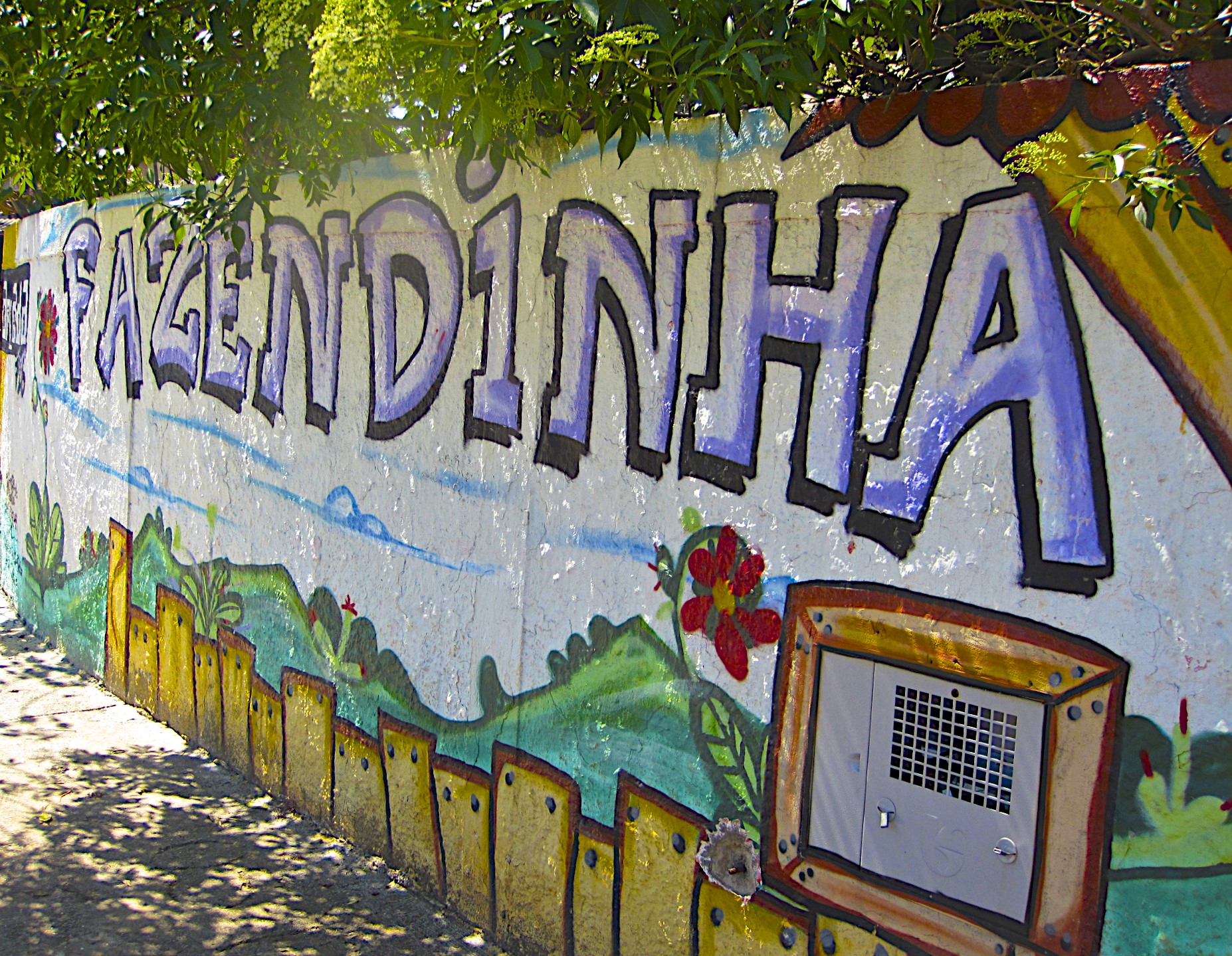
The second garden was Horta Fazendinha Imperador.
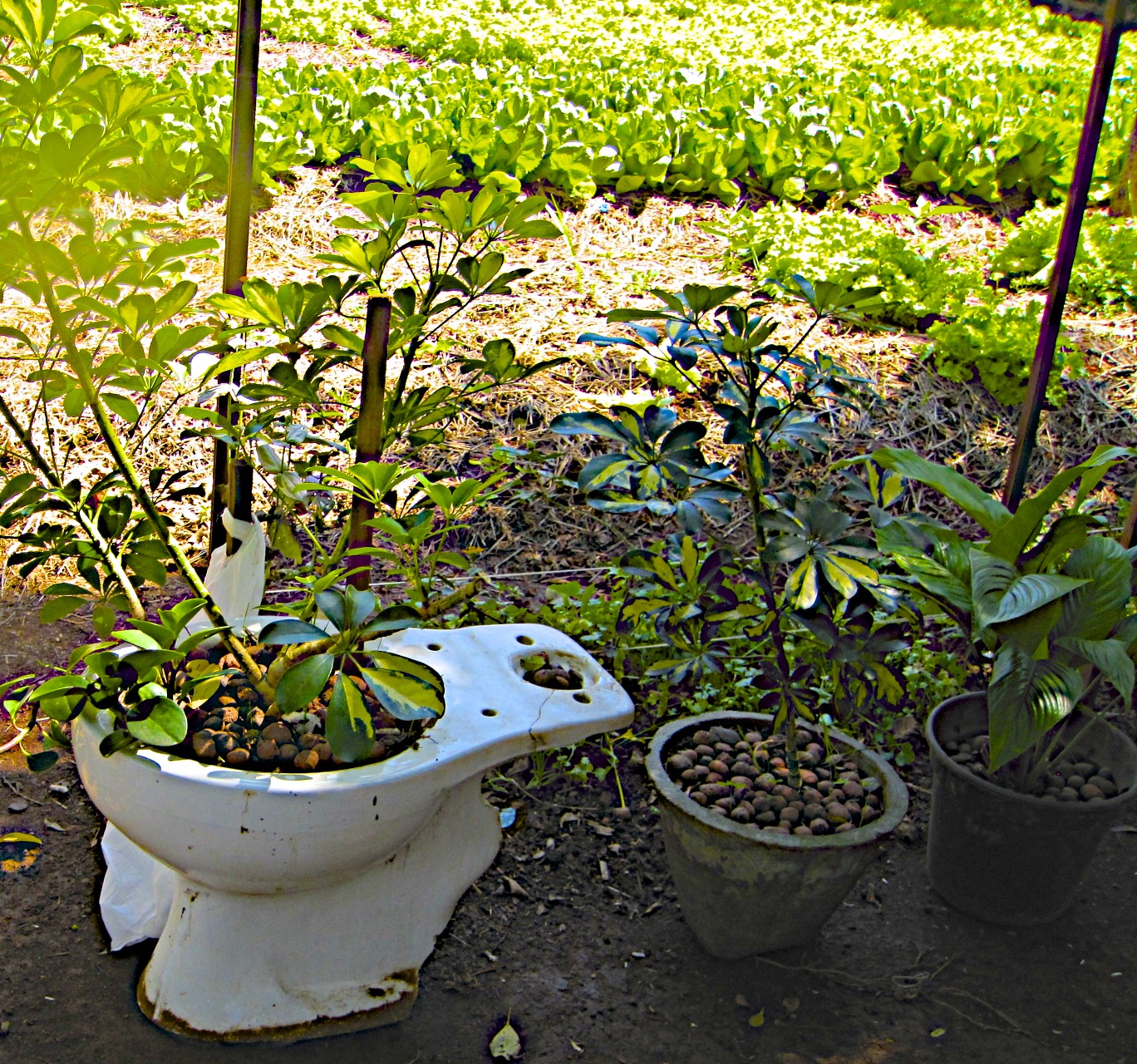
This one was run by Jose Vieira Aparecida and his family. (Anyone who knows me, knows how much I love that pot).
It was his mother who started to plant herbs on this abandoned area and Cities With Hunger helped them turn it into an urban farm. (happy customers)
They plant lettuce which they say sells best in the neighborhood. Señhor Jose told me that he used to be very fat and unhealthy until he started working in the garden.
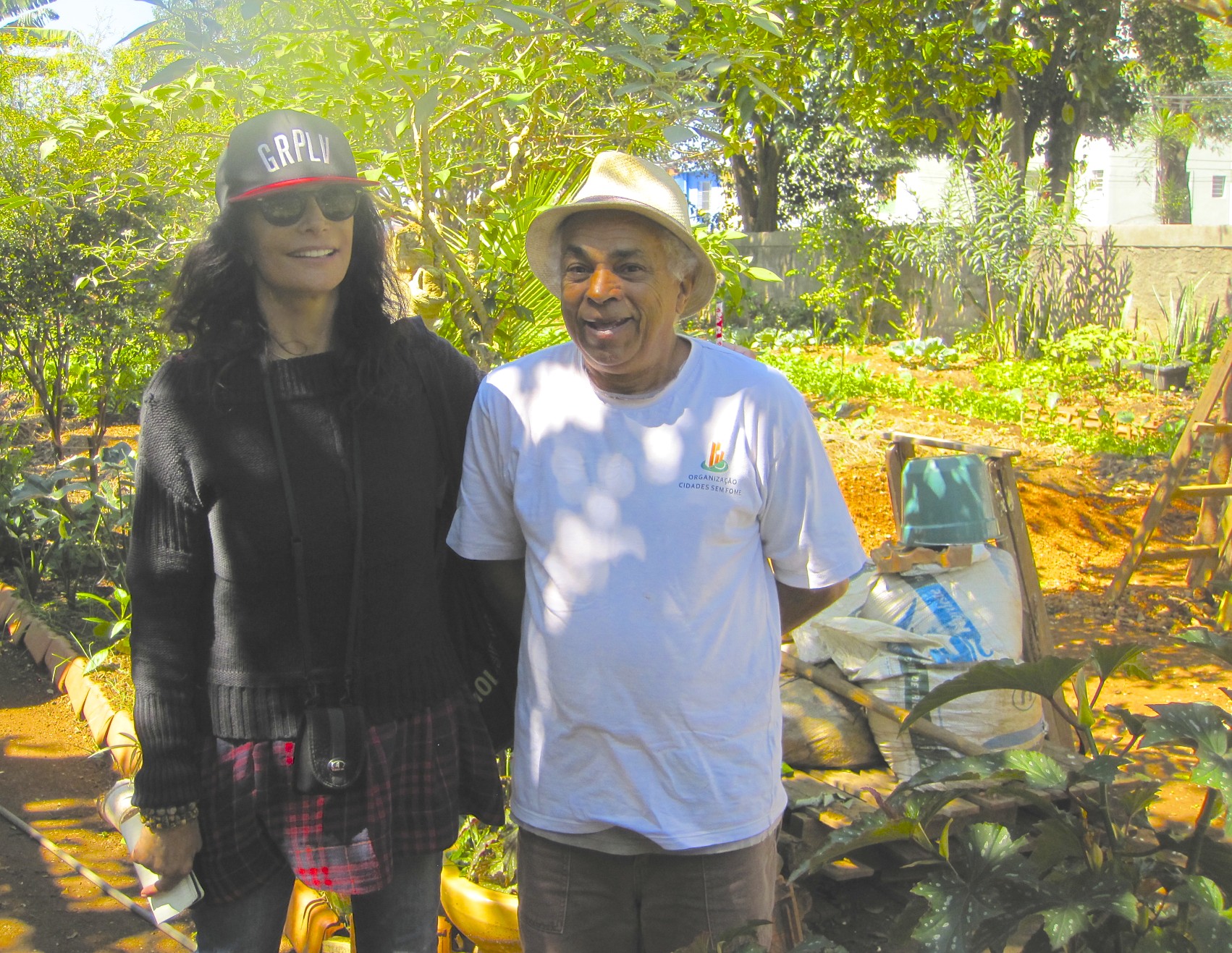
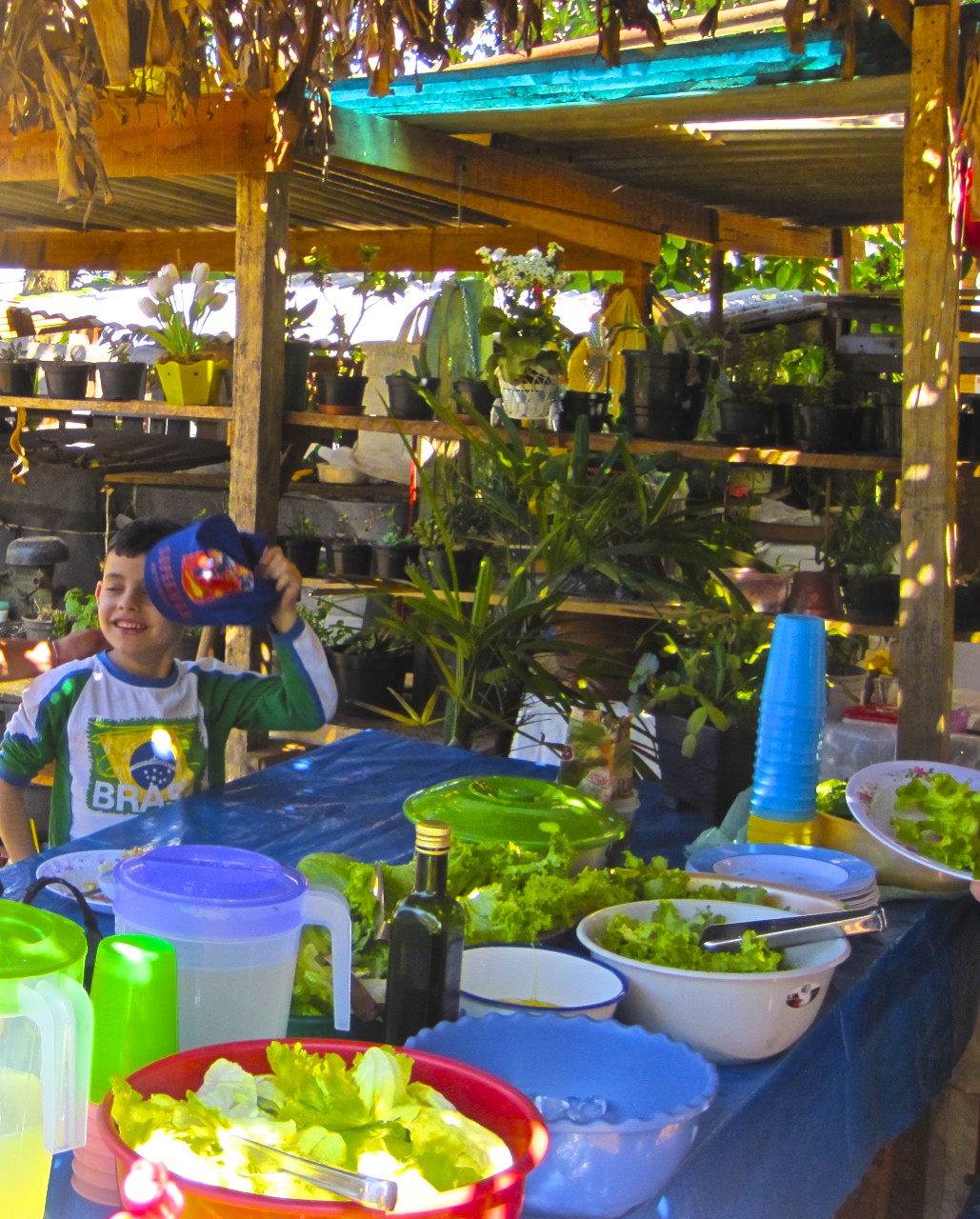
We had lunch at the third garden Horta Da Tia Bela. First we went to their home where they were cooking lunch.
Dona Florisbela Azevedo Silva and family cooked a beautiful healthy meal with fruit and vegetables from the garden.
I loved the green papaya dessert.
Dona Florisbela and her husband Senhor Valdomiro work in the garden everyday. He is 92 years old.
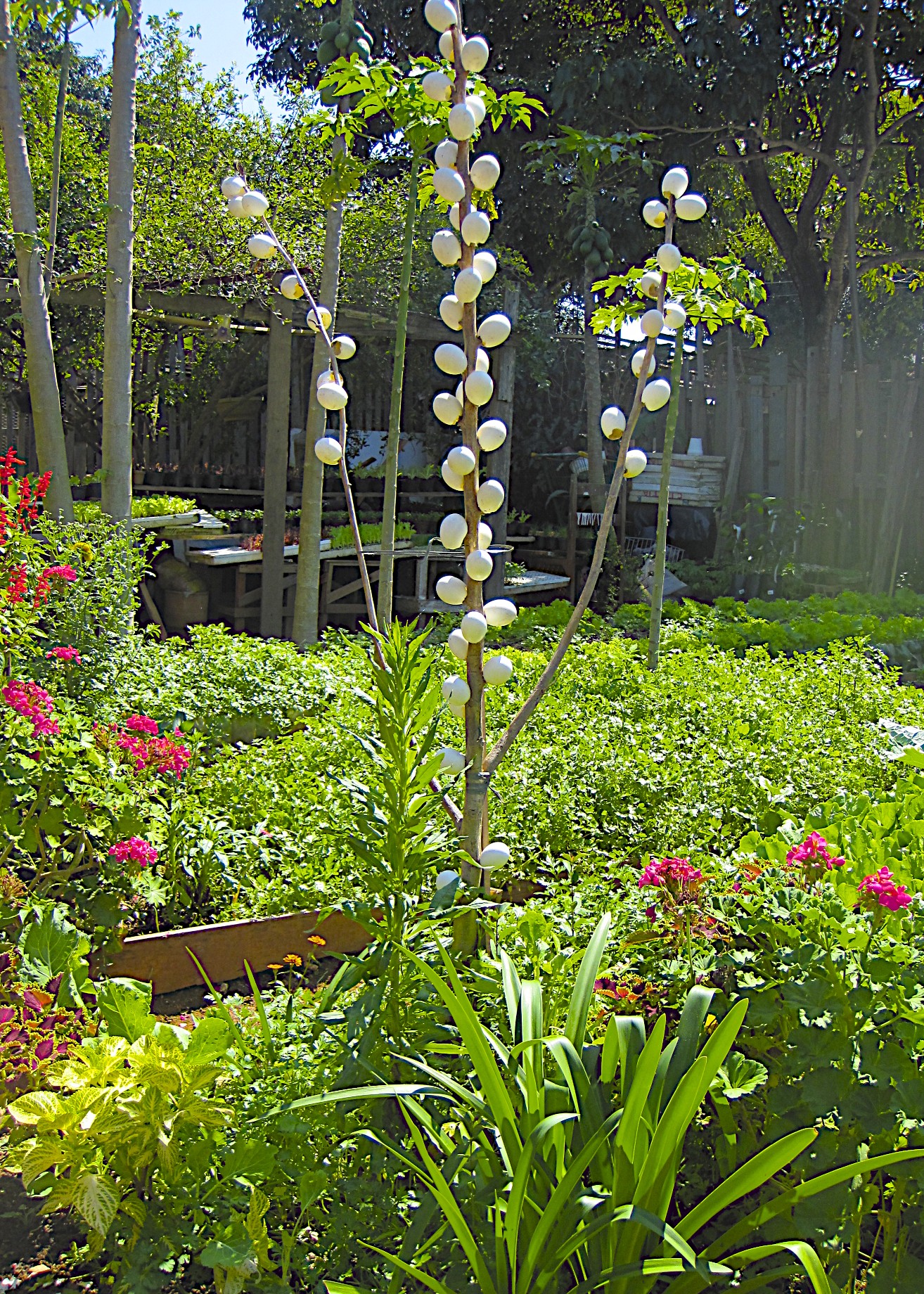
They transformed a garbage dump into a working farm complete with chickens. (It’s an egg tree)
It is said that the one quality necessary for success is persistence, to persevere in the face of all odds. That is what these people and these gardens represented to me. The self-esteem, pride, laughter, friendliness, sense of humor and confidence they have all come from working hard, building something that was not there before and knowing that they are doing a good a job.
It seems like such a good solution to ease some of the poverty in the favelas. Brazil has a good climate for agriculture. It isn’t as easy in Brazil as it is in the States to set up and get funding for these programs. There is a lot of government red tape and corruption and changes take a long time. It is hard watching them spend so much money on building for the Olympics when programs like this could really make a difference. The gap between the rich and poor in Latin America has always been a big problem with Brazil leading the pack. This is a great organization to get involved with and if you want to help or have any questions you should definitely contact them.
The website is Cities without Hunger and twenty-eight dollars will buy seeds for a year. http://cidadessemfome.org/en/
Thank you to all the people who opened up their gardens and made the delicious lunch. It was my honor to spend some time with you.
“I am not a glutton. I am an explorer of food.” Erma Bombeck
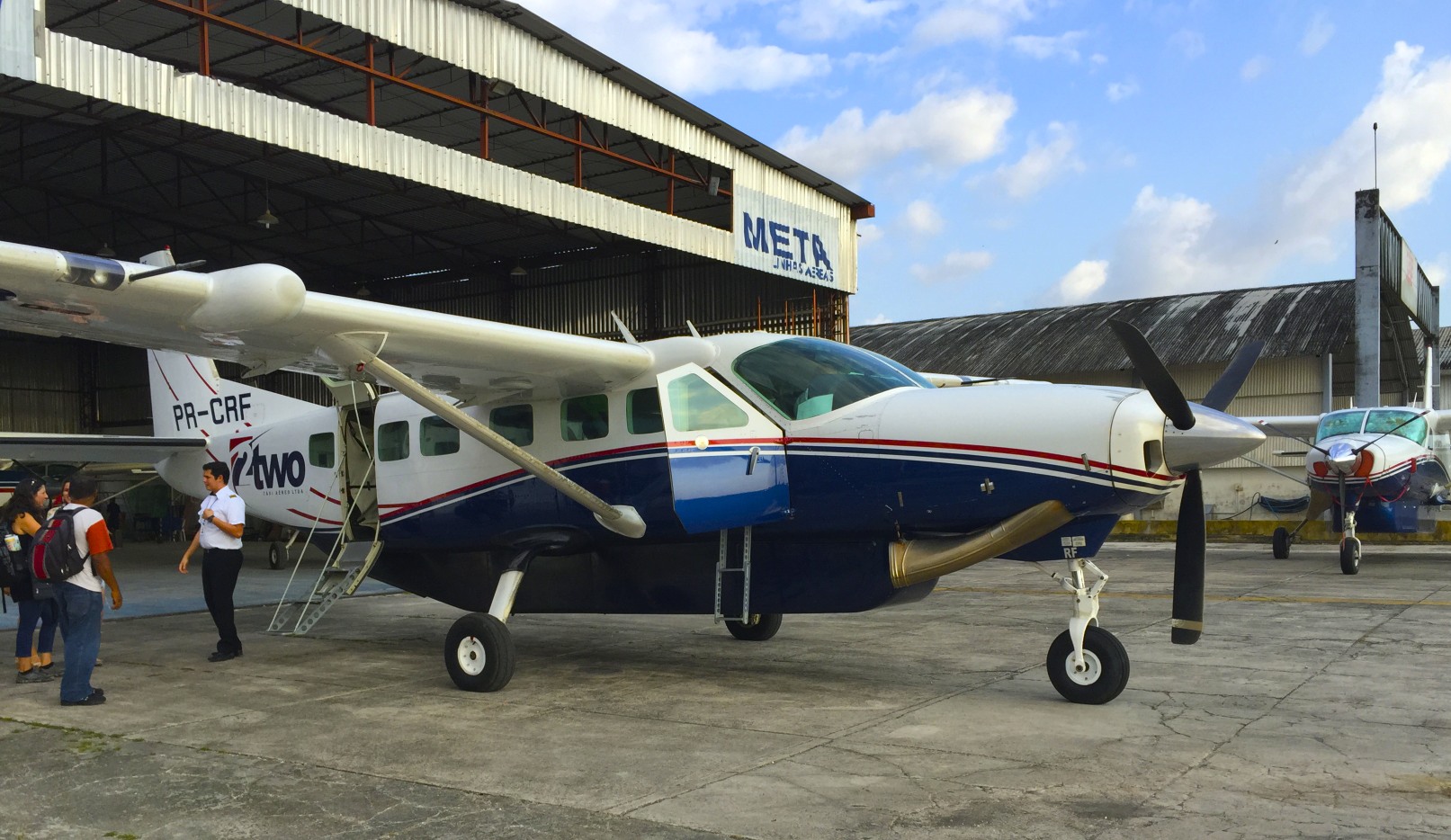
We arrive in Belem on a small plane from the island of Marajo at the mouth of the Amazon.
I thought I was afraid of small planes.
But the flights were smooth and the scenery was spectacular.
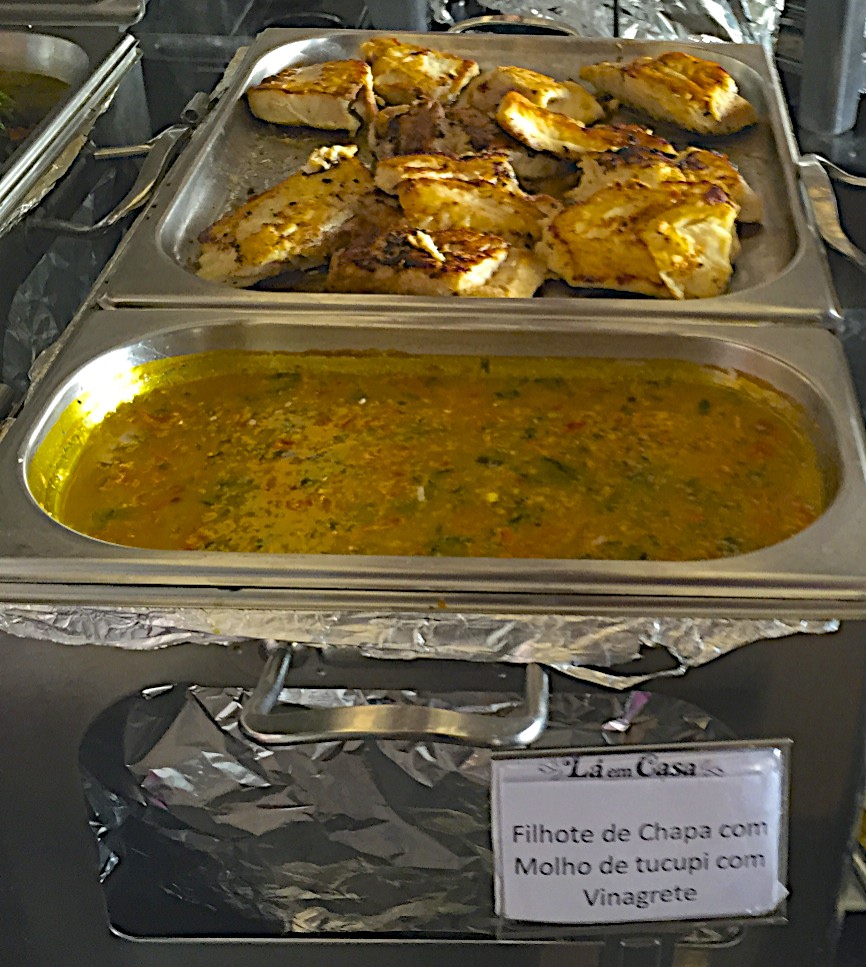
We started our visit with lunch at La Em Casa. http://www.laemcasa.com/ It is located in Estacao Das Docas mall a remodeled train station with a beautiful river view.. There is a buffet lunch serving all the traditional dishes.
The restaurant was started by Anna Marie Martins and it was her son Paulo who brought attention to Brazil, South America and the world about the quality and flavors of regional Amazon cooking. His daughters Joanna and Daniella continued the tradition. Daniella works as a chef in the restaurant and Joanna runs the Paulo Martins Institute and Ver o Peso of Para Food, a festival (Feria Queso)l promoting the flavors and cooking techniques of the Amazon. Joanna is interested in having chefs come from all over the world so any who are reading this should contact her. You won’t be disappointed and you will learn a lot. Its a great time for all foodies to start their visit to the Amazon. contato@institutopaulomartins.org.br I was lucky to meet both of them and saw how passionate they are about the world getting to know their delicious food. At the rate they are going, we will all soon be eating tucupi and jambu and loving it.
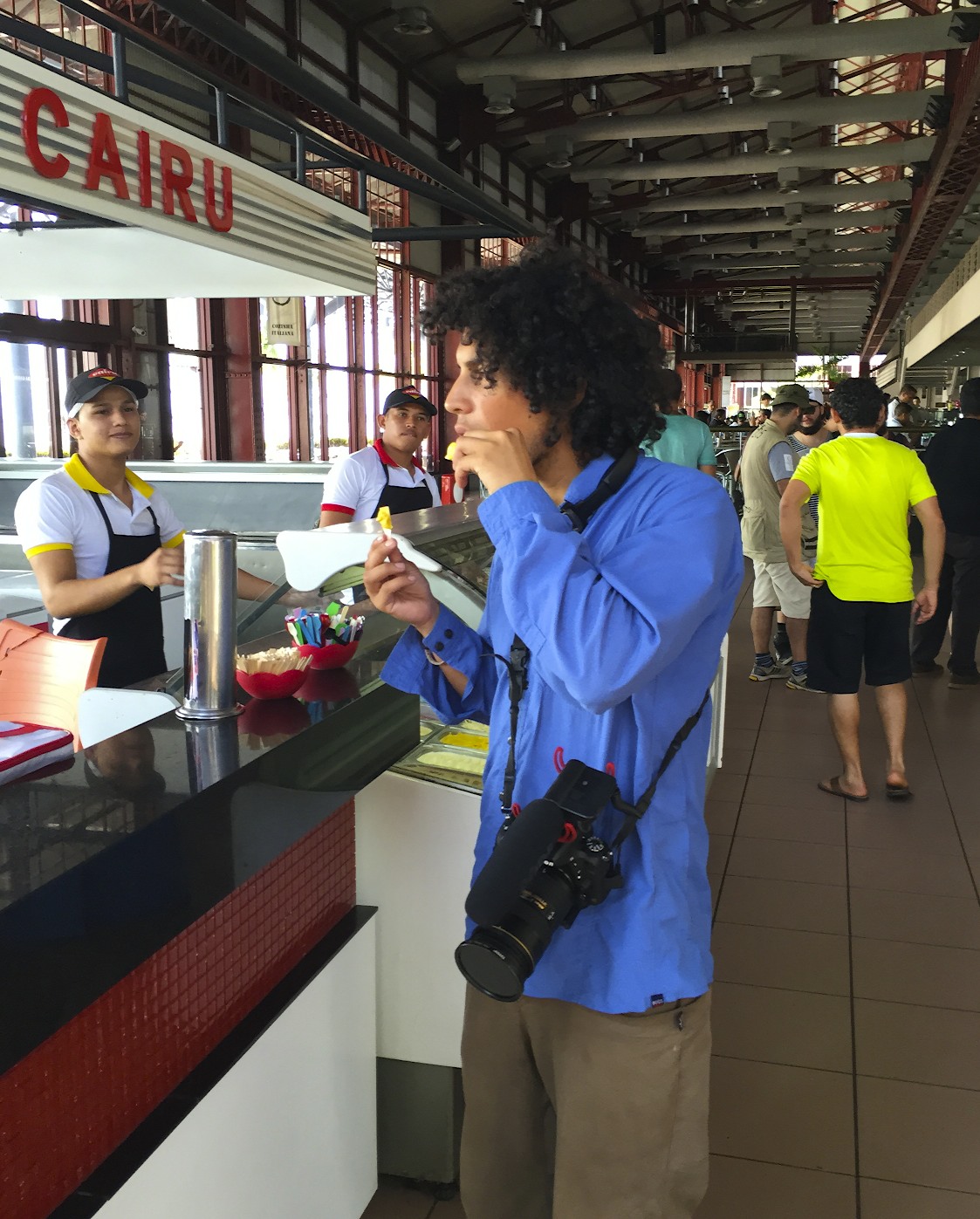
After that huge lunch we had to try the ice cream at the most famous ice cream parlor in the country,Cairu because there is also a branch in the Estacao Das Docas mall. sorveteriacairu.com.br/ There are Amazonian flavors made from local fruits such as bacuri, muruci, sapoti, graviola, and açai, and“mestiços” (mixed breeds) such as carimbó (cupuaçu and Brazil nut) and maria isabel (bacuri, shortbread, and coconut). The ice creams are so good that five-star restaurants in Rio and São Paulo proudly feature them on their dessert menus.
Among the many fish we ate in the Amazon region, are filhote and pirarucu. Filhote is the main ingredient in peixada, a stew that includes potatoes, tomatoes, garlic, and cilantro. (from La Em Casa)
Pirarucu is Brazil’s largest fish, measuring up to 2.5 meters (8 feet) and weighing up to 80 kilograms (176 pounds). It is usually dried and salted before being grilled on a hot tile or cooked in coconut milk, and then served with farinha and light, buttery feijão manteguinha, (from Romanso do Bosque)
We saw Pirarucu at Ver o Peso market.
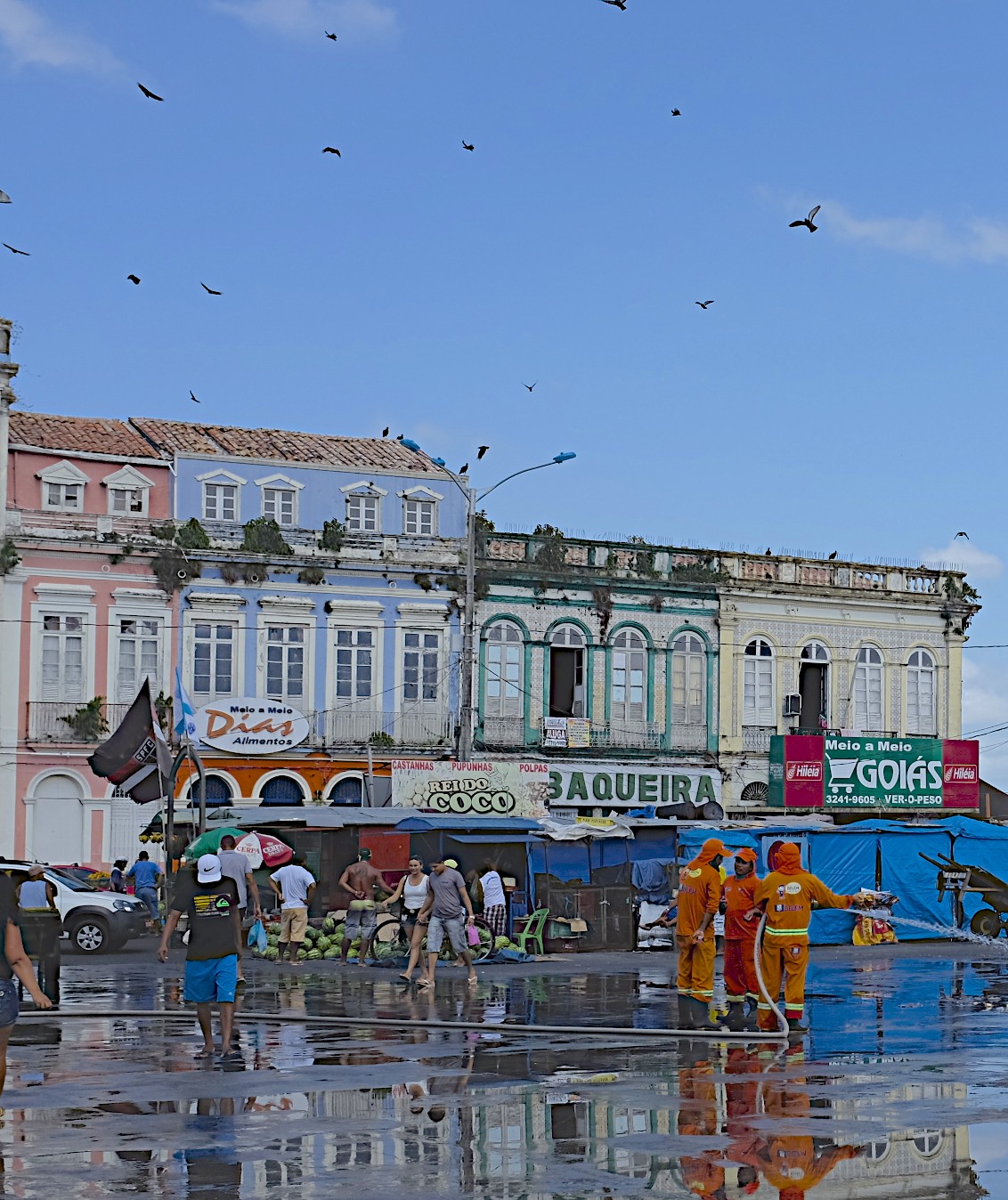
It is an outdoor market selling Amazonian products with about 2000 stalls on the Amazon River.
The unusual name of the Ver-o-Peso Market dates back to colonial times, when the market housed the offices of the Portuguese colonial tax collector.
Ver-o-Peso is a shortened form of the Portuguese phrase “Haver-o-Peso” meaning “possess or obtain the weight.” The tax collector was charged with collecting a tariff on all goods coming down the river based not on monetary value of goods but on their weight. It is now a Unesco World Heritage site. (cleaning off the fish smell as vultures fly overhead)
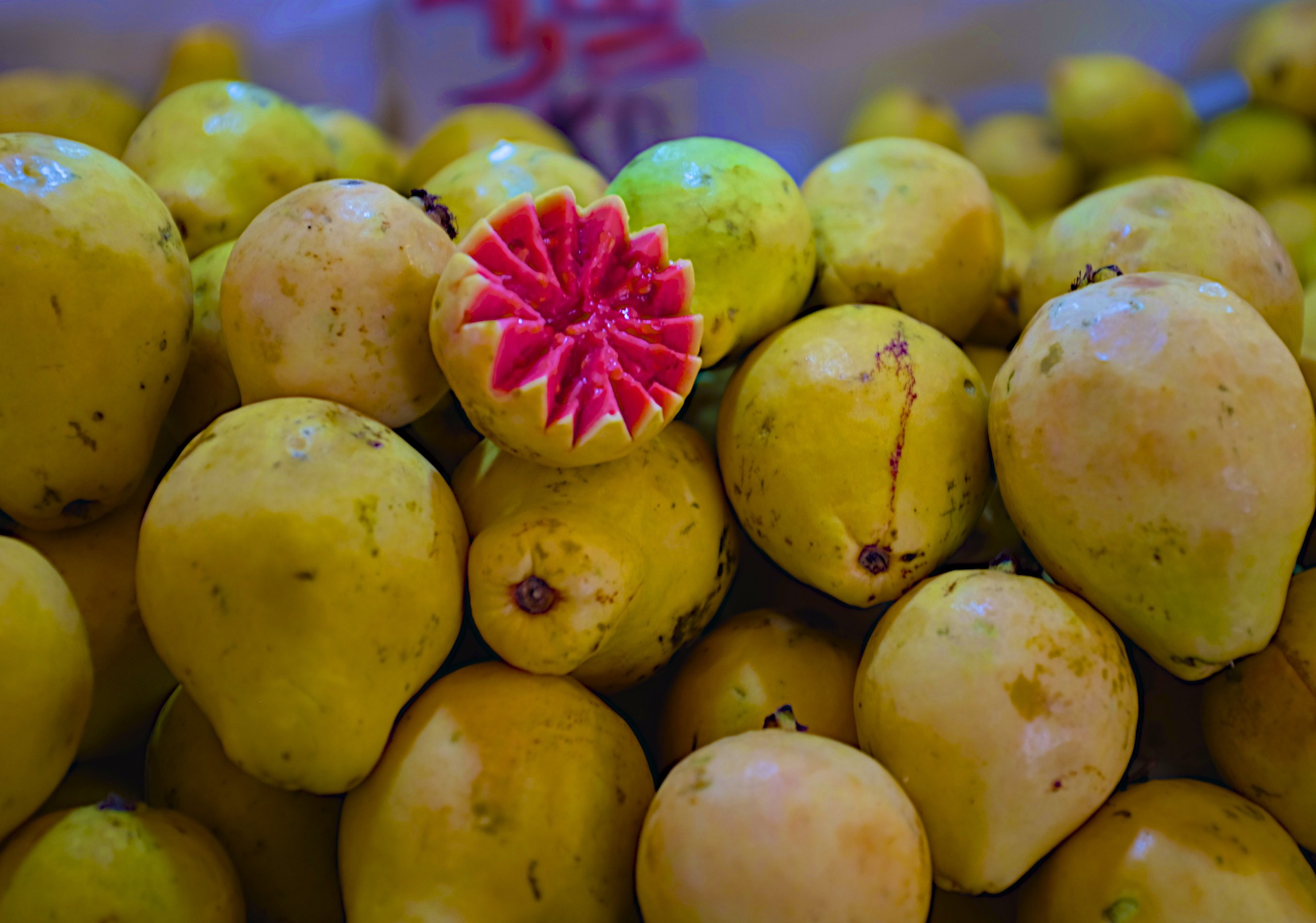
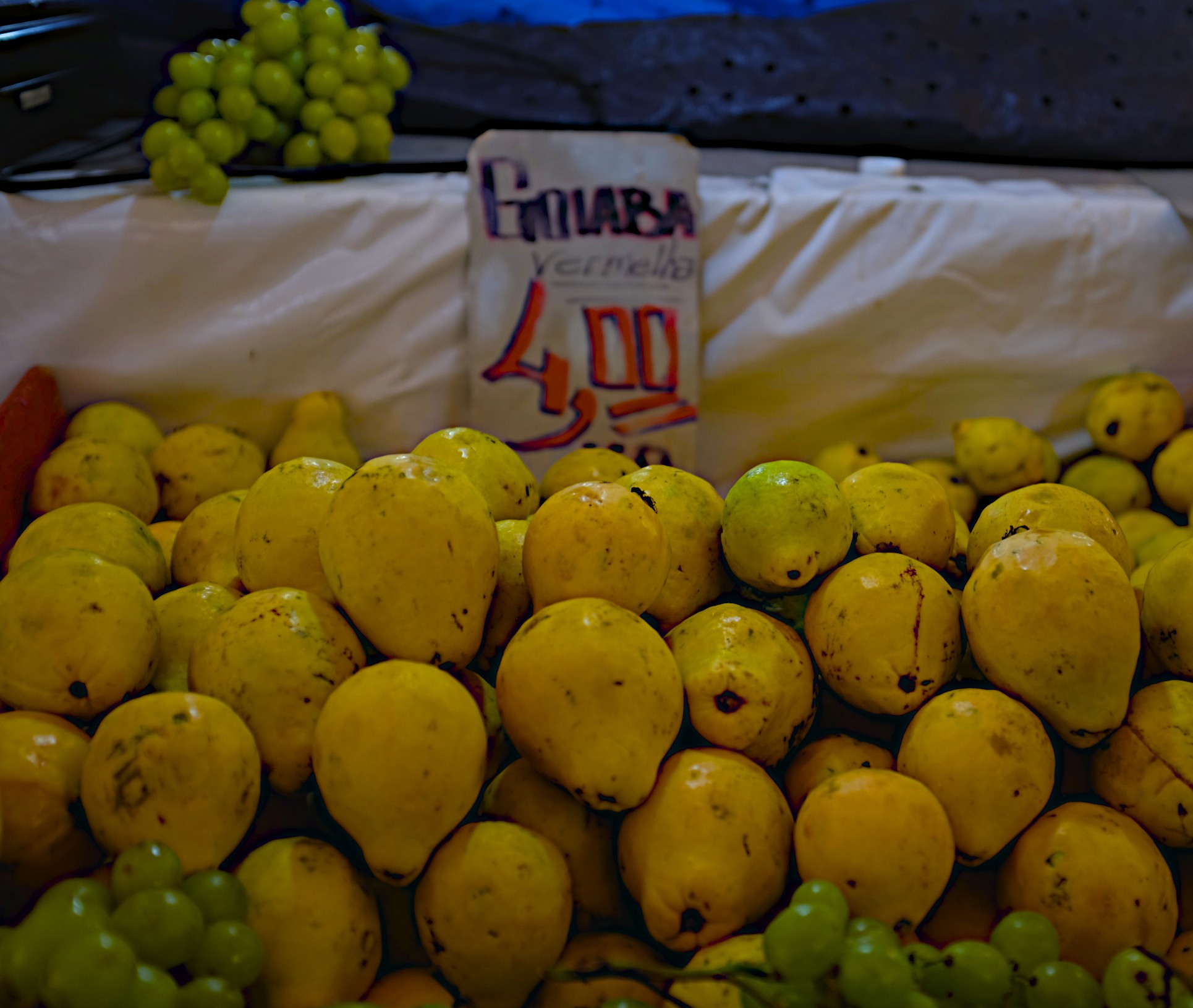
There are things you know like acai berries and brazil nuts and wealth of produce from the Amazon that is sold nowhere else in the world. (acerola berries)
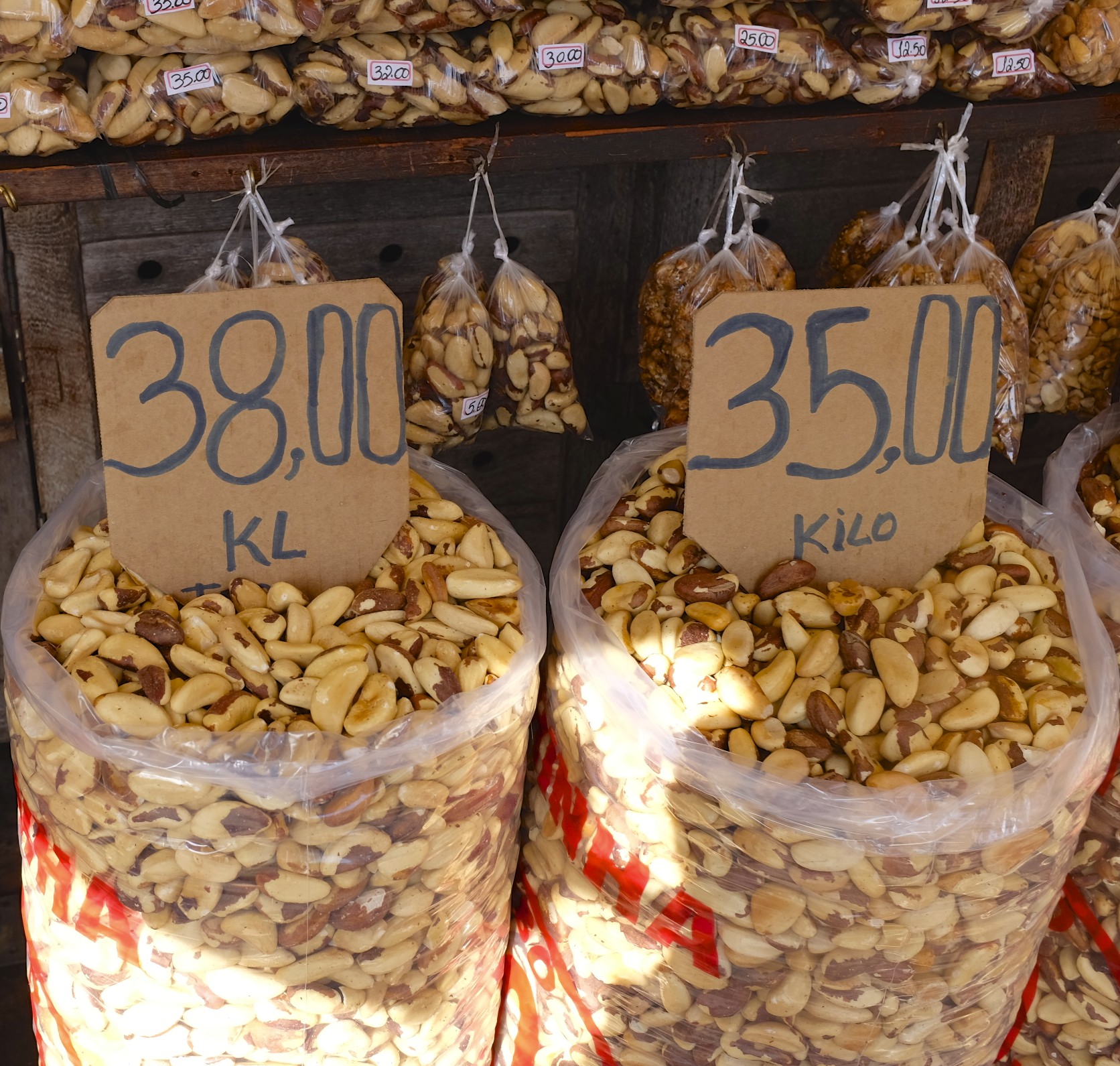
if you’re a fan of large, oily, and irresistibly rich Brazil nuts, you’ll find them all over in Pará, where they’re known as castanhas-do-Pará, and are sold — plain, salted, or caramelized — by vendors on the streets of Belém.
There are fruits with names like cupuaçu, bacuri, muruci, uxi, taperabá, tucumã, bacaba, and pupunha.
Wait until you smell and taste them, which you can do in forms that include juices, compotes, jellies, cremes, puddings, liqueurs, and sorvetes.
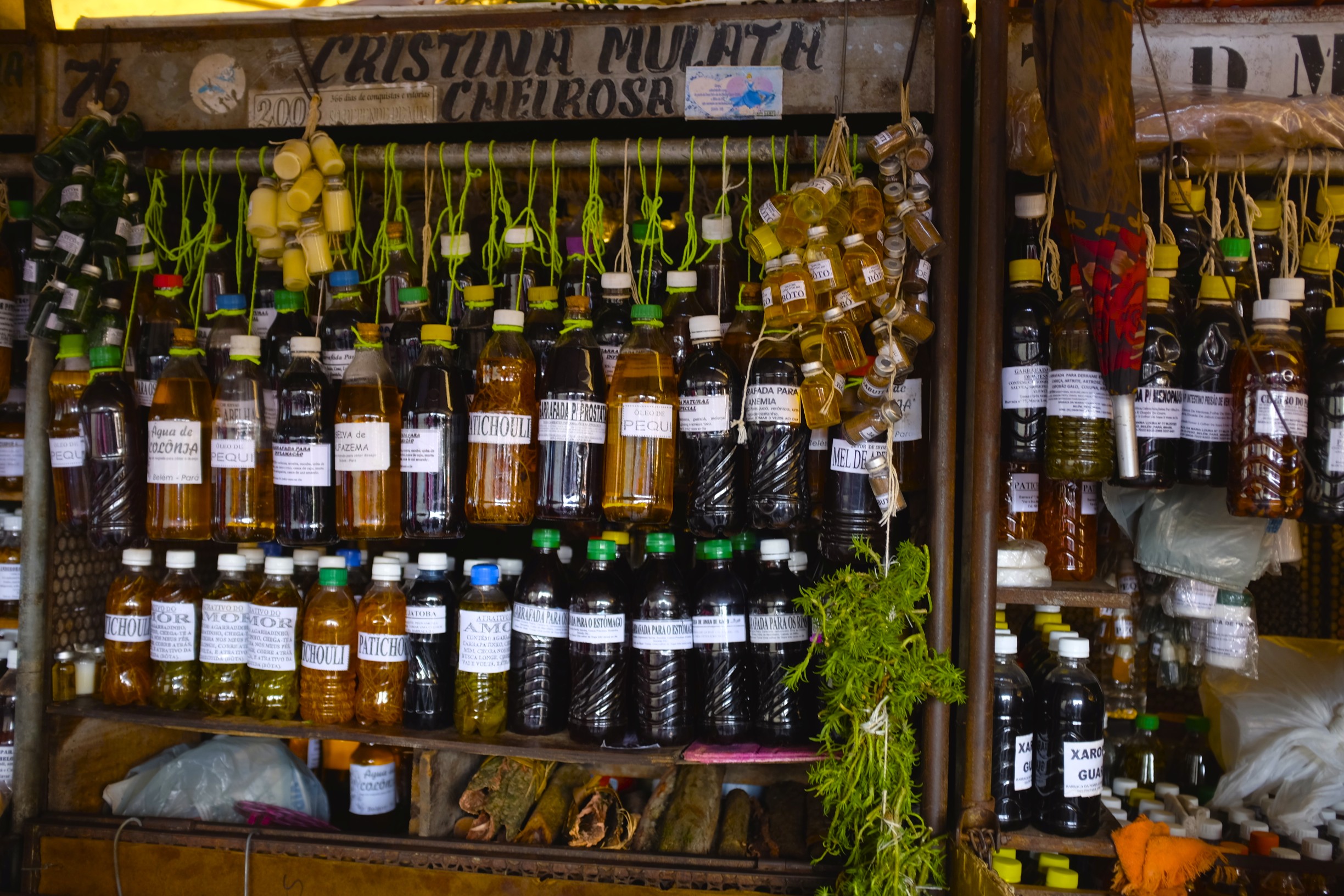
There are herbs that cure everything and many types of natural viagra, different cachacas (Brazil’s liquor used in caipirinhas) and all kinds of stuff used for religious and spiritual ceremonies that look fascinating.
I could have spent a lot of time with the herb ladies and in those questionable spiritual ceremony stores.
Who knows what I would have brought home if I spoke Portuguese?
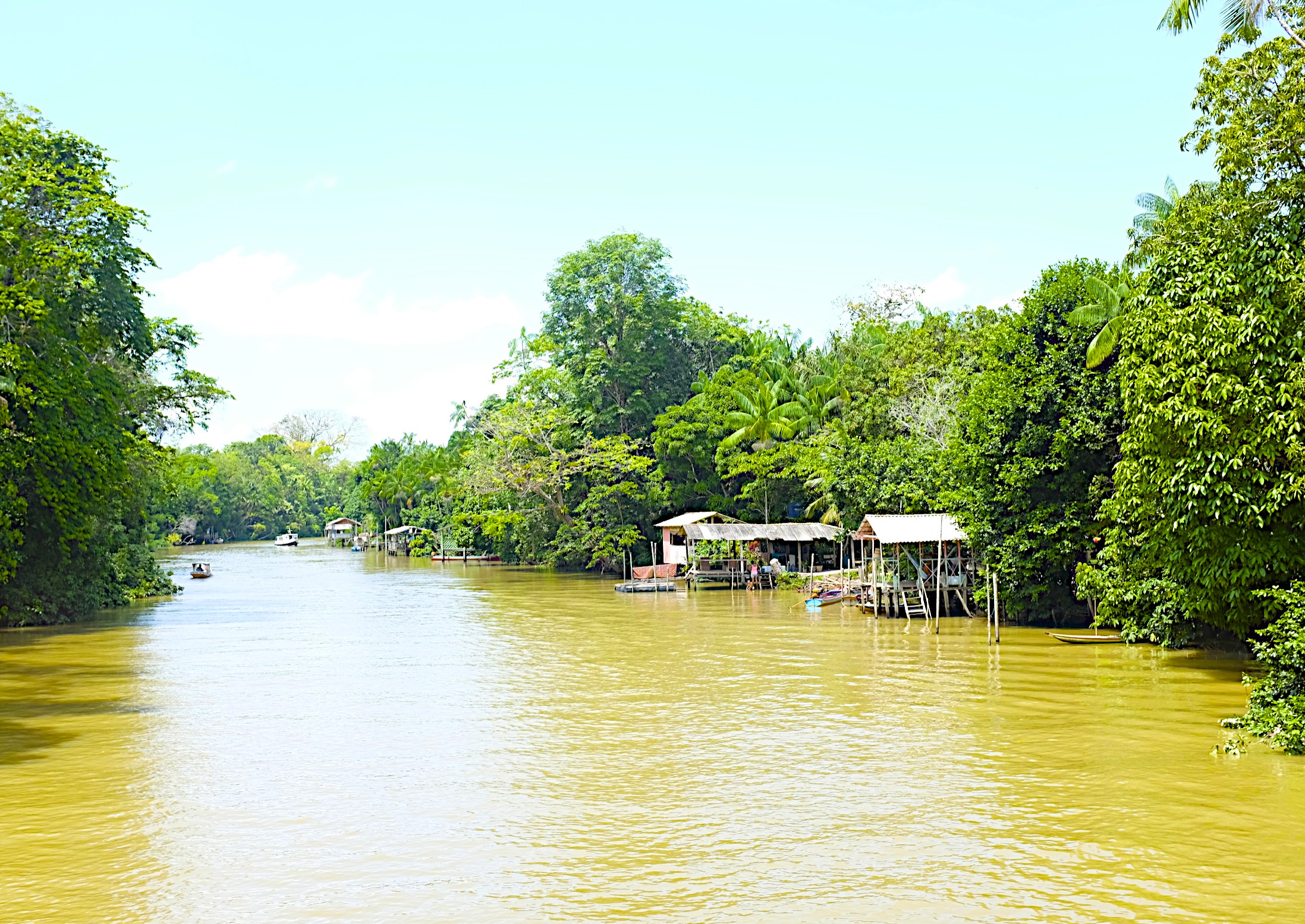
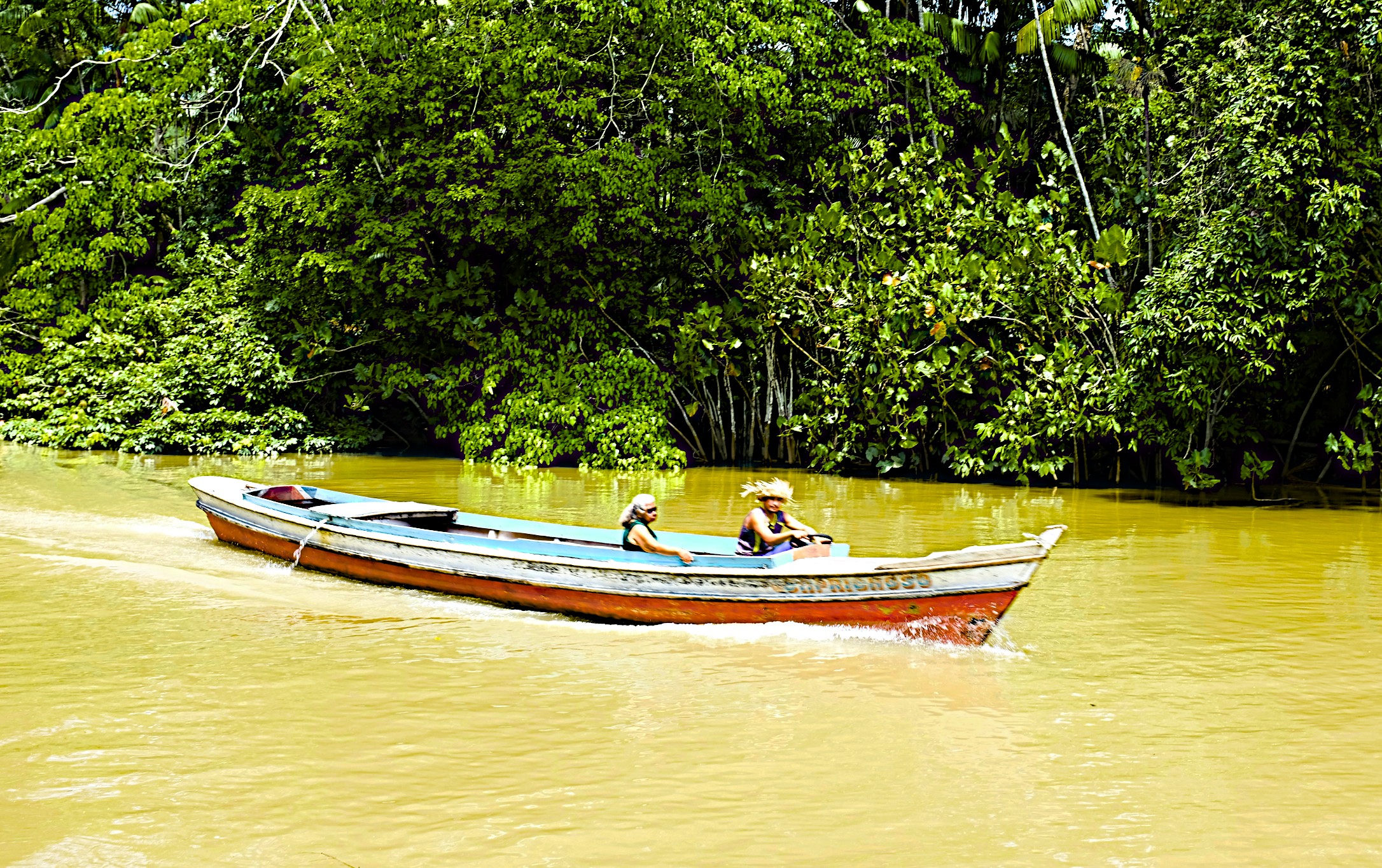
We take a ride through the jungle up the Guama River.
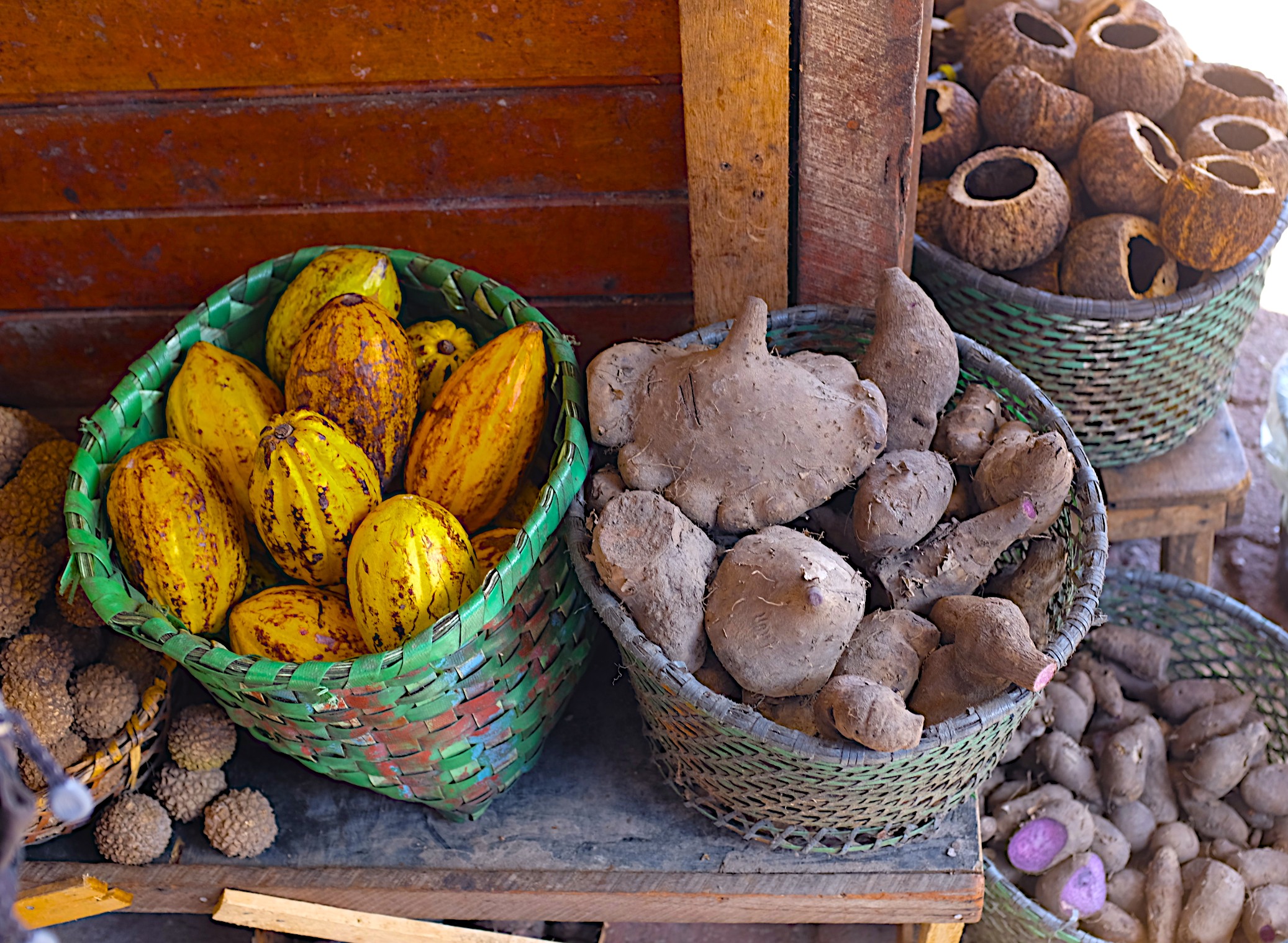
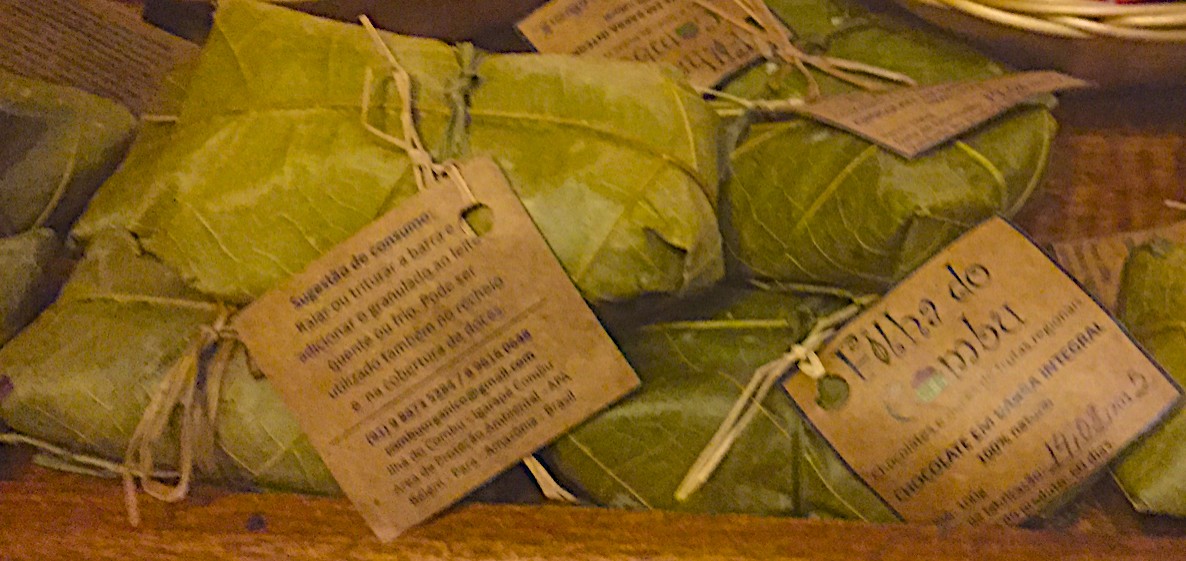
We are headed to the island of Combu where Dona Nena harvests cacao from trees on the island and makes chocolate wrapped in banana leaves and chocolate drinks with carnation milk (my fav).
Everything is laboriously and lovingly done by hand – a far cry from the Hershey factory in Pennsylvania I visited as a kid. (cacao)
While most of the families living on the jungle river make their living harvesting acai and brazil nuts, Dona Nena is bringing back the ancient way of making chocolate and the chefs in Brazil can’t get enough.
It’s delicious and not too sweet – just the way I like it. Brazilian designer chocolate from the Amazon – why not?
One of our dinners was at Romanso do Bosque which is an inviting beautifully designed restaurant. http://www.restauranteremanso.com.br Indigenous ingredients and traditional Brazilian cooking combined with new ideas was the basis for an interesting tasting menu. Chef Thiago Castanho’s modern take on ancient flavors was creative and delicious. By then, I was starting to recognize the flavors of the Amazon. I tasted the jambu in the tucupi and honey sauced pork sausage (not normally being a meat eater, I loved that one)
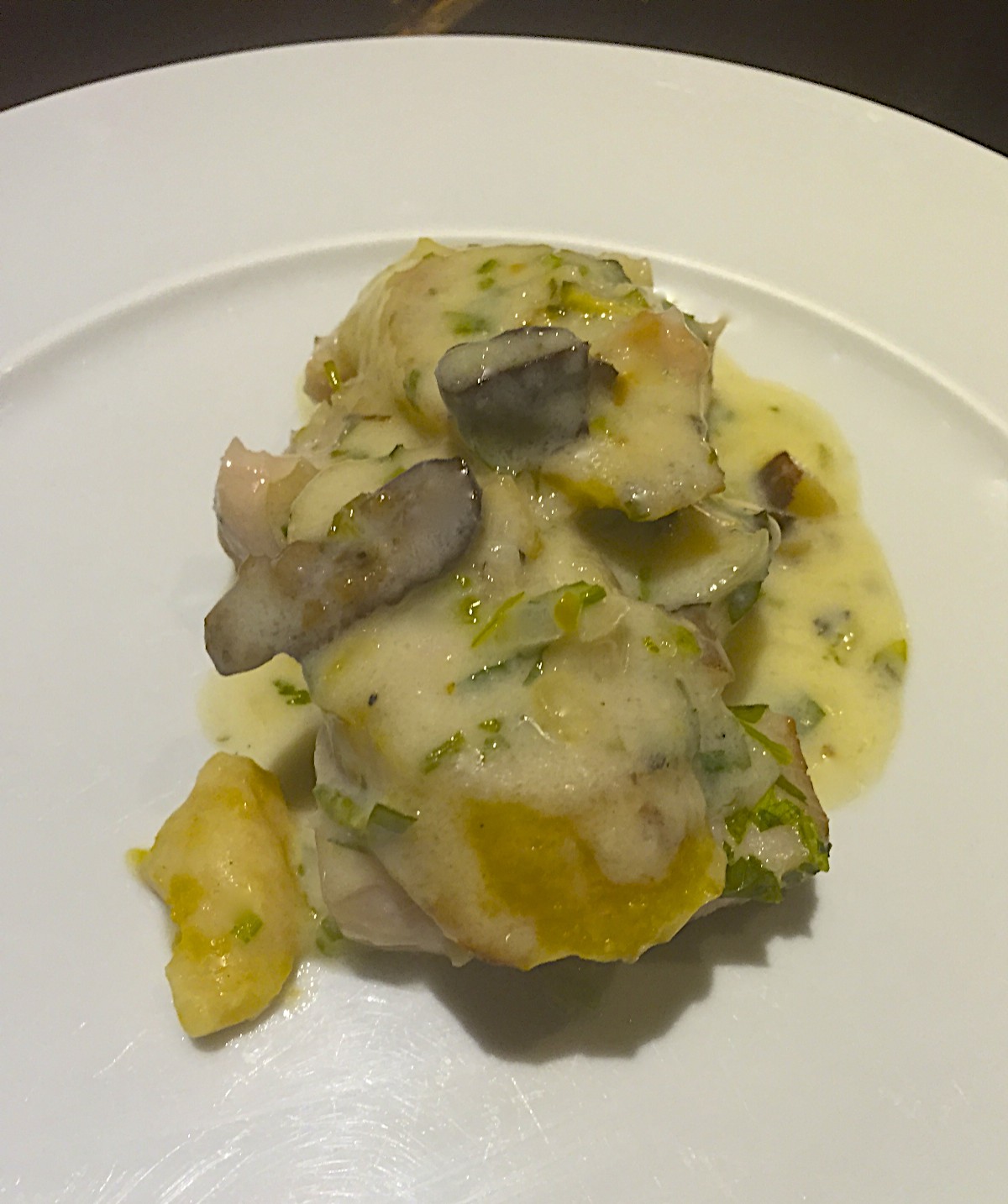
There were shrimp covered in tapioca, balls of fresh fish, smoked Pirarucu and filhote.
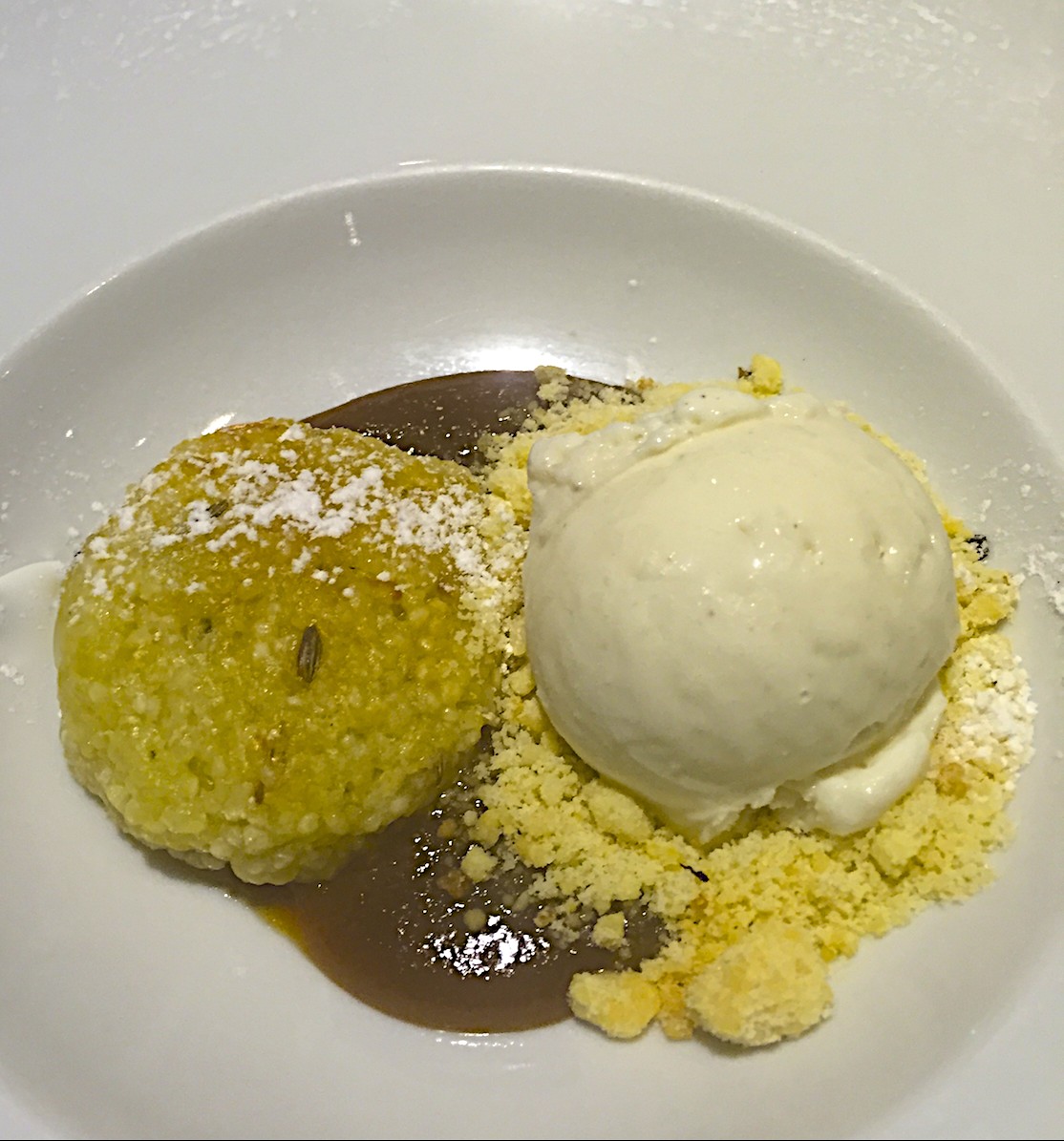
There were two desserts. The first was tapioca, tapioca ice cream and brazil nut sauce.
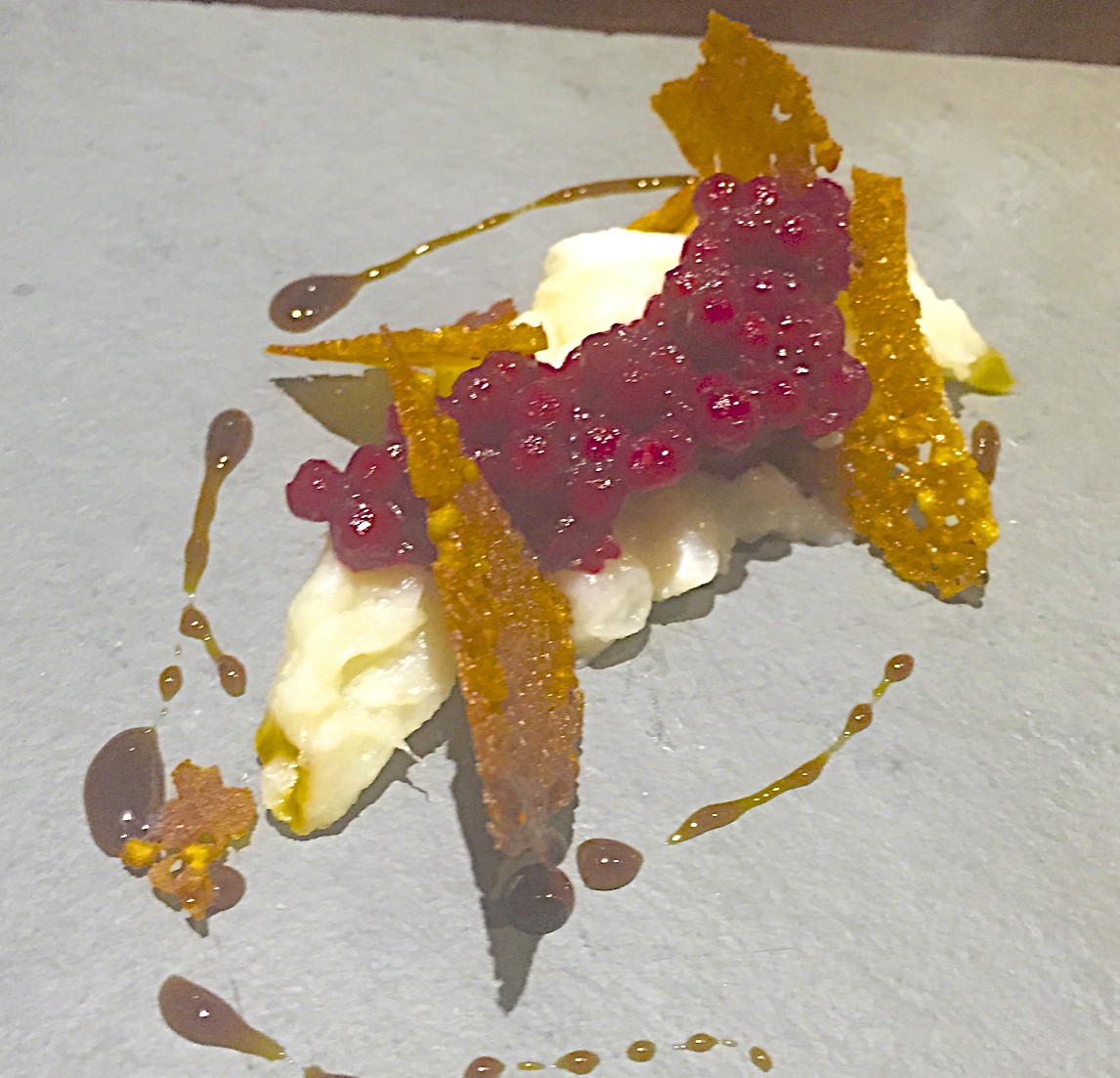
When I couldn’t eat another bite, they brought this. I didn’t even ask what it was but I finished it.
The flavors of the Amazon are the flavors of the forest and the river. They are in the mystical ceremonies, potions and celebrations. They are in the lives of the fishermen, farmers, ranchers, healers, cooks, musicians and artists. The flavors of the Amazon are the flavors of the myths and stories of the Amazonian natives who came before. I bite off a piece of my modern chocolate from Combu and read about the origin of cassava, fire and the story of the woman who gathered the brazil nuts.
“The media only writes about the sinners and the scandals but that’s normal, because ‘a tree that falls makes more noise than a forest that grows.” Pope Francis
Its true. I have a crush on the Pope. Every story I hear about him reminds me that I can do better. He leads by example. I was lucky enough to see him in Argentina and if he came to Los Angeles, I would be one of those people in the crowd.
1. When he was in Buenos Aires, he was known to eat with the homeless in the street. He often leaves the Vatican at night to hang out with the homeless. Why is it surprising that he chose to eat lunch with them in Washington DC?
2. In his first year, he refused to move into the 16th-century Apostolic Palace, had his old black shoes replaced by the cobbler instead of buying fancy new papal slippers, and opened his door to three homeless men and a dog named Marley (after Bob Marley).
3. Pope Francis has an “intense fondness” for tango dancing. In 2014, over 3,000 dancers from all over Italy celebrated his birthday by dancing tango in Saint Peter’s Square. A lifelong fan of the Argentine soccer team San Lorenzo, he celebrated the team’s victory by hoisting the trophy over Saint Peter’s Square for the crowd to see.
4. The Popemobile is a Ford Focus or other non luxury car. He refused to drive in a bulletproof car with glass up. He said “its true that anything can happen but at my age (78) I don’t have much to lose.”
5. He studied philosophy at the Catholic University of Buenos Aires and also has a master’s degree in Chemistry from the University of Buenos Aires. He was a teacher of literature, psychology, philosophy and theology before becoming the Archbishop of Buenos Aires. It seems like he was interested in everything.
6. He is the first Pope to deal with the “political” issue of the environment and climate change. “Never have we so hurt and mistreated our common home as we have in the last 200 years,” he wrote. He has been criticized for meddling in a non religious issue.
7. Pope Francis is a porteno, a man of the people. He wants the church to be available and accessible to all people and he knows that it begins with him. His focus is less on sin and more on love. He is less about judgement and more about open-mindedness. He talks about gay marriage and abortion in a way that the Church hasn’t dealt with it before.
8. The reason that the Pope has never been to the Unites States before is because he has made a point of prioritizing the third world countries.
9. He is unusually multilingual, speaking Spanish, Latin and Italian fluently and understanding German, French, Portuguese, English, and Ukrainian.
10. Pope Francis is exactly who he appears to be, which is so often not the case with a public figure. He doesn’t “play the Pope.” He is 100 per cent sincere.
“Here, then, is what I wanted to tell you of my architecture. I created it with courage and idealism, but also with an awareness of the fact that what is important is life, friends and attempting to make this unjust world a better place in which to live.” Oscar Niemeyer
I wish I could say I thought of that but I took the title from the Guardian. Maybe some of you not Brits had missed it.
One of Brazil’s greatest architects was Oscar Niemeyer who was known for his curved spaces and ramps. Beauty, spatial drama and lightness was more important to him than functionality. His use of concrete and steel was done in ways that had not been seen before. He died in 2012 at 104, a world-renowned architect, with hundreds of works in Europe, the Americas and Africa.
Niemeyer became a member of the Communist party in 1945. In 1964, when a military coup overthrew the government, Niemeyer was threatened and resettled in France and did not return to Brazil until the end of the military dictatorship in 1985. He designed the communist headquarters in Paris.
Oscar Niemeyer worked alongside Le Corbusier on the UN buildings in New York and his designs for Brasília earned the city a Unesco World Heritage status. Niemeyer received the Pritzker Architecture Prize in 1988, the highest award in the profession, for his Cathedral of Brasília. ( not my photo)
I am a wannabe architect and a fan of beautiful buildings and could not wait to see his structures in Brazil.
Some of Niemeyer’s most famous and recent work can be found in the city of Niterói across the bay from Rio. Niteroi has more buildings designed by him than any other city outside of Brasília where he redesigned the capital city.
The Museu de Arte Contemporanea (MAC) overlooks Guanabara Bay.
MAC<
The museum is a direct response to the natural topography of the bay. The curve of the structure matches the curve of Sugarloaf.
The building is the anti gallery white cube space. You can see the relationship of art, architecture and the surrounding landscape.
The Theatre of Niteroi is another great example of Niemeyer style.
The drawing on the front by Niemeyer is done on each individual tile.
The green and yellow color scheme represents Brazil’s flag.
Oscar Niemeyer designed several of the buildings in Ibirapuera Park in São Paulo. Roberto Burle Marx and Otávio Agusto de Teixeira Mendes provided the park’s landscape architecture. The park opened in 1954.
The Bienal was built to host a biannual art exhibition which started in 1951.
São Paulo was the second city in the world after Venice to do this. A major art exhibition is held here every two years.
I had seen photos of the interior before and didn’t recognize it because of the sharp contrast of the completely rectangular patterns on the outside to the flowing circular forms inside. (not my photo)
The Marquise was also designed by Niemeyer. It’s a large, covered space that curves through the park behind the Niemeyer buildings and connects the Modern Art Museum to the playground and an outdoor restaurant. It’s used now as a place for people to relax, skate, and rollerblade.
Oscar Niemeyer designed the Oca auditorium in 1951. The white domed structure is now used for traveling art exhibits. The full name is Pavilhão Lucas Nogueira Garcez, and it was built to commemorate the city’s 400th anniversary in 1951.
It is called the “oca” because it resembles the traditional Native American dwelling.
The interior has 4 levels, each connected by a ramp that spirals around.
In 2004 Niemeyer co-designed the Park’s Auditorium with the “giant red tongue”.
This futuristic building was in the original design of the park but was not built until much later.
The Copan was one of Niemeyers early masterpieces. It is an imposing S-shaped building in the Centro district of São Paulo. Having studied some architecture, the Copan for me has always been a symbol of São Paulo. This is the largest residential building in Brazil, and, reportedly, the most populated single residential building in the world with room for seventy businesses on the first floor. It has its own zip code. The downtown area is a bit seedy but i’m sure with gentrification the apartments are being restored.
Niemeyer went to the office everyday to work on his designs and oversee his projects till his death at 104. He believed in using architecture as a way to create a better world through better design.
Special thanks to my guides Arthur Simoes in São Paulo and Gabriel Morand in Rio for their knowledge, patience and stories about an architect that I have admired for a long time.
Food In the Amazon – Belem Part One or How Did They Figure Out That Tucupi Had To Be Cooked For Seven Days To Not Be Poisonous?
“I have long believed that good food, good eating is all about risk. Whether we’re talking about unpasteurized Stilton, raw oysters or working for organized crime “associates,” food, for me, has always been an adventure.” Anthony Bourdain
When you think of eating food in the Amazon, your mind pictures a few scantily clad natives drinking from coconut bowls. That may happen deep in the Amazon but in the city of Belem they are taking the flavors, food and traditions of the Amazon and serving it to locals, Brazilians and tourists like me from all over the world.
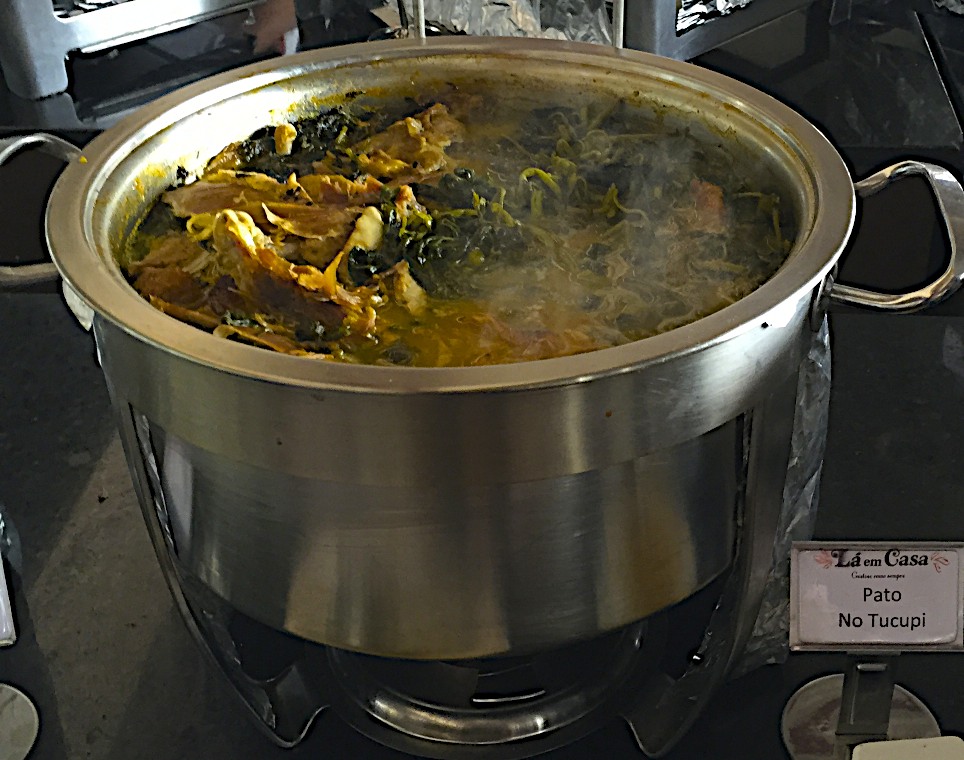
Each of the dishes, ingredients, flavors, and aromas invite us to discover the mixture of the Portuguese, European, Hispanic, Indian, and African influences. Among the typical specialties of Belém you can find “Pato no Tucupi”, made with duck cooked in cassava juice and seasoned with “jambu. (restaurant La Em Casa)
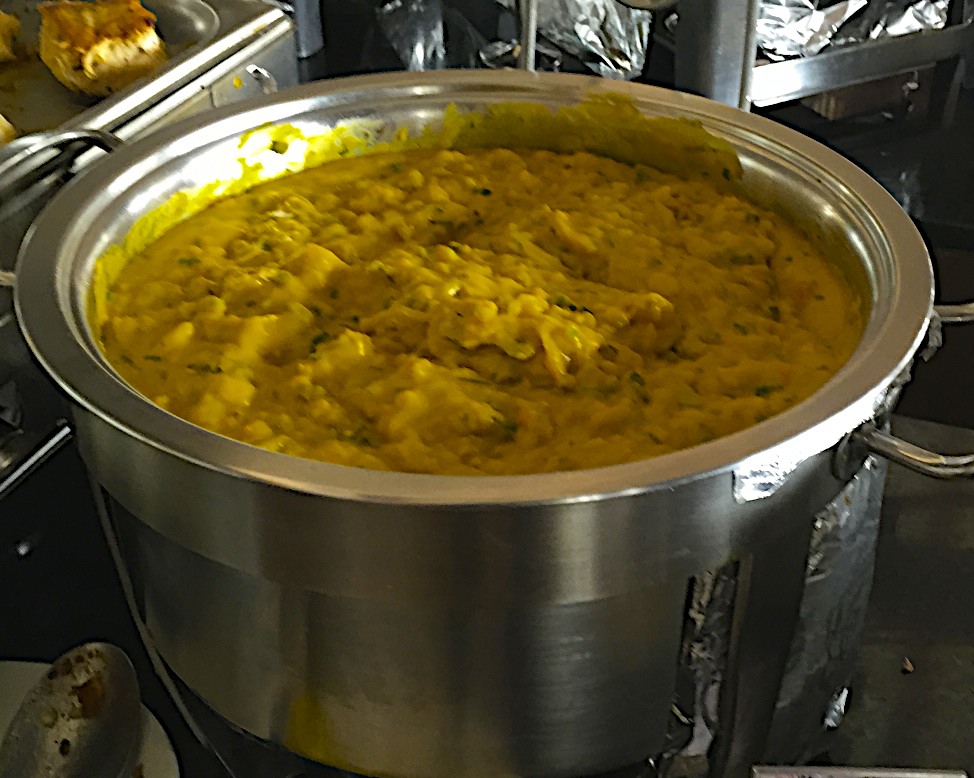
“Vatapá” is a dish made with bread crumbs, ginger, pepper, allspice, peanuts, coconut milk, palm oil, and onion, with a creamy consistency. it is usually served with shrimp, fish, or beef and accompanied with rice. (La Em Casa)
The region’s rivers and rain forests provide an endless supply of exotic ingredients, and nowhere else in Brazil will you find so much indigenous influence. (Ver O Paso Market)
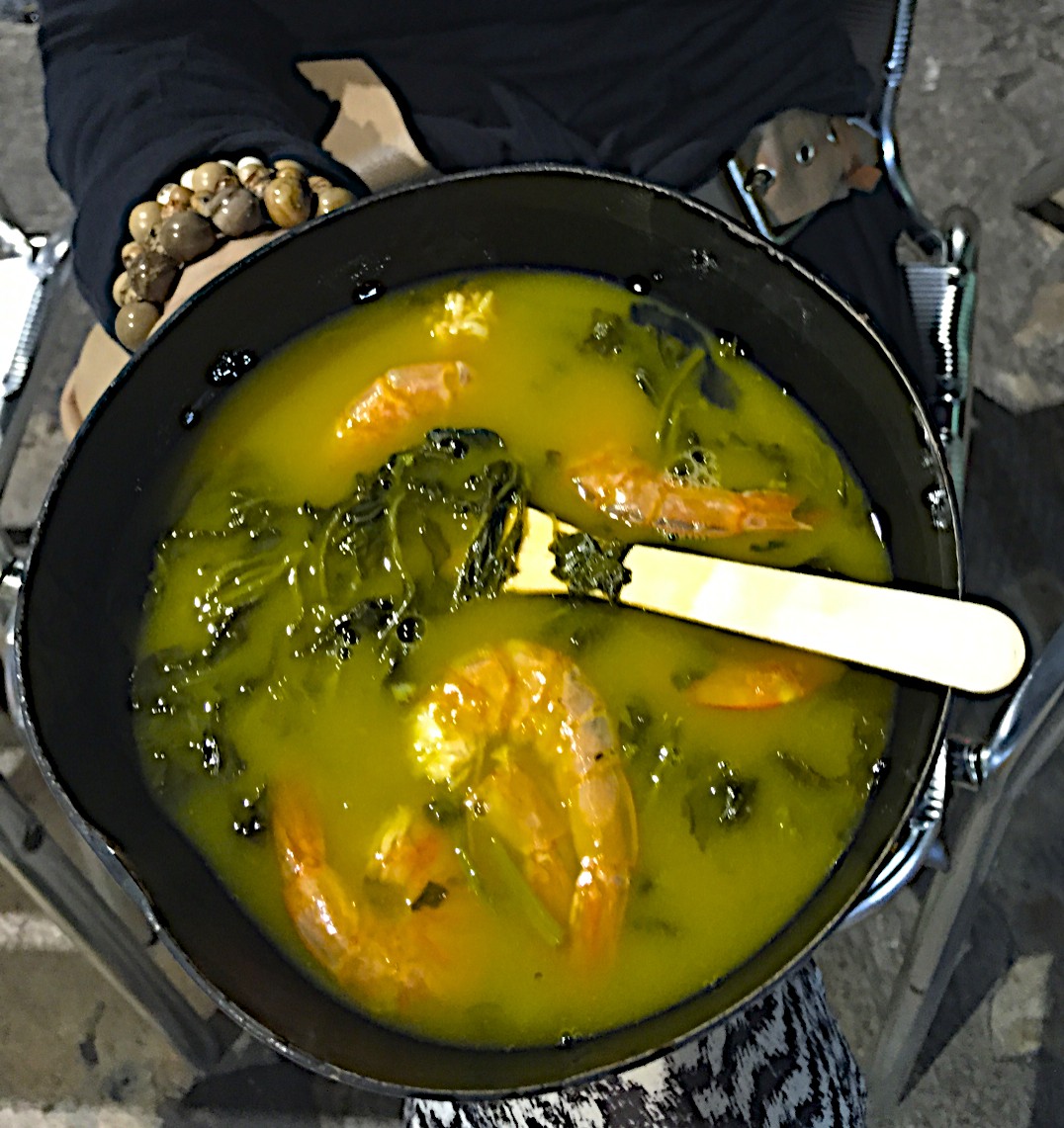
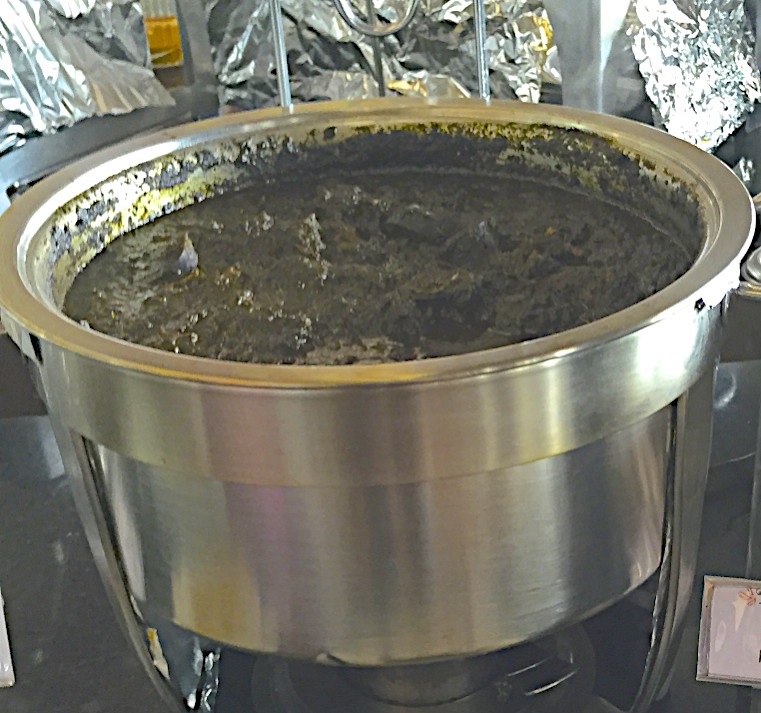
Belém is the Amazon’s culinary capital, and the city’s signature dish, tacacá, is a fusion of the region’s key ingredients. When you mention that you have been to Belem (named for Bethlehem) to a Brazilian they always ask if you tried the tacaca. I was glad I knew what it was. Tacacá is is a soup . It mixes shrimp with tucupi, a thick yellow liquid extracted from the roots of the manioc plant, and jambu, a creeping plant whose leaves when covered with tucupi cause a pleasant tingling and numbness of your lips.
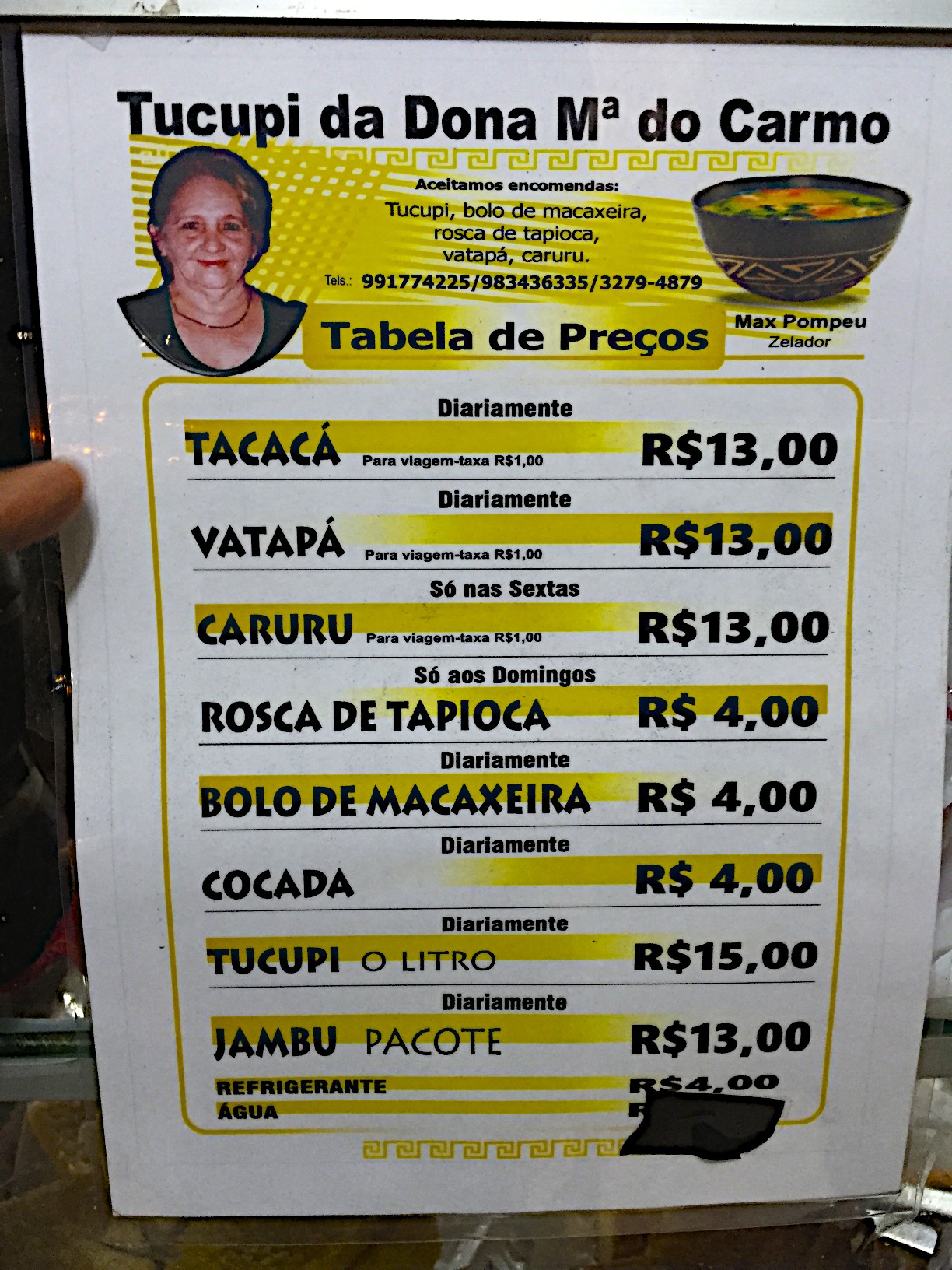
Manioc is also called cassava, yuca ( which is not yucca) or tapioca and is a staple of the Amazonian diet. The soup is served hot in cuias (hollowed-out gourds) and I brought some of the bowls home. One of the best places to have it is on the street at the stand of Dona M Do Carmo. It was amazing and one of the most delicious things I have eaten in Brazil.
Tucupi (which is cooked for some 12 hours to remove poisonous components) shows up in a lot of Amazonian dishes, such as pato no tucupi, an aromatic duck stew, and maniçoba, the Paraense (Belem is in the state of Para) equivalent of feijoada ( Brazilian signature dish). Different portions of pork and sausage are cooked together along with jambu the dark-green leaves from the manioc plant. (La Em Casa)
The story goes that the manioc plant has to be cooked for seven days to get rid of the toxins. This involved a lot of group discussion of how that came to be. When someone died after eating it the first day, did the natives decide to cook it for two days and when more died did they decide to try for three etc? How many people died before they came up with seven days and why did they keep trying? Were they using it on their enemies and then it did not work? Did someone forget to turn the fire off and got hungry?
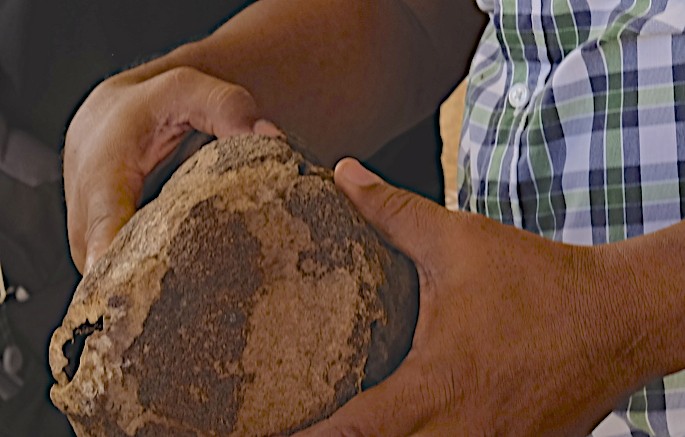
The manioc dough (it’s a tuber) is pushed through a long woven basket like instrument called a tipiti to get the liquid out. You can buy them in Ver o Peso market on the Amazon River along with my bowls. Such dishes are often accompanied by arroz de jambu (rice flavored with jambu leaves) and farinha d’água, manioc flour that, having been left to soak in the river, has a soft, fluffy consistency.
The man holding the tipiti was our wonderful guide in the Amazon Osvaldo. I have many photos of Osvaldo’s hands holding something edible he picked up while we were in the market or rainforest. Unfortunately I was unable to make notes on my photos of what they were. I knew this would happen. I said I was going to include photos of his hands.
I am happy to say that all the tucupi i ate at every meal was cooked correctly. I am grateful to the Amazonian chefs for doing that .But how did they figure out that it took seven days to get the poison out?
“Speak softly, but carry a big can of paint.” Banksy
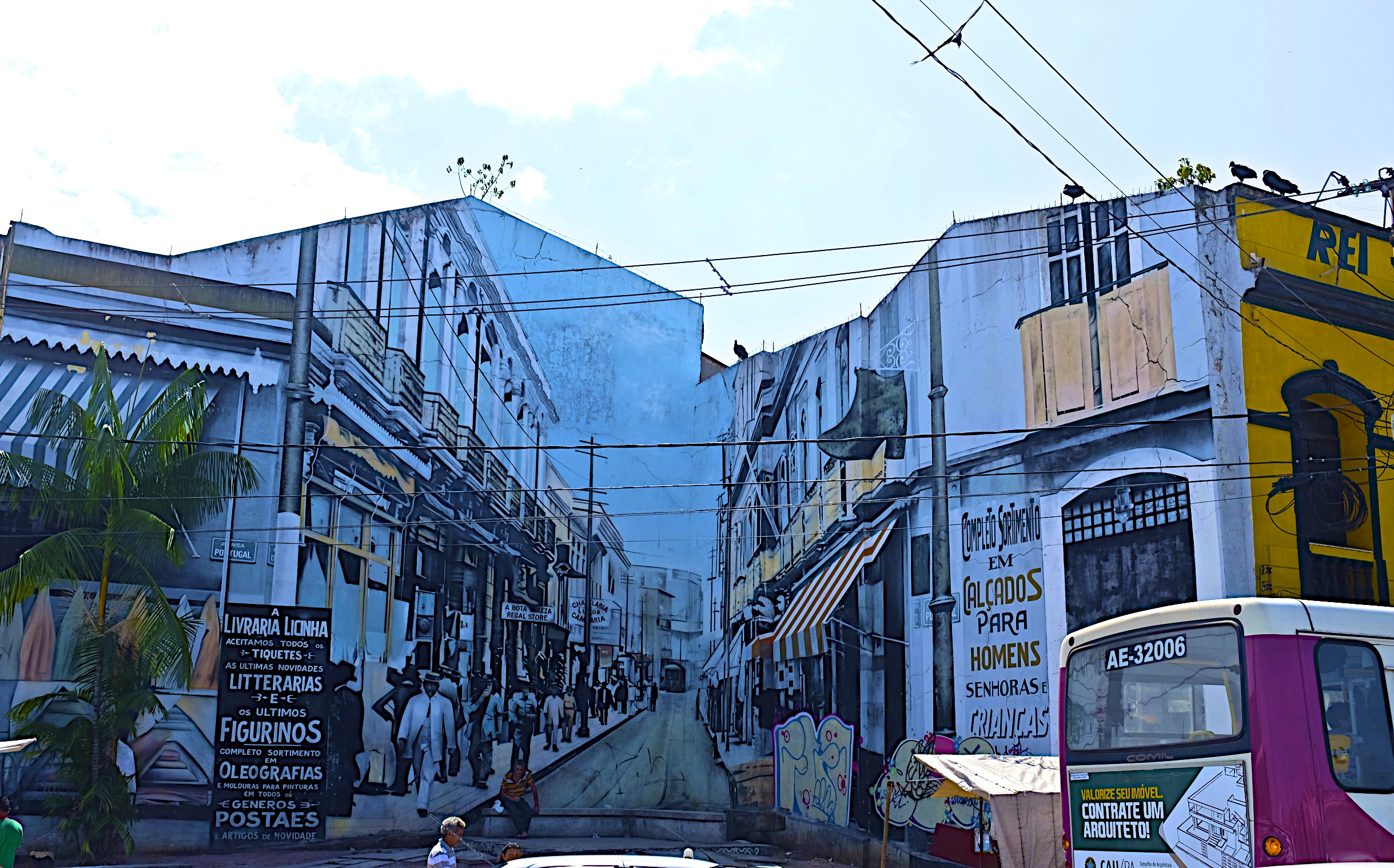
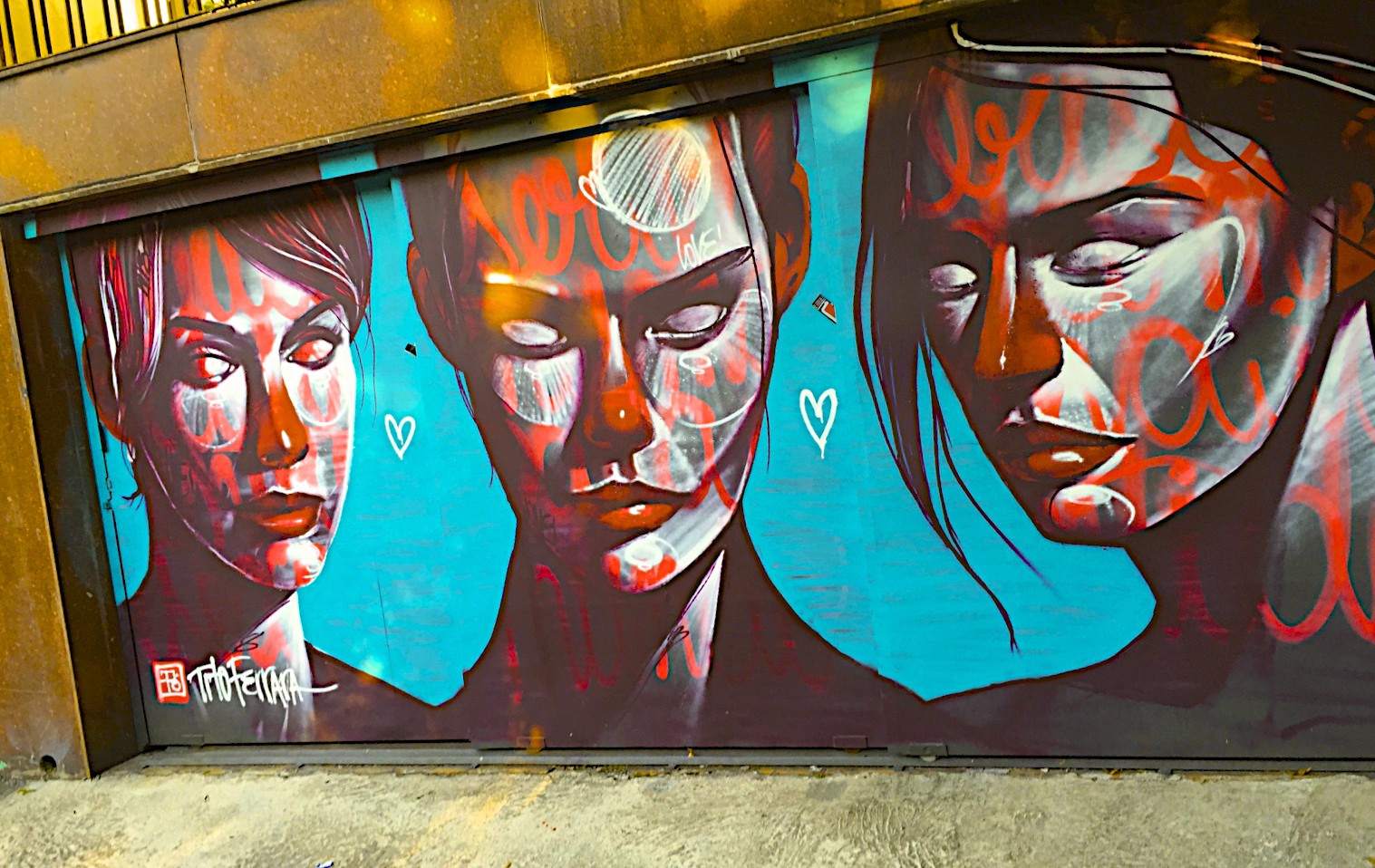
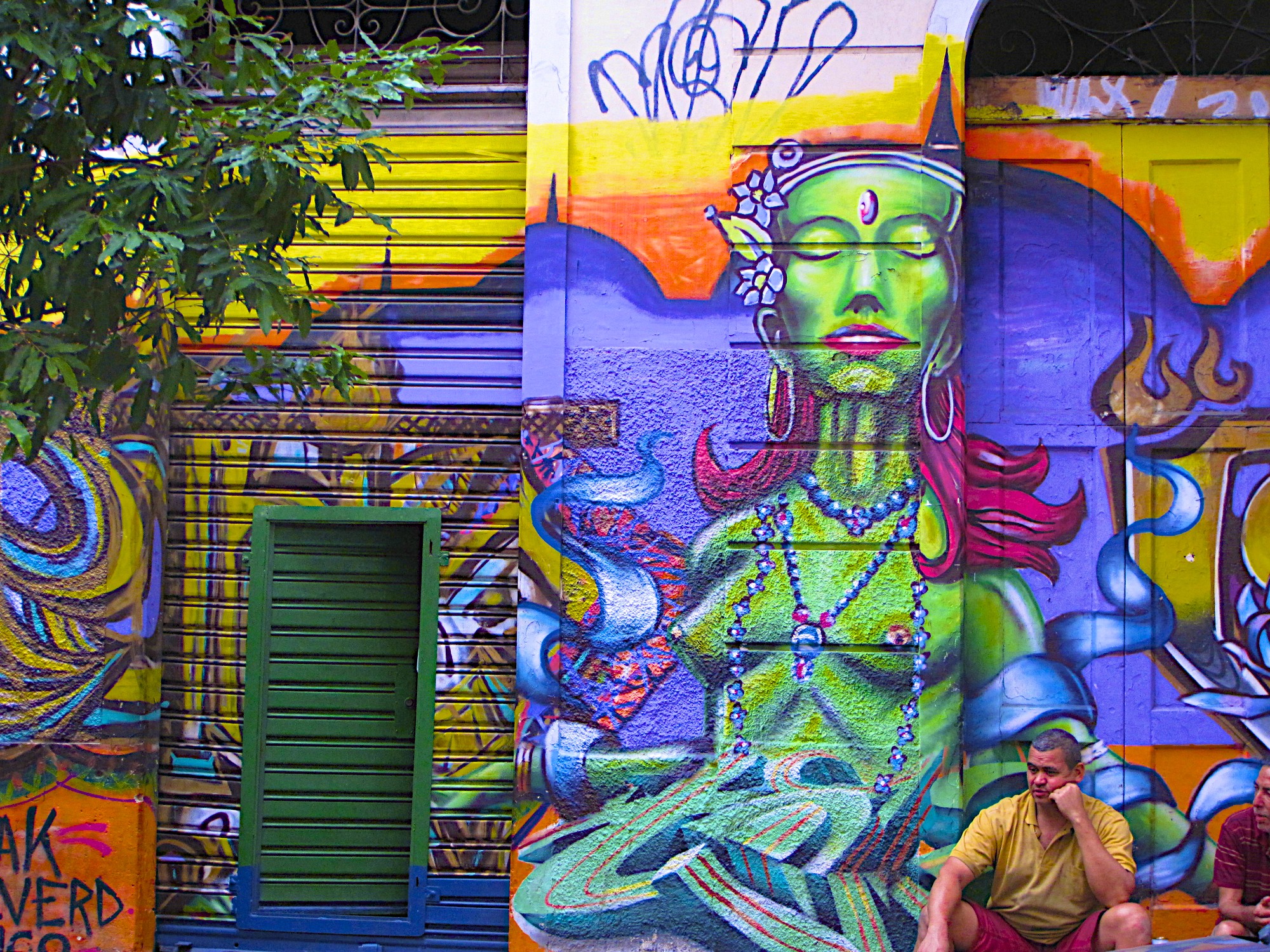
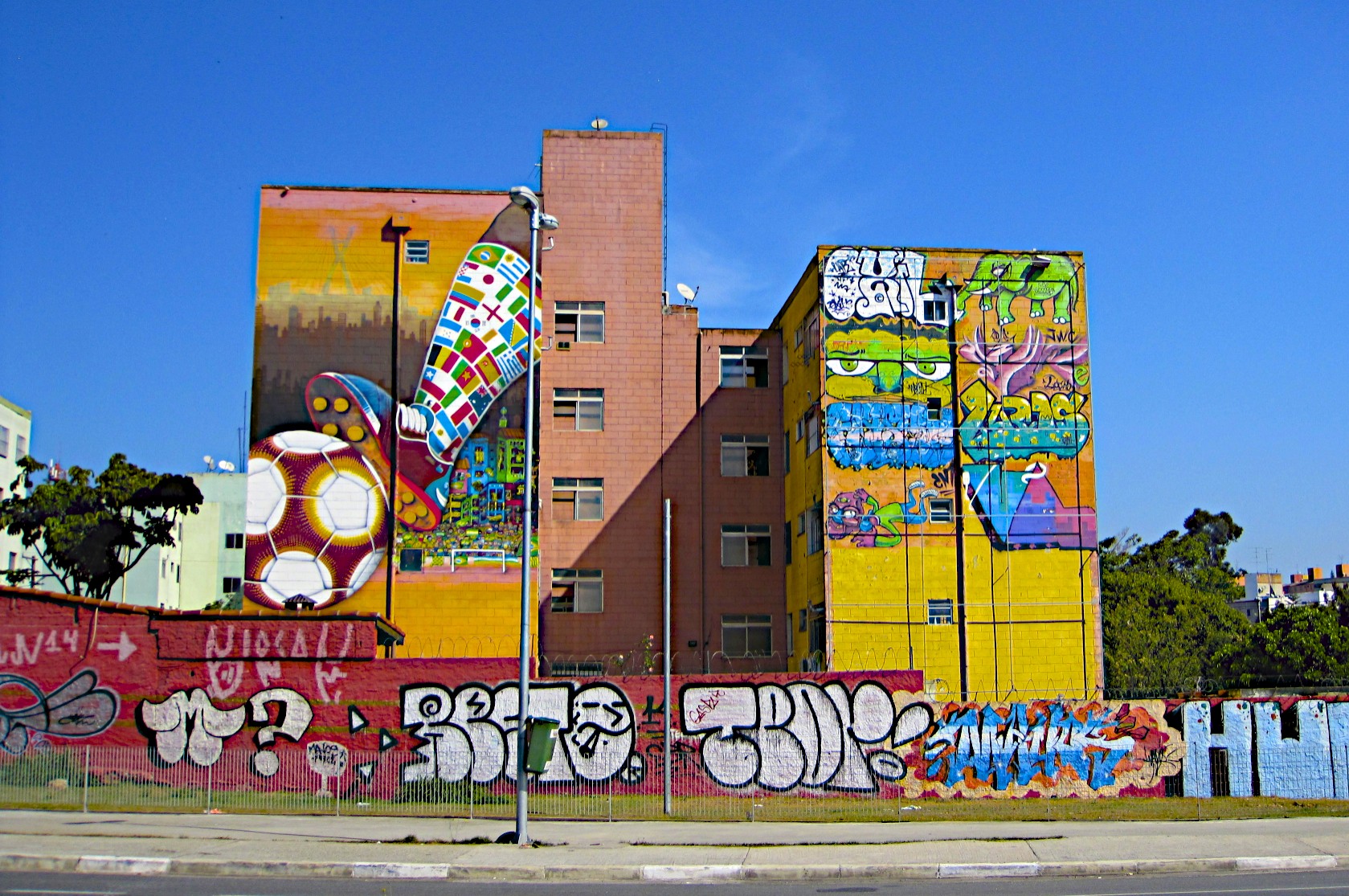
You don’t have to look for street art in Brazil because in cities like Rio and Sao Paulo, you will see it every where. (Sao Paulo)
It is part of the Brazilian culture now and a big influence on urban art throughout the world. (Sao Paulo)
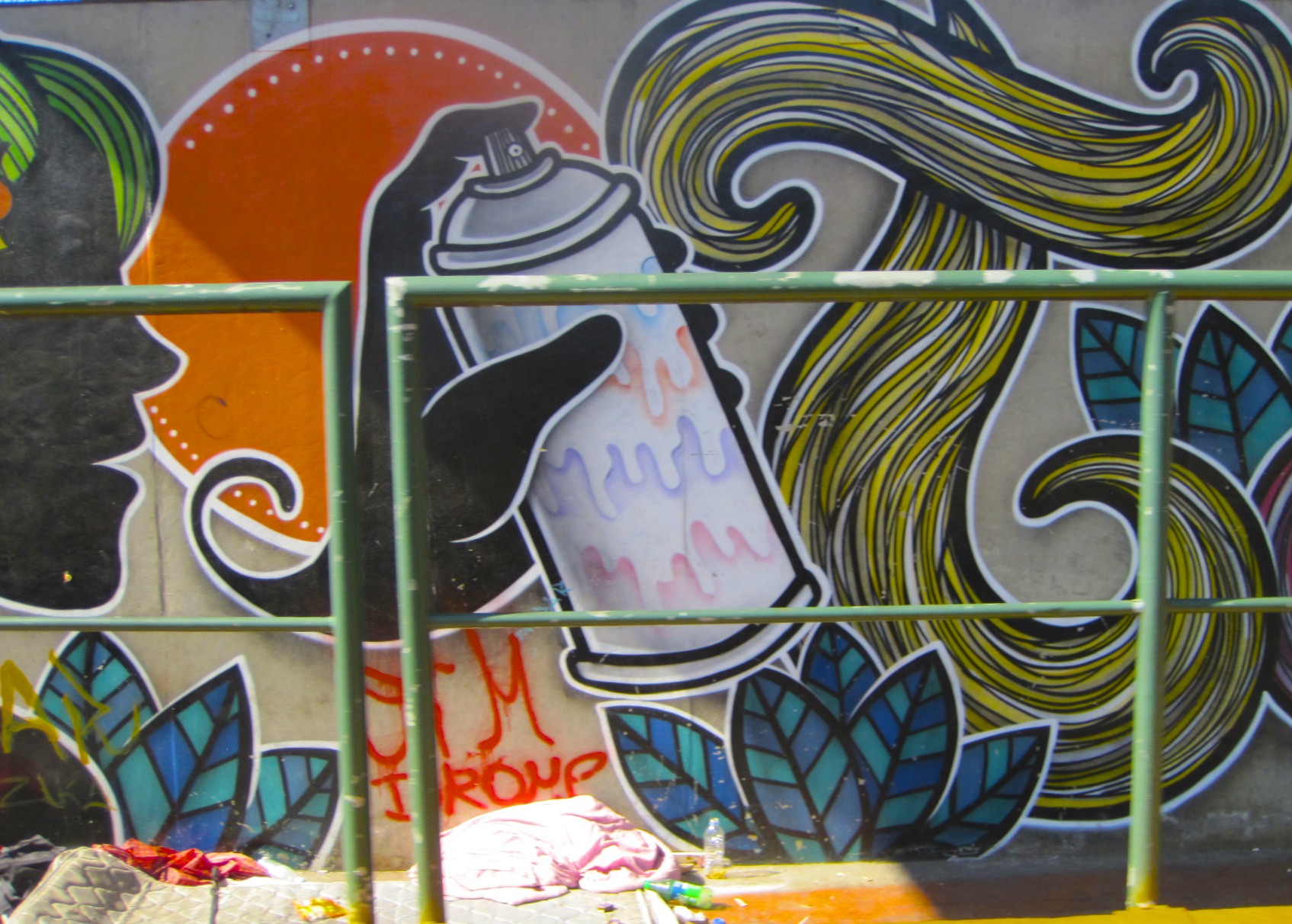
Urban Art In Brazil falls into two categories – street art for everyone to see and enjoy and graffiti writing which seems to be for other graffiti writers – with coded tags, style of letter and specific color palettes. Graffiti art has rules, specific use of materials (almost always spray paint), easy recognizable styles and a history. (Sao Paulo)
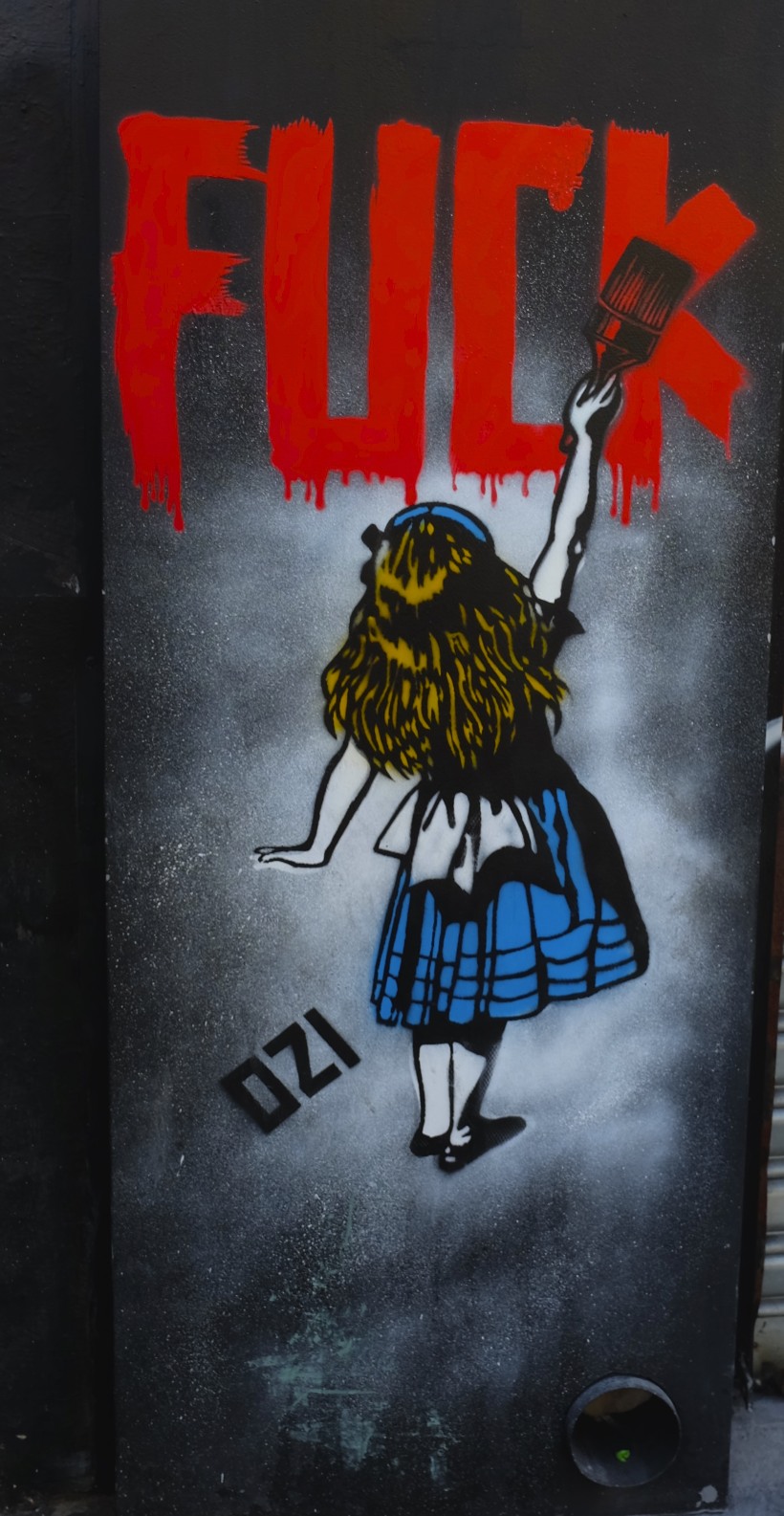
Street art uses many different materials (paintbrush, computer generated images and spray paint). (Sao Paulo – Beco de Batman)
Street art engages us as we walk or drive by and see something beautiful, sad, funny or painful. (Sap Paulo)
Graffiti art always seems like personal message that we are seeing.
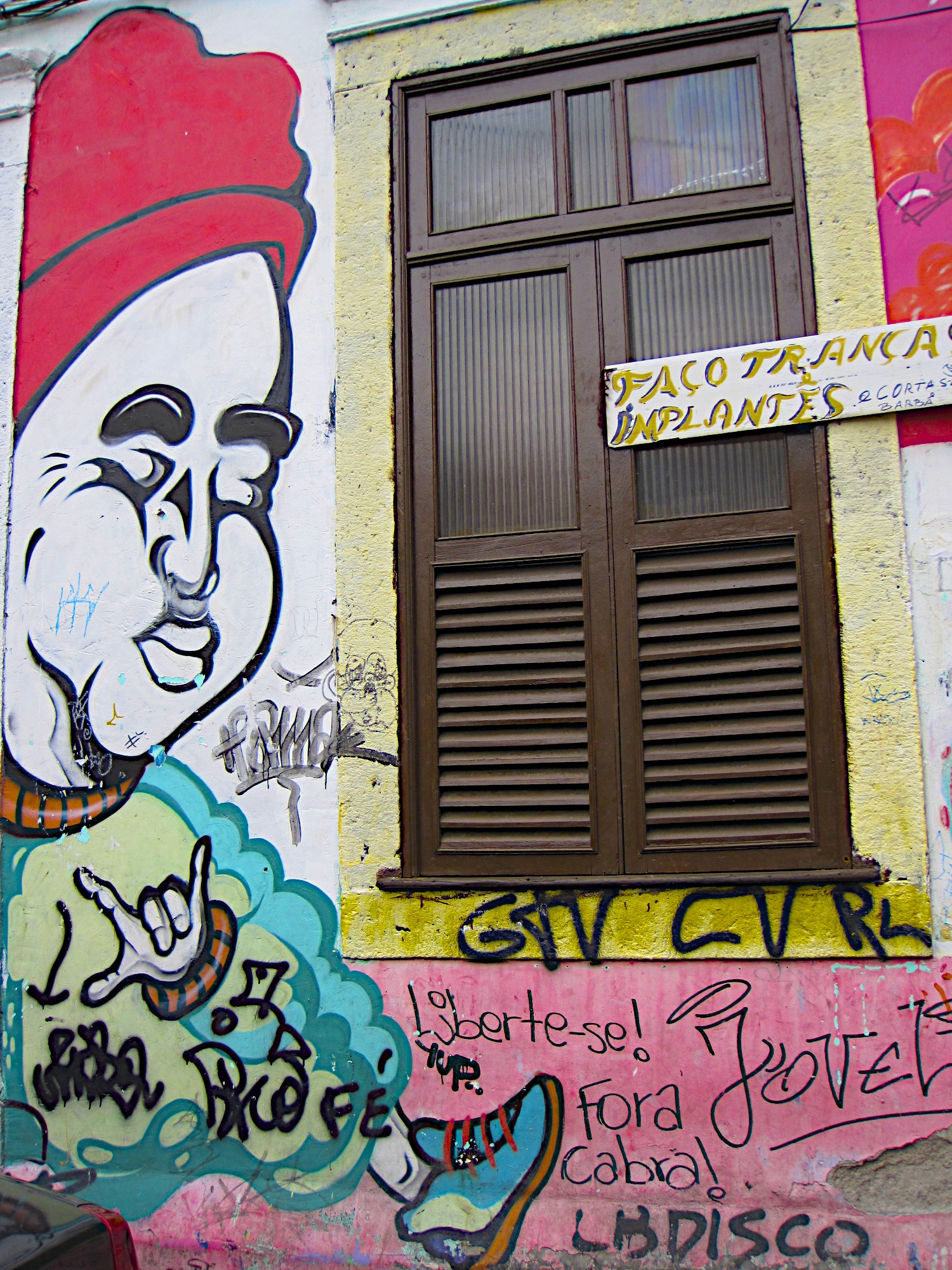
Both are subversive art movements where work is displayed in a public setting for a brief period. (Rio)
It is always the knowing that it wont be there the next time I come that makes it more special to me – that it wasn’t painted to be there forever. (Sao Paulo)
Tagging is different from graffiti. It is known in Brazil as pichacao. (Rio)
The tagger wants to see his name on a wall and has no interest in aesthetics. It is all over Brazil as well. (Rio)
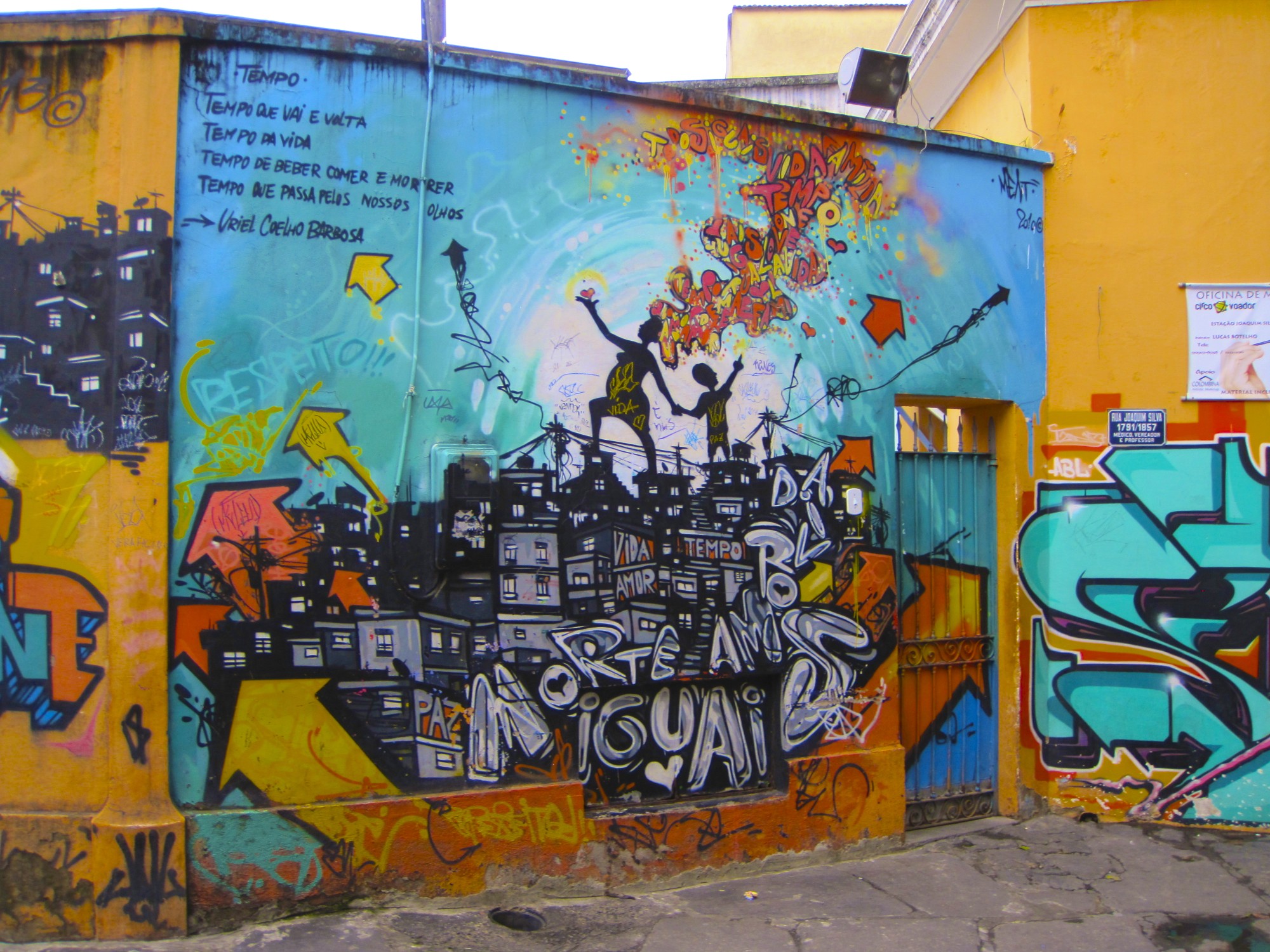
Brazil’s street art is very diverse and always willing to challenge the political, environmental and social climate. (Rio – Lapa)
Urban art is different in Brazil then in other countries because it is everywhere with an abundance of styles, colors and techniques. (Sao Paulo)
In March 2009, the Brazilian government passed a law making street art and graffiti legal if done with the consent of building owners. (Sao Paulo-Kobra)
It is all around from the favelas to the upper class neighborhoods with consent or without. (Rio)
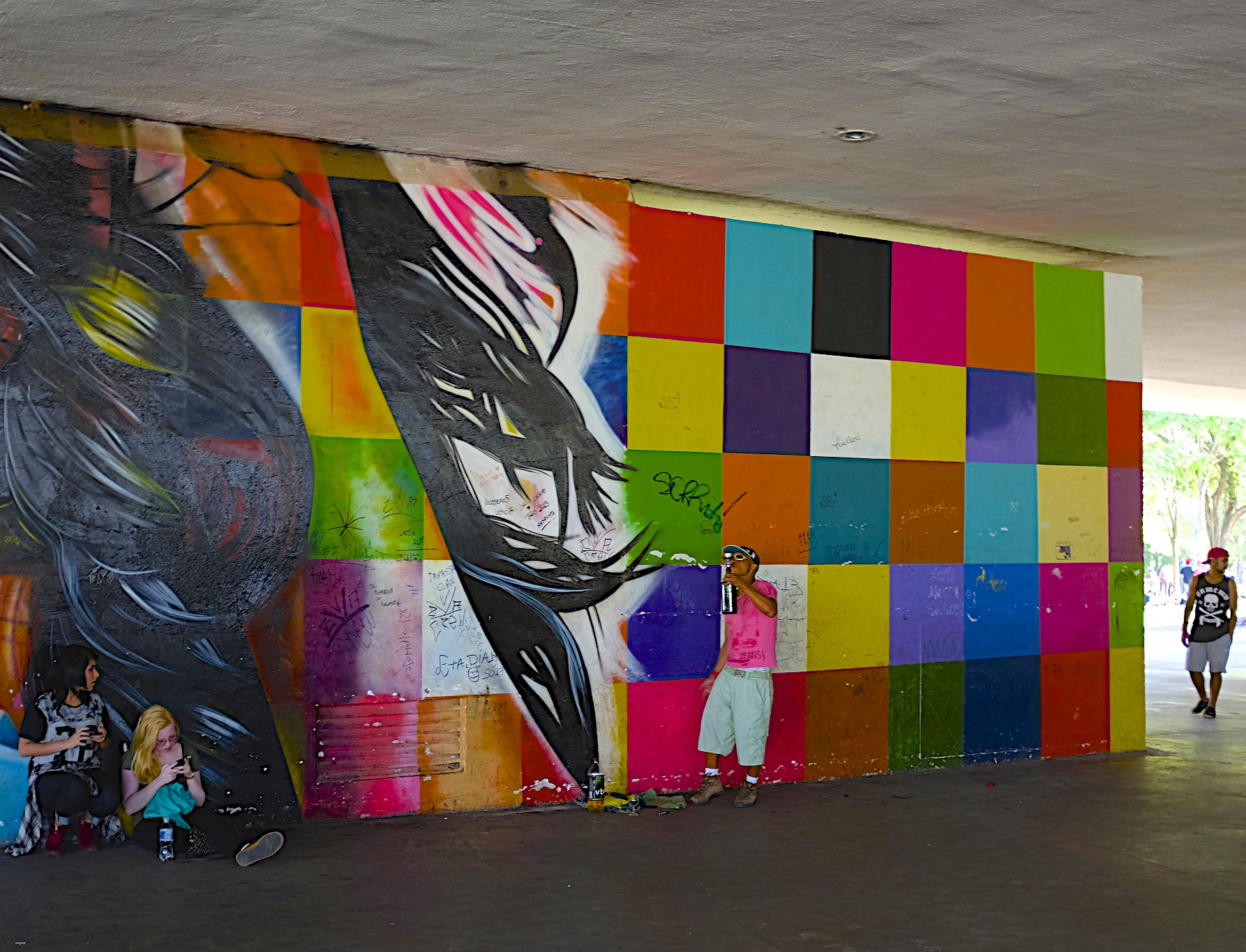
The walls that exist all over the cities whether urban topography or security provide huge spaces for painting. (Sao Paulo)
The cities of Brazil are a giant canvas for the self-expression of their artists. (Sao Paulo)
The Iran Nuclear Arms Deal or Why It is Still Unsafe To Visit Iran
“The only people who should be allowed to govern countries with nuclear weapons are mothers, those who are still breast-feeding their babies.”
Tsutomu Yamaguchi
This is how I feel about the Iran Arms deal. You don’t give nuclear weapons to an unstable country in an unstable part of the world. I don’t care about the political ramifications. I care about the human ones.
Isn’t this the same Iran that when the Ayatollah came into power, he kidnapped the Americans there? Isn’t this the country that thousands of people were forced to evacuate and can never come back? Isn’t this the same Iran that funds terrorists groups? Isn’t this the Iran that is holding American journalist Jason Rezaian and others on trumped-up charges? Will the Mullahs suddenly decide that an international community is the way to go? What happens when a new even more unstable regime takes over? Do they return the weapons to us?
I recently wrote a blog on the ten most dangerous countries not to visit now and there are many more than ten. I was torn based on my research on the tenth one between Iran and North Korea. I ultimately chose North Korea but Iran was a good choice as well. I am confused about why we would give nuclear weapons to a country that is very dangerous for us to go to without the nuclear weapons.
I imagine from a financial point of view it is profitable. If Iran buys nuclear weapons the surrounding countries will need more weapons to defend themselves. Everyone in the Middle East will be buying more weapons.
We are the self-proclaimed “watchdogs of the world” and giving Iran nuclear weapons is not protecting our world in any way. Is the hope that if we trust them they will behave with integrity? I believe Winston Churchill thought the same about Hitler when he signed the Munich Agreement in 1938 to avoid war. The Munich Agreement has become synonymous with the futility of giving power to totalitarian states.
Hate is irrational and there appears to be a lot of hate in these countries – especially for Jews and Israel. I imagine the Jews who signed a petition in favor of the Nuclear Arms Deal with Iran probably would not have left Nazi Germany in time. Many intelligent wealthy Jews held out hoping that the threat of persecution and death would pass. – that rational, intelligent thought would prevail over the death camps.
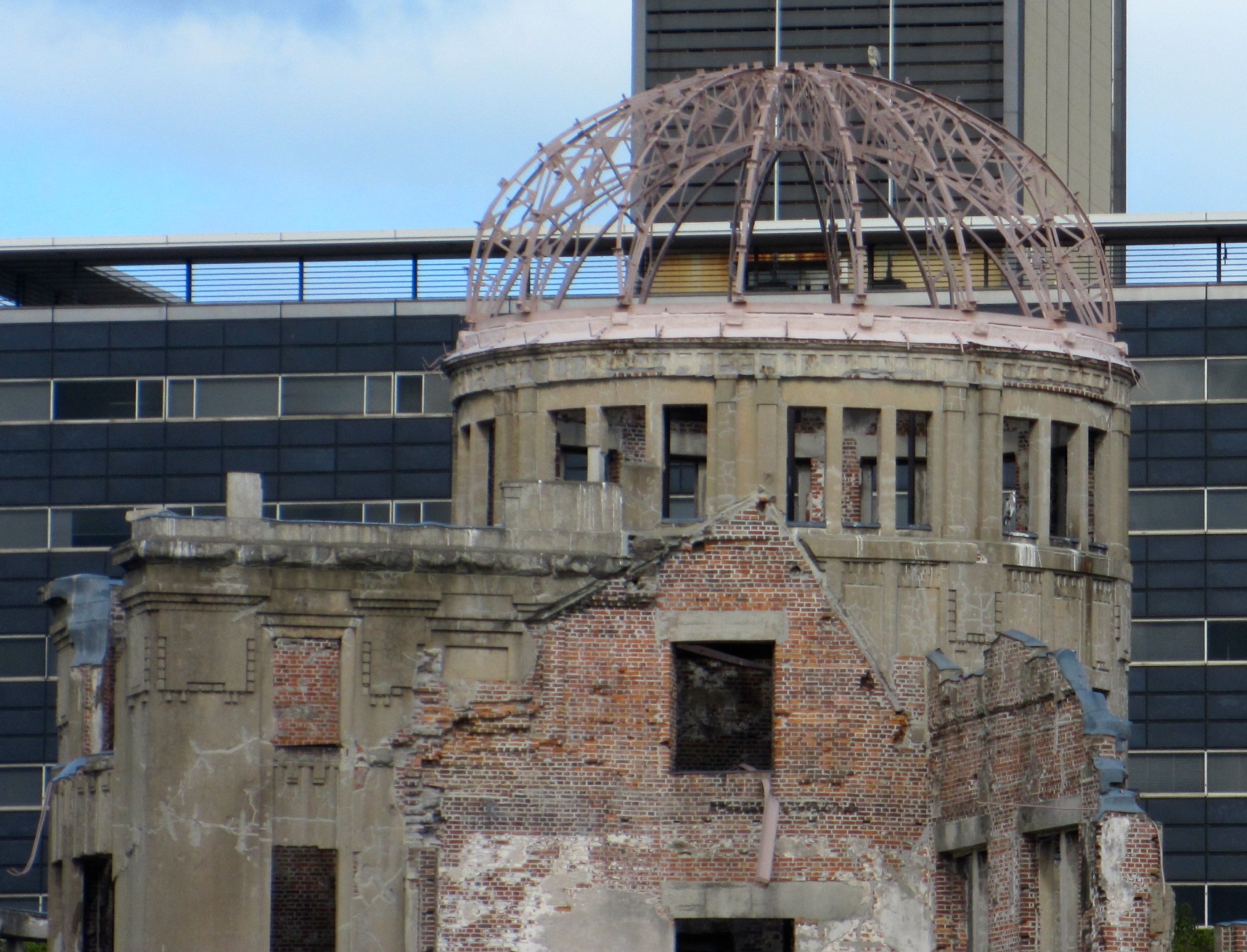
Have any of the Jews who signed the petition or people in favor of the Arms Deal with Iran been to the Hiroshima museum in Japan? Every Japanese school child has to go. The motto is No More Hiroshimas. The symbol is the Hiroshima Dome (Genbaku dome), the only building left standing in the area where the bomb exploded. Anyone who has spent time in this museum and listened to the stories and continued health problems would know the only good use for nuclear weapons is to keep people from using them. Ultimately what would be our defense against Nuclear Weapons? Nuclear Weapons.
“The world lies in the hands of those who have the courage to dream and who take the risk of living out their dreams – each according to his or her own talent.” Paul Coelho
The name Brazil comes from the brazilwood tree (which I’m sure I took pictures of but have so many tree photos in the Amazon). In Portuguese it is called pau brazil. The tree produces a deep red dye, highly valued in the European clothing industry and was the first commercially exploited product in Brazil.
The Brazil nut tree is a different tree only found in the Amazon. (Belem)
Brazil is the only country in South America that speaks Portuguese and the largest Portuguese speaking country. It is very hard to understand Portuguese but easy to read if you speak Spanish. The pronunciation is very different from the spelling that we are used to. Very few people speak Spanish which is interesting considering all their neighboring countries do. They teach English in the schools instead. (Paraty, pronounced para-chee. We have cold beer and cake?)
Brazil does not like conflict or war. They don’t even like to say the word war. When a civil war breaks out they call it a revolution.
Brazil sent three thousand soldiers to World War II reluctantly on the side of Italy and Germany but quickly changed sides when the opportunity presented itself to do so.
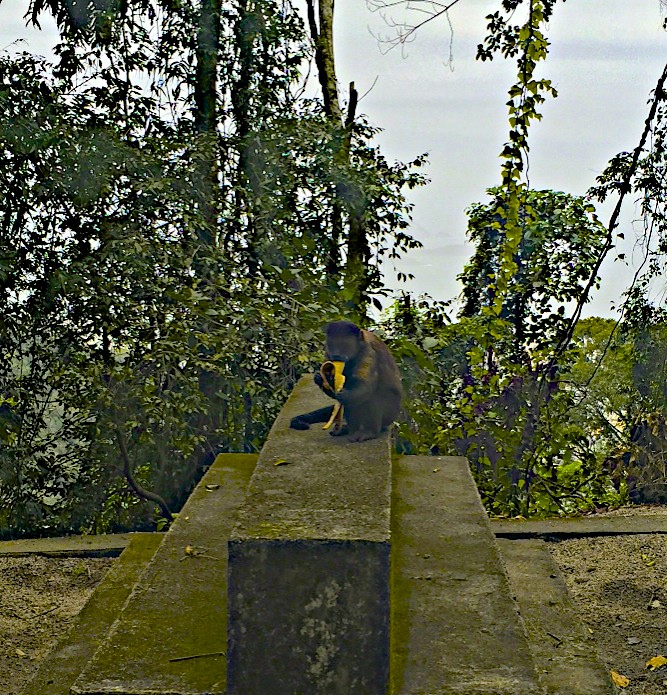
There are more species of monkeys in Brazil than anywhere else in the world. This is a very hungry marmoset. I was being nice and offered to share my banana because I was hungry also. He came very close to me and started screaming and showing his teeth for the rest of it. They may look cute but they are predators. Everyone else got the good pictures. I was dealing with the banana. Guess who won? (Rio pronounced Rio)
Brazilian food is super good. (Belem street food -Tacaca with shrimp and jambu)
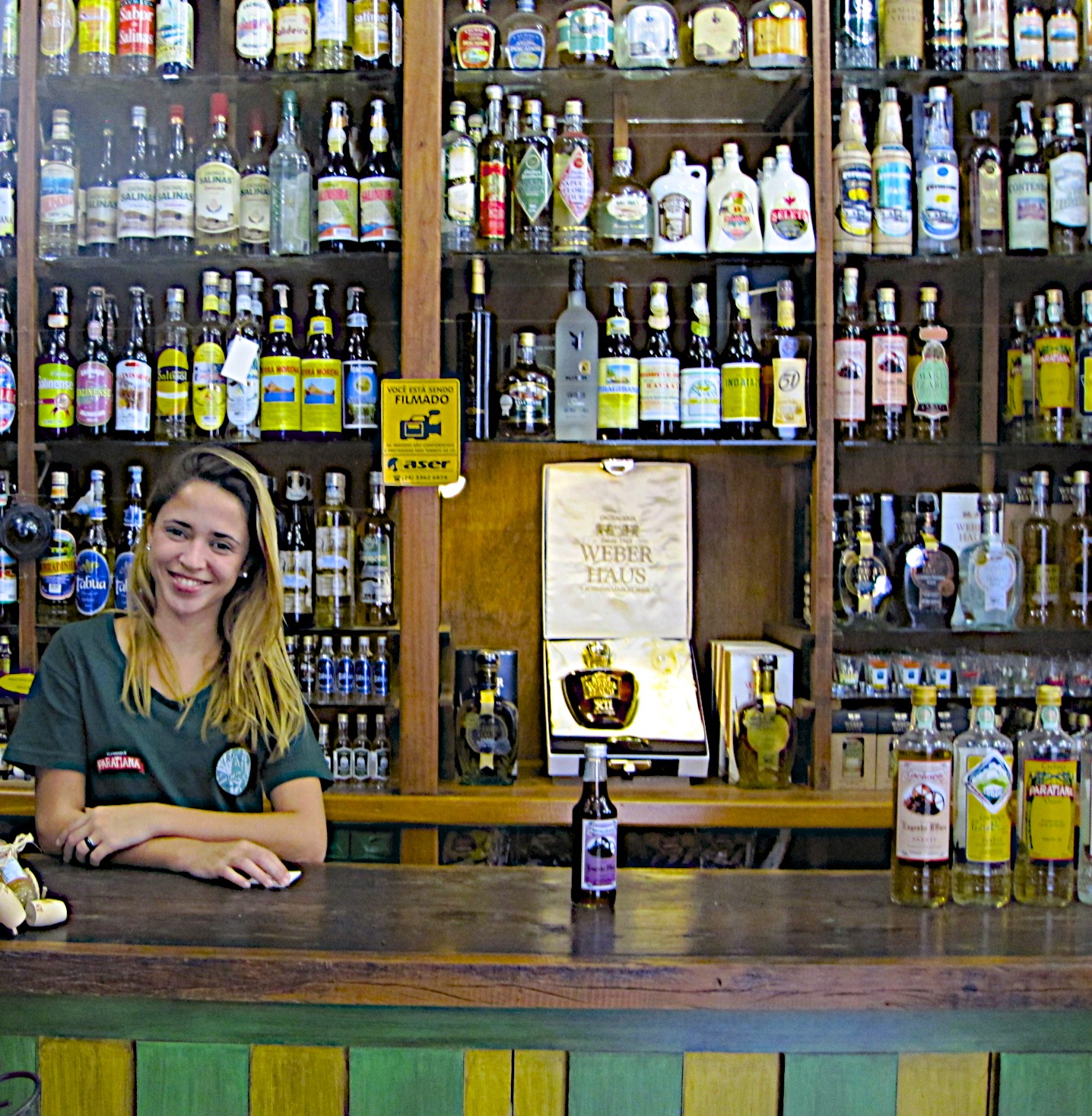
Caipirinha is the national drink of Brazil. it is made with cachaca. (pronounced ca-chasa) (Paraty)
Brazil’s homicide rate is 25 per 100,000 people. This is the closest photo I had. I was getting a tour of the opera house in Belem when I turned my head and saw a cop with a gun in someone’s back. If it was the US, they probably would have shot him.
The longest traffic jam in the world took place in Brazil.
There are at least 15 girls in every favela more beautiful than Beyoncé.
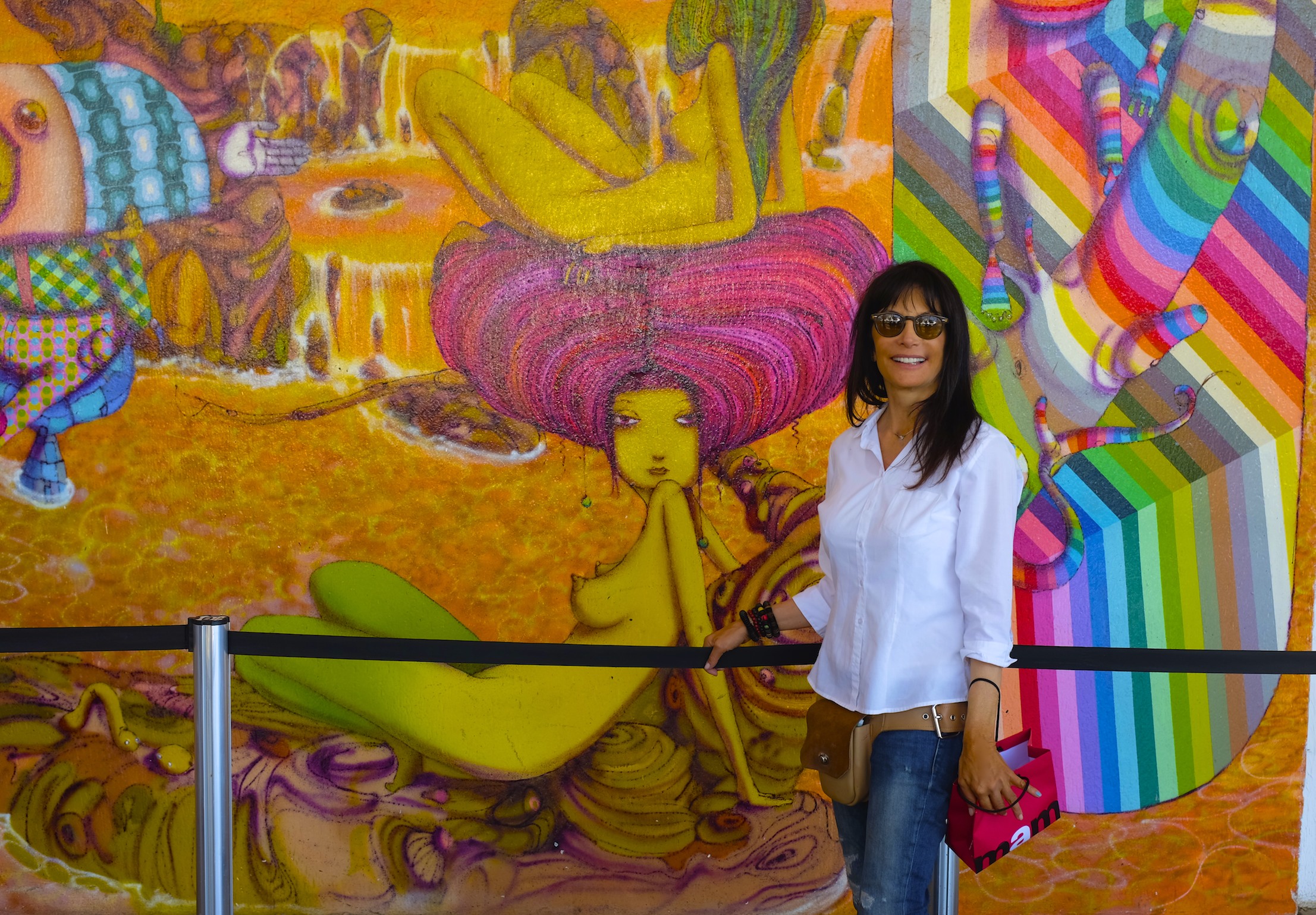
Street art is all over Brazil ,from professional or crude to tagging. (São Paulo – Cobra)
54% of the population has European ancestry.
.
The Acai berry is grown in Brazil, which is believed to prevent cancer, help with weight loss, detoxification and general health issues. There is a lot of acai in the Amazon. It is not a superfood – it is just food usually eaten with dried cassava balls on top or as a juice served in a plastic bag. (Marajo)
Almost everything from the Amazon can be like Viagra. ( Marajo, turu – grey tree worms -there are many in that tree. usually eaten raw – luckily they ran out of clean water and wanted to wash mine in the river, I declined)
The highest point in Brazil is Pico da Neblina, which is 2,994 m high.
Brazil is presently one of the fastest growing economies, with an annual GDP growth rate of 5%.
The Brazilian bikini wax was invented in New York in 1987 by 7 Brazilian born sisters .
Brazil produces the most oranges in the world.
The world’s widest road is the Monumental Axis in Brazil. Here, 160 cars can drive side by side!
Brazil has won the World Cup 5 times (more than any other country!) They feel shame from the last World Cup and don’t really want to talk about it.
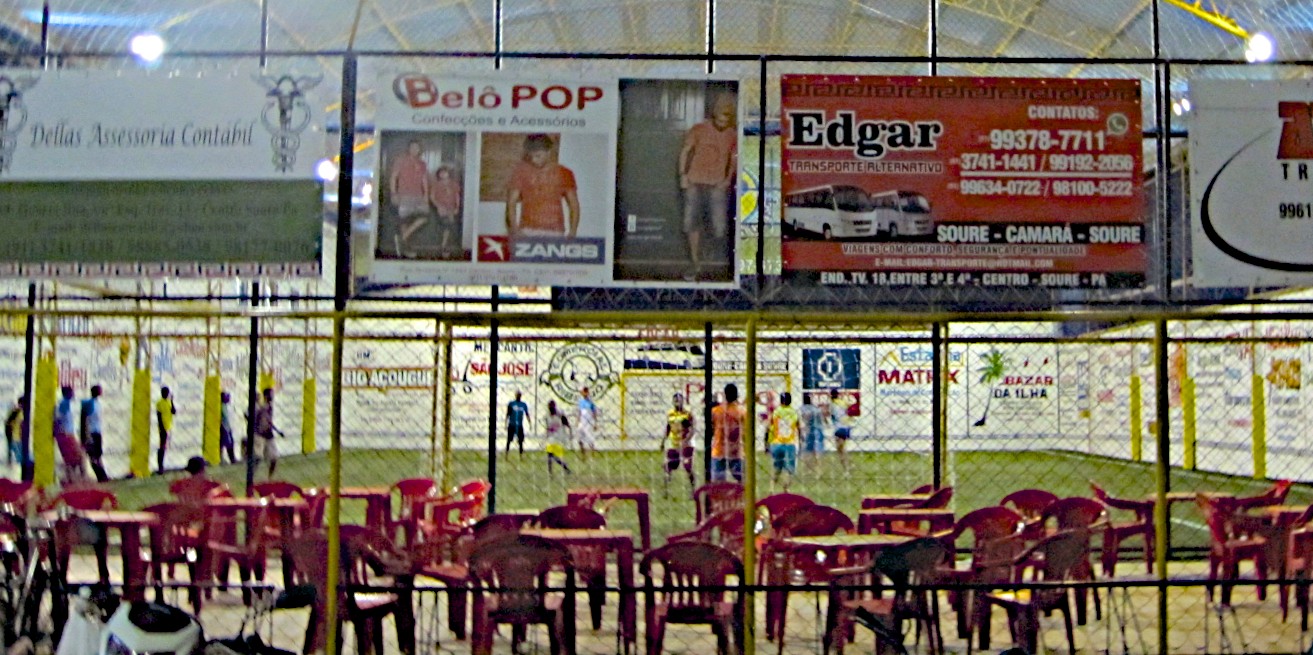
Every city in Brazil has at least one soccer stadium. In 1967, a 48-hour ceasefire was declared in Nigeria so that Federal and Rebel troops could watch the Brazilian soccer legend Pele play on a visit to the war-torn nation. (Soare, indoor soccer)
Coca-Cola in Brazil sponsors a Pele museum on wheels that travels across the country.
Brazil has never lost a game when Pele and Garrincha played together. Kaka paid for his brother’s education at the best college in São Paulo before Rodrigo himself became a football player.
Kaka was twice voted as Brazil’s sexiest footballer. In 2005, a Nike ad starring Ronaldinho was the first video on YouTube to break 1 million views.
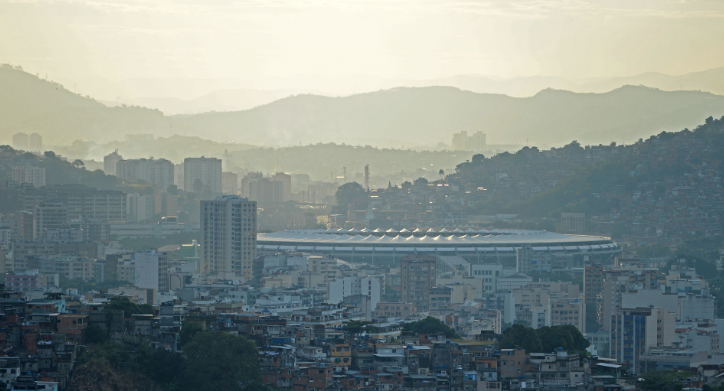
Brazil has the largest stadium in the continent – the Maracana Stadium.
It is another one of those countries that knows how to blow dry curly hair straight very well. (Sao Paulo)
It has the second highest number of airports in the world.
Brazil has a drink named after Jesus.
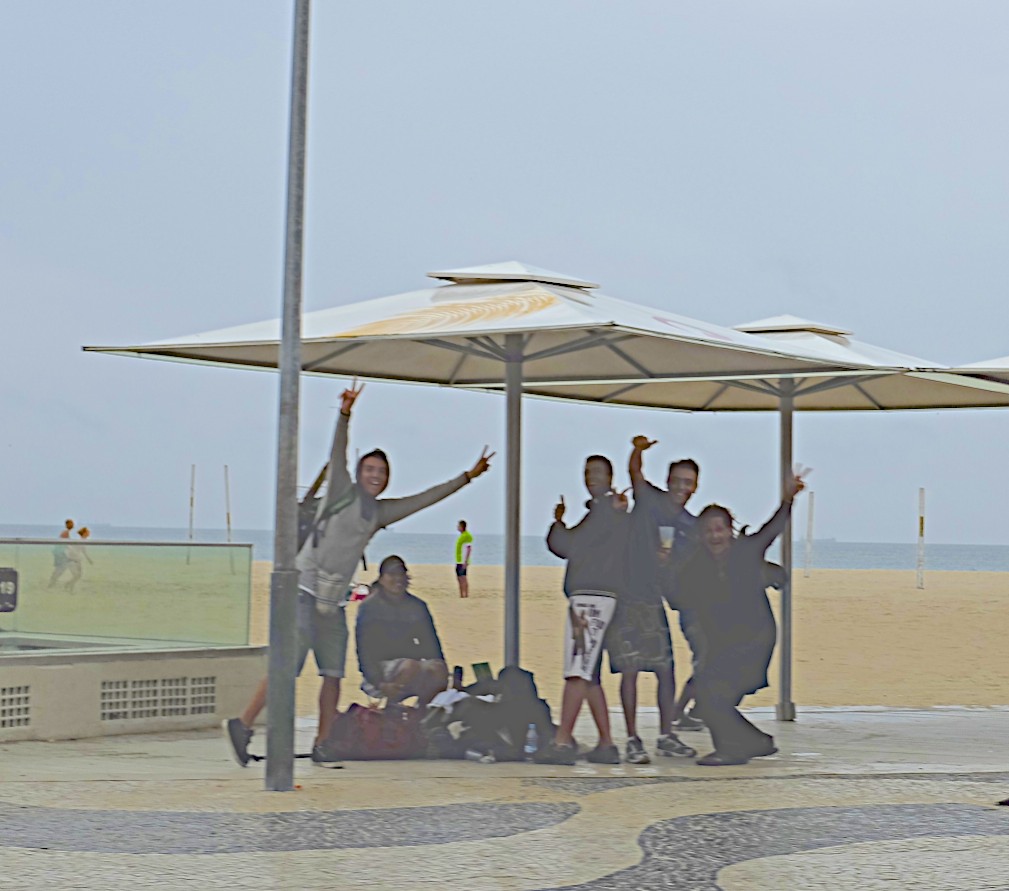
In Brazil there is a new futbol beach volleyball where they don’t use their hands. (players in Rio at Copacabana Beach posing)
It is one of the world’s leading producers of hydroelectric power.
Brazil has the fifth highest number of visits from the pope in the world.
Brazilian women attained the right to vote in 1931.
Brazil is the 5th country to make seat belts compulsory.
Brazil literacy rate is 86.4%- the lowest in the continent.
Brazil shares a border with every country in the continent except Chile and Ecuador.
The motto of Brazil is “Order and Progress”.
Brazil has the longest beach at 7500km.( Marajo – not the longest but long and beautiful)
Brazil has the most number of species on the continent. (Marajo – vulture flying over not the longest beach)
Brazil has the highest number of AIDS victims in the world.
Brazil has the ninth highest number of billionaires in the world.
A Brazilian model is considered one of the most gorgeous women in the world.
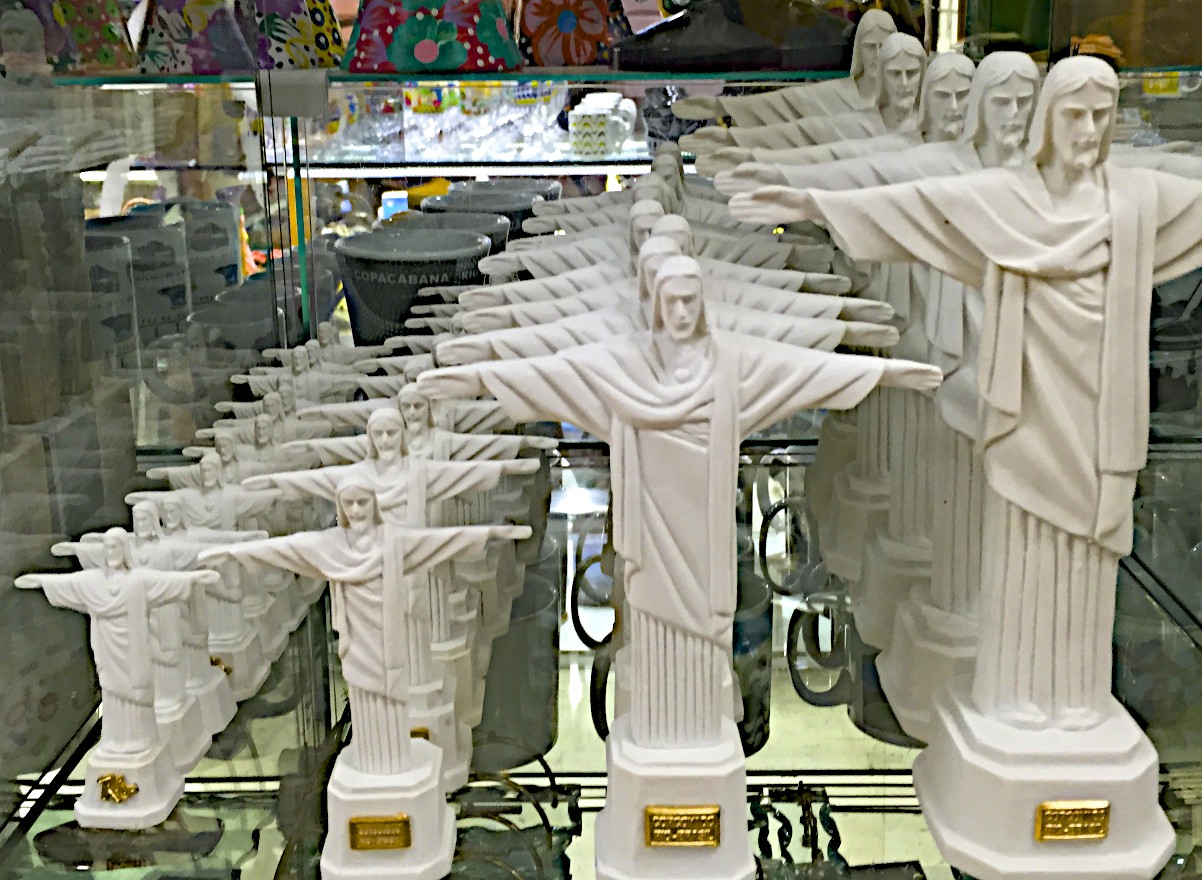
There is no official religion any more in Brazil. There are a lot of these statues around Rio.
The Portuguese were very different colonizers than the Spanish. They immediately intermarried with the Indians and the first Brazilians are born. Brazil really is a melting pot of races, foods, religions and cultures.
The currency of Brazil has both horizontal and vertical pictures.
Brazil is the longest country in the world, spanning about 2,800 miles from north to south via land.
I loved Brazil and I’m already planning to go back next year. I can say good morning, good evening, thank you, you’re welcome, goodbye and soy milk in Portuguese so I think I’m good. (Paraty)
Why You Should Read My Blog (If You Travel And If You Don’t)
“When asked, ‘How do you write?’ I invariably answer, ‘One word at a time,’ and the answer is invariably dismissed. But that is all it is. It sounds too simple to be true, but consider the Great Wall of China, if you will: one stone at a time, man. That’s all. One stone at a time. But I’ve read you can see the motherfucker from space without a telescope.” Stephen King
I’m not paid to write my blog which in our society makes it undervalued by many of my friends and family. It hurts my feelings when my friends or family can’t be bothered to follow it or read it sometimes. I’m not referring to everyone. Some of them are very supportive. On the other hand the blogging community is friendly, informative and generally cheering for you to succeed.
Travel is my passion. I am writing about what I love to do and what I see in the world. I do a lot of research before and after I travel so my facts are always checked. I love reading other people’s blogs because I want to know what they loved about where I am going. Though I read everything, I’m less interested in what paid travel writers have to say. I go for the passion.
You definitely shouldn’t read my blog for the photographs but I’m getting better. There are some seriously amazing travel photography blogs out there like beautifulIceland@wordpress.com., http://www.bulldogtravels.com and http://dalocollis.com. They write well too and I want to go everywhere they have been. I like people who write from their heart not for their audience. I like blogs about navigating spirituality, literature, poetry and life from https://bobbiblogger.wordpress.com, mitchteemley.com, http://leonarddurso.com, https://michelleazar.wordpress.com. and http://stephaniebarbehammer.net. I like this blog called https://animalcouriers.wordpress.com, They transport pets around the world.
Writing is something I never thought I would be doing. It has changed my life and how I track the experiences in my life. It forces me to become more observant of the world around me and articulate my life and my decisions. It’s an interesting exercise in how much you want to reveal about yourself to others. I started revealing very little and now I tell more of my story from time to time. I realize that It is helpful to put your story out there. There are a few times when I’m writing about myself that I feel l’ve lived an important life and have something to offer others. If nothing else, my story is “in the cloud” for posterity.











































 Travel Well, Fly Safe
You must be logged in to post a comment.