Acai In The Amazon Gets Its Own Blog Post

Acai In The Amazon Gets Its Own Blog Post

“Let your food be your medicine and your medicine be your food.” Hippocrates
DSCF5171

As froyo begins to lose ground to kale smoothies, the trendy. spendy acai bowl continues to gain in popularity. (Pinkberry gets in the game)

IMG_5540

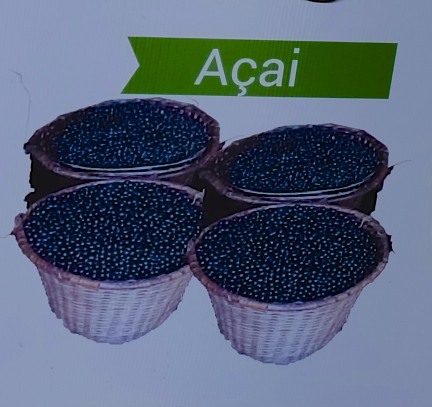
Though there is no scientific proof, acai is the new superfood because it is high in antioxidants and it tastes better than wheatgrass (an old superfood). It is more expensive than blueberries and raspberries (which also have antioxidants) and usually added to healthy smoothies or served in a bowl.

IMG_5503

The acai outside of the Amazon region  is frozen puree and mixed with banana or strawberries, soy. almond or coconut milk. It is served with oatmeal, granola, nuts or fresh fruit and is definitely a fun ice-cream like breakfast alternative.

IMG_5597

We as  Americans who mostly only speak English are poorly equipped to pronounce foreign words. Acai is Portuguese and is particularly difficult for us. The pronunciation in Brazil is Ah – Sa – Ee.

In the Amazon region, acai is not a superfood, it is just food. It is grown in the forest on the acai palm and harvested between July and December. (acai palm)

DSCF5258

It was definitely acai season and we ate it a lot.  (Osvaldo finds acai in the jungle)

DSCF5259

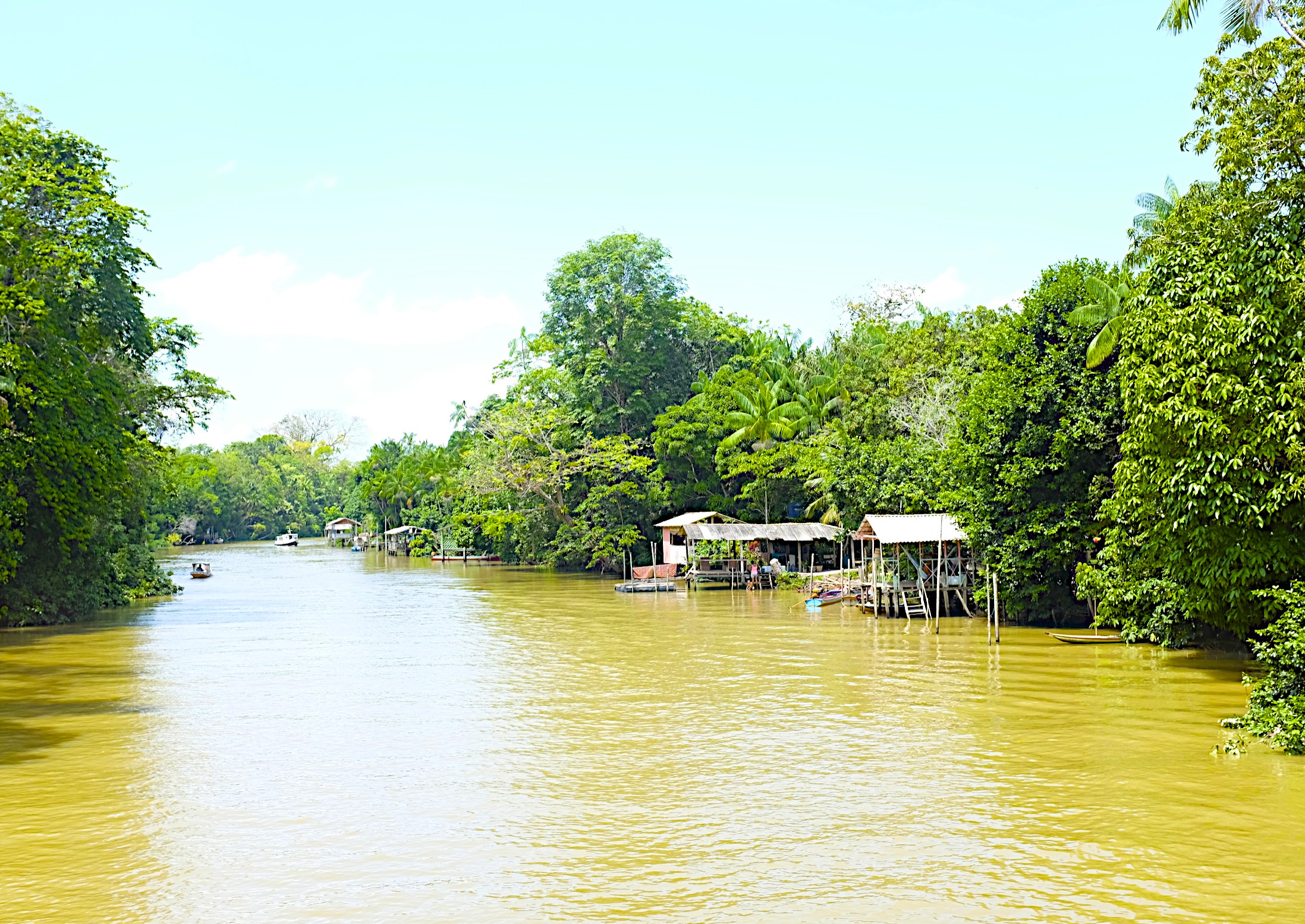
Till recently acai was a staple food for the poor in the Amazon region. A porridge of acai and manioc flour was not full of nutrition but cheap and very filling. Many families who live on the river now harvest acai.
DSCF5232

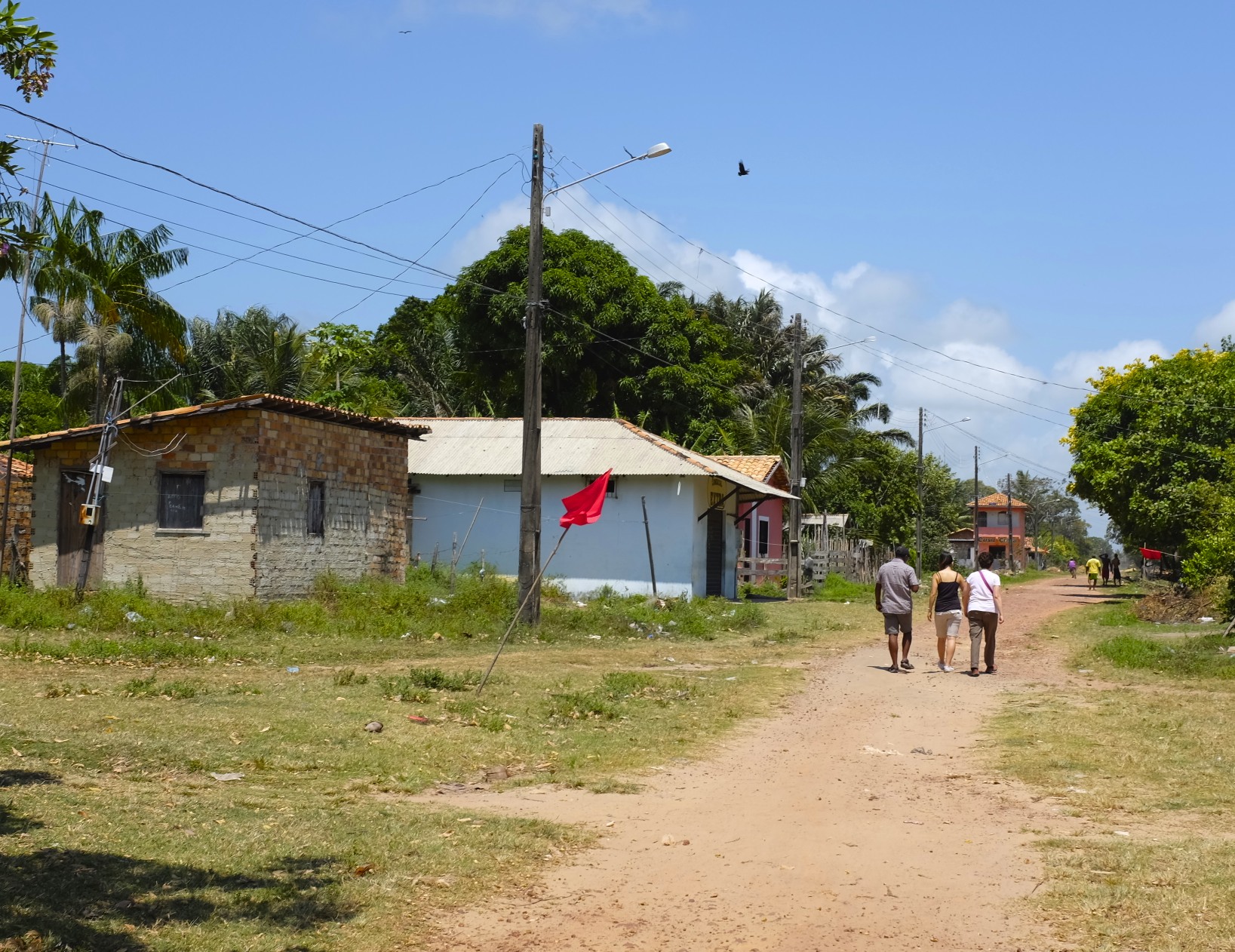
It is always made fresh from the berries found in the Amazon rainforest. In Marajo, when a fresh batch of acai has been prepared, red flags appear on the road. If you see a red flag, it means that they are selling acai nearby. When the batch is sold they take the flags down.

DSCF5087

We bought bags of fresh acai juice.

DSCF5091

It is a good idea to check and make sure that is made with filtered water or what kind of water they use to clean the berries or the equipment.

DSCF5090

Belém’s most famous açaí market, the Feira do Açaí, near Ver-o-Peso market building, bustles before dawn as wholesalers stack baskets of the fruit on the cobblestone square.

Screen Shot 2015-09-30 at 9.34.34 PM

Acai is  also made fresh here from cylindrical machines known as batedores de açaí, “açaí beaters,” that remove the thin layer of fruit from the pit. ( ‘acai beater”, acai pits, bracelets made from acai pits)

DSCF5097

DSCF5099

IMG_5545

When the merchants are ready they hang red signs to show that açaí is for sale.

DSCF5112

DSCF5116

As in towns throughout the region, in Belém residents pick up pulp by the liter to have with lunch or dinner. (acai to go menu)

IMG_0531

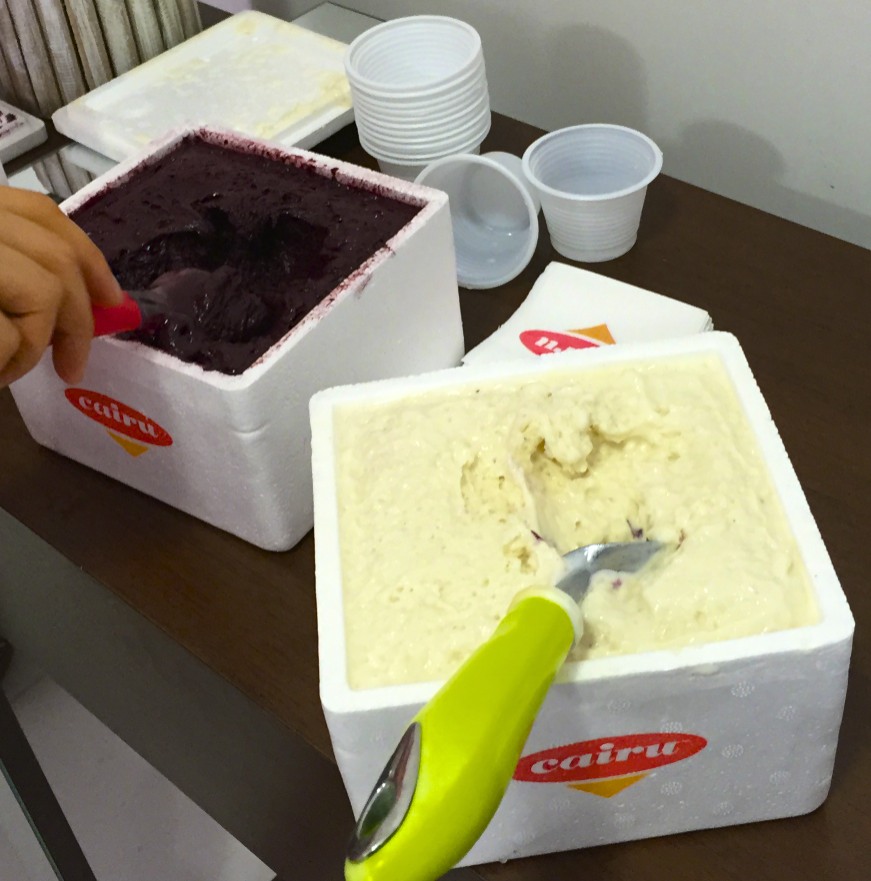
My first taste of fresh acai was acai ice cream mixed with the tapioca ice-cream and it was creamy delicious. There is no comparison between something made with fresh acai and what we get in the States. (Cairu –  best ice cream in the Amazon region)
IMG_4137

We had  fresh acai at several meals. It is often served with dried tapioca. (La Em Casa)

IMG_4426

Purists say that acai should be eaten without sugar but it is a personal choice. I had it without sugar and I liked it. It is hard to explain the flavor –  kind of like a refreshing, earthy berry. If you mix it with the manioc flour (which most do), it gives it a grainy consistency.

Point Do Acai is a restaurant in Belem known for serving acai.

IMG_0518

You can have it as a juice, dessert or in bowl as a side to fried fish. (different tapioca flours)

IMG_0521

IMG_0536

IMG_0534

In the Amazon region people think it is funny that acai is the new energy drink. They say that they usually have it with their midday meal and fall asleep after.

Tenha Uma Boa Viagem,

JAZ

Favorite Travel Quotes

Favorite Travel Quotes

“A quotation is a handy thing to have about, saving one the trouble of thinking for oneself, always a laborious business.”A.A.Milne

I am a quote person so I have a lot of favorite quotes – about everything. I start every day with a quote as do my friends and family on my quote list. Someone else’s words have always helped me to find my own. Here are a few of my favorite travel quotes.

“There is a time when it is necessary to abandon the used clothes, which already have the shape of our body and to forget our paths, which takes us always to the same places. This is the time to cross the river: and if we don’t dare to do it, we will have stayed, forever beneath ourselves.” Fernando Pessoa

“Walkers are ‘practitioners of the city,’ for the city is made to be walked. A city is a language, a repository of possibilities, and walking is the act of speaking that language, of selecting from those possibilities. Just as language limits what can be said, architecture limits where one can walk, but the walker invents other ways to go.” Rebecca Solnit

“I had an inheritance from my father,
It was the moon and the sun.
And though I roam all over the world,
The spending of it’s never done.”  Ernest Hemingway

“Our battered suitcases were piled on the sidewalk again; we had longer ways to go. But no matter, the road is life.” Jack Kerouac

“One’s destination is never a place, but a new way of seeing things.” Henry Miller

“We live in a wonderful world that is full of beauty, charm and adventure. There is no end to the adventures we can have if only we seek them with our eyes open.”  Jawaharial Nehru

“What you’ve done becomes the judge of what you’re going to do – especially in other people’s minds. When you’re traveling, you are what you are right there and then. People don’t have your past to hold against you. No yesterdays on the road.” William Least Heat Moon

“And above all, watch with glittering eyes the whole world around you because the greatest secrets are always hidden in the most unlikely places. Those who don’t believe in magic will never find it.” Roald Dahl

“All you need is 20 seconds of insane courage and I promise you something great will come of it.” Cameron Crowe and Aline McKenna

What you’ll want a thousand years from now is this:
a memory that beats like a heart–
a travel memory, of what it was to walk here,
alive and warm and textured within.” Tara Moore

“From there to here, from here to there, funny things are everywhere!”  Dr. Seuss

“Sometimes your only available transportation is a leap of faith.” Margaret Shepherd

“Better to see something once, than to hear about it a thousand times.”Mongolian proverb

“If you smile at me, i will understand because that is something everybody everywhere does in the same language,” Crosby Stills Nash and Young

“Remember what Bilbo used to say: ‘It’s a dangerous business, Frodo, going out your door. You step onto the road, and if you don’t keep your feet, there’s no knowing where you might be swept off to.”J.R.R. Tolkien

Fy Safe,
JAZ

Things To Look For In A Traveling Companion

Things To Look For In A Traveling Companion

“ I am looking for someone to share in an adventure that I am arranging, and it’s very difficult to find anyone.’
“ I should think so — in these parts! We are plain quiet folk and have no use for adventures. Nasty disturbing uncomfortable things! Make you late for dinner!”
J.R.R. Tolkien, The Hobbit

Traveling with family and friends either brings people together or tears them apart. All the friend happiness you have had when planning the trip can change when things go wrong or your blood sugar drops. People seem to change a lot on a trip. To quote a bumper sticker, conflict happens.  The most important thing  is communication. Communicate your priorities and travel styles during the planning stages not when you get there.  Here are a few things to consider.

Similar travel rhythms. I like to do as much as possible – especially in a city. But if I am by a beach, I suddenly have nothing to do but be on the beach. Different places require different rhythms. It’s important to pick a travel partner who can adjust.

Have something in common. I like art, shopping, prefer walking and hiking to bike trips, start my day early, hate long lunches, or sitting in a bar all night.

Schedules are important. If you like to stay out all night and get up late, I will be gone in the morning. I like to get an early start before the crowds.

It’s hard for me to be with someone who doesn’t say what they want. The phrase “whatever you want to do, I don’t care I’m easy” always  turns out to be that they do care. Have an opinion and find things out on your own. I always have a plan of things to do but rarely stick to it because I like it when other people know about different things. On the other hand, two leaders could be a problem.

Do what you are best at. I’m good at planning but bad at directions and photography. Don’t expect because I plan well, that you can hand me a map and we will go out and explore the city. If I am not with someone who knows a city, I am lost, always asking directions (usually to a photo on my phone) or I am in a taxi. I know my limitations.

Be sensitive to each others differences. Compromise is important. If they have traits at home, that annoy you, it will probably be worse on the road. Not all of your friends will be good travel partners. I’ve found that taking someone out of their comfort zone changes everything. Traveling with and not wanting to travel with people have broken relationships for me.

Have a plan about money. If you are a person who likes to split a bill or take turns paying, you are going to get annoyed if your travel partner adds up everything you ate to the penny or constantly leaves his wallet in the safe. Check the hotels beforehand so they look like places you both want to stay at.

Meals are important. Food is a big part of traveling for me. Being with a picky eater, or vegetarian is going to be hard for me. I eat three meals a day and snacks. I prefer two of them to be light and quick. I’m not brave when it comes to street food. I like to be with someone who has eaten it before and knows it is clean. I’m sure Anthony Bourdain has gotten parasites.

Be flexible. The best part of traveling is the unexpected surprises. Spontaneity is as important as planning.

I like someone who can be by themselves at times. Even your mother needs a break now and then. If there is something I want to do and you don’t, do not come and be miserable. Find something else to do and meet up later.

The most important thing is to know yourself. You are not perfect either. I don’t think that I am easy to travel with. I find my quirks endearing but I’m not sure that everyone else does. Don’t be so quick to judge other people and if it doesn’t work out, you live and learn, at any rate, you live.

Fly safe,
JAZ

And So The Buffalo Swam To Marajo (Amazon, Brazil)

And So The Buffalo Swam To Marajo (Amazon, Brazil)

“There is a time when it is necessary to abandon the used clothes, which already have the shape of our body and to forget our paths, which takes us always to the same places. This is the time to cross the river: and if we don’t dare to do it, we will have stayed, forever beneath ourselves” Fernando Pessoa

IMG_4212
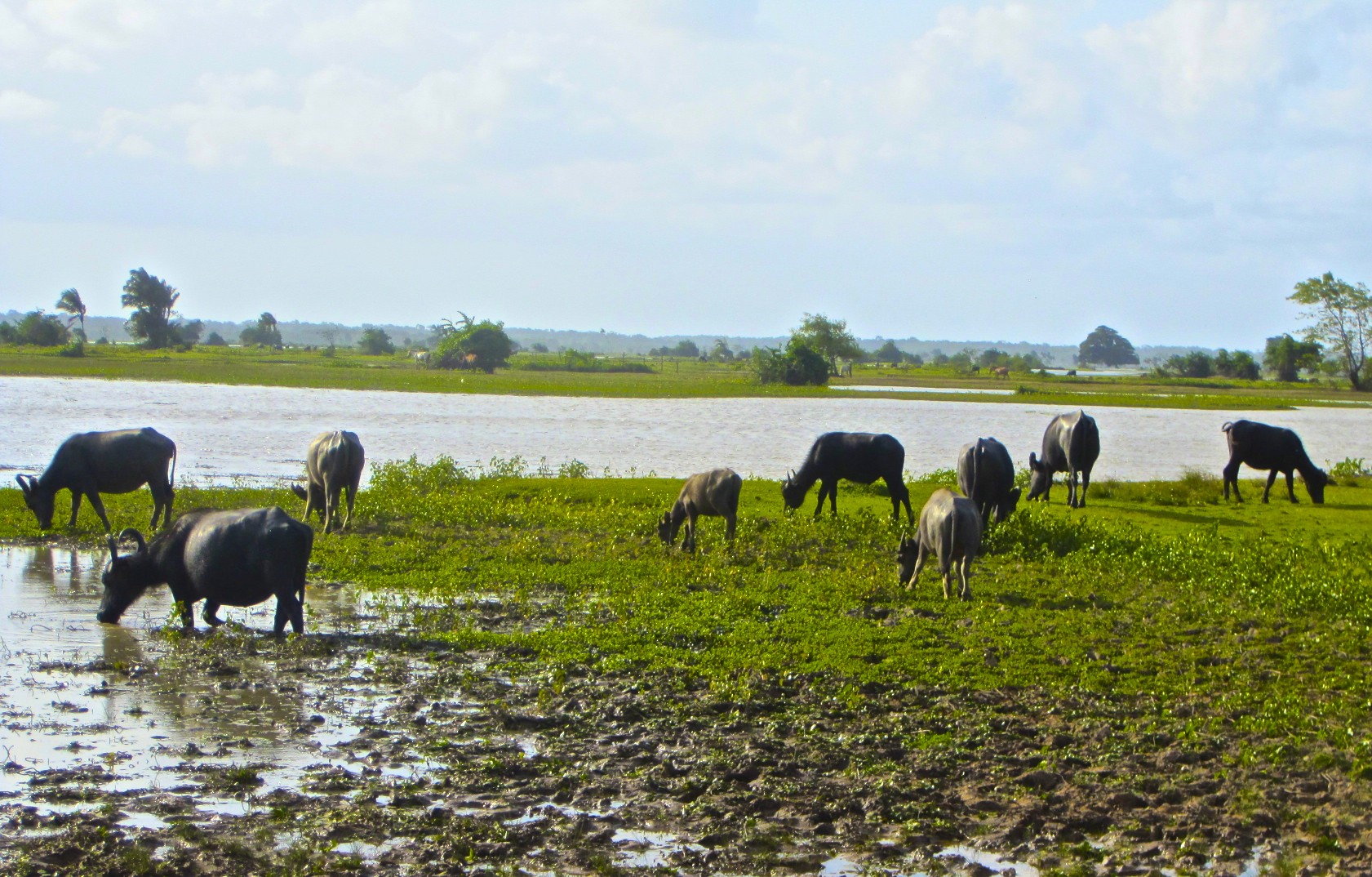
Marajo is an island in Brazil in the state of Para at the mouth of the Amazon. It is the size of Switzerland and home to many beautiful birds and water buffalo. The story goes that a ship on route to French Guyana ladened with goods and water buffalo from India hit a reef and sank off the coast of Marajo. Some of the buffalo escaped the wreck and swam to shore. The buffalo are descendants of this shipwreck though now more have been brought in. There are large herds of domesticated water buffalo on the island.

IMG_0363

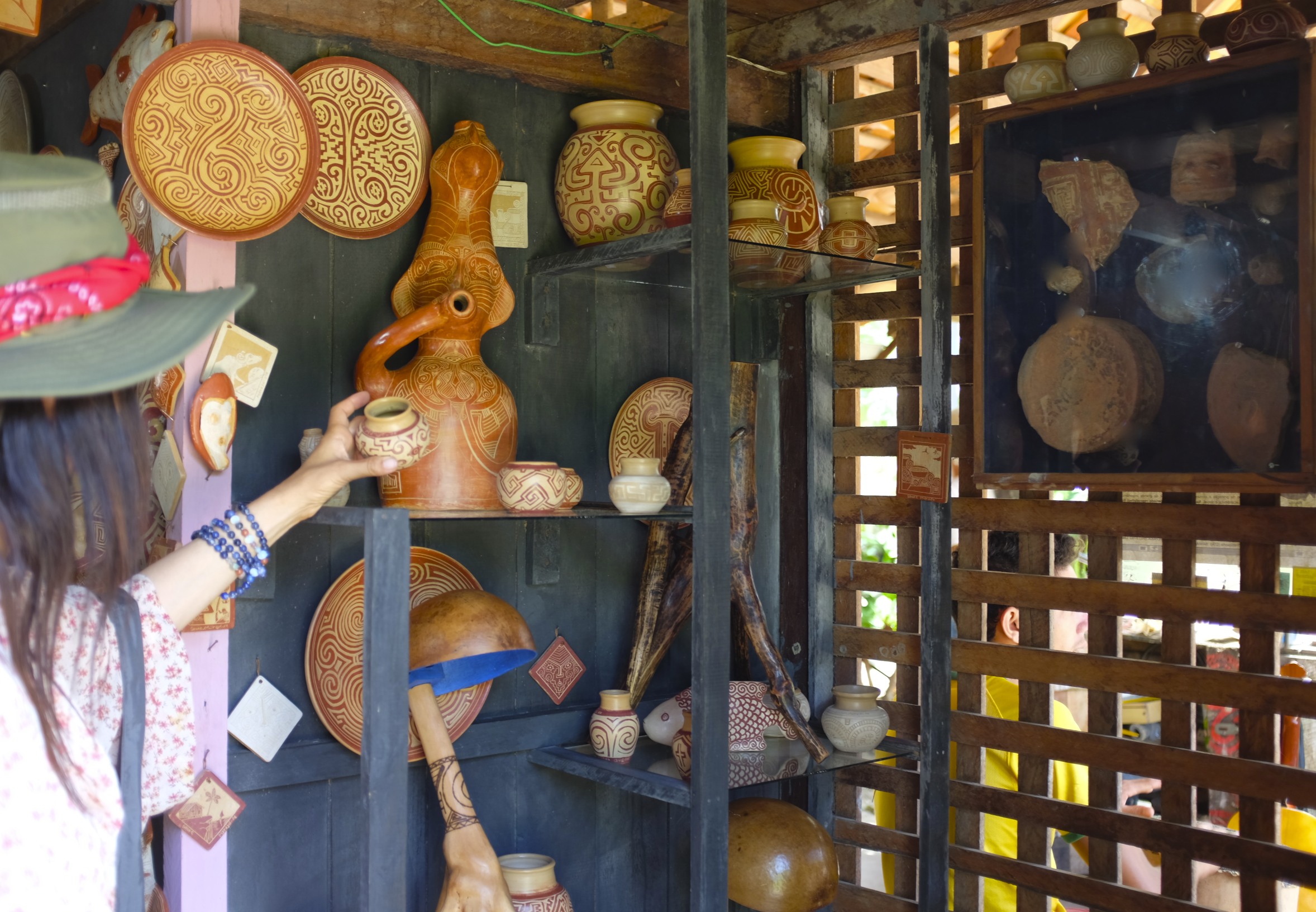
Marajo had an advanced pre Colombian society  from 400AD. The arrival of the Portuguese in the sixteenth century wiped out ninety per cent of the natives  due to lack of immunities to the European diseases. They left behind great examples of pre Colombian pottery. Artisans on the island recreate the designs.

DSCF5070

Soure is a sleepy fishing village.

IMG_0021

The people have a peaceful life, take things slowly and keep up their traditions.

IMG_4413

Fisherman shacks, modern homes and large faziendas (farms) exist side by side on the island, It is the only place to have a water buffalo police force. They say it is used for looking for drugs in the forest but most of the crime is pilfering or the occasional lost drunk or “misplaced” bicycle.( newest police recruit)

DSCF5036

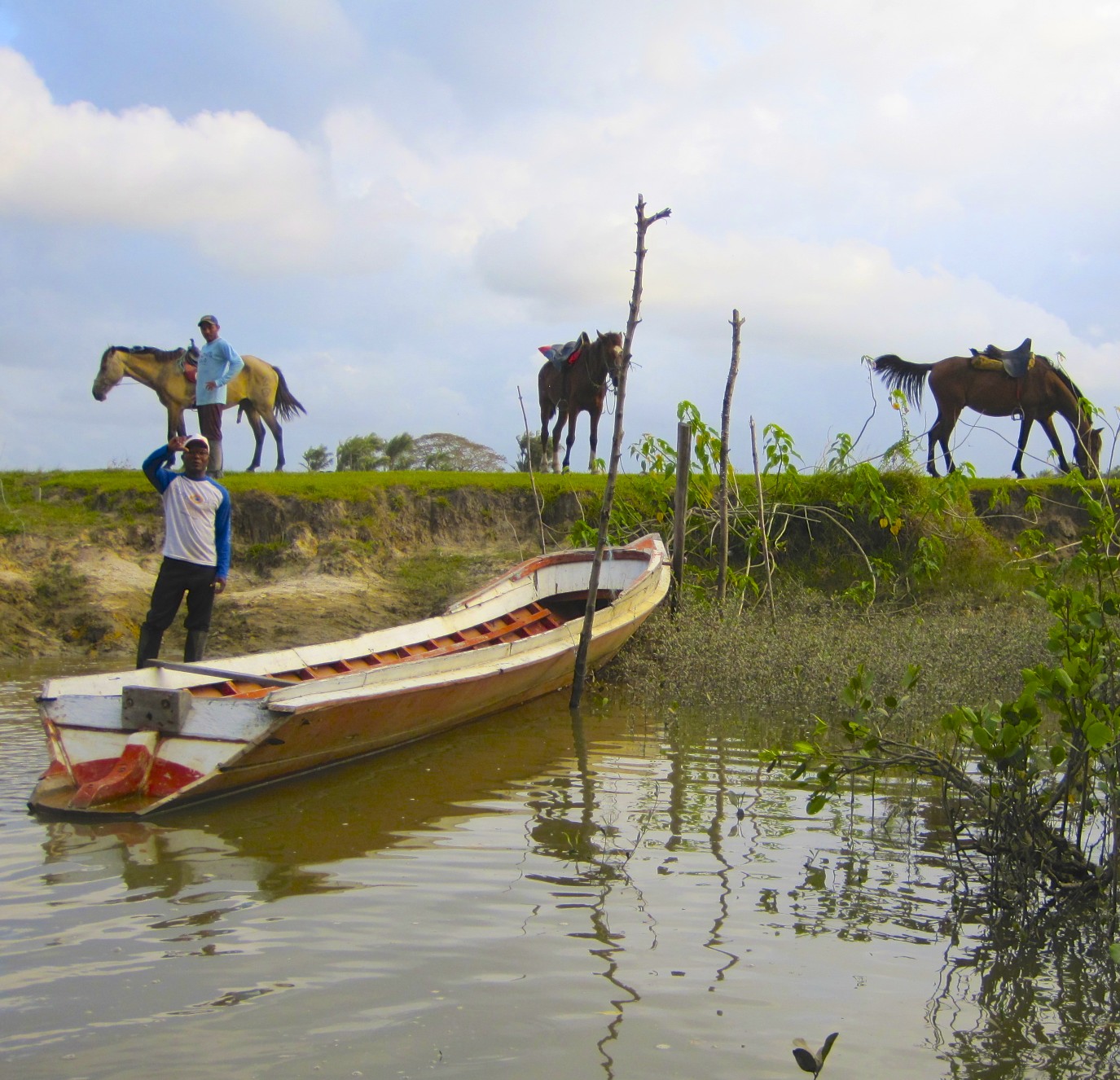
Fazenda Sanjo is a ranch and hotel owned by Ana and Carlos Nunes. http://www.sanjo.tur.br You take a boat down a tributary of the Amazon to get there from Soare.

IMG_0053

Then you have a choice of walking a mile or doing it on horseback to get to the fazenda.IMG_0236IMG_4269

The hammocks are an inviting place for a nap. (and I made a friend)

IMG_4288

IMG_4349

You can experience the daily life on a Fazenda in the Amazon.

IMG_0093

There are many activities and nature is your host.

IMG_0150

There is piranha fishing, riding and milking buffalo, canoeing and horseback riding through the river with the buffalo.

IMG_0140

We did that.

IMG_0169

I think pictures are better than words.

IMG_0175

IMG_0205

It was definitely the most different thing I have ever seen up close and pretty amazing.

IMG_0184

IMG_0216

On the boat ride back, it was very windy and I lost my hat in the Amazon.
It is one of those lifetime jungle, sun and mosquito repellant hats and luckily, it floats. The hat is usually on my head in my travels where there are mosquitos. I live in fear of malaria or dengue so I was glad to get it back.

IMG_0139

A hotel in Soure is the lovely Hotel Casarao da Amazonia which occupies a restored blue colonial mansion. The breakfast is good and the atmosphere is immediately relaxed. There is not a lot of English but if you need it, they find someone.(http://www.casaraoamazonia.com.br)

DSCF5023

The island is a spectacular visual feat of nature.

IMG_4387

The marshlands attract many varieties of birds like the scarlet ibis.

IMG_0158

IMG_0376

Vultures fly overhead on the miles of quiet beach.

IMG_0322

Marajo is located at the mouth of the Amazon River where the fresh water pours into the Atlantic Ocean. The fish can be fresh or salty depending on what the fisherman has found that day.

IMG_0024

The Amazon rainforest has foods and flavors that dont exist anywhere else in the world.Every meal is juxtaposition of the intermingling of cultures of 400 years – European, Brazilian and African.
We eat buffalo steak topped with slabs of queijo do Marajo, sweet, soft buffalo milk cheese followed by fresh fruit.

IMG_0117

In the morning there is buffalo butter on home-made toast and jams made from fruits that I never heard of till now.


IMG_4347

There is always ground cassava (manioc) at the table and sometimes there is jambu a wild green that numbs your mouth while you are eating it. There is acai served with dried balls of cassava flour. In cities very far away acai has become the new superfood because it is loaded with antioxidants, but here you eat it in a bowl alone usually with fish. When red flags are up a fresh batch of acai has been made.

DSCF5084

DSCF5091

The weirdest thing to eat here is uncooked turu and we were on a mission to find some. (Gelderson)

IMG_0261

(apparently Survivor was filmed here and they had it regularly) Turu are tree worms.

IMG_0281

They are rich in calcium and can be eaten raw and like oysters are taken as an aphrodisiac.

IMG_0286

I couldn’t decide if i wanted to eat it or not and when I finally said yes, they ran out of bottled water to wash it. I declined to clean it in the river. ( turu in motion – or my photo is blurry)

IMG_0293

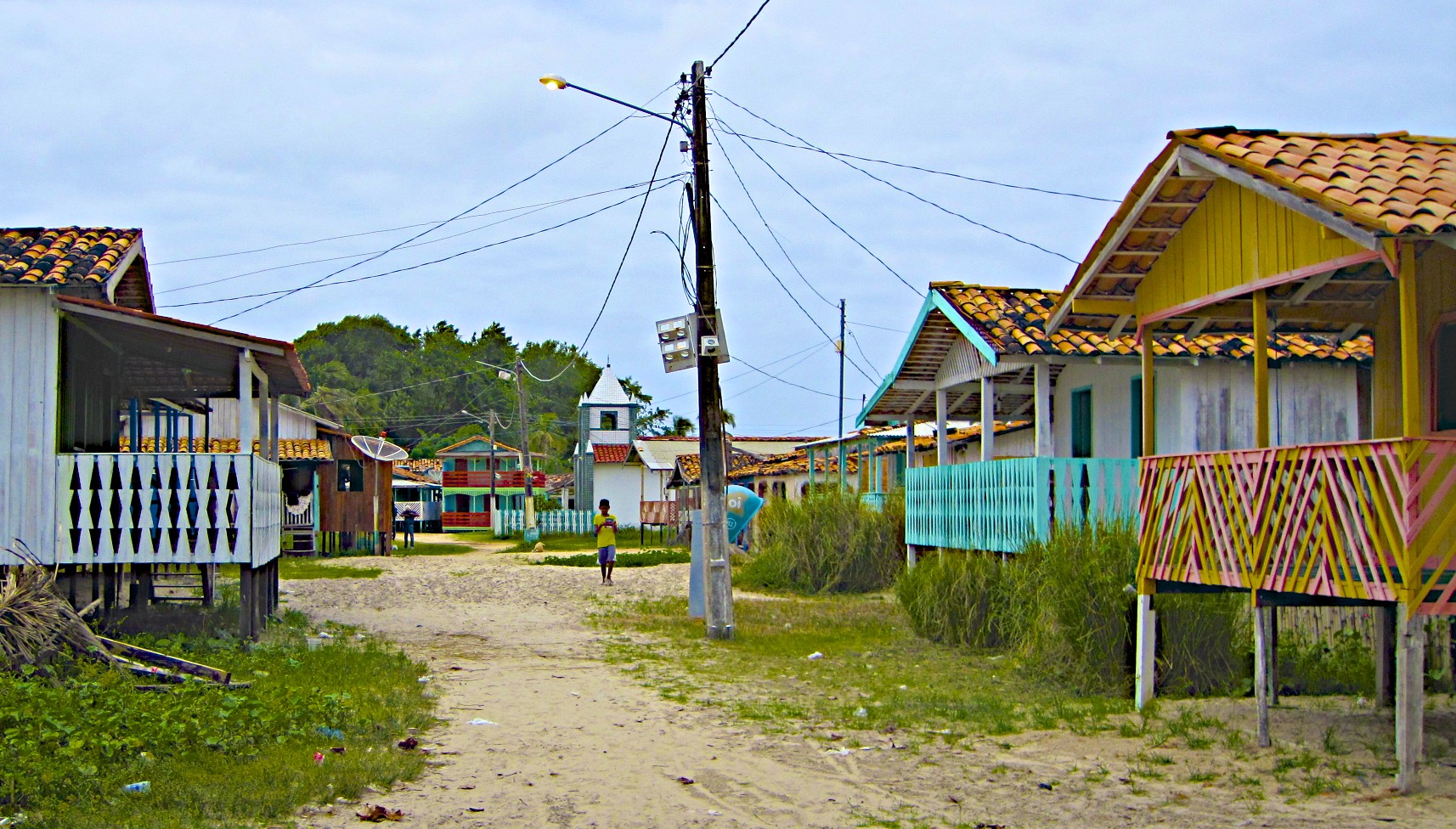
There is a small fishing village on a beautiful beach with houses set on stilts.

IMG_0305

A woman is washing her dishes and setting her cups to dry on the posts children laugh and play quietly.

IMG_0300

The beach is impossibly wide and the sand gives way to the Para River which joins the Amazon downstream and disappears into the horizon.

IMG_0328

There are a few hut umbrellas and small restaurants serving cold beer, fresh fish and always fresh coconut water.

IMG_4385

I walk for miles on this beach alone fascinated by the patterns in the soft sand surrounded only by vultures.

IMG_0265
I can hear my thoughts and the only noise is the kind you make yourself.

IMG_0338
I leave Marajo with my volume turned on low.

IMG_0386

I have to thank my tour guides Osvaldo and Gelderson, who’s knowledge, kindness, patience, excellent English, sense of humor and nothing is a problem attitude made the trip to the Amazon even more wonderful. People like them always remind me of how small the world really is.

Tenha Uma Boa Viagem,

JAZ

Ten Things That I Like To Do In Airports

Ten Things That I Like To Do In Airports

‘If God had really intended men to fly, he’d make it easier to get to the airport”.  ~George Winters

I love hanging out in airports. It means I’m going somewhere. It’s a comfortable transitional place for me. Even in the most foreign feeling country an airport feels like an airport.

1. Buy trashy magazines.

2. Try a new kind of gum and if it’s a foreign country add in different kinds of sweets and snacks. Use up all my foreign coins.

3. Shop or look. Even if it isn’t Heathrow, Tokyo, Bangkok or Hong Kong there are always fun stores in airports no matter how small. I love the tourist gift shops to see what they think you should be bringing home. Heathrow has great sales in July in their designer stores.

4. If it is Heathrow,Tokyo or Bangkok get a massage or get my nails done. Yes it’s weird doing that in front of strangers but it passes the time.

5. Sit in the lounge, check my emails, listen to music, read, write my blog and sleep.

6. If its Miami – have Café Cubano, LA – Chaya Brasserie, Chicago – Einsteins bagels, London – Gordon Ramseys Plane Food, Boston – Legal Seafood and Hong Kong – Hungs Delicacies. When I am in Tokyo I buy green tea Kit Kats like everyone else does. . In all other airports, explore!!!!!!!! Try some food place that isn’t Subway or Mcdonalds.

7. Try to guess where people are going. Try to guess what Asian language they are speaking or what Spanish-speaking country they are from. Speak in a fake foreign language and watch people try to guess what language I am speaking. Pick out the people who might be terrorists.

8. Try to guess who’s carry on luggage is bigger than regulation size and will they get stopped. Try to guess by looking at them what kind of stuff they have packed in their carry on luggage, why they bought or borrowed that particular piece of luggage and how they fit everything in.

9. If it’s early in the morning wait on the line at a Starbucks – that could take a half hour in a large airport. If I’m bored I’ll change my drink order a few times and ask questions. I’ve always wondered about people who do that. Are they just looking for someone to talk to or are they really so undecided about coffee?

10.Take a moment to be grateful that I’m in an airport and going somewhere,

Fly safe,

JAZ

Cities Without Hunger, Sao Paulo, Brazil

Cities Without Hunger, São Paulo, Brazil

“To create a garden is to search for a better world.  Whether the result is a horticultural masterpiece or a modest vegetable patch, it is based on the expectation of a glorious future. This hope for the future is at the heart of all gardening.”  Marina Schinz

IMG_0623

Nothing says hipster in a trendy city neighborhood more than an urban garden plot. Twenty to forty somethings who work in technology, startups or hedge funds are out there on the weekends digging in the dirt.

But urban organic gardens are showing up in some surprisingly unhip neighborhoods in countries around the world. People who don’t have access to a nearby Whole Foods and weekend farmer’s markets are growing food for themselves and their communities. It is changing their lives and the lives of the people around them.

The favelas (slums) of Brazil started after the ‘Guerra de Canudos’ (Canudos War) in Bahia (1895-1896). Government soldiers, who had lived among the favela trees, marched to Rio de Janeiro to await their payment. They settled on what is one of Rio’s hills and renamed the hill ‘Morro da Favela’ after the shrubby tree that thrived at the location of their victory. The government never paid and the soldiers never left and so the first favela came to be. The freed slaves in the late nineteenth century had nowhere to go so they built shacks and were squatters on public and private land. Urbanization in the 1950’s brought mass migration from the countryside for opportunities and employment. The favelas became settlements for the urban poor in the hills of the cities.(Rio)

IMG_5173

The poor people began to erect hundreds of shantytowns without sanitation, police or electricity. The shacks were made with what they could find, wood, corrugated aluminum and if they were lucky bricks and concrete blocks. Problems of drug trafficking, gangs, crime, disease, government and police corruption, malnutrition, overcrowding, housing and land safety were rampant. Favelas in Rio are easy to spot. It is a word you will hear during the Olympic coverage because they are very present in the city.

IMG_1315

In São Paulo they are on the outskirts of the city. Eventually the Brazilian government stepped in and though the land that most of the favelas are on are considered illegal and unsafe for housing, the city put in electricity and sanitation. They are trying to clean them up and build better housing and public programs but with so many people living below the poverty line it is an ongoing process.

IMG_0610

How does change happen in communities like these? It happens by creating programs that teach problem solving, teamwork. financial responsibility and job training. Programs need to be focused on physical health and well-being. You have to involve the local community. The people who live in the favelas have a build your own mentality and a do it yourself community spirit so the right kind of help can make a difference, .

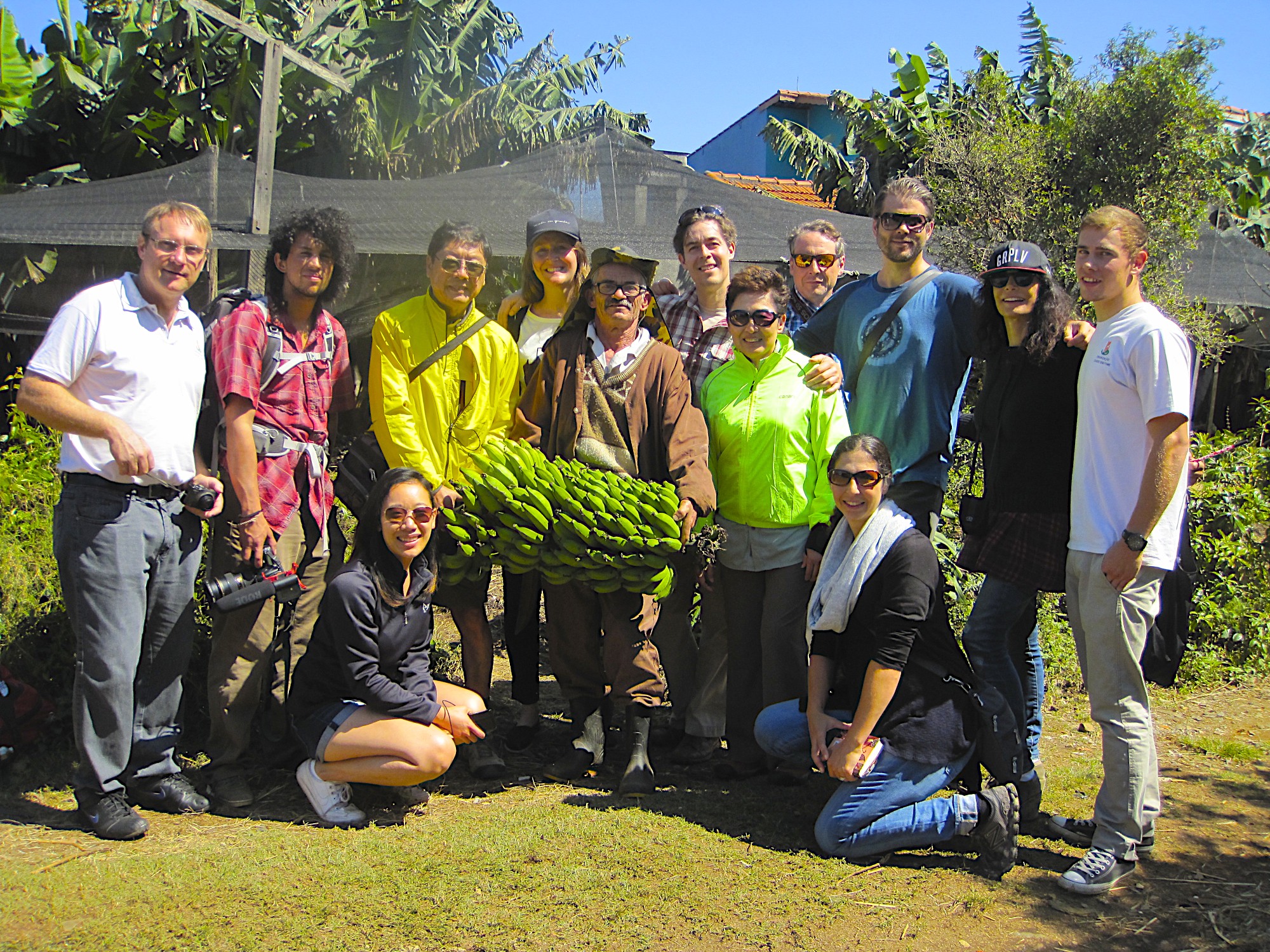
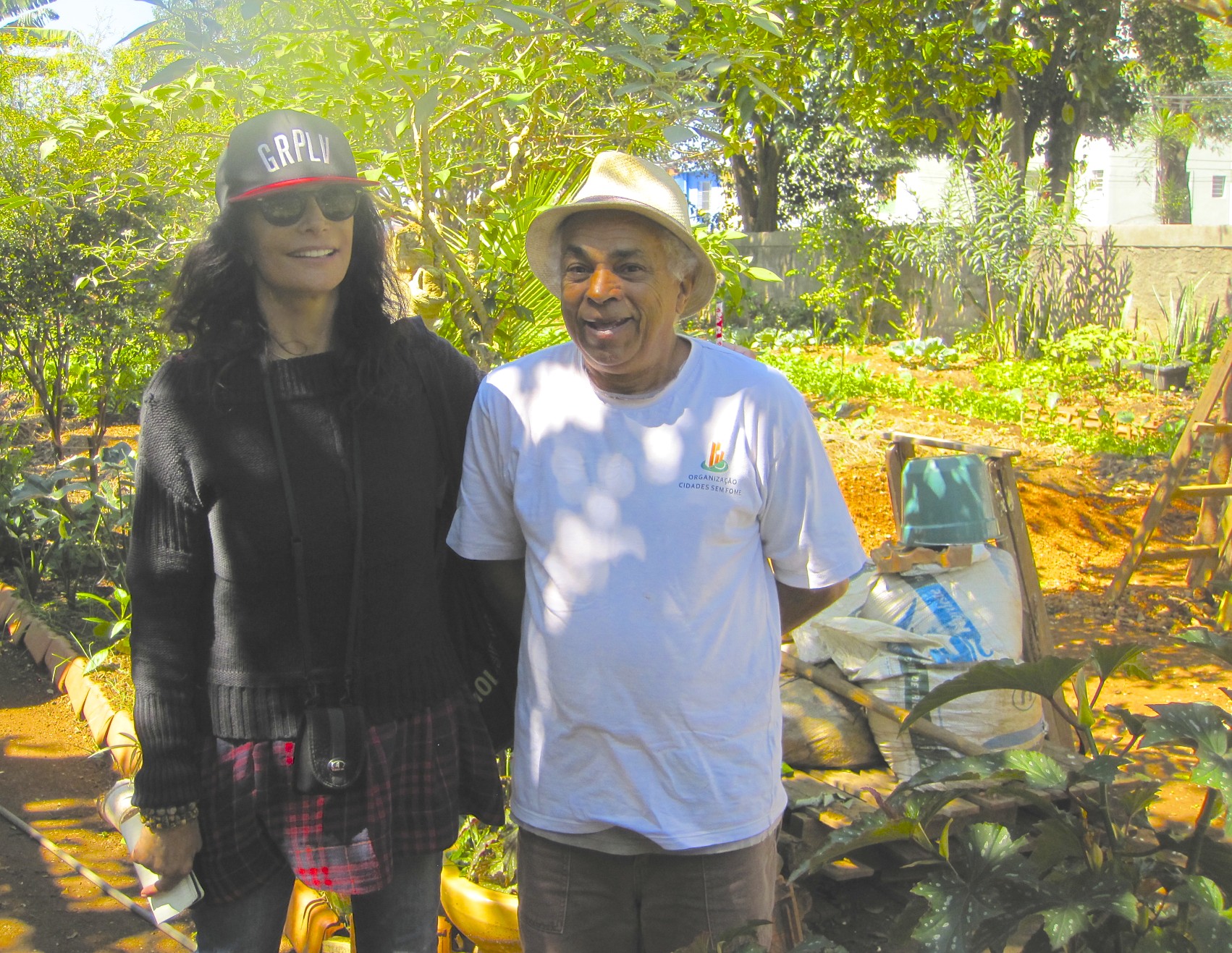
Cities Without Hunger is building community organic gardens in the favelas in the East Zone of São Paulo. They developed community gardens, school gardens and greenhouses on public and private unused land. The gardeners are selling their fresh vegetables to the residents in the favelas at a fair price. Some restaurants have bought as well but the community comes first. I was lucky to be given a tour of a few of the gardens by Hans DieterTemp, Jonas Steinfeld and the people in the favelas who proudly and successfully run their gardens and produce business. Jonas Steinfeld came as a volunteer from Germany and has stayed on as an employee. We were glad to have him translating.

IMG_0574

We saw three gardens The first was Horta Sao Mateus. Four families take care of it. It is run by Genival de Farias who spent a long time explaining how the garden worked.

IMG_0547

Senhor Genival was talking about the fact that no one wants to use the land under the power lines so that is where they put their garden.

IMG_0559

They grow mostly leafy green vegetables which I was told grow fast which makes them a good thing to plant. They also have a variety of medicinal herbs and organic bananas.

IMG_0565

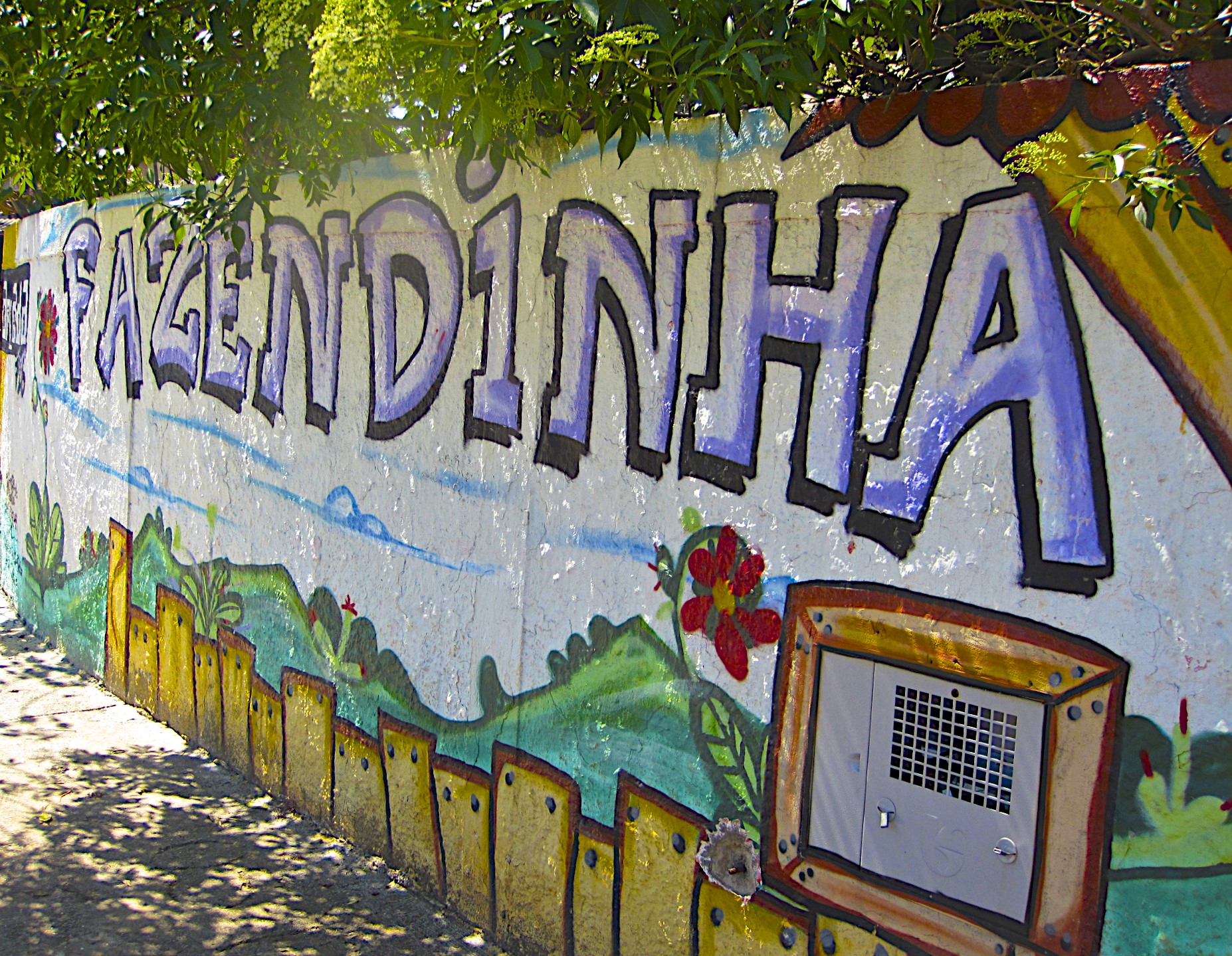
The second garden  was Horta Fazendinha Imperador.

IMG_0587

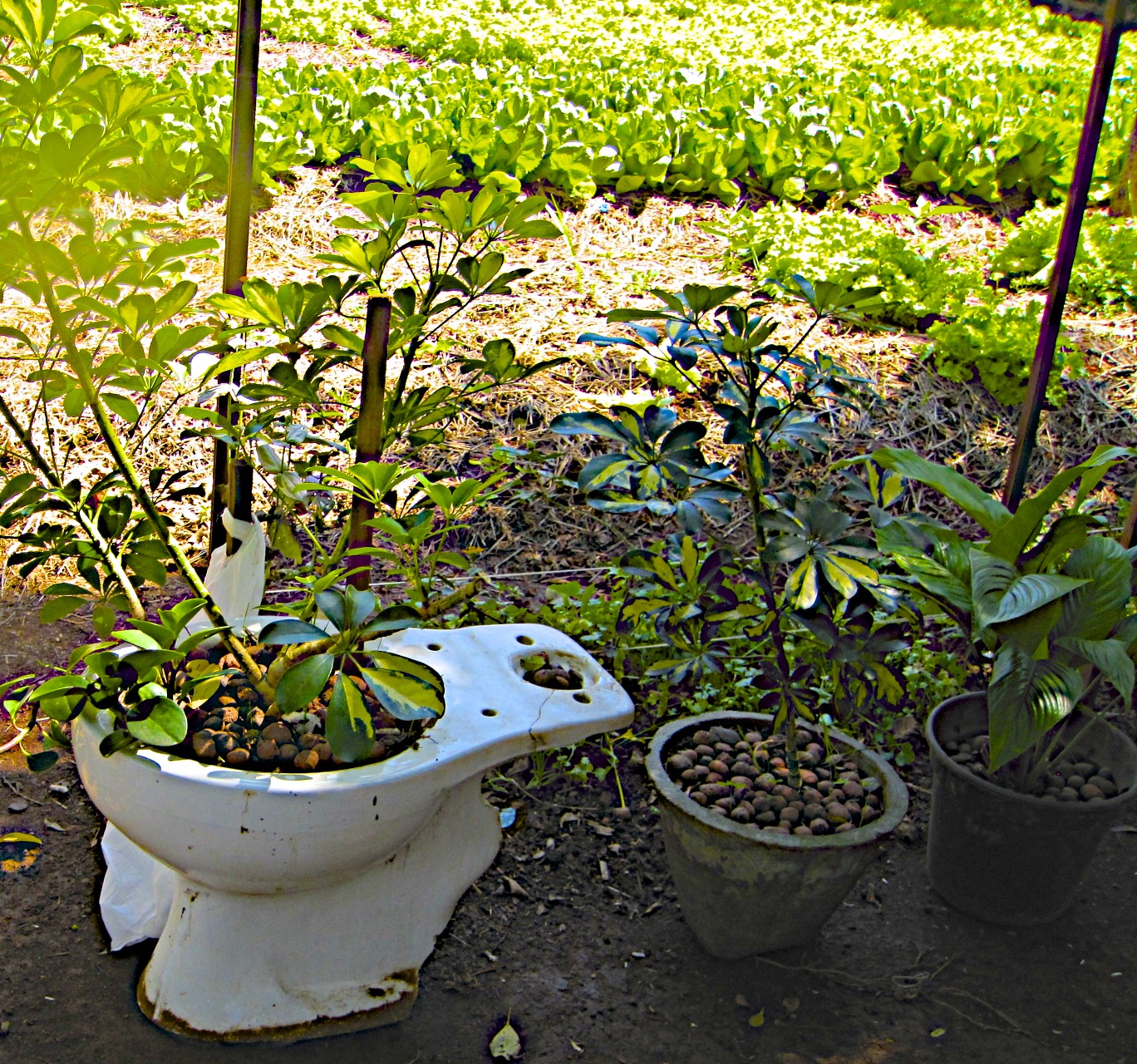
This one was run by Jose Vieira Aparecida and his family. (Anyone who knows me, knows how much I love that pot).

IMG_0588

IMG_0605

It was his mother who started to plant herbs on this abandoned area and Cities With Hunger helped them turn it into an urban farm. (happy customers)

IMG_0604

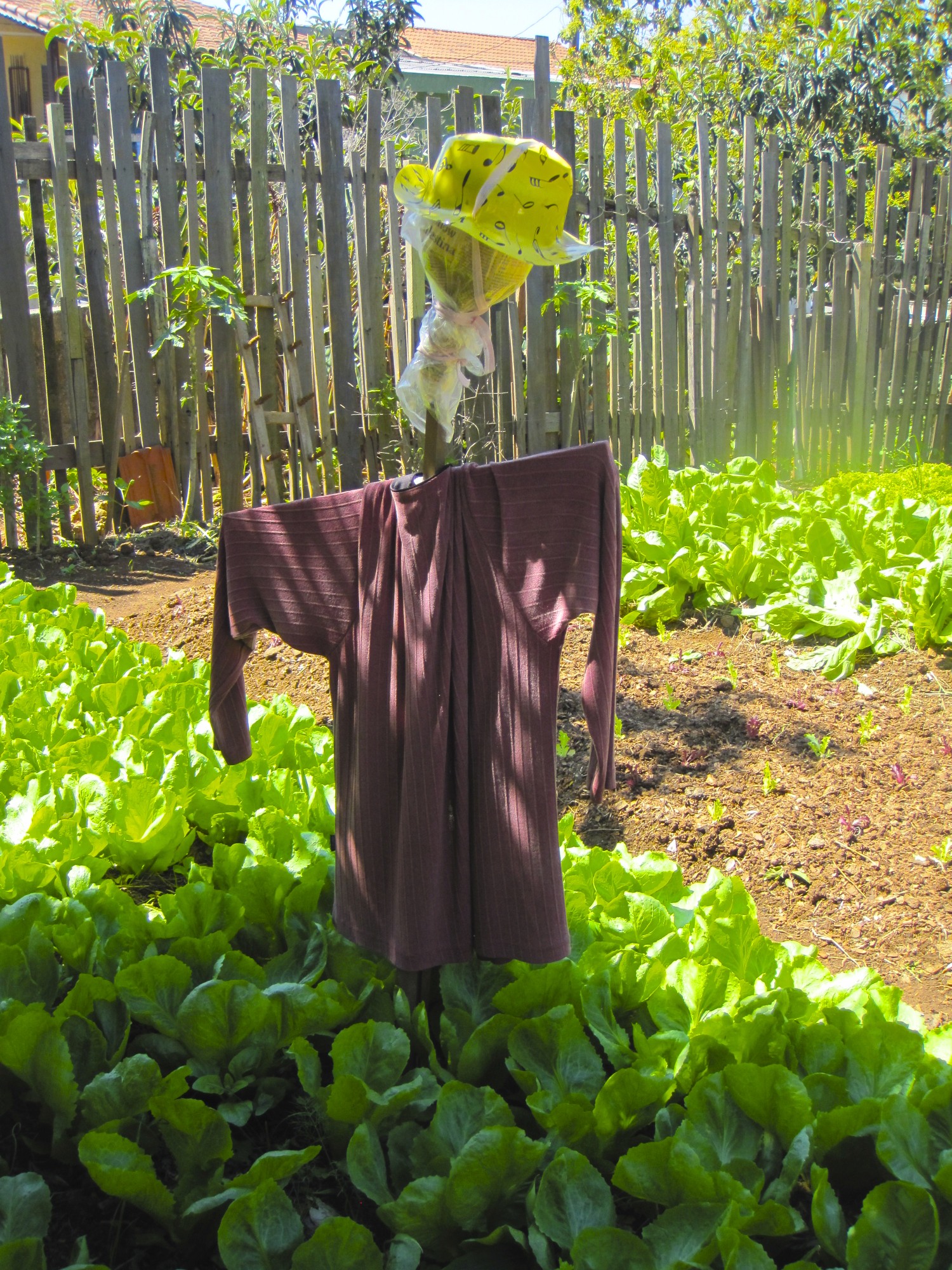
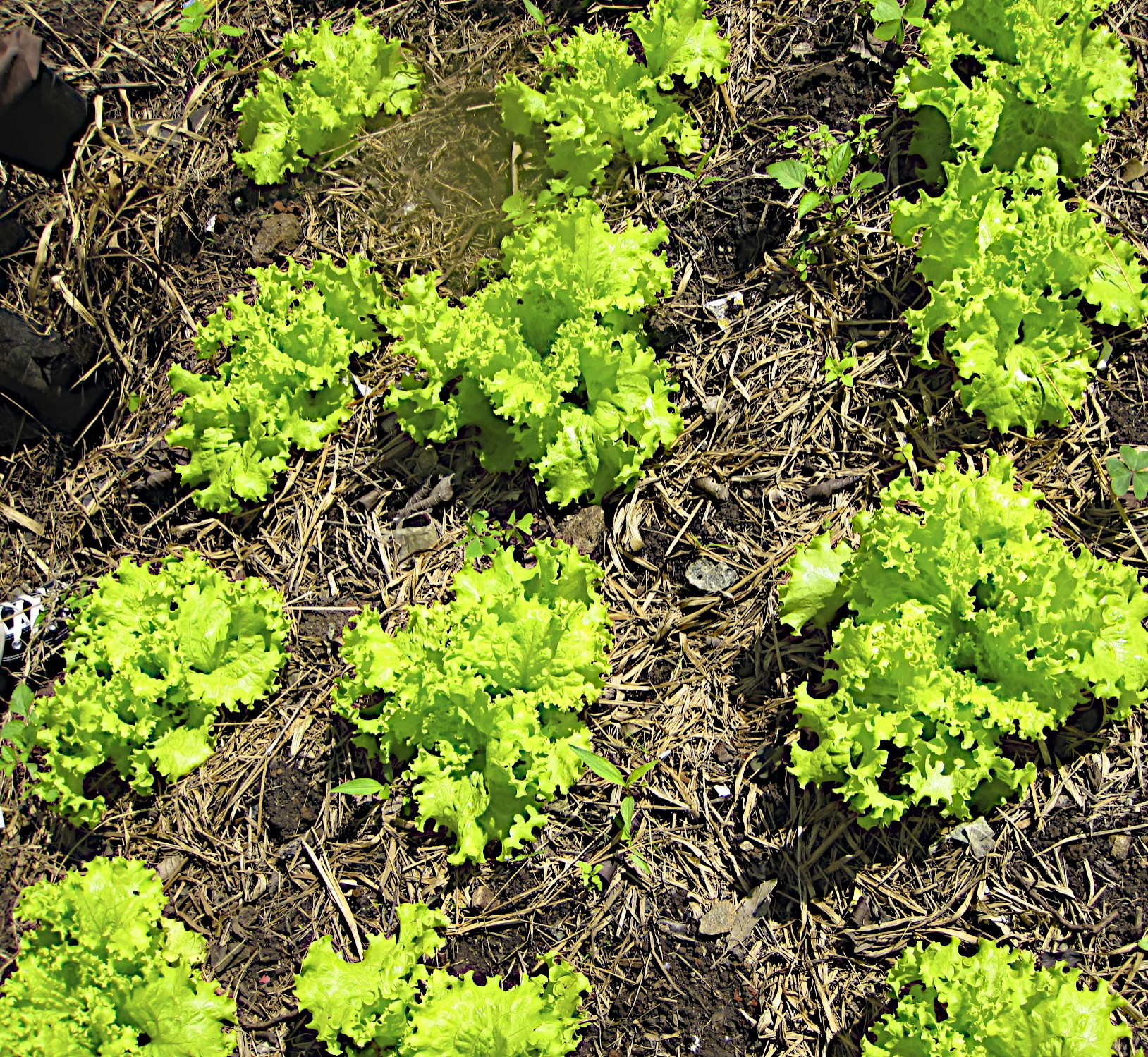
They plant lettuce which they say sells best in the neighborhood. Señhor Jose told me that he used to be very fat and unhealthy until he started working in the garden.

IMG_0595

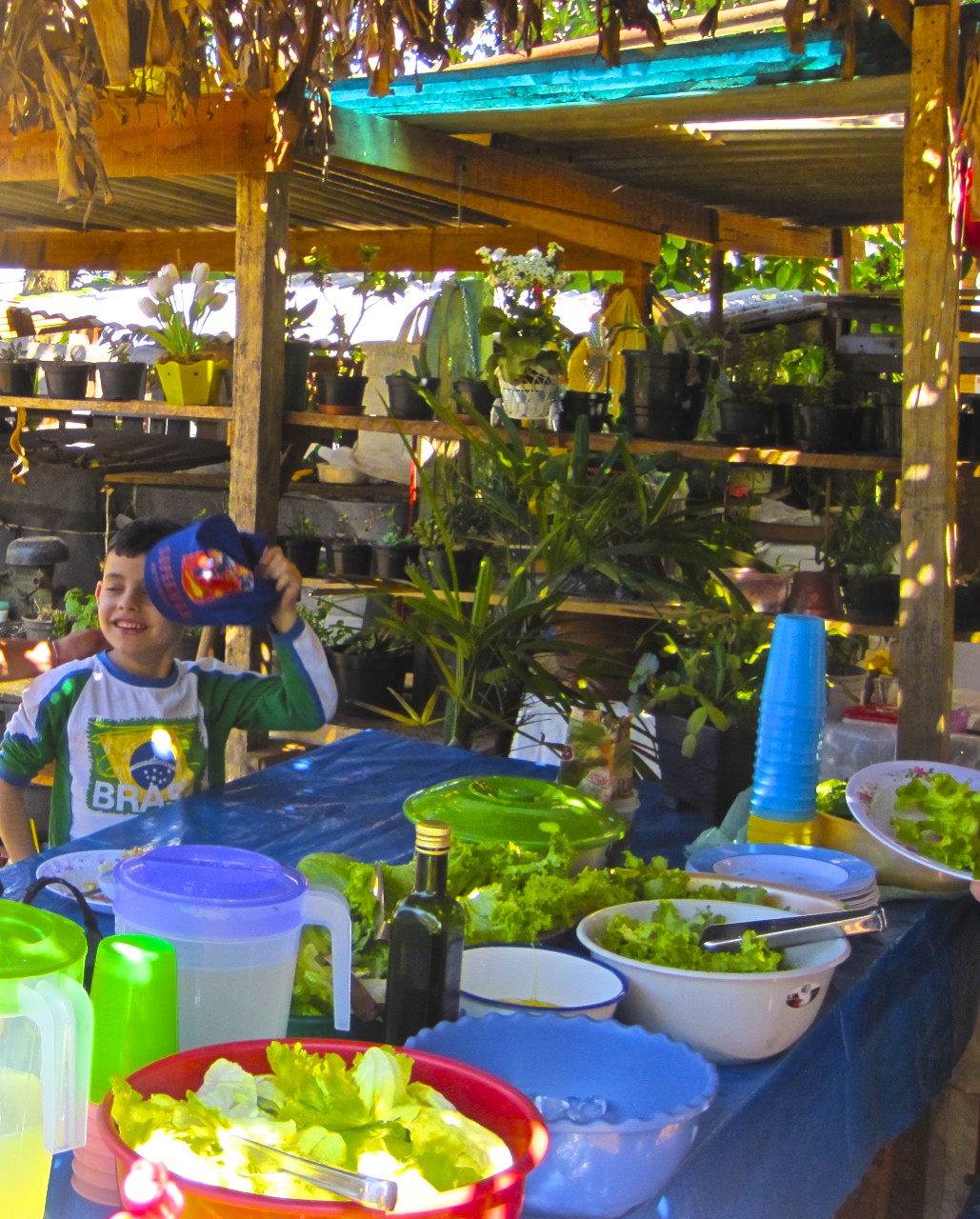
We had lunch at the third garden Horta Da Tia Bela. First we went to their home where they were cooking lunch.

IMG_0622

Dona Florisbela Azevedo Silva  and family cooked a beautiful healthy meal with fruit and vegetables from the garden.

IMG_0649

IMG_0656

I loved the green papaya dessert.

IMG_0659

Dona Florisbela and her husband Senhor Valdomiro work in the garden everyday. He is 92 years old.

IMG_0625

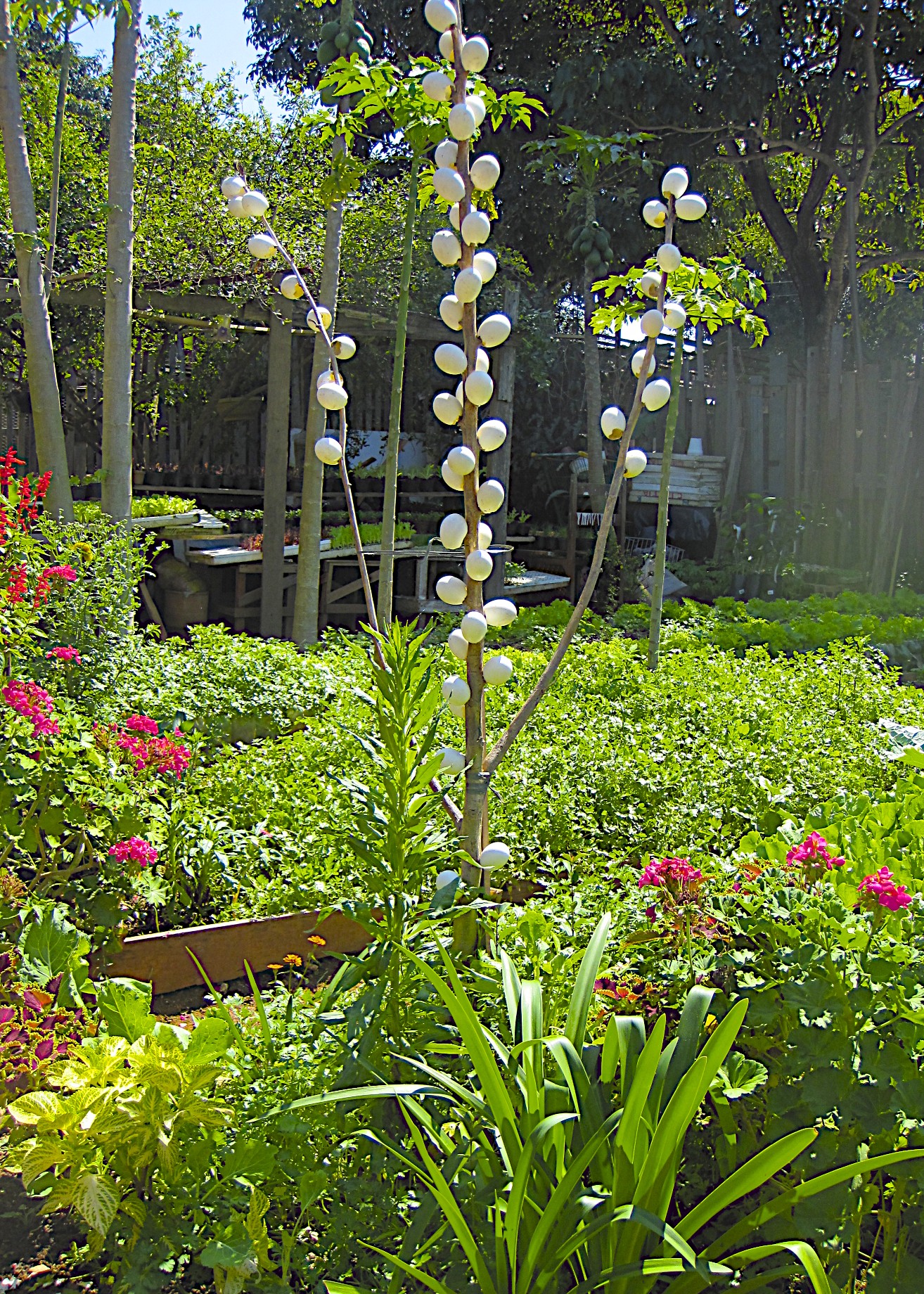
They transformed a garbage dump into a working farm complete with chickens. (It’s an egg tree)

IMG_0629

It is said that the one quality necessary for success is persistence, to persevere in the face of all odds. That is what these people and these gardens represented to me. The self-esteem, pride, laughter, friendliness, sense of humor and confidence they have all come from working hard, building something that was not there before and knowing that they are doing a good a job.

IMG_0631

It seems like such a good solution to ease some of the poverty in the favelas. Brazil has a good climate for agriculture. It isn’t as easy in Brazil as it is in the States to set up and get funding for these programs. There is a lot of government red tape and corruption and changes take a long time. It is hard  watching them spend so much money on building for the Olympics when programs like this could really make a difference. The gap between the rich and poor in Latin America has always been a big problem with Brazil leading the pack. This is a great organization to get involved with and if you want to help or have any questions you should definitely  contact them.
The website is Cities without Hunger and twenty-eight dollars will buy seeds for a year. http://cidadessemfome.org/en/

IMG_0548

Thank you to all the people who opened up their gardens and made the delicious lunch. It was my honor to spend some time with you.

Tenha Uma Boa Viagem,

JAZ
 

Belem Part 2 – More Food In The Amazon

Belem Part 2 – More Food In The Amazon

“I am not a glutton. I am an explorer of food.” Erma Bombeck

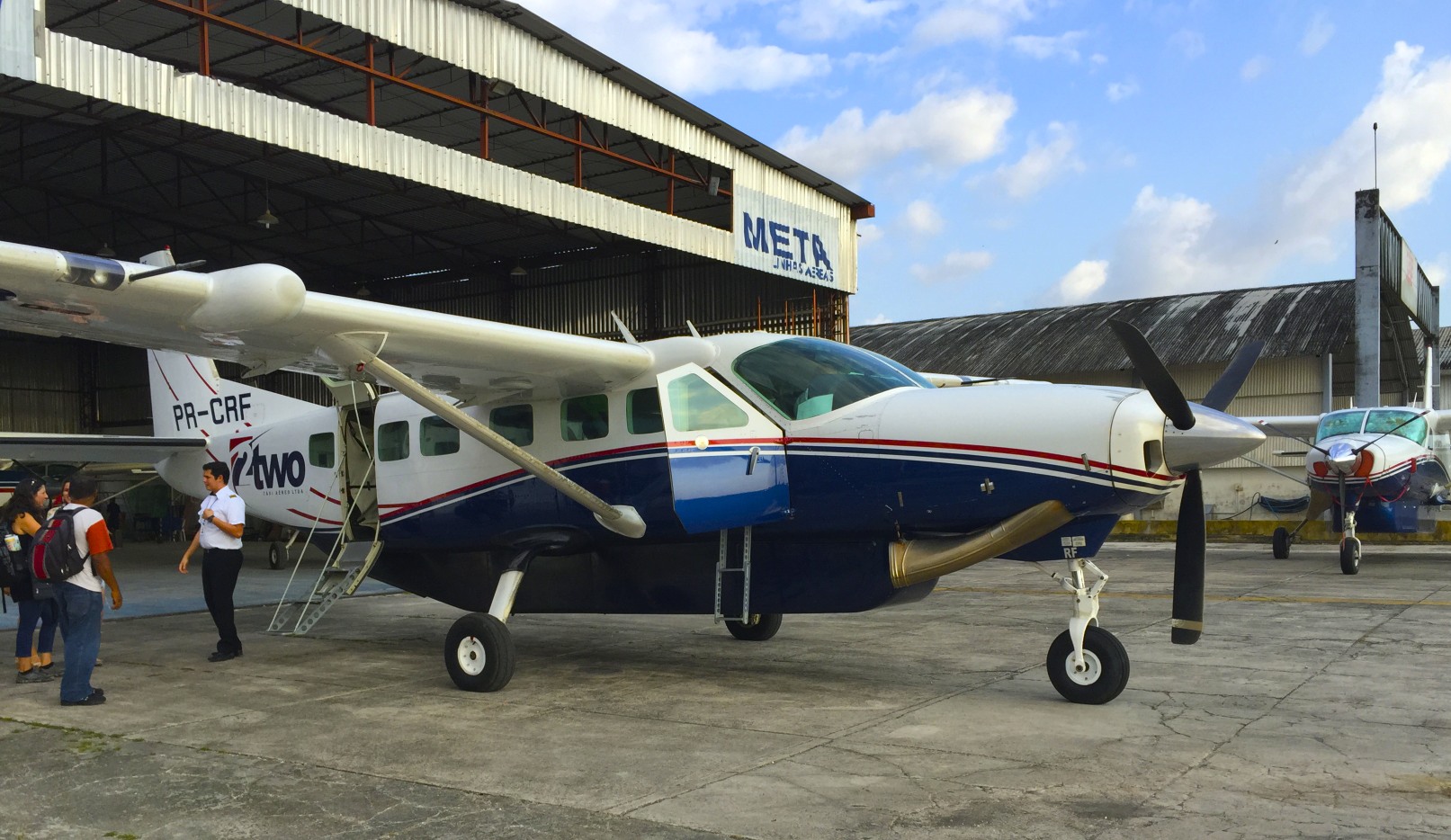
We arrive in Belem on a small plane from the island of Marajo at the mouth of the Amazon.

IMG_4142

I thought I was afraid of small planes.

IMG_0399

But the flights were smooth and the scenery was spectacular.

IMG_4239

We started our visit  with lunch at La Em Casa. http://www.laemcasa.com/ It is located in Estacao Das Docas mall a remodeled train station with a beautiful river view.. There is a buffet lunch serving all the traditional dishes.

IMG_0418

The restaurant was started by Anna Marie Martins and it was her son Paulo who brought attention to Brazil, South America and the world about the quality and flavors of regional Amazon cooking. His daughters Joanna and Daniella continued the tradition. Daniella works as a chef in the restaurant and Joanna runs the Paulo Martins Institute and Ver o Peso of Para Food, a festival (Feria Queso)l promoting the flavors and cooking techniques of the Amazon. Joanna is interested in having chefs come from all over the world so any who are reading this should contact her. You won’t be disappointed and you will learn a lot. Its a great time for all foodies to start their visit to the Amazon. contato@institutopaulomartins.org.br  I was lucky to meet both of them and saw how passionate they are about the world getting to know their delicious food. At the rate they are going, we will all soon be eating tucupi and jambu and loving it.

IMG_4430

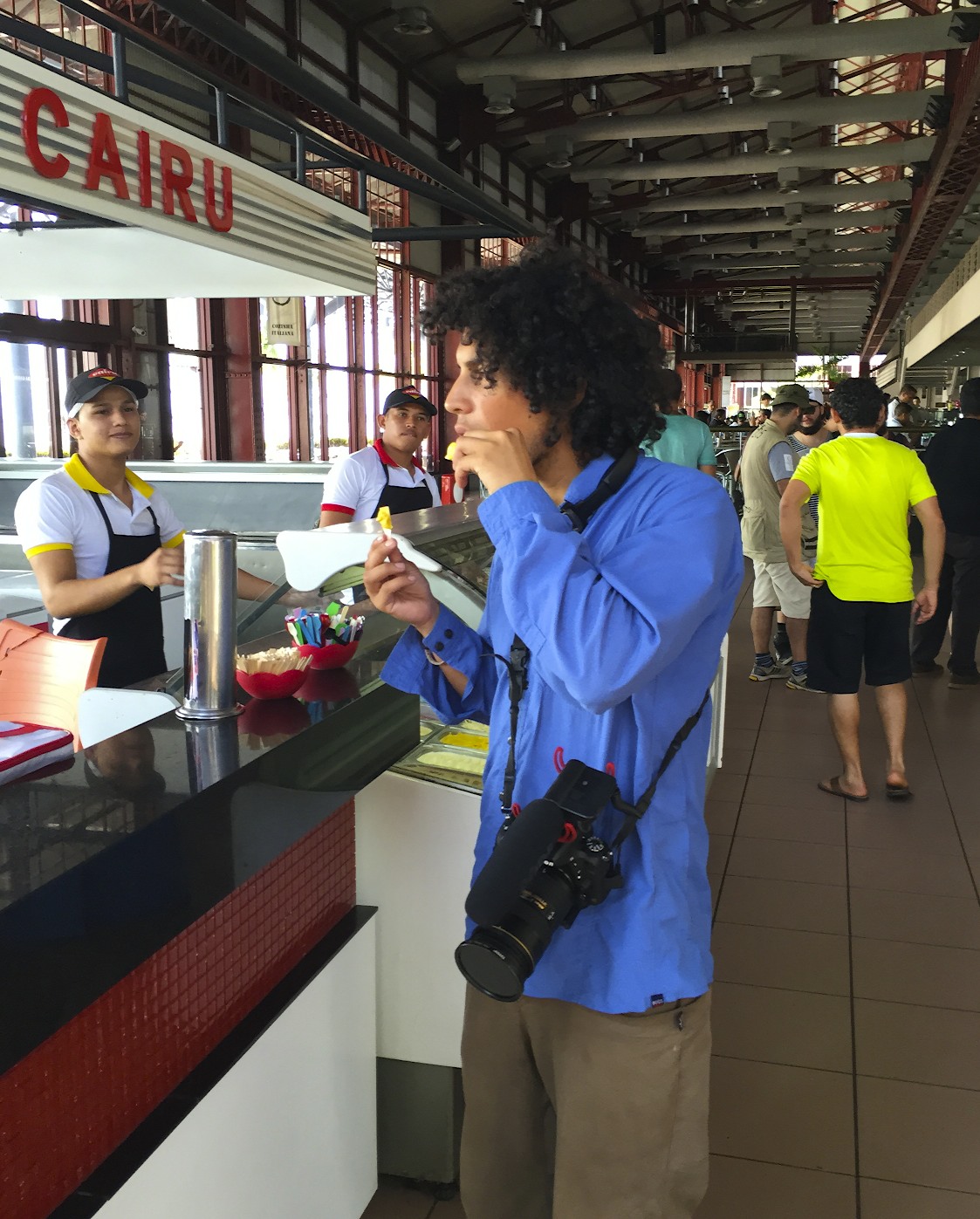
After that huge lunch we had to try the ice cream at the most famous ice cream parlor in the country,Cairu because there is also a branch in the Estacao Das Docas mall. sorveteriacairu.com.br/ There are Amazonian flavors made from local fruits such as bacuri, muruci, sapoti, graviola, and açai, and“mestiços” (mixed breeds) such as carimbó (cupuaçu and Brazil nut) and maria isabel (bacuri, shortbread, and coconut). The ice creams are so good that five-star restaurants in Rio and São Paulo proudly feature them on their dessert menus.

IMG_4441

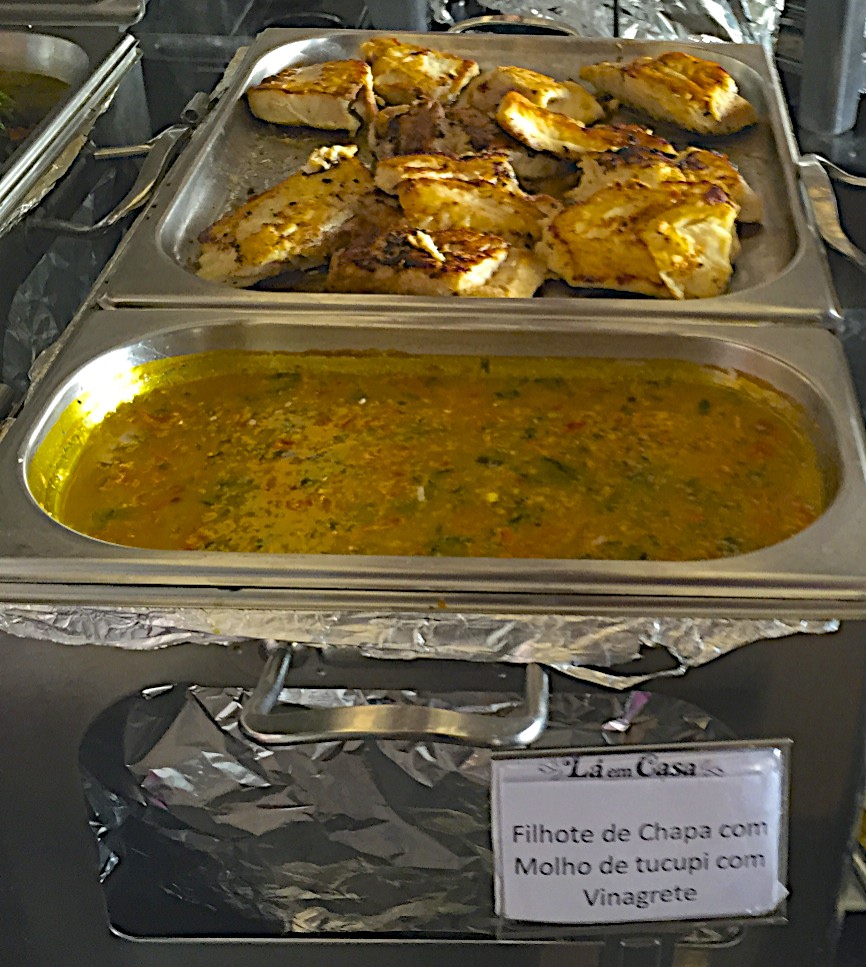
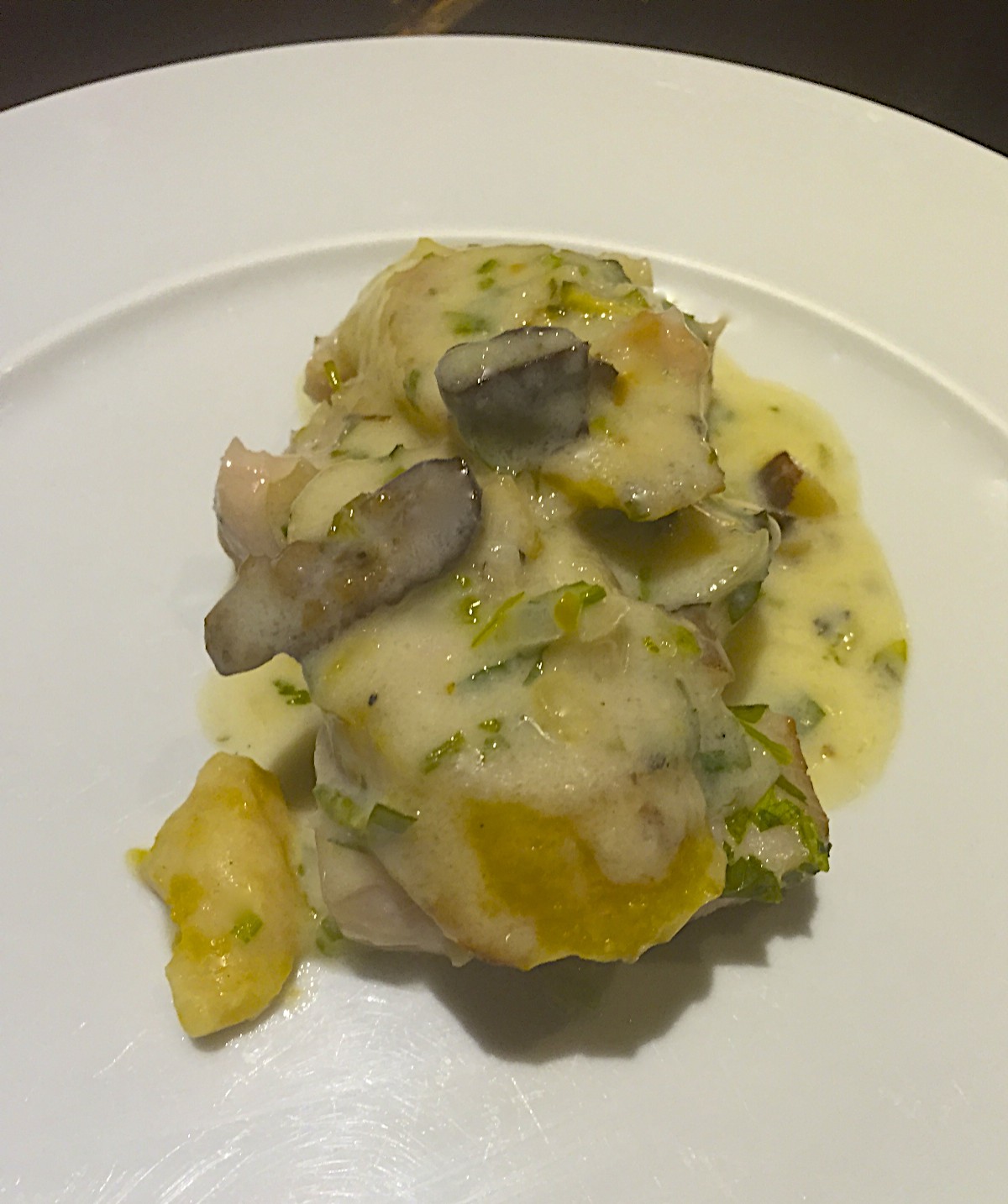
Among the many fish we ate in the Amazon region, are filhote and pirarucu. Filhote is the main ingredient in peixada, a stew that includes potatoes, tomatoes, garlic, and cilantro.  (from La Em Casa)

IMG_4427

Pirarucu is Brazil’s largest fish, measuring up to 2.5 meters (8 feet) and weighing up to 80 kilograms (176 pounds). It is usually dried and salted before being grilled on a hot tile or cooked in coconut milk, and then served with farinha and light, buttery feijão manteguinha,  (from Romanso do Bosque)

IMG_4488

We saw Pirarucu at Ver o Peso market.

DSCF5203

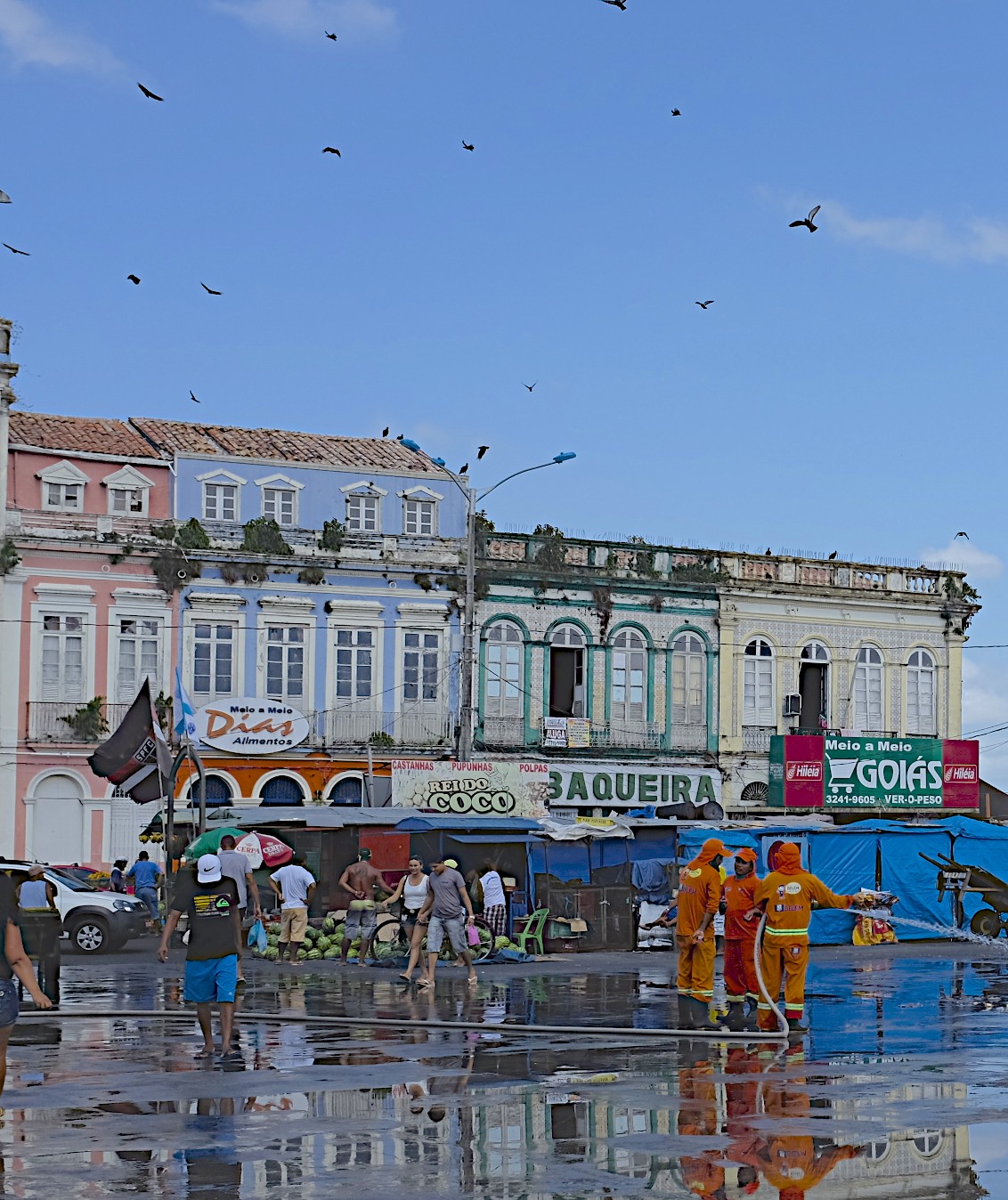
It is an outdoor market selling Amazonian products with about 2000 stalls on the Amazon River.

DSCF5192

The unusual name of the Ver-o-Peso Market dates back to colonial times, when the market housed the offices of the Portuguese colonial tax collector.

DSCF5205

Ver-o-Peso is a shortened form of the Portuguese phrase “Haver-o-Peso” meaning “possess or obtain the weight.” The tax collector was charged with collecting a tariff on all goods coming down the river  based not on monetary value of goods but on their weight. It is now a Unesco World Heritage site. (cleaning off the fish smell as vultures fly overhead)

DSCF5215

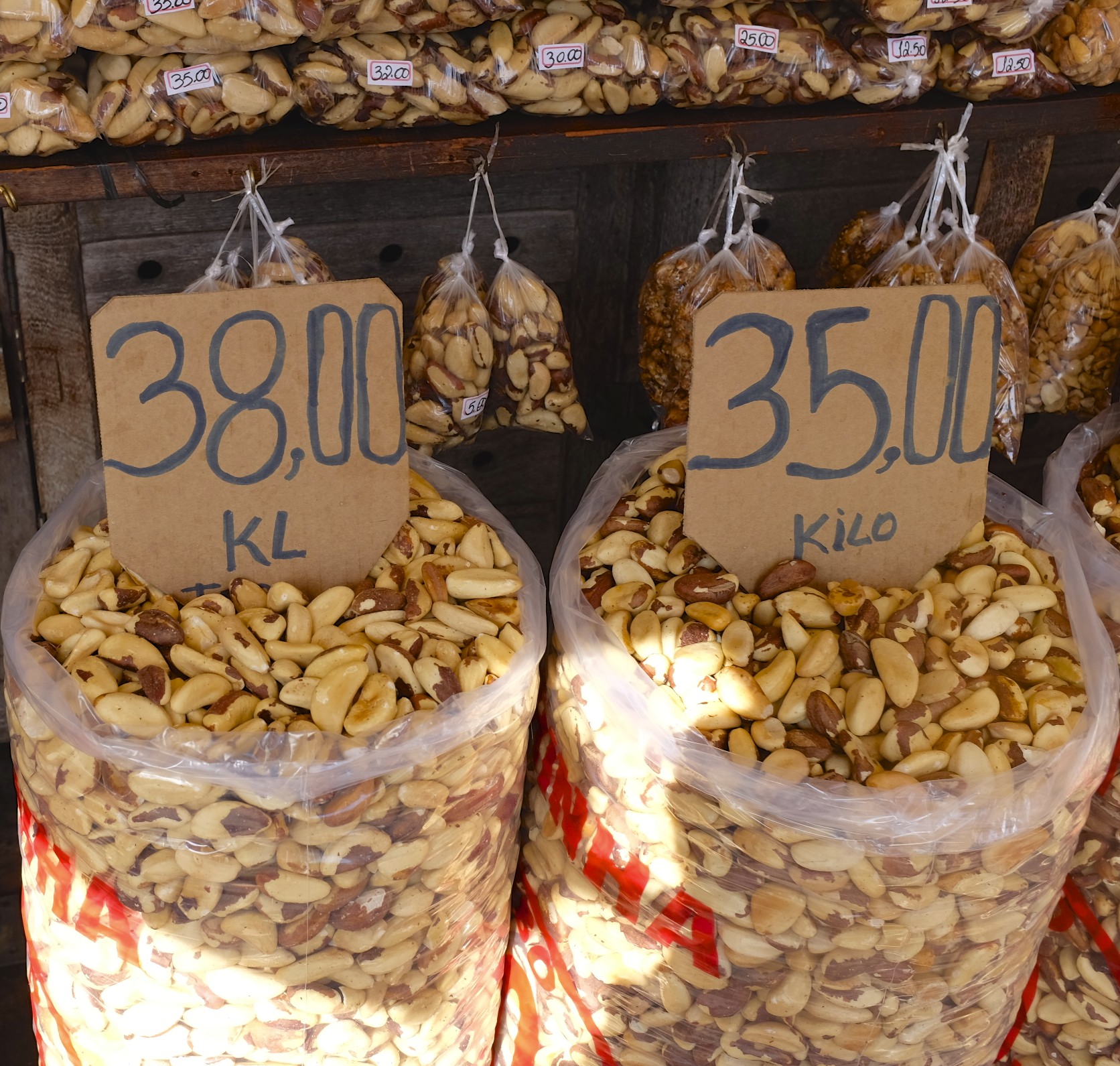
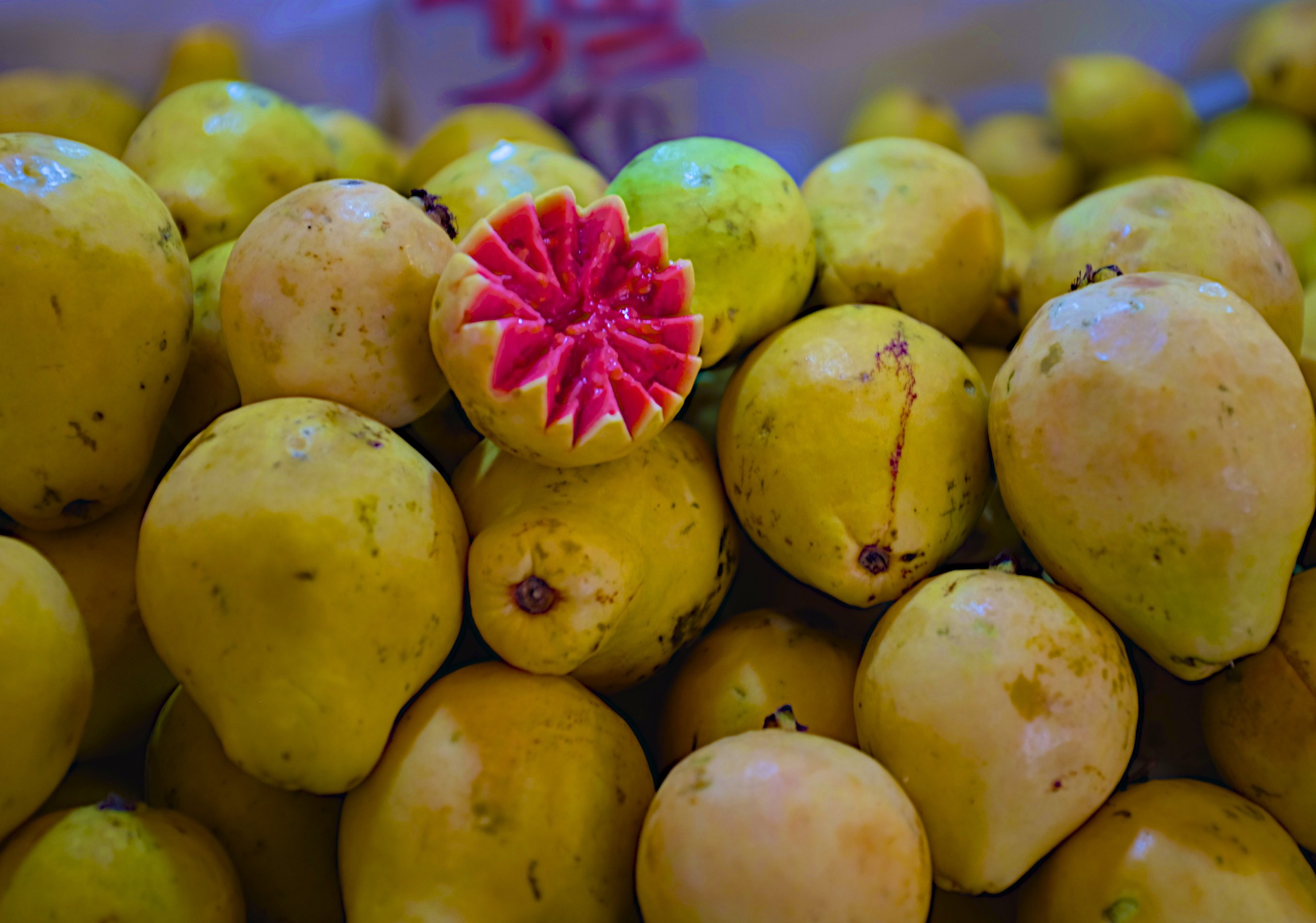
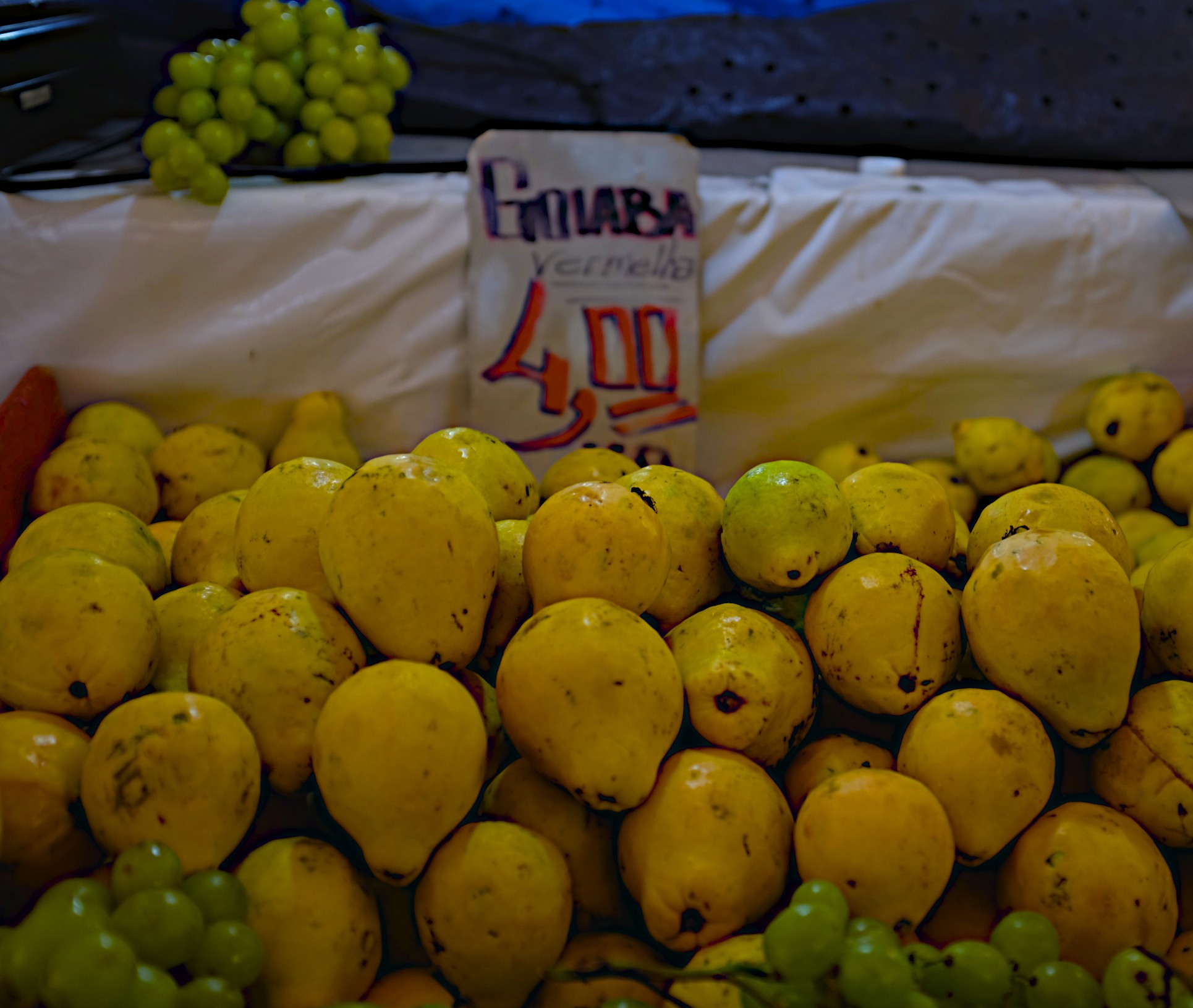
There are things you know like acai berries and brazil nuts and wealth of produce from the Amazon that is sold nowhere else in the world. (acerola berries)

DSCF5145
if you’re a fan of large, oily, and irresistibly rich Brazil nuts, you’ll find them all over in Pará, where they’re known as castanhas-do-Pará, and are sold — plain, salted, or caramelized — by vendors on the streets of Belém.

DSCF5121
There are fruits with names like cupuaçu, bacuri, muruci, uxi, taperabá, tucumã, bacaba, and pupunha.

DSCF5141

Wait until you smell and taste them, which you can do in forms that include juices, compotes, jellies, cremes, puddings, liqueurs, and sorvetes.

DSCF5139

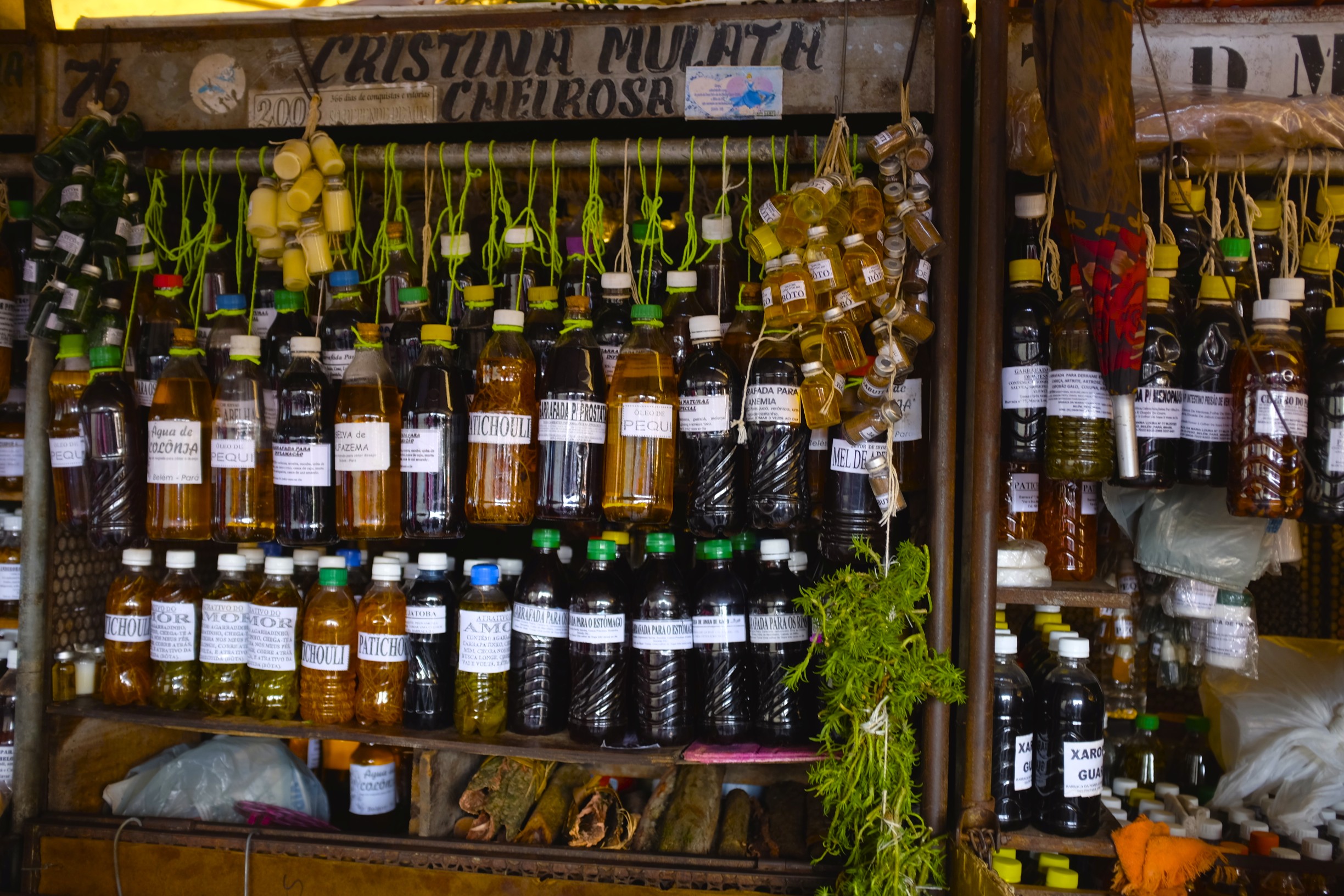
There are herbs that cure everything and many types of natural viagra, different cachacas (Brazil’s liquor used in caipirinhas) and all kinds of stuff used for religious and spiritual ceremonies that look fascinating.

DSCF5177

I could have spent a lot of time with the herb ladies and in those questionable spiritual ceremony stores.

DSCF5180

DSCF5178

Who knows what I would have brought home if I spoke Portuguese?

DSCF5189

DSCF5199

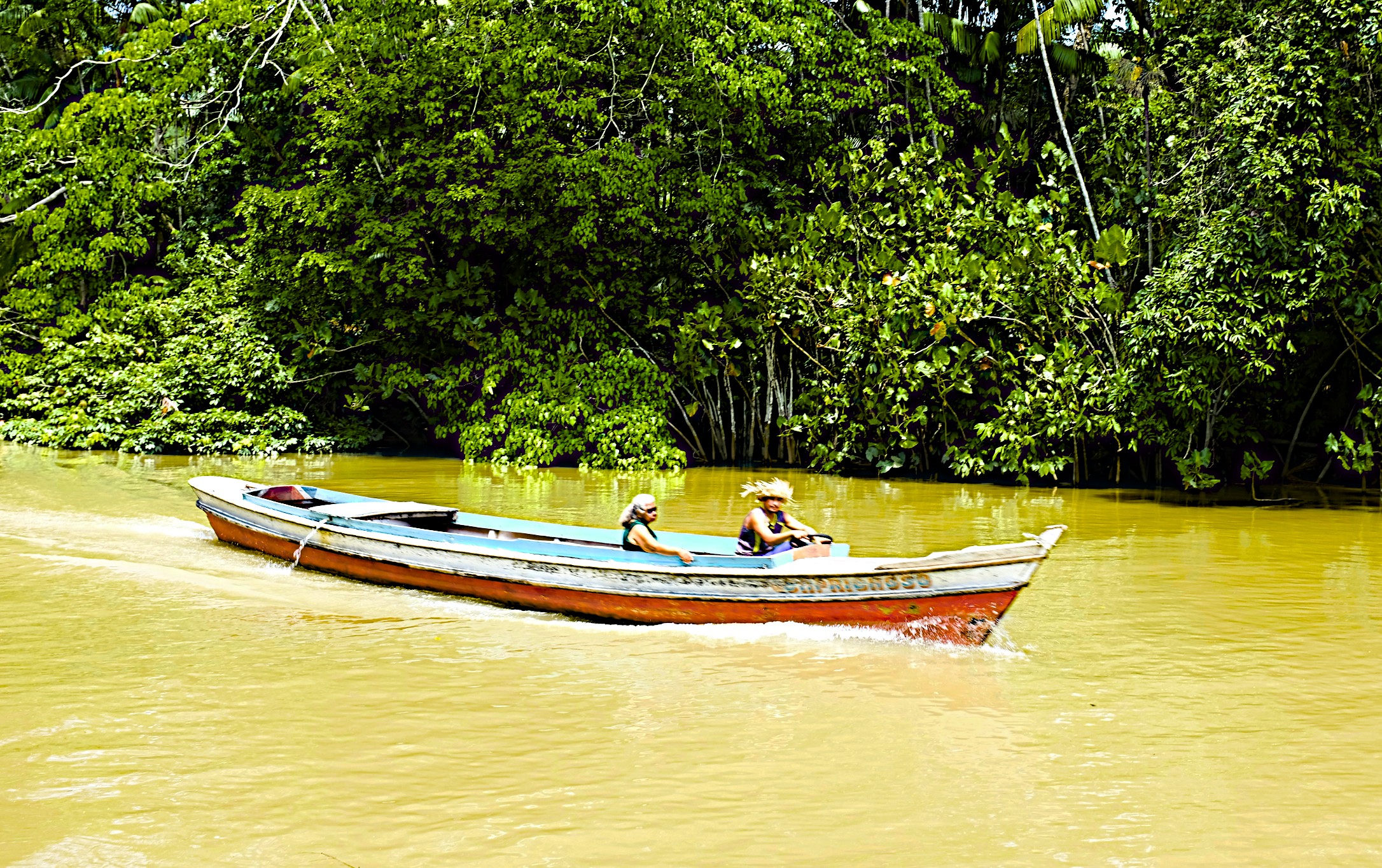
We take a ride through the jungle up the Guama River.

DSCF5232

DSCF5245

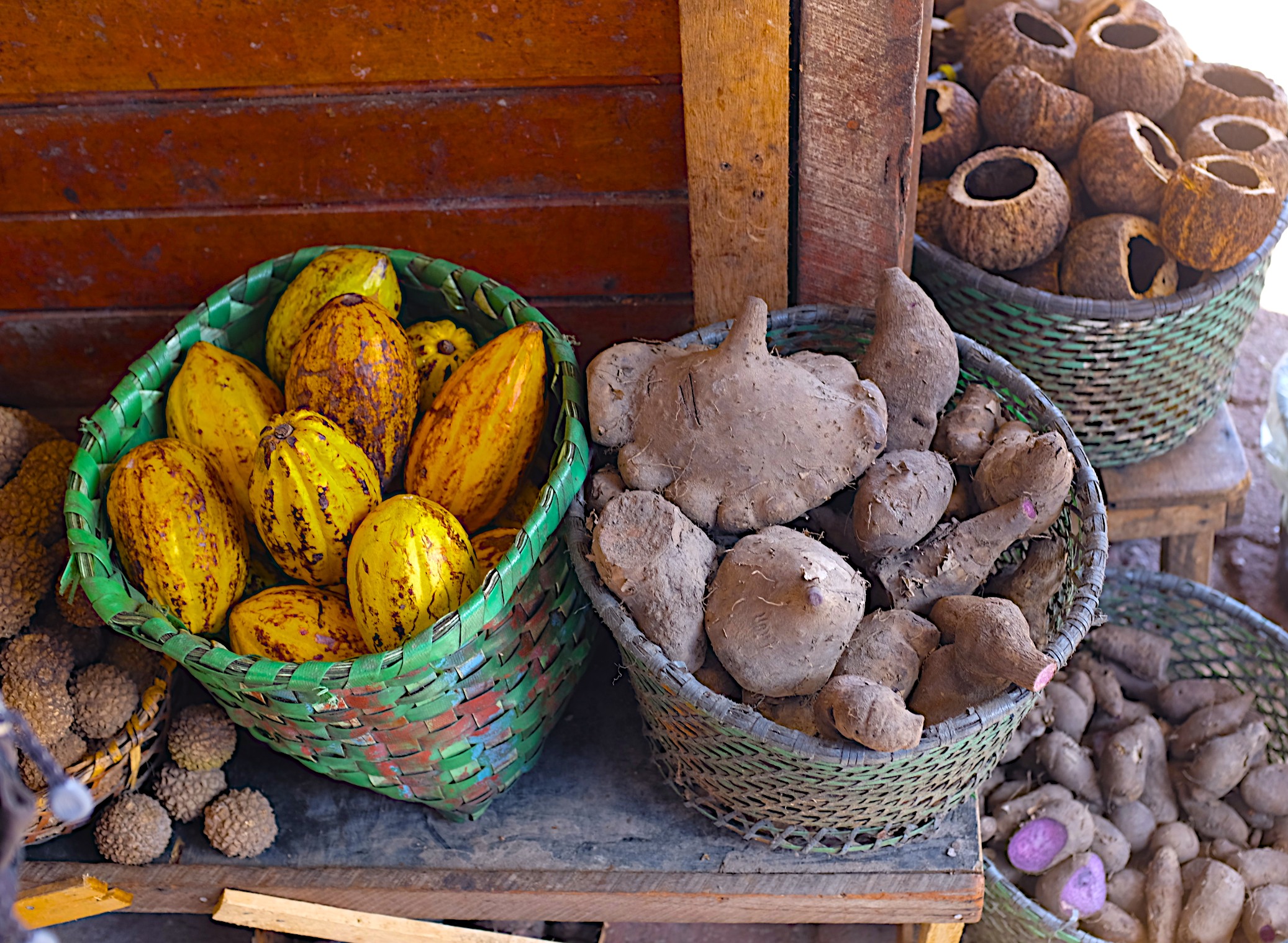
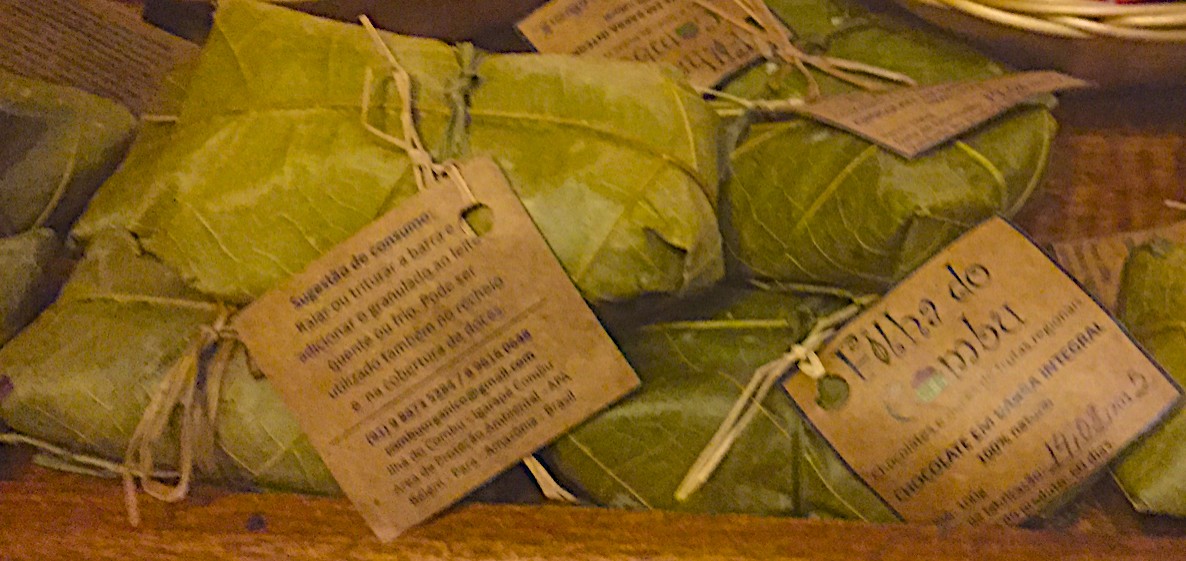
We are headed to the island of Combu where Dona Nena harvests cacao from trees on the island and makes chocolate wrapped in banana leaves and chocolate drinks with carnation milk (my fav).

DSCF5254

Everything is laboriously and lovingly done by hand – a far cry from the Hershey factory in Pennsylvania I visited as a kid. (cacao)

DSCF5249

While most of the families living on the jungle river make their living harvesting acai and brazil nuts, Dona Nena is bringing back the ancient way of making chocolate and the chefs in Brazil can’t get enough.

DSCF5236

It’s delicious and not too sweet – just the way I like it. Brazilian designer chocolate from the Amazon – why not?

IMG_4495

DSCF5251

One of our dinners was at Romanso do Bosque which is an inviting beautifully designed restaurant. http://www.restauranteremanso.com.br   Indigenous ingredients and traditional Brazilian cooking combined with new ideas was the basis for an interesting tasting menu. Chef Thiago Castanho’s modern take on ancient flavors was creative and delicious. By then, I was starting to recognize the flavors of the Amazon. I tasted the jambu in the tucupi and honey sauced pork sausage (not normally being a meat eater, I loved that one)

IMG_4483

There were shrimp covered in tapioca, balls of fresh fish, smoked Pirarucu and filhote.

IMG_4481

IMG_4486

IMG_4487

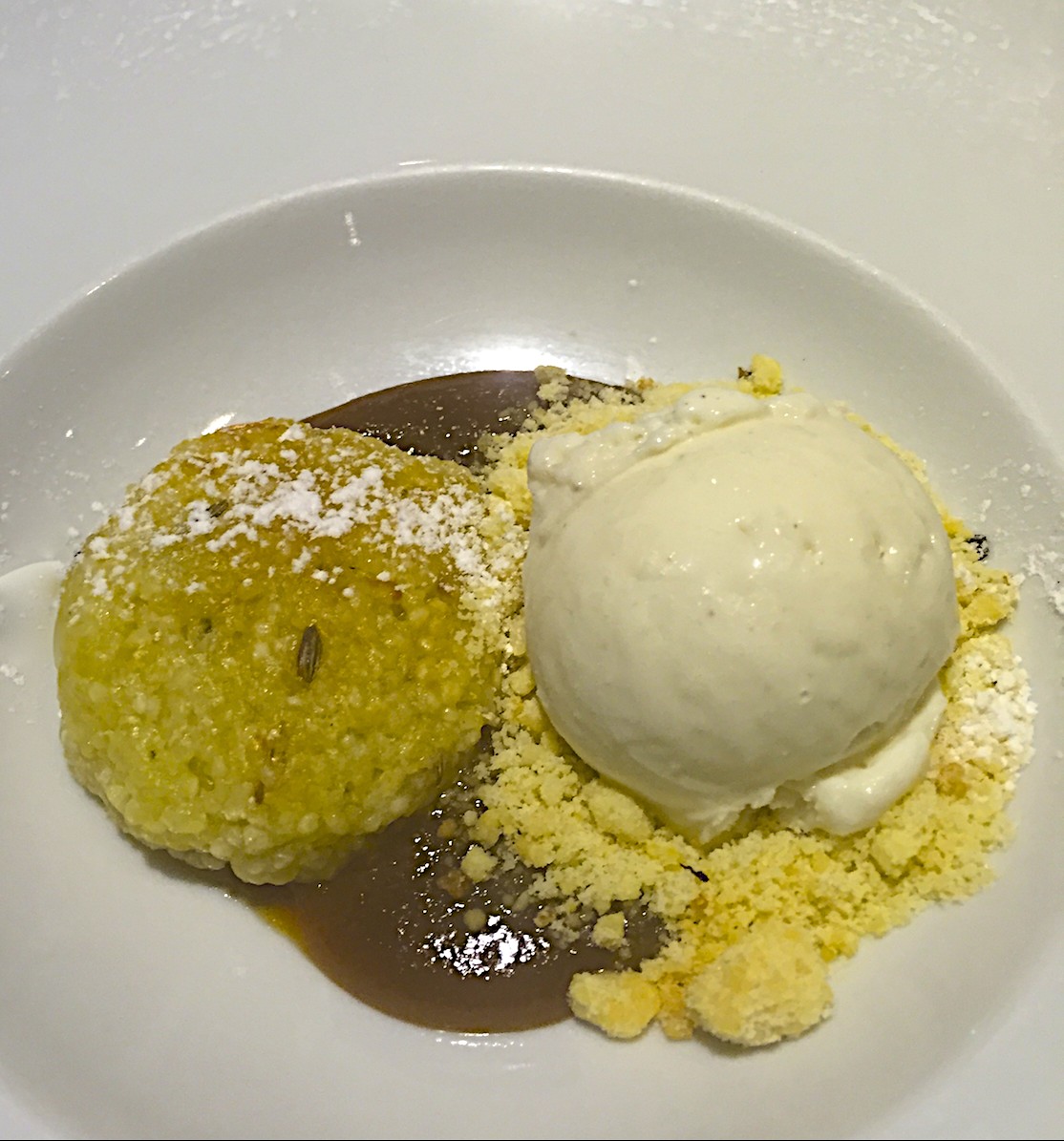
There were two desserts. The first was tapioca, tapioca ice cream and brazil nut sauce.

IMG_4489

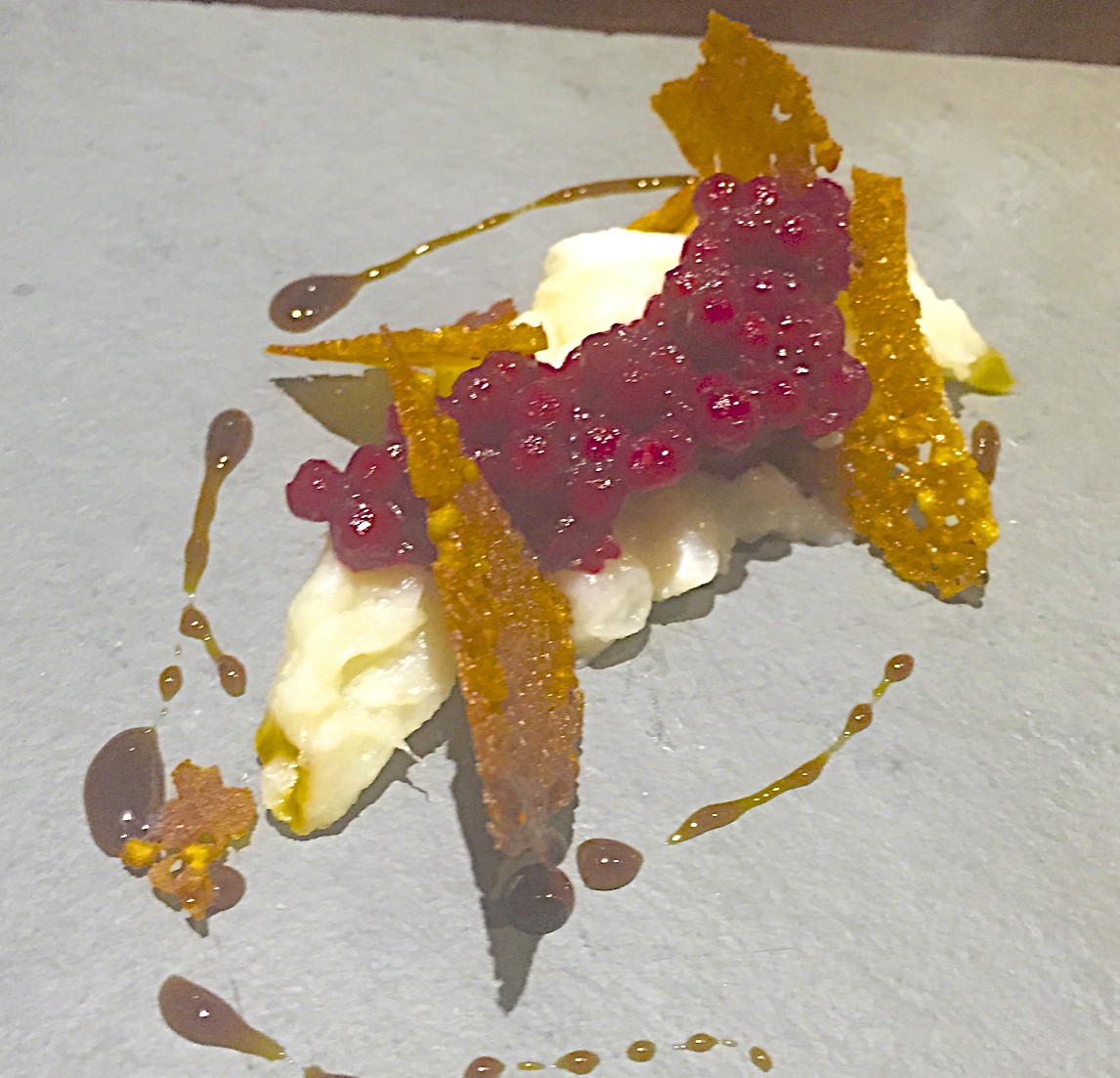
When I couldn’t eat another bite, they brought this. I didn’t even ask what it was but I finished it.

IMG_4492

The flavors of the Amazon are the flavors of the forest and the river. They are in the mystical ceremonies, potions and celebrations. They are in the lives of the fishermen, farmers, ranchers, healers, cooks, musicians and artists. The flavors of the Amazon are the flavors of the myths and stories of the Amazonian natives who came before. I bite off a piece of my modern chocolate from Combu and read about the origin of cassava, fire and the story of the woman who gathered the brazil nuts.

Bom apetite,

JAZ