Food In the Amazon – Belem Part One or How Did They Figure Out That Tucupi Had To Be Cooked For Seven Days To Not Be Poisonous?
“I have long believed that good food, good eating is all about risk. Whether we’re talking about unpasteurized Stilton, raw oysters or working for organized crime “associates,” food, for me, has always been an adventure.” Anthony Bourdain
When you think of eating food in the Amazon, your mind pictures a few scantily clad natives drinking from coconut bowls. That may happen deep in the Amazon but in the city of Belem they are taking the flavors, food and traditions of the Amazon and serving it to locals, Brazilians and tourists like me from all over the world.
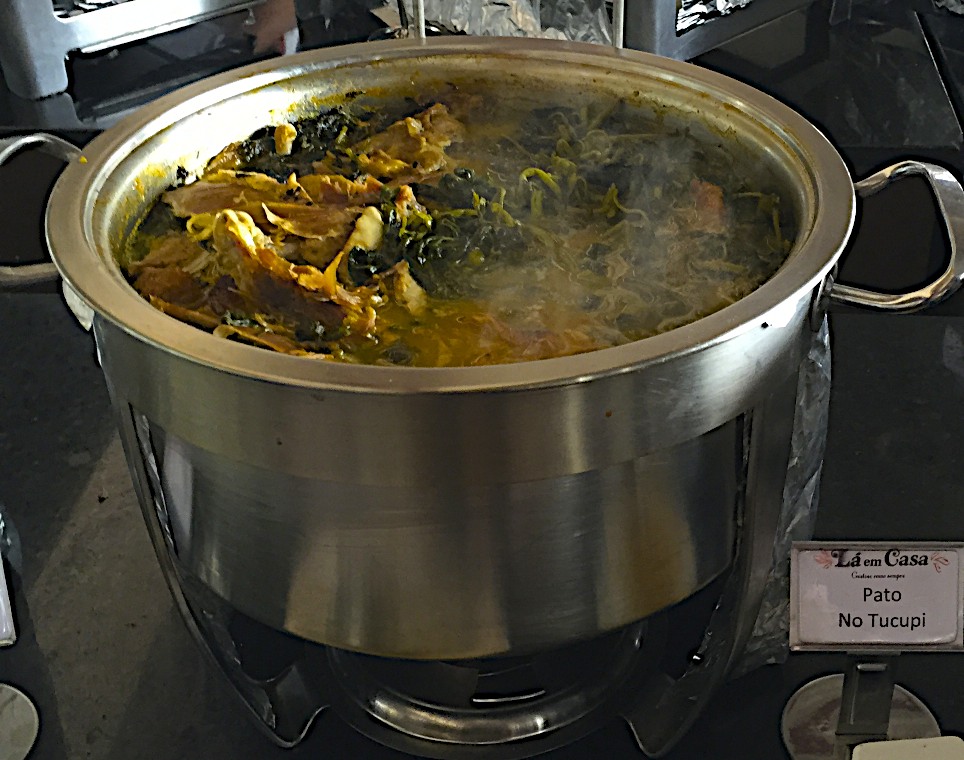
Each of the dishes, ingredients, flavors, and aromas invite us to discover the mixture of the Portuguese, European, Hispanic, Indian, and African influences. Among the typical specialties of Belém you can find “Pato no Tucupi”, made with duck cooked in cassava juice and seasoned with “jambu. (restaurant La Em Casa)
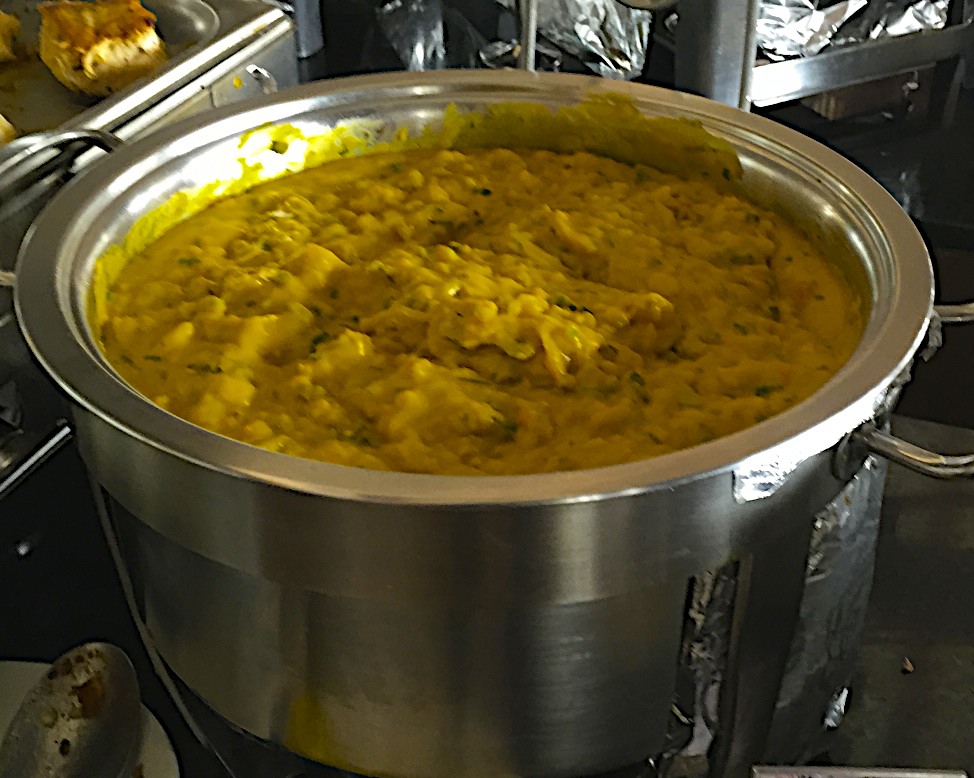
“Vatapá” is a dish made with bread crumbs, ginger, pepper, allspice, peanuts, coconut milk, palm oil, and onion, with a creamy consistency. it is usually served with shrimp, fish, or beef and accompanied with rice. (La Em Casa)
The region’s rivers and rain forests provide an endless supply of exotic ingredients, and nowhere else in Brazil will you find so much indigenous influence. (Ver O Paso Market)
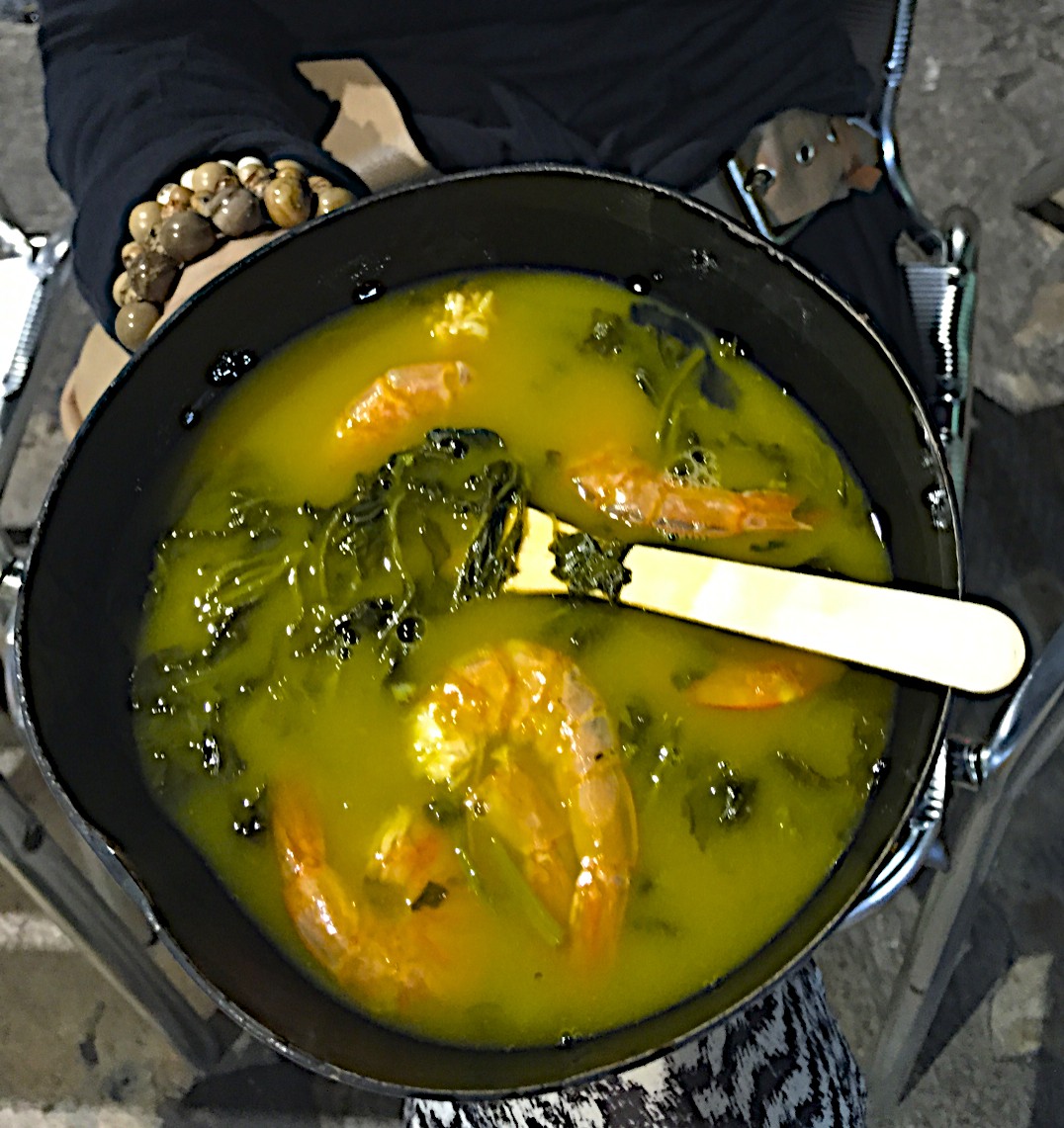
Belém is the Amazon’s culinary capital, and the city’s signature dish, tacacá, is a fusion of the region’s key ingredients. When you mention that you have been to Belem (named for Bethlehem) to a Brazilian they always ask if you tried the tacaca. I was glad I knew what it was. Tacacá is is a soup . It mixes shrimp with tucupi, a thick yellow liquid extracted from the roots of the manioc plant, and jambu, a creeping plant whose leaves when covered with tucupi cause a pleasant tingling and numbness of your lips.
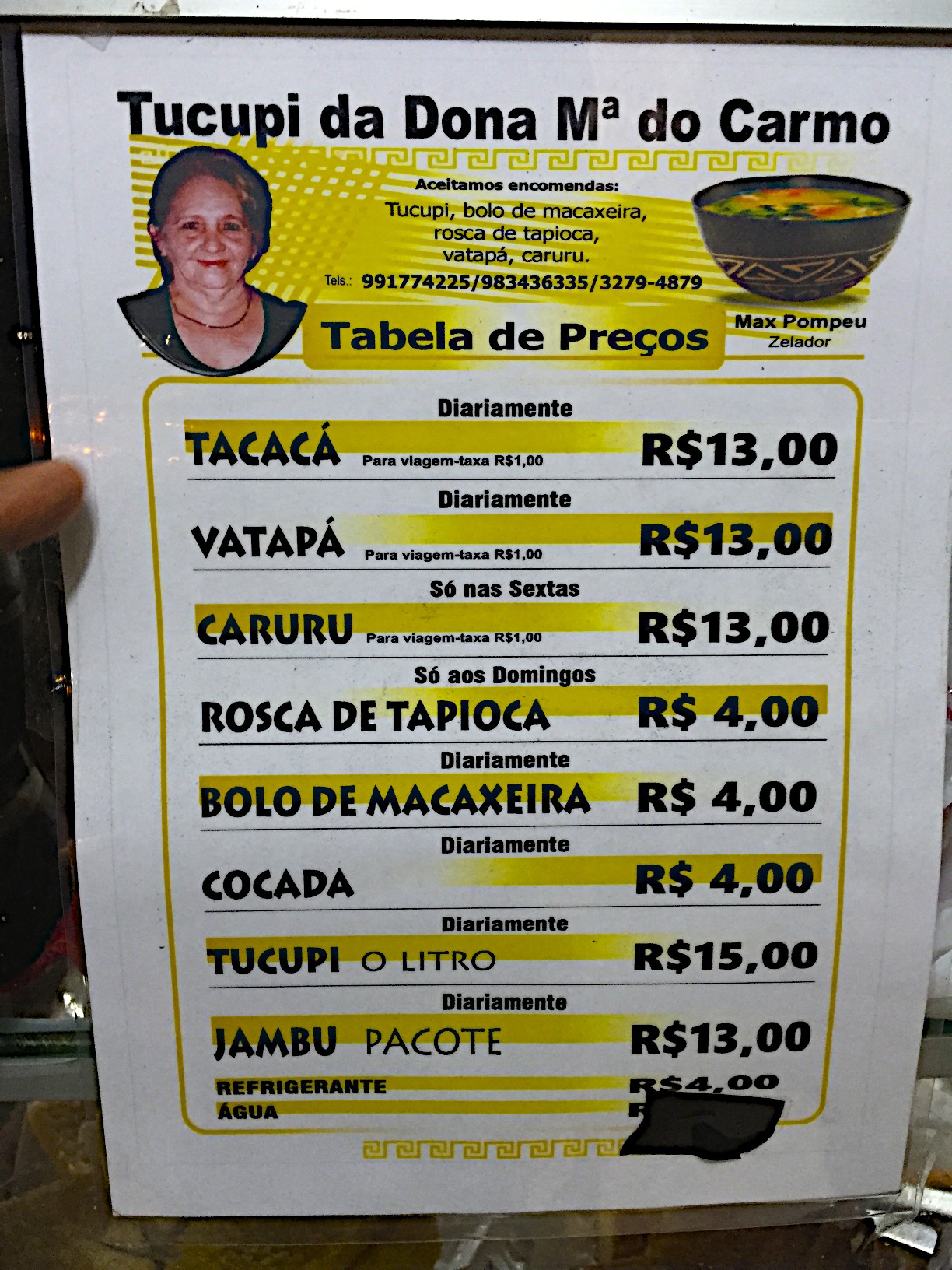
Manioc is also called cassava, yuca ( which is not yucca) or tapioca and is a staple of the Amazonian diet. The soup is served hot in cuias (hollowed-out gourds) and I brought some of the bowls home. One of the best places to have it is on the street at the stand of Dona M Do Carmo. It was amazing and one of the most delicious things I have eaten in Brazil.
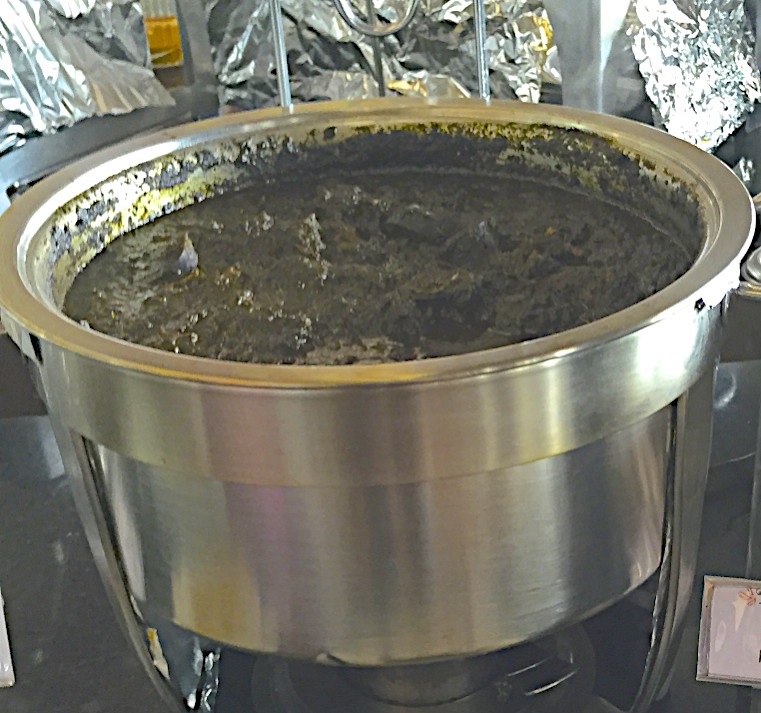
Tucupi (which is cooked for some 12 hours to remove poisonous components) shows up in a lot of Amazonian dishes, such as pato no tucupi, an aromatic duck stew, and maniçoba, the Paraense (Belem is in the state of Para) equivalent of feijoada ( Brazilian signature dish). Different portions of pork and sausage are cooked together along with jambu the dark-green leaves from the manioc plant. (La Em Casa)
The story goes that the manioc plant has to be cooked for seven days to get rid of the toxins. This involved a lot of group discussion of how that came to be. When someone died after eating it the first day, did the natives decide to cook it for two days and when more died did they decide to try for three etc? How many people died before they came up with seven days and why did they keep trying? Were they using it on their enemies and then it did not work? Did someone forget to turn the fire off and got hungry?
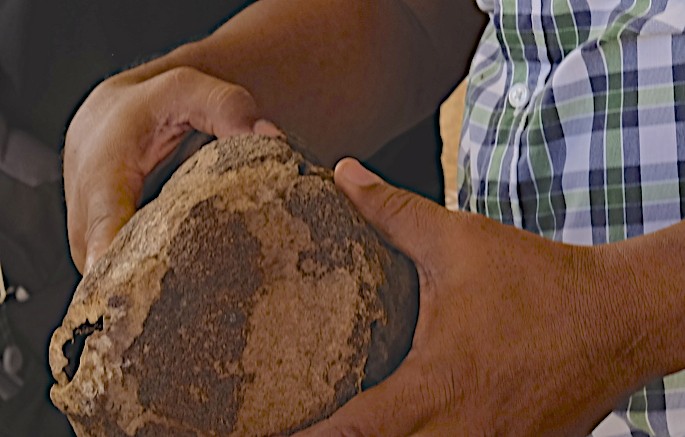
The manioc dough (it’s a tuber) is pushed through a long woven basket like instrument called a tipiti to get the liquid out. You can buy them in Ver o Peso market on the Amazon River along with my bowls. Such dishes are often accompanied by arroz de jambu (rice flavored with jambu leaves) and farinha d’água, manioc flour that, having been left to soak in the river, has a soft, fluffy consistency.
The man holding the tipiti was our wonderful guide in the Amazon Osvaldo. I have many photos of Osvaldo’s hands holding something edible he picked up while we were in the market or rainforest. Unfortunately I was unable to make notes on my photos of what they were. I knew this would happen. I said I was going to include photos of his hands.
I am happy to say that all the tucupi i ate at every meal was cooked correctly. I am grateful to the Amazonian chefs for doing that .But how did they figure out that it took seven days to get the poison out?
“The world lies in the hands of those who have the courage to dream and who take the risk of living out their dreams – each according to his or her own talent.” Paul Coelho
The name Brazil comes from the brazilwood tree (which I’m sure I took pictures of but have so many tree photos in the Amazon). In Portuguese it is called pau brazil. The tree produces a deep red dye, highly valued in the European clothing industry and was the first commercially exploited product in Brazil.
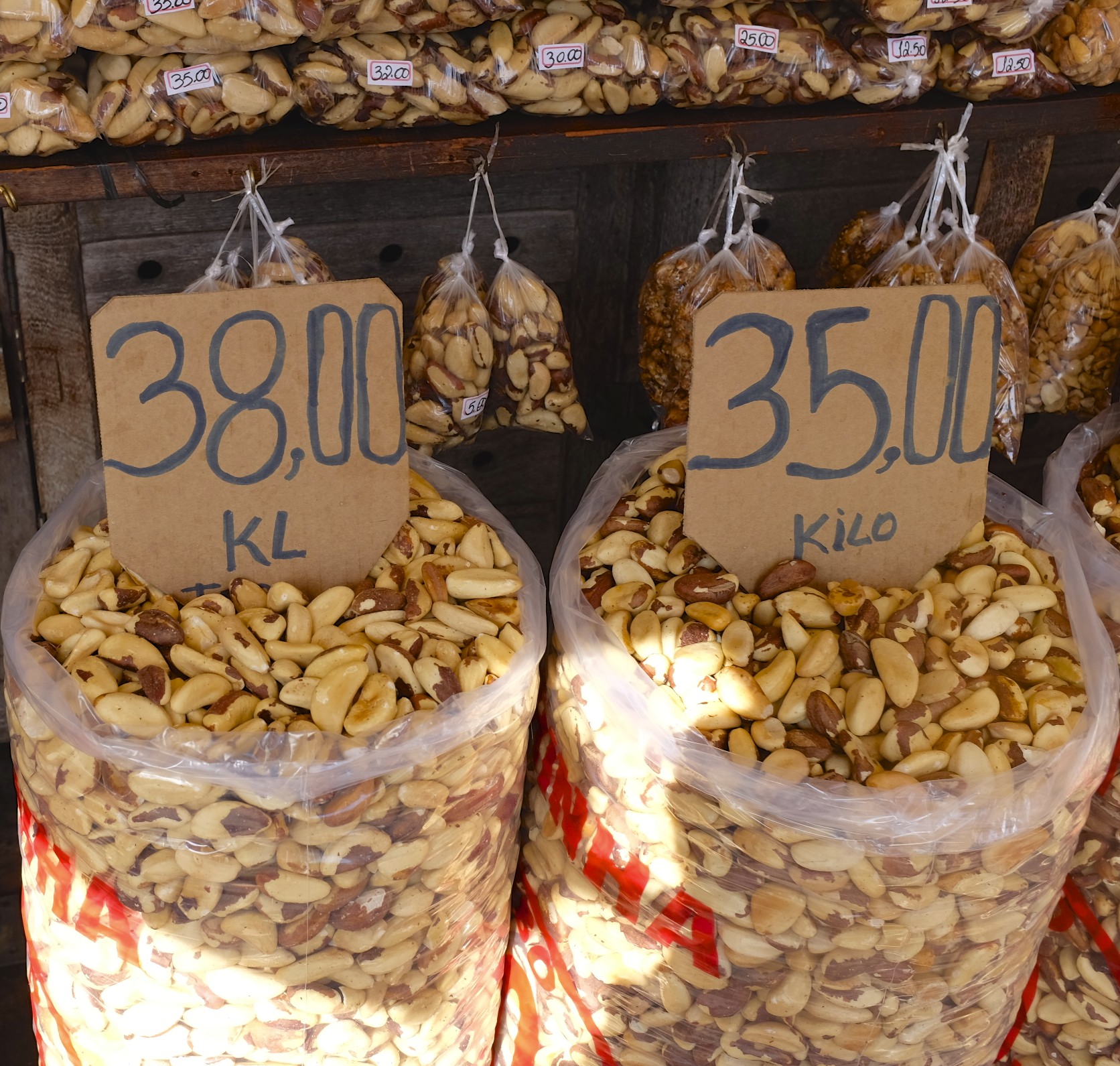
The Brazil nut tree is a different tree only found in the Amazon. (Belem)
Brazil is the only country in South America that speaks Portuguese and the largest Portuguese speaking country. It is very hard to understand Portuguese but easy to read if you speak Spanish. The pronunciation is very different from the spelling that we are used to. Very few people speak Spanish which is interesting considering all their neighboring countries do. They teach English in the schools instead. (Paraty, pronounced para-chee. We have cold beer and cake?)
Brazil does not like conflict or war. They don’t even like to say the word war. When a civil war breaks out they call it a revolution.
Brazil sent three thousand soldiers to World War II reluctantly on the side of Italy and Germany but quickly changed sides when the opportunity presented itself to do so.
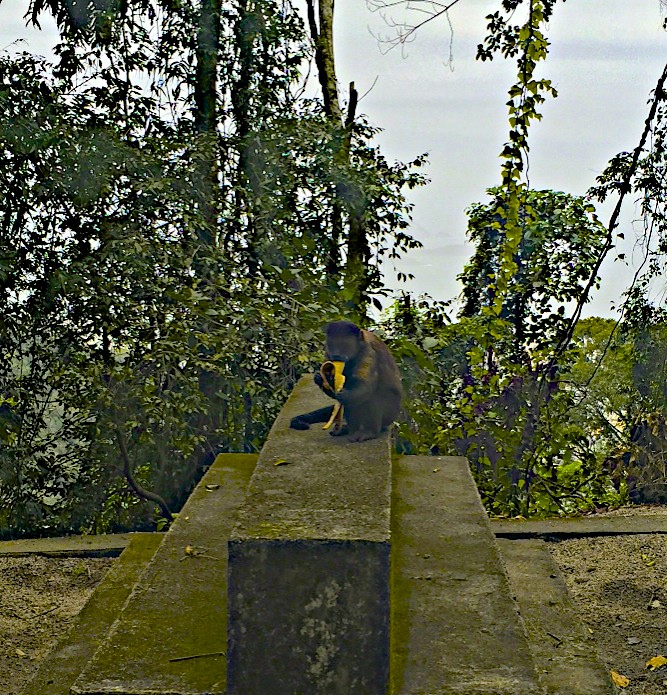
There are more species of monkeys in Brazil than anywhere else in the world. This is a very hungry marmoset. I was being nice and offered to share my banana because I was hungry also. He came very close to me and started screaming and showing his teeth for the rest of it. They may look cute but they are predators. Everyone else got the good pictures. I was dealing with the banana. Guess who won? (Rio pronounced Rio)
Brazilian food is super good. (Belem street food -Tacaca with shrimp and jambu)
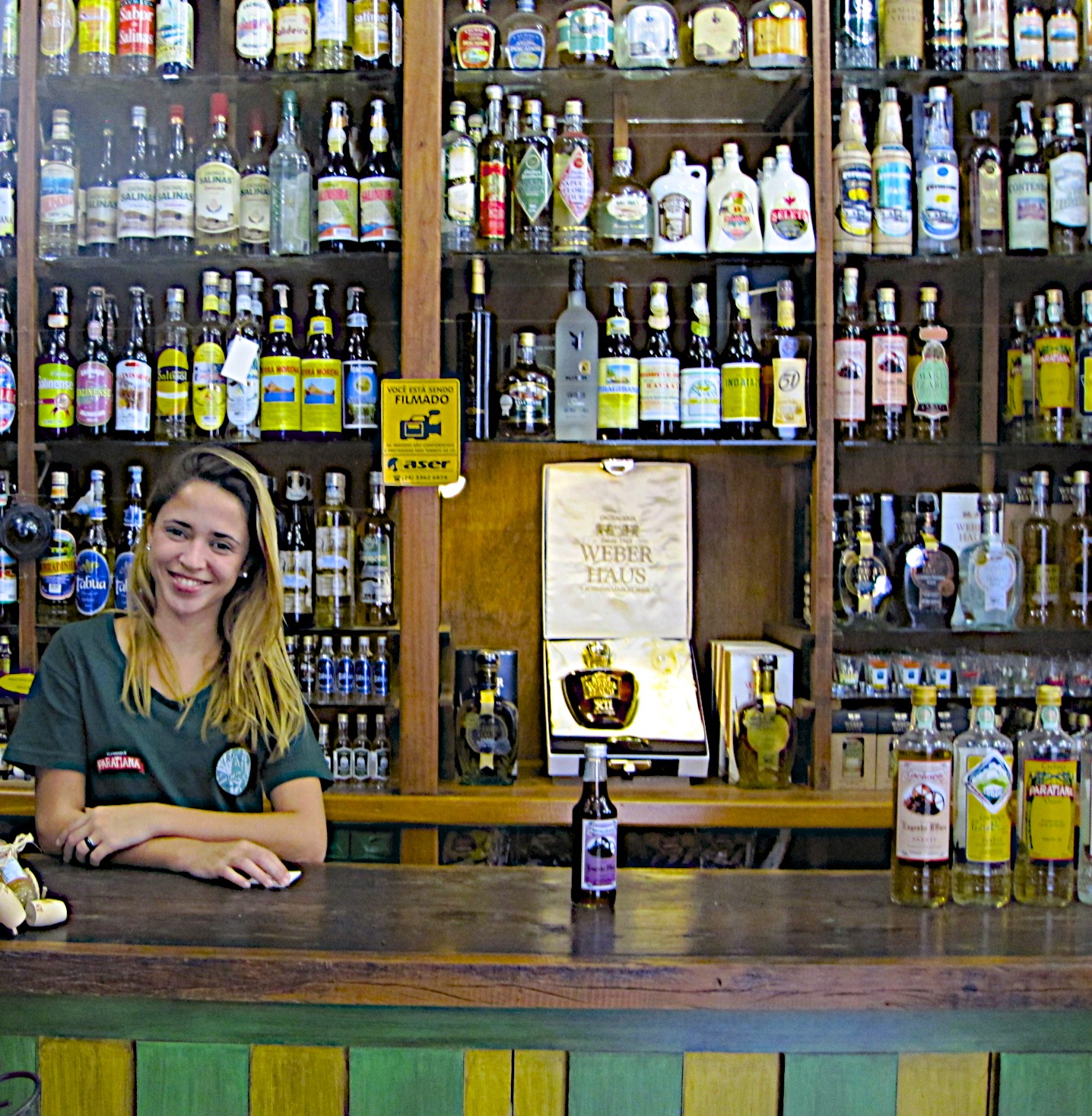
Caipirinha is the national drink of Brazil. it is made with cachaca. (pronounced ca-chasa) (Paraty)
Brazil’s homicide rate is 25 per 100,000 people. This is the closest photo I had. I was getting a tour of the opera house in Belem when I turned my head and saw a cop with a gun in someone’s back. If it was the US, they probably would have shot him.
The longest traffic jam in the world took place in Brazil.
There are at least 15 girls in every favela more beautiful than Beyoncé.
Street art is all over Brazil ,from professional or crude to tagging. (São Paulo – Cobra)
54% of the population has European ancestry.
.
The Acai berry is grown in Brazil, which is believed to prevent cancer, help with weight loss, detoxification and general health issues. There is a lot of acai in the Amazon. It is not a superfood – it is just food usually eaten with dried cassava balls on top or as a juice served in a plastic bag. (Marajo)
Almost everything from the Amazon can be like Viagra. ( Marajo, turu – grey tree worms -there are many in that tree. usually eaten raw – luckily they ran out of clean water and wanted to wash mine in the river, I declined)
The highest point in Brazil is Pico da Neblina, which is 2,994 m high.
Brazil is presently one of the fastest growing economies, with an annual GDP growth rate of 5%.
The Brazilian bikini wax was invented in New York in 1987 by 7 Brazilian born sisters .
Brazil produces the most oranges in the world.
The world’s widest road is the Monumental Axis in Brazil. Here, 160 cars can drive side by side!
Brazil has won the World Cup 5 times (more than any other country!) They feel shame from the last World Cup and don’t really want to talk about it.
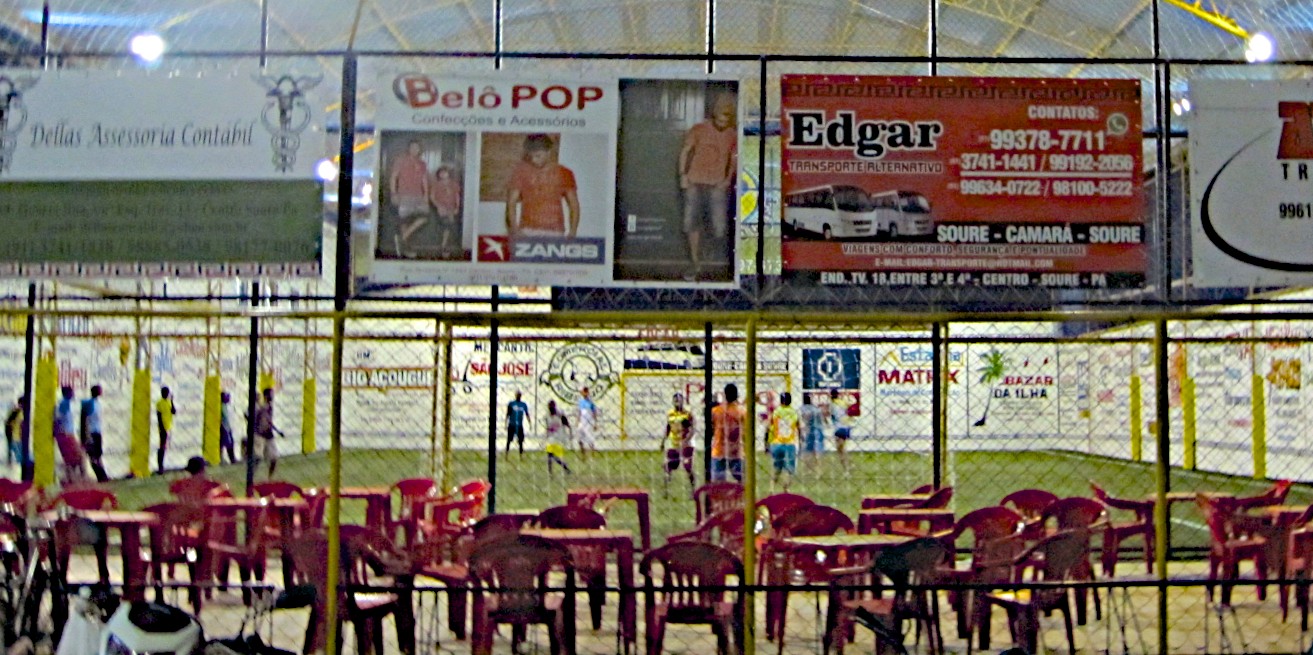
Every city in Brazil has at least one soccer stadium. In 1967, a 48-hour ceasefire was declared in Nigeria so that Federal and Rebel troops could watch the Brazilian soccer legend Pele play on a visit to the war-torn nation. (Soare, indoor soccer)
Coca-Cola in Brazil sponsors a Pele museum on wheels that travels across the country.
Brazil has never lost a game when Pele and Garrincha played together. Kaka paid for his brother’s education at the best college in São Paulo before Rodrigo himself became a football player.
Kaka was twice voted as Brazil’s sexiest footballer. In 2005, a Nike ad starring Ronaldinho was the first video on YouTube to break 1 million views.
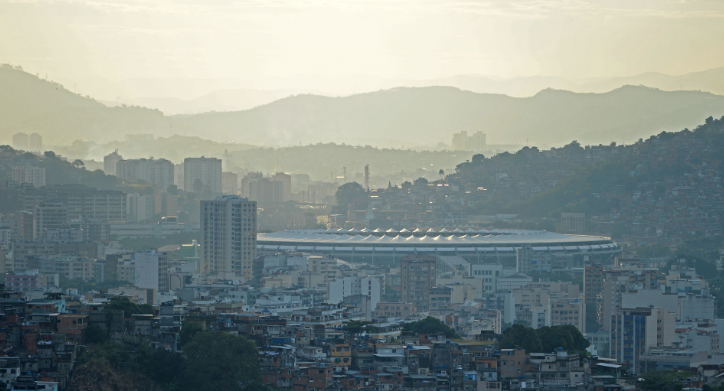
Brazil has the largest stadium in the continent – the Maracana Stadium.
It is another one of those countries that knows how to blow dry curly hair straight very well. (Sao Paulo)
It has the second highest number of airports in the world.
Brazil has a drink named after Jesus.
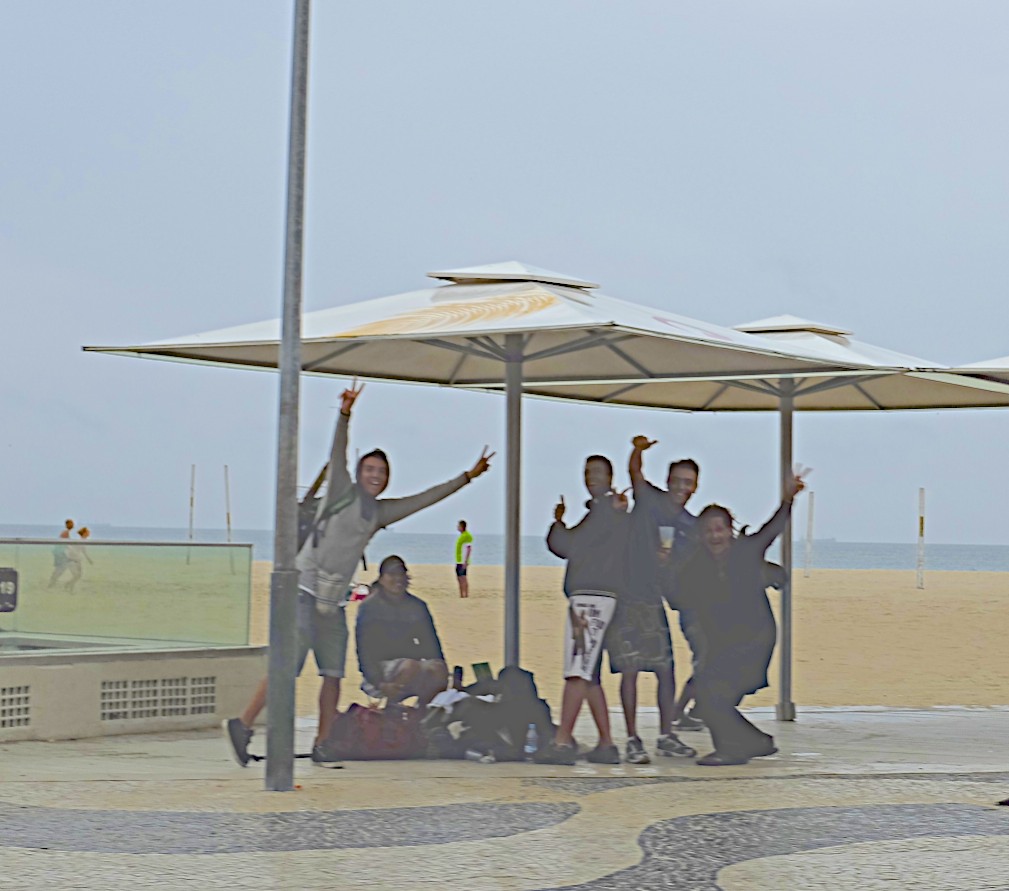
In Brazil there is a new futbol beach volleyball where they don’t use their hands. (players in Rio at Copacabana Beach posing)
It is one of the world’s leading producers of hydroelectric power.
Brazil has the fifth highest number of visits from the pope in the world.
Brazilian women attained the right to vote in 1931.
Brazil is the 5th country to make seat belts compulsory.
Brazil literacy rate is 86.4%- the lowest in the continent.
Brazil shares a border with every country in the continent except Chile and Ecuador.
The motto of Brazil is “Order and Progress”.
Brazil has the longest beach at 7500km.( Marajo – not the longest but long and beautiful)
Brazil has the most number of species on the continent. (Marajo – vulture flying over not the longest beach)
Brazil has the highest number of AIDS victims in the world.
Brazil has the ninth highest number of billionaires in the world.
A Brazilian model is considered one of the most gorgeous women in the world.
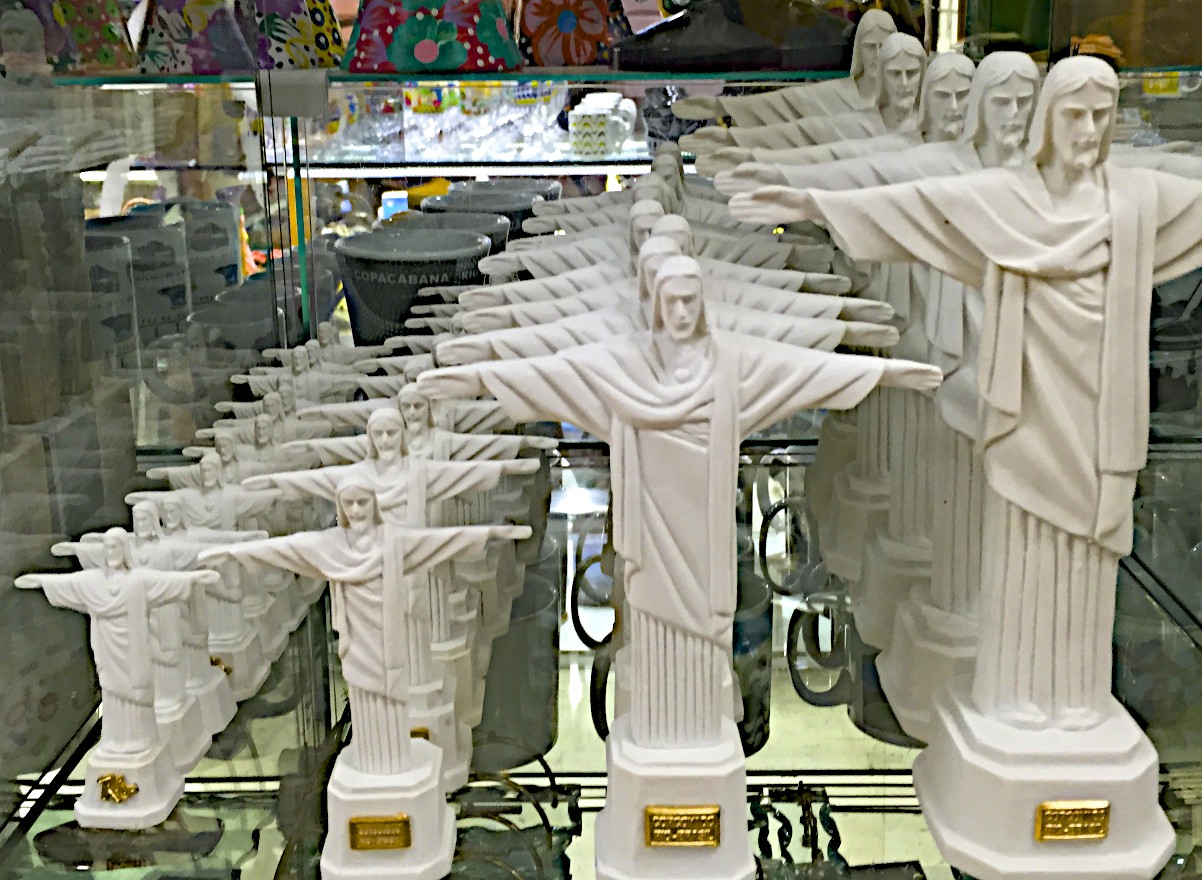
There is no official religion any more in Brazil. There are a lot of these statues around Rio.
The Portuguese were very different colonizers than the Spanish. They immediately intermarried with the Indians and the first Brazilians are born. Brazil really is a melting pot of races, foods, religions and cultures.
The currency of Brazil has both horizontal and vertical pictures.
Brazil is the longest country in the world, spanning about 2,800 miles from north to south via land.
I loved Brazil and I’m already planning to go back next year. I can say good morning, good evening, thank you, you’re welcome, goodbye and soy milk in Portuguese so I think I’m good. (Paraty)


















 Travel Well, Fly Safe
You must be logged in to post a comment.