Twenty Five Things That I Wanted To Do In 2019 – Did I Do Them?

Image

Twenty Five Things That I Wanted To Do In 2019 – Did I Do Them?

“A goal properly set is halfway reached.” Zig Ziglar

Go to Sweden. Yes

Go to Iceland. Yes

Spend a day at the Blue Lagoon.  Yes

Be a better friend.  Trying

Go to the Galápagos. Not yet  but I went to the Pantanal in Brazil.

Plan less.  Trying.

Read at least thirty books . Yes maybe more!

Go to the Amazon. No but I went  to Bahia, Brazil.

Take it bird by bird. Trying

Drink one cup of coffee a day.  Yes – that was hard by the way.

Switch to Matcha Tea. Yes

Go to Sedona. Not yet

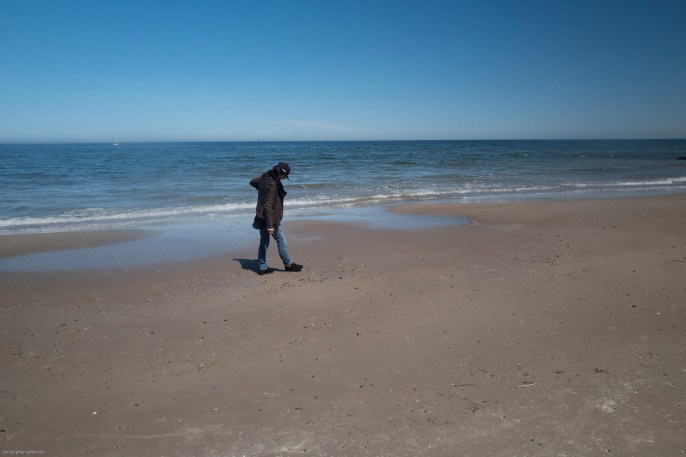
Walk on the beach a few times a week.  Yes when it isn’t cold and windy.

Do a street art tour in Los Angeles instead of just taking photos. . Not yet. I have no excuse.

See more of Australia. Not yet.

Walk my dog every day. Trying.

Eat breakfast in Venice at least one a week. No.

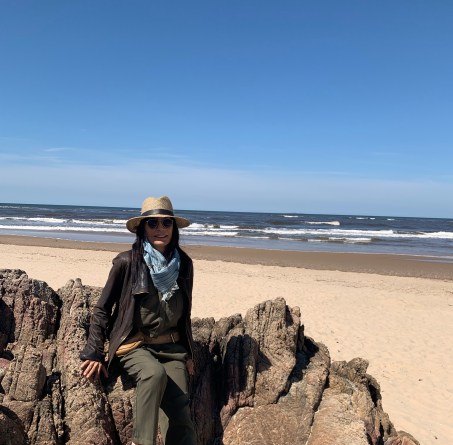
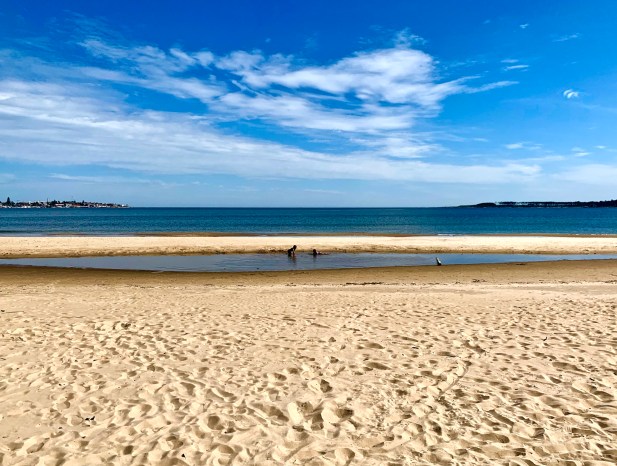
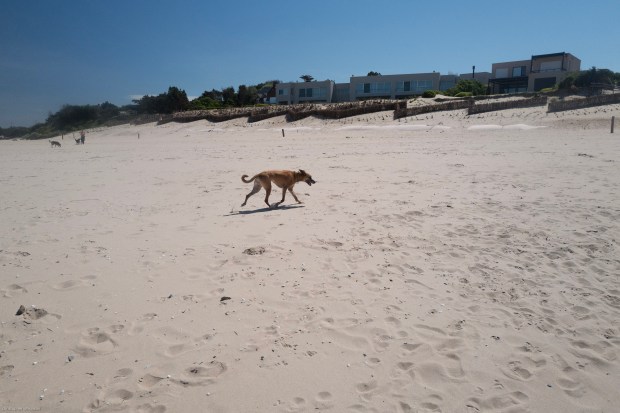
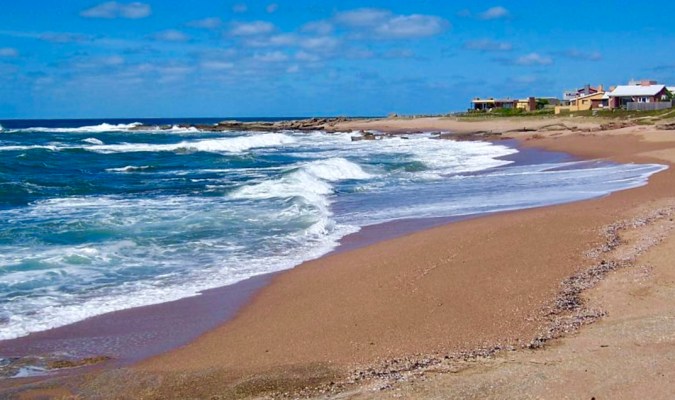
Go to the Faroe Islands. Not yet  but I went to Uruguay.

Work on being fearless. Trying.

Give him a drawer.  Yes. He got more than a drawer since we moved in together. 

Stay politically active. Yes

See the Grand Canyon. Not yet.

Always be grateful. Yes

Do more yoga Nope – less.

Meditate every day – Maybe if I put it last I will do it.   Really trying –  In fact I’m going to go do it now.

Fly Safe,

JAZ

The Pantanal, Brazil

Image

The Pantanal

“I look at it this way … For centuries now, man has done everything he can to destroy, defile, and interfere with nature: clear-cutting forests, strip-mining mountains, poisoning the atmosphere, over-fishing the oceans, polluting the rivers and lakes, destroying wetlands and aquifers … so when nature strikes back, and smacks him on the head and kicks him in the nuts, I enjoy that. I have absolutely no sympathy for human beings whatsoever.” George Carlin

In the heart of South America, the Pantanal is the world’s largest wetland territory covering around 210,000 square kilometers. Less than half of this is in Bolivia and Paraguay; the rest is in Brazil, split between the states of Mato Grosso and Mato Grosso do Sul.

Part National Park, part UNESCO World Heritage site, the Pantanal boasts the highest concentration of wildlife on the continent. It is home to around 1,000 bird species.

Some of the very rare and endangered animal species that call the Pantanal home include the Marsh Deer, Giant River Otter, Hyacinth Macaw, Crowned Solitary Eagle, Maned Wolf, Bush Dog, Capybara, South American Tapir, Giant Anteater, Yacare Caiman, ocelots and jaguars. (capybaras)

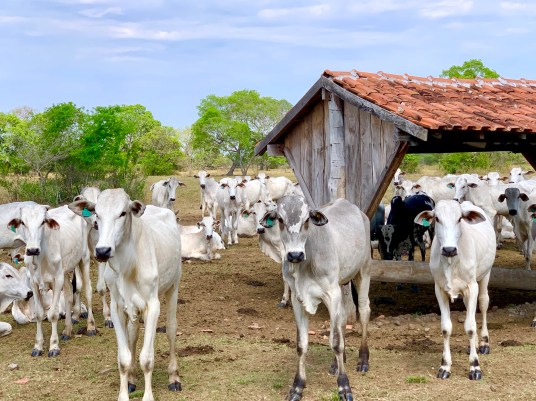
 Most of the Pantanal is privately owned and less than three per cent is under government protection. Cooperation between ecotourism and the landowners in the region (mostly cattle ranchers) has contributed to the sustainable conservation of the environment. 

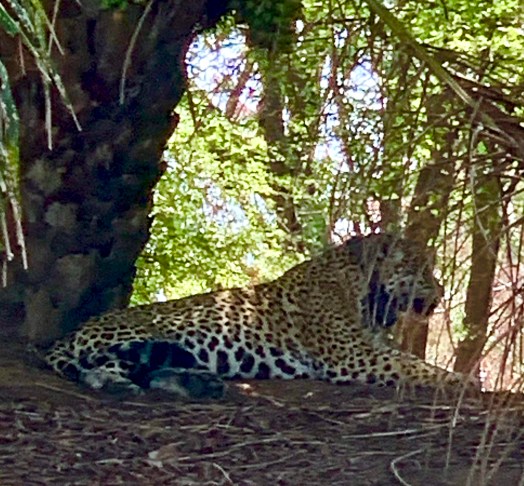
The  ecolodges and tourist industry pay the ranchers not to kill the jaguars.  The money  ecotourism brings in far exceeds the cash value of the loss of cattle. Jaguars have created a thousand new jobs in Brazil.

 Ecotourism couldn’t have been better for the jaguars. The guides describe them as opportunistic— they don’t just kill when they are hungry. Now they are the protected top of the food chain.

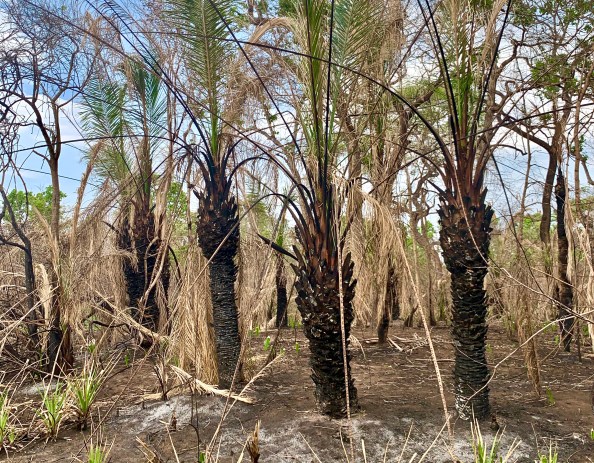
Two days before we arrive, we are told that the fires in the Pantanal affected our lodge and we would have to stay in a different one. There have been many more fires in the Pantanal this year than previous ones – due to both dryness and criminal activity. Firefighters say the cause is likely local people setting fires to clear land of vegetation, a practice also blamed for many of the Amazon fires. Such burning is particularly common among cattle ranchers, who use fire rather than costly equipment to prepare pastures. 

 The fires in the Pantanal this year have been overshadowed by the months-long period of blazes seen in the Amazon region. The governor of Mato Grosso do Sul declared a state of emergency on Sept. 11.

I didn’t know about the Pantanal fires because the News only talked about the Amazon. It clearly affected the  number of birds and animals we would see. But by the time I realized that, I was there.

Fly safe,

JAZ

Beaches In Bahia, Brazil

Image

Beaches in Bahia, Brazil

“May you always have a shell in your pocket and sand in your shoes.” unknown

What does it mean to be happy? 

fullsizeoutput_9e00.jpeg

For me, it means to be on some of the most beautiful beaches in Brazil, drinking coconut water from fresh coconuts, picking up shells and rocks.

fullsizeoutput_9e09.jpeg

I always come home with sand in my suitcase.

fullsizeoutput_9dfc.jpeg

 On our last day we go out to Ilha Dos Frades We Anthony Bourdained it and instead of the crowded boats with live music and people dancing (also fun) , it is just us. I’m the king of the world.


Fly safe,

JAZ


Churches In Salvador, Bahia, Brazil

Image

Churches in Salvador, Bahia, Brazil

“The places of quiet are going away, the churches, the woods, the libraries. And it is only in silence we can hear the voice inside of us which gives us true peace.” James Rozoff

There are nearly 100 churches in Salvador to explore and some are exquisite examples of colonial architecture. These churches help tell the story of the city, so wander around, visit some of them and hear their stories.

From the outside, Sao Francisco church seems relatively simple, but this eighteenth century church  shines on the inside—literally.

Ornate gilded wood carvings and paintings adorn much of the interior of the cathedral—from the pillars and archways to the vaulted ceilings—while golden foliage, angels, and birds decorate the altarpiece.

Nicknamed “The Golden Church,” São Francisco is also considered one of the best examples of the Brazilian-Portuguese Baroque style of artwork.

Of particular note here are the ceiling paintings in the entrance hall created in 1774 by José Joaquim da Rocha, and Bartolomeu Antunes de Jesus’ azulejo tiles that run along the lower walls of the main chapel depicting the life and times of St Francis of Assisi.

These tiles are particularly notable for their size (they’re much larger than traditional azulejo tiles), and stand out in contrast to gold you’ll find elsewhere. It is believed to be the wealthiest church in all of Brazil.

 Our Lady of the Rosary of the Black People was the first church that African slaves were able to go to. They were not allowed to pray in any of the churches, and they really wanted to have a place  of worship. It took more than one hundred years for them to build it, and they worked mostly at night because they had to be on the plantations all day. I cannot imagine how difficult their lives must have been.

We are lucky enough to attend a party in the back of the church.

The party is in honor of Mestre Moa de Katendê—a capoeira master and advocate for Afro-Brazilians who was killed in a local bar  after saying he would not support then hard-right candidate for president, Jair Bolsonaro.

,His daughter spoke and though I did not understand all the words, I felt her pain. The strength of the human spirit through adversity is really uplifting.

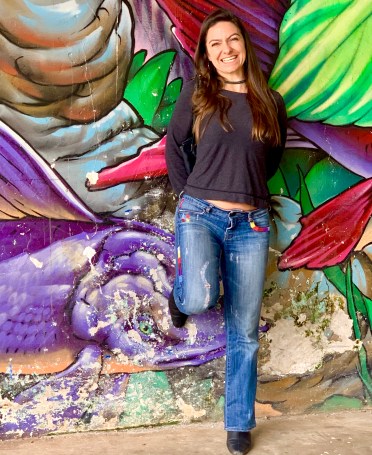
This is a street art painting near the church of her family. 

The Church of Bonfim is possibly the most famous place of worship in all of Brazil. The simple white edifice built in 1754  has long been the juncture of Catholicism and the Afro-Brazilian Candomblé traditions. As in other countries ,enslaved Africans were forbidden to practice their own religion and had to adhere to that of their masters. As a result, Catholic saints and rituals became a cover for African ones.

For many years people have left offerings, or ex-votos, to Nosso Senhor do Bonfim on behalf of the sick and the healed. In a room to one side of the church, wax body parts hang from the ceiling grouped according to which limb or organ they represent, while the walls are plastered with photos of people who are suffering or have been cured.

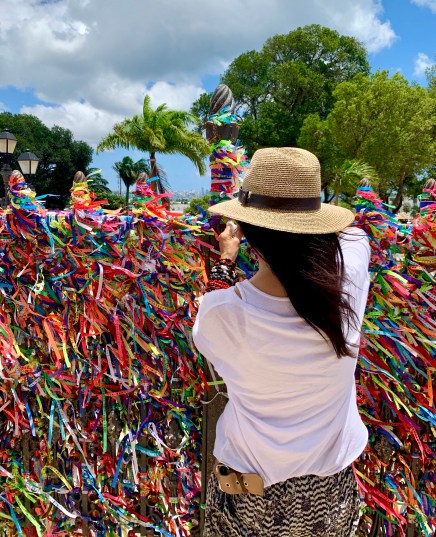
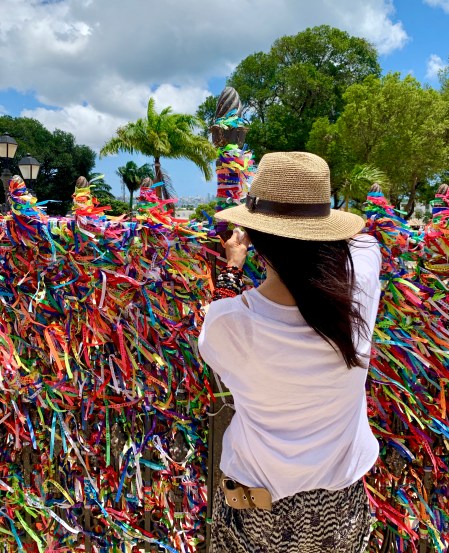
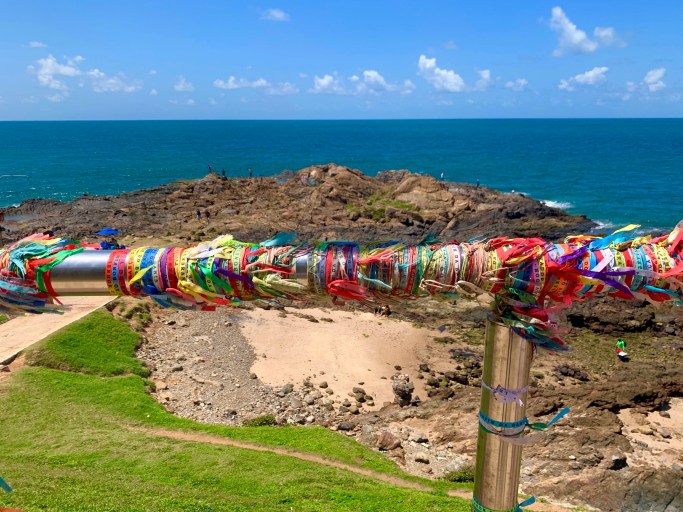
Outside the church and all over Salvador, people sell multicolored ribbons with ‘Lembrança do Senhor do Bonfim da Bahia’ written on them, which are often seen tied to railings in front of churches dancing in the breeze.Each color represents a different Candomblé god, and they are thought to bring luck.

Julia McNaught Da Silva was our wonderful guide in Bahia. She is smart, funny, super-organized and very knowledgeable about Salvador. It was a great introductory visit to the city and we enjoyed spending our time with her. T.hank you Julia, for a great time in Bahia.

Fly safe,

JAZ


Things I Have Learned In Salvador, Bahia, Brazil

Image

Things I Have Learned In Salvador, Bahia, Brazil

“Wherever you go becomes a part of you somehow.” Anita Desai

Salvador de Bahia was the first capital of the Portuguese Empire and currently  is the third most populated city in Brazil. This city is full of life, culture and music. 

 It was one of the largest slave ports on the new continent and now has  the largest black population outside of Africa.

Daily life still has a very strong African influence –  from food, music, religion (the Yoruba derived system of Candomblé) and martial arts (Capoeira).

 Pelourinho is the old town of Salvador now a UNESCO World Heritage site and major tourist attraction in Bahia and Brazil.

The famous district of  Pelô, as they call it is one of the best preserved colonial settlements in all South America.

Its cobbled streets and colorful houses will impress you as you step into this place full of tradition and history. This is where we spent most of our time. Everywhere there is art, sound and music.

Casa De Amarelindo is a beautiful boutique hotel in a restored nineteenth century building in the old city. The staff are extremely helpful and always smiling.

The restaurant is beautiful and  the breakfasts are amazing. Their attention to detail for each guest is outstanding. The double paned glass blocks out the noise of the city and views of the Bay Of All Saints are beautiful. 

 Julia our guide recommended that we spend our first  night at the Ballé Folklorico which is a one hour show from eight to nine PM in the Miguel Santana Theater in Pelourinho, a block from the hotel. The theatre is simple and inexpensive and reminded me of a theatre outside Havana. The  first part of the show  is a good introduction to a Candomblé ceremony. In the second part they introduce the capoeira, ‘makulelé’ and ‘samba de roda’ dance. There is something very special about this performance and it should not be missed.

The Elevador Lacerda is the most representative Art Decó icon in the city . Built in 1873 to connect the low neighborhood with the high neighborhood, it was the first urban elevator in the world.

The ride costs only a few cents and leaves you in front of Mercado Modelo in the lower part of the city. This market had been Salvador’s former Customs House and “storage” area for slaves not yet auctioned off.  Today, it’s a place to buy souvenirs, check out the  architecture and feel the past.

Feiria De Sao Joaquim is an authentic local market near the port.

Vendors come from all around. Smells, colors, sounds and chaotic movement makes this crazy and authentic market  a great place  to shop.

You should probably go with a local.

The prices are very cheap- especially for tourists and every day I think of more things I should have bought .  We had lunch there as well. Julia said no one will bother me because I had so many shopping bags, I was clearly not there to look.and take photos.

The city’s biggest attraction, though, is Carnival. Beginning in January, Bahia launches into a season of feasts and festivals that, over the course of six weeks, escalates into a rocking, high-decibel street party. Those who know claim that it’s better than Rio’s—that it’s the best in the world.

Safety in Salvador is tricky.. You are in the robbery  capital of Brazil.  If something does happen – just hand it over- your safety is the most important thing. Anything outside of the main tourist neighborhoods of Barra, Rio Vermelho and the Pelourinho is broadly considered unsafe for tourists. Our taxi driver drove through the red lights at night to avoid robberies. We were usually with a guide during the day or friends at night. But, I did see them watching if we wandered off. Don’t pull out your wallet or your cell phone without a friend watching you and definitely not in a crowd situation such as listening to music or a market. Don’t wear large jewelry or carry all your money or credit cards with you. Showing a bit of respect to all those people who don’t have as much as you do is not such a big deal and it will make your life easier. Salvador is a place worth going to in your lifetime and we were fine.

Fly safe,

JAZ

Drumming In Salvador, Bahia, Brazil

Image

Drumming In Salvador, Bahia

“Life is about rhythm. We vibrate, our hearts are pumping blood, we are a rhythm machine, that’s what we are. “ Mickey Hart

When the 4.5 to 8 million African slaves  disembarked from the hell hole of the slave ships, those who lived, brought with them their belief system, their religion and their gods.Their orishas or deities would retain their African names, characteristics, and functions, but assumed new forms  in Latin America and the Caribbean. Millions came to Bahia, the center of Brazil’s sugar and slave trades, and today more than 80% of the population has African ancestry. In Brazil, the religion is called Candoble.

African slaves believed in a pantheon of protector gods  who not only personify natural forces such as fire, wind and water,  but also animals, colors, a day of the week or a certain food group.

Drums are the heart of this religious tradition which now blends African beliefs with Portuguese Catholic influences.

In worship ceremonies, devotees commune with deities known as orixas through dance, chants, offerings and music rituals in which drumming plays a prominent role. The drums speak to the gods. 

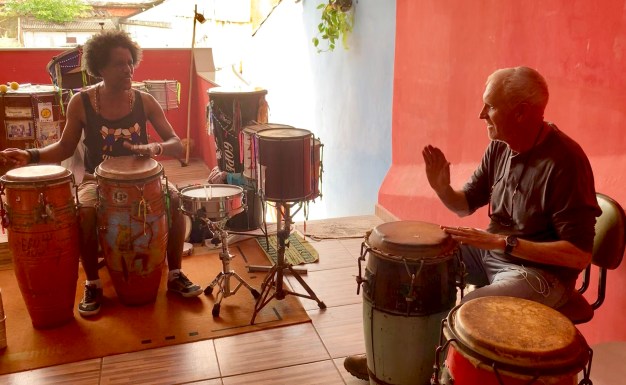
We were fortunate to spend some time with Maestro Macambira. 

fullsizeoutput_9d50

 He explained the significance of the different drums and drum beats.

Offerings are always around for the deities. Each orixa has its favorite drink or sweet.

The beat of tall, conga-like drums, and atabaques, a conical hand drum that comes in three sizes, calls forth the orixas and creates a trance-like mood for encountering the divine.

He demonstrated  some of the beats. It turns out that the Bf is a drummer -who knew? Special thanks to Maestra Macambira for the lesson and the duets.

fullsizeoutput_9d5f

The music and dance of Candoble have influenced Brazilian musicians and artists and the beats sound familiar. Walking along the streets of Pelourinho (the old city) it  is very common to hear the sound of drums in the rhythm of student groups that amazes everyone with its vibrant and lively beat. Sound  is everywhere.


Fly safe,
JAZ

Beaches Of Uruguay

Image

Beaches Of Uruguay

“Hello sun, once again you come and visit us unannounced. Once again in your long walk since the beginning of life…….” Carlos Paez Vilaro, Uruguayan artist

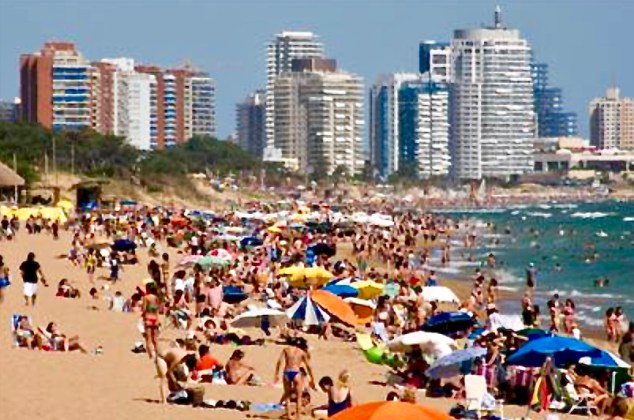
Two months out  of the year (mid December to February) the  beaches of Punta Del  Este, Jose Ignacio and Barra are where the South American rich and famous go to party. This is where the beautiful young people come to show off their beach bodies, get a tan, eat and drink well, and then hit an all-night club or casino.

The rest of the year the beaches are quiet and most of the boutiques and restaurants are closed. If the weather is good, like it was for us, this was not a problem.

I grew up on the beach in Brooklyn. I spent my summers from eighteen to twenty five years old on the islands of Greece. I  live in Venice, California.  I was ready for the wide empty beaches and quiet roads of Uruguay in October.

Driving from Montevideo, we stop in Piriapolis which is Uruguay’s oldest resort town.

Located on the sparkling banks of the Rio de la Plata, it has smooth waters making it the perfect setting for those who desire long swims in the sea

With many seafront restaurants and shops, it’s also an ideal spot for a family vacation. A hike up the hill offers beautiful views of the coastline and town and Punta Del Este can be seen in the distance on a clear day.

I loved this town.

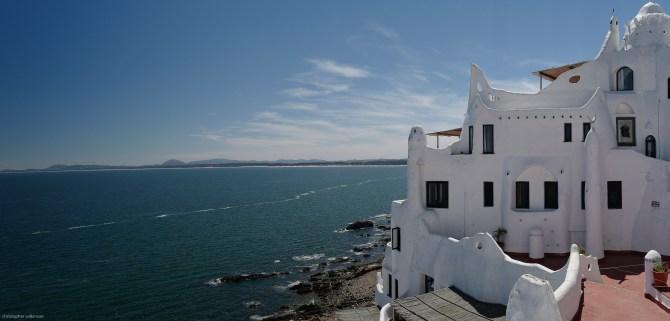
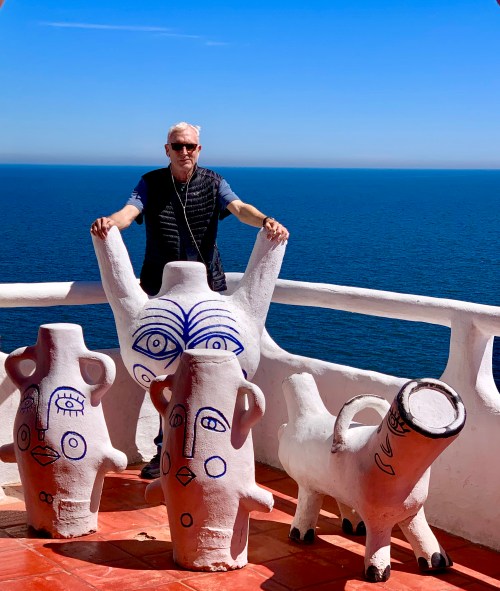
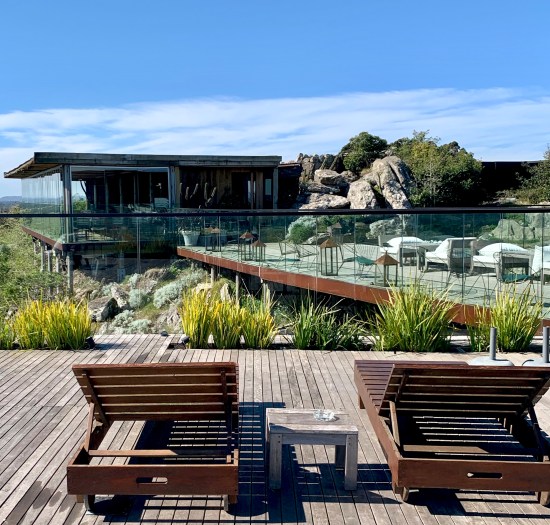
Our next  stop is Casapueblo. it is a hotel, museum, and art gallery.

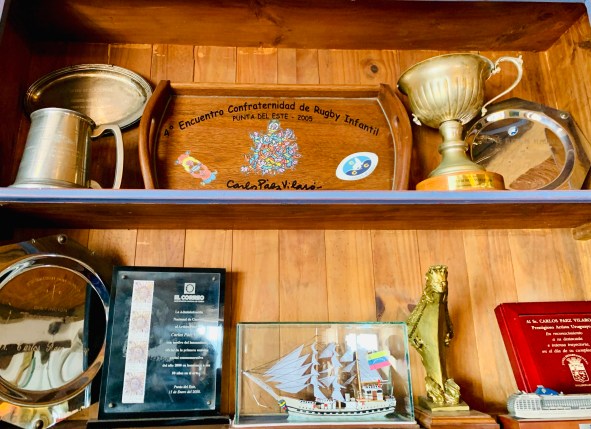
It was built by Uruguayan artist, sculptor, architect, writer, and composer Carlos Paez Vilaro.

One of Mr. Páez Vilaró’s most difficult times came in the winter of 1972, when a plane carrying his son Carlitos and other members of his Uruguayan rugby team crashed high in the Chilean Andes. Authorities eventually abandoned the search, but Mr. Páez Vilaró never gave his son up for dead. Finally, after 72 days, the painter’s son was found among the 16 survivors whose ordeal was retold in the book and movie ‘‘Alive.’’

He built the house  by hand out of wood, white cement and stucco.  The building is an enormous, bright, white labyrinth formed along the side of a cliff.

It has no straight lines, as the artist wanted it to have a natural, human feel, and to resemble the mud nests of Uruguay’s hornero birds.

Inside Casapueblo, Paez Vilaro’s art work and sculpture are displayed. 

Punta del Este is Uruguay’s biggest tourist destination. It’s over-developed in parts with hundreds of tower block apartments and holiday homes, and it certainly caters towards the wealthy local summer holiday crowd. It is also incredibly popular with Argentinians and Brazilians. I see Trump is building a hotel here.

Outside of this area, though, the coastal communities remain just that, communities.

Famous beaches  include La Playa De Los Dedos (The Finger Beach), famous for a giant hand emerging from the sand that’s not nearly as creepy as it sounds. The hand was supposedly put there for swimmers to pay attention to the undertow but it’s more of a photo op now. 

We have  lunch  at Imarangatu Beach Club.

The fish was super fresh and perfectly cooked. For those of you who have traveled with me, you know when I’m hungry I forget to take photos. The ambience is great and it’s located on a beautiful beach.

The BF went in the kitchen to learn how they cooked the fish. Even with a language barrier, they couldn’t have been more helpful!!!

La Barra (Bikini Beach) is known for attracting models, and is lined with seaside mansions  and many all night clubs .

Jose Ignacio  with its relaxed  beautiful beaches has become even more trendy in high season.

Between La Barra and Jose Ignacio is Mantiales another relaxed beach town.

We stayed at the wonderful Faisano Hotel in Punta De Este. It’s not on the coast but it is an incredibly beautiful setting with lovely rooms and a great spa.

 it so relaxing, The staff is  impressively helpful and you feel well taken care of. It is great to come back there after exploring the beaches.

Fly safe,

JAZ


24 Hours In Sao Paulo, Brazil

Image

24 Hours In Sao Paulo, Brazil 

“The world is like that — incomprehensible and full of surprises.” Jorge Amado, Brazilian author

I have  been to Sao Paulo before.  My boyfriend had never been though we both have spent a lot of time in that airport.

Metropolitan São Paulo is more that three times the size of Moscow and six point five times the size of New York. With almost twenty million inhabitants, it is the biggest city in both Americas and the Southern hemisphere.

I guess that is why they have some really bad traffic jams.

Six PM – We land in Sao Paulo and check in to the  lovely Hotel Emiliano. I would like to have spent more time there. 

 Eight PM  Dinner at house of new friends we had met in the Panatanal – fun. 

Eleven AM  We are picked up by Josanna (most upbeat person ever)  and we start our tour of the city. It is Monday and everything I wanted to do was closed so I go with them. It isn’t raining yet.

Eleven Thirty AM   Parque Ibirapuera is the city’s largest green space and one of the largest city parks in Latin America. The name means a rotten tree in the Tupi language and despite the unfortunate name there are many beautiful trees.

There is plenty to do here…paths to walk or bike or people watch, museums, Niemeyer architecture, a lake, and more. It is rated as one of the best urban parks in the world.

Most of the buildings are designed by Oscar Niemeyer and the landscaping is by famed landscape artist Roberto Burle Marx.  I saw  alot of both their work and wrote about it the last time I was here  but it was so fun to see it again.

 One PM São Paulo is considered one of the best cities in the world for the development of creativity in street art.

For some of the best, we visited the area of Villa Magdalena, especially Beco do Batman (Batman’s Alley).

 One Thirty PM  Shopping!!!!

Two Thirty PM  The rain has started and we are having lunch at Figueira Rubaiyat ( Fig tree). The restaurant is built around a huge fig tree with a glass ceiling.

Four PM  We drive through the Japanese neighborhood of Liberdade. Brazil has the largest number of Japanese living outside Japan of any country in the world, and many of these Japanese Brazilians live in São Paulo. It is a fun place to explore and see how the influence of Japan has influenced Brazilian life here and, of course, try some great food.

Four Thirty PM We stop  at Mercado Municipal to pick up  cachaca, dende and Brazil nuts (which turned out to be stale.) The market, located in the old center of the city, attracts large crowds every day. The ground floor has hundreds of stalls selling fruit, vegetables, spices, and cured meats, while there is an upper level with a number of charming restaurants.

 Five Thirty PM  Head for Airport 

Special thanks to Josanna for her knowledge, humor and kindness and maybe the best personality and attitude of anyone I have ever met in the world!!!!!!

Fly safe,

JAZ

Things That I Have Learned in Montevideo, Uruguay

Image

Things I Have Learned in Montevideo, Uruguay

“Montevideo is like Buenos Aires without the LA vibe.” Anthony Bourdain

Over half of the country’s 3.3 million people live in the capital, Montevideo.

Montevideo is not a city for vegetarians. Salads are few and far between. (translation-Did  we make a barbecue today?)

The chivito is Uruguay’s classic sandwich.  Chivo means “goat” in Spanish so it means baby goat but the sandwich is made with steak, ham, cheese, and sometimes other ingredients, like lettuce, tomato, and fried egg. We had a scaled down version.

Walk past any small eatery in Montevideo  you’ll see two, three, even four people sharing a single sandwich.

Jacinto, open since 2012, is a much talked-about eatery led by Lucía Soria, an Argentine chef who trained under renowned chef and restaurateur Francis Mallmann before moving to Uruguay. Her restaurant is just off Plaza Zabala  (near our hotel) in the historic heart of the city, She invents fresh and modern versions of old Uruguayan classic dishes,

The Carnaval Museum is located in the Old Town. it was free on the Sunday that I was there.

I loved the display of old carnaval photos, the music and especially the amazing costumes.

Uruguayans hold the democratic process very highly. They remember the years of dictatorship and the upcoming election is very important.

Everyone is out supporting their candidates and trying to get your vote. It is inspiring to see.

.La Rambla is the longest continuous sidewalk in the world on the banks of the Rio De  La Plata. Joggers, cyclists and families are out enjoying the view. 

One of the popular tourist attractions in Montevideo is the classic sign on La Rambla.

We stayed  in the  Ciudad Vieja or the Old Town  at the Alma Historica Boutique Hotel. All the rooms are different.

We were in the Torres Garcia room  which  of course led us to his museum. The hotel is cool and staff is very helpful.

Joaquin Torres Garcia is  perhaps Uruguay’s most famous artist, despite spending most of his life abroad in France and Spain.

García created curious portraits of historical icons such as Beethoven, Da Vinci and Dostoyevsky as well as cubist paintings similar to those of Picasso. The gift store is a good place for souvenirs.,

 Jose Gurevich was born in Lithuania 1927 and moved to Uruguay when he was four years old. He was a well-renowned painter, muralist and sculptor who died at the very young age of forty seven. His museum features drawings from his life in Lithuania as well as Uruguay.

The main area of the Ciudad Vieja is the Plaza Independencia. General Artigas lead Uruguay to independence. His  mausoleum is built under the square and directly below a huge iron statue of him riding a horse. It’s a really cool, unexpected mausoleum. Uruguayans know how to commemorate their independence struggle and heroes.

 Architectural landmarks include the stunning Palacio Salvo, a towering masterpiece by the Italian architect Mario Palanti. The Art Deco facade may look vaguely familiar if you’ve done any sightseeing in Buenos Aires. That’s because Palacio Salvo is the graceful sister of Palacio Barolo, his other best-known work,

The Teatro Solis, yet another impressive example of Montevideo’s architecture. Built in 1856, the theater was renovated from 1998-2004, when it was reopened to the public. The theater is recognized globally for its phenomenal acoustics,

The Palacio Legislativo  (the Parliament) is a huge imposing neoclassical building overlooking the city.

Mercado Agricultura de Montevideo (MAM)  is a working market in a beautiful early twentieth century building.

There is plenty of fresh fruit and vegetables and beef.

One thing you notice in Montevideo is that people are obsessively drinking yerba mate.They all have thermoses or that beautiful mate cup with a silver straw  (bombilla) which is sold all over Uruguay. You can find bags of  many varieties  of yerba  mate in the market. Finding yerba mate to try in a cafe is difficult. Yerba mate  is  bitter and an acquired  taste.  I  had already had it in Argentina and bought the mate cup  and yerba  mate there. It seemed like  if I wanted some in Montevideo, I was going to have to get someone to share theirs  with me.

Soledad was our wonderful guide in Uruguay. She is  knowledgeable, smart, funny and can change plans when needed. She was also very helpful with getting the necessary bandages for my finger  and she was right. It was exactly what the doctor told me when I got home.and have to do for the next few months. 

Fly safe,

JAZ

Bad Luck In South America

Image

 Bad Luck in South America

“You never know what worse luck your bad luck has saved you from.” Cormac McCarthy

I am a believer in good luck charms when you travel. I never get on a plane without one. There’s a fine line between a bit of harmless (and possibly helpful) superstitious behavior for luck, and developing an obsessive and crippling dependence on some elaborate routine.

I woke up five hours into my flight to Montevideo, Uruguay and realized my necklace was hanging open on my neck without the charm. I couldn’t find it anywhere. It felt like a  punch in my gut. Flying had always gone remarkably smoothly and I always fly with a symbol that luck was on my side.

A few days later in Punta Del Este, Uruguay, I broke my travel mirror which means seven years of bad luck to those of us who believe in such things. I sat down to tie my shoes and fell off the stool causing my finger to hit a table and bend backwards. Year one was not starting well.The next day it hurt and was swelling up. I could move it and it was not that bruised so  we taped my two fingers together and I got on a plane. it was noticeably  swollen when I got off. ”Do you want to go to the hospital?,” asked the receptionist at the hotel in Sao Paulo when she saw it.  Ice and tape seemed to be helping.

Now, I know that the concept of luck is all in your head, but this situation left me wondering where my luck had gone. It was no surprise that i left a bottle of my favorite moisturizer in Punta Del Este. I was expecting things  like this now.

In Salvador, Bahia I dropped my coke on the floor and it spilled out. “That’s bad luck” said  Julia our guide. I explained that I already had it.”Well,” she said, “It’s your third bad thing so now it is done.”

 I was not so sure. I needed some good luck – a new talisman. A talisman is a something that brings good luck.

On Sunday Oct 13 while I was in Salvador, María Rita de Souza Brito Lopes Pontes, known as “Irma Dulce” born in Salvador, ,Bahia, and considered to be Brazil’s answer to Mother Teresa  became the first woman born in Brazil to be declared a saint.  Everyone is Salvador was celebrating. It was the perfect day to change my luck.

The Church of Bonfim is possibly the most famous place of worship in all of Brazil. The simple white edifice has long been the juncture of Catholicism and the Afro-Brazilian Candomblé traditions.

Outside the church and all over Salvador, people sell multicolored ribbons with ‘Lembrança do Senhor do Bonfim da Bahia’ written on them, which are often seen tied to railings in front of churches dancing in the breeze.

Each color represents a different Candomblé god, and they are thought to bring luck. Our guide Julia negotiated  the price. The first man selling ribbons was charging double.

I made some important wishes and tied a few to the church.

For a bit of money, I receive a blessing from a Candoble priest. I definitely felt lighter.

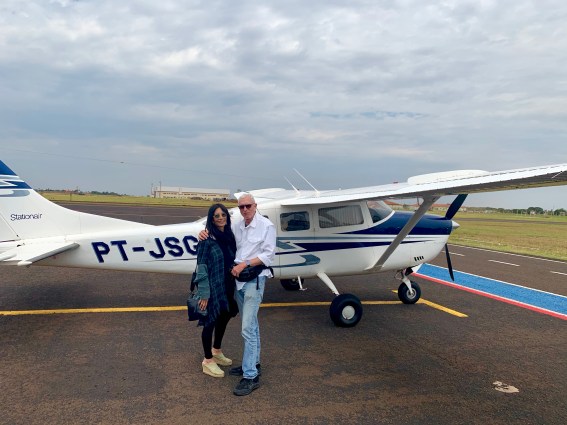
The rest of the ribbons I kept with me and tied them to my purse. We would be flying on a very small plane in a few days.

In the Pantanal I broke a bottle of makeup all over the floor and fought with loud, arrogant, racist Trump supporters which definitely affected our time there.

I did not hang enough ribbons for the small stuff.

I bought some figas in Sao Paulo.  – a large one for my house and few smaller ones for gifts. Figas are Brazilian good luck charms. They are amulets- protection from evil. As you can see, i believe in all countries  and all religious  symbols of luck.

Good luck charms feed the human need to look beyond ourselves for solutions to our difficulties, while still encouraging us to do our best. When things are tough, it feels good to hold a charm in your hand and hope for things to get better.

 Even with all the mishaps and torn ligament, this was one of my best trips. It still doesn’t change my feeling about good luck charms. i will always carry that lucky coin or wear  my lucky socks on a plane because you can never have too much good luck.

Fly safe,

JAZ