Beyond The Streets

Image

 Beyond The Streets 

“Art should comfort the disturbed and disturb the comfortable.” Banksy 

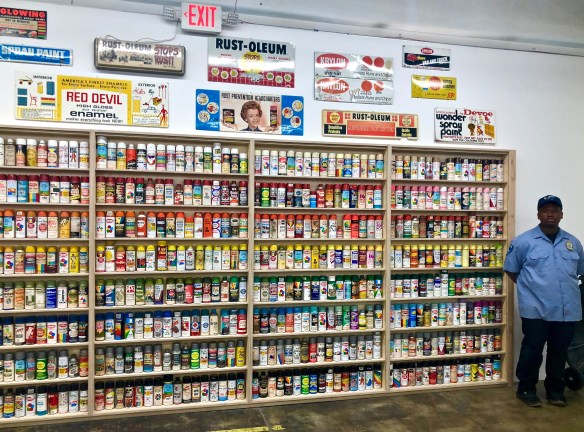
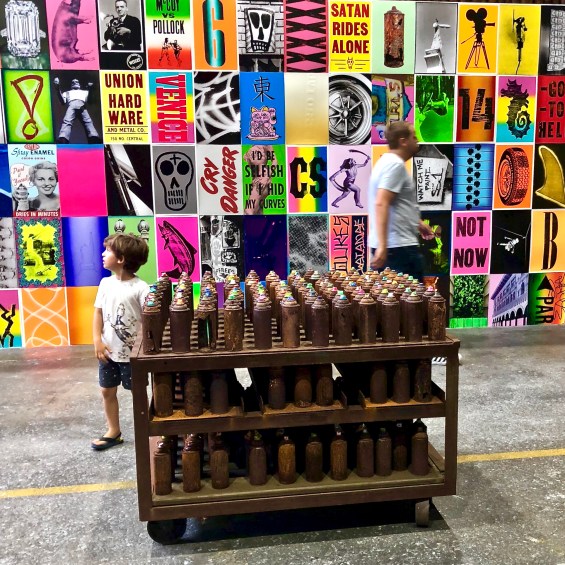
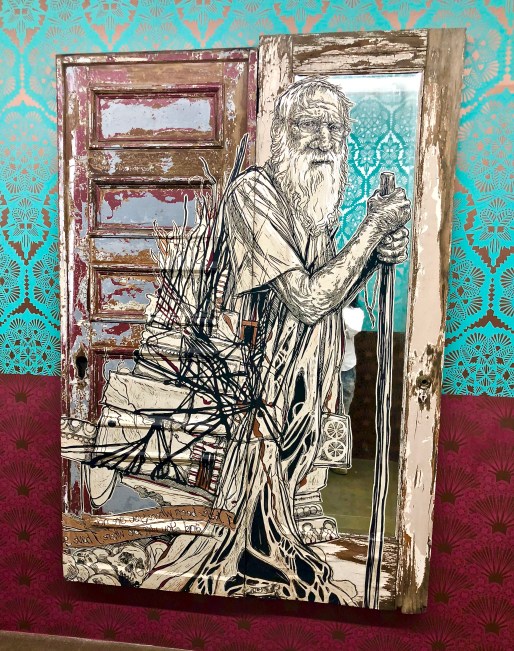
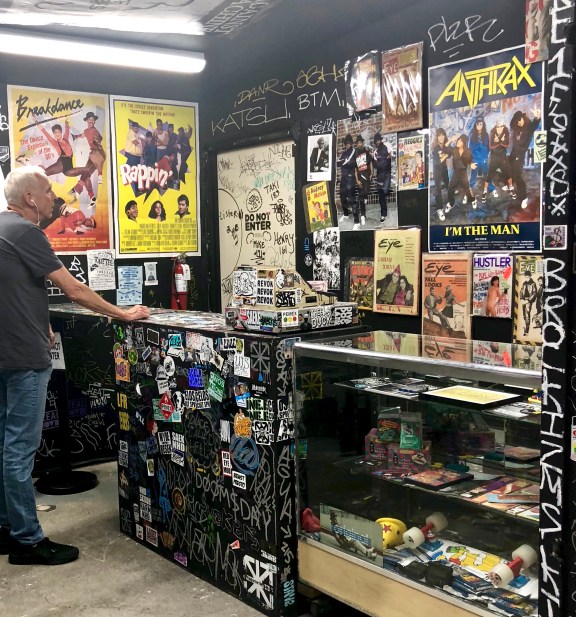
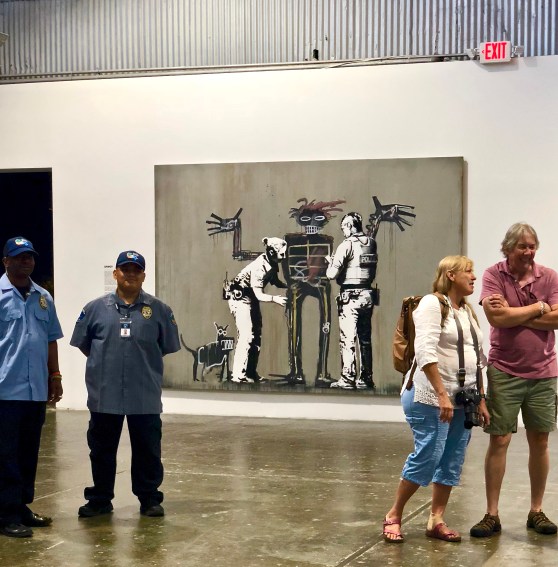
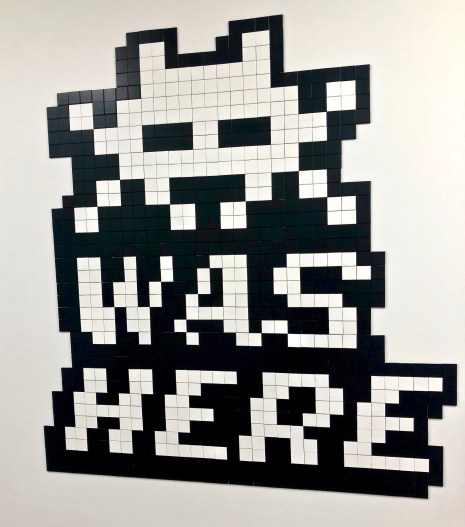
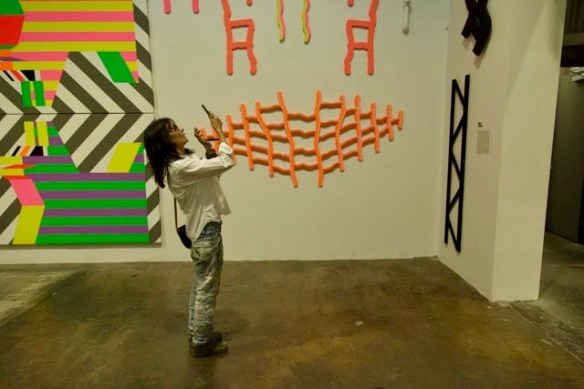
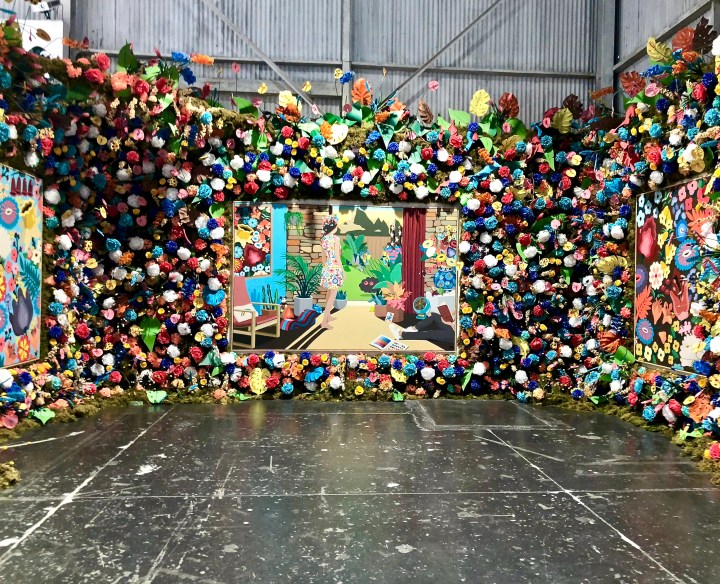
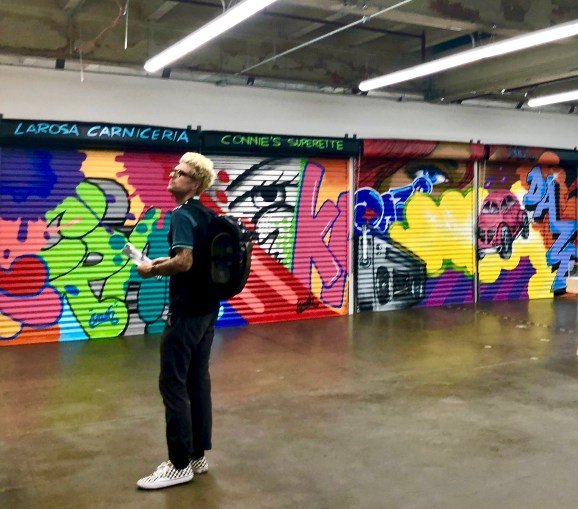
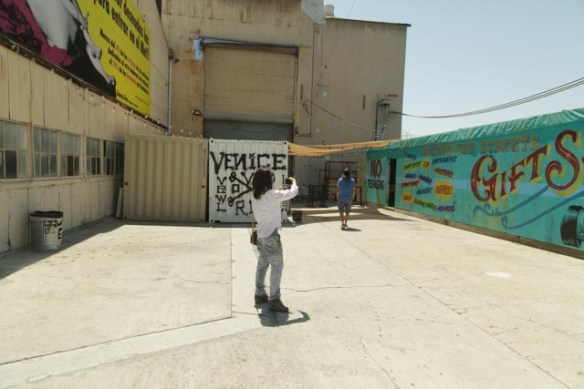
The “Beyond The Streets” art exhibition in DTLA is my idea of what heaven will look like.  https://www.beyondthestreets.com.  It is 40,000 square feet of industrial space filled with street art. Roger Gastman has followed  his 2011 show at the MOCA in Los Angeles, Art in the Streets, which was the U.S.’ first-ever graffiti and street art retrospective with this one. It was extended till August 26. Artists include Banksy, Invader, DABSMYLA, Dennis DTLAHopper, FUTURA 2000, Jean-Michel Basquiat, Banksy,  Keith Haring, FAILE, Kenny Scharf, VHILS,  Guerilla Girls, Shepard Fairey, Takashi Murakami, and many more.  Yes, I’m going again.

fullsizeoutput_7d2e

fullsizeoutput_7d36

fullsizeoutput_7d4f

fullsizeoutput_7d51

fullsizeoutput_7d4a

fullsizeoutput_7d33

fullsizeoutput_7d38

fullsizeoutput_7d47

fullsizeoutput_7d52

fullsizeoutput_7d4b


fullsizeoutput_7d4d

fullsizeoutput_7d54

summer 18 (479 of 484)

Fly safe,

JAZ

Things I Have Learned In Wroclaw, Poland

Image

Things I Have Learned In Wroclaw, Poland

We wander for distraction, but we travel for fulfillment.” – Hilaire Belloc

Wroclaw is a particularly hard city to pronounce. It is pronounced something close to Vroslav.

Wroclaw has had a long a varied history stretching back over a thousand years. For many years Wroclaw was a German city named Breslau. and this influence can be seen in the architecture throughout the city. Wroclaw is now part of Poland, but it has also been part of the Czech Republic and Austria.

Preceding World War II, Breslau (now Wroclaw) had the third largest Jewish population of all German cities.

Because of the many rivers, islands, some 200 or so bridges and the sheer beauty of the city, Wroclaw has a growing reputation as the Venice of the North.


Some could argue, but Wroclaw is allegedly the most beautiful city in Poland.

In Wroclaw, the bar and pubs don’t prepare to kick you out at 11pm; they are just getting going around this time. As a general rule, some places will stay open until the last person leaves.

The market square is another one of those most picturesque squares in Poland.

It was totally rebuilt after World War ll.

Many of the buildings in Wrocław’s picturesque old town are painted with bright colors that reflect the city’s youthful and creative vibe.

Wrocław is one of the leading academic centers of Poland and is home to a number of universities.

Students flock to Wrocław not only because of the excellent standard of education it offers but also because of its vibrant, cultured way of life.

There’s an interesting history behind the gnome settlement in Wrocław.

Back when the city was controlled by the USSR, gnomes slowly began appearing as a sort of subversive calling card of the underground Orange Alternative movement who began to protest against the oppressive conditions with silliness and fun.

The police while covering up anti-regime slogans looked the other way about the gnomes.

The gnomes have become a symbol of freedom in Wrocław ever since.

Gnome hunting makes for a fun, unique afternoon.

They are hidden all over the city. See how many you can spot!

Today there are over 250 dwarves hiding in plain sight around Wroclaw, serving as a fun tourist sight and sometimes even a surprise for locals.

Tourist maps and GPS coordinates are available at tourist shops for those who want to go dwarf hunting.

It sounded like a stupid thing to do but when I got there, I was in.

The gnomes are cool.

Fly safe,

JAZ

My Anthony Bourdain Day

Image

My Anthony Bourdain Day

“There comes a time when you look into the mirror and you realize that what you see is all that you will ever be. And then you accept it. Or you kill yourself. Or you stop looking in mirrors. Tennessee Williams

There has been a lot written about the death of Anthony Bourdain.  He inspired those of us who travel, cook or are foodies. i wrote one of my earliest blogs about him. https://travelwellflysafe.com/2013/09/04/anthony-bourdain-i-love-you/ .  Anthony Bourdain’s vulnerability and openness about his past struggles with drugs and depression were part of the fascination that I had with his show. He visibly carried so much darkness and yet, seemed to have the life that everyone wanted. He inspired a lot of people to cook and travel. He taught us to eat differently when we traveled. Everyone is a travel foodie now. I carry Immodium on every trip like he did, just in case a chief from a tribe offers me food and I am too polite to say no. Anthony Bourdain saw the amazing in the small everyday things that people did around the world and he shared them with us. 

Bourdain worked hard, took risks, and craved authenticity.  All of those traits are to be admired but it doesn’t make him a perfect person (none of us are perfect).  Admiration can be a dangerous thing. Make sure you’re admiring the values while maintaining a healthy and realistic understanding that everyone has flaws, even your heroes. 

We decided to have an Anthony Bourdain day in NYC. We started at the 9/11 Memorial downtown. Bourdain always included recent historical events.

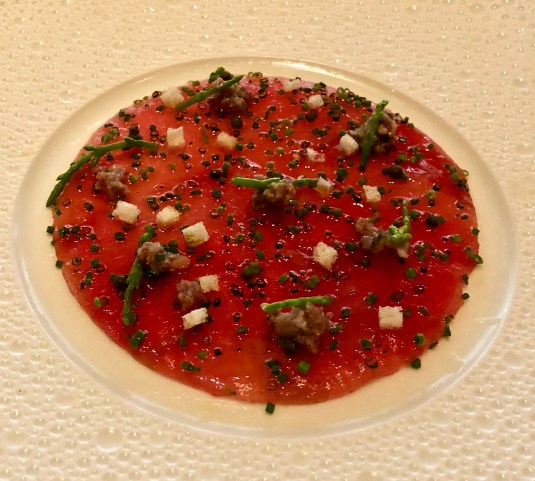
We had lunch at Le Bernadin the three-star Michelin restaurant. The chef Eric Ripert, was his best friend.  

Chef Ripert is talented, crafting an elegant and tasteful lunch menu. It is a seafood restaurant and the fish courses are delicious and filleted to perfection.

  We laugh through lunch certain Bourdain would want us to enjoy it.

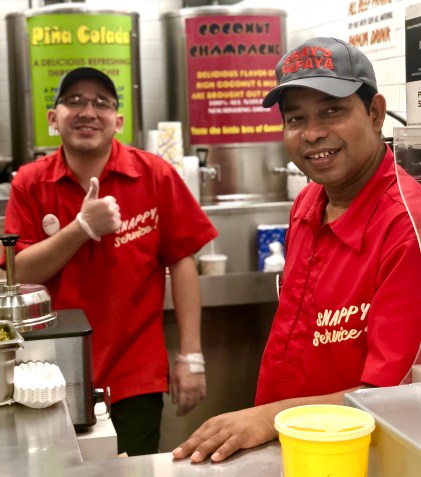
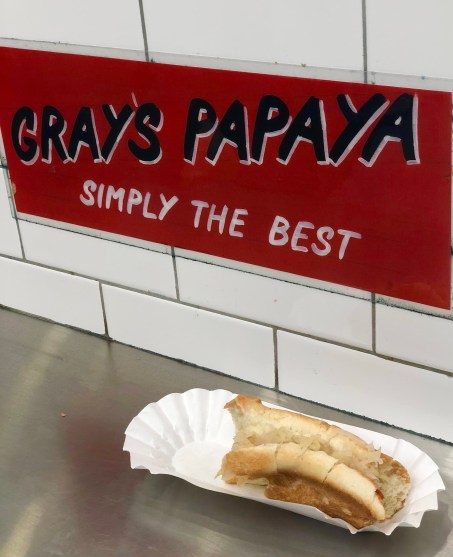
 Our dinner was hot dogs at Gray’s Papaya. It was a New York hot dog chain that is down to one store on Eighth Avenue and Fortieth St. The hot dog was the original NYC street food.

It is the classic New York Sabrett hot dog with mustard and sauerkraut. We lean up on a ledge and wash it down with a Papaya drink.

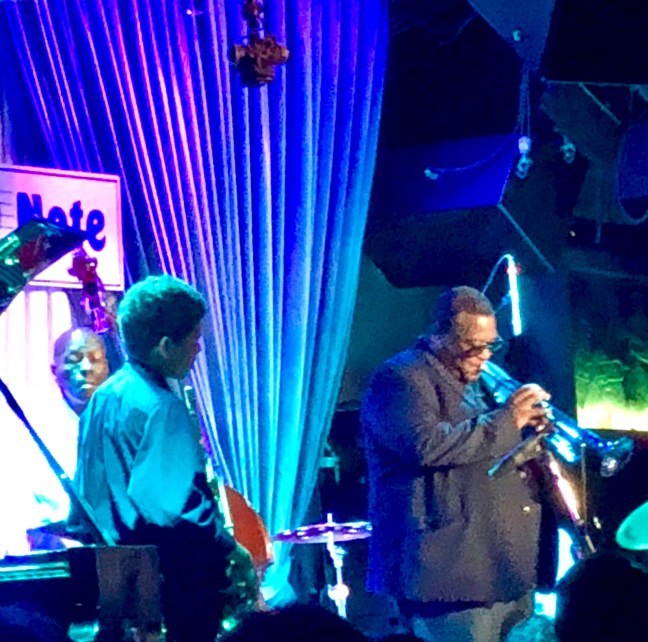
Afterward, we go to the Blue Note in the village and listen to some Jazz. He often ended his shows with local music. 

 It turns out that travel can’t fix you. Having your dream job does not make it better. I think he fought hard to stay alive and battle his demons. In the end, he needed to stop the darkness and pain that made him so compelling to watch. If this sounds like you, get help. 

Fly Safe Anthony Bourdain,

JAZ

Jewish Krakow

Image

Jewish Krakow

“As the Nobel laureate, Elie Wiesel warned years ago, to forget a holocaust is to kill twice.”  Iris Chang

 Krakow was my first stop in Poland. I was there for a week.  It was a picturesque city with unseasonably hot sunny weather and friendly people. My hotel overlooked the stunning Vistula River and Wawei Castle. It was not the grey and gloomy city of the black and white World War Two or Communist photos.

Maciej Zabierowska from the Auschwitz Jewish  Center was our very knowledgeable, interesting guide in the Jewish quarter Kazimierz. We walked around the streets, decorated with colorful street art and set with trendy cafes, cool bars, art galleries, and boutiques.

Maciej’s stories of the history and the peeling, old, facades of the buildings, allowed me not to forget the terrible horrors which took place right there, not that long ago.

We start at the Old Synagogue which was badly looted during World War ll and is now a museum.

The museum shows the history and culture of the Jews of Krakow.

Dating from 1553, the Remuh Synagogue is Kraków’s smallest but most active synagogue, with Shabbat services once again taking place here each Friday.

The synagogue was established by the family of famous 16th century Polish Rabbi Moses Isserles – better known as ‘the Rema,’ The old Jewish Cemetery is next to it.

Kazimierz has many  Jewish-themed tourist restaurants. Its “Jewish” cafes present a nostalgic, literary image of prewar Jewish life — some with taste and sensitivity, others in a disturbing way.

I didn’t eat in them but it looked like they were going for old world shtetl chic. Some of the names of the restaurants are in Hebrew style letters.

I checked a few menus and there were things like Rabbi’s salad and Yiddish fish. There were Klezmer bands playing music (like Volare?)  it had a Jewish Disneyland feeling but without the  Jews.

There are many Lucky Jews. The Lucky Jew comes from Polish folk art. In many places, not a trace is left of the Jewish community that once lived there. That blank space is filled today with images of Jews––figurines, pictures, magnets, postcards, and more. The lucky Jews are negative stereotypical caricatures of the Jewish people.  They seem to reflect the preconception that Poles are antisemitic.  According to the Poles, it is an amulet or good luck charm, like a happy fat Buddha. Little Lucky Jews stand at cash registers holding bags of money or a coin for good luck.

There are also paintings and caricatures of them. It is based on centuries of living side by side and stereotypes. Their story is complicated and due to some protesting, there are less of them now. 

We stop in at the Pharmacy Museum.

It is five floors of all kinds of things used as pharmaceuticals but we are here to see the exhibit about Tadeusz Pankiewicz, who operated a pharmacy in the Kraków Ghetto during WWII.

He was the only Roman Catholic pharmacist in the area to decline the German’s offer to relocate outside the ghetto.

He helped with medication, often free, hair dyes for changing identities, tranquilizers for children during Nazi raids, smuggling food and messages etc. His story is on display here.

We continue on through the ghetto.

The Galicia Jewish Museum is home to the permanent photographic exhibitions, Traces of Memory: A contemporary look at the Jewish past in Poland, and An Unfinished Memory. The goals of the Museum are to challenge the stereotypes and misconceptions typically associated with the Jewish past in Poland.

Oskar Schindler saved the lives of 1,200 Jews during the Holocaust by employing them in his enamelware and ammunitions factories.

  This incident was made famous by Stephen Spielberg’s film “Schindler’s List’.

Located on the site of Schindler’s Enamel Factory is the Historical Museum of Krakow which tells the story of Kraków and its inhabitants during the Second World War.

Visitors can explore artifacts,  photographs, eyewitness accounts, films and multimedia exhibitions, which show the history of life and tragedy during this time.

Gosia Fus,  our guide here and in the old city is visibly moved as she guides us through the exhibit. (memorial)

The Plaszow Concentration Camp was not far from the Schindler Factory and four kilometers from the Market Square.

Amon Goth the brutal camp commandant lived on the hill overlooking the camp. The Schindler workers walked back and forth every day. It is a mass cemetery of unmarked graves and pits filled with corpses.

it looks like a wide expanse of grass and stone. The camp was built on top of two cemeteries and the tombstones were used as pavers in the roads. It went from a forced labor cam to a mass execution site of the Jews from the emptying Krakow Ghetto.

There are no headsets, tour guides or multimedia displays and I walk the grounds to try to feel the past beneath my feet. 

We go to our first Shabbat at the Jewish Community Center of Krakow. It is run by a New Yorker, Jonathan Orenstein. Rabbi Amichai Lev Lurie who is traveling with us leads a beautiful, thoughtful service which puts everyone in a spiritual mood.  I am sitting next to a Holocaust survivor who had been hidden during the war. There is a school group from Israel, converted Jews who found out a grandparent or relative was Jewish, and some Polish Jews. The staff, volunteers, and community were warm and welcoming. We had a typical  Sabbath Dinner. The doors are open to all. Make it a point to stop in if you are there on a Friday night.  

I have to thank our guides in Kraków  Maciej and Gosia for their kindness, empathy, and knowledge. I did not know what kind of people i would find in Poland after all that history and the right-wing media publicity. I have traveled enough to know that there are always a few people in a country who will change your life for the better. You have to travel to open up a worldview that is almost impossible to comprehend without meeting the people in a country different from yours. Both Maciej and Gosia are those kinds of people.

Fly safe,

JAZ

Ranch Advice

Image

Ranch Advice

“These people have learned not from books, but in the fields, in the wood, on the river bank. Their teachers have been the birds themselves, when they sang to them, the sun when it left a glow of crimson behind it at setting, the very trees, and wild herbs.”Anton Chekhov

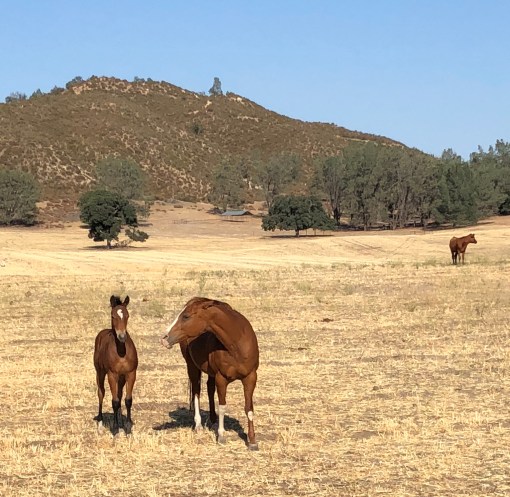
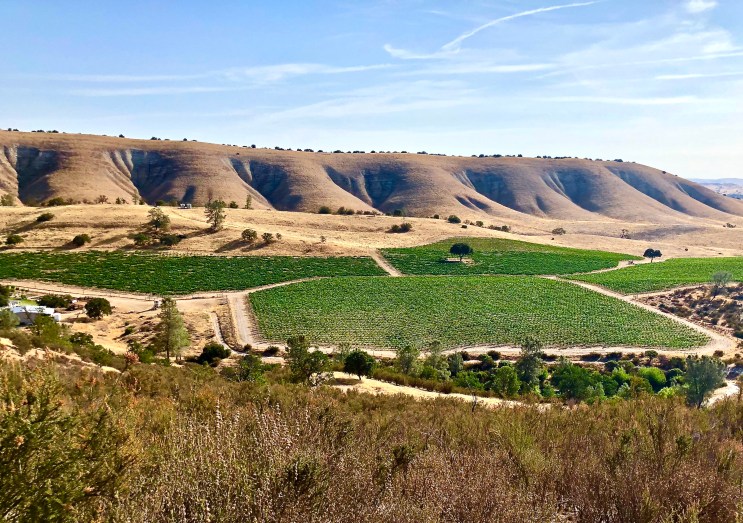
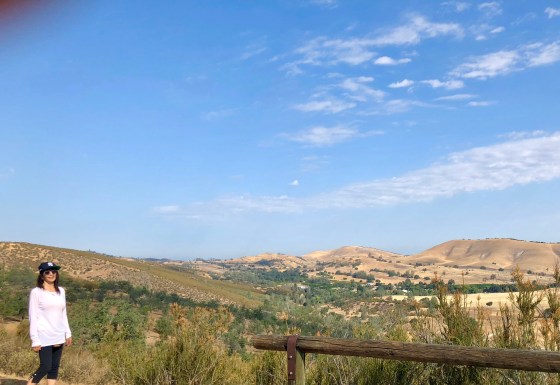
I visited my friend’s ranch and winery in Creston, California for a few days. Here are some of the lessons  that I have learned.

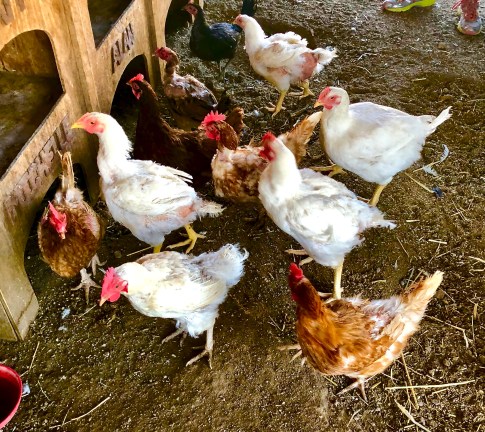
When you take an egg from a hen, pet her and leave one egg for her to sit on.

Have empathy for those around you even if they are chickens.

Feed the animals early in the morning. It even says that in the Bible. Feed the animals before yourself. Once you are responsible for something, you must take care of it.

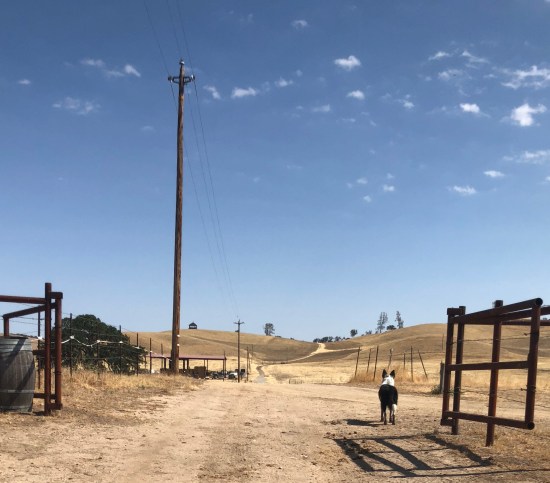
Every time we went hiking or rode in the four by four vehicle. Bandit ran along side of us. The dog ran all day long, stopping to jump in the lake or horse trough to cool off. Bandit is not afraid to get down and dirty rolling in the dirt to dry off. What are we so afraid of? We don’t always have to be clean and perfect all the time. Physical exercise and activity is scientifically proven to release endorphins, making us happier. That’s why  Bandit  looks happiest when he is running.

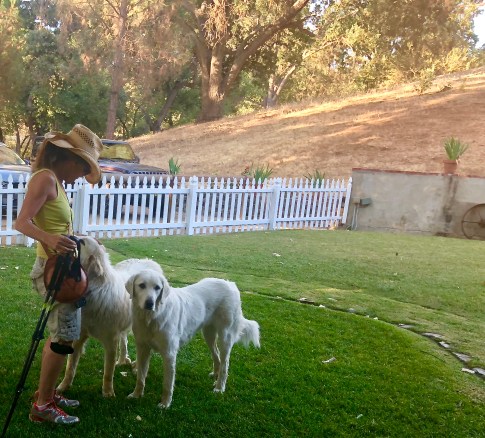
 The white dogs, Blanche and Stanley (named after Donna’s parents) protect the house all night long and sleep during the day. They have a purpose and they are faithful. There are no ulterior motives, no mind games, no second-guessing, no complicated negotiations or bargains, and no guilt trips or grudges.

The fourth dog Lizzie  knows the importance of family and quiet time which is something we all need. She sits in the four by four with Barry when he goes out. 

Looking at the sheep, cows, horses  and their babies, connects us back to how simple life is supposed to be.

Just assume that every gun is loaded. It’s the first rule of gun safety. Guns on a ranch are tools. It is the crazy person that was able to buy the gun legally that is the problem.There are  certain things that you should always be careful around.

You were so close. Try again. I think this one is self-explanatory.

 Pass the bush and turn right at the tree. It’s taken me a long time to learn the importance of good directions. Know when it’s time to make positive changes. Proactively make the change for yourself or they may be made for you.

An alluvial fan is a fan-shaped deposit of sediment crossed and built up over thousands of years by streams.

In dry areas they help with irrigation. Beauty and art take time. 

Hiking up a hill for me is harder than going down but going down is tricky. The secret is to be unaffected either way. 

Being in nature, deepens our human connection to the world. It just makes you feel better to pay attention to the sights and sounds of the ranch.

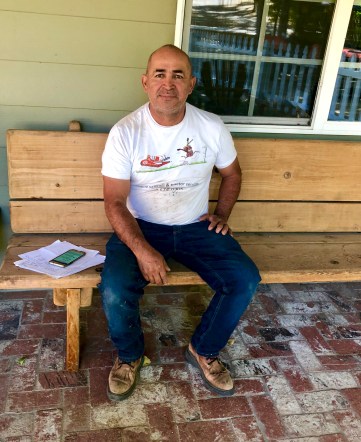
It helps to have a Fernando. Everyone should have someone in their life who is kind, helpful, responsible, intelligent, creative and there for you. It is good to have people around who support what you do with or without a plan. 

If a gate is closed, leave it closed. If a gate is open, leave it open.

There will always be closed gates or doors but others will be open. Have faith and keep moving forward.

Thanks to Donna and Barry whose hearts are even bigger than the ranch.

And Maureen (camper of the days) and Mike for making it such a fun trip.

Fly safe,

JAZ

Visiting NYC

Image

 Visiting NYC

“Coming back is the thing that enables you to see how all the dots in your life are connected, how one decision leads you to another, how one twist of fate, good or bad, brings you to a door that later takes you to another door, which aided by several detours–long hallways and unforeseen stairwells–eventually puts you in the place you are now.” Ann Patchett

 I hadn’t been to NYC in over ten years.  After my mother died, I couldn’t bring myself to come back. She was my last remaining family member there. Everyone had either died or moved away.  What would it be like to go to NYC as a tourist? I was finally ready and the BF needed to go for business. I did not know how I would feel going to New York without visiting friends and family, showing it to my kids or being with my mom.  I was going to New York for fun. For fun?

Walking around the city, I forget how much time has passed since I have been there. The memories keep coming. Here’s where I used to work; where  I met my mom at the theatre; where I bought my wedding dress.  Here are my paintings that I visited at MOMA. Here is where the coffee shop was that my friends and I used to plan our lives in and sit for hours over one cup of coffee and free refills.   Here is where my daughter danced and my son went to the movies. Here are the zoo, carousel, skating rink and favorite climbing rock in Central Park where I spent my childhood and then took my children. Every day I pass the building where my father in law worked. My brain is flooded with memories. 

Nothing stays the same for too long, buildings get demolished and others built, meaning that once-familiar landmarks that used to guide me are now lost and, by extension, I get lost too. I have a freeze-frame of the city in my head and adding new elements to the image creates a confusing effect.

We eat at fancy restaurants which are wonderful. Truthfully, all I want to do every day is eat the comfort food of my childhood  –  NY pizza near the train station, sold by the slice and eaten by hand; cannoli and cheesecake from Veneros the Italian bakery that has been there forever. I crave Chinese food from a cheap restaurant in Chinatown; a pastrami sandwich with a sour pickle from the Second Avenue Deli, a pumpernickel raisin bagel from Ess A Bagel on Third Ave – which my mom would have waiting for me when I came to visit. I happily eat street pretzels and a Grays Papaya hot dog which is not on the east side where I used to go.

We go to the theatre and see some amazing shows. It’s hard to plan theatre without my mom’s advice and not to report back. It’s strange not to have her give me tickets to see something.  My goddaughter’s mother is in town dancing and I give her my Hamilton ticket since I have seen it twice. I felt like my mother, getting more enjoyment from passing on a theatre experience to someone else and hearing how they loved it, then seeing it for a third time.

We go to Lincoln Center (where my mom’s ashes are so she doesn’t miss anything) I expect to feel sadness but I don’t. Time does that. I see her in front of the fountain which is always the meeting place. She can not wait for me to see whatever we are seeing because of course she has seen already.

The BF and I have an amazing time and never stop laughing. I even have time for art and shopping. The truth is that NYC is a great place for tourists and you love it in a different way.  

 Going back there is like meeting my younger self again but it is not my home anymore. The idea of home and the people who made it that way don’t exist. The person I was when I lived here was different. Sometimes memories are better than reality.

NY has always been a city of immigrants from many different cultures. Over 800 languages are spoken here and many New Yorkers were not born here like I was. People also come from all over America to chase their dreams and live here. They are all very lucky to call this gritty, dirty, noisy, iconic city  home like I once did.

Fly safe,

JAZ


Who Will Write Our Story?

Image

Who Will Write Our Story?

“What we were unable to shout out to the world, we hid underground. May this treasure end up in good hands, may it live to see better times, may it alert the world.”Dawid Graber -one of the people who buried the archive

During the darkest period in their history, Emanuel Ringleblum a historian,  gathered a group of scholars and intellectuals and formed the Oyneg Shabes. (named that because they usually met on Saturday) It is one of the most astonishing research projects in history. Ringleblum believed that writing history from “within the event” instead of after from memory would give a clearer picture of what was happening.

It started as an attempt to collect as much diverse information about Jewish life during this period. They handed out notebooks to people in the Warsaw Ghetto to write their stories within the event and time frame. They reached out to other cities in Poland as well. They collected and wrote diaries, journals, reports, art, literature and studies of life in the ghetto. They also saved newspapers,  ration tickets, letters and postcards, German orders, invitations to ghetto events, theatre posters, fliers, schoolwork, tram tickets and candy wrappers. 

I read one book that was recommended for the trip entitled Who Will Write Our History? by Samuel Kassow. I did not realize that in Warsaw, the Jewish Historical Institute  housed this archive and I would actually be able to see it.

The project changed when news of the mass murders began and the group started documenting the destruction of the Jewish people in Poland. One of the earliest reports about the Nazi extermination of the Jews to reach London and the West was about the Chelmo Extermination Camp. It came from the Oyneg Shabes.

The materials from the Ringelblum Archive were buried in ten metal boxes and two milk cans. The first cache was hidden in August 1942 during the Great Deportation. The other in February 1943 a few months before the Warsaw Ghetto Uprising

The fear at this point was that none of the two hundred members would survive to know where to dig it up but three of them survived. Emanual Ringleblum and his family did not. 

Reading excerpts from the 6,OOO documents was harrowing and heartbreaking but seeing it displayed at the Jewish Historical Institute made their heroism real for me.

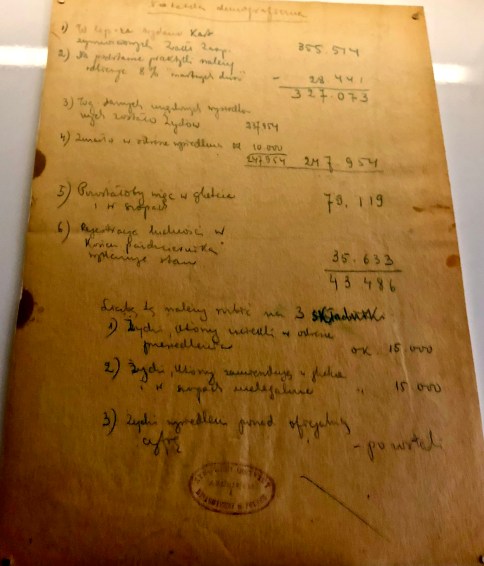
They say that history is written by the victors. Poet and Oyneg Shabes member Gustawa Jarecka,  described it as” a ‘stone hurled under history’s wheel to stop it.’ It could not stop it but it gave a voice to the victims and a clear picture of the destruction. ( calculations of deportations)

The first cache was unearthed shortly after the war in September 1946, while the discovery of the second trove came in December 1950.

There was also a third cache which has not been found. Rachel Auerbach who was one of the survivors says that “If the third part of the Ringelblum archive is ever found, it will include my papers  turned over after the deportations began, it will include a ticket from the ghetto’s laundry with a poem  by Yisroel Shtern about a tree in the ghetto.”

Fly safe,

JAZ

Things That I Have Learned In Krakow, Poland

Image

Things That  I Have Learned In Krakow, Poland

“Cities were always like people, showing their varying personalities to the traveler. Depending on the city and on the traveler, there might begin a mutual love, or dislike, friendship, or enmity. Where one city will rise a certain individual to glory, it will destroy another who is not suited to its personality. Only through travel can we know where we belong or not, where we are loved and where we are rejected.” Roman Payne

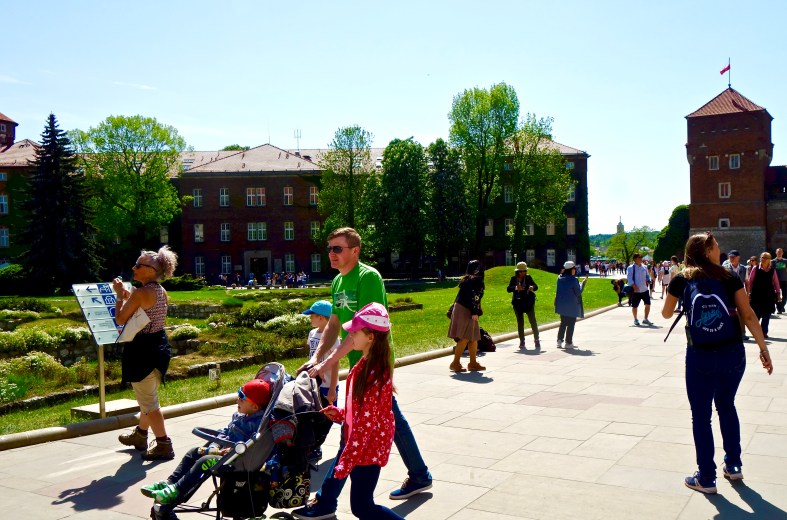
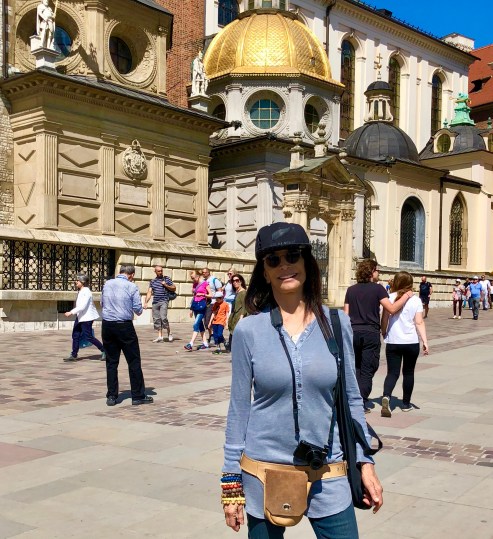
Perched on Wawel Hill in Krakow, Wawel Castle is one of the most important structures in Poland. It was the residence of Polish kings for centuries before being converted into a museum and extensive art gallery in 1930.

The ornately decorated cathedral (no photos please)  and the royal staterooms are good to include in your visit.

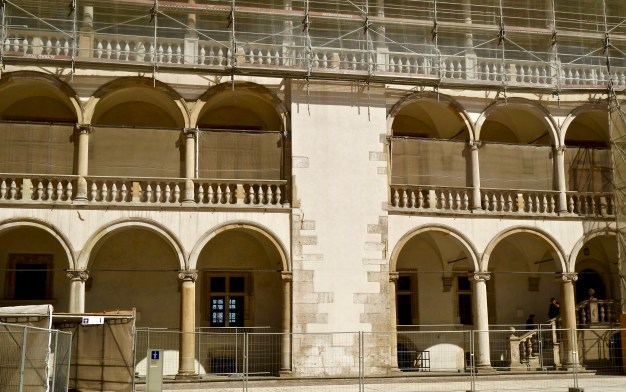
The castle represents nearly every European architectural style, including Medieval, Renaissance and Baroque and consists of a number of structures situated around the Italianish main courtyard.

As in other countries, it is good to be the king.

In Wawel Castle, there is an exhibition of one painting. It is an original painting by Leonardo da Vinci “Lady with an Ermine.” Only five other cities in the world can boast a painting by da Vinci, so don’t miss it. The painting was bought in 1800 by Adam Czartoryski, a Polish prince. It was moved to Paris in 1836 and returned to the Czartoryski Museum in 1876. Hidden from the Nazis in 1939, the painting was found and formed part of Hitler’s Berlin collection before ending up in Waiwei as the property of Krakow’s Nazi commandant, Hans Frank. With Soviet troops getting close, the painting was rushed back to Germany. American soldiers finally confiscated it and returned it home to Kraków in 1946. The painting has since become one of the city’s most loved treasures.

Krąków’s Jagiellonian University was established by King Casimir III the Great in 1364 and is the oldest university in Poland and second oldest in Central Europe.

Krakow is an old town of young people. The twenty-eight Krakow institutions of higher education have over 200,000 students attending them. The population of Krakow is 760,000 thousand. 

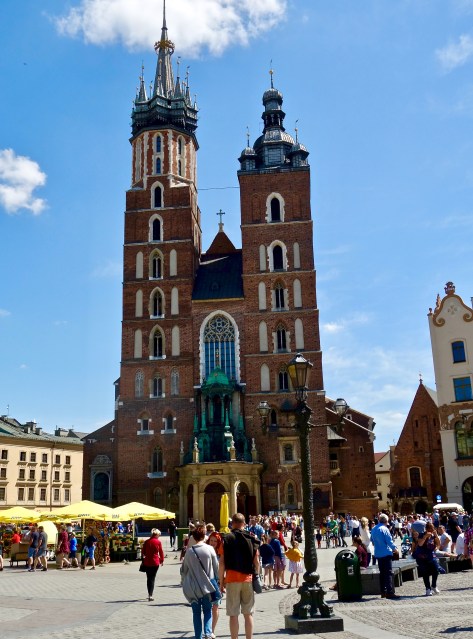
St. Mary’s Trumpet Call can be heard playing hourly from the tower of St. Mary’s Basilica – a major symbol of Kraków. The melody always stops short, which symbolizes the legend of a trumpeter who, in 1240, wanted to warn the locals of an approaching enemy, but was killed by an arrow.

Krakow is a city of churches, which is especially visible in its historical center.

In the Middle Ages, the inhabitants of the city willingly gave themselves into the hands of the Saints, who would protect them and help them with all life problems.

Krakow is one of those European cities that takes pride in having a cold cut produced and branded there -like Parma. Kielbasa Krakowska  or Kielbasa Lisiecka are the products whose taste has been synonymous with Polish sausage.

Another specialty of Krakow is the famous bagel (obwarzanek krakowski). The ring-shaped braid of bread covered with poppy seeds is sold on every corner in the city.

It was baked in Krakow since the Middle Ages and popularized by the Jewish community who emigrated throughout the world. 

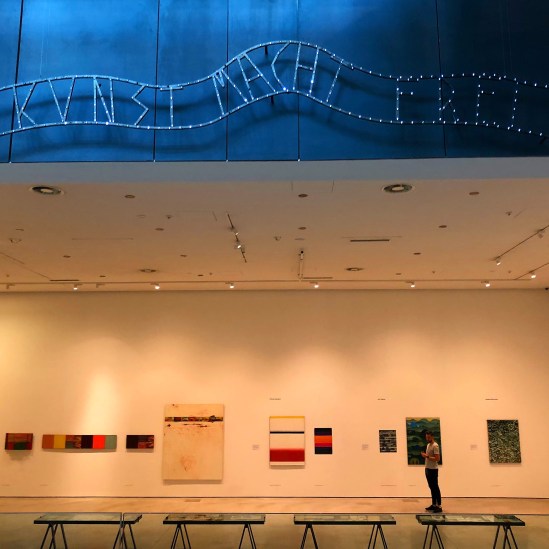
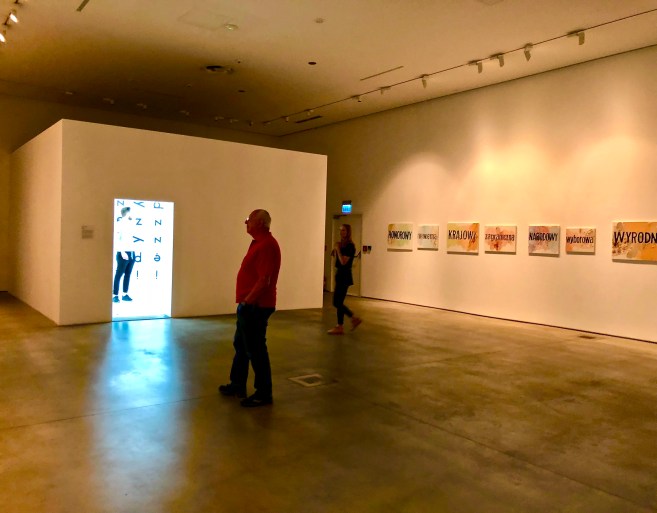
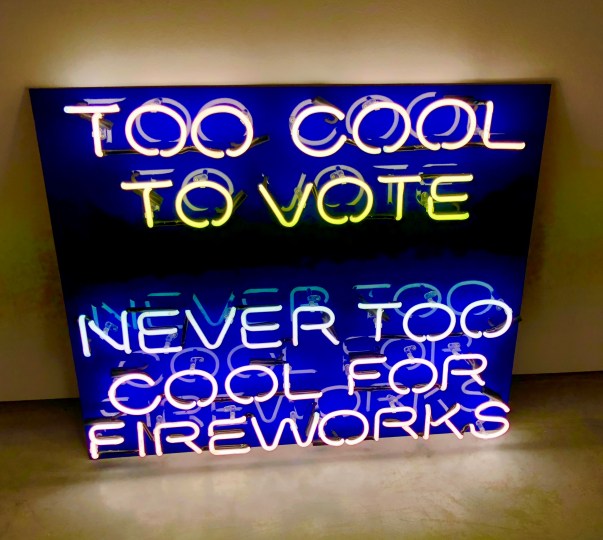
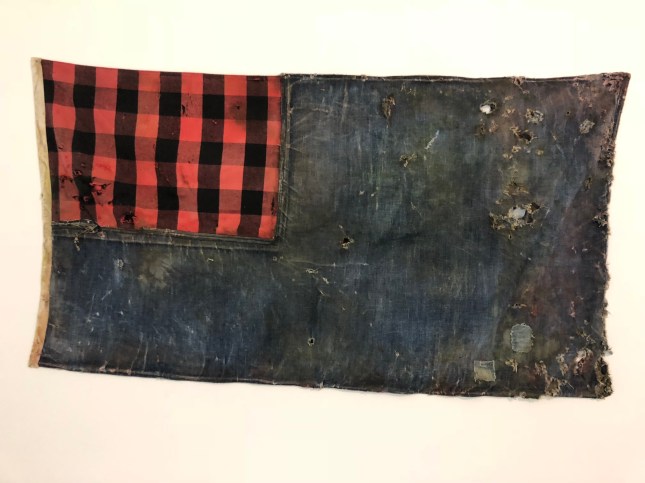
MOCAK is a very interesting and thought-provoking contemporary art museum.(art makes you free)

The museum has a wide range of contemporary art and sculpture, all well presented and explained in a spacious modern building.

There were some excellent pieces challenging nationalism, globalization and war.

There are both Polish and International contemporary artists represented.

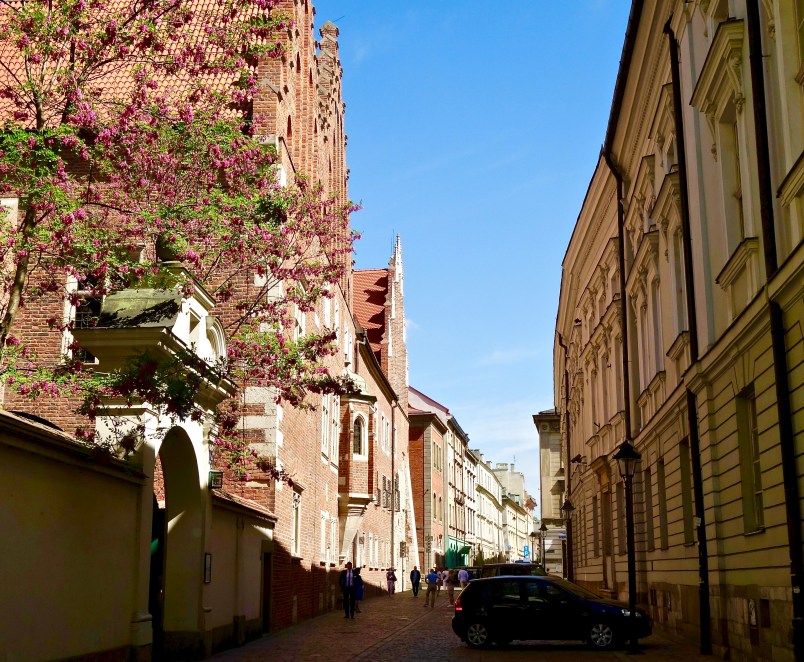
Many European cities have an Old Town, but Kraków definitely has one of the best.

The medieval architecture is especially fascinating and it’s big enough that you can spend all day walking around it.

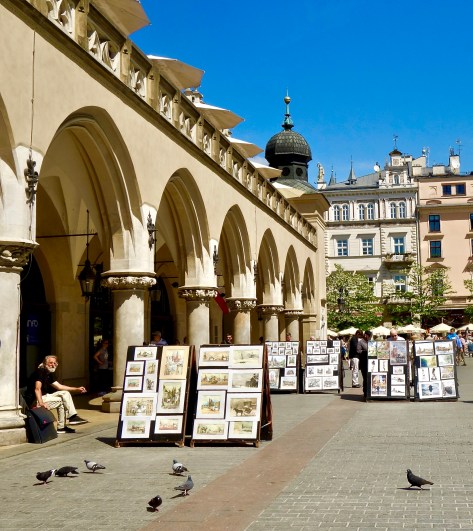
Kraków’s Market Square is the largest medieval commercial square in Europe (each of its sides is 200 m long).

It is forbidden to feed pigeons in Krakow. The locals hate them. (a few hungry pigeons)

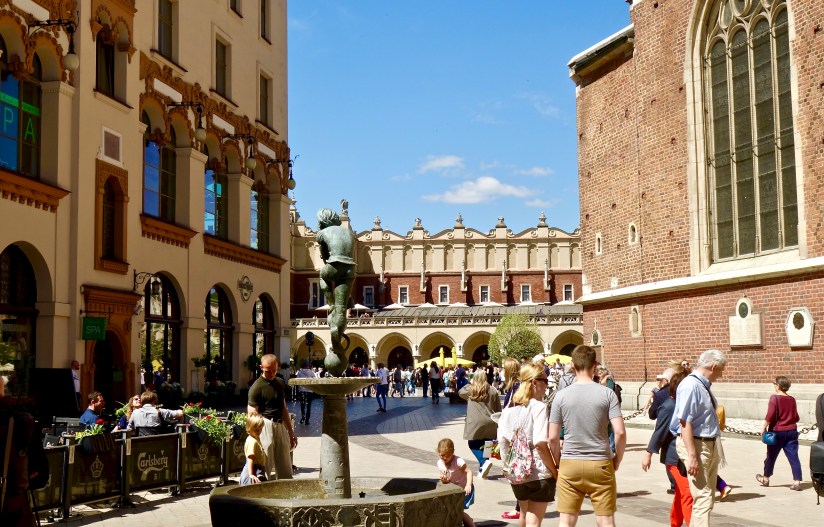
There is a lot of weird sculpture in Poland. The big head in Rynek Square is one of them. It is a good meeting point because every tourist can find it. The head is Eros, the God of Love. Why the blindfold? Because love is blind?

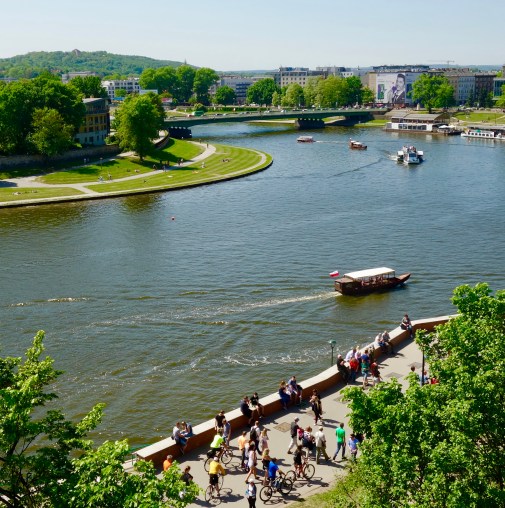
The Vistula River, Poland’s longest, runs through Kraków just outside of the Old Town and Jewish District. There are more locals than tourists enjoying it.

The riverfront is long and wide and goes along both sides. It’s lined with a sidewalk, grass, parks, and a few boat restaurants.

fullsizeoutput_7573

During World War ll, the Nazis occupied beautiful Krakow. Hans Frank looked over the terror from his office on Wawei Hill which is why Krakow was not destroyed.

Krakow is one of the most charming cities. it is hard to believe there was so much death and darkness in such a peaceful place with all those churches. 

I would like to thank Jo Fisher and Aryeh Maidenbaum of Jewish Heritage Travel for putting together such an interesting, well thought out trip through Poland. I have learned so much of the history and complexities of Poland and appreciated the thoughtful intelligent guides and of course, the great hotels.  Hope to travel with you again, some day.

Fly safe,

JAZ

Ten Countries With The Best Health Care Systems

Image

“The art of medicine consists of amusing the patient while nature cures the disease.” Voltaire

To better understand the health care debate it is important to note that not all the countries in the world have the same health care. The commonality is universal coverage, but wealthy nations have taken varying approaches to it, some relying heavily on the government (as with single-payer); some relying more on private insurers; others in between. Experts don’t agree on which is best; a lot depends on perspective. Nothing seems to be perfect. This rating is the top ten countries from the World Health Organization.

1. France does not have socialized medicine. They have both privatized and government insurance. Everyone has health care. When someone goes to see a doctor, the national insurance program pays 70 percent of the bill. Most of the other 30 percent gets picked up by supplemental private insurance, which almost everyone has. It’s affordable, and much of it gets paid for by a person’s employer. In France, the sicker you are, the more coverage you get. It’s expensive to provide this kind of health care. But it is not as expensive as the U.S. system, which is the world’s most costly.

2.In Italy, healthcare is considered a right and the national health plan is designed to provide for all Italian citizens.The health care is funded by a broad tax system. The money to fund the system comes from all the classes.

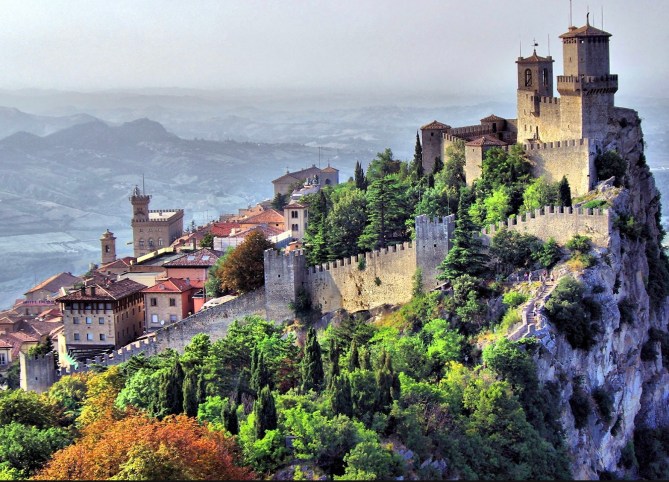
3.Local and foreign national residents of San Marino are entitled to free, comprehensive health care from public hospitals. All employees must register upon starting a job and are issued a health card and number, and are automatically registered with a doctor in their neighborhood. Employers pay a contribution for each employee and dependent family members, deducted from their salaries, while the self-employed must pay the full contribution. Vulnerable people, such as the unemployed, aged and seriously ill do not need to register with an employer, and are entitled to free treatment.

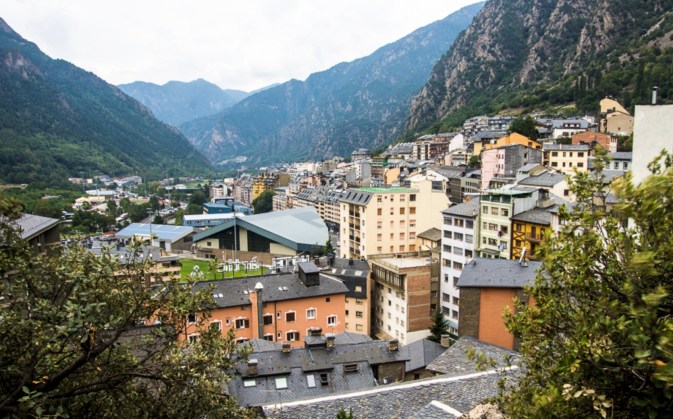
4.Andorra has some of the most technologically advanced hospitals in Europe, and is similar to the French healthcare system. Public health is linked to social contributions.

5.Malta has a strong public healthcare system, which provides free services to all Maltese citizens and European Union residents. Malta has both a government healthcare service and a private system.

6.Singapore shows that fusions of conservative and liberal ideas in health care really are possible. Singapore is a place where the government acts to keep costs low and then uses those low costs to make a market-driven insurance system possible. Singapore’s government controls and pays for much of the medical system itself — hospitals are overwhelmingly public, a large portion of doctors work directly for the state.

7.Spain‘s single-payer health care system is ranked seventh best in the world by the World Health Organization. The system offers universal coverage as a constitutionally guaranteed right and no out-of-pocket expenses — aside from prescription drugs.

8. All Omani citizens have free access to universal healthcare. Much of the staff is foreign-born or received training abroad, but with more young Omanis completing college, this is beginning to change. In larger cities, especially Muscat, the quality of medical care is high, but you shouldn’t expect the same standards in rural areas. It has emerged that Oman is in the process of drafting a new set of mandatory health insurance laws beginning January 2018.The new laws will pass on some of the responsibility of looking after employee health to their employers by mandating that they implement suitable health insurance provisions.

9.Austria has had a health care system that ensures high-quality medical care for all citizens, independent of their social status or income. Building such a health care system has not been easy: it is the result of a long, hard road; many people have fought for it. The can also purchase supplementary private insurance.

10.In Japan, health care has long been likened to air and water — often taken for granted. Under the Japanese system, everyone must join a public insurance program through their employer or municipal government and pay a monthly premium that is determined by income.

Fly safe,
JAZ

Ten Things That I Want To Do In NYC

Image

Ten Things at That I Want To Do In NYC

“New York has a trip-hammer vitality which drives you insane with restlessness if you have no inner stabilizer.’ Henry Miller

From 1892 to 1954, more than 12 million people entered the United States through the Ellis Island Immigration Center. This place was the first point of entry for most immigrants, My Grandparents came through there. Its’ a good time to see and contemplate an era when the United States answered the pleas of refugees for a better a life.

Big museum plans. The Whitney Museum has moved downtown to a cool  space in the Meatpacking District. The Metropolitan Museum Of Art  is leasing the space for its Modern Art call the Met Breuer. Giacometti is  at the Guggenheim and a there is a great  photography exhibit at MOMA. Henri Cartier Bresson is at the International Center For Photography.

NY is a city of foodies and chefs. There are so many  restaurants to try. I will let you know how I do.

Take a walk through Central Park. It was always our bit of nature in the city.

There is the best shopping in NY. I want to visit my favorite department stores, Bergdorf Goodmans, Barneys and Henri Bendels. I also loved shopping in Nolita, Chelsea and the Lower East Side.

There are so many Street Art  Walking Tours  to choose from. Painted murals, graffiti, mosaic installations, sculpture, art embedded in the pavement, stencils and stickers are found all over the city. 

I grew up seeing  Broadway and Off Broadway Theatre in NY several nights a week. We have our tickets and I can’t wait.

How cool is this? Apparently they built Highline Park on an  unused elevated subway line on the  West Side. 

I’m glad to have the opportunity  and privilege to finally visit the 9/11 Memorial. 9/11 is not a past event; terrorism and acts of violence continue to be a current part of our everyday life.  So, the museum is a visit to a horrible act of the past, but one that continues to persist and be a part of the modern world. 

Visiting Lincoln Center and my mom. My mom asked that her ashes be strewn over Lincoln Center so she didn’t miss anything-especially the opera. She said that she wanted us to stop by and visit her and see a show in NY. 

Fly safe,
JAZ