Christian Jerusalem

Image

Christian Jerusalem

“There’s a golden phone with a direct connection to God at the Vatican. To make a call, it costs $1,000. And there’s a similar golden phone offering the same service here in Jerusalem, where the same call costs only 25 cents.” When I asked why, he said, “It’s a local call.”Unknown

Jerusalem is complicated even for tourists. Before planning our days the tour guide asked me my religion. We were Jewish and Christian.

The Via Dolorosa is the mile long route that runs through the old city and leads to the place of the crucifixion.

At each of the fourteen stations of the cross, there is a marker or chapel. Pilgrims of all Christian denominations will take this walk which ends at the Church Of The Holy Sepulchre.

The Christian Quarter has about forty Christian sites and was built around the Church Of The Holy Sepulchre. As with other holy sites, dress modestly.

Local guides know that, among Christians interested in seeing Jesus’ tomb, most Protestants prefer the burial chamber outside the walls in the Garden Tomb, while Catholics prefer the tomb in the Church of the Holy Sepulchre. The Church of the Holy Sepulchre is built upon the summit of Golgotha, where Jesus was crucified. Because it’s holy for all kinds of Christians, who see things differently and don’t communicate very well, it’s a cluttered religious hodgepodge of various zones, each controlled by a different sect. There are chapels for Greek Orthodox, Franciscans, Coptic Christians, Armenians,etc. There are many arguments.

As you enter, the first sight is the Stone Of Unction which is the place that commemorates where Jesus was anointed before his burial. The stone is always surrounded by pilgrims from all over the world,

On the second floor is the chapel of Calvary.  The chapel is divided into two sections: the first one is where it is believed that Jesus was stripped of his clothes and nailed to the cross. In the second section, you can find the Rock of Cavalry, the site of Jesus’ crucifixion. The queues can be long to touch the stone but I have to admit that even though I’m not a Christian, watching people experience this was impressive.

The Greek Orthodox priest who is monitoring lines says “ One hundred are photographing and zero are praying”.

Located under the dome is the Tomb of the Holy Sepulchre which is believed to be the burial-place of Jesus. The queues are even longer here and can be a few hours.

The next day we take a taxi to the top of  the Mount Of Olives. It is easier to take a taxi to the top and walk down. There is so much history here and such a beautiful view of the city.

The Mount of Olives has been used as a Jewish cemetery for more than 3,000 years.

Approximately 150,000 Jewish people are buried there including some of the greatest Jewish leaders, prophets, and rabbis of all time.

According to the Gospels, the Garden Of Gethsemane is situated on a slope on the Mount Of Olives.

Gethsemane means olive oil press in Hebrew

. It is here where Jesus and his disciples often went to pray and was betrayed and arrested on the night before his crucifixion.

Some of the world’s oldest olive trees dating back 2000 years are in this spot. When I was younger you could sit under them, now it is fenced in.

A number of Christian churches on the hill mark key events described in the New Testament.

It is peaceful on the Mount of Olives. A large Christian group from Indonesia is walking down near us, stopping everywhere for photos. All these conflicting religions are fighting over a place that is all about beauty and truth.

Fly safe,

JAZ

March For Our Lives

Image

March for Our Lives

“It’s the children the world almost breaks who grow up to save it.” Frank Warren

The faces and organizers of March For Our Lives were almost all under nineteen years old. They were able to get 800,000 people on and off of Washington D.C.’s Pennsylvania Avenue in three hours. They attracted A-list celebrities. They turned out marchers at more than 800 satellite events held around the world.

Gun violence disproportionately affects people of color. Their death rate is ten times higher than among white children. I marched in the westside neighborhood of Santa Monica, California. Thousands turned out to protest for serious gun control reform. Most of them were white middle class to wealthy people. It is true that some of us had been silent when it affected children of color in neighborhoods far away from ours. But many of us have never been silent when it came to stricter gun control laws. Today, no one who cares for the future of children, can afford to be silent.

Chants of Never Again and NRA Has Got To Go echoed down Montana Avenue. I don’t think anyone expected the huge turnout that showed up. The organizers had not been able to get permission to close the street but the large number of marchers just took it over. The big rally was downtown.

There were so many small children, elementary and high school students. It is their generation that has to go through the fear of school shootings and have lockdown drills. Parents, adults and seniors marched in support of the kids. We did not fight hard enough for stricter gun control laws and trusted the system. We let them down. Now students feel that they have to try to change it themselves.

A young girl carrying a sign that said Am I next? said to me, “I think it is bad killing anyone, but especially the kids.”

It is clear from these demonstrations that most of the American population are at the point where we want serious gun control laws with extensive background checks. We child proof our medicine bottles, baby proof our cabinets, have mandatory car seats for kids and seat belts. Our goal has always been to eliminate as many potential dangers from children as possible. Gun control doesn’t hurt our freedom. It protects our children.

fullsizeoutput_6866

Fly safe,

JAZ

I Cry Every Opera Season

Image

I Cry Every Opera Season

“I know one thing: that I know nothing.” Socrates

I was not born with a manual. I tried to be the best daughter, girlfriend, wife, mother and friend that I could. I think that is what Socrates means. We don’t really know how to do anything. We are all just winging it.   

My mother loved opera best of all her many cultural pursuits. Opera was always playing in my house growing up. She took out records from the Donnell Library in Manhattan every week. We listened mostly to musicals and operas. Whenever she was alone, it was all opera, all the time. There was not an opera she did not like – Italian, French, German. She listened to them all. I would walk into the house and talk about my day at school  with the Marriage Of Figaro, Rigolletto, or La Traviata in the background.  Her children were going to be named  Don Giovanni, Tosca and Carmen. Apparently, my father intervened. We had to have American names.  

I hated opera as a kid before I ever saw one. my mother would  tell us the stories  or the libretto as she called it. I responded with “It’s just screaming to music. Why do they have to sing when speaking the story would be just as effective?  All they say is I love you, I love you, I love you. I’m dying; I’m really dying; I’m dying in ten minutes. I died.” I would fall on the floor coughing and dramatically clutching my chest. Tuberculosis or consumption was a big killer in opera. Someone always dies at the end.

She tried taking us to operettas. I can handle Gilbert and Sullivan. I do know all the words to the Mikado, Pirates of Penzance and Pinafore thanks to those weekly records.  I never made the transition to serious opera. I would always say that she was wasting a ticket to take me. I did not get it.

Opera is supposedly the most emotionally direct of all art forms. The combination of dramatic narrative, stagecraft and music, and especially the range and vulnerability of the human voice, make opera the art form that comes closest to expressing pure emotion. It is storytelling at its most vivid and manipulative. Those big moments in opera are usually the ones that deal most directly in the big human themes: life, love, death, loss, passion, joy, anger .

In her later years, My mother loved to go to the opera dress rehearsals at the Met with her friends. They would bring lunch and spend the day. She would say that the Met was the best place to have a picnic. The tickets were different colors.  My mother didn’t have tickets to every rehearsal but she had all the colors. Someone would find out the color of the ticket that day and she and her opera loving friends would run by the ticket takers waving their ”blue tickets.” I was a little surprised. “Mom, you are sneaking into the Metropolitan Opera House?” She would laugh. “Who is going to stop a bunch of sweet, little old ladies?” They did not.

I never thought to ask her why she loved opera so much. What was it about opera that made  her sneak into a rehearsal or listen to it all day? Why didn’t I ever go with her to find out? What was I doing that was so important?

On her ninetieth birthday, she planned for everyone in her family who could come to New York to attend the opera with her. I volunteered for babysitting so everyone else could go. She laughed at my not so suble ruse. It was a long one but I don’t remember what was playing. She died  at ninety one. 

Her memorial was the day after my birthday. The ceremony was held at an event room in her friend’s apartment building overlooking Lincoln Center.  I walked into a Starbucks in Los Angeles  before going to the airport on my birthday. Opera music was playing. I had never heard opera in a Starbucks before or since. I asked what the song was called. It was a famous aria  by Puccini called O Mio Bebbino Caro – oh my beloved baby.

A year later, my son asked me to go to an opera with him. I said yes, knowing my mother would have loved that. I sobbed through the entire opera. The music starts, and it doesn’t let you go until the very end. For a few hours, I am in my apartment in Brooklyn and an opera is playing on the record player and my mom is alive.

Fly safe,

JAZ

Things That I Have Learned In Jerusalem

Image

Things I Have Learned In Jerusalem

“I am more excited stepping on these stones than I was stepping on the moon.” Neil Armstrong in Jerusalem

Jerusalem has been conquered many times. Some of the conquerors were Persians, Romans,  Ottoman Turks and the British Empire. No Arab power in history has ever claimed Jerusalem as its capital. Other than the Crusaders, the rulers made their capitals in Caesarea, Damascus, Baghdad, Cairo and Constantinople.

The Old City has over two thousand important archaeological sites. Jerusalem was founded as the City of David in 1010 BCE, but there’s evidence of settlements there going back all the way to 4500 BCE.

The Old City is divided into four quarters, Jewish, Christian, Muslim and Armenian.

The length of the walls of the Old City is 4,018 meters (two and half miles).  Their average height is 12 meters (39.37 feet) and the average thickness is 2.5 meters (eight feet). The walls contain thirty-four watchtowers and seven main gates open for traffic, with two minor gates reopened by archaeologists.

The Jaffa Gate is the westernmost gate of the Old City. It was so named as the starting point of the road to Jaffa port.  Herod’s Gate is the entrance to the Muslim quarter. The Damascus Gate in the North  is the largest and most  beautiful of the gates. The large center entrance was for important people. The two side gates were for the commoners.

The New Gate was added in 1889 and is the entrance to the Christian quarter. The Zion Gate closest to the Jewish quarter was used by the IDF to capture Jerusalem in the 67 war. The Dung Gate is closest to the Temple Mount got that name because it was used to cart out the refuse. The Lion’s Gate is located in the Eastern Wall. The entrance leads to the Via Dolorosa. Near the gate’s crest are four figures of lions.  Legend has it that Sultan Suleiman placed the figures there because he believed that if he did not build a wall around Jerusalem he would be killed by lions. Israeli paratroopers famously stormed through this gate during the Six-Day War to conquer the Temple Mount, after which they unfurled the Israeli flag above the Old City.

The Mount of Olives is the preferred burial site for a majority of Jews. The mountain boasts 150,000 graves that date as far back as 15th century.

Some of the olive trees in Jerusalem are more than 800 years old.

There are more than fifty Christian churches, thirty-three Muslim mosques and three hundred Jewish synagogues in the city.

Municipal law requires all structures to be covered in Jerusalem stone, preserving the historical look of the city.

Guests at the King David Hotel have included Elizabeth Taylor, Winston Churchill, Prince Charles, Hillary Clinton, Madonna and Us.

Most of the”local’ souvenirs in the souq in the Arab Quarter of the Old City are now made in China.

The food is amazing.

Jerusalem is Israel’s largest city.

Albert Einstein and Sigmund Freud were members of Hebrew University’s first Board of Governors.

The Knesset, Israel’s legislative body, is in Jerusalem and is named for the Knesset Hagedolah (Great Assembly) which convened there in 5th century BCE.

The fabulous and frenetic Mahane Yehuda Market packs in locals and tourists with its array of food, color, and noise.

The most impressive ruins in the Jewish quarter are those of the Cardo. The Cardo was the main avenue of Aeolia Capitolina, the Roman city built on top of the rubble of Jerusalem in 70 CE. After the 67 war, Israeli archaeologists uncovered dozens of Corinthian columns, many in good shape, that had once lined the broad street, and raised them up again according to their original layout.

The Cardo was the main commerce street in ancient Rome and today is lined, much as it was in ancient times, with shops.

There are emergency response teams on bikes as well as cars which are particularly helpful in the Old City’s narrow streets.

Jerusalem is important to the Jewish people because it is the Holy City, the site of Solomon’s Temple, the City of David and the capital of the Israelites. Solomon’s Temple was believed to have the Arc of the Covenant which housed the Ten Commandments.

Jerusalem is important to the Christians because it is where Jesus first impresses the sages, where he spent his last days and where the Last Supper, the Crucifixion and the Resurrection took place.

Jerusalem is important to the Muslims because it is where the prophet Muhammad ascended to heaven.

Jerusalem has been ravaged by thirty centuries of warfare and strife. The struggle continues.


Fly safe,

JAZ


Ten Countries With The Worst Health Care Systems

Image

Ten Countries With The Worst Health Care Systems

“Let us be the ones who say we do not accept that a child dies every three seconds simply because he does not have the drugs you and I have. Let us be the ones to say we are not satisfied that your place of birth determines your right for life. Let us be outraged, let us be loud, let us be bold.” Brad Pitt.

There is a huge difference between developed and developing countries when it comes to healthcare. Each year, more than eight million children die from preventable diseases in countries with the worst health care. These countries receive a raw deal from growing globalization, inequitable infrastructure, brutal or ineffective government and poor resource allocation. This results in a cycle of poverty and ineffective healthcare. Here are the worst countries. There are many more.

1. Sierra Leone has the dubious distinction of being the worst country in providing healthcare to its citizens, with a score of 0.00 on the WHO health systems performance index. During the most recent civil war the medical facilities in the country were looted and destroyed. There are only about 22 physicians for every million people, and about 60% of the rural population does not have adequate access to clean drinking water. Life expectancy at birth is about 54 years. Malaria is a big problem.

2. Myanmar spends much more of its money on the military than healthcare. Malaria, AIDS, malnutrition and tuberculosis are serious problems. The risk of infectious diseases is very high and life expectancy is now fifty years old. The government spends less on health care than almost every other country.

3. Central African Republic ranks third as far as health care is concerned. The political instability and general lawlessness, combined with poverty and poor infrastructure, have brought down the average life expectancy to 49 years. Sanitation problems and lack of clean water are major sources of ill-health in this country. Diarrhea is one of the main causes of death for children under 5 years old.

4. The Democratic Republic of Congo is almost always in conflict. Average life expectancy is forty-eight years old. Cholera and diarrhea are rampant due to unclean water and lack of sanitation facilities. Malnutrition and malaria are the biggest problems.

5. Nigeria is the most populated country in Africa with more than 174 million residents. The average life expectancy in the country is fifty-two years. They have the second largest number of people in the world living with HIV. Malaria is the top cause of child illness and death. As one of Trump’s s—-hole countries, they suffer from a continual mass exodus of nurses, doctors and other health practitioners who leave looking for better opportunities abroad.

6. Liberia is sixth on the list of countries with the worst health care.The people have a life expectancy of fifty-seven years. The health care system in Liberia is highly dependent on support from foreign agencies which now carry out more than 90% of health service. They have the highest infant and maternal mortality rates in the world. Childhood malnutrition is high.

7. As with many African countries, common diseases in Malawi are malaria, measles, tuberculosis and pneumonia. The country also suffers from a HIV/AIDS epidemic which has struck southern and central African countries so severely. Over 90,000 people in Malawi live with HIV/AIDS – more than one in ten adults are infected. The life span in Malawi is fifty-four years with the main cause of death being malnutrition. Access to basic sanitation and clean water is difficult.

8. The lack of healthcare personnel is a major problem faced by Mozambique. Most professionals move to other countries to seek better opportunities. There is always a shortage of necessary drugs, so locals often resort to traditional medicine. Mozambique is plagued by severe HIV, malaria, and cholera.The average life span is fifty years.

9. The situation looks bleak for the people of Lesotho: the average life expectancy is 49 years, and 25% of the people between 15-49 years of age have contracted HIV. There are rising rates of tuberculosis, malnutrition and infant and maternal mortality Access to health care is difficult for people in rural areas. Serious emergencies are often referred to neighboring South Africa.

10. The country with the tenth poorest healthcare system is Zambia. The average life expectancy of Zambians is fifty-five years. Diarrhea is the leading cause of child death because of limited access to clean drinking water and adequate sanitation. Almost half the population of Zambia is below the age of fourteen because of the tremendously high birth and death rate. Malnutrition is widespread particularly in rural areas. Malaria is proving hard to control and there has recently been a resurgence in some areas.

Fly safe,

JAZ

Jerusalem, Old City

Image

Jerusalem Old City

“If the Arabs put down their weapons today, there would be no more violence. If the Jews put down their weapons today, there would be no more Israel’” Benjamin Netanyahu

My first trip to Jerusalem was in the seventies. My parents always paid for an Israel extension to my self financed Europe trips. I think they were hoping for an Israeli son-in-law. Our days started at the Jaffa Gate near our hostel. We would meander through the Old City in the heat of summer and end up at the Damascus Gate or the New Gate. You could wander back and forth through a stairway in the Western Wall. We walked in and out of the mosques, often just to cool off and enjoy the peaceful feeling inside.

When we got to the meat part which was deep in the market, I was always ready to turn back. It was the first time that I saw raw, dead animals hanging outside like that.There were a lot of flies. It was hot and smelled bad. We were allowed everywhere. One day, a young  Arab boy decided  to be our tour guide for free. He took us walking on the walls above the city. I remember that he said that they were the only red-headed Arab family in the market.

The Arab souq was our favorite huge shopping labyrinth to get lost in. They sold beautiful handmade backgammon sets, religious artifacts and boxes made from olive wood, interesting jewelry, worry beads, scarves, clothes and evil eyes. The bargaining was half the fun (even though we just got it down to the real price in the stores) “We dont hate the Jews,”said the people in the market. “It’s the Zionists we don’t like.”

On my first trip, I did not blame them. The Israeli boys we met were aggressive and the girls were mean to us. Cheap college day tours took us all over Israel from Jerusalem. We met a lot of Americans doing the same thing. The second summer I met nice Israelis. We truly believed that there would be a lasting peace.

I resisted coming back to Jerusalem for many years because I did not want to see what was happening. The Arabs and Israelis did not learn how to coexist. Now Israel the hero of my childhood, is seen by many as the oppressor. For some reason, they have more UN human rights violations than the most corrupt, brutal, sadistic, child army, third world nations. Israel wasn’t the attacker in the 48, 67 and 73 wars. They defended themselves and won. Isn’t that what happens in a war? Governments get land and young people die or get injured. The Palestinians like the American Indians had unfortunately lost the claim to their land from the British before Israel became a state. Israel built their country from nothing just like America did. It seems to be a hopeless situation now.

They call it apartheid by choice. There are Arab speaking schools and Hebrew speaking schools. The Arab schools are divided into Muslim and Christian schools.

The Hebrew Schools are divided into Orthodox and Secular Schools. There are divisions between the divisions. There are a few mixed schools.

I think those who call it South African apartheid have forgotten or never knew what South African apartheid really was. Yes there is prejudice on both sides  and many problems but it is not that.

The holiest city on earth is even more divided on my return many years later. It is still living as one but with a lot of new rules, security and boundaries.

This time, I am staying at the beautiful King David Hotel. As we enter the city from the nearby New Gate, Dvir, our tour guide, tells me that there is still only one red-headed Arab family in the market.

Fly safe,

JAZ


Museums In Tel Aviv, Israel

Image

Museums In Tel Aviv

“We used to build temples, and museums are about as close as secular society dares to go in facing up to the idea that a good building can change your life (and a bad one ruin it).” Alain de Botton

Tel Aviv is an outdoor city with beautiful soft sandy beaches, flea markets, food and craft markets and alfresco dining most of the year.

This time I was there in January and February. The first ten days were particularly cold and rainy so I spent some time exploring a few museums.

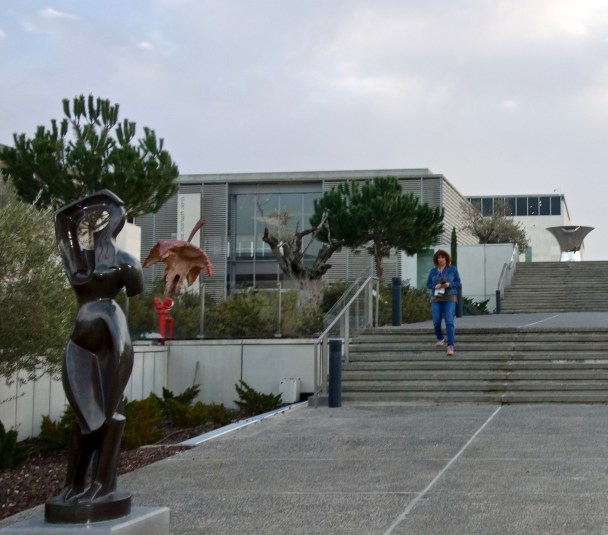
I’ve written about the Tel Aviv Museum Of Art designed by Preston Scott Cohen before. If you are into architecture as I am you will love the building.

It is located in central Tel Aviv within a Cultural Complex inside a beautiful park.

My god-daughter lives nearby. In a city where everything closes on Saturday, this museum is open.

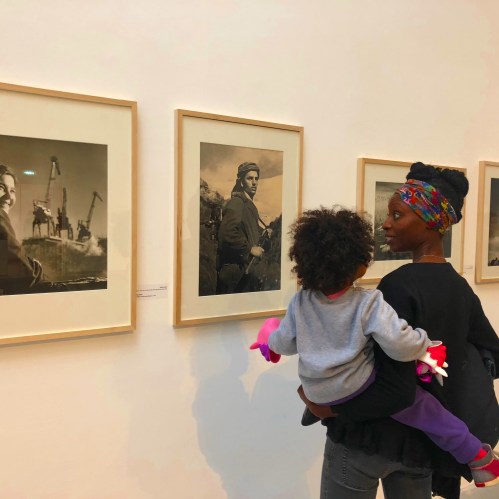
We walk passed the families in the playground and through the skateboarders to the entrance. The temporary exhibits are always interesting. The one I wanted to see was called Total Red which was photography from early twentieth century Soviet Photographers. Pastel, the museum’s restaurant i is beautiful and delicious.

Visiting Eretz Israel Museum in the rain is probably not the best way to see it. It is a collection of several pavilions and excavations spread out all over.

The focus is on culture and history. When I travel and do large museums, I usually just pick a few exhibits to see, Otherwise it is too overwhelming.

I love photography so I went to those exhibits.

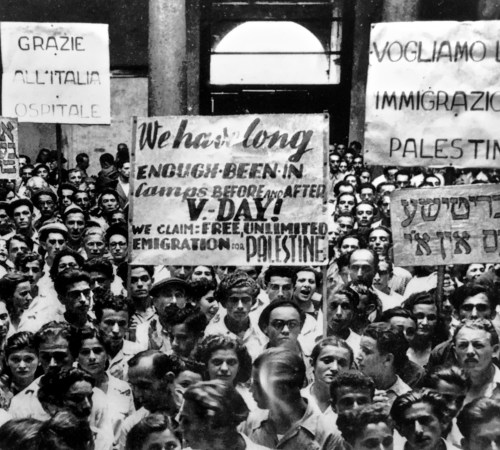
There was one about life in the internment camps in Cyprus where the Holocaust survivor were kept until Israel became a nation.

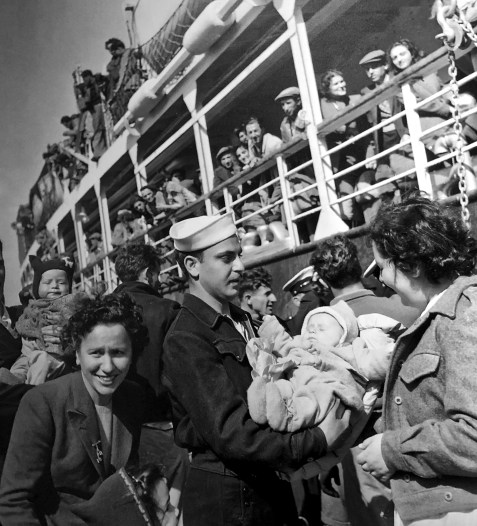
And another about the Italian ship captain that brought refugees to Israel.

I also watched a film on how Baron de Rothschild helped Israel grow. The restaurant is delicious and the gift store is one of the best in Tel Aviv for art and crafts.

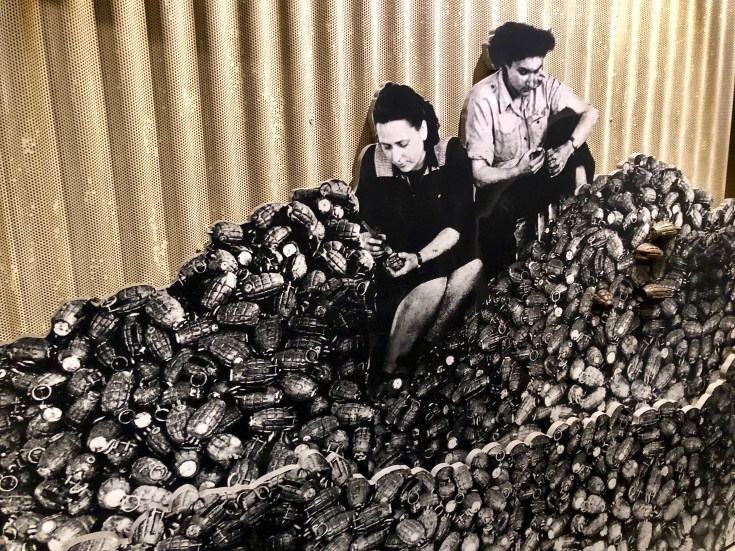
Exodus was one of my favorite TV movies when I was very young.  Paul Newman played Ari Ben Canaan who was the head of the Haganah. I was always interested in them. The Haganah was the military organization that protected the Jewish settlements in Palestine.

It was the predecessor to the Israeli Defense Forces.

The Haganah Museum is located on beautiful Rothschild Blvd in the house of one of the Haganah founders.

It traces the story from the earliest watchtowers to the struggle for independence to the development of the modern army.

You will see many troops of Israeli soldiers being brought there on field trips.

Fly safe,

JAZ


The Voice Heard Round The World

Image

The Voice Heard Round The World

‘Where words fail, music speaks.’ Hans Christian Andersen

I love to be able to travel when I am home. I watch The Voice. Reality TV and coffee are my vices. If you happen to live under a rock, it is a singing competition with celebrity judges. I love the Blind Auditions where the judges have to pick their team by hearing them. The audition is the only reality TV that we have left. You can’t fake an audition. You are actually watching someone vulnerable who’s life can be changed. I like seeing new talent emerge.

One night I was trying to catch up on some auditions, and I came across videos of blind auditions from The Voice Around The World. I was hooked. I’m obsessed with the Italian and the French judges. The Ukrainians and the Russians love heavy metal music and they like to make comments.  The Voice originated in Holland. I have no idea who any of these judges are. I watch the British version now as well. Here are my favorite auditions in no particular order. One is a battle round.

italy, France, Germany, Australia, Ukraine, UK, China, Russia, Holland, Poland.

Music always makes me feel that we are more the same than different.

Fly safe

JAZ

Israeli Museum In Jerusalem

Image

Israeli Museum in Jerusalem.

“Art is only relevant, if it asks the most critical questions and expresses emotions with an innocent eye.” Ai Wei Wei

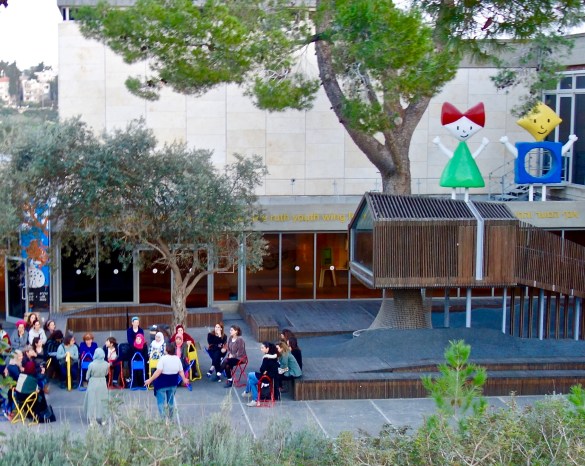
The Israeli Museum in Jerusalem is the largest museum in the Middle East.

It is located near the Knesset (government), the Israeli Supreme Court and the Hebrew University of Jerusalem.

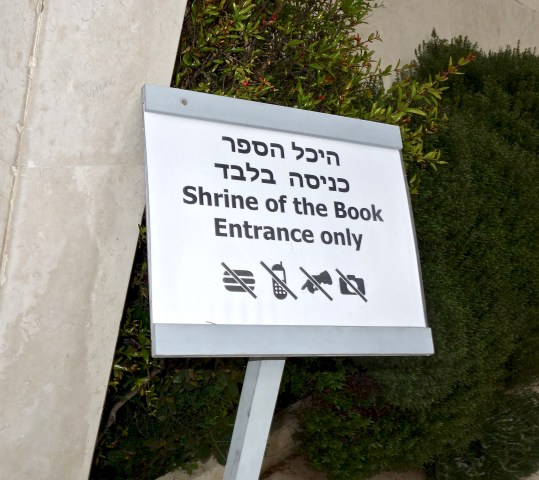
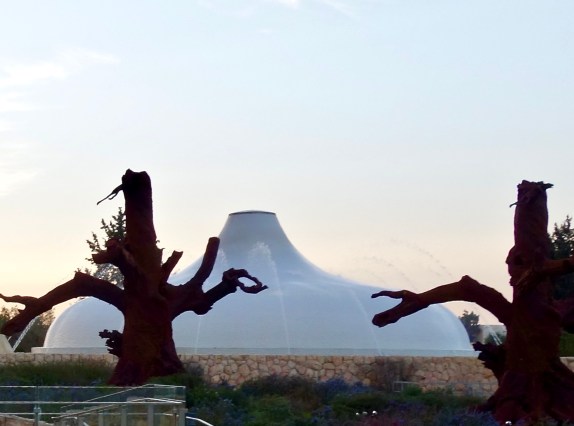
One of the highlights in the museum collection is the Shrine of the Book which houses the Dead Sea Scrolls. The white roof of the building emulates the lid of a Qumran jar where they were found. Upon entering this incredible cave-like display you feel like you are actually in one of the Qumran jars.

The scrolls are the oldest biblical manuscripts in the world, and were found near the Qumran area in eleven different caves over a ten-year period (1946-1956). The age and scope of these amazing scrolls basically proved the authenticity of our modern Bible’s Old Testament.

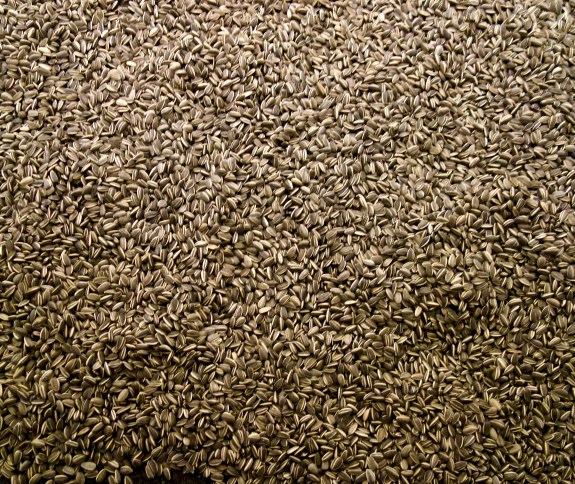
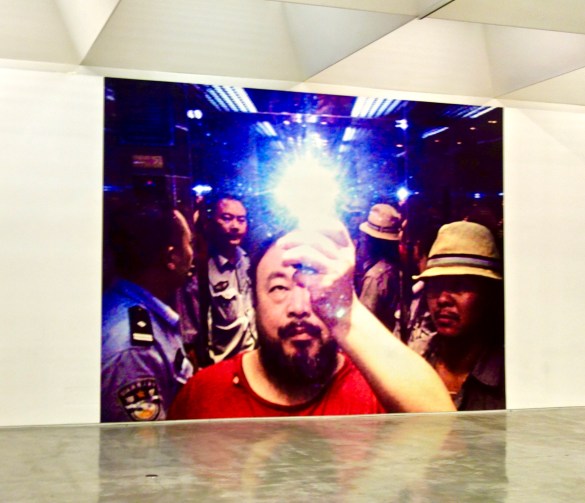
Upon arrival there was an added bonus, an exhibit by one of my favorite artists, Ai Wei Wei. It was an odd choice of country for the pro Palestinian Chinese artist. In the age of fake news and the manipulation of truth, the timely exhibit is called Maybe/Maybe Not. The money from the exhibit goes to an Israeli Palestinian relief fund. It features large-scale works such as part of his “Sunflower Seeds” installation featuring millions of seeds made from porcelain, weighing some 23 tons. (sorry, no flash)


Wallpaper across part of  the exhibition depicts the plight of refugees while mixing in classical images, giving it the look of a frieze from ancient Greece.


His “Soft Ground” installation has particular resonance for Israel.  It is a hand-woven carpet that replicates the floor of the Haus Der Kunst in Munich, commissioned by the Third Reich for the display of Nazi-approved art.

Everything at closer inspection was not what it seemed. There were self portraits made of legos,

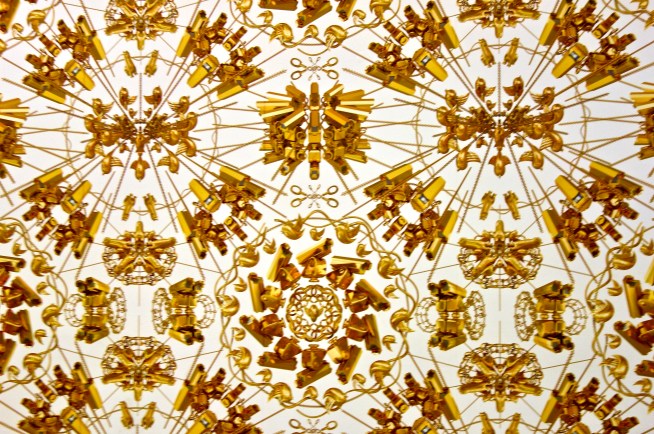
chandeliers made of surveillance cameras

and a selfie taken through mirror when he was being arrested in China.

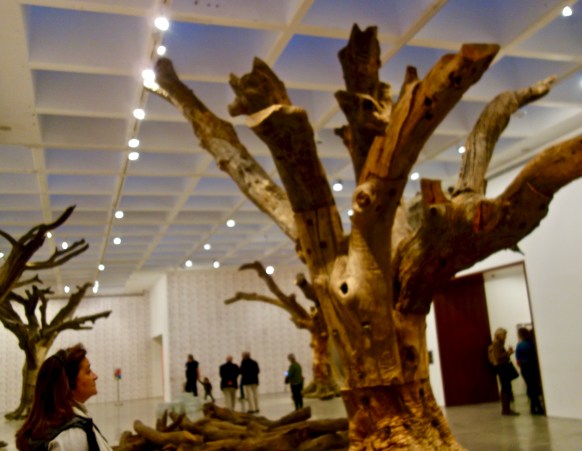
Iron trees are “planted” at the museum.

They are made from casts of parts of trees from Southern China and part of series that started in 2009.

Were the porcelain cups real or fake?

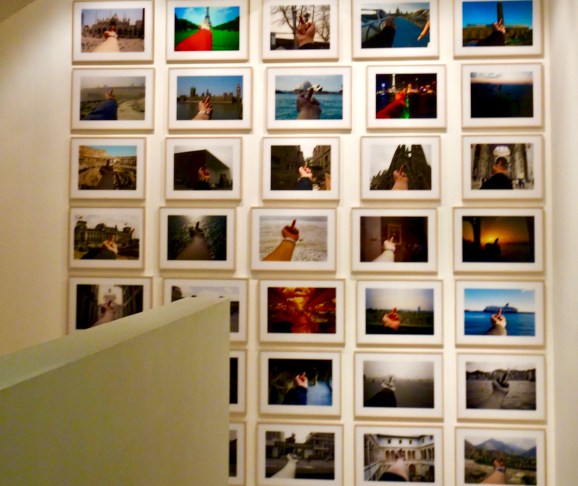
Even the artist himself raises questions. Ai Wei Wei is one of the richest artists in the world.  He is a Chinese dissident who had his passport taken away  by his government but he can travel freely throughout the world. Is what we are told true? Is what we see real? Maybe or Maybe Not. (middle finger all over the world)

Fly safe,

JAZ

Yad Vashem, Holocaust Memorial, Jerusalem

Image

Yad Vashem, Holocaust Memorial, Jerusalem

“A country is not just what it does – it is also what it tolerates.’
Kurt Tucholsky (quote on the wall as you enter)

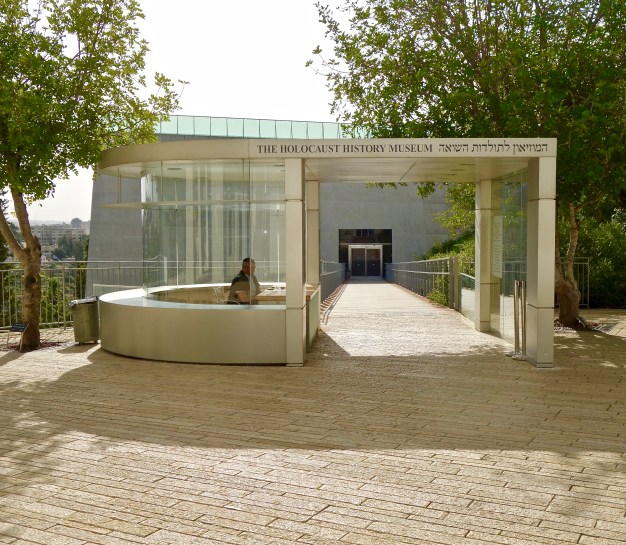
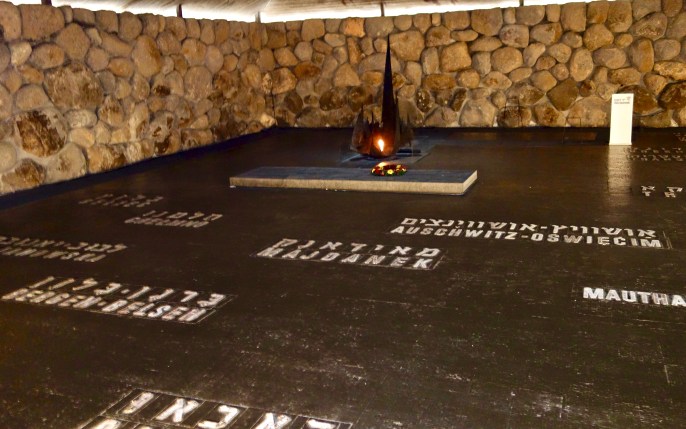
Yad Vashem is Israel’s Holocaust Memorial. I had been here many years ago. I knew what to expect. I went again now because I am going to visit Auschwitz in the spring. It was a winter weekday afternoon and the museum was not as crowded as usual. No photos are allowed. I knew what to expect and yet I was once again newly affected by the inhumanity of systematic cruelty.

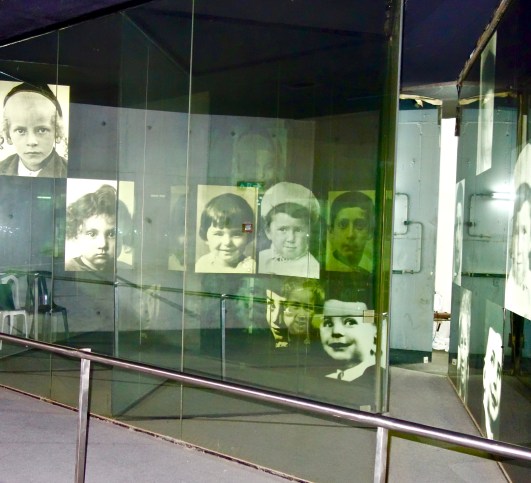
The Holocaust History Museum was designed by world-renowned architect Moshe Safdie, and occupies over 4,200 square meters. This museum takes you on a journey through in-depth displays telling the story of the Holocaust. There is a ten and half hour guided audio tour. You choose what you want to listen to. In many cases, the photos are enough.

Yad Vashem, means “a place and a name” in Hebrew and comes from the Book of Isaiah. It refers to the millions who were not given the dignity of a Jewish burial with a specified burial plot.

The chilling Hall of Names is a memorial to each and every Jew who perished in the Holocaust, housing an extensive collection of over two million “Pages of Testimony” – short biographies of each Holocaust victim, with room for six million in all.

Yad Vashem also recognizes and honors a number of non-Jewish people who helped save Jews during this bleak period. These heroes are called The Righteous Among The Nations.

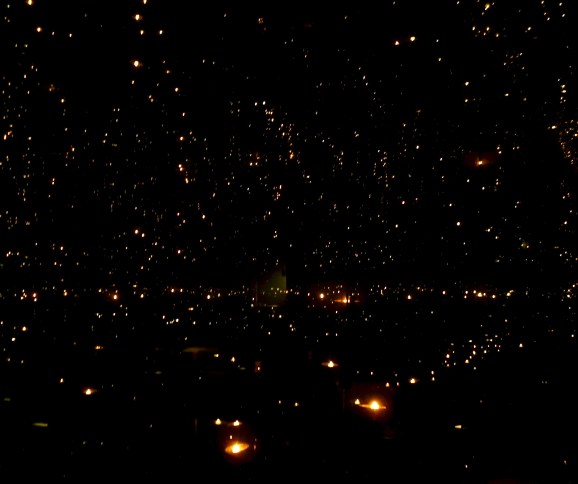
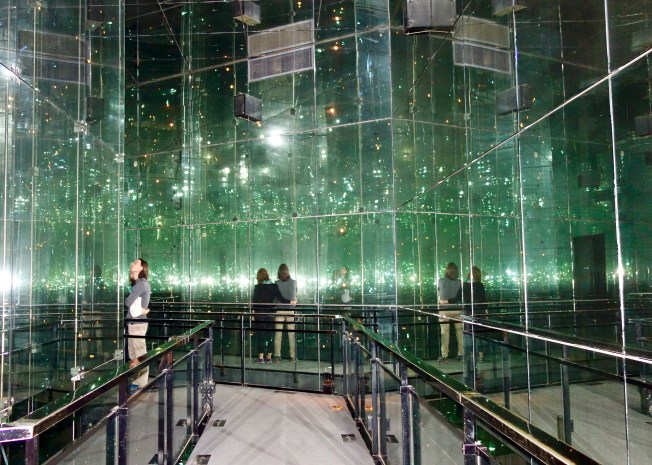
The Children’s Memorial is located in an underground cave, enveloping you in darkness.

As your eyes adjust, you can make out flames of light representing the 1.5 million children who died during the Holocaust.

Recorded voices call out the names and ages of these innocent souls. A few days later there is another school killing spree in the United States.

I return to the hotel. On Israeli news that day, they report that Poland has passed a law making it a criminal offence to suggest that “the Polish nation” was in any way responsible for the murder of six million Jews. I spent a long time in the Polish section of the museum as I will be going to those places. There were photos of Polish people “colluding” and stories of Jews being reported by their neighbors. Three million Jews died in Poland – more than any other country.

It is impossible to visit the Holocaust Museum at Yad Vashem and not be moved, horrified and ashamed. How does this story relate to the present? It began with words, indifference and silence. Indifference and inaction never help the victims. It is our responsibility to speak for the children, the elderly, the abused women, the poor and the refugees. “Whoever saves a single life, it is as if he or she has saved an entire universe.”

Fly safe,

JAZ