Eating In Jerusalem With Dvir
“Travel is the only thing you can buy that makes you richer “Unknown
I am a foodie. Foodie is a cutesy word to describe the passion I feel when eating something wonderful. I particularly love the street food in the Arab quarter of Jerusalem.

The flavors are strong and the ingredients are the freshest.Eating on the streets of Jerusalem involves all your senses. You see, hear and smell the food being made.
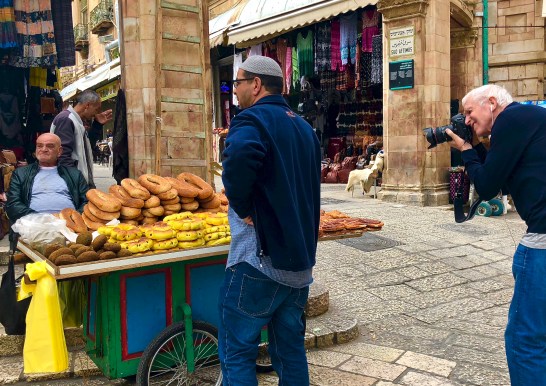
Fate and the Internet connected me with Dvir Hollander as our guide in Jerusalem. It turned out that Dvir was also passionate about street food and knew exactly where to go and when. (hollander2000@gmail.com)
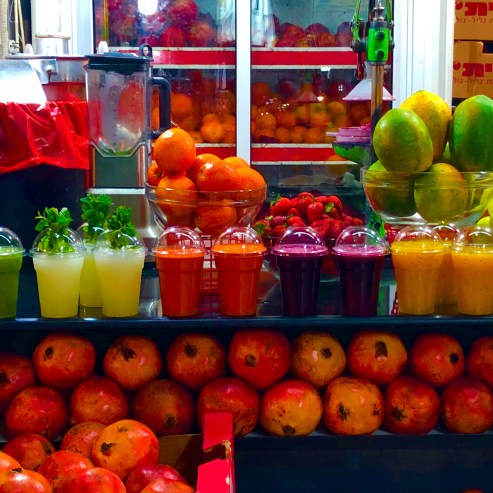
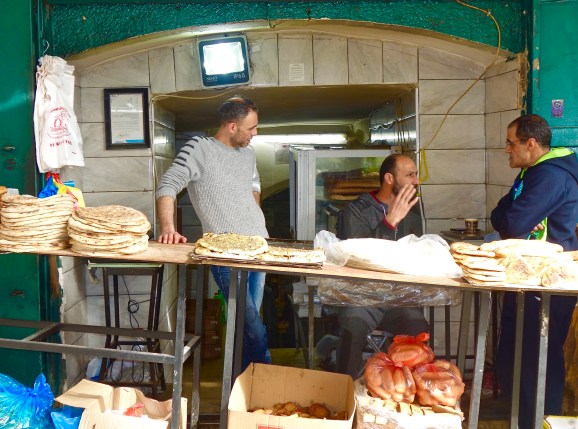
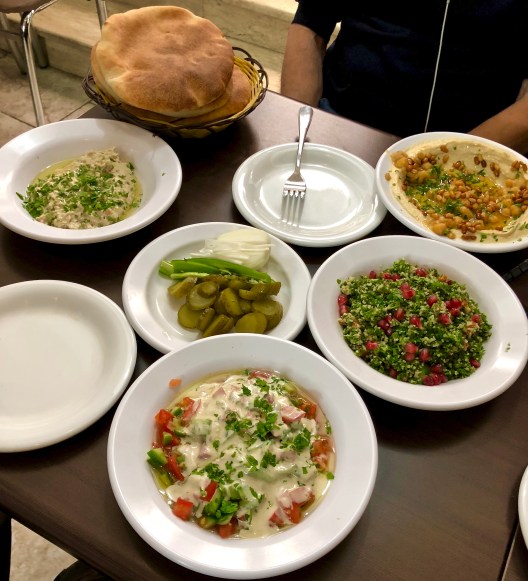
We met at lunchtime and we were hungry. When Dvir recognized that we were kindred spirits about food, he described himself as a “ friendly dictator” when it came to where we should eat. We walked through the New Gate and entered the Old City in the Christian Quarter. Immediately we were on the Via Dolorosa listening to the Muslim call to prayer. Our lunch was vegetarian at Lina restaurant. In Israel, the chick pea is clearly the most important legume and the main ingredient of hummus. Everyone has their favorite hummus place in Israel but to me, eating it in the old city is always the best. There is freshly baked pita. It smelled like it came right out of an oven nearby.
Everything we ate at Lina was amazing and we followed Dvir like sheep when it came to food from that point on.
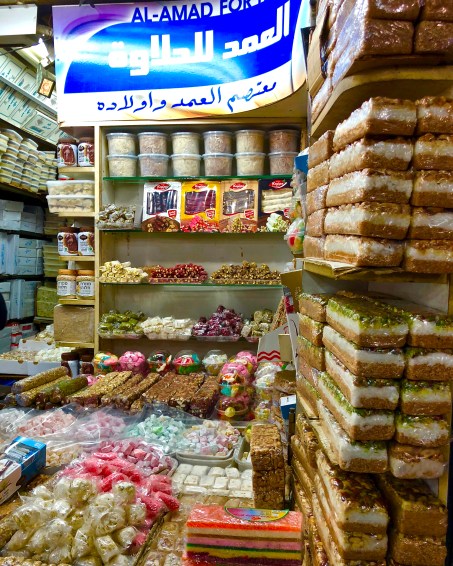
We stop for some halvah near the seventh station of the cross. Halvah means sweet in Arabic. It is a tahini based candy made from sesame butter. I have to admit that I had grown up on packaged halvah and hated it. One trip to Turkey changed my mind about halvah and I loved this fresh one from Al-Amad with its dense, flaky texture and nutty sweetness.
We needed caffeine and Dvir took us to Abu Mussa in the textile market for some thick grainy sweet Turkish style coffee with cardamom. I forgot how much I love that coffee. The taste brings back the memories of being here for the first time with my college friends Susie and Kiki.

At Dvir’s recommendation we have dinner at Chakra. Chakra is a trendy seafood inspired restaurant with fresh-baked focaccia off King George street.

It is delicious. I was hoping to go to Machneyuda the celebrity chef restaurant in the Machane Yehuda Market but even the best concierge and tour guide can not get you in that week so make reservations before you go.

Our second eating day started at Jaffar Sweets for freshly made Knafeh. It is neon orange shreds of phyllo dough drenched in syrupy sugar rose-water and filled with gooey, salty. warm goat cheese.

Knafeh is a favorite at Ramadan and now also a favorite of mine. It’s a must eat in the old city.

I had a blood sugar drop so we stopped for quick, incredibly delicious lamb kabobs from A Shaab.

Kabob is taken seriously in the Arab Quarter and each restaurant has their family recipe for preparing it.

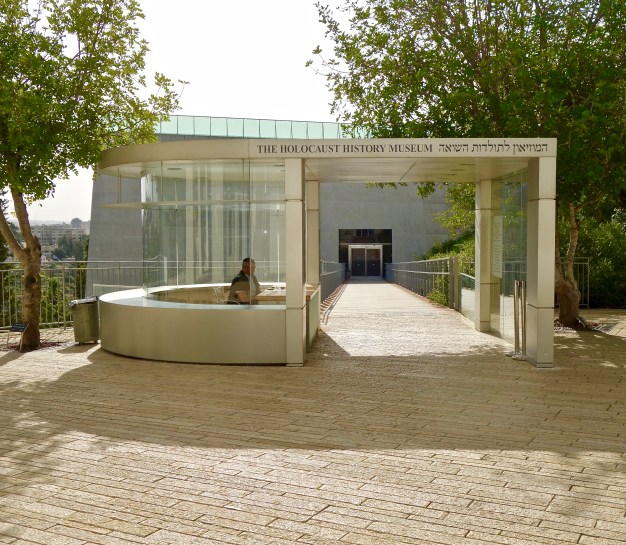
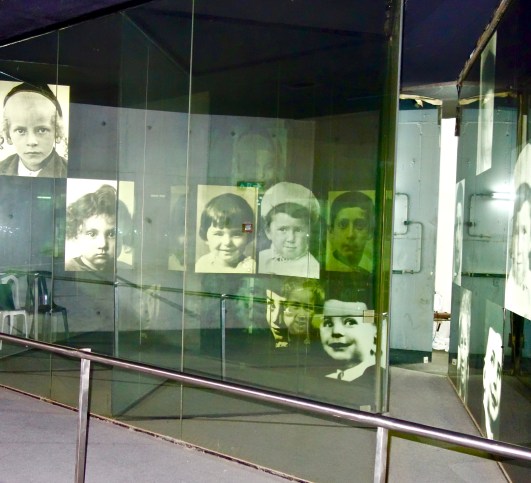
I was not leaving the old city for Yad Vashem and the Israeli Museum without falafel. Israelis feel as strongly about their falafel as they do about their politics. We get falafel and hummus from Abu Achmed. The falafel which is made of chick peas is right out of the fryer – hot and crispy on the outside and light and fluffy on the inside. Of all the falafel I have eaten in Israel, these are the most special.
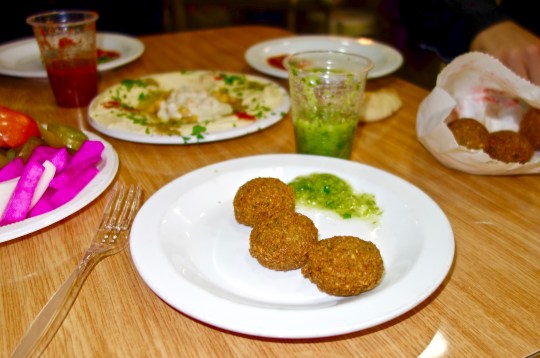
The hummus (because you need chick pea sauce to put on the chickpeas) is outstanding. It comes with a lemon tahini sauce that would be great with anything. The taste of the freshly baked pita bread makes everything even better.

We drink fresh pomegranate juice and more cardamom Turkish coffee from Haj Faraj. We relax for a few minutes and enjoy the coffee and his hospitality and more sight-seeing.

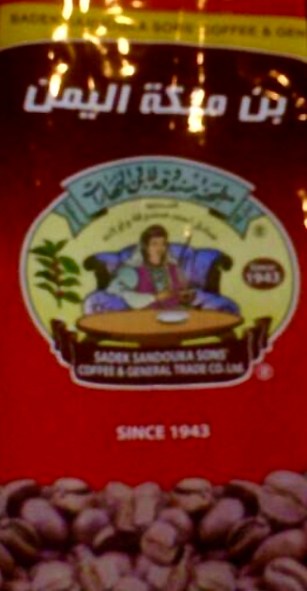
It’s clear that in a few days I have become addicted to roasted Arabic coffee with cardamom.The scent of coffee from the Sandouka brothers shop is overwhelming. I buy some to take home.
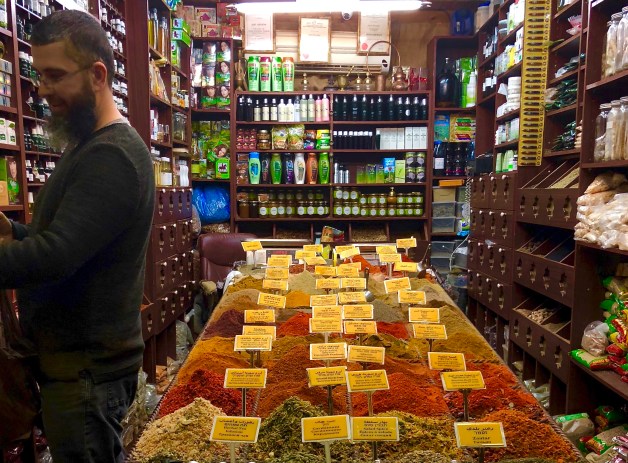
The fragrant smell of spices wafts through the air as Dvir takes us to Sea of Herbs. Sea of Herbs is run by two Palestinian brothers Isaac and Jacob. They sell spices, herbal teas, health and wellness products and natural remedies. As we watch Jacob expertly mix the spices, we are brought into his world of remedies and flavors and buy many things to try at home.
Today’s lunch is at Arafat. Everyday this tiny restaurant serves up a surprise meal. It is a no choice, simple, delicious menu. When the lunch is ready, queues appear out nowhere. When they run out of food, lunch is over.Today’s meal was lamb meatballs in a tomato broth (kefta in Greek) vegetables, rice and hummus. It was filled with local people and in the know tourists.
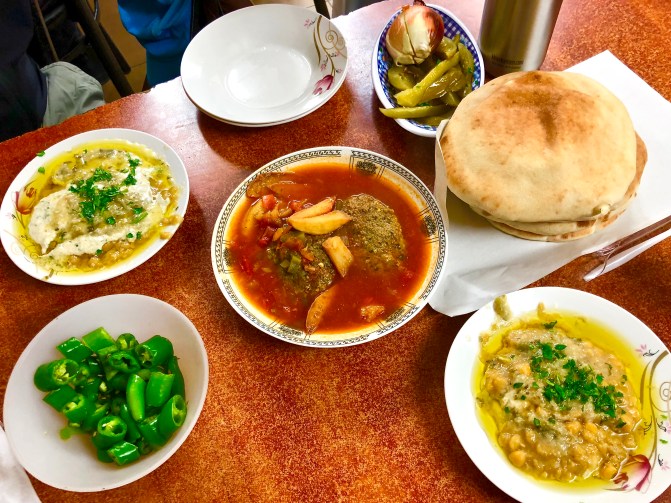
Summers in Greece when I was young have made me a bit of baklava snob but I am alway hopeful. it is the world’s most famous middle Eastern/Mediterranean dessert. Many countries take credit for baklava. It is filo dough drenched in sugar syrup or honey. We stop at Alaseel Sweets for a bite of the delicious pastry on our way out of the old city.

There is much conflict between the Arabs and the Israelis. The links between food and peace are easy to see with people living in conflict areas. Traveling, eating fresh, local food in the Arab market and looking in the eyes of people who prepare the food makes you believe that human beings do have the capacity for peace. Thank you Dvir for including all this delicious food in our visit to Jerusalem.
Fly safe,
JAZ








 Travel Well, Fly Safe
You must be logged in to post a comment.