“A pencil and a dream can take you anywhere.” J. A. Meyer
The number two pencil is kind of the middle of the road when it comes to pencils. It is not too hard and not too soft. It is not too dark and not too light. In other countries who do not use numbers it might be called the HB pencil. Architects like higher number pencils because the points are harder. Sometimes artists use lower number pencils because they like the softer tone. American schools have always preferred the number two pencil. It is said that the SAT scanner will only pick up a number two pencil. It is definitely easier to erase than a number three.
I volunteer at an after school writing program in Los Angeles called 826 LA. It is the only time these days that I see pencils. I do all my writing on the computer.
These hand-held pencils have had staying power amid the rise of the typewriter, the ballpoint pen, the computer and all the modern hand-held messaging devices over its century-and-a-half existence. In fact, the U.S. is the single largest market for wood-encased pencils today, most of which now come from China.
Pencils are dependable. The first mark you make with a pencil will be the same as the last. A pen might leak or run out of ink. There are no batteries, crashing, psycho auto-correct or waiting involved.
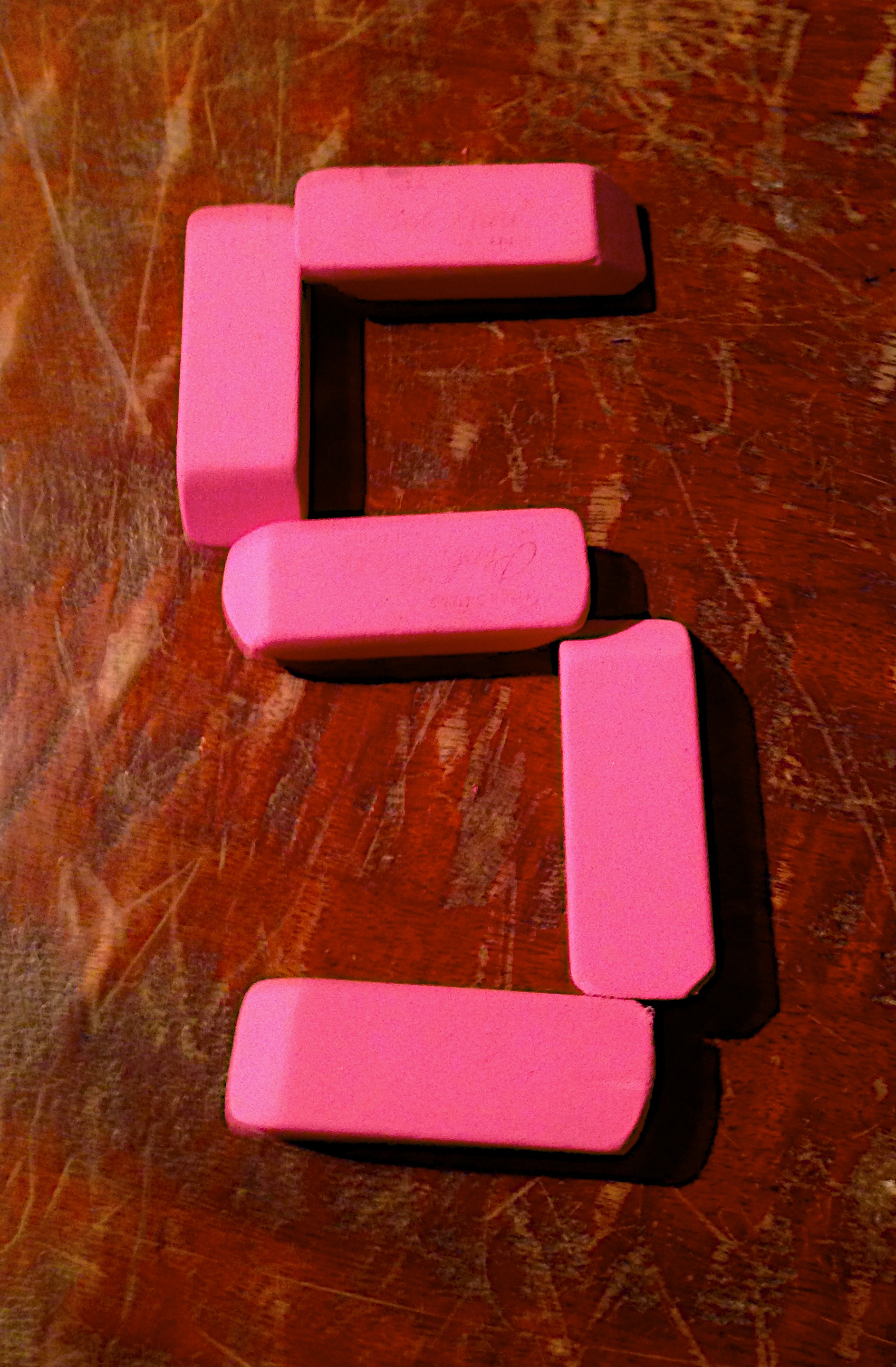
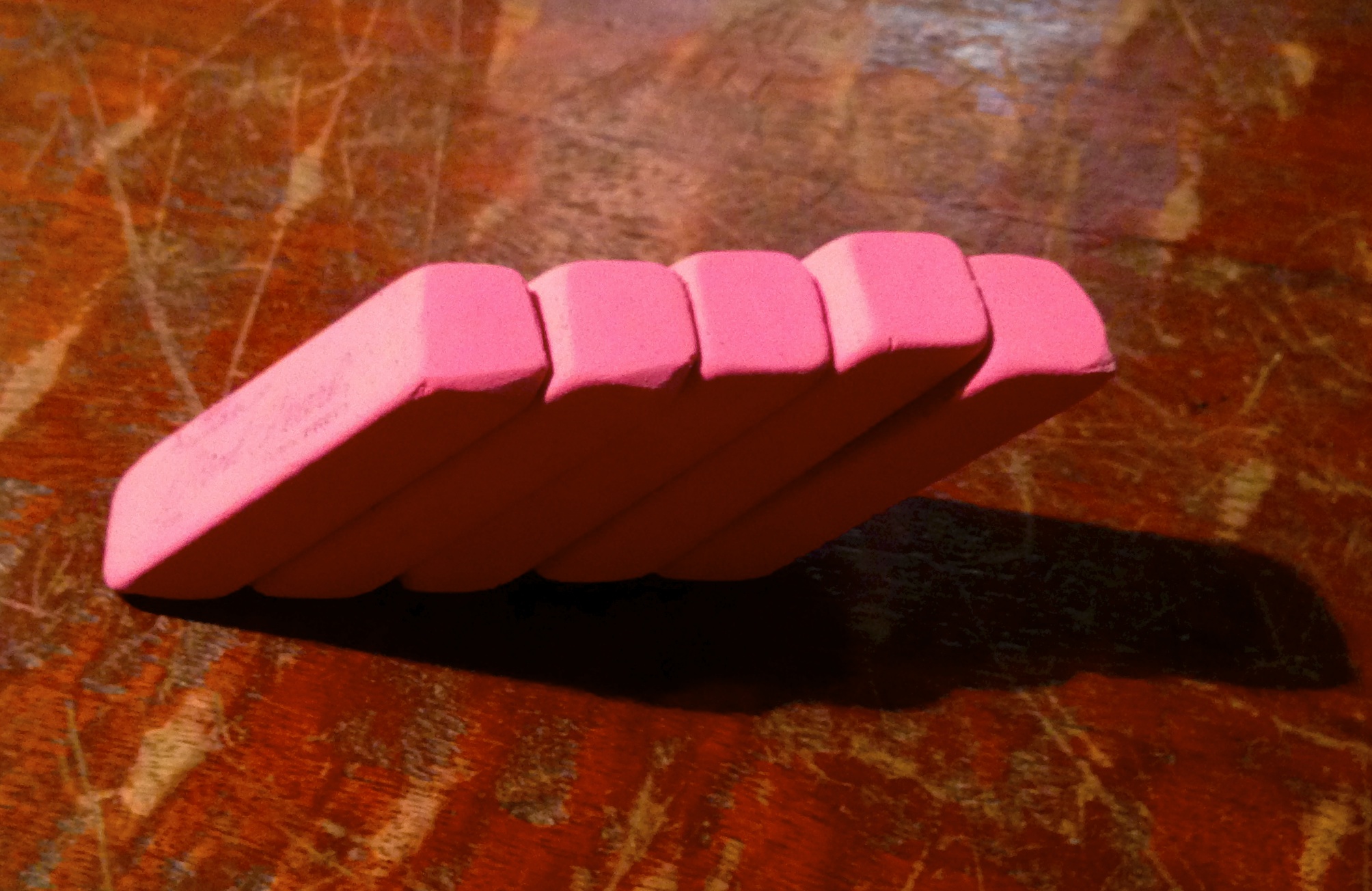
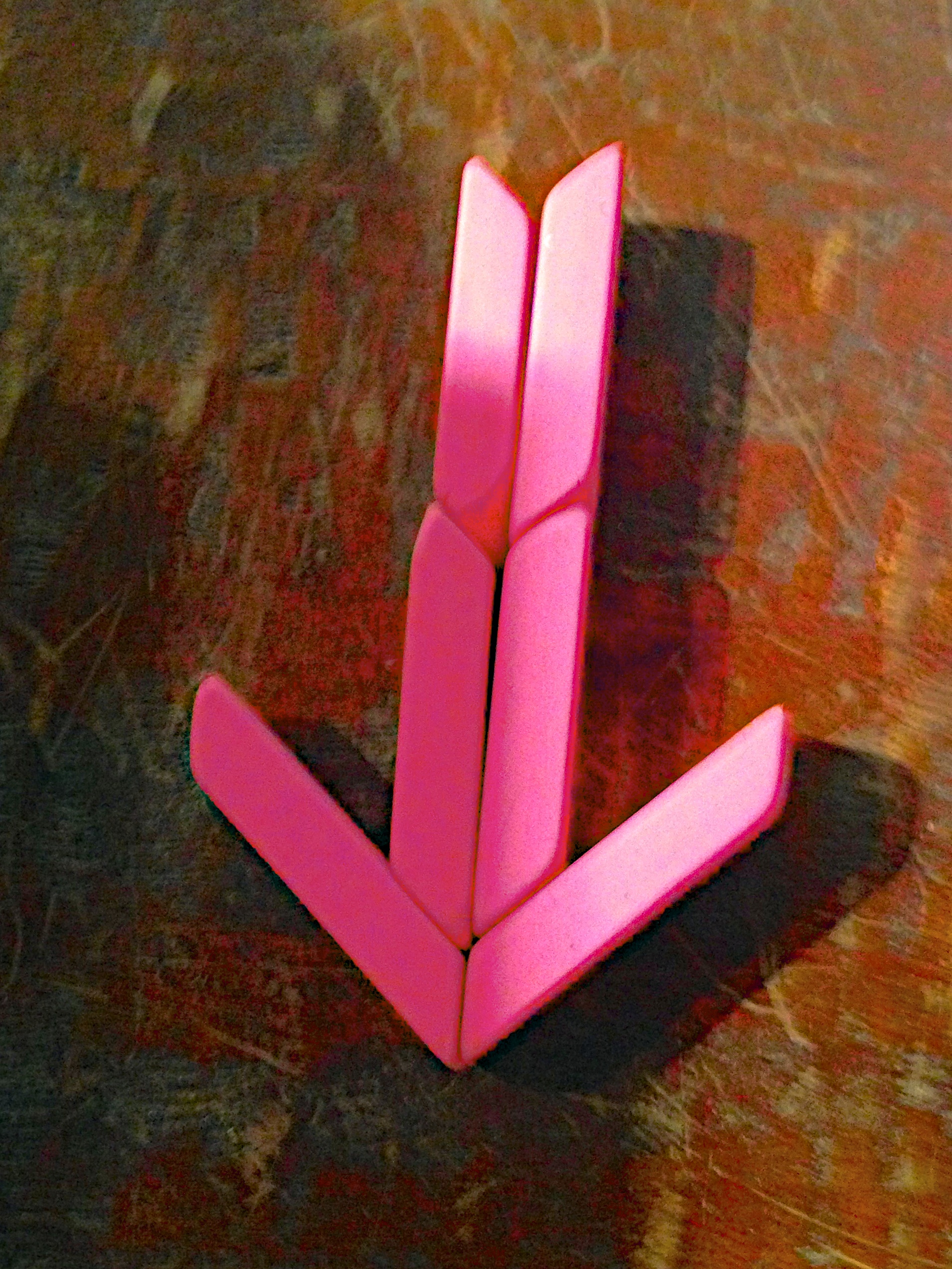
There is a lot of erasing at 826 LA. A pencil’s eraser tends to dry out and get dirty long before its lead runs down. Europeans tend to buy erasers separately and are more sensitive to this issue. This year we got some new erasers that were not attached to the pencils to deal with the high volume of erasing. We found some other things to do with these brand new very pink erasers. This is our first showing of eraser art.
I
I’m not sure why they still spend so much time with pencils and erasers in school. I’m very close to telling a group of seven to ten-year olds that they will never use them again once they get out of school. Especially the ones that have trouble with the physical act of writing but have so many great ideas.
How To Tell The Difference Between Someone Who Grew Up In Brooklyn And A Brooklyn Hipster
“Brooklyn was a dream. All the things that happened there just couldn’t happen. It was all dream stuff. Or was it all real and true and was it that she, Francie, was the dreamer?” Betty Smith
Between the time that I was born there and now, Brooklyn became an overnight celebrity. Brooklyn became synonymous with cool.
But what is a hipster? I’ve never actually heard anyone describe themselves as a hipster. They hurl the term at other people who look and live like them in a derogatory manner. The word Hipsters seems to be used for people who are putting on an act or have a trust fund.
People who grew up in Brooklyn had a stoop in front of their house and hung out there with their friends.
Brooklyn Hipsters are usually at an awkward stage in their beard growth and have sustainable rooftop gardens.
People who grew up in Brooklyn have an accent – sort of like the one they are trying to have in Newsies or mine if you know me.
Brooklyn Hipsters can work at hedge funds but have a Mumford and Sons look on the weekends.
People who grew up in Brooklyn went on school trips to the Coney Island Aquarium and Nathans. If you were like me, you rode your bike there on Sundays.
Brooklyn Hipsters dress like hipsters. They love anything vintage or “ironic.” It’s old school all the way. They have cool shoes. Hipsters wear eyewear even if they don’t need it – Ray Bans or Buddy Holly style works. They are usually carrying reading material to validate the glasses.
The big sneakers in Brooklyn when I was growing up were Converse, PF flyers and Keds. Clothes were better if they were from Manhattan.
Hipsters are on trend when it comes to technology. What? You don’t have the Iphone 6 yet?
Growing up in Brooklyn, the more “Good Fellas” the neighborhood, the better the Italian food. It was all about the “gravy” (sauce).
Brooklyn Hipsters are not generally meat eaters but if they do it is grass-fed and free range. Coffee, Small Plates, Asian Food and Gourmet Vegetarian are Hipster foods. They love food co–ops, cooking classes and trendy organic restaurants that serve seasonal food.
We had delis and Chinese food. The more preservatives and MSG, the better.
People who grew up in Brooklyn wish they bought up all the real estate around Prospect Park that they thought no one would ever want.
As Brooklyn becomes more unaffordable, yuppie – hipsters are becoming more prevalent. Fancy strollers and cool kid classes are everywhere.
Sports were big in Brooklyn. There was baseball, basketball, stickball, dodgeball, stoopball and punchball. There was roller skating (not blading) and ice skating Friday night at Prospect Park (if you did not get mugged on the way from the train station). There was the ocean at Brighton Beach and Coney Island for swimming in the summer.
Brooklyn Hipsters love alternative music and they have shelves of vinyls.
Brooklynites had records and small closet like neighborhood record stores.
We used to go to the Brooklyn Academy Of Music for local theatre events. Now it is the larger and trendier BAM.
Gentrified Hipster Brooklyn has outdoor cafes, designer dogs everywhere, expensive baby strollers, sushi bars, health food stores, trendy restaurants, bars and clubs, galleries and coffee shops where you can sip your five dollar lattes among others just like you. Gone are the delis – Italian, German and Jewish, bodegas, ethnic groceries, real butcher shops and poultry markets (the kind with blood on the floor), fish stores, hair braiding salons, bargain stores, check cashing stores, cheap bars, diners, restaurants and affordable housing.
Most people in Brooklyn grew up on the block. You had everything you needed in a few block radius. The drug store, the bank, the pizza parlor, the candy store, the Chinese restaurant the Italian restaurant, the delis, the newsstand, the market, the bakery, the fruit store, the butcher, the shoe store, the record store, the coffee shop (which was more like a diner but smaller), the movie theatre and the library were all within walking distance.
I could not leave Brooklyn fast enough when I grew up. But as I get older, the past is never where you leave it, and writing about it, it all seemed pretty great.
Los Angeles was the kind of place where everybody was from somewhere else and nobody really dropped anchor. It was a transient place. People drawn by the dream, people running from the nightmare. Twelve million people and all of them ready to make a break for it if necessary. Figuratively, literally, metaphorically — any way you want to look at it — everybody in L.A. keeps a bag packed. Just in case.” Michael Connelly
You honk your horn in traffic.
You shop at the mall on Hollywood and Highland.
You are at the Fairfax Farmers Market on a weekday morning – hopefully not wearing cargo shorts and a fanny pack.
You haven’t worn jeans to a nice restaurant or the theatre yet. You haven’t been to the theatre in LA yet.
You still dress seasonally – wool in winter, white in summer. You haven’t figured out that its scarves, boots, flip-flops and tank tops all year round.
You haven’t been downtown or to a museum that isn’t the Getty .
You are still having lunch at the Ivy for celeb sightings. The food is not as good as it used to be. You get excited when you see Richard Dreyfus at the drug store, Meg Ryan at Barneys or Madonna at Kabbalah. i have to admit I was happy when I saw Elton John having lunch with the kids.
You get excited when you see Tyra Banks online for the bathroom at the Arclight. You do go to the Arclight and not the “Graumans” Chinese theatre right?
You don’t have a favorite Mexican restaurant.
Everyone knows the driving shortcut you have just found.
You rarely use valet parking and prefer to find a spot on the street.
You have not yet been on a juice fast.
You are not worried by the lack of rain.
Words like Santa Anas, fire season, earthquake kits and did any one feel that? are not part of your regular vocabulary yet.
You leave your car on South Beverly Drive and walk to Rodeo Drive. You still leave your car in one place and walk to all your errands if you can. You attempt to live somewhere where you are near public transportation.
You have not perfected your spray tan color yet.
You have barbecues in the winter. You still get a bit sad that there is no snow on Christmas.
You have not bought a winter coat even though there are days you need it.
You still prefer to eat in the restaurants that have a view of the ocean even though others are better and less expensive.
“We use our minds and our hands to create our world.” Jonathan Borofsky
The Seattle Art Museum (SAM) was designed by Robert Venturi and Denise Scott Brown. It is one of Seattle’s privately owned public spaces. The city of Seattle offered developers the right to build larger developments in return for certain public amenities. As this is not advertised, most people do not know that certain lobby space, restrooms and rooftop gardens of downtown buildings are open to the public. The lobby space of SAM is fun, light and airy – good place to catch up on email.
Jonothan Borofsky’s Hammering Man towers in the front of the museum. The hammer swings back and forth from mind to heart. His original concept was to have Hammering Men, hammering all over the world. There are many indoor hammering men of different sizes. The outdoor ones are in Seoul, Frankfurt, Basel , Dallas, Los Angeles and Seattle.
SAM’s cultural statement is “ we connect art to life.” Art is displayed in similar groupings while juxtaposing with different cultures and time periods. The Seattle Asian Art Museum and the Olympic Sculpture Park are all part of SAM.
I loved one of the current exhibits called City Dwellers. It is a glimpse of India from the eyes of twelve modern Indian artists. The photographs were taken from an Indian perspective instead of a tourist one. India’s pop culture, history and religion has made it a place of contradictions. The artwork highlights this in the private and public sectors. (India Shining V – Gandhi with Ipod by Debanjan Roy)
The Olympic Sculpture Park is part of the Seattle Art Museum. It was built on land that was once on the environmental cleanup list. On my first visit to the park, I felt that it was about beautifying the urban landscape. The architectural space and scenery were much larger to me than the art. The park is free from dawn to dusk on beautiful waterfront property near downtown Seattle. (Seattle Cloud Cover by Teresita Fernandez)
An art collector friend pointed out that it was an interesting, high quality outdoor collection. So i had to go back and see it again. She was right and it is noteworthy. The Eagle by Alexander Calder stands guard over Elliot Bay.
Among other sculptures are the serpentine steel plated Wake by Richard Serra, Bunyon’s Chess by Mark di Suvero, Echo by James Piensa and Father and Son by Louise Bourgious. The sculpture is a lot more impressive in person than in photographs. The combination of setting, architectural concept and art seems to fit with the Seattle aesthetic. (Serra, di Suvero Bourgious)
The gallery scene in Seattle includes many Pacific Northwest artists and affordable art. Seattle is not known as a city of art collectors so if you go to a gallery and show some interest in an artist, they are happy to talk it. They will take you in the back and show you more work. I spent a long time at the Foster White Gallery.
After seeing the small but thought-provoking exhibit at the not for profit alternative art space Soil, I was told about more galleries in the area.
I had a plan but took gallery personal recommendations instead including restaurants and coffee places. (Roq La Rue Gallery)
There is an eclectic mix of contemporary art in Seattle and all the gallery people were welcoming and informative. Other cool galleries include Greg Kucera, Prole Drift, Punch, Bryan Ohno, Roq La Rue and James Harris. (Bryan Ohno Gallery)
The art in Seattle ranges from serious to fun and quirky. Maybe it is the weather that influences the artists. It rains a lot which makes you appreciate a beautiful day. I felt that appreciation when I went into a gallery on a rainy Seattle day and found an unexpected piece of art that touched me and connected me to my life. (always my favorite art)
“Humor keeps us alive. Humor and food. Don’t forget food. You can go a week without laughing.” Joss Whedon
I’m a terrible food blogger. I do way too much when I travel and I’m always starving when I sit down to eat. I never remember to take photos when the food comes until after I’ve eaten several bites. I try to put the food together but it never works. Or it’s dark and I forget to put my flash on. There is something weird to me about taking pictures of food before you eat it. But it is the number one thing people post. Apparently other people love to look at pictures of the food you are about to eat.
Seattle is a food town. Signature dishes are salmon, smoked salmon, coffee and Starbucks, (separate categories), Rainer cherries, Teriyaki anything, Top Pot donuts, fresh local ingredients, Salumi salami, Dungeness crabs, named after the town of Dungeness in Washington) apples – half the apples in the United States are grown here, mussels from Whidbey Island and my least favorite thing – Geoduck clams. I had a lot of eating to do but no Geoduck.
I’m not a huge fan of cured and preserved meats or long lunch lines.
Yet I found myself waiting an hour at Salumi in Pioneer Square.
It is owned by Armando Batali, father of a famous chef.
I had the Salumi salami sandwich and to my son who made me wait on the long line, I say “thank you.” It all worked – the bread, the provolone, the salami and whatever they drizzled on it. The family had the mole sandwich, muffo sandwich and salami and mozzarella on Guiseppi bread. It is worth the wait.
I love fish and all the fish in Seattle is so fresh. The salmon, mussels and poke I had at the wedding at Islandwood on Bainbridge Island (and it looks like its name) was amazing. Sorry, I was busy taking pictures of family and friends. All the seafood at Anchovy and Olive is beautifully prepared and delicious.
Pike’s market is one of the main tourist attractions in Seattle. It opened on Aug. 17, 1907, with just eight farmers who sold their food to more than 10,000 people who came out on a crazy first day. It hasn’t slowed down since and now more than 10 million visitors come to it annually.
The market is located on Pike Street.
How do you not like aisles of fruit, vegetables. souvenirs, desserts, ethnic food, art, crafts , flowers and men throwing around massive fish and giant crabs?
I ate my way through on the first day –clam “chowda”, giant Dungeness crab cocktail, chocolate covered cherries, giant peaches , piroshkies and apples apples apples. I would have taken photos but I couldn’t balance the umbrella, the purse, the camera and the food as I walked through hordes of people.. Remember that Anthony Bourdain has a film crew.
The original Starbucks was opened in Pikes Market in 1971. There are Starbucks on almost every street in Seattle but there is always a long line down the block at the first one. I guess it just feels different. I did not wait on that line in the rain for my Seattle Pikes Place Starbucks mug. I walked to the one a block away with a normal line and got a regular Seattle one. I draw the line at waiting forty minutes for a souvenir – even though I have a major Starbucks around the world collection and wish now that I done it.
Piroshky Piroshky bakery located in Pike’s Market is a must to get piroshkies in Seattle, Even if you don’t know what they are you will not be sorry. Try the cinnamon and smoked salmon ones.
I found a new favorite dessert – dried Chukar cherries covered with dark chocolate cocoa and I am eating them as a write. They are located in Pike’s Market and will let you sample many of them. I see you can buy them on Amazon.
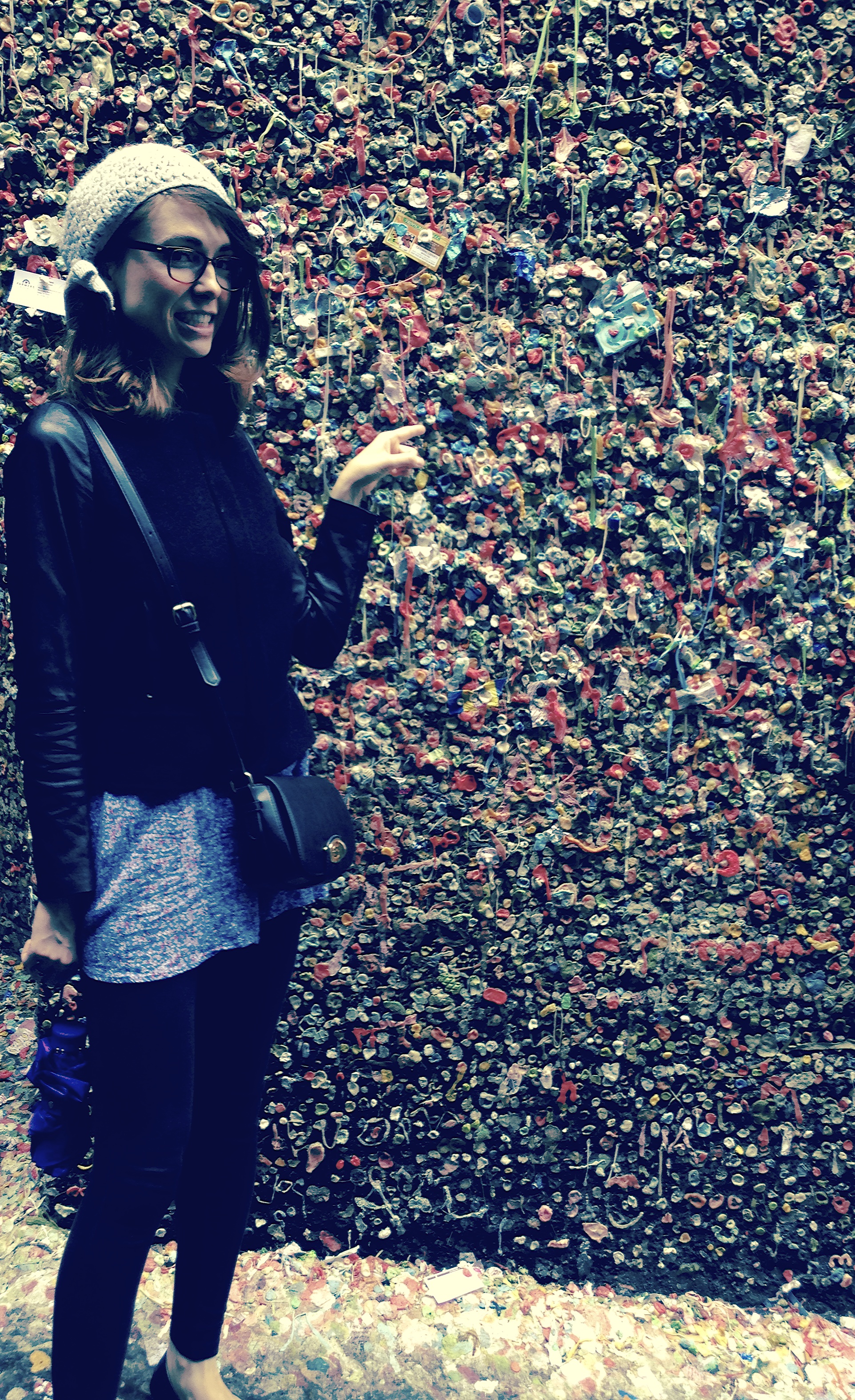
The gum wall in Pike’s Market is one of the main tourist attractions. The wall is by the box office for the Market Theater, and the tradition began around 1993 when patrons of Seattle Theatresports stuck gum to the wall and placed coins in the gum blobs. It became a tourist attraction in 1999. You can bring your own gum to add to the collection but just know that is on the list for Five Germiest Tourist Attractions In The World.
Food writing is very competitive. As a non cook I have no right to judge other people’s food but I do come to the table with major experience as an eater. I’ve had three meals a day for my entire life. I’m also a restaurant slut. I am always trying new restaurants and rarely stay with them unless they are amazing. My favorite places to visit are those with good people and good food and Seattle has both.
“I never met a color I did not like.” Dale Chihuly
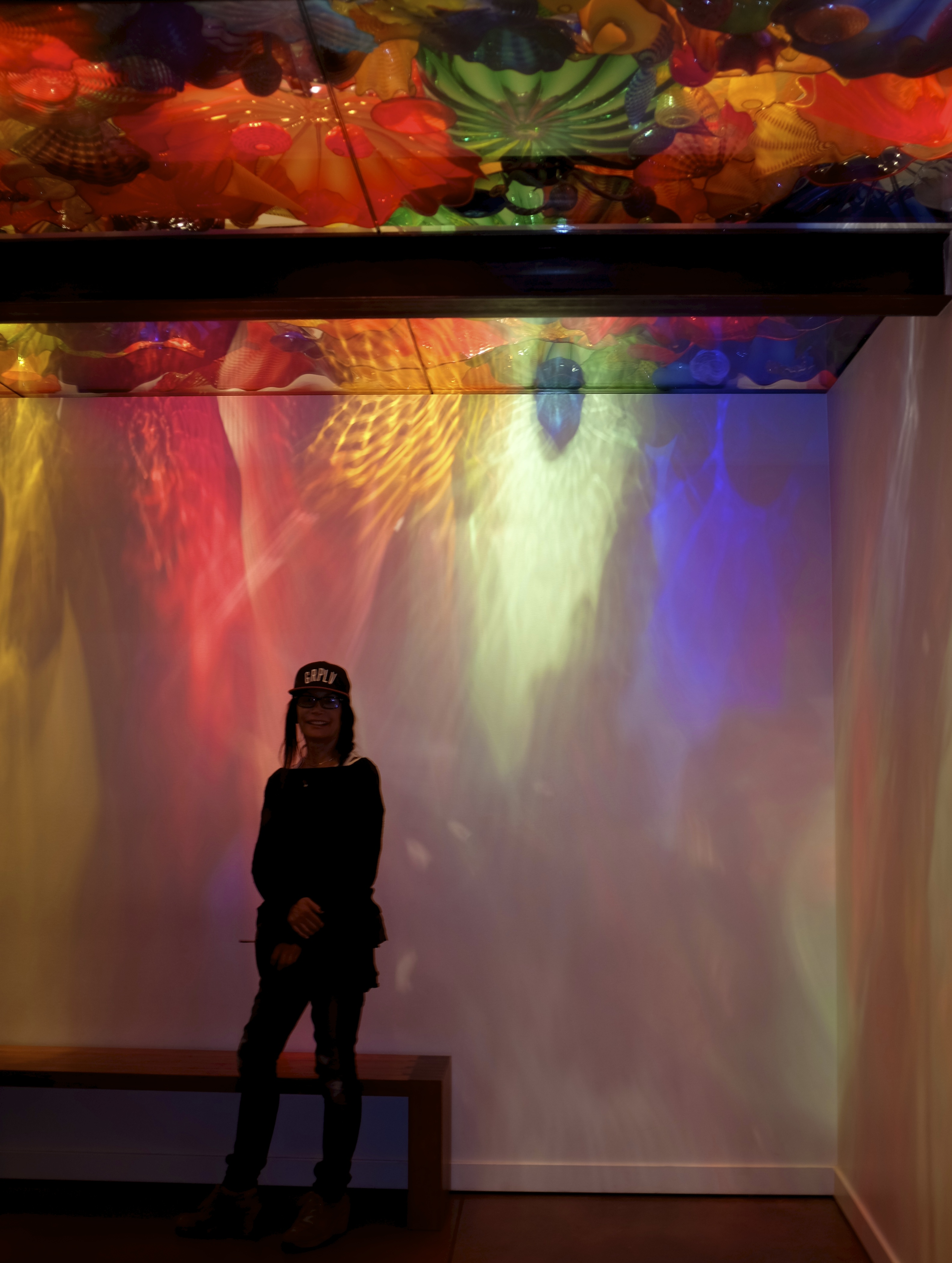
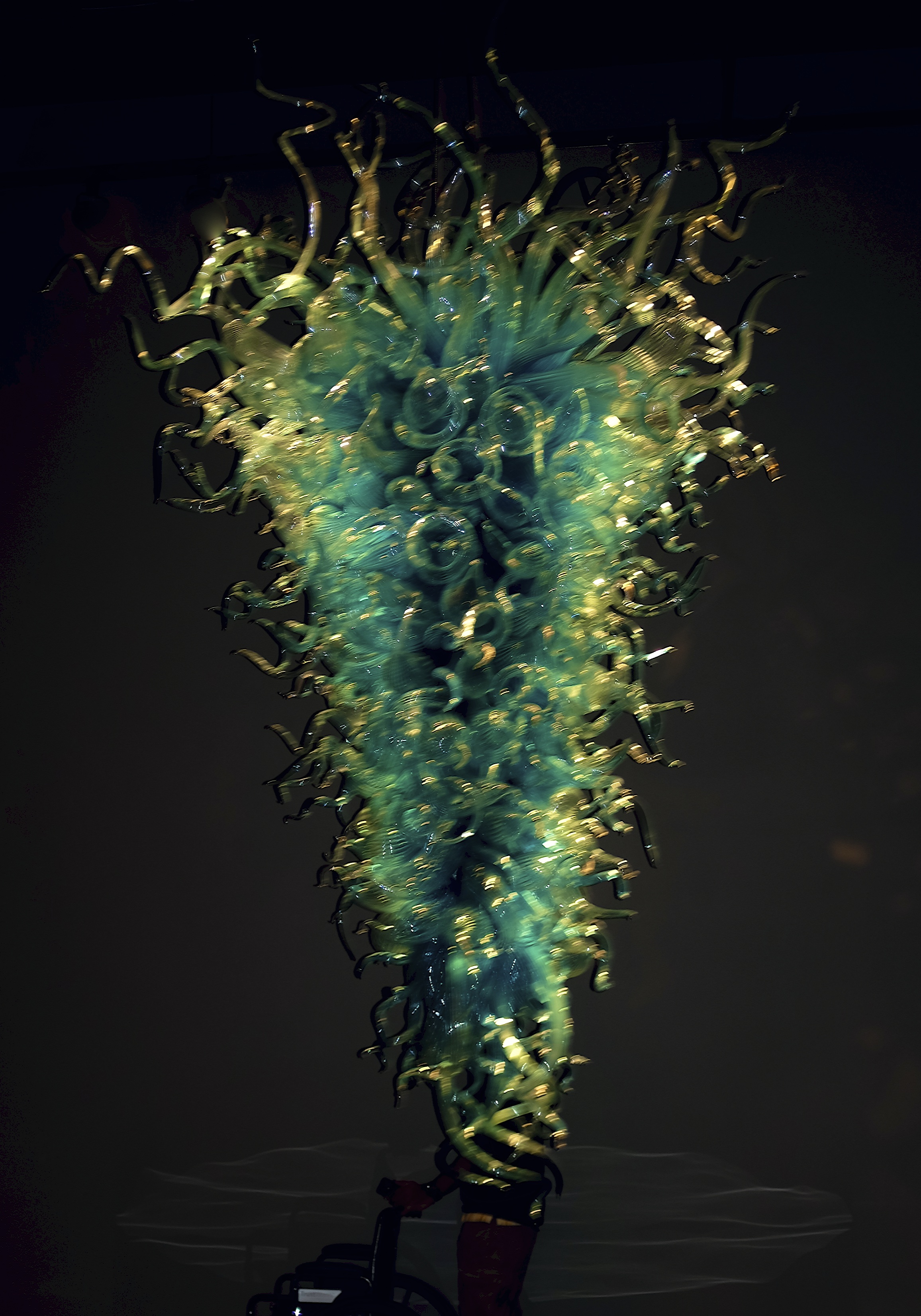
As soon as you enter the Chihuly space , there is a magnificent piece of glass.
You turn around and an explosion of color and light appears.
I walk through the galleries in awe of seeing so many beautiful pieces in one place. Even the idea that hot glass pushed through a pipe, can be shaped in such extraordinary ways is fascinating.
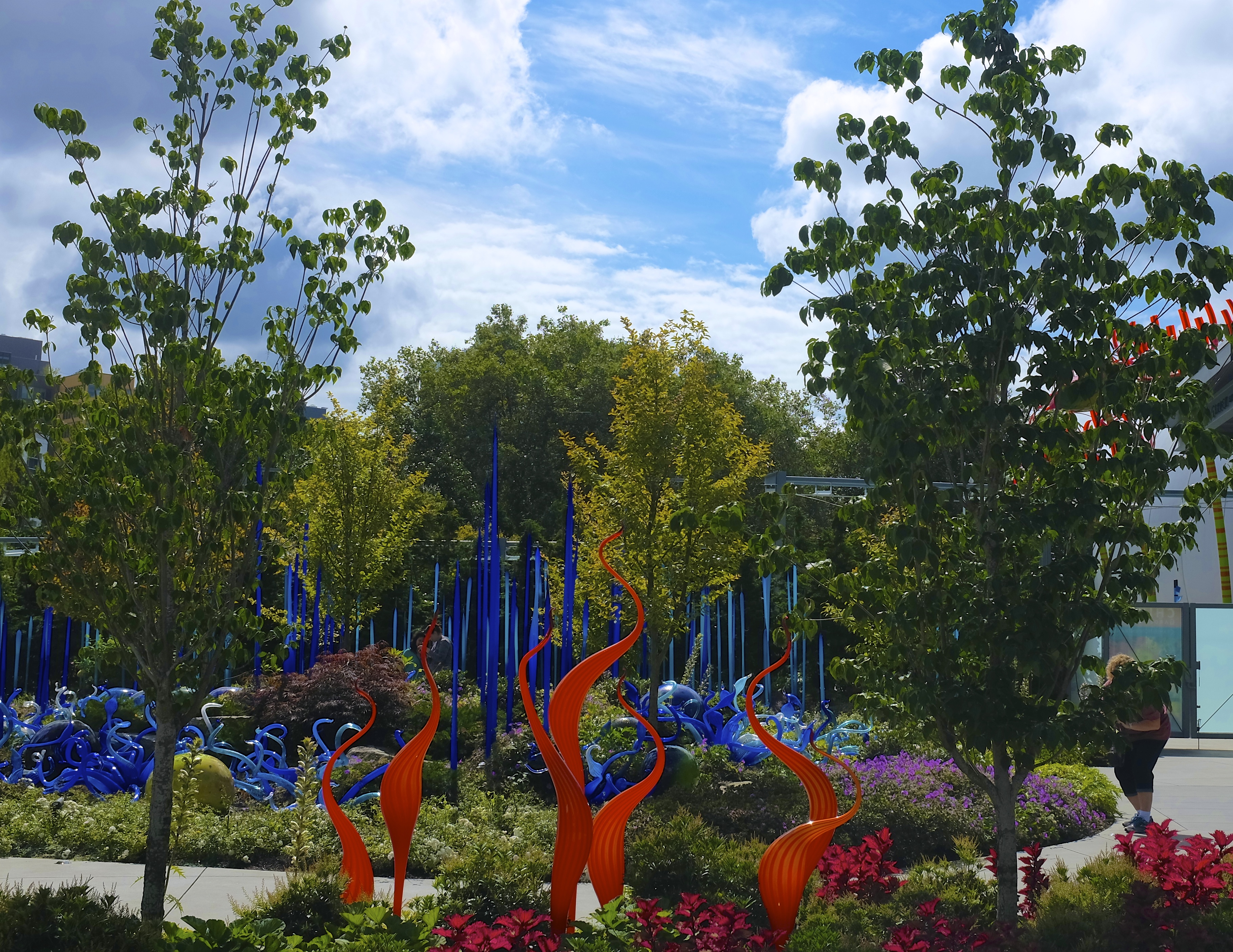
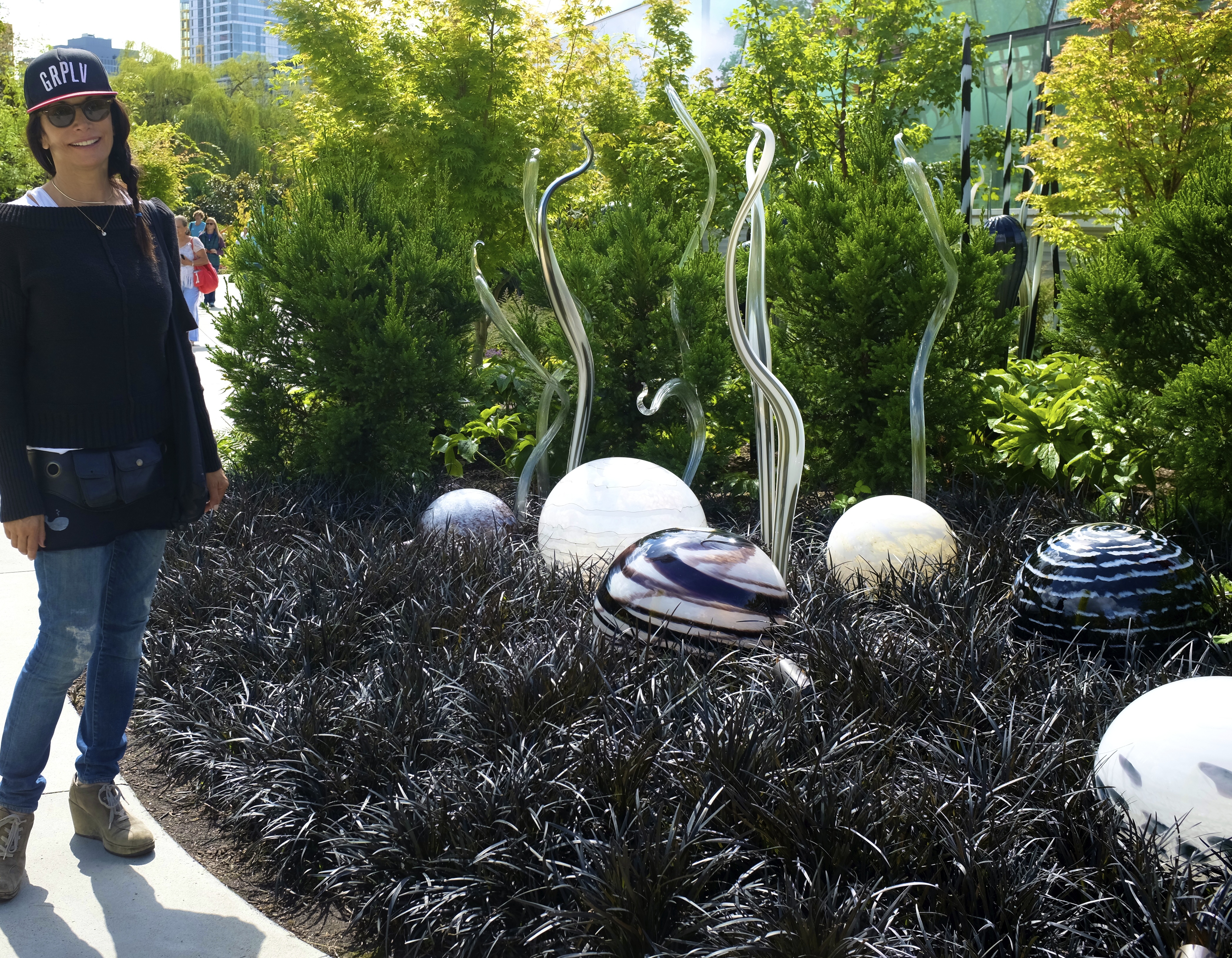
The exhibition includes indoor and outdoor spaces as well as a glass atrium. The pieces work perfectly to heighten the spirit of the environment.
In the first gallery is his basket series influenced by Indian baskets and tapestries with blown glass in them.
The other works are mostly floral motifs based on influences from his mother’s garden.
He has the ability to blend his work well with nature.
Dale Chihuly is renowned for his architectural installations in museums, gardens and public buildings throughout the world.
He studied at the first glass program in the United States at the University of Wisconsin and received a Fulbright Scholarship to study glass blowing in Venice. He established a program at the Rhode Island School Of Design and taught there for many years. An auto accident in 1976 caused him to lose eyesight in one eye. His injuries caused him to relinquish his actual glass blowing activities and continued developing his projects with his chief glassblower William Morris. He now presides over a company of artisans.
I would have loved to see his large-scale installation of Chandeliers Over Venice.
There were fourteen large-scale chandeliers hung over various sites in Venice. PBS did a video about it which runs from time to time called Chihuly Over Venice.
The Chihuly Garden and Glass opened in 2012 by the Wright family who own and manage the Space Needle to reinvigorate Seattle City Center.
The Collections Cafe which houses some of Chihuly’s collections has great food.
Though others may critique this idea, there is something magical to me about an artist who can no longer physically create his own pieces, but is able to see how far he can go with glass and show us his vision – with only one eye. http://www.chihulygardenandglass.com/m/
“Seattle is for people who love culture, but refuse to sacrifice their wild nature to attain it.” Kimberly Kinrade
Seattle is ranked the most literate city in the country. Everyone reads here. The Seattle Public Library system has the highest percentage of library card-holders per capita in the country.
The city has the highest percentage of residents with a college degree or higher.
Seattle is the birthplace of grunge, has summer rock concerts in the zoo, a Jimi Hendrix memorial and a Kurt Cobain memorial (his old house).
It was the first city in the US to play a Beatles song on the radio.
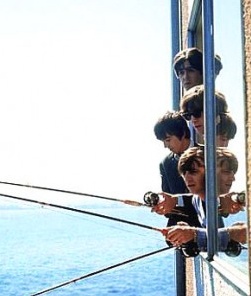
Edgewater Hotel is where the Beatles stayed on their first tour to America. It is the famous photo of them fishing from their room.
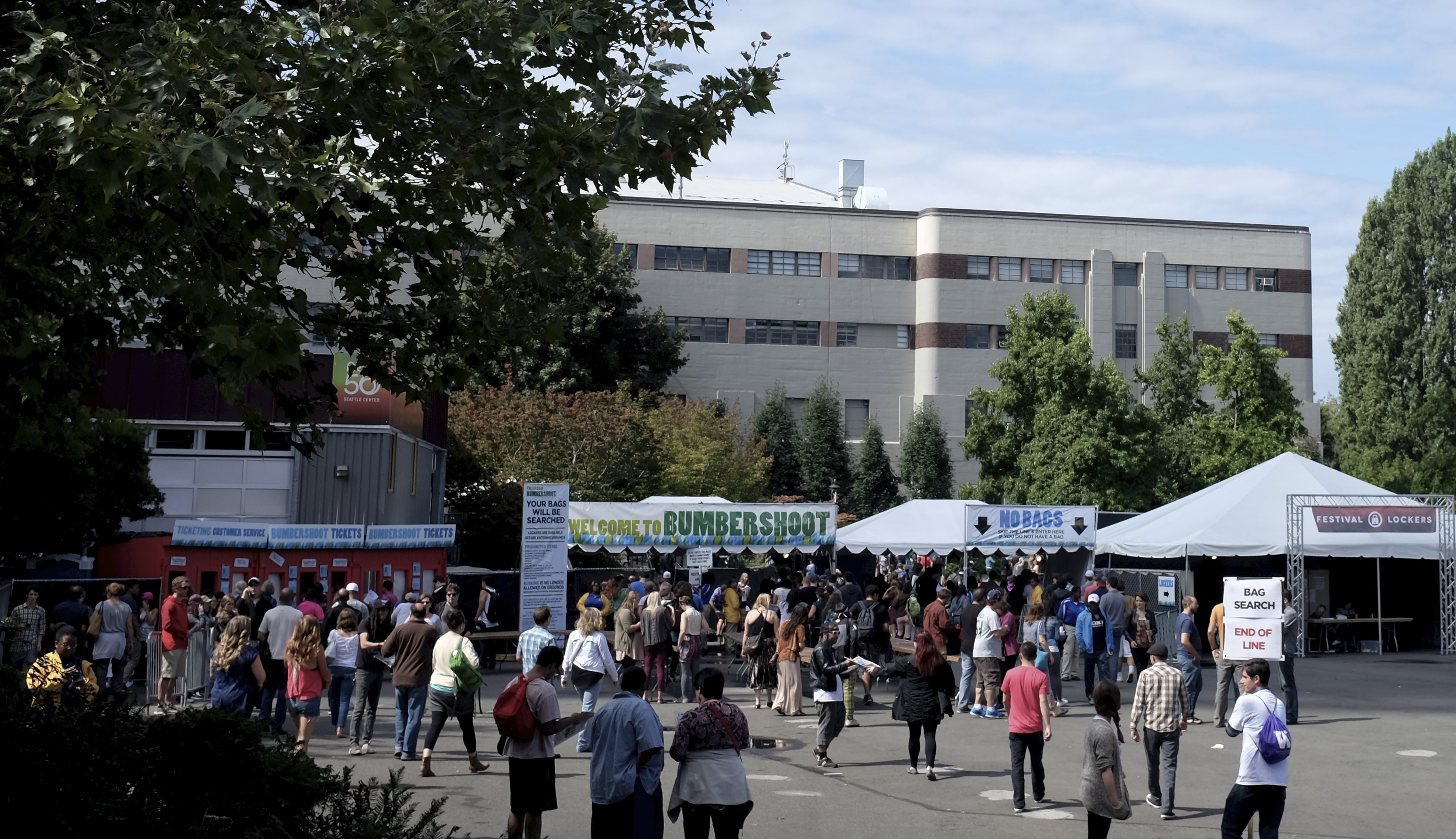
Bumbershoot is the music and art festival of the year for kids growing up in the Pacific Northwest.
The festival takes place over Labor Day Weekend. Bumbershoot means umbrella so you know that there will be rain. It is held near the EMP Museum and Space Needle so there is an eclectic mix of rockers and tourists around.
It’s all good. Especially because marijuana is legal in the state of Washington. You can definitely smell it. The law states that if you are over 21 and have an ounce of marijuana not open in a public place it is legal. You cannot smoke it anywhere cigarettes are not allowed. The police are still finding their way so be careful.
Seattle was the first American city to put police on bicycles.
The EMP Museum is dedicated to science fiction, music and pop culture.
The Experience Music Project was designed by Frank Gehry and created by Paul Allen who was one of the founders of Microsoft.
Seattle-based artists Jimi Hendrix and Nirvana have galleries there.
There are interactive music galleries that the kids will love. Play any instrument, dj or make a video.
Music videos are on constant loops through out the museum. (props from OK GO, This Too Shall Pass, my favorite music video).
There are impressive instrument collections as well.
The sci-fi and horror film section has something for every nerd. Even a non-fan will be impressed with the displays and technology.
Constructed on the grounds of the 1962 World’s Fair, the Seattle Space Needle was inspired in part by a flying saucer. With its domed top (always a rotating restaurant and observation deck) it has appeared in Sleepless in Seattle and Austin Powers The Spy Who Shagged Me.
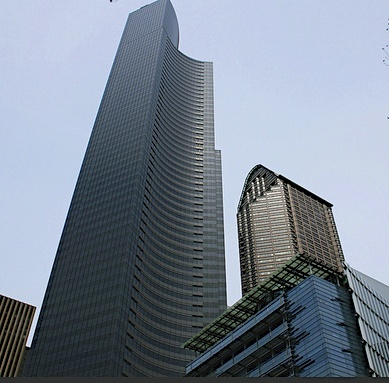
At 76 stories and 937 feet Columbia Center is Seattle’s tallest building and is 12th tallest building in the country.
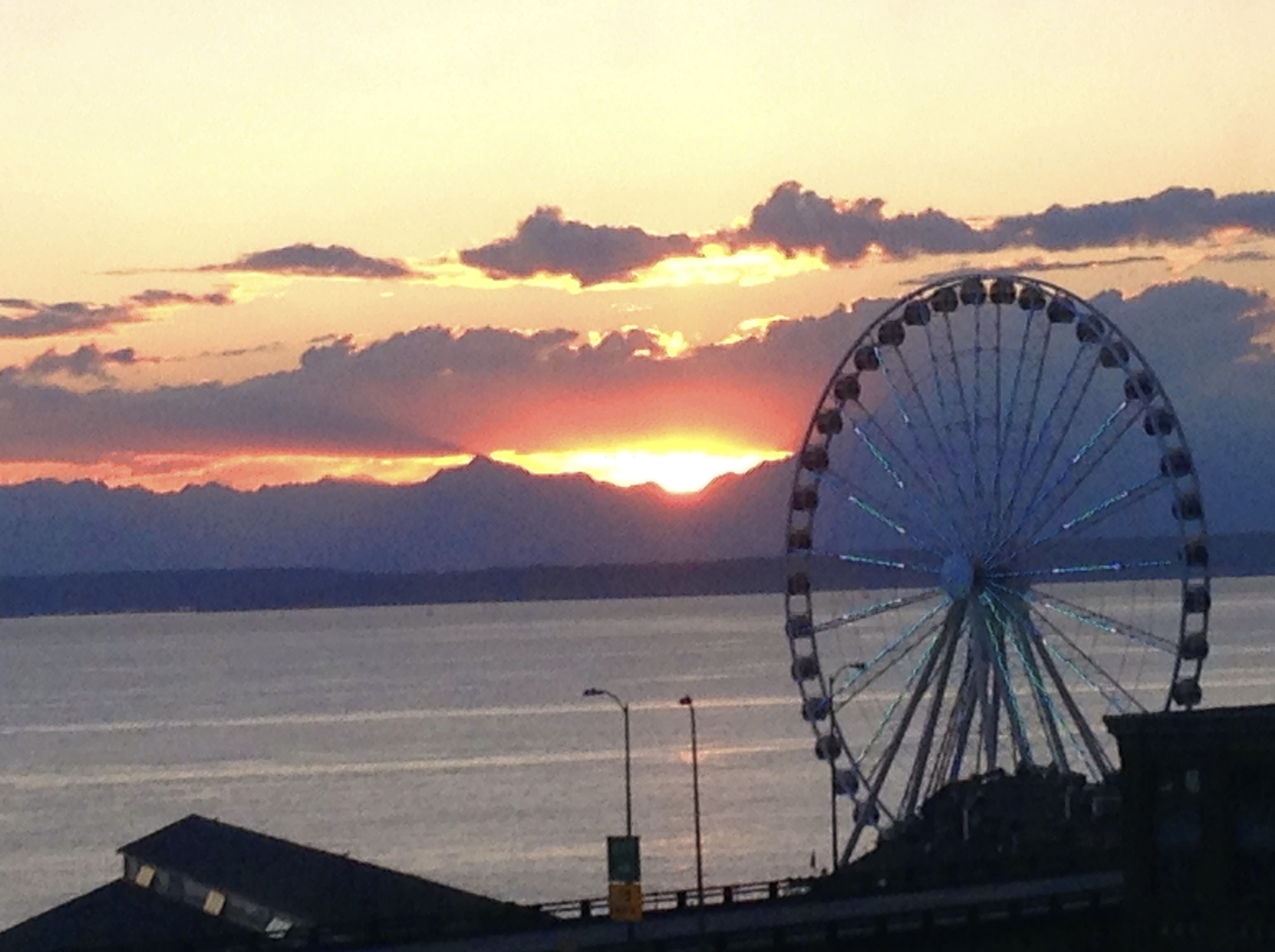
The Seattle Great Wheel built in 2012, is the largest observation wheel on the west coast. It is 175 feet tall and can hold up to 300 passengers at any time. The wheel is open year round. There are fully enclosed gondolas and a covered waiting area, so the rain can’t stop the wheel from spinning.
The world’s first gas station opened in 1907 on East Marginal Way in Seattle.
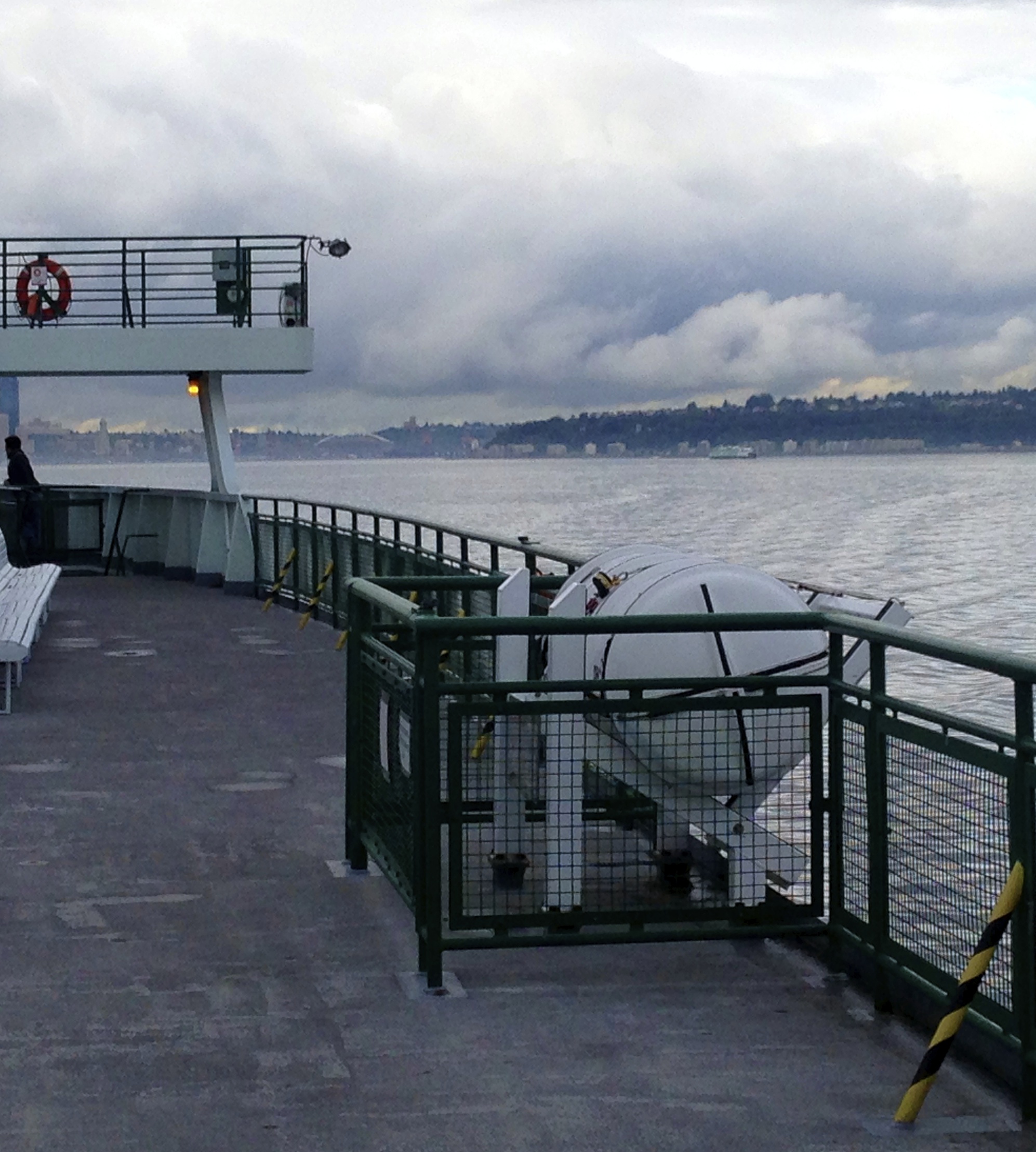
The Washington State Ferry System is the largest in the country and the third largest in the world, carrying over 25 million passengers annually.
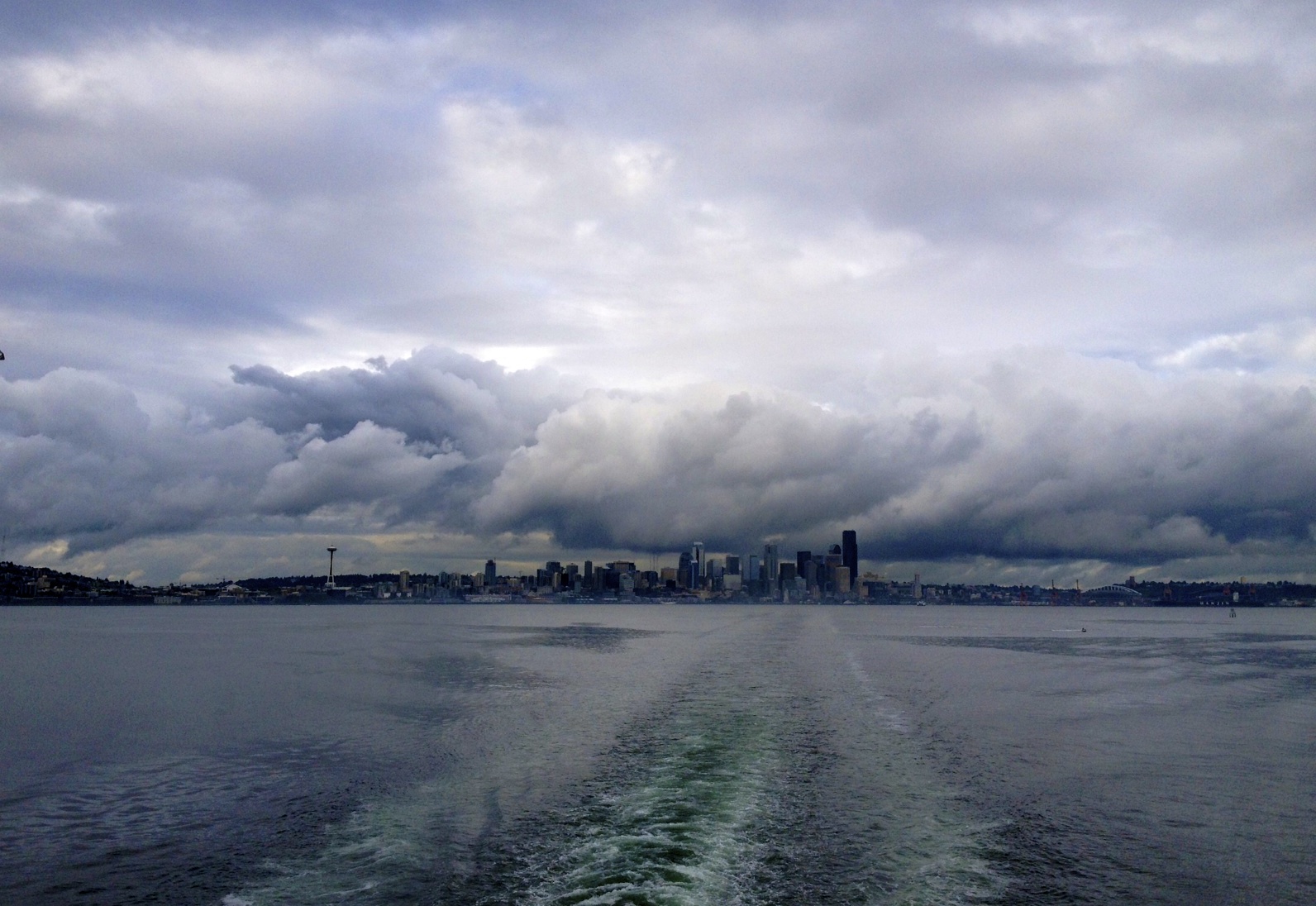
Seattle’s Pier 52 is the busiest ferry terminal in the U.S. It is a 35 minute ferry trip across Elliot Bay to Bainbridge island.
Bainbridge Island is almost 28 square miles, and has a population of just over 20,000. If you have the patience to wait on the ferry lines and bring a car over, it is a good way to explore the island. If you happen to be going to a wedding there, it is best to walk on.
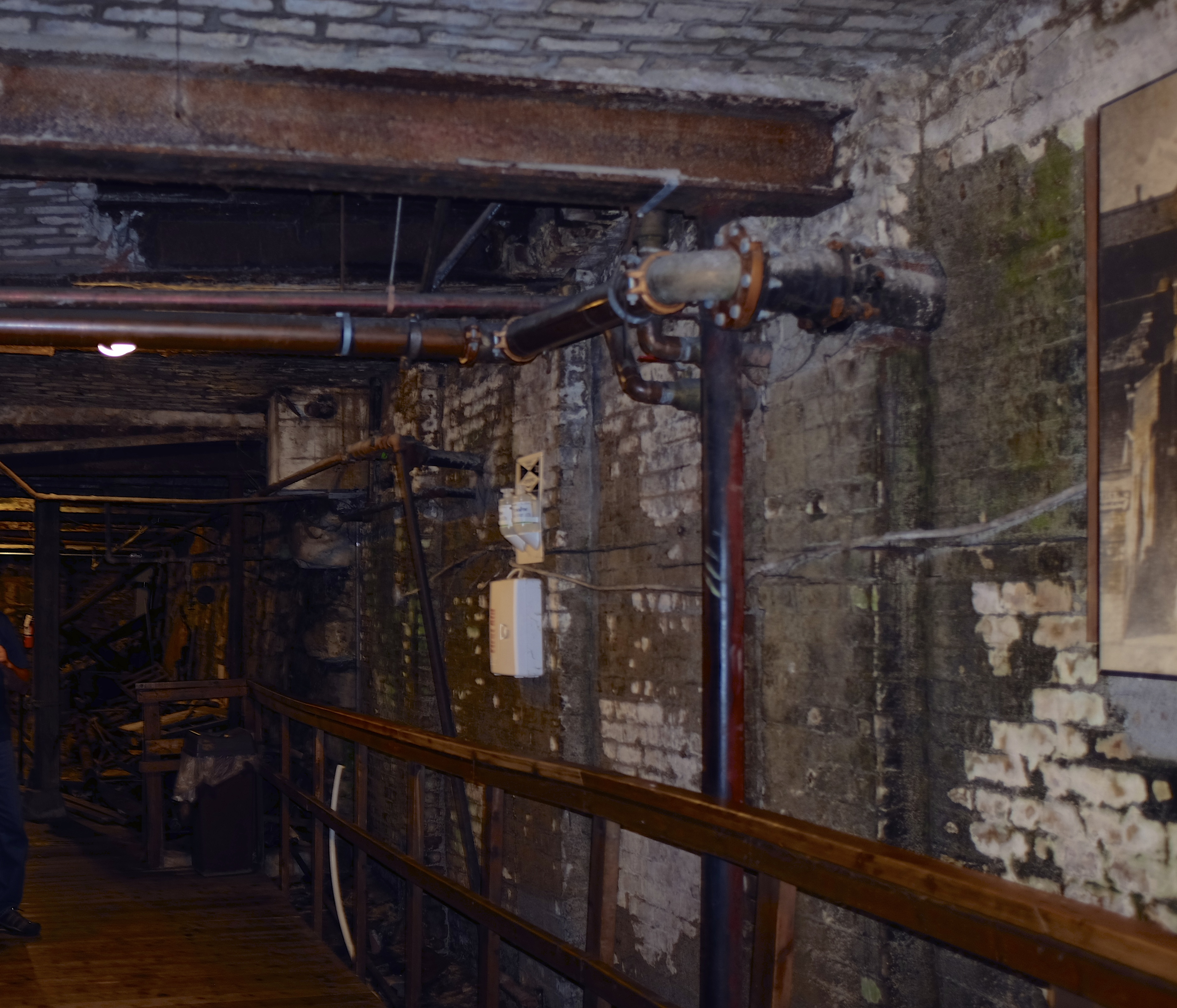
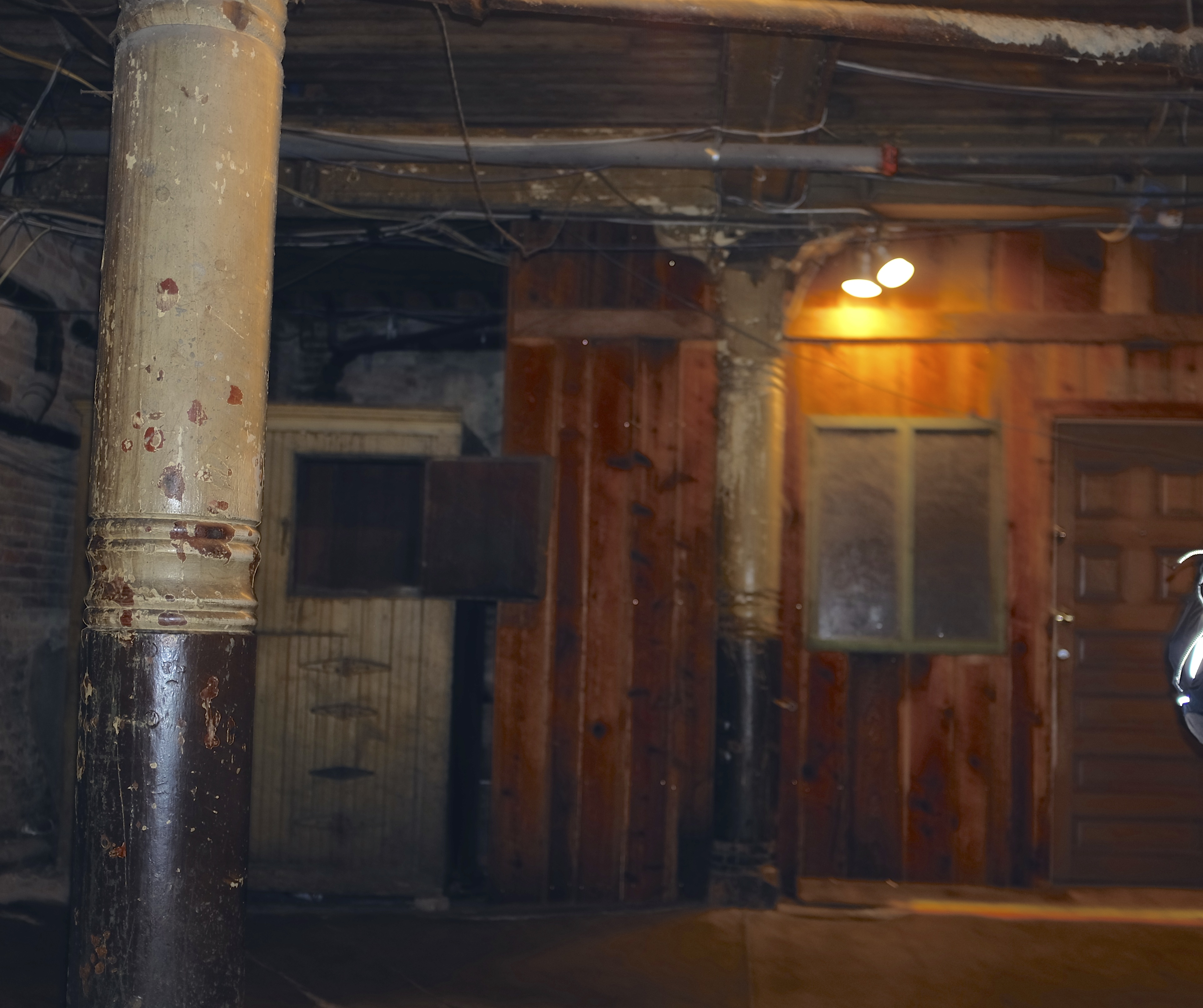
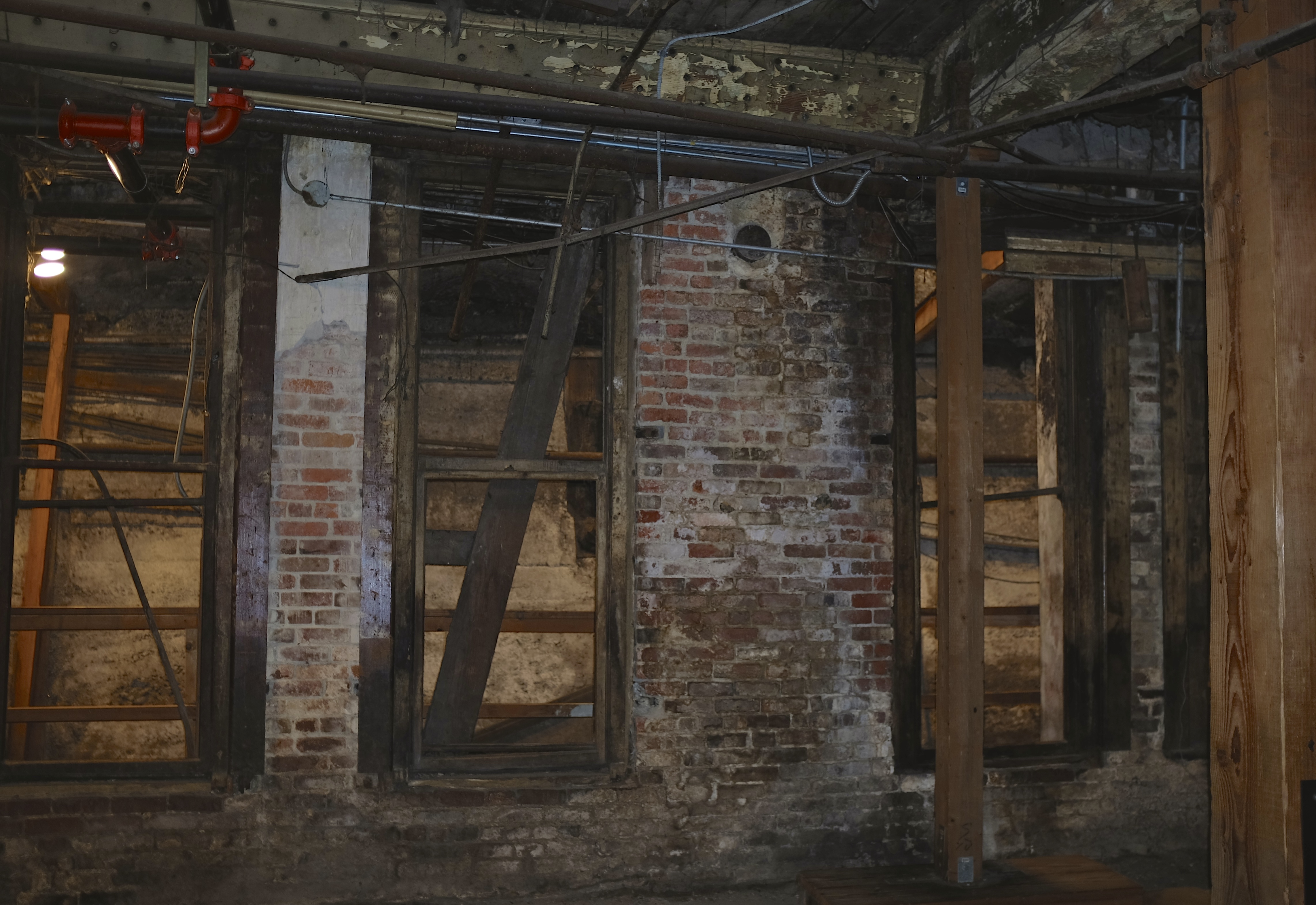
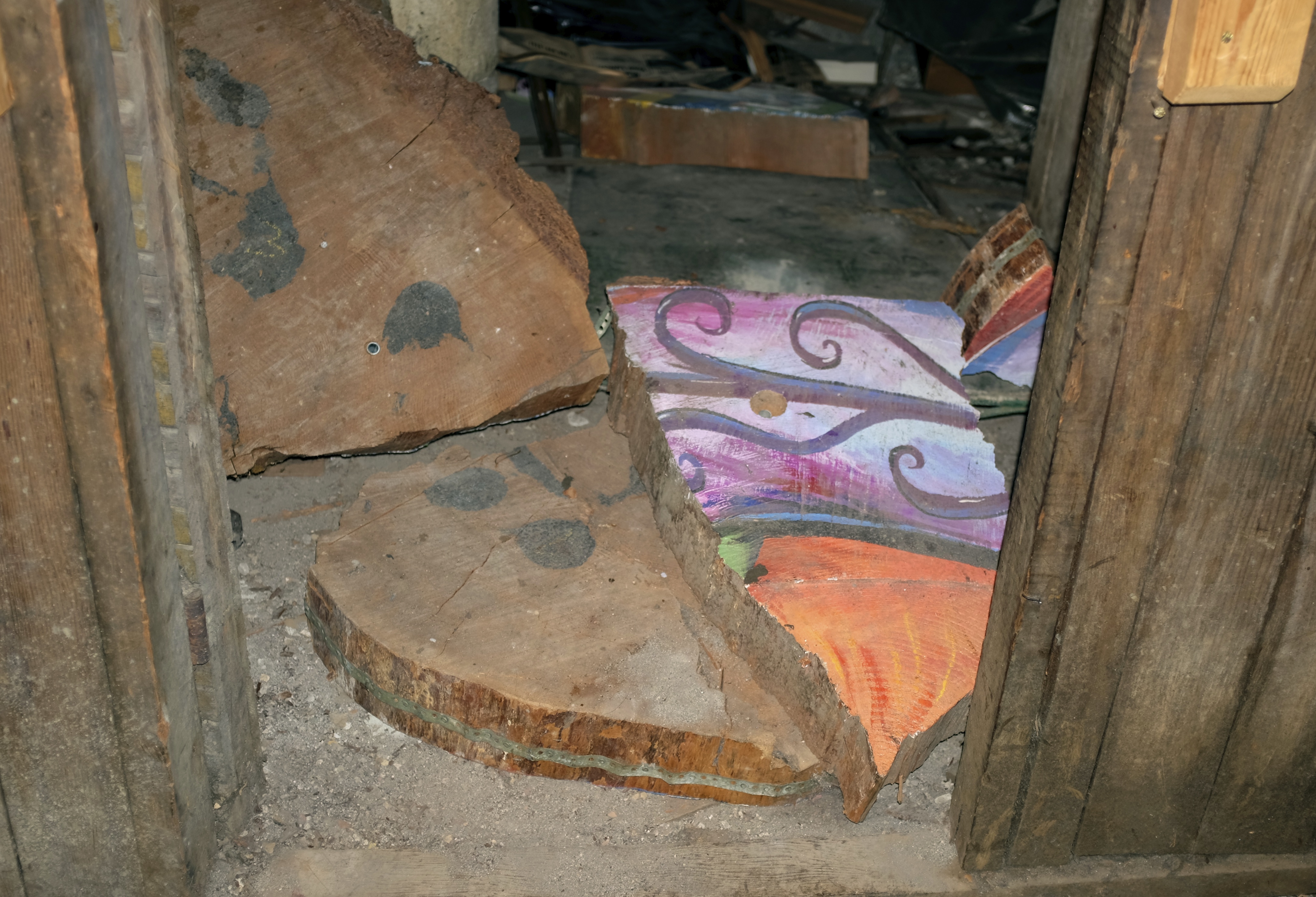
Bill Speidel’s Underground Tour in Pioneer Square takes you beneath Seattle’s streets where there were once roadways and storefronts.
The Underground Tour leads us through obscure doors and urine filled alleys.
This was the original area for saloons and brothels and “the sewing circle”- a group of ‘seamstresses” who knew “not to sew without a thimble”.
It was interesting to learn how the city was leveled and rebuilt after the fire of 1889 to accommodate constant flooding and poor sanitation.
Tales of rats and sewage are a big part of an underground tour if that is your thing. (Notice that the early water pipe is made from wood.)
Our tour guide was funny, informative and a great story-teller. There is a lot of history under those streets. http://www.undergroundtour.com
The Seattle Architecture Foundation does tours around Seattle. I was there on a day that they did a downtown tour. Check the website for the tour schedule. It was raining but being a frustrated architect I got to learn all about the architectural styles and public/private space buildings around downtown. Hearing the history from the underground tour and seeing the modern, beaux-arts and brutalist buildings pulled the Seattle story together for me. http://seattlearchitecture.org/tours/downtown-tours.
I always take advantage of a concierge at a hotel. Keith Dowsing at the Alexis in Seattle was especially knowledgeable, helpful and fun. Before I arrived he had taken care of great dinner reservations, tours and a hair appointment on a Sunday. He is the ultimate insider and knows everything going on in Seattle. He made my kids feel special when they arrived as well. He is a valuable resource and definitely added to my Seattle experience. Thanks Keith.
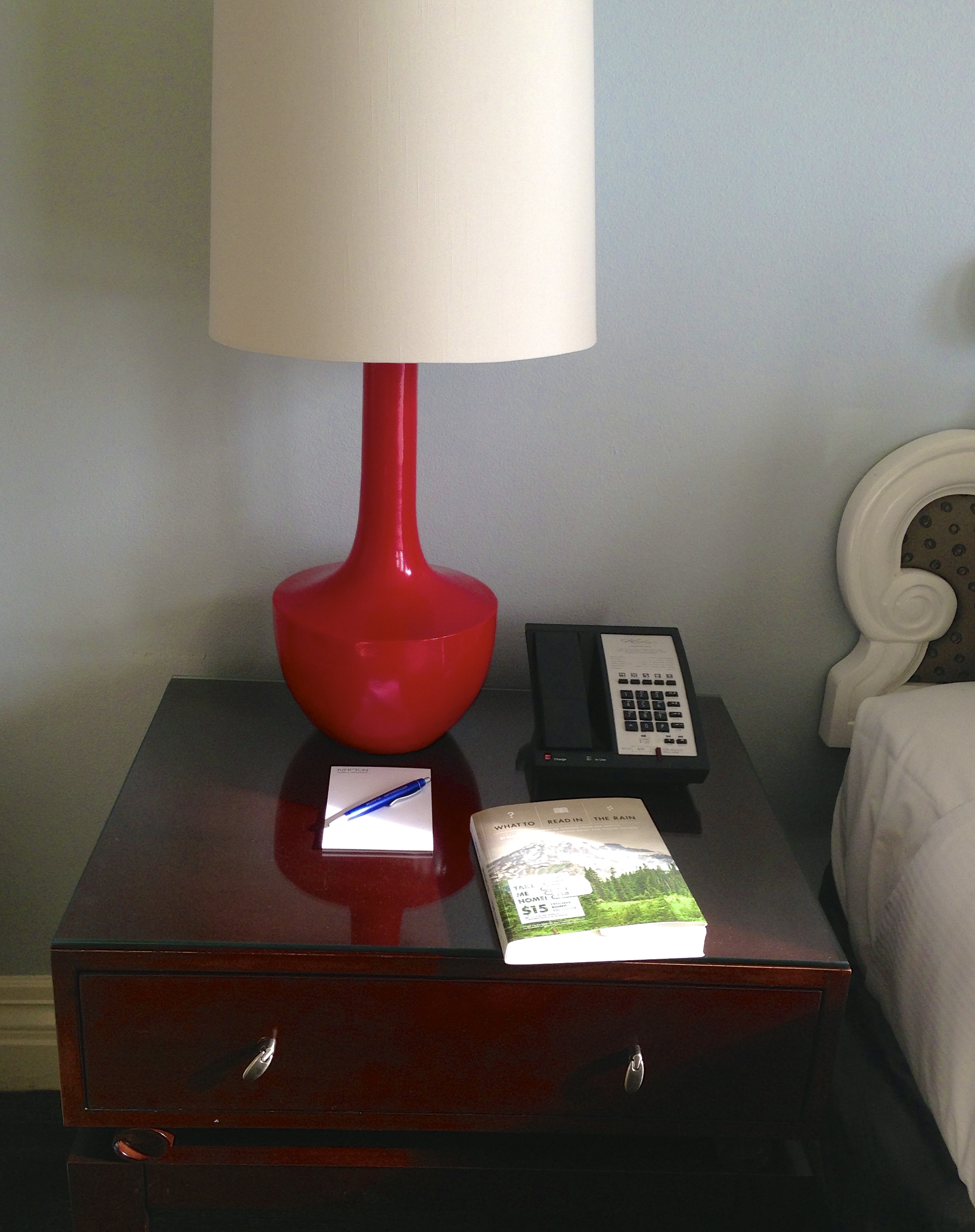
Another great thing about the Alexis is that on your night table there is a copy of a book for purchase written by students in the writing program at 826 Seattle. I volunteer in the writing program at 826 LA so I thought that was very cool.
People in Seattle are used to rain, always have a Plan B, don’t usually carry umbrellas, have plastic for their cameras and a good hooded rain jacket. I am not from Seattle and knocked into a lot of people with my umbrella and couldn’t take photos in the rain. Living in LA for so long I need to brush up on my weather skills.
Ten Things That Separate New Yorkers and Los Angelenos
“When its 100 degrees in New York, it’s 72 in Los Angeles. When its 30 degrees in New York, in Los Angeles it’s still 72. However, there are 6 million interesting people in New York, and only 72 in Los Angeles.” Neil Simon
Comparing people in NY and LA is like comparing apples (big) to oranges (they grow them).
1. If a person in NY says they hate you, they hate you. If a person in LA says they like you, they hate you.
2. Women in LA like to be “healthy”. They are tan ,(usually fake) do juice cleanses, eat kale and hike in the canyon. Women in NY like to look pale, very skinny and on the verge of death.
3. In LA, you are judged by the car that you drive. In NY you are judged by your address. No one actually has to see your apartment, but where you have chosen or can afford to live is who you are.
4. People In NY eat dinner late. People in LA eat dinner early because they have to go to the gym in the morning before work.
5. LA could be burned to the ground at any time or destroyed in an earthquake. New York could be under water or snowed in. So be correctly prepared.
6. People in LA seem tired and move slowly (unless they are jogging or power walking). People in NY always act like they had an extra cup of coffee that they didn’t need.
7. People in NY hang out with interesting, motivated people. In LA they hang out with the people they grew up with.
8. The car is still king in LA though they are trying very hard to improve the public transit system. So don’t text or pick your nose while you are driving. In NY most people cannot afford to park their cars so public transportation is the norm. Keep your head down, avoid eye contact and grab that seat before someone else does.
9. In Los Angeles, they know how to make a good salad. In NY, they know how to make a good bagel, pizza, egg roll with duck sauce and cannoli.
10. People in LA are always between projects. People in NY better be doing something with their lives.
“People who insist on dividing the world into ‘Us’ and ‘Them’ never contemplate that they may be someone else’s ‘Them’.” Ray Davis
Donald Sterling said he was not a racist after making racial slurs. This made me wonder how you decide if you are a racist. I took some online tests. According to the internet, I am not. But I already knew that.
The more serious question for me as a“tolerant” liberal is, am I prejudiced? And if so against who? There was a period in my life where I would only have pretty friends. Was I vain and shallow or prejudiced against ugly people? My daughter told someone I would never have a fat dog. Does that make me a bigot where fat dogs are concerned?
In Germany, I loved the beer, sausages, pretzels, art and scenery. But I did find myself looking at groups of older Germans picturing them in Nazi uniforms saying Heil Hitler. Do I discriminate against old Germans?
Growing up in New York City, I was surrounded by different immigrant populations. I heard many foreign languages daily. In fact, my friend and I would often converse on the subway in a made up language and watch people try to figure out what we were speaking. I have lived in LA and Miami so I am very comfortable around Spanish-speaking people. But how would I feel at Anderson Cooper’s family reunion (according to not reliable Wikipedia his ancestors have been here for a long time)? Does that qualify as a prejudice against non recent immigrants or people who were here before the Civil War?
I think I would probably be fearful visiting a small town in the South or Middle America alone. Would that make me intolerant toward Americans who don’t live in big cities?
I love intelligence, hate math, like creative types, dislike politicians and hate divorce. Does that make me biased against stupid people, people who leave their families, mathematicians, people with boring jobs and the government?
Many Americans have a bias against the elderly. Was I one of them? My mother once told me that people talked down to old people so I try to be aware of that. I’m getting older. Now I look at them and think which one am I going to be? I’m definitely nicer now that it concerns me.
What about unconscious prejudice? Those are cultural lessons that we have learned over a lifetime. They can be passed on by mass media, parents, peers and other members of society.
Children as young as three can pick up prejudice without even knowing what it is. When my son was six he brought a New Kids On the Block lunchbox to school. Some of the older kids teased him and called him a faggot. He came home crying. I explained it as a very unkind word to my six-year-old. My three-year old daughter heard all of this. A few days later, an adult friend who she adored said he couldn’t come to her birthday party . She was upset and angry. She thought of the most unkind word she could think of, the one that made her brother cry and she called him a faggot. He happened to have been gay and though I tried to explain it, he never spoke to us again.
As a Caucasian person, I see racism in America as much better than when I was growing up. But the African-American , Latino, Gay, and Muslim communities say different things. So I listen, read and learn more. I try not to walk in their heads with my dirty feet as Leo Buscaglia would say. I keep traveling. The further out of my comfort zone I go, the more tolerant my world becomes. The tolerance along with education and understanding, is the beginning of acceptance.
How To Tell If Someone You Know Was Born And Raised In New York
“The city is uncomfortable and inconvenient; but New Yorkers temperamentally do not crave comfort and convenience – if they did they would live elsewhere.” E.B. White
New Yorkers don’t wait for a street light to turn green to cross the street.
They don’t go to the corner to cross.
They don’t know what a cross walk is.
They walk fast and they walk everywhere. Unless it is raining, then try to get a taxi. You won’t.
New Yorkers talk fast. They might interject a comment if they overhear a stranger’s conversation and then walk on by.
They talk loud – sorry, they speak loudly. Don’t judge them. Remember that they grew up in the noisiest city in the world.
They don’t necessarily believe that one person needs to talk at a time. It is a cultural thing.
They honk their horns in traffic.
New Yorkers avoid eye contact when walking down the street.
They don’t smile on the street.
They appear rude but really they are assertive. Some are rude.
They immediately check for their wallet when someone bumps into them.
People from New York follow baseball and basketball.
They never give directions saying North, East, West and South. It is always street names or Uptown and Downtown.
They hail passing taxis with their hand instead of calling for one.
They think every city has cruising taxis and are very surprised when they don’t.
They never give an exact address in a taxi. They just say eighteenth and first.
New Yorkers ignore crazy behavior. Homeless people, prostitutes, transvestites, cross dressers, lunatics and street performers are all part of the scenery.
They are surprised when restaurants close at ten.
Unless they are in Italy or New York, they complain about the pizza. They eat it while they are complaining.
They also complain about the Chinese Food and the bagels anywhere but New York. They eat it anyway .
People from New York avoid restrooms in parks and subways.
They don’t go to Central Park at night unless it is for a concert or performance in the park. They always leave with the crowd.
They know the difference between a bad neighborhood and a neighborhood that just looks bad.
They are surprised that you didn’t know that the Empire State Building changes colors at night.
They are surprised that you didn’t know who won the Tony Awards.
New Yorkers avoid Times Square unless they are going to the theatre.
They use the letter R inappropriately or not at all.
They read the obituary column to find apartments.
They are not afraid of cockroaches. (They are afraid that the ones who live in their apartments know too much about their lives).
They always look for rats on a subway platform. They are afraid of rats.
They have a New York accent. Like New York garbage, it is always there. No matter how long you have been away or how much you try to disguise it, it always slips out so fuhgeddaboutit.
They are very proud to be from New York or “the city.”
























 Travel Well, Fly Safe
You must be logged in to post a comment.