
Museo de la Memoria Y Los Derechos Humanos (Museum Of Memory And Human Rights),Santiago, Chile
“Dictatorships are never as strong as they think they are, and people are never as weak as they think they are. “Gene Sharp
I don’t get it. I never get things like this. Maybe I am just not that smart. From what I remember Salvador Allende was the first Communist president elected by a Democracy. The American government did not like this. They did everything in their power to get him out. It is beyond the realm of my knowledge as to why America needed to do this.
Chile started having big economic problems because of the actions by the American government. They withdrew aid from Chile and trade was limited or refused. Chileans workers began strikes.
On September 11, 1973, an American backed coup lead by Augusto Pinochet took place. President Allende committed suicide in the presidential palace as opposed to surrendering and the seventeen year military reign of terror began under the dictatorship of August Pinochet. (poem about the memory of suffering)
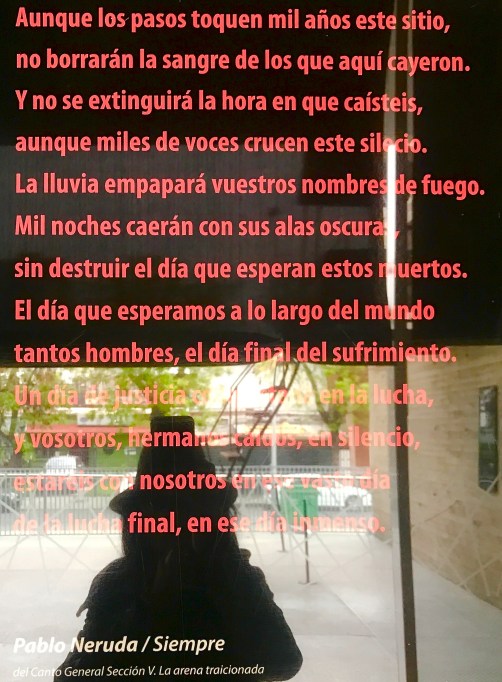
This Museum of Memory and Human Rights tells the story of the abuses and disappearances carried out during this time. It’s estimated that 40,000 people were tortured or executed during this period.
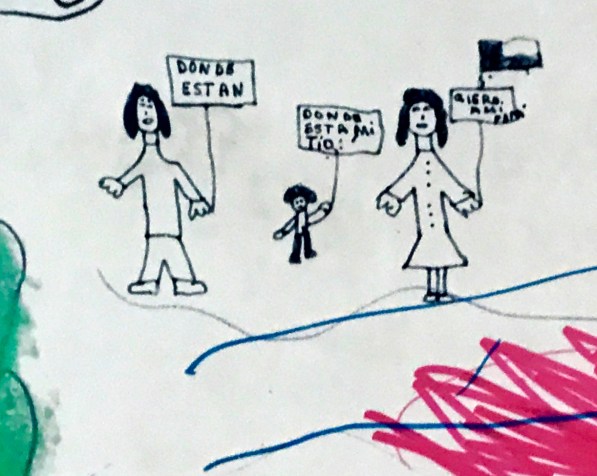
I get the English Audio tour and walk through seventeen years of “ forced disappearance” murder and torture of anyone who was believed to be against Pinochet. Anyone includes women and children.
I listen to Pinochet’s speech as he takes control of the country. It is oddly familiar. It sounds like Trump has been taking notes from Latin American dictators. It Is the Latin American cult of personality, rage against the elite, unbridled machismo, an acerbic disregard for the rules—coupled with an apparent willingness to break them at nearly any cost that characterizes their dictators. As we enabled Pinochet to create this reign of terror, Trump had enablers in America for his rise to power.
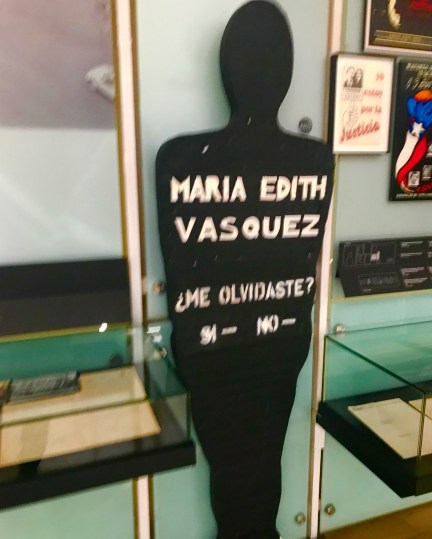
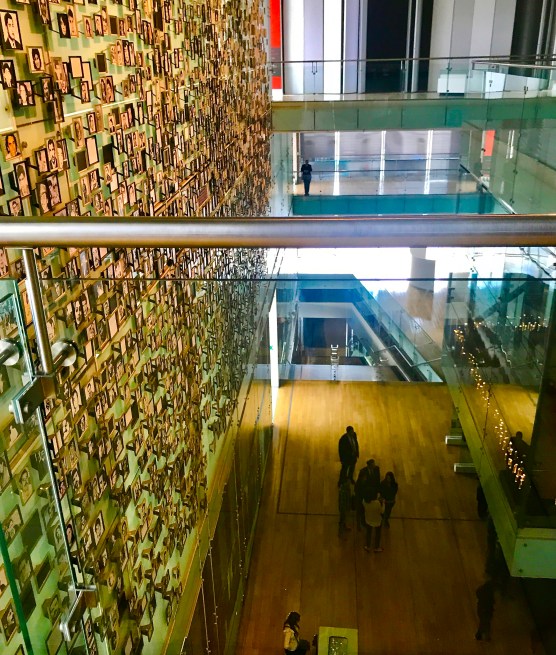
There are excerpts of newspaper headlines from the state-controlled media at the time, video, personal accounts, photographs and memorabilia. The museum increases cultural awareness of the thousands of residents impacted by persecutions, imprisonment and torture during Pinochet’s rule. The museum pays tribute to the thousands of lives lost between 1973 and 1990 through photographs of victims, video coverage of protesters and a host of legal documents, letters and artifacts .
It was surprising to learn that not everyone in Chile believed that Pinochet was a dictator. In government documents and in schools, they call this era the “military government” rather than a“dictatorship”. When Pinochet died in 2006, he was not granted a state funeral (awarded to elected officials) but did have an official military funeral where 60,000 people turned out to pay their respects. The Chilean government has never come out and said that Pinochet’s government committed war crimes. They admit that people were killed, but they don’t consider this to be more than was necessary to bring peace back to a divided country.
The glass and copper building that houses the museum was designed by acclaimed Brazilian architect Marcos Figueroa and is dedicated to all human rights abuses through out the world.
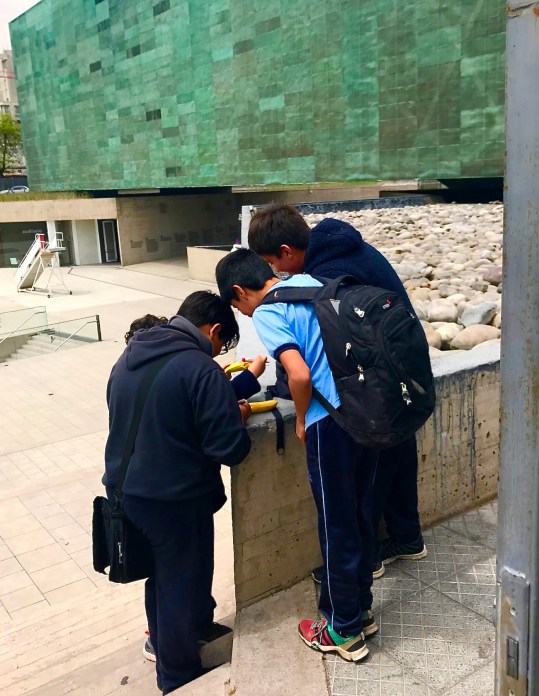
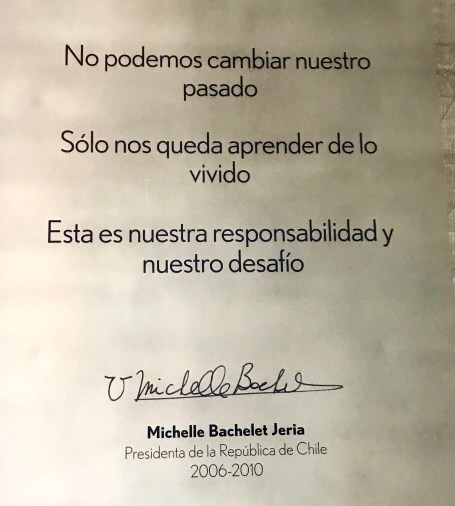
As with all museums of horror and terror throughout the world, it is filled with the country’s teen age schoolchildren. The hope is that these frightening, chilling stories will enlighten these future adults and broaden their perspective of the world so it does not happen again. (We are unable to change the past, It is our responsibility to learn from it)
Fly safe,
JAZ




 Travel Well, Fly Safe
You must be logged in to post a comment.