Things I Have Learned In Okinawa And Hiroshima

“If I had known they were going to do this, I would have become a shoemaker.”

Albert Einstein

Things I Have Learned in Okinawa and Hiroshima

Driving on the Okinawa Expressway in the rain is like driving anywhere else in the rain.

Japanese Navigation

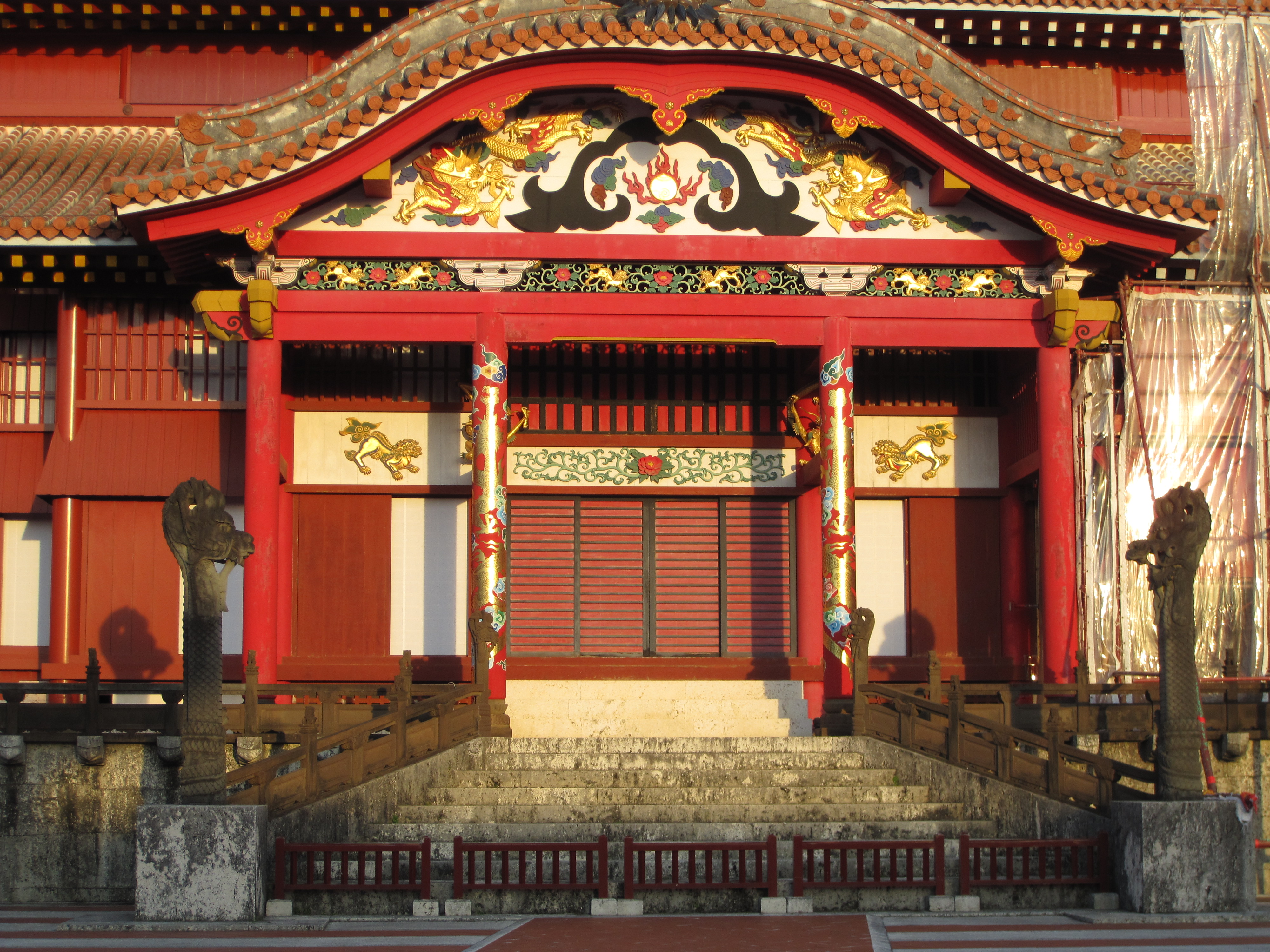
Touring Shuri-jo Palace in Okinawa one must follow the signs that say “usual route.”  What is the unusual route?
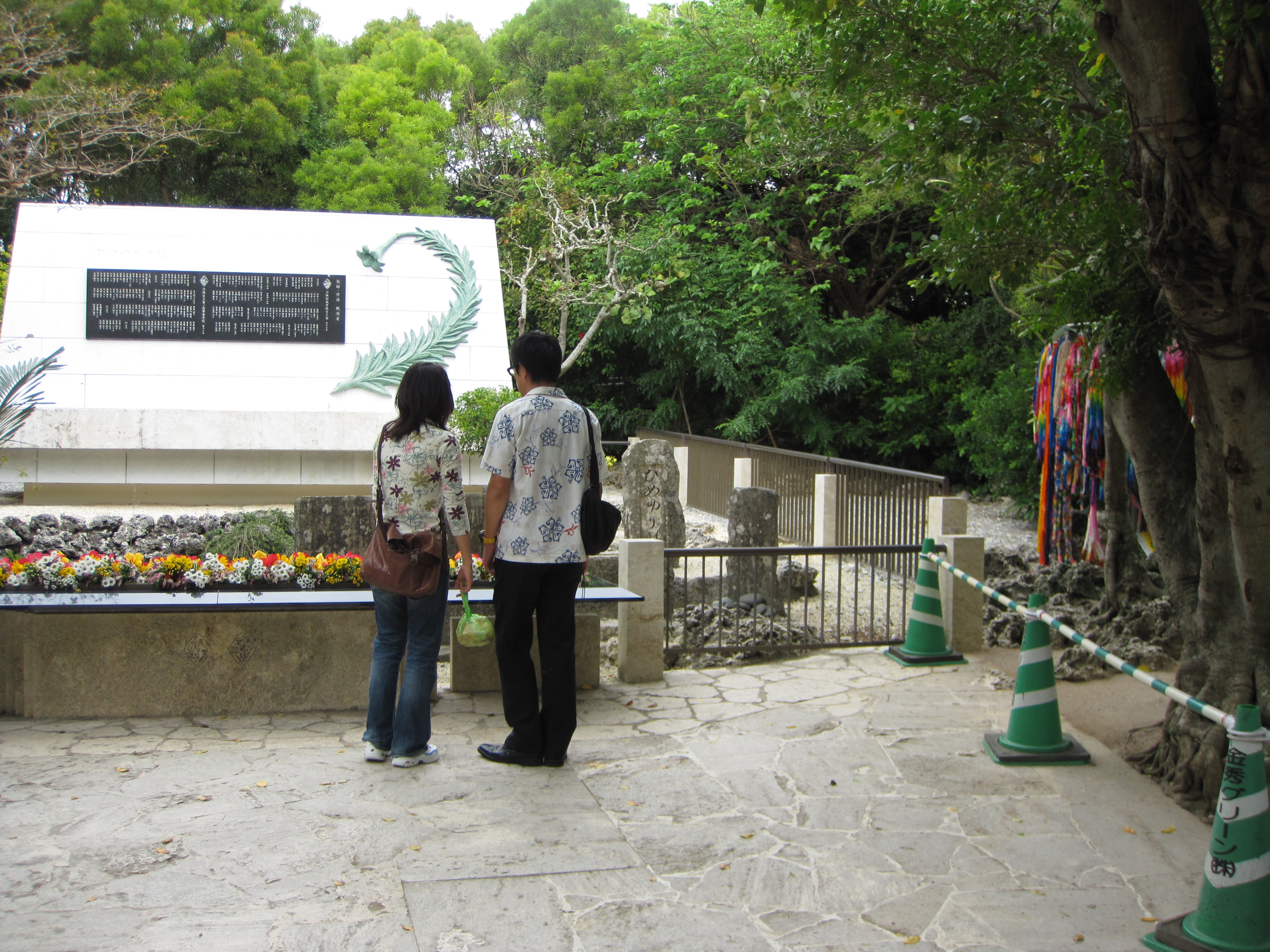
One of the hardest things to see was the Himeyuri Peace Museum in Okinawa.In the face of the American invasion, the Japanese forces stepped up the nurse training in the local high schools. Three hundred and two high school  students (mostly girls) and twenty one teachers were deployed to the front. They were told they would be working in hospitals but ended up in hospital caves with very bad conditions. There was no legal basis in Japan to use young girls for military purposes. On June 18th 1945 the Japanese forced the young girls out of the caves to fend for themselves against the American attack.  On June 23 the Japanese resistance ended. In those five days, 219 of them were killed. The museum is a model of one of the high schools that the girl’s came from. High school students from all over Japan come to pay their respects.

I was the only foreigner in the museum with alot of high school kids from Japan. I was looking at the photos  of the girls and was standing next to an old woman. She started to talk to me but I didnt understand so I found someone to translate. (not so easy to do in this museum).  We were standing in front of a picture of her daughter.  Two strangers became two mothers  looking at the ultimate tragedy.
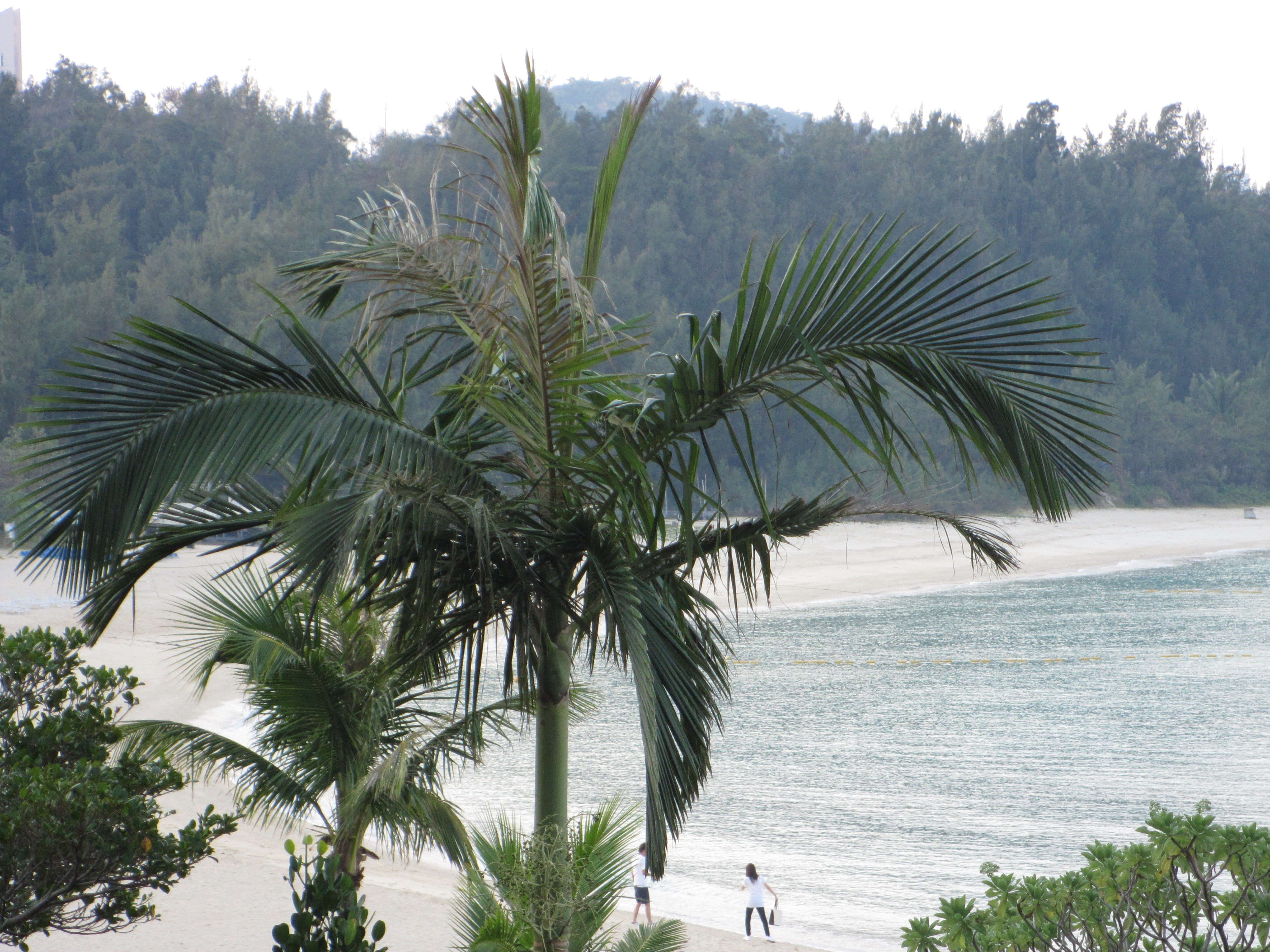
Busena Terrace in Okinawa is the Grand Wailea/ any resort in Hawaii. Naha looks like Lahaina  . You can always find the American servicemen and their families at the Mcdonalds.
The Japanese and the Koreans were just as bad to the Okinawans as the Americans in WW2.

Okinawa Aquarium contains the largest fish tank in the world according to the Guinness Book of World Records.

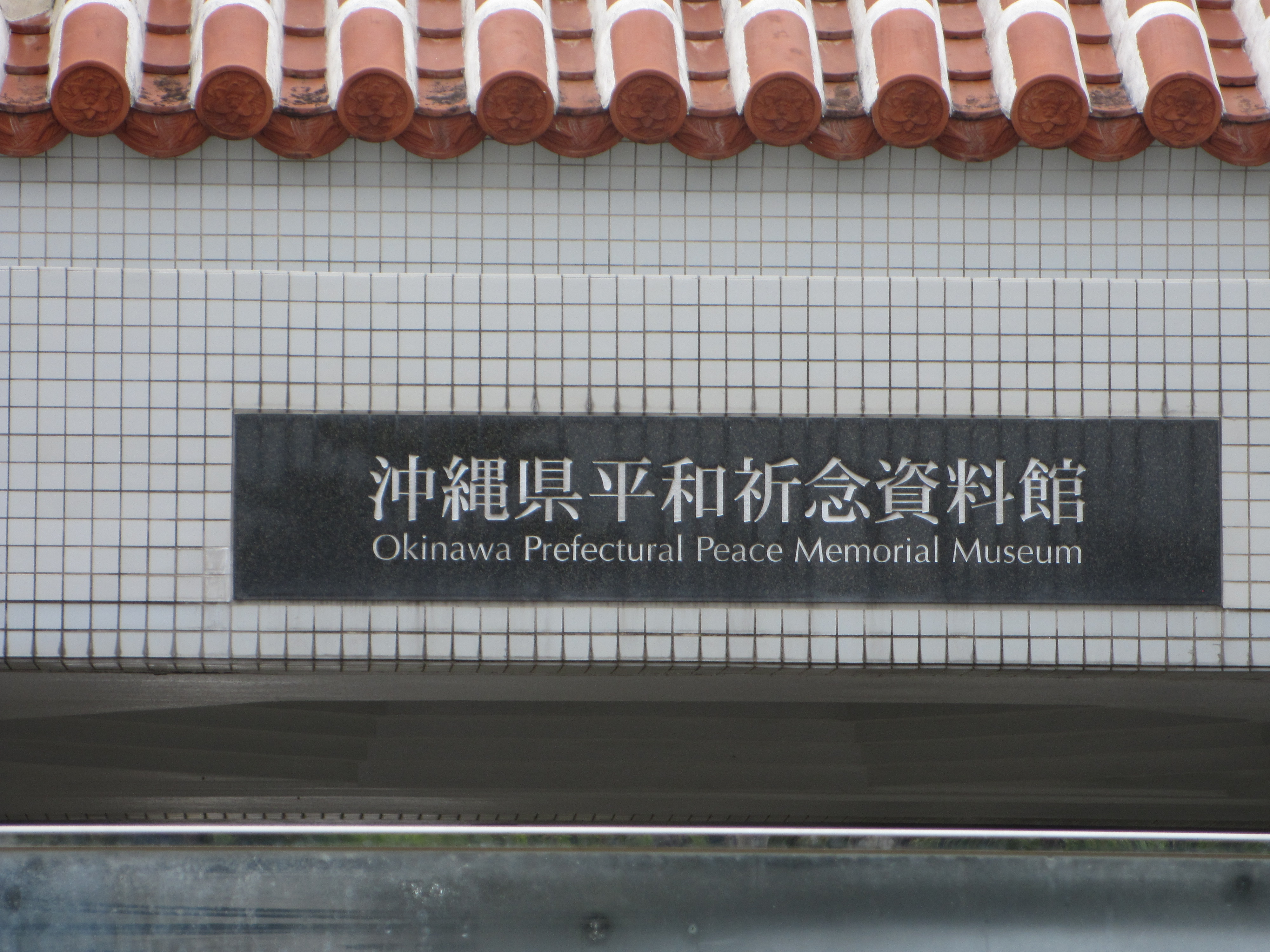
The Okinawa  Peace Museum is a memorial dedicated to the 200,000 people who died in the Battle of Okinawa. It is located in the south part of the island where the heavy fighting took place.  Over 100,000 were civilians and 12,500 were Americans. The civilians died from shellings, suicides, starvation, malaria and retreating Japanese troops. It was the largest campaign in the Pacific.  The lesson of the memorial is  the “Okinawan Heart”  that rejects any act of war, mourns for those who died in the war, passes on the stories of their struggle to future generations  and remind us of our humanity.
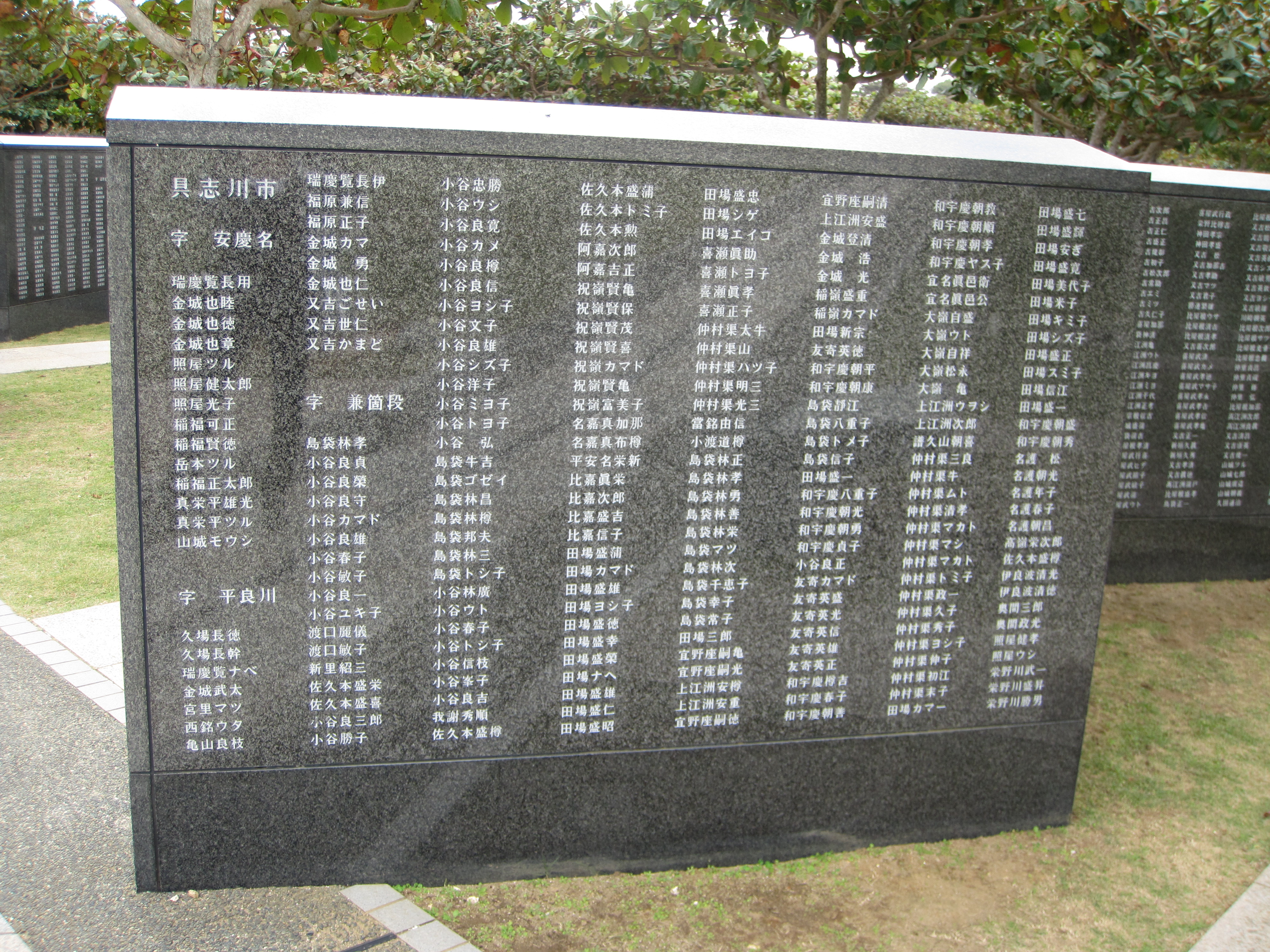
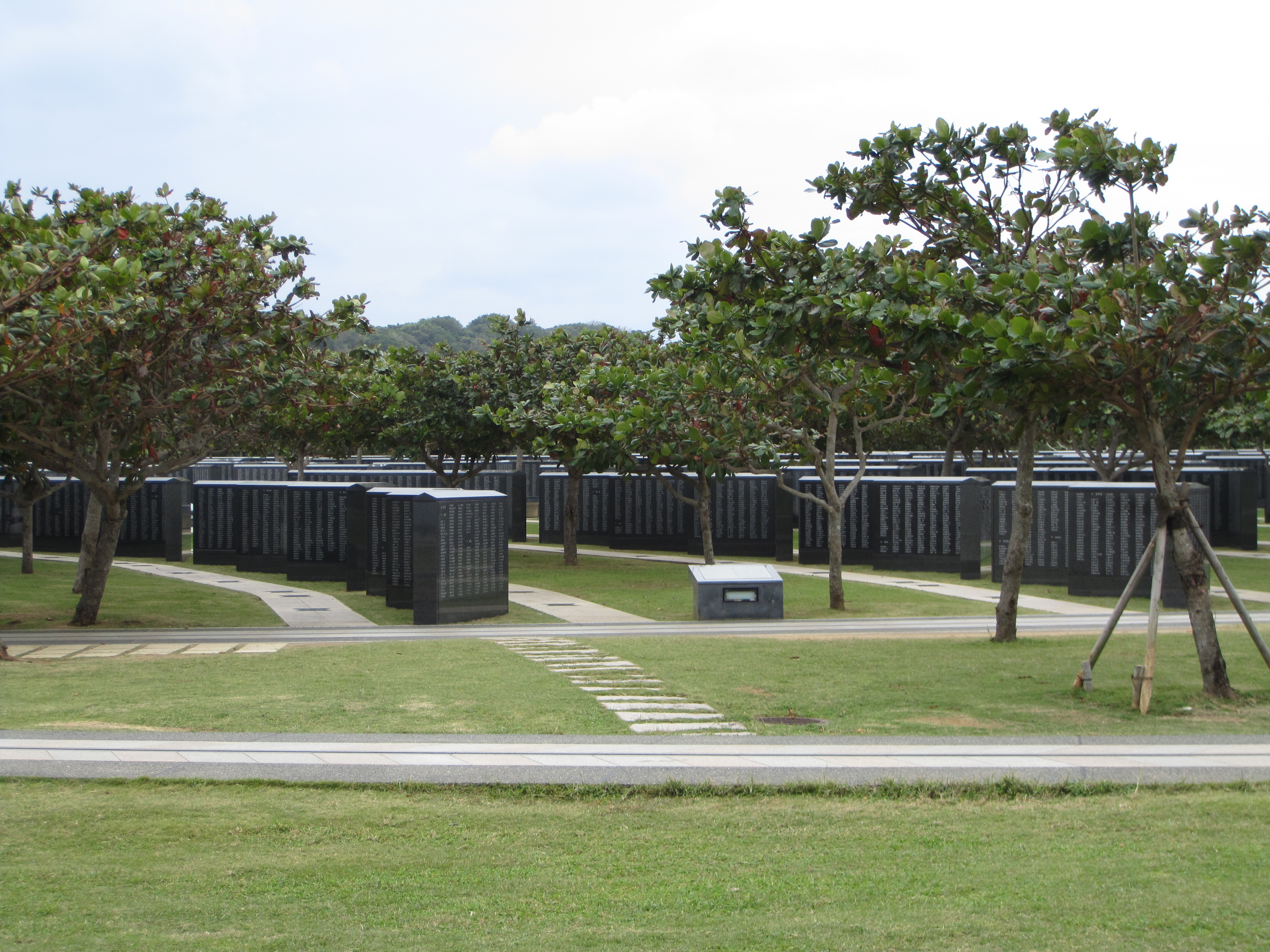
Other monuments in the park include the “Cornerstone of Peace”, a collection of large stone plates with the names of all fallen soldiers and civilians, including Koreans, Taiwanese, Americans and British.
After WWll , Okinawa was under United States administration for twenty seven years. They established numerous military bases on the Ryuku Islands.  In 1972, the islands were returned to  Japan but the US has maintained a large military presence. There are about 50,000 Americans  in Okinawa (including family members). There is protest from the Japanese and the Okinawans about the large American military presence there. They are trying to resolve it with a modified plan.

“As the bomb fell over Hiroshima and exploded, we saw an entire city disappear.  I wrote in my log the words”My God what have we done? ”The death was up to about 150,000 There were 76,000 buildings in the city at the time and only 8%  of them remained intact after the bomb explosion. The bomb affected an area of around 13 square kilometers and turned that into ruins.”

The closest surviving building to the location of the bomb’s detonation  in Hiroshima was designated the Hiroshima Peace Memorial.

After the bombing, Hiroshima began to receive donations of streetcars from all over Japan. (After World War II, Japanese cities – like British ones – wanted to get rid of their streetcar systems due to damage to the infrastructure)  Hiroshima  rebuilt its streetcar system along with the rest of the city.   Hiroshima is now  the only city in Japan with an extensive streetcar system (although other cities have streetcar lines). Some streetcars that survived the war – and the nuclear attack – were put back into service, and four of these are still running today.

Hiroshima has now became a center of the movement for world peace and reduction of nuclear bombs, which is commemorated at the Hiroshima Peace Memorial. The city government continues to advocate for the abolition of nuclear weapons . They write a letter of protest every time a nuclear weapon has been detonated anywhere in the world. In 1949, Hiroshima was proclaimed a City of Peace by the Japanese parliament.
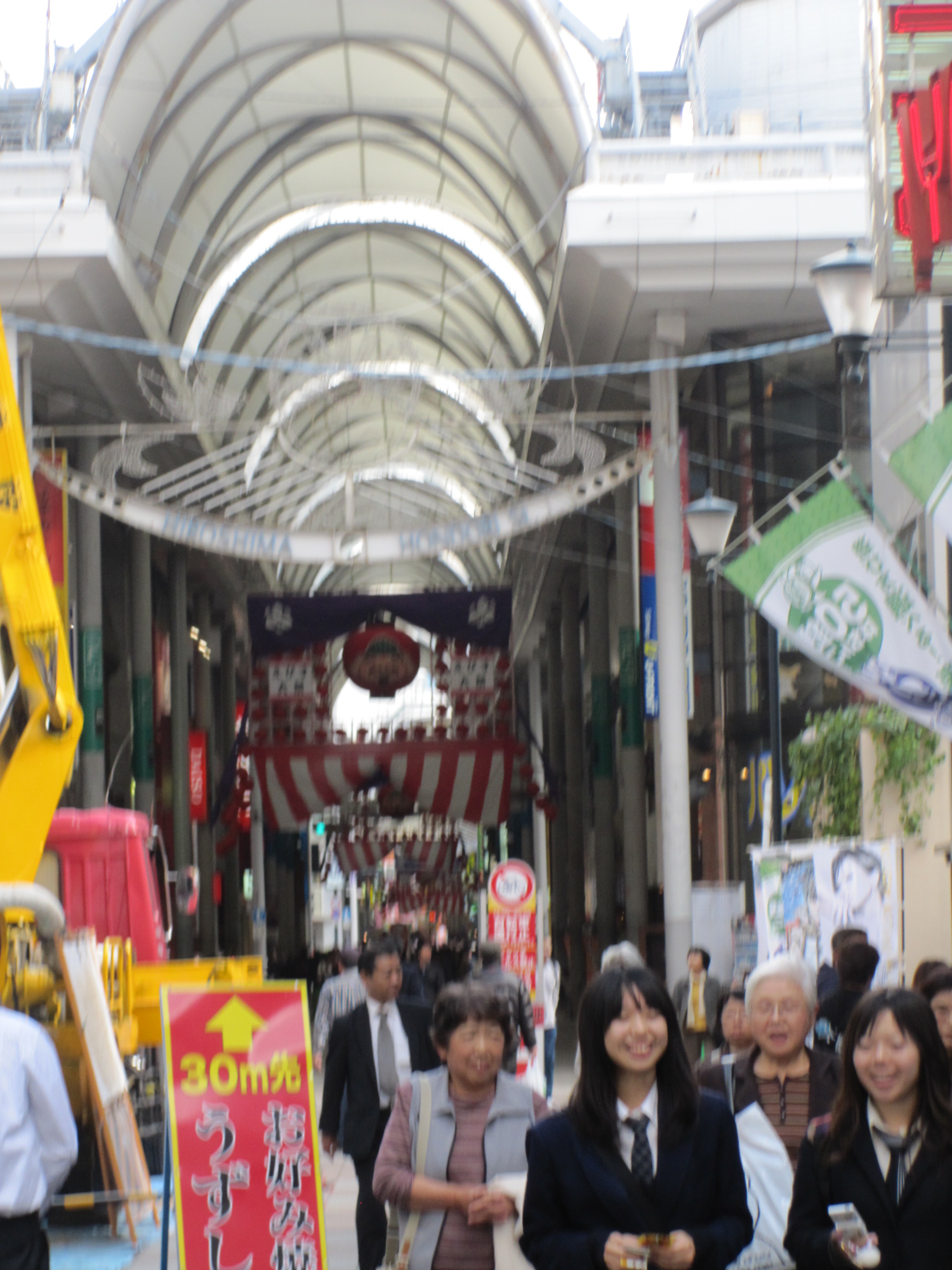
The Thousand Origami Cranes was popularized through the story of Sadako Sasaki, a Japanese girl who was two years old when she was exposed to radiation from the atomic bombing of Hiroshima during World War ll. Sasaki soon developed leukemia and, at age 12, inspired by the Senbazuru legend, began making origami cranes with the goal of making one thousand.  One popular  story is she died before and her classmates finished  them. The Hiroshima Museum says she completed them and kept making more  when she didn’t heal.  One thousand origami cranes is said to bring a thousand years of health , happiness and prosperity. The cranes are left exposed to the elements, slowly dissolving and becoming tattered as the wish is released.

People leave them in her honor  and for all the people who died from the bombing at the Eternal flame in the Hiroshima Peace Memorial.

My father was stationed in Okinawa during World War Two.  He never talked about it.  There were some black and white photographs  of him in a uniform, skiing in Hokkaido, and the  old Japanese life in the cities..  The first words I ever learned to say in a foreign language  was not the Yiddish that my grandparents spoke but I Am An American Soldier in Japanese. Watashi wa Amerika hei desu. I guess I just wanted to see what happened for myself.

Sayonara, Fly Safe

JAZ
Japanese Food

“One of the very nicest things about life is the way we must regularly stop whatever it is we are doing and devote our attention to eating.”

Luciano Pavarotti

Japanese Food

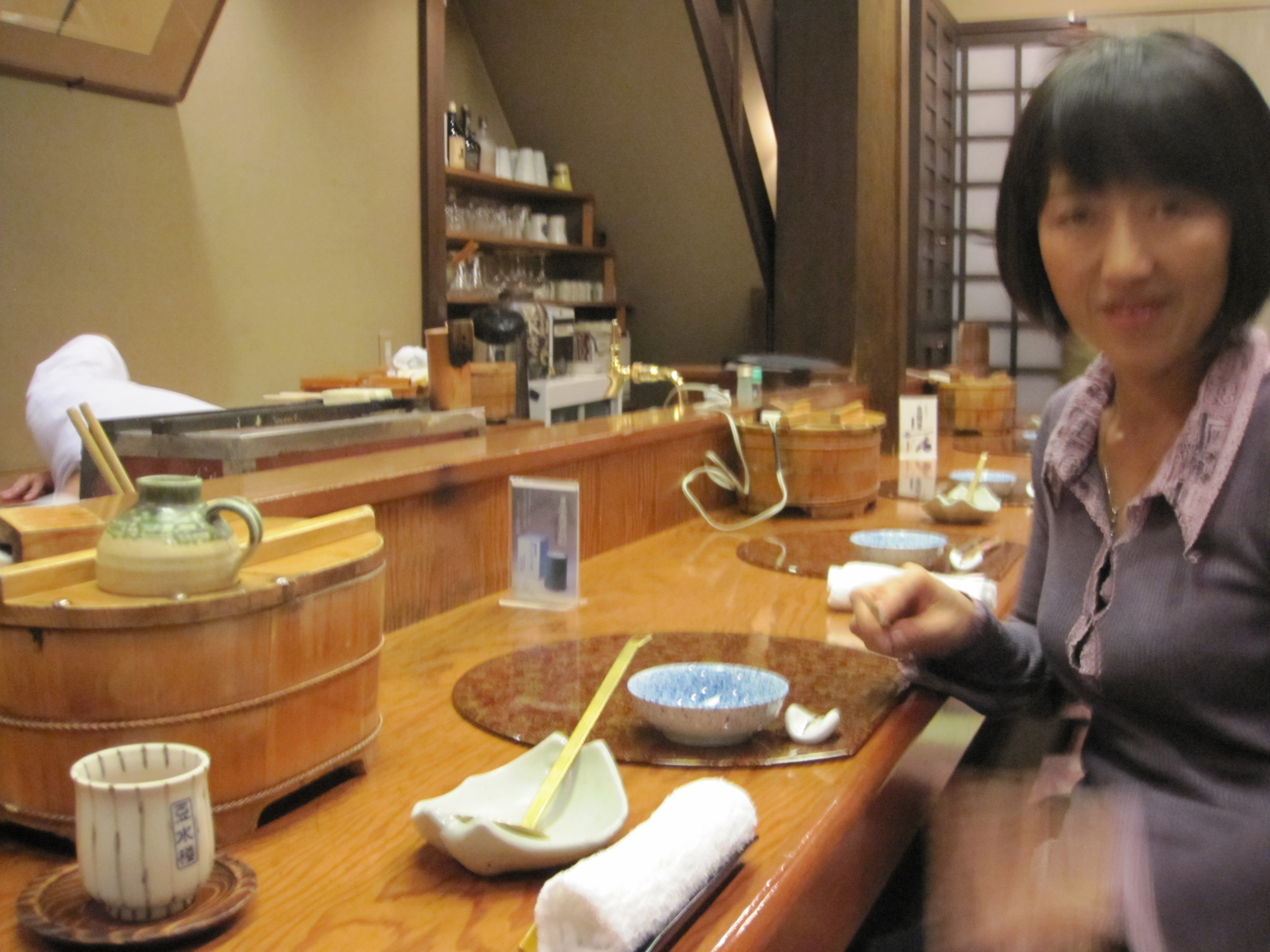
You get free tofu refills  with the tofu dinner. The containers on the tofu bar hold steamed tofu.  After the steamed tofu course, you may add as much tofu to your tofu as you wish.

“Western food. Every damn plate is round”.

The truth about Kobe beef is that all wa gyu (Japanese beef) comes from Hyogo prefecture usually from Tajima. Tajima sells the beef all over the Japan. If they buy it in Kobe, it is Kobe beef.

Food is served so beautifully in Japan it is not uncommon to see even the Japanese taking pictures of the food.

They have Yoshinoya in Japan. It was the first thing I saw leaving the airport.

Okinawans are considered to be the longest living people in a country of long life. They attribute it to the Okinawan diet which includes many different kinds of seaweed , a bit of pork, spam  and taco rice ( from WWll)

Okinawan sayings include the phrase that Okinawan cuisine “begins with pig and ends with pig” and “every part of a pig can be eaten except its hooves and its oink.”[

Things to eat in Okinawa  are–mango pudding, purple potatoes, Chinese food (Okinawan  food is more influenced from Chinese food  than Japanese food), teriyaki squid on a stick, barbecued grasshopper legs, pork,  pigs feet, pig skin , pig ears, ,goya juice, sooki soba( pork spareribs with soba noodles in soup), Okinawan doughnuts ( deep fried balls of dough) and Mozuku seaweed (seaweed for a long life).

Hiroshima is famous for oysters and anago (salt water eel).  Unagi ( fresh water ell) is more common in the US. It is not to be confused with inago, whole locusts boiled in soy sauce and sugar.

In Japan they say Autumn is the time for art and eating.

Food is always seasonal. It is chestnut season now and they are served in some way at every meal. Red beans and chestnut sweets  taste just like red beans and chestnut. (chestnut sweets)

Japanese women are always on diets .

Blowfish ovaries and pig ears are surprisingly delicious until you find out what you are eating.

Fugu (blowfish) is a delicacy and speciality of the Kyushu islands. Because it is poisonous, you must have a special license to cook it. Every year a few dozen people are hospitalized. The few  fugu deaths each year are fishermen who try to prepare it themselves.   The ovaries and intestines must be removed and cooked without puncturing them. (I didn’t know until after)  We had an eight course fugu dinner (including ovaries and intestines they made a point of telling us that ). I am still here so the chef must have been licensed. It was the most amazing meal, I had on two trips of amazing meals.

Surprisingly, Japanese eat a lot of eggs as in raw, appetizers and egg sushi.

Yakitori  chicken (grilled on a skewer) is usually not the breast. It can be thighs, skin, liver etc – because all the parts of the chicken are used.

People in Osaka spend more money on food than anything else.

Okonomiyaki is kind of a cross between a pizza and a pancake. It is batter mixed with cabbage and fried with different toppings. Okonomi means “to one’s liking”.  Unlike pizza and pancakes, the usually filling is octopus, squid, pork, yams or kimchi. Or you can have whatever you want on it.  It is most common in Hiroshima and Osaka.

The food in Japan is so tasty that you can find a delicious meal in a train station.

It is considered bad manners in Japan to walk down the street eating or drinking. Hence Starbucks is always very crowded.

Japanese now drink more coffee than tea and they all drink “shorts” at starbucks, which have been discontinued in the states.

Jidori chicken is a delicacy of Kyushu. It is a muscular chicken because it is allowed to run free, which makes it rather chewy. ( free range – as we say)

In expensive supermarkets, they bag your groceries, in inexpensive supermarkets you do it yourself. Also the boxes we have at registers for signing and scanning are considered “”so old fashioned” in Japan.

Sake means sake but also liquor.

Anything can be made out of tofu.

Yellowtail is always frozen.

Japanese seaweed is sweeter than other seaweed. ( There are many different kinds of seaweed. –apparently even in nice restaurants in the U.S., we get the cheap stuff).

There are hundreds of different soy sauces and sakes.

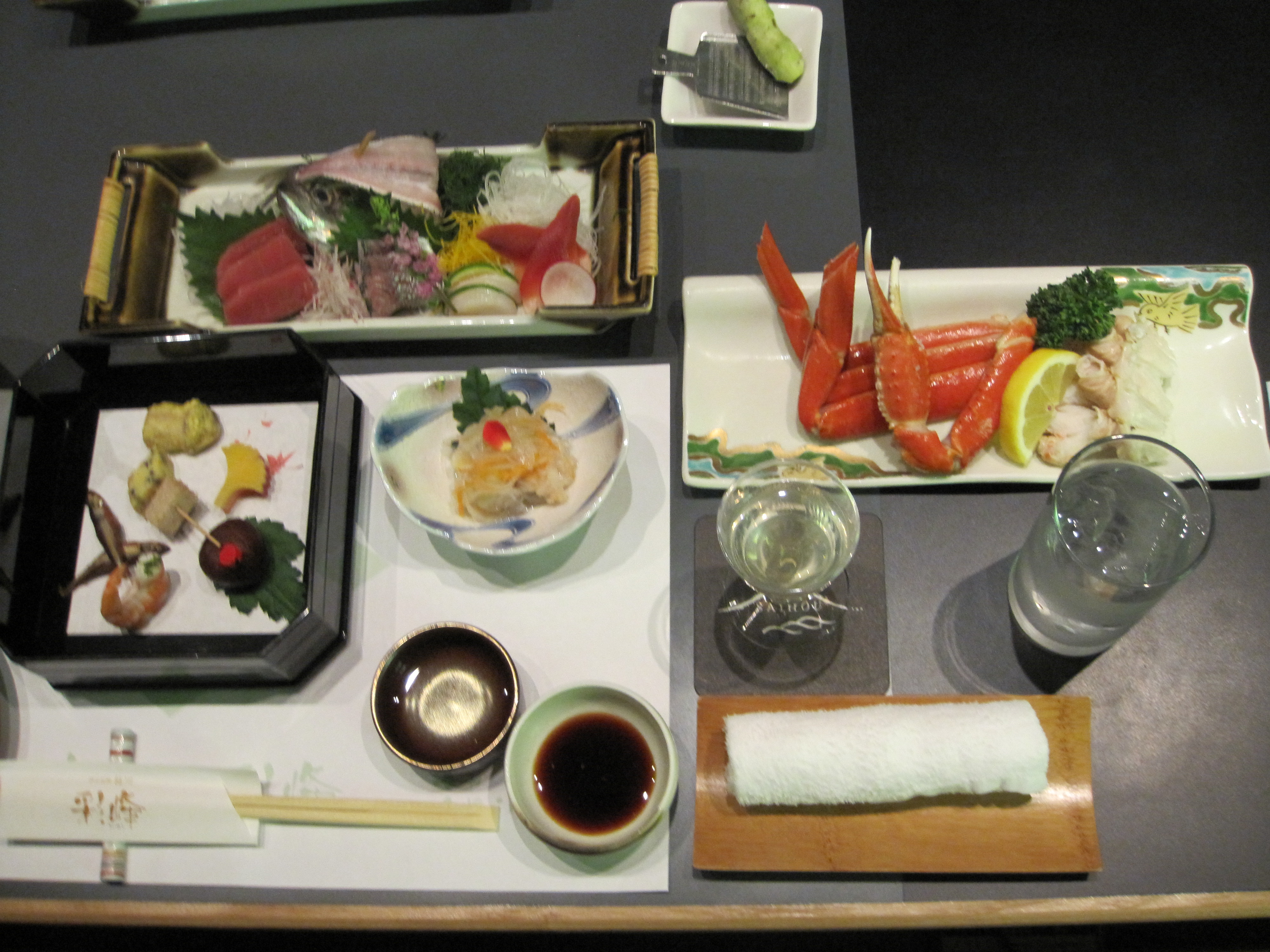
The first night of Kaiseki dnner (eight courses) at the ryokan (Japanese hotel and hot springs) is amazing. The second night is delicious.  The third night is good. The fourth night, you are thinking pizza. (  These are the first  three of the eight courses .  They go from raw to cooked.  The green pickle looking thing is fresh wasabi that you grate onto your food)

The food department in a Japanese department store  is almost always in the basement and can be an attraction by itself due to the wide variety of Japanese delicacies, sweets, desserts and other food on display. The food department at Harrods in London is a boutique compared to some of the Japanese stores.

Pockys come in many flavors . Haagen Daz does seasonal ice creams in Japan. Kit  Kats come in seasonal flavors but the most popular is Green Tea.

Im not a fan of Japanese breakfasts . I like the food but just not for breakfast. To me , it looks alot like the same food we had for dinner but im not a detail person. I wouldn’t notice that the fish in the morning is grilled  or the pickled vegetables are different, or that there are different vegetables and proteins in the miso soup.  On top of that I need coffee in the morning not green tea. (Dont be confused by the eggs-they are raw)

If you are a fan of Japanese breakfasts, Tsukiji fishmarket for fresh sushi in Tokyo  is the way to go – the earlier the better, They open at five am.  I prefer coffee and toast and getting there at 10. Sushi before 10 am is rough for me.

Here is what i found out on my first trip to Japan. I like abalone steak, flounder, red snapper, squid and octopus sushi.  I love tofu dinners (eight courses of differently cooked fresh tofu).  I like tofu buffet dinners. (every kind of tofu imaginable). I don’t like foo, or the diet jelly stuff, or mackerel (dry raw or whole). I don’t like raw eggs in the morning with rice. I hate roe sushi (which is not what you think-unless you are thinking survivor food challenge)  I like green tea soba, green tea mochi and Japanese green tea ice cream ( not what we have here with no taste) I like Japanese desserts –especially black sesame ice cream.

I hate to admit this but i did not use chopsticks until my first trip to Japan.   I dont have great motor coordination and it seemed like a  a lot of work to get the food to your mouth.  I was probably the only American in the towns where the ryokans were.  The chance of getting a fork was going to be slim.    I practiced eating everything with chopsticks at home for two months .   My friends,  the waiters in the Japanese restaurants in LA and especially my Vietnamese manicurist urged me on.   When you set your mind to it, and ask for help when you need it,  you can do anything.

Also see

Things I Have Learned  In Tokyo and Japan

https://havefunflysafe.wordpress.com/2012/08/11/things-i-have-learned-in-japan/

https://havefunflysafe.wordpress.com/2012/08/06/things-i-have-learned-in-tokyo/

Things I Have Learned In Okinawa and Hiroshima

https://havefunflysafe.wordpress.com/2012/09/14/things-i-have-learned-in-okinawa-and-hiroshima/

yo I sorano tabi o,

JAZ

Things I Have Learned In Japan

“I will write peace on your wings and you will fly all over the world”                                       Saduko Sasaki     (young girl who developed leukemia from Hiroshima bombing)

Things I Learned  In  Japan

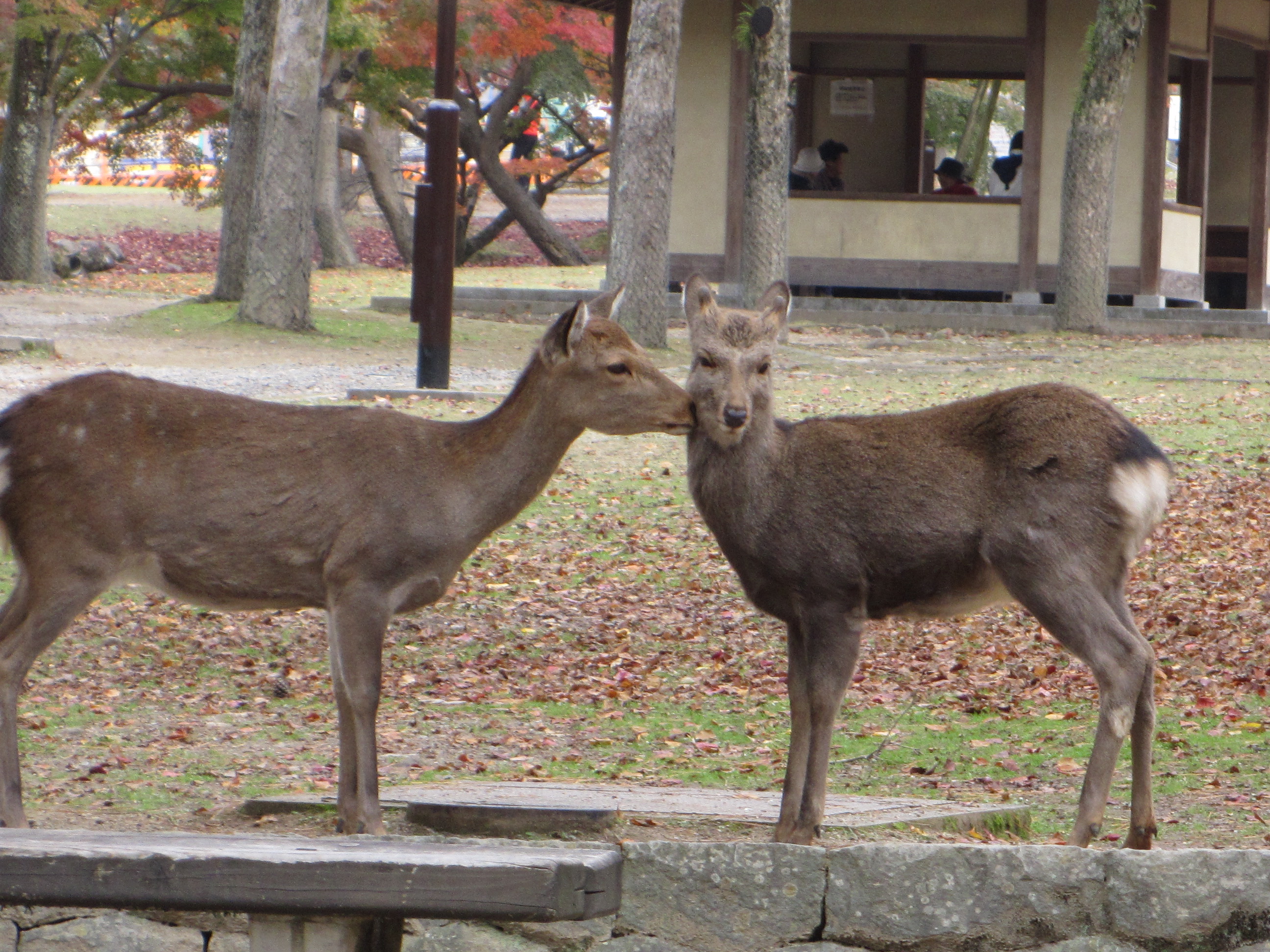
Deer are sacred animals at some of the temple sites. It is believed that one of the deities came to earth on the back of a deer. They run free through the parks and are quite brazen. I would avoid bringing small children with ice cream cones.  (Nara)

Japanese love affair with cats and dogs has created a booming industry in tasteful pet funerals and cremations. The twelve billion dollar industry is expected to increase next year by ten per cent.

The police have lost the battle of banning women carrying two or more children on bicycles, as long as the bicycles are sturdy, and they are not using cell phones or umbrellas.

Kyoto University will be offering the first graduate program in Manga ( comic) studies.

The Japanese are encountering a problem with  hybrid cars and the elderly and hearing impaired. The cars  are too quiet and they don’t hear them approaching. ( and by the way, we have the same cars!!!)

In the west, the recipe for a full life is happiness. In Japan, it is satisfactory performance, duty and obligation.

Japan has never been invaded until World War 2, therefore, ninety- nine per cent of the inhabitants are Japanese. They are also the largest consumers in the world of Louis Vuitton .

Most Japanese are not religious but celebrate traditions. They pray to the ancestors (Shinto) and they pray to Buddha.  They  like to get married in churches, wear wedding dresses and celebrate Christmas.  Who doesn’t like to wear a beautiful kimono to a tea ceremony or wedding?  (Kyoto)

When you pray in a Shinto shrine, you clap to awaken the deities. When you pray in the Buddhist temple, you don’t have to clap because the statue is already there and can hear you. (Miajima, Kamakura)

The plum, the bamboo and the pine are happy trees. The cherry blossoms are not happy trees because they are only  in full bloom for one week and show how fragile life is.  (Kyoto)

The correct way to enter a teahouse is to crawl through a hole on the side to show that all who enter are equal. If you eat in a Japanese style private dining room, the waiters must kneel down to your level when they speak or serve you. They cannot be higher than you . ( Many young girls with strong knees are working.)

People who shower quickly once a day and don’t wash their hair every day are unclean by Japanese standards. Everyone seems to be carrying toothbrushes and brushing their teeth in all public bathrooms.

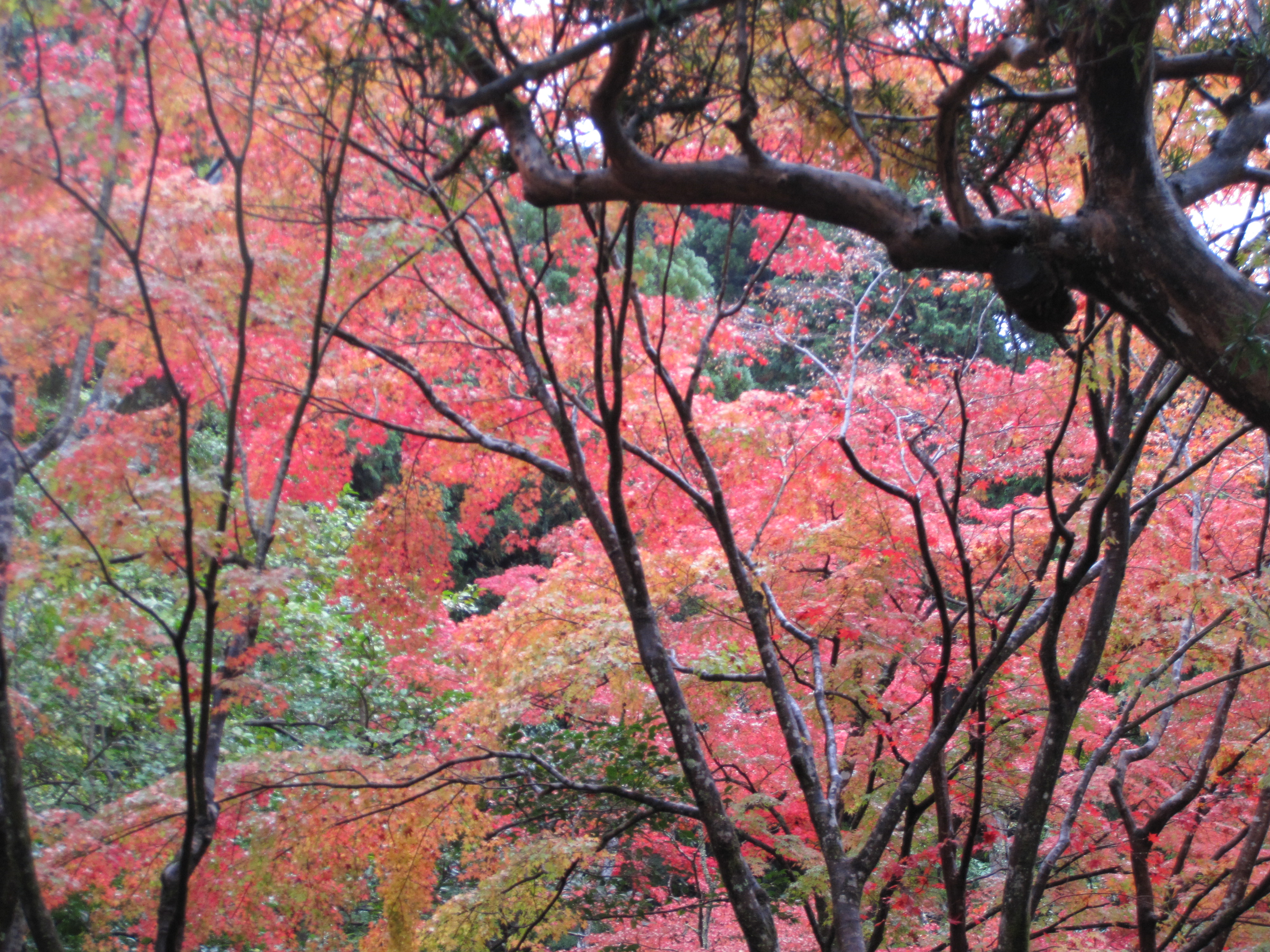
Autumn is the season for luck in Japan and everyone is visiting the shrines. You pay some money, get a box and shake out your fortune. If it is lucky (like mine was) you are done. If not, you tie the bad fortune on to a tree at the shrine to leave the bad luck there.  Hence , a lot of  shrine trees are covered in paper.   (Kyoto)

Everything in Japan is expensive except,  shipping your luggage overnight from place to place, no tipping,  some street fashion ( because it changes so rapidly, it has to be cheap) , and having your crown glued into your mouth for twenty-five dollars.  You have to take your shoes off before entering a dental office but you can leave your lipstick on.

If you are watching old movies in Japan, they are white and black.

Tattoos are not allowed to be shown in public at many resorts and all bath houses.

When it rains in Japan, the airlines wrap your suitcases in plastic.

Stepping on a tatami mat with shoes is like spitting in public.  (Nagaoka, Izu Penninsula)

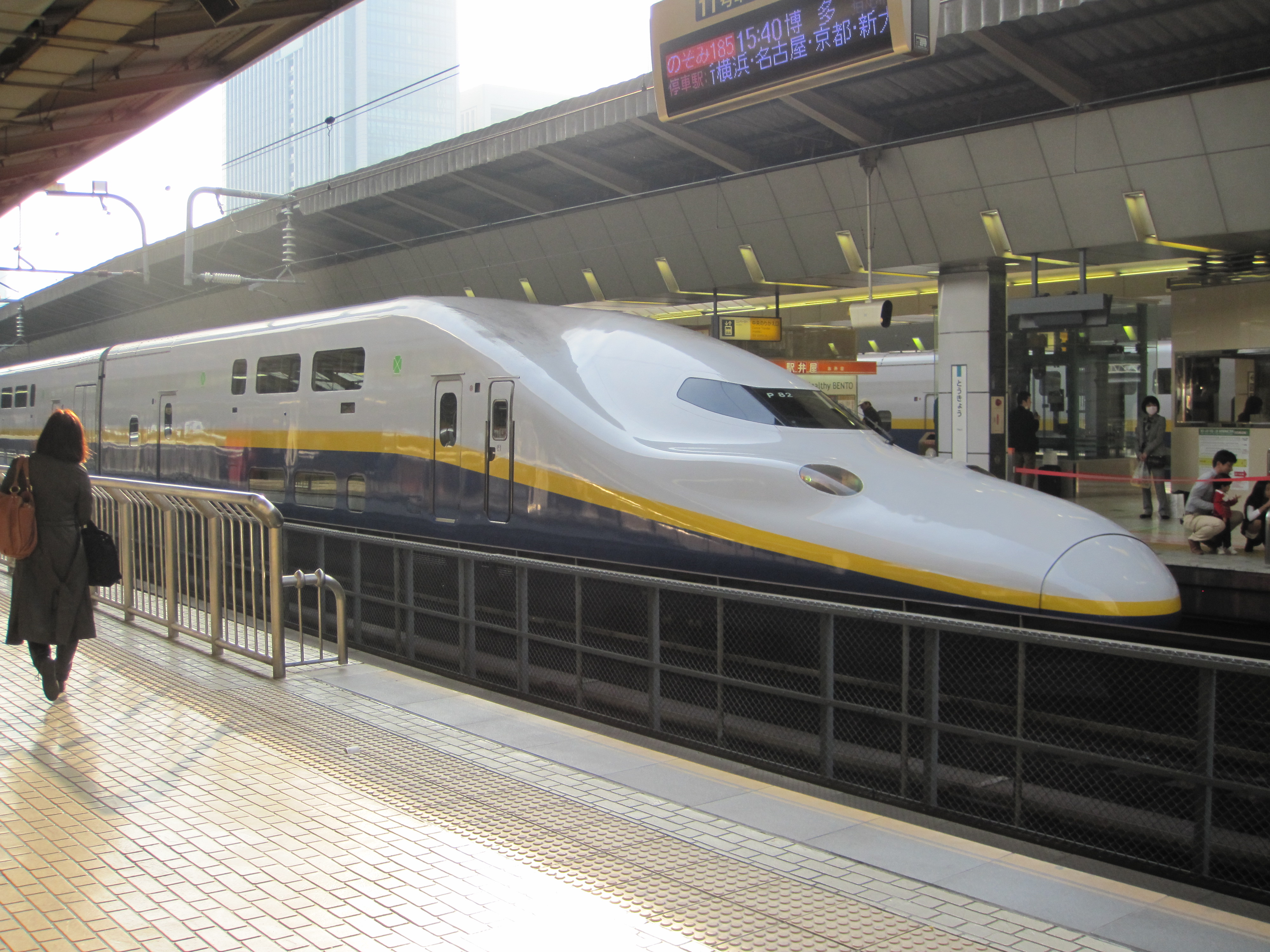
Japanese  trains are known for their schedule and punctuality. It is usual to see foreigners looking at their watches as the train approaches because they cant believe it. The conductors used to be penalized from their salaries if they were late. One day a conductor was rushing to the station and there was a terrible accident and 100 people died on the train. They stopped that practice and instead you hear in both Japanese and English that the train will be one and half minutes late.  (Tokyo)

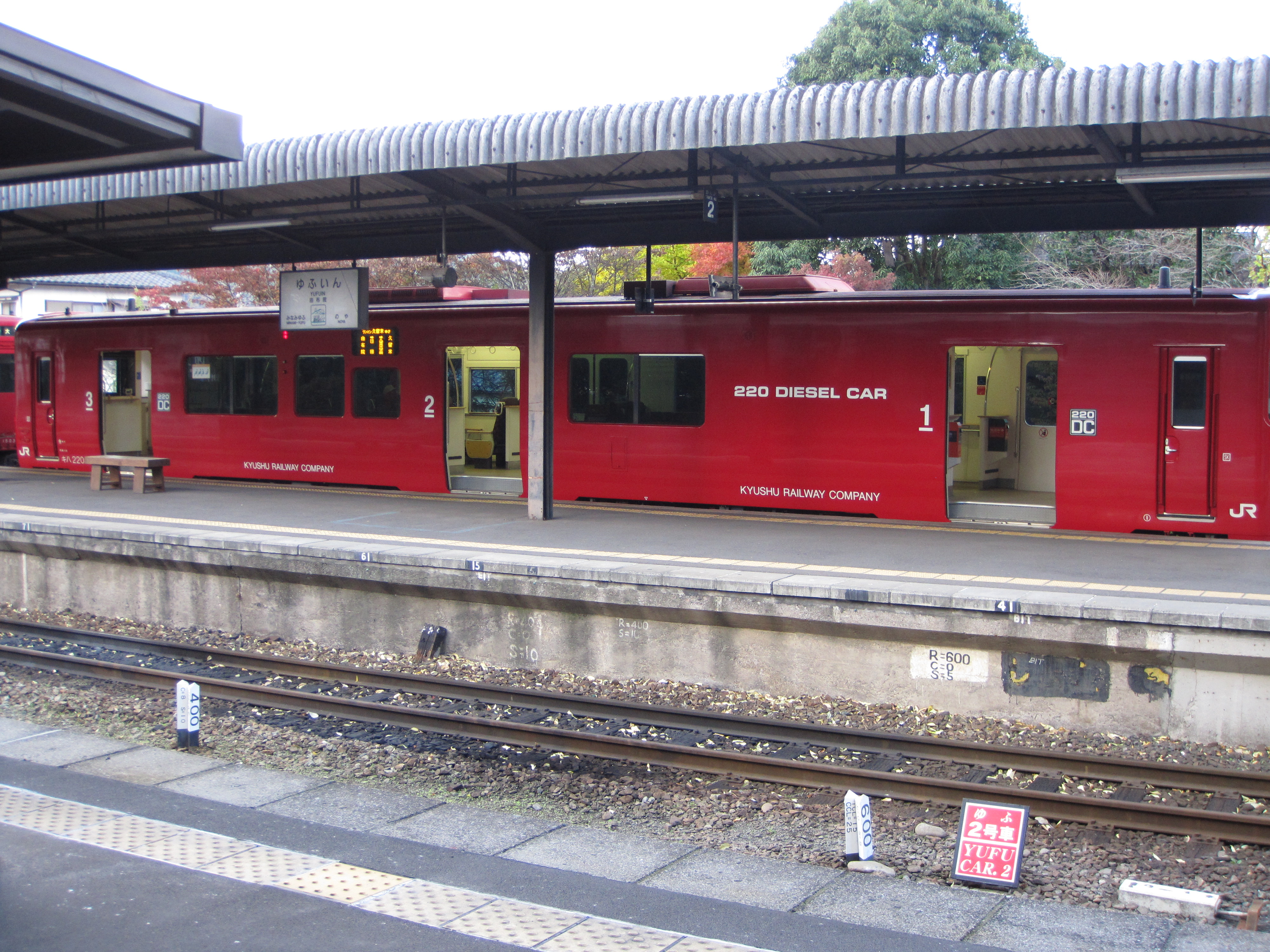
In the country, the trains play Disney music or whistle when the doors are closing. If you approach a train station  in the country and only the foreigners get out, know that they did not consult the schedule . The express doesn’t run after five o clock and the conductor waits for them to get back on the local.  (Yufuin)

Because Japan is surrounded by the sea, there are too many aquariums.  (Okinawa)

There are more than five million vending machines in Japan.  They sell everything from drinks to porn.

Japanese give money for weddings. It must be an even number because an odd number is considered bad luck for the marriage.

Japanese give sweets for presents because they like to give something that will be used up  and not left behind.

see also

Japanese Food https://havefunflysafe.wordpress.com/2012/08/25/japanese-food/

Things I’ve Learned In Tokyo

https://havefunflysafe.wordpress.com/2012/08/06/things-i-have-learned-in-tokyo/

Things I’ve Learned In Okinawa and Hiroshima

https://havefunflysafe.wordpress.com/2012/09/14/things-i-have-learned-in-okinawa-and-hiroshima/

ki o twu kete

JAZ

Things I Have Learned In Tokyo

“We mustn’t allow the characteristic Japanese aesthetic to die out. Aesthetics also include things like a sense of responsibility and a sense of justice. They also incorporate a respect for other people and for nature, an appreciation of the gift of life, and courtesy. They even extend to the ability to look at the world around one, properly.”            Tadao Ando

Things I Have Learned in Tokyo

Tokyo Narita airport is so far away from Tokyo, the word Tokyo should have been left out.

There are a lot of rules to wearing a kimono correctly. Most modern women have not gone to kimono school so they go to the hairdresser to have them tied correctly and have their hair done traditionally. I did notice free kimono lessons in the airport in Tokyo.

If you squeeze a lemon and put a slice of lemon in your sake, it cuts the hangover time in half.

Japanese toilets do everything automatically except actually extract the waste products from your body,. The seats open. They self clean and can play several songs while doing it. There are actually clean bathrooms in train stations.  Be careful pushing buttons if you don’t know what they are.

The Japanese have the same Kanto – Kansai (east – west) competition going that LA and NY has. Tokyo is East and Kyoto, Osaka, and Kobe are west. It is is also carried on very politely so it takes a minute to realize they are insulting each other.

Tokyo loves cartoon characters. Everything has a mascot. The police have a smurflike character. The fire department  has a firefighter with a big helmet and horns. The railway has a penguin (which you see everywhere).  All the large companies have cute little characters as in cute never lets you down.

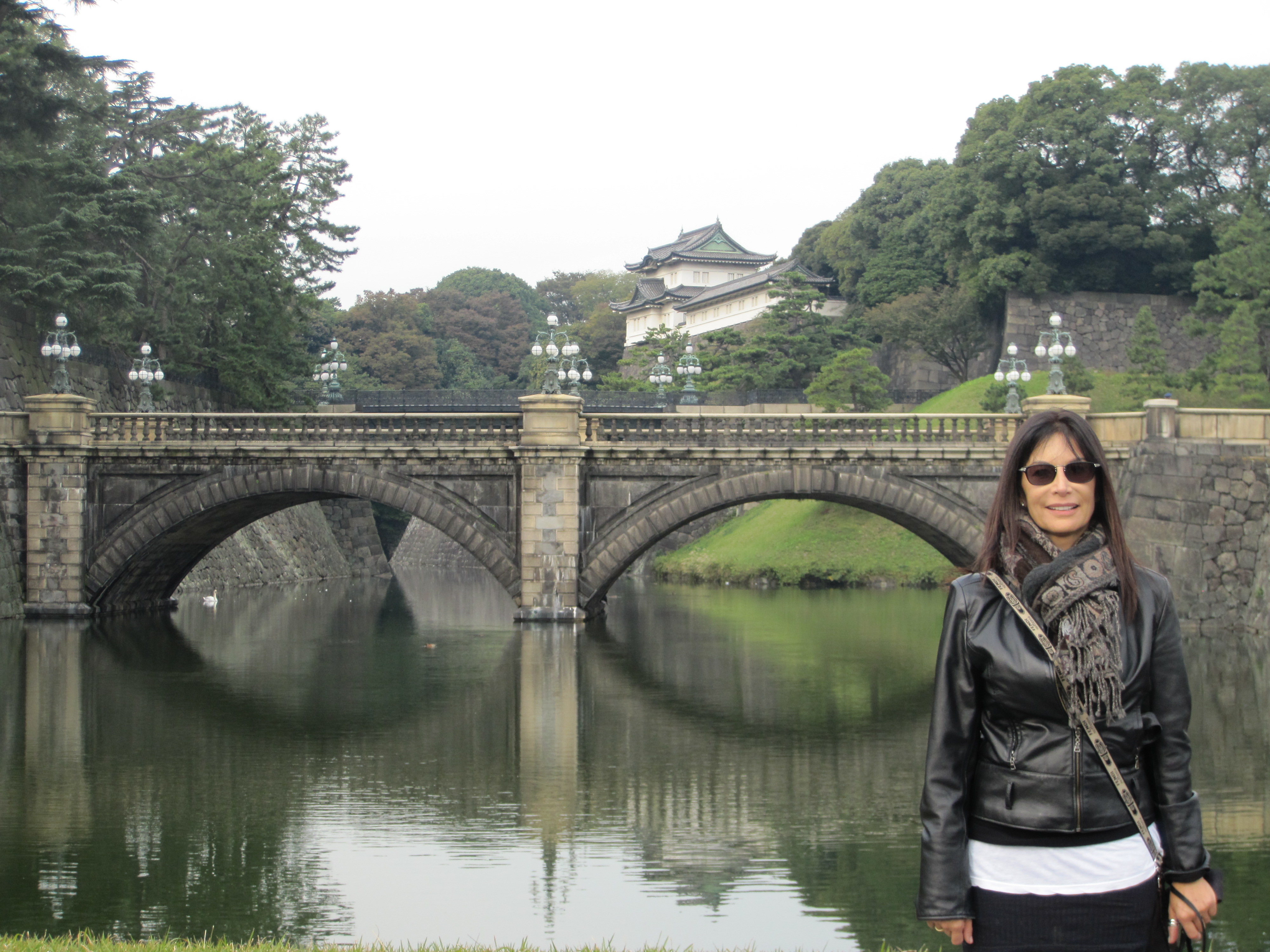
The Imperial Palace buildings and inner gardens are only open on Jan 2 ( for New years greetings) and Dec 23 for the emperor’s birthday. Ive never been in Japan on those days.

In Tokyo, you stand on the left on an escalator. In Osaka you stand on the right. This is always a problem with my sense of direction.

In Akihabara, in Tokyo ( the electronics area) there are many maid cafes. Women dressed as French maids are the waitresses and say things like master can I serve you? They stand on the streets and give out flyers. Modern geisha culture?

Anything can be made out of tofu.

21-21 in Roppongi  is designed by Tadao Ando. It  is Japan’s first design museum. Helsinki has had one for years.

Seeing  Mt  Fuji from Tokyo may not seem like a much of an accomplishment but it is hardly every visible.

Some Japanese wear masks because they are sick, some wear them because they don’t want to get sick and some wear them for allergies. How do you  know which one you are sitting on the train next to?

Tokyo has a no talking on the phone policy on the trains. That doesn’t include texting, emailing or playing games but it does allow tired office workers and students to sleep.

Nothing is so distasteful to the Japanese as feet bottoms  (except when they are giving those painful foot massages). Sox are preferable to bare feet.  There are toilet slippers and other slippers.  Don’t walk out of the bathroom in the toilet slippers.

View is the most important thing to Japanese people when reserving a hotel.


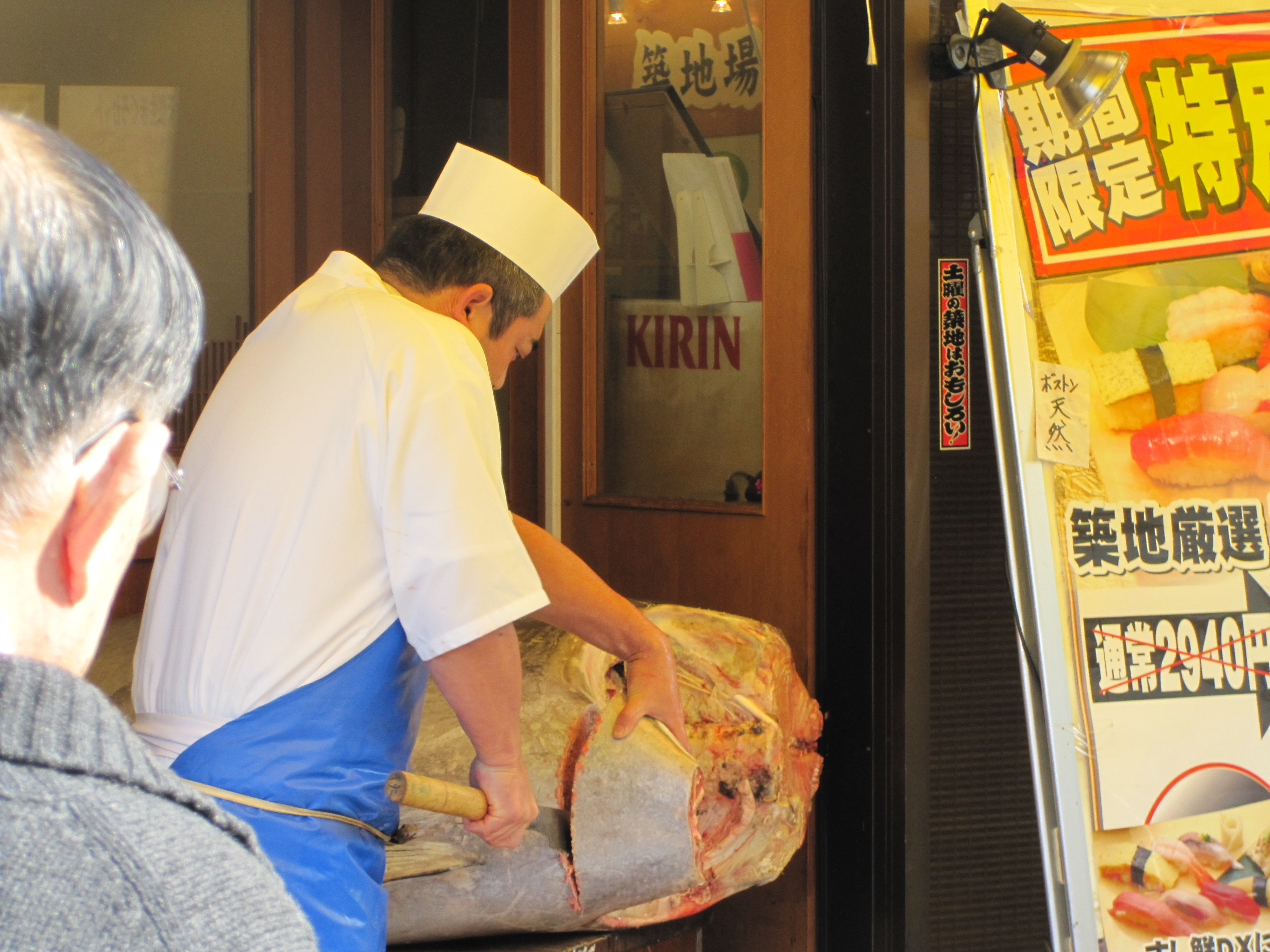
Tsukiji Fish Market in Tokyo is one of the largest fish markets in the world. It handles 2000 tons of seafood daily. It has become such a large tourist attraction and was not built for that so they limit the number of people now to 120 per day.  No heels or sandals (I definitely broke that rule). No small children or pets. No large bags or suitcases. Don’t touch anything. You must apply to see the tuna auction at Osakana Fukyu Center (Fish Information Center) at the Kachidoki Gate, starting from 5:00am on a first-come, first-serve basis. It is good to have fresh sushi for breakfast after the auction. The restaurants are open from 5am to12PM. I recommend eating at Ryu.

Sumo wrestling goes on for six hours. Luckily they only televise one hour and with the close-ups that is enough.

The current Kabuki-Za Theatre is closed until Oct 2013.  ( and when they give a completion date in Japan, it is usually correct, unlike here where they just rely on destiny). Kabuki combines different art forms such as dance theatre, music, costume design and set design.  There is a theatrical form of mime that has become associated with Kabuki Theatre. It is all blended together with the stories that have entertained the Japanese for over four hundred years. Kabuki is repertory theatre.  The same plays are regularly performed. There is no director and very little rehearsal time.  The actors have rehearsed  these roles since they were very young and should know them by the time they are performers. Make sure you get the English earphones so you can follow the story.  The performances are usually about five or six hours long. Sometimes you can purchase tickets for shorter time on the day of the performance. I did two hours and loved every minute of it and didn’t think I would – definitely try it.

The customer is God. As in “May I have the honor to serve you?’ Your happiness makes us smile.  Giving candy after a purchase, wrapping each individual item and carrying your package to the door is business as usual.

Harajuku in Shibuya has become known as the place for the most extreme teenage street fashion. Harajuku girls are girls dressed in many different styles of fashion in Harajuku. There  is punk style, ganguro – bleached hair, fake lashes and fake nails and tan (California girl rebellion against Japanese culture), cosplay – costume based from manga to bands, skaters and goth. Takeshita dori is the main street and is ridiculously crowded on the weekends.

Japanese love coffee.

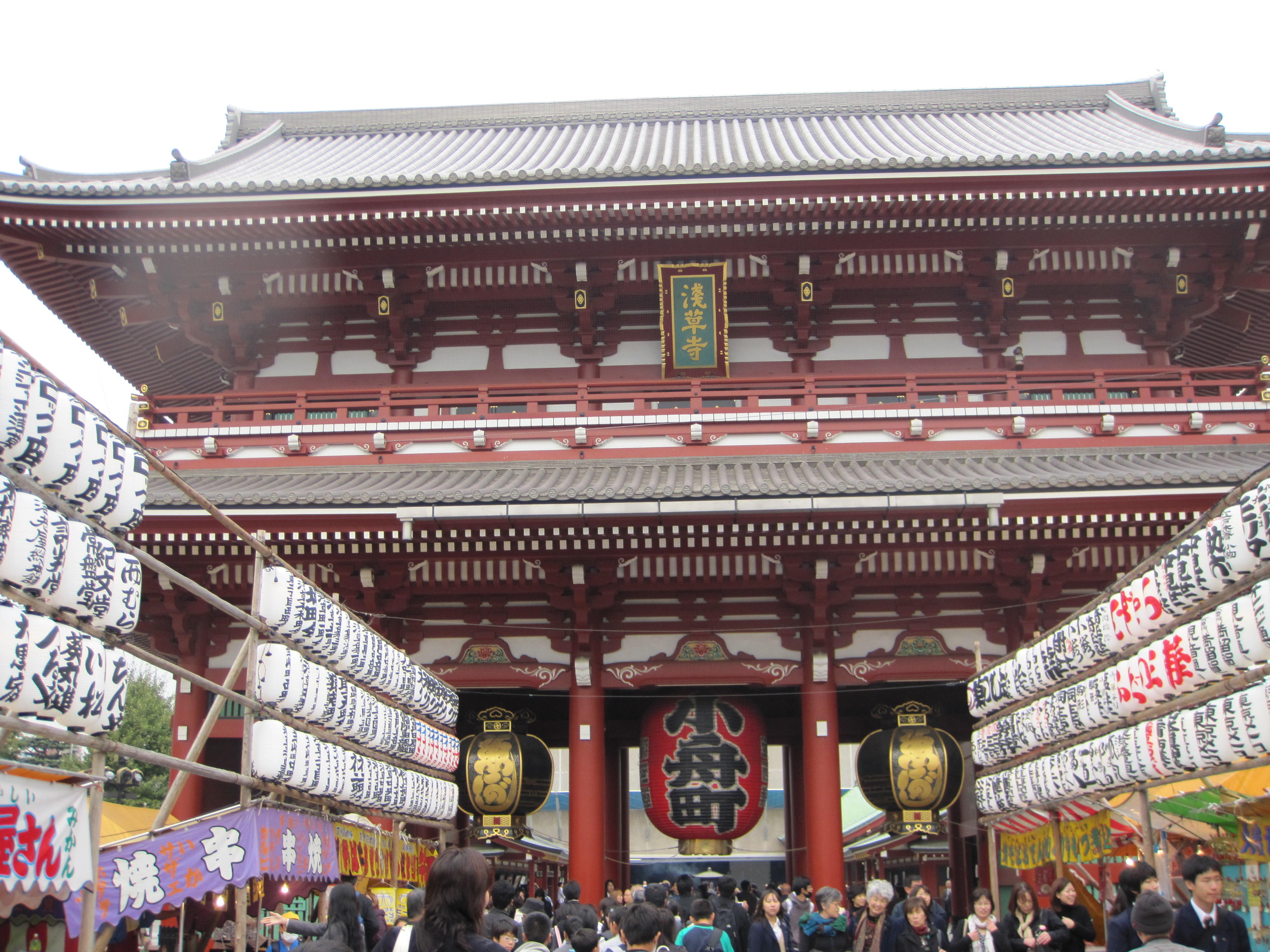
The Sensoji Temple (the oldest temple in Tokyo) is Iocated in Asakusa.  It is nice to get out of modern Tokyo and feel some of the old Japanese culture.

As a fan of taxis, what is better than white gloved drivers with lace seat seat coverings and automatic doors? ( of course none of that matters if you are not with a Japanese person because they don’t speak English and you will not be able to tell them where you want to go)

Tokyo is officially the most expensive city in the world.

The Tokyo skytree is the world’s tallest tower. It is 634 meters and double in size of the Eiffel Tour. It has many shops and restaurants and yet another aquarium in Japan.

Shibuya crossing is one of the busiest pedestrian crossings in the world.(Im from NY and I was a little bit intimidated)

Do not even think about drinking and driving in Japan. The legal limit is less than one drink.  The fine is huge and you could be thrown in jail. Do not even think about getting in a car as a passenger with someone who has had a drink. You also will pay a huge fine.  There are always many taxis in the bar areas.

yo I sorano tabi o

JAZ

Where Is The Starbucks?

“The whole purpose of places like Starbucks is for people with no decision-making ability whatsoever to make six decisions just to buy one cup of coffee. Short, tall, light, dark, caf, decaf, low-fat, non-fat, etc. So people who don’t know what the hell they’re doing or who on earth they are, can for only $2.95, get not just a cup of coffee, but an absolutely defining sense of self.” Tom Hanks in You’ve Got Mail, Nora Ephron

Where is the  Starbucks ?

It started  as a gift from Beijing. It was my first.Yes, im a Starbucks girl.I get free soy and flavorings when I can find my  gold card.   I know it’s a lot trendier to drink Intelligentsia or French Press , but I am an iced grande soy  three pump sugar-free vanilla latte.

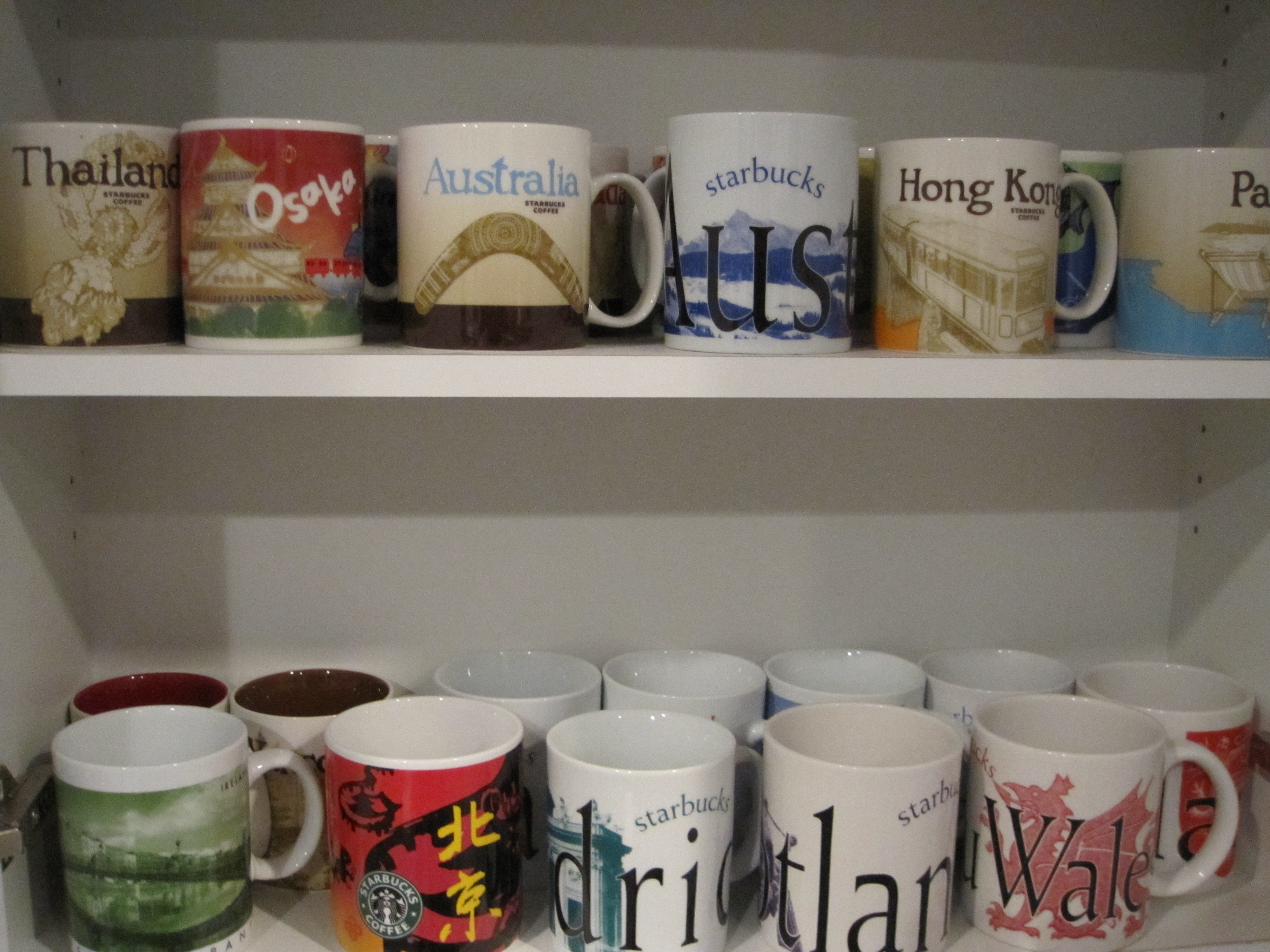
When I started traveling after many years, I was surprised to see Starbucks. The world had gotten a lot smaller. I bought a mug in Athens, Edinburgh and London that summer. Now  I had the beginning of a collection.

It gives me a bit of a plan in a foreign country. I check when I arrive  if they have Starbucks (yes,there are some places that still don’t)  Sometimes its easy. In Tokyo and Madrid they were right downstairs from the hotel. In Sevilla  and Osaka they were across the street.

The only Starbucks in Russia at that time was in Moscow on Arbat Street.  I walked with some friends past the Kremlin and statue of Gogol to find it. I took a picture of the Starbucks sign in Cyrillic.  No one spoke English in Russia in most restaurants. I said iced grande soy sugar-free vanilla latte.  They gave it to me. That was the only thing in Russia I could order without  serious hand motions. I had no idea what I was ordering  most of the time.

In Vienna I was telling the owner of the Starbucks store about my Russian Starbucks experience. He offered me a few hundred dollars for it . He also had a collection.They were out of Starbucks mugs in Lima . It didn’t taste as good as their regular coffee.

Spending a long amazing  day with Anna in Hiroshima and Miajima, I was too tired to go to Starbucks but Anna pressed on so I have a Hiroshima Starbucks mug –pretty incredible considering our history.  I brought home Starbucks mugs from every city in Japan  – between the coffee and tea, that country is fueled by caffeine.

The Dublin one came from one of the many bookstores.  I was shopping on Oxford Street  in London and stopped in for  Starbucks and found all the U.K .countries.. In Bangkok it was near  No Sex Thai Massage.  Changing planes in Hong Kong I picked one up on the way.  My friend Lisa brought me one back from Munich and the following year I went with her.  My daughter took me to the one near her room  when she was studying in Prague. The tour guide in Hanoi had never had Starbucks before. I bought him his first one.

Their mugs travel well. You just  wrap them in a t-shirt and throw them in your suitcase. They don’t break.

The stores look exactly the same as they do here – complete with the same people sitting with laptops.  It always reminds me of one of those dreams where you are in a place that you know but you don’t.  The food is different. .  There are  interesting  fresh juices  and fabulous thick hot chocolate in Spain.  The UK  has my favorite ginger cookies.  In Japan, there are beautiful green tea desserts and it is all about shorts ( a discontinued size here) . There are excellent looking pastries in Vienna, Prague and Germany (where afternoon is always cake time) The Starbucks are always crowded.

I drink coffee from one of the mugs every morning.  All the mugs have a story and stories last forever.  Sometimes it is a friend’s story of a place I haven’t been to yet.  It is the perfect gift for me.  This blog was written  this morning while drinking out of a New Zealand Starbucks mug.

Fly Safe

JAZ