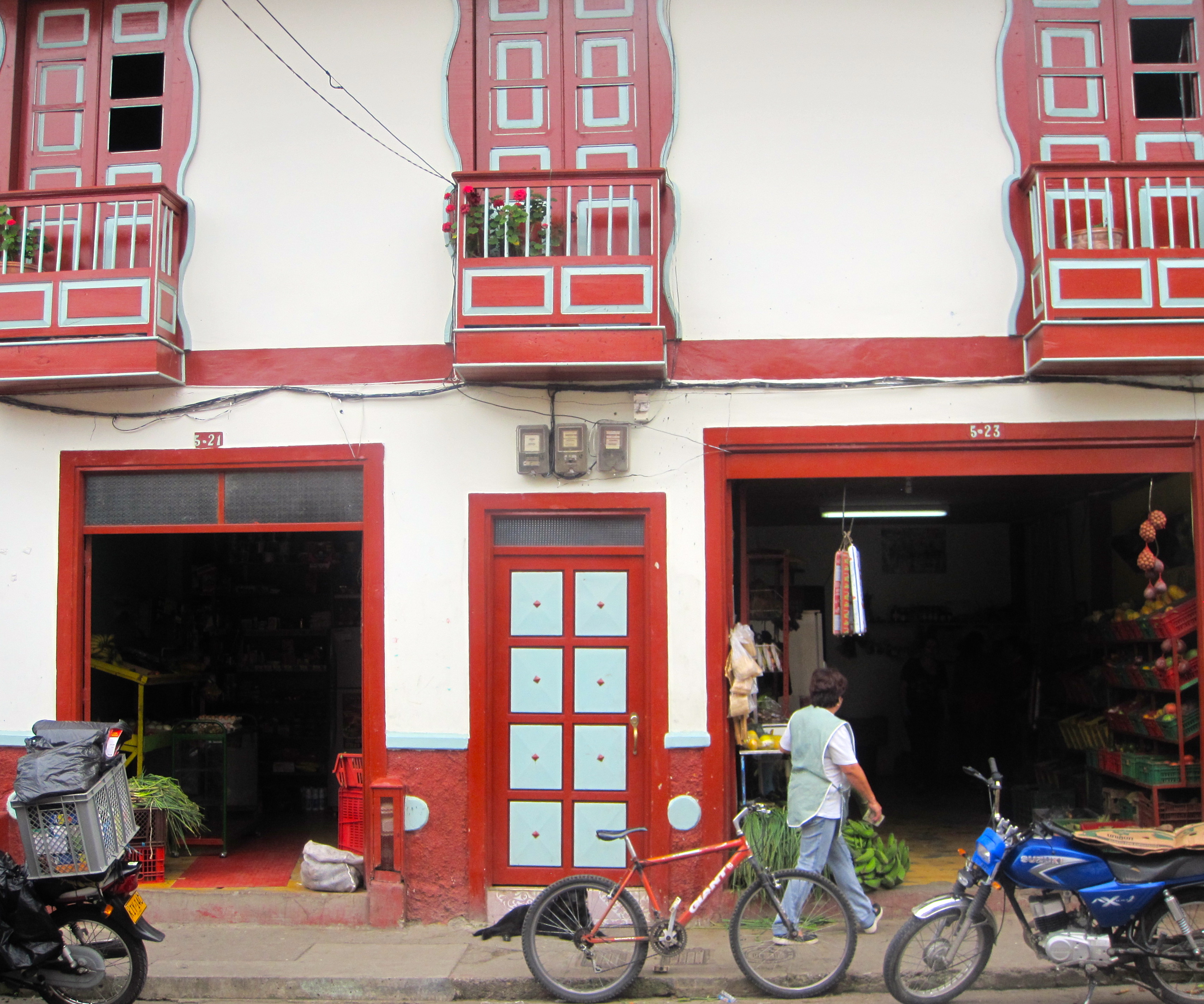
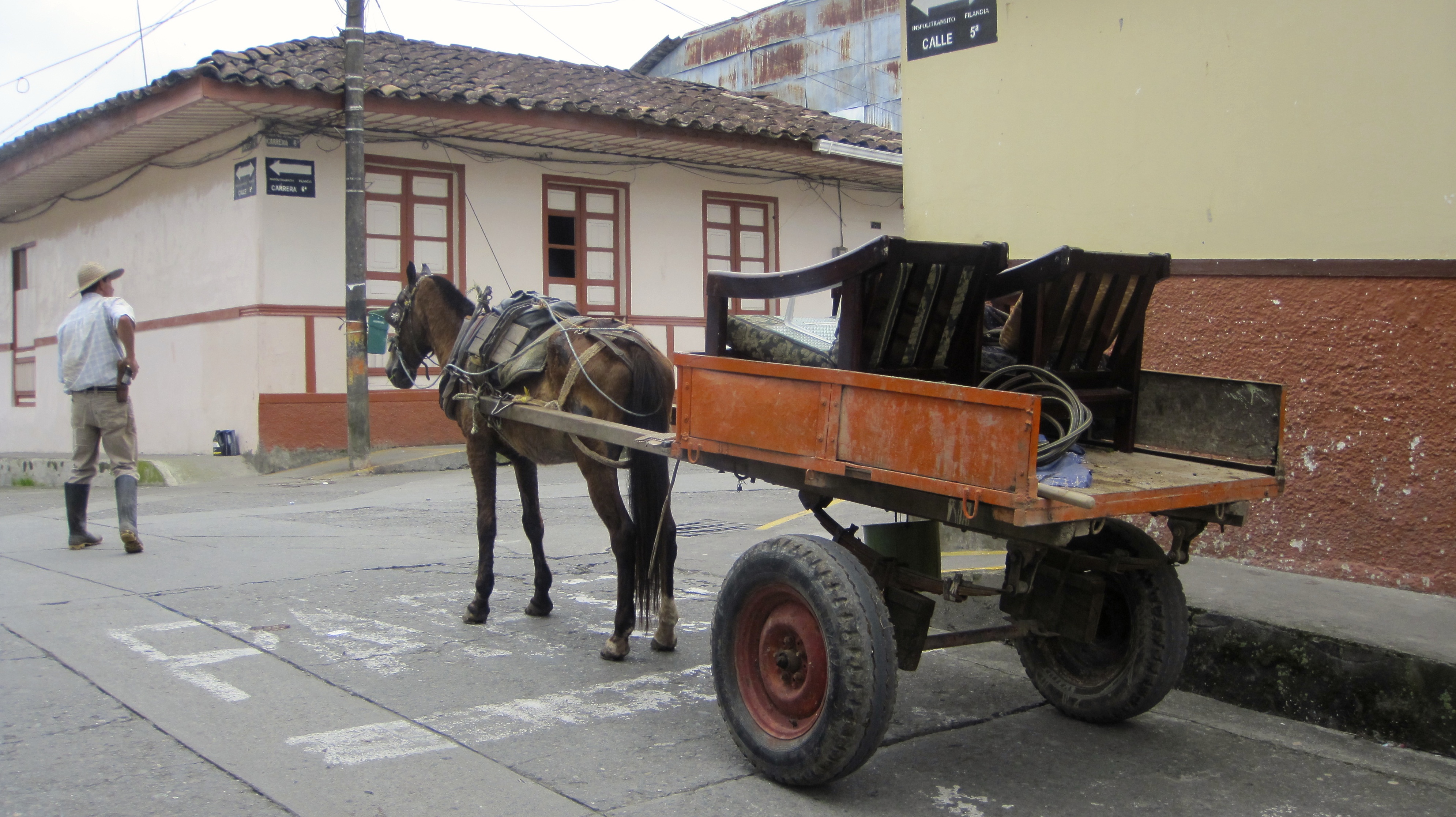
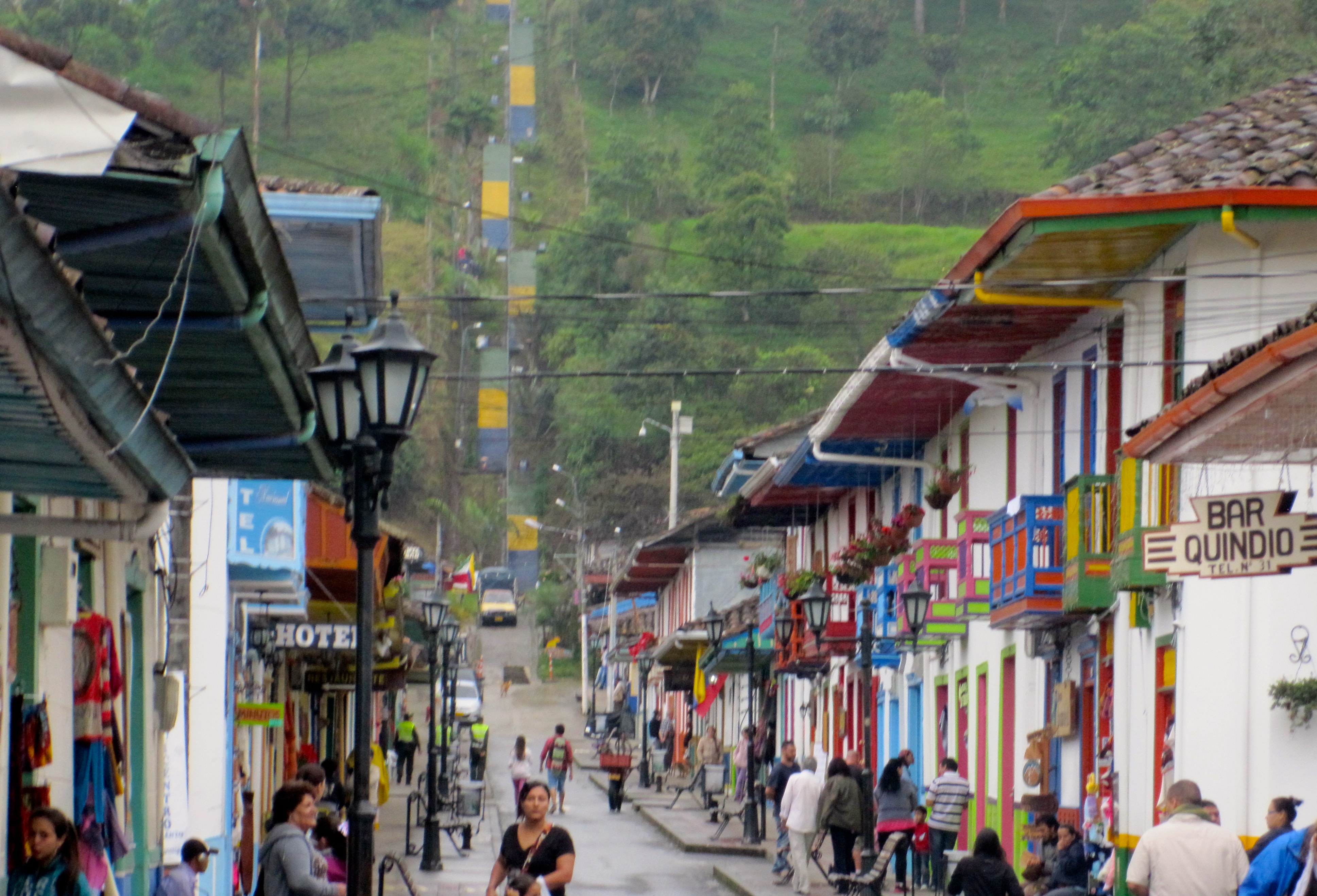
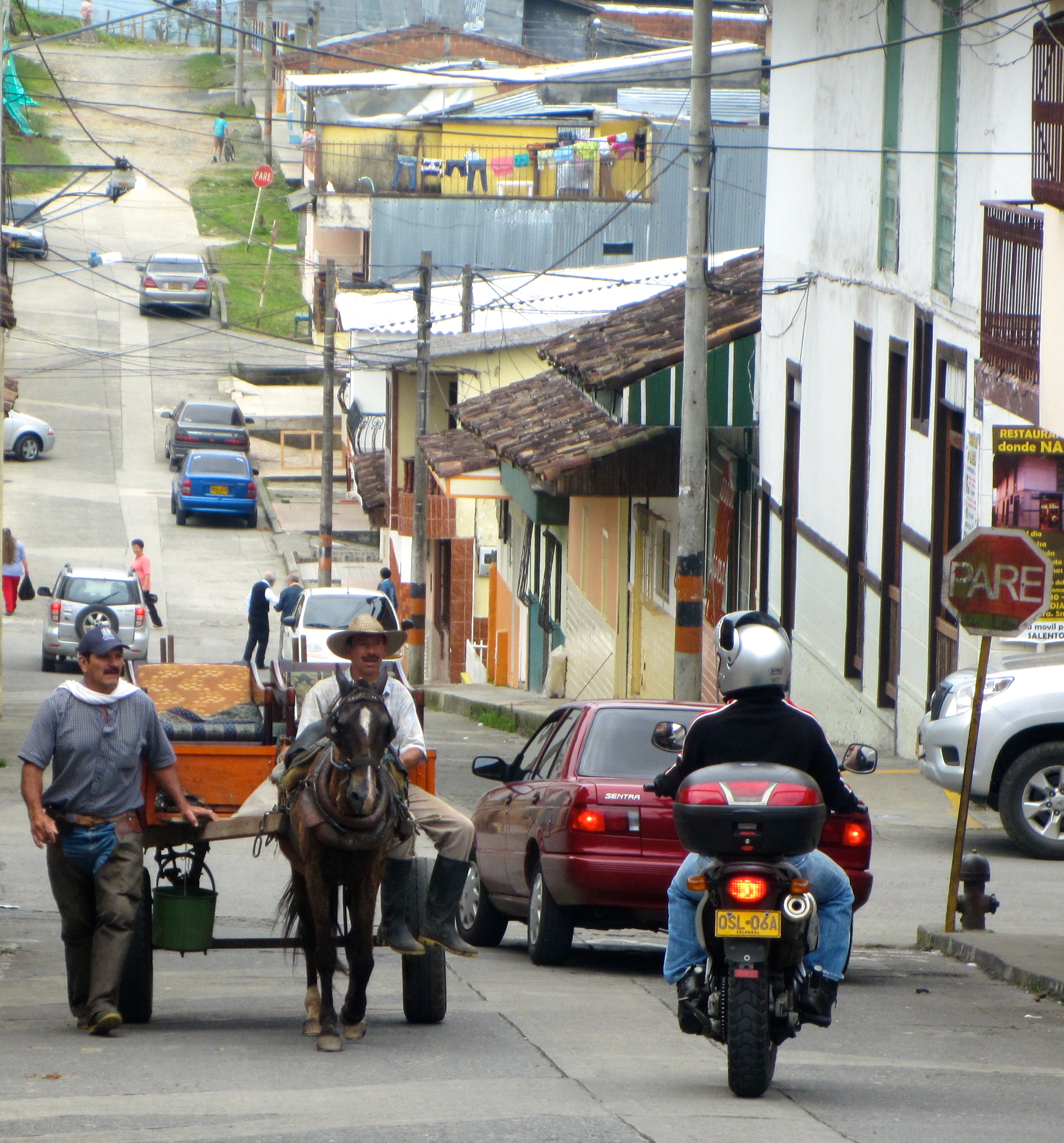
Photos From Filandia And Salento – Towns In The Coffee Triangle, Colombia
“There are no foreign lands. It is the traveler only who is foreign” Robert Louis Stevenson








Viaje con cuidado,
JAZ

Photos From Filandia And Salento – Towns In The Coffee Triangle, Colombia
“There are no foreign lands. It is the traveler only who is foreign” Robert Louis Stevenson
Viaje con cuidado,
JAZ
The Cocora Valley, Colombia
What did the tree learn from the earth to be able to talk with the sky? ~ Pablo Neruda

The Cocora Valley in the Coffee Triangle is very beautiful. The national tree of Colombia which is the wax palm grows here up in the clouds (6000-8000 feet above sea level.). They are very skinny, incredibly tall trees – the tallest palm trees in the world. 
Wax palms grow up to 200 feet and can live for up to 120 years. The leaves are dark green and gray and the trunk is covered with wax. The wax was used to make soap and candles. The outer part of the stem of the palm has been used locally for building houses, and was used to build water supply systems for farmers. The fruit served as food for cattle and pigs
. 
For centuries, the Christian worshippers used to cut palm fronds from their wax palm trees to celebrate Palm Sunday, The exploitation of the indigenous people reduced the number of wax palms, prompting the Colombian government to give protection for the remaining trees. In 1985, an edict sponsored by both the Catholic Church and the government, forbid the cutting of wax palm fronds. We hike for a while along a muddy path and rickety bridges which heads up into the Andes. 


Lunch is served at the Bosques de Cocora, a countryside restaurant that serves regional cuisine, including the area’s famous trout. 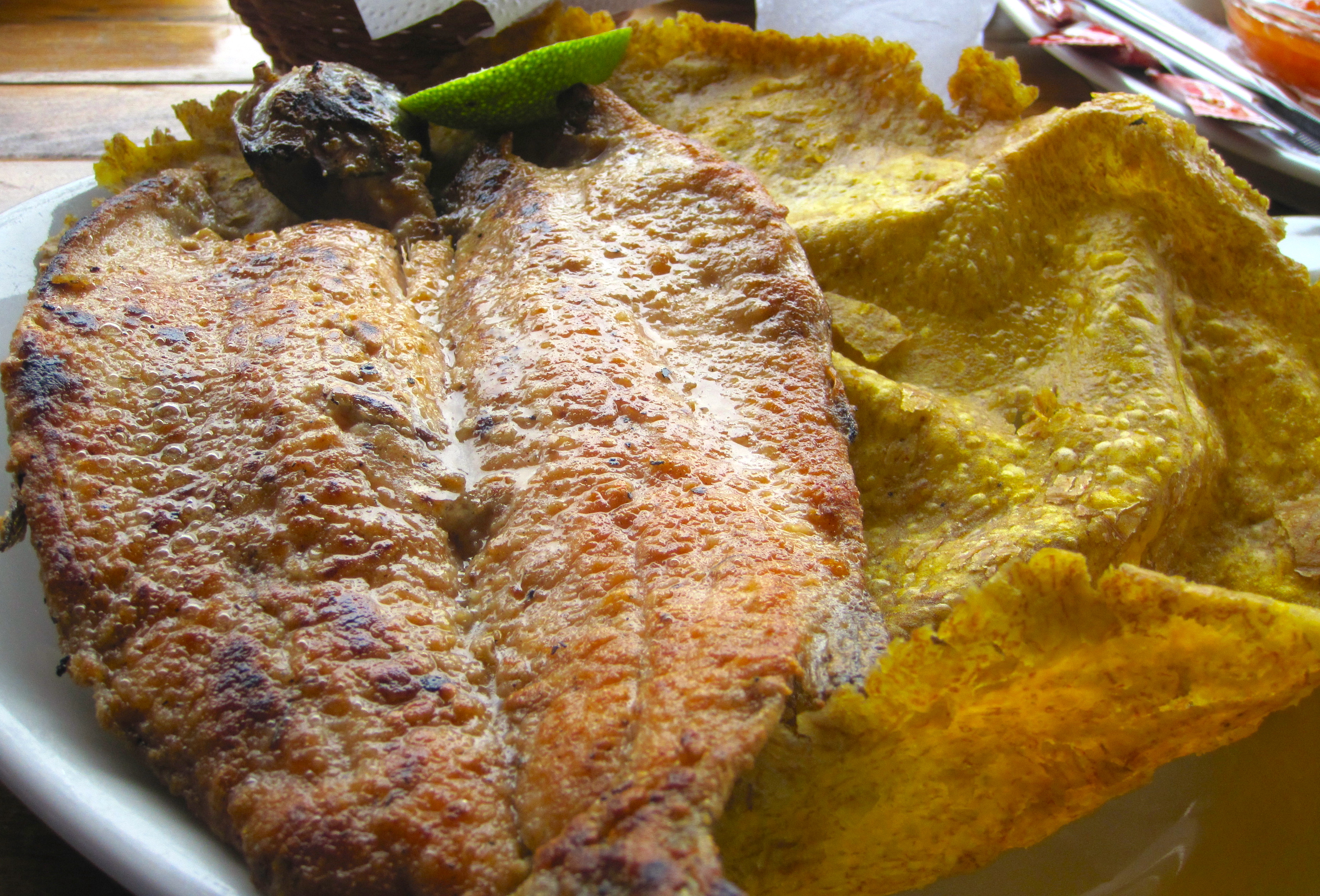
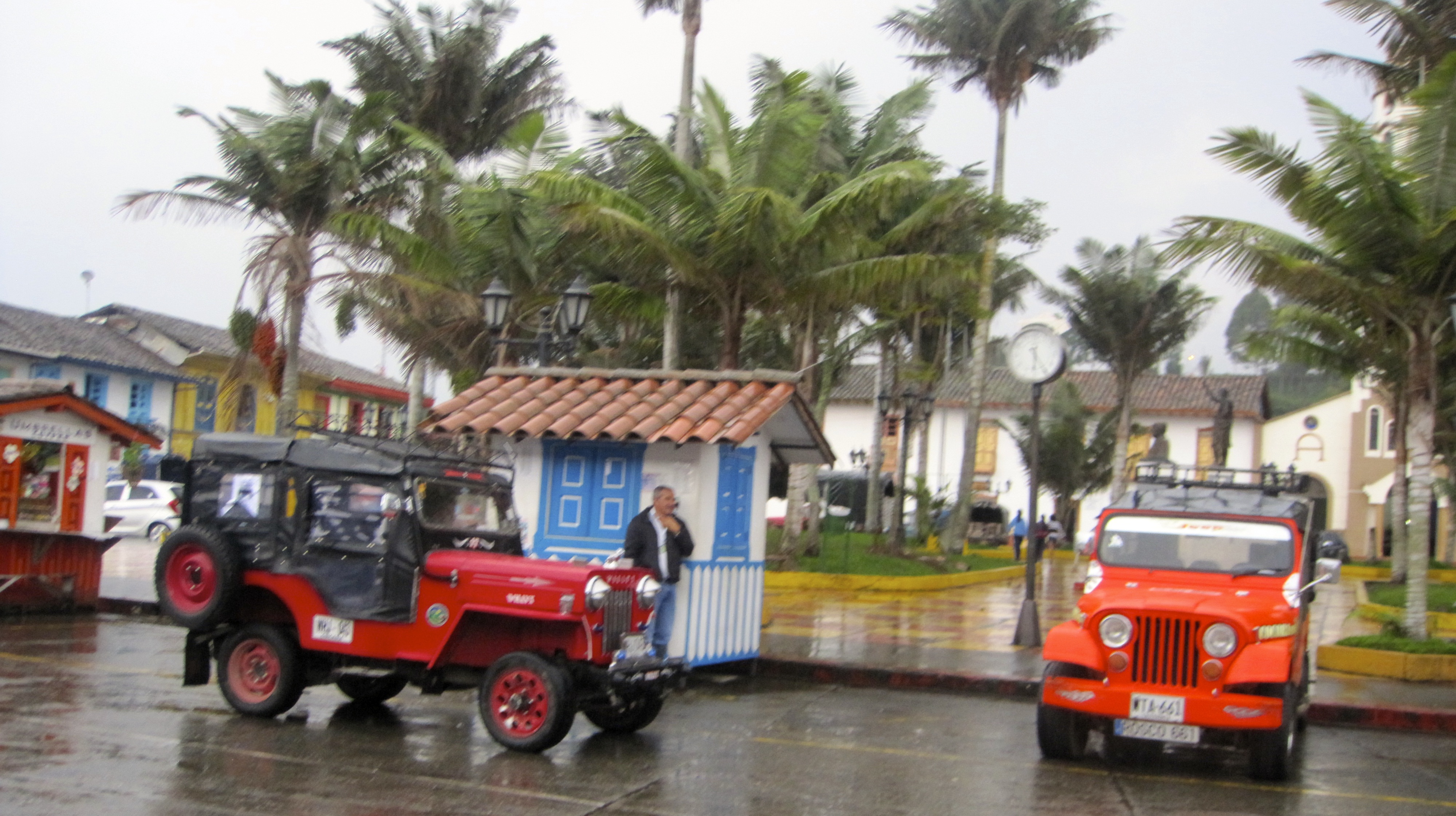
Throughout the coffee triangle you will see Jeep Willys. After WWII, the United States had a surplus of these, which Colombia bought very cheaply. Their durability is great in the coffee region and you can see them in all the towns. 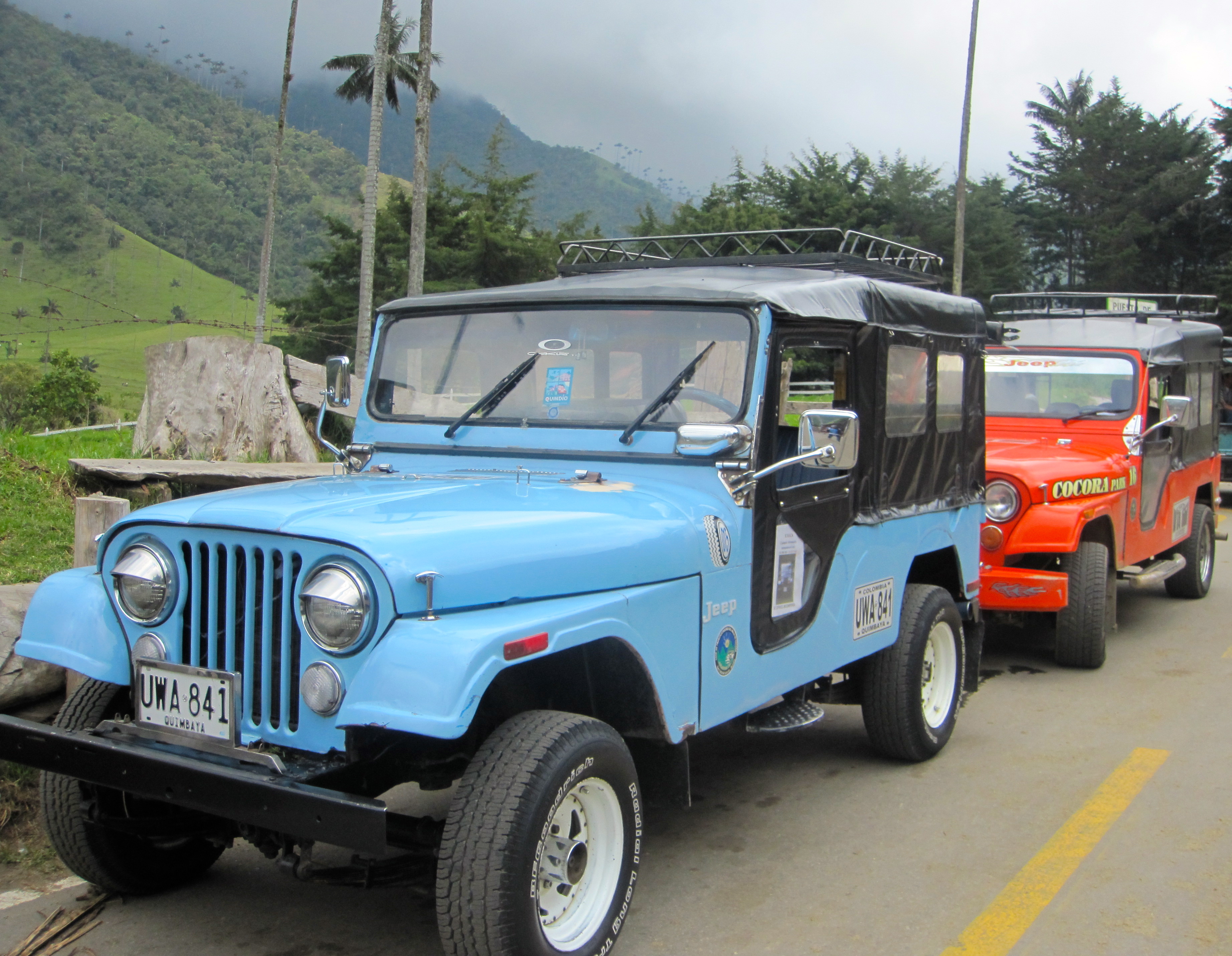
The “Ritual de Palma” is a way to help the continuation of the wax palms. Visitors from 48 countries so far have helped plant future wax palms here. 
It would probably have been better without the rain and sprained wrist. I had help. 
Someone planted these tall skinny trees a long time ago and I felt connected to those people hoping that in the far future , people will be planting trees to grow as tall as mine.
Many Thanks to Alex Rodriguez for showing me the coffee triangle of Colombia with kindness, knowledge and humor. This is a better and safer job then your past one and you are good at it.

Viaje Con Cuidado,
JAZ
Picking Coffee In Colombia
“As long as there was coffee in the world, how bad could things be?” Cassandra Clare
Coffee is my most important meal of the day. In my life, morning is not possible without coffee. I am in the coffee triangle of Colombia – the Utopia for coffee drinkers. The coffee triangle is the region of Colombia where most of the coffee crops grow.
The Coffee Cultural Landscape of Colombia was recently declared UNESCO World Heritage Landscape for its “centennial tradition of coffee growing”.
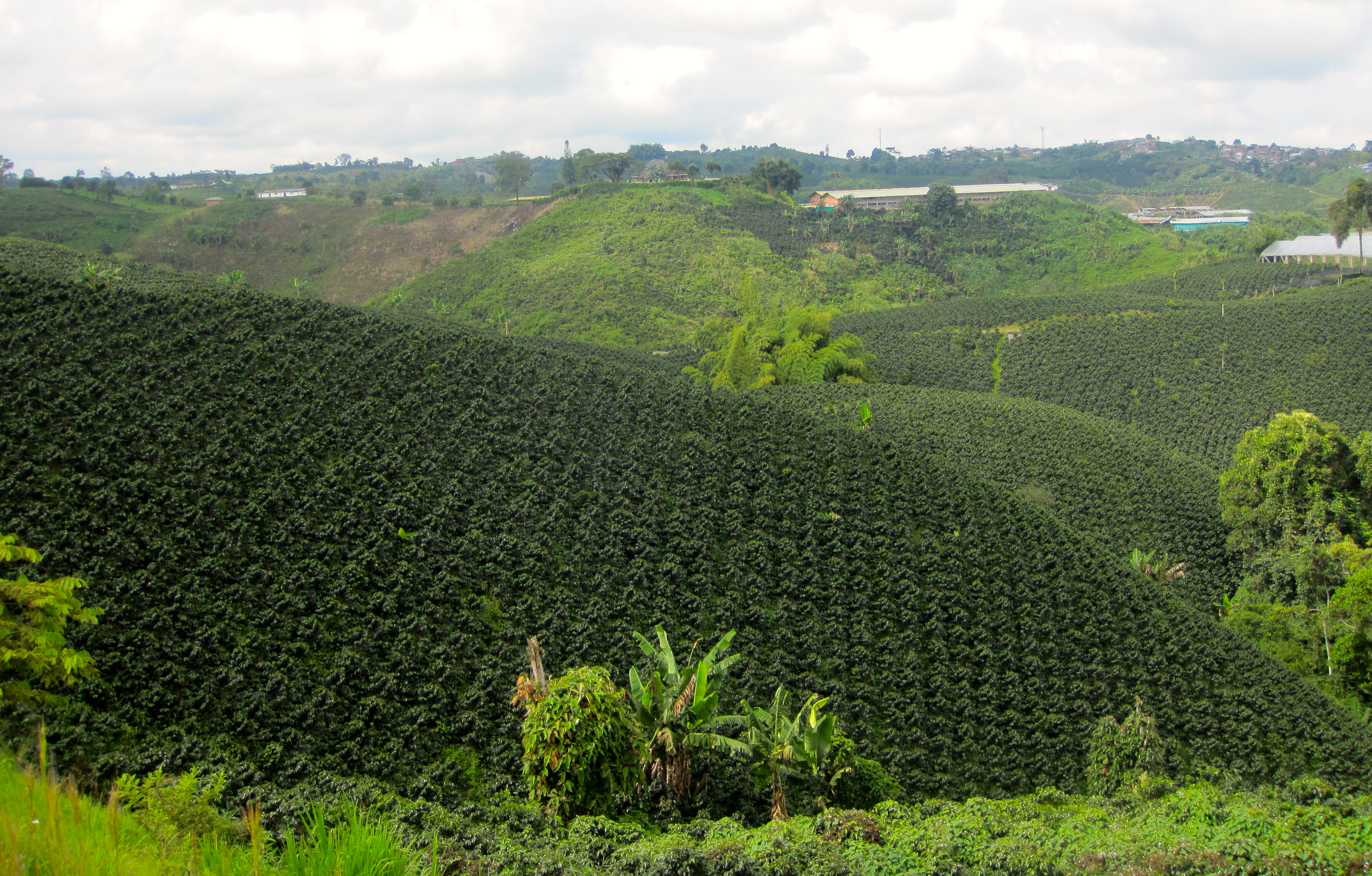
The exquisite landscape is characterized by rivers, steep hills with coffee plantations and coffee farms. The major cities are Armenia, Perreira and Manizales. I flew into Perreira.
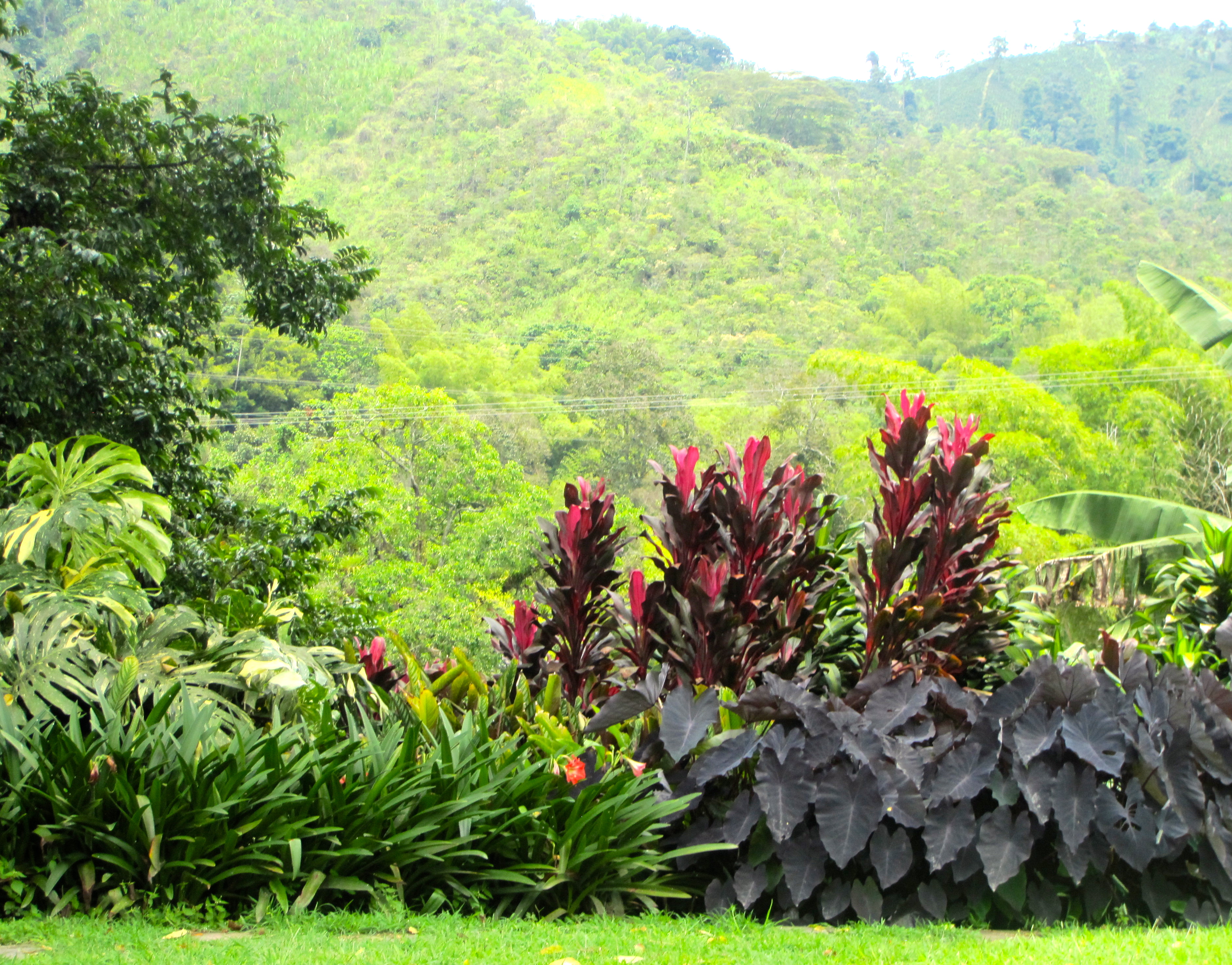
My coffee lesson begins at the beautiful Hacienda Venecia. (http://www.haciendavenecia.com)

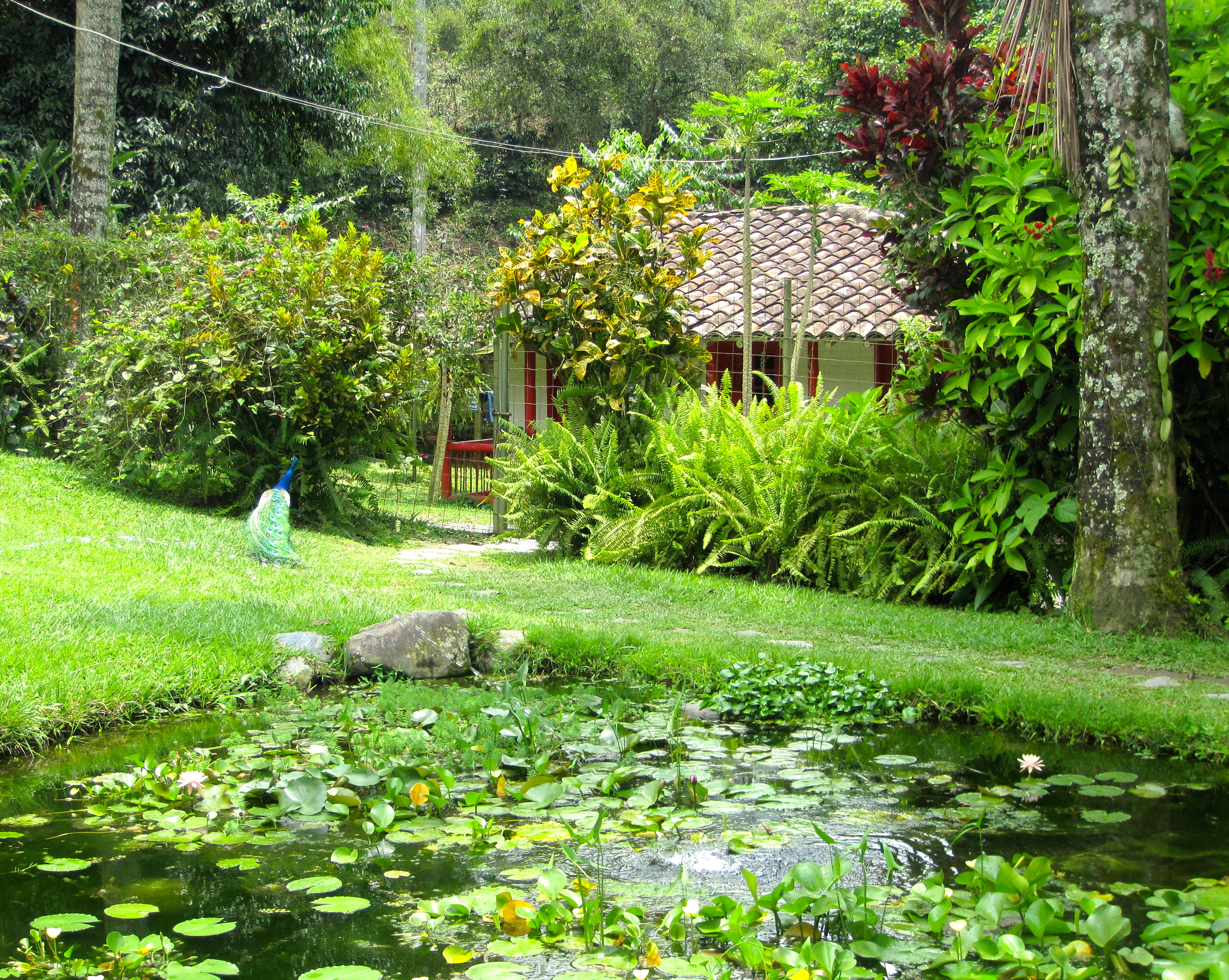


Lunch is served.
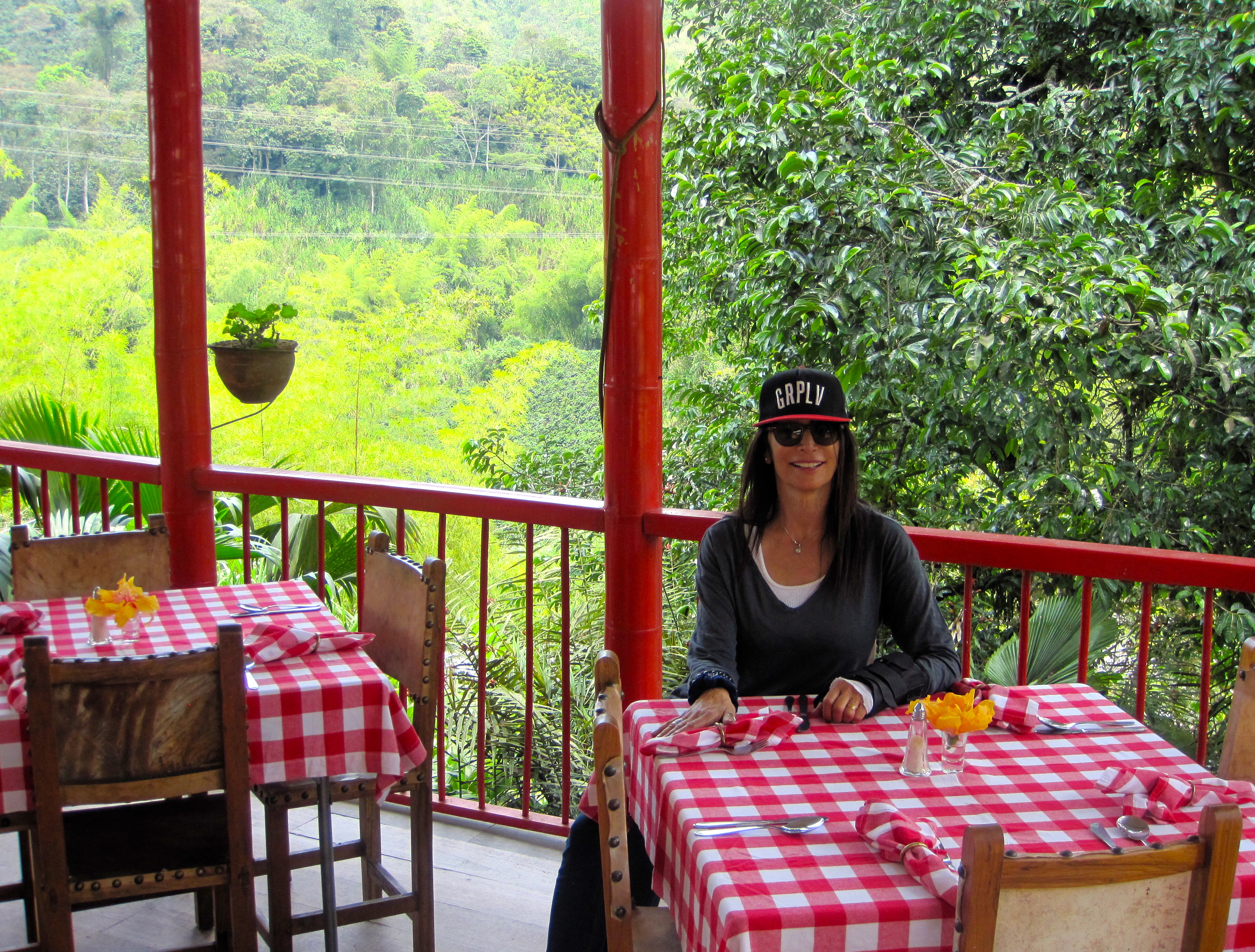
It is my new favorite Ajiaco soup and that is their specialty. It is a chicken soup made with three kind of potatoes and Colombian herbs. It is served with avocado and cream. (the chefs)


Coffee beans begin as red berries.

The coffee beans are the seeds.
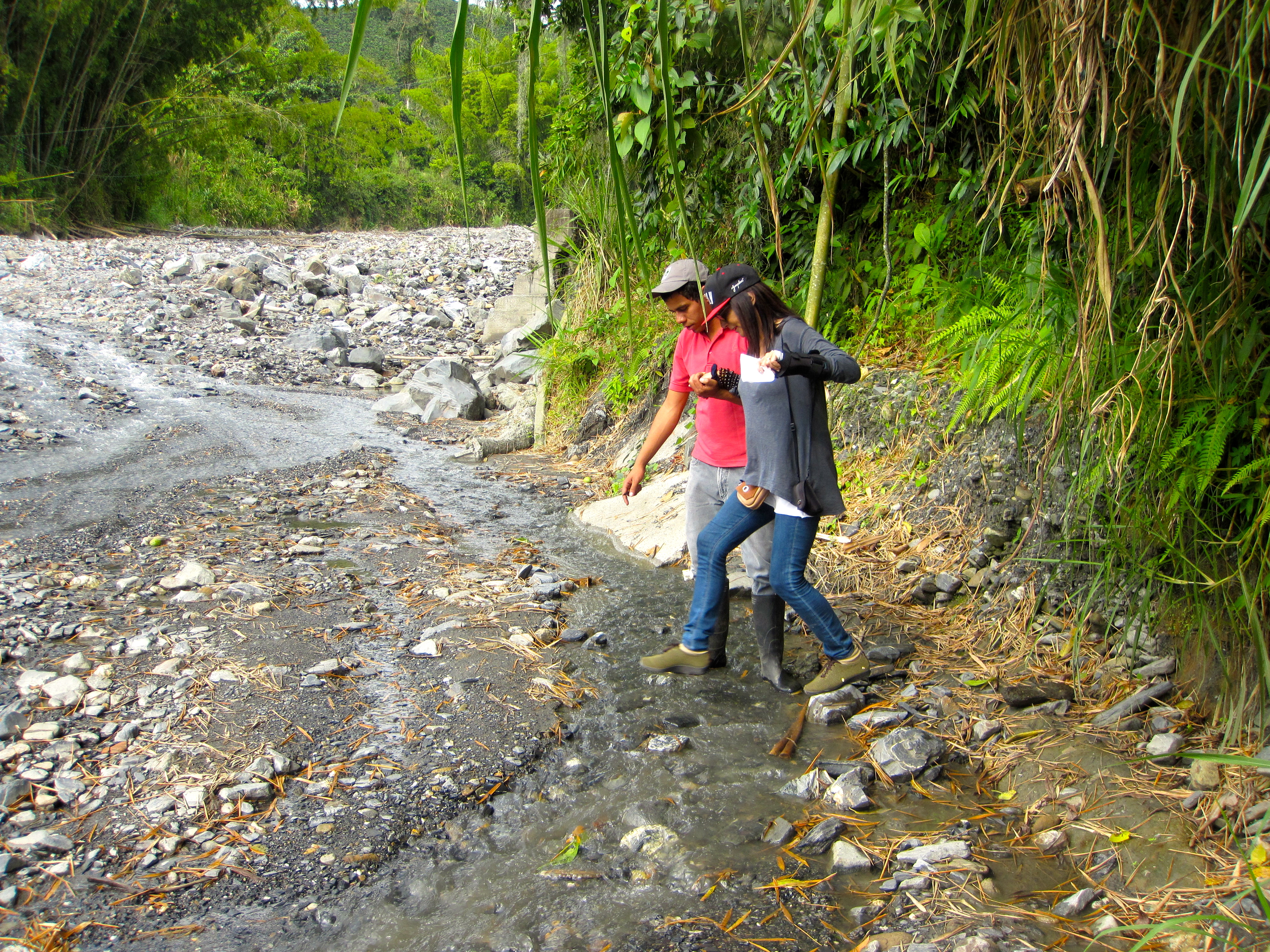
We head down across a river bed to pick coffee beans.

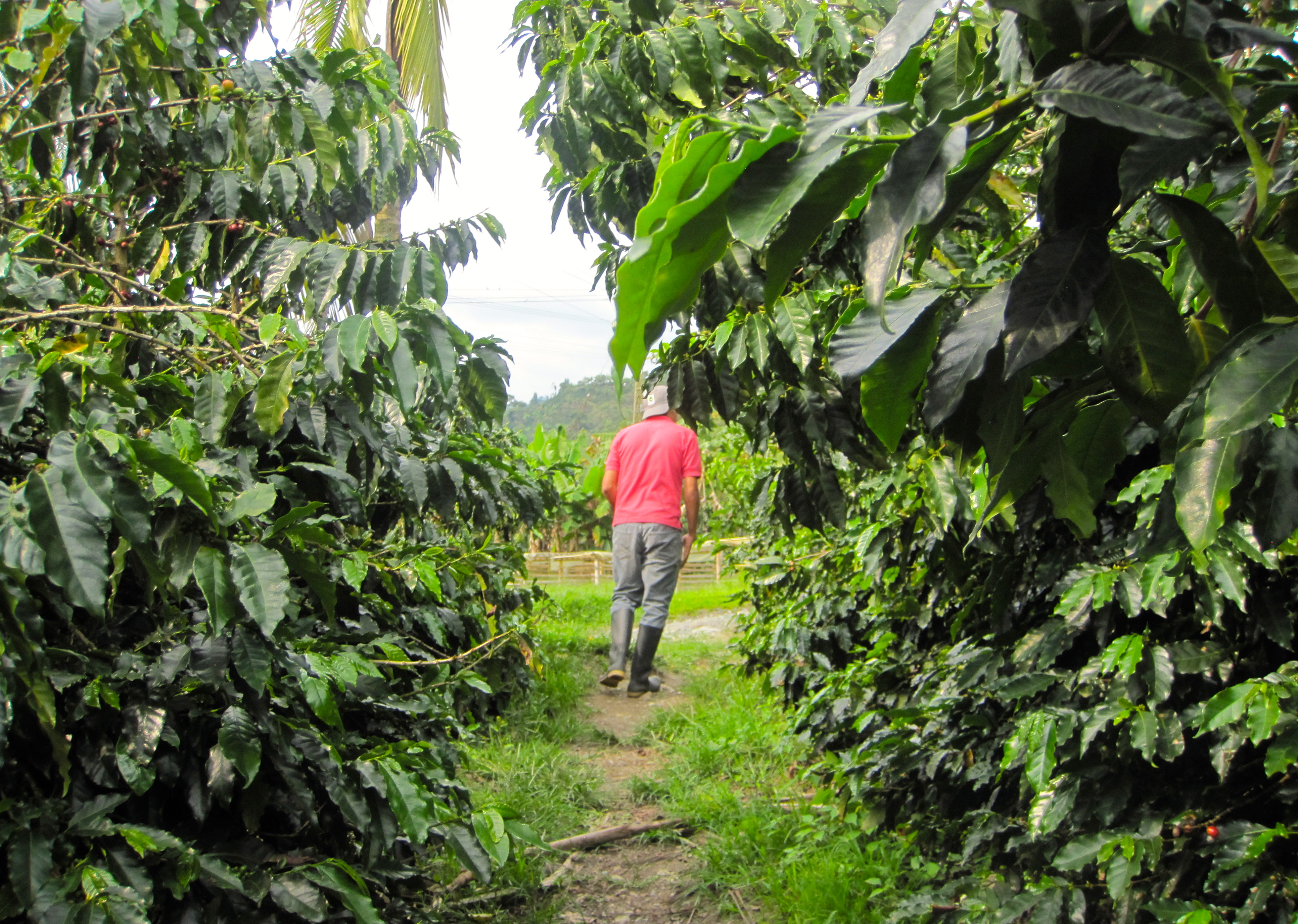
They are always hand picked off the vine and don’t pick the green ones.

We start along a path but gradually we are walking through thick bushes smacking us all over.
I’m sure I must be getting malaria. The lives of the coffee pickers are hard and the work is tedious and difficult. ( I just walked out of that)

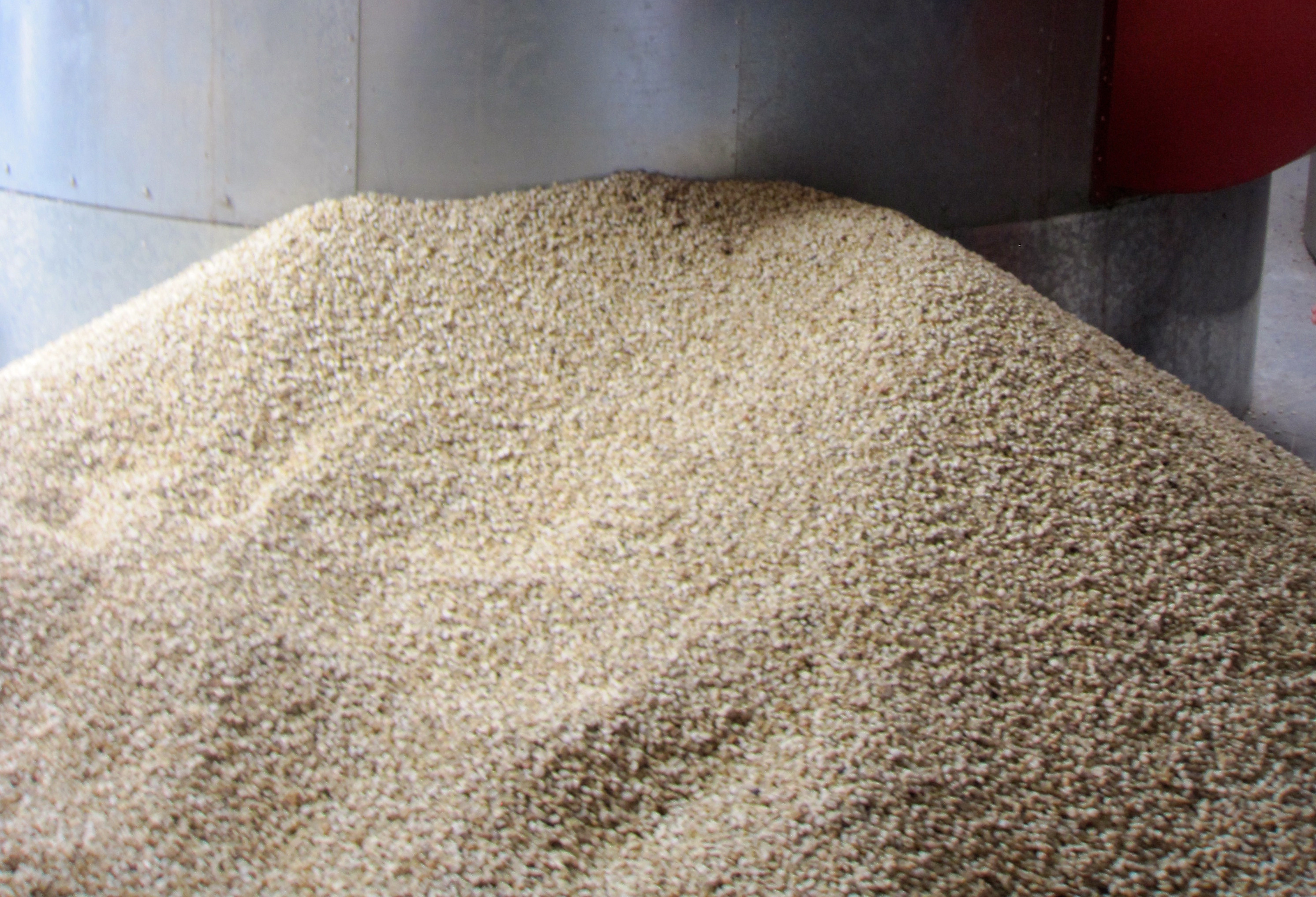
We learn how the beans are processed and about all the machinery, certification and care involved in transforming the berry into coffee beans.
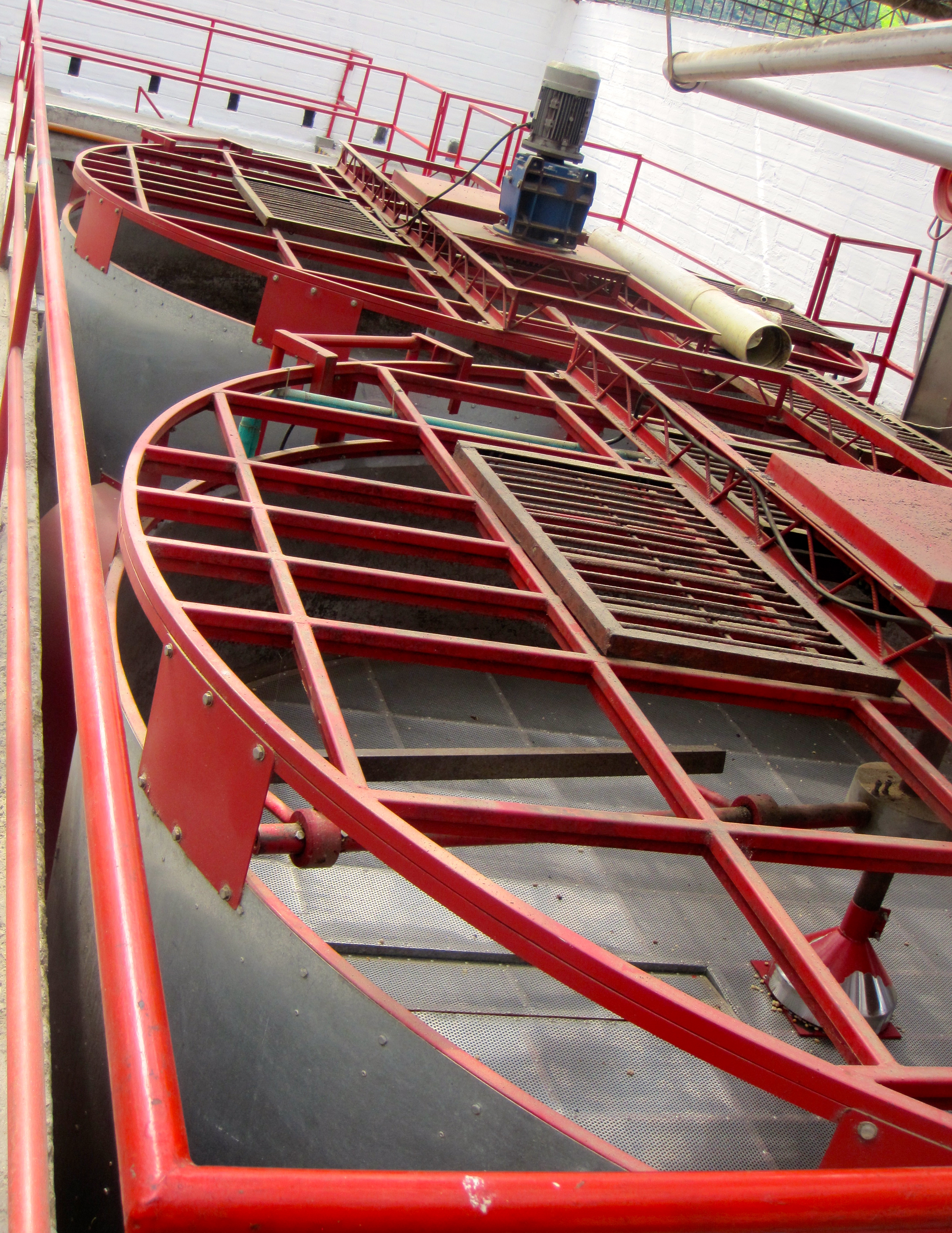
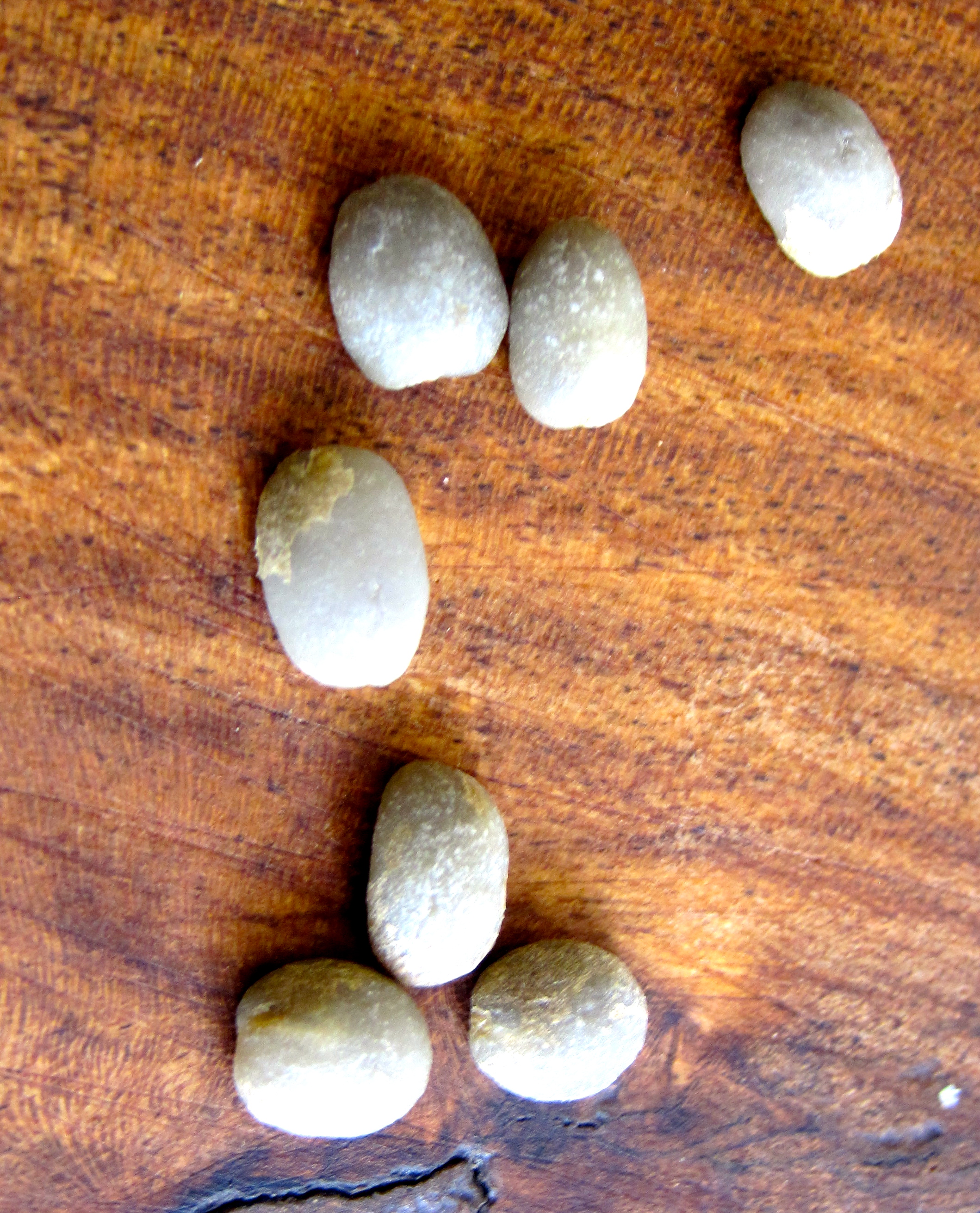
, The fresh beans are examined. I was slow at finding the good ones.

These are good ones. Not broken and no scars.
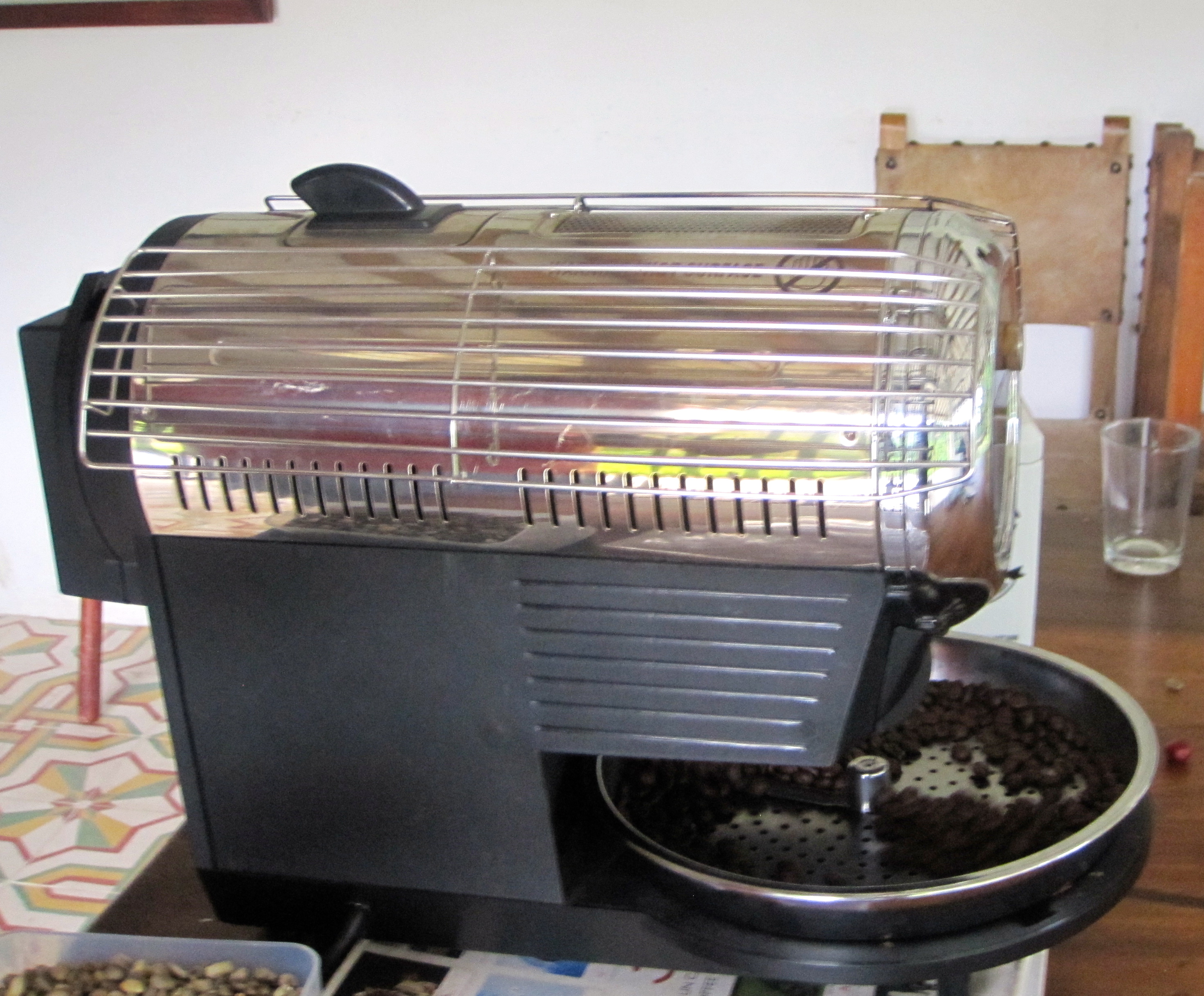
Then we roasted my beans in a special toaster. (my coffee beans)

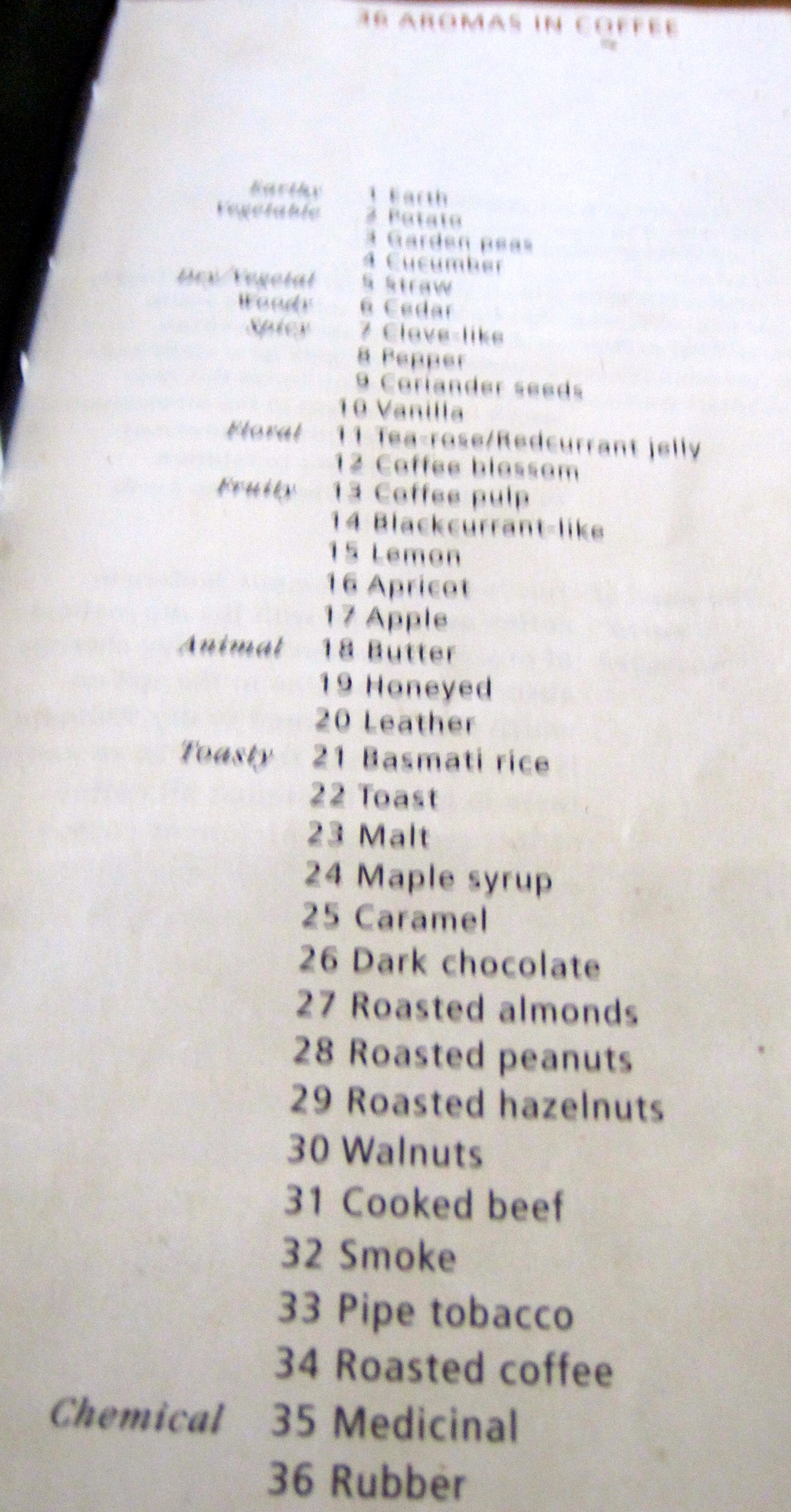
We smelled different coffee bean aromas from tester bottles.
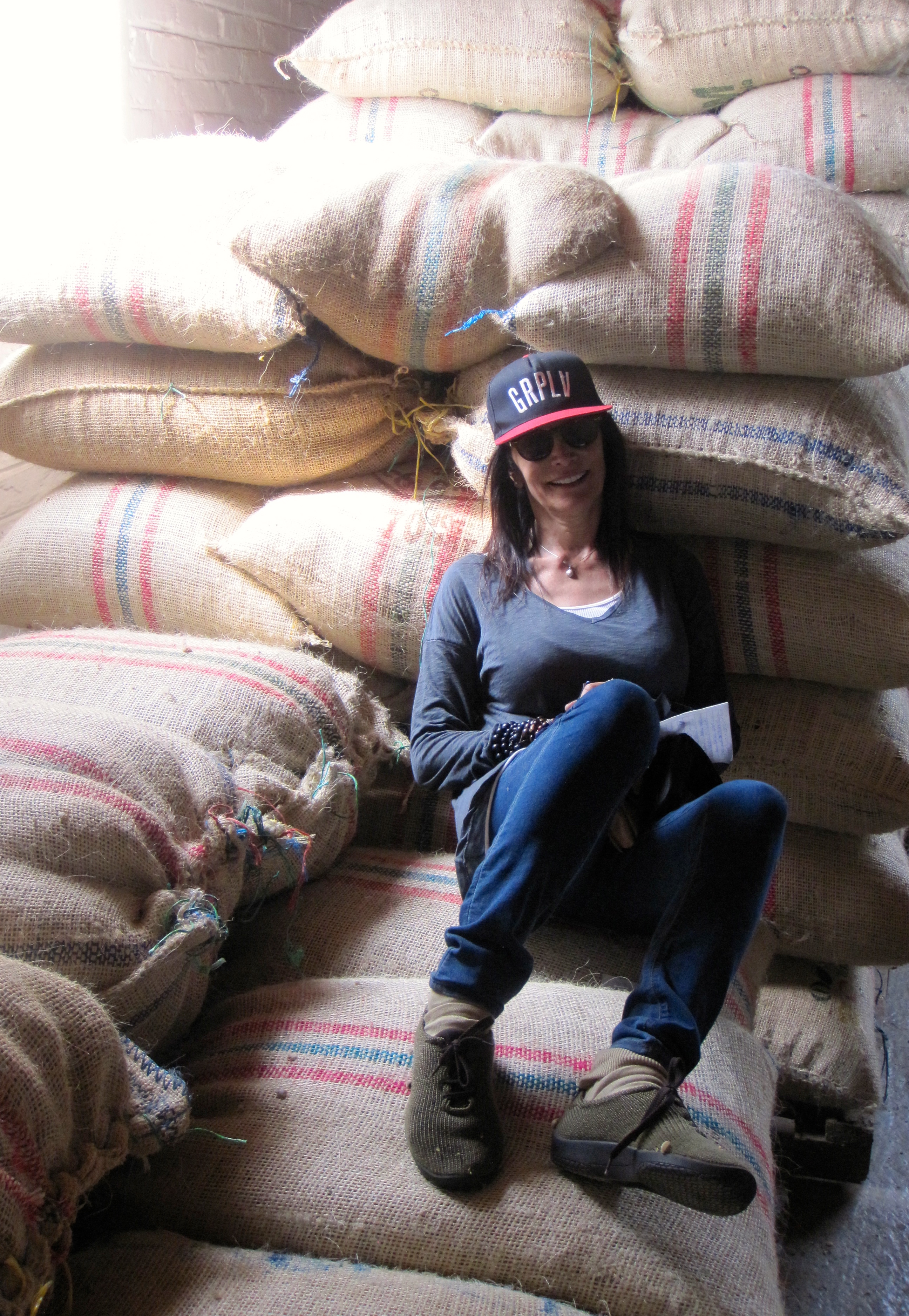
The premium beans are dried and sent to Europe and North America. They are sold to a distributor who is responsible for roasting and export.
The low-grade beans stay in Colombia and are brewed into a sugary watery coffee called tinto sold all over Colombia. The Colombian coffee “revolutionaries” are trying to change that by introducing their quality bean coffee in Colombia. Juan Valdez cafes and chic coffee houses are popping up everywhere like Starbucks. But it is hard to get people to change what they have been drinking all their lives.
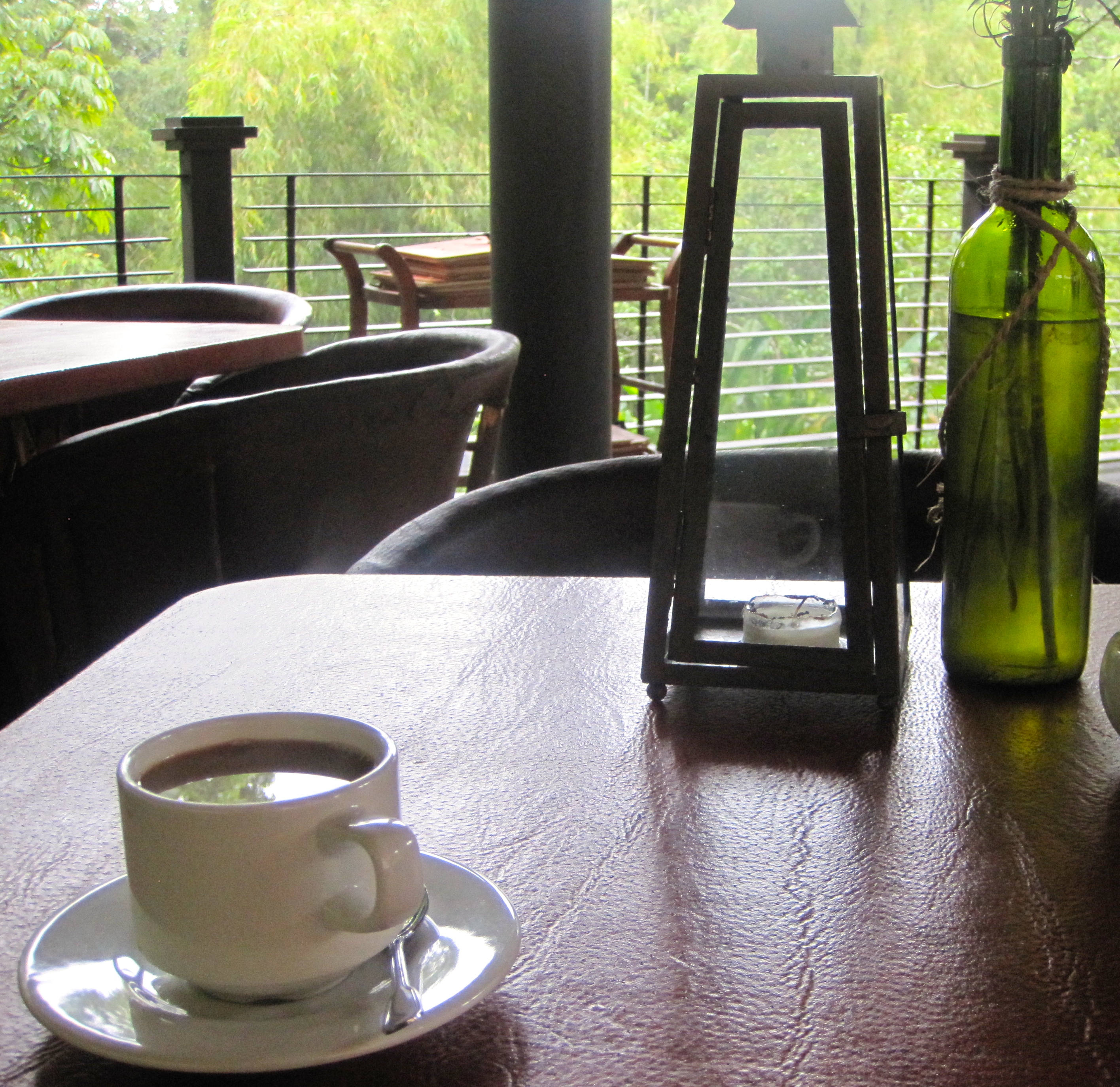
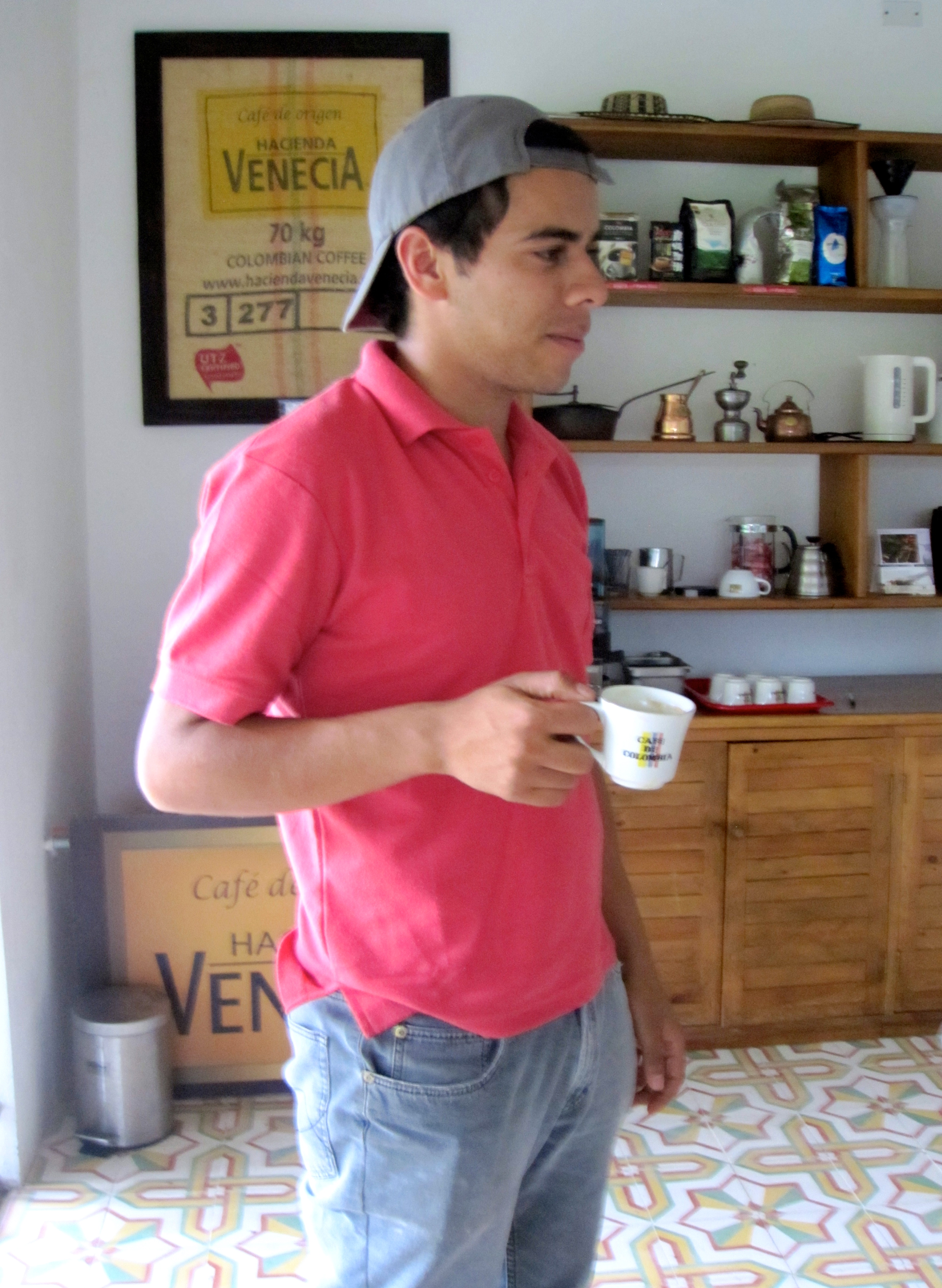
We have a last cup of coffee at the coffee farm. It is starting to rain. I think about all that work that went into producing this one cup of coffee . I think about picking those beans every time I have a cup of coffee now. Coffee will always reminds me of Colombia.
Viaje Con Cuidado,
JAZ
 Travel Well, Fly Safe
You must be logged in to post a comment.